
 IN
Pneumatic Fittings
15 products available
What are Pneumatic Fittings?
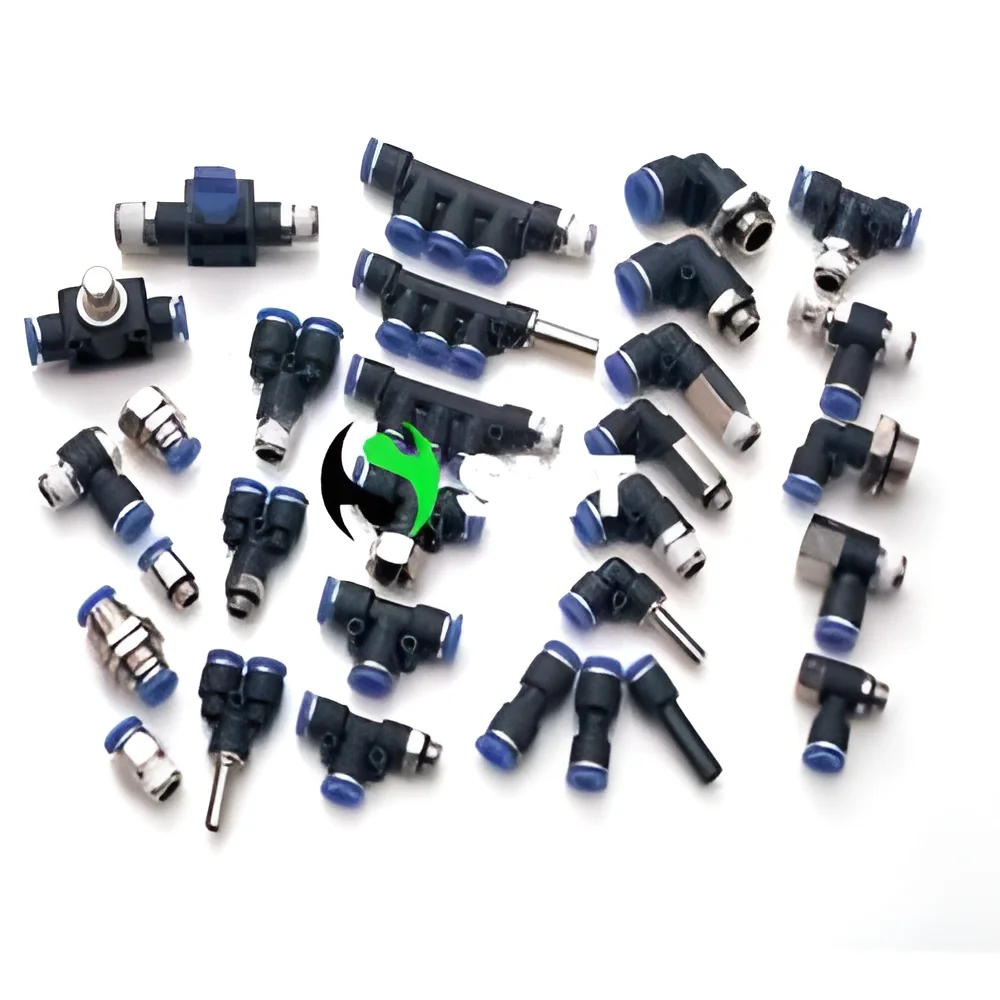
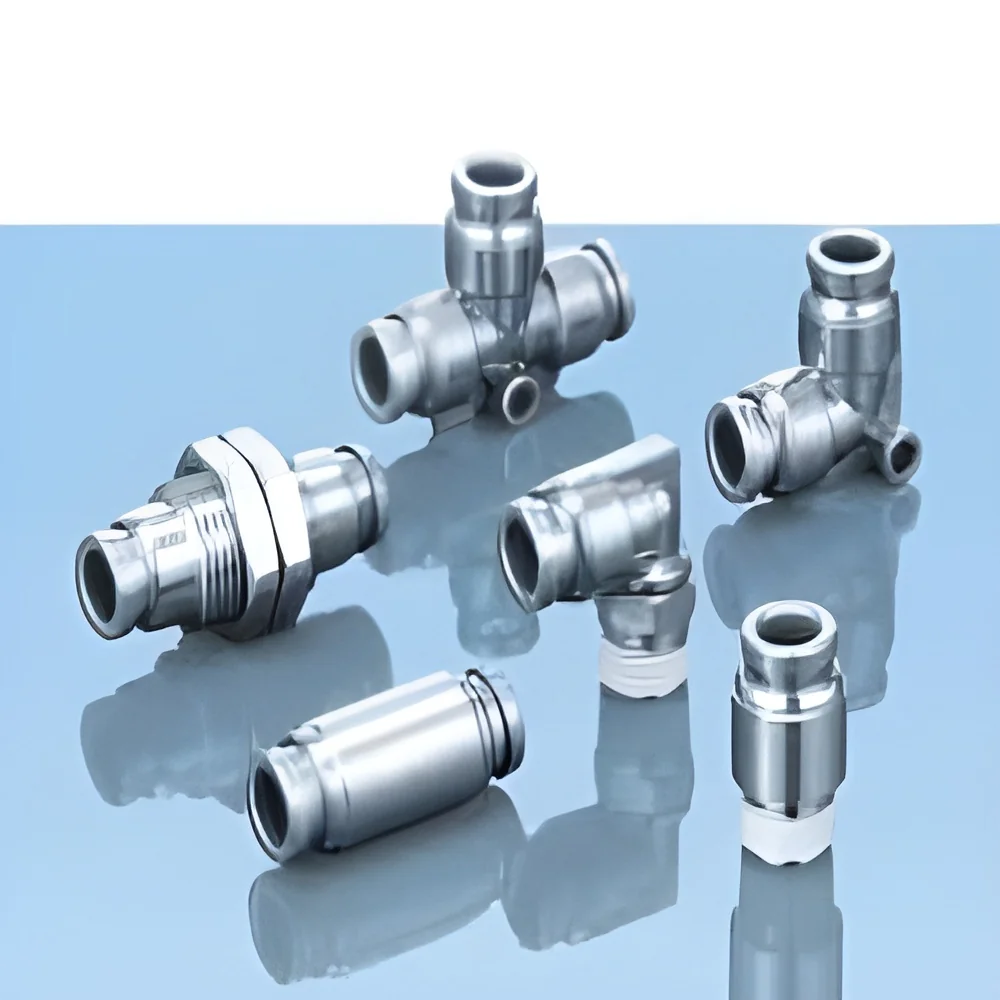
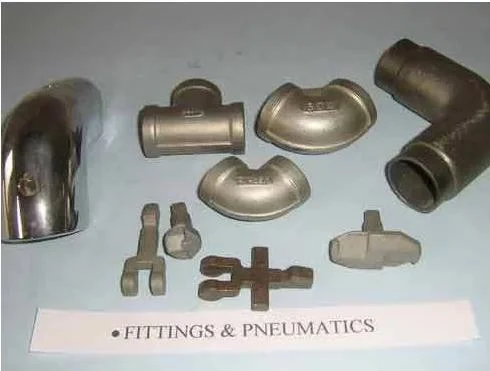
Pneumatic fittings are essential components in pneumatic systems that connect various parts of the system, allowing for the efficient transfer of compressed air or gases. These fittings can come in various shapes and sizes, including elbows, tees, couplings, and straight connectors. Made from materials such as metal or plastic, they ensure a secure and leak-free connection between hoses, pipes, and equipment.
In the B2B context, pneumatic fittings are widely used across multiple industries, including manufacturing, automotive, and construction. They facilitate the operation of pneumatic tools, control systems, and actuators. By providing a reliable means of connecting different pneumatic components, they play a crucial role in enhancing productivity and operational efficiency.
As industries increasingly adopt automation and pneumatic technology, the demand for high-quality pneumatic fittings continues to rise. The market is characterized by a diverse range of products designed to meet the specific needs of different applications and environments. Companies that prioritize pneumatic solutions often seek out advanced fittings to optimize their systems and maintain competitive advantages.
Key Features and Specifications
Pneumatic fittings are characterized by several key features that dictate their performance and suitability for various applications. Understanding these specifications is vital for selecting the right fittings for any given project.
Key specifications include:
1. Material Type
- Common materials include brass, stainless steel, and plastic.
- Each material offers different levels of durability and corrosion resistance.
2. Connection Type
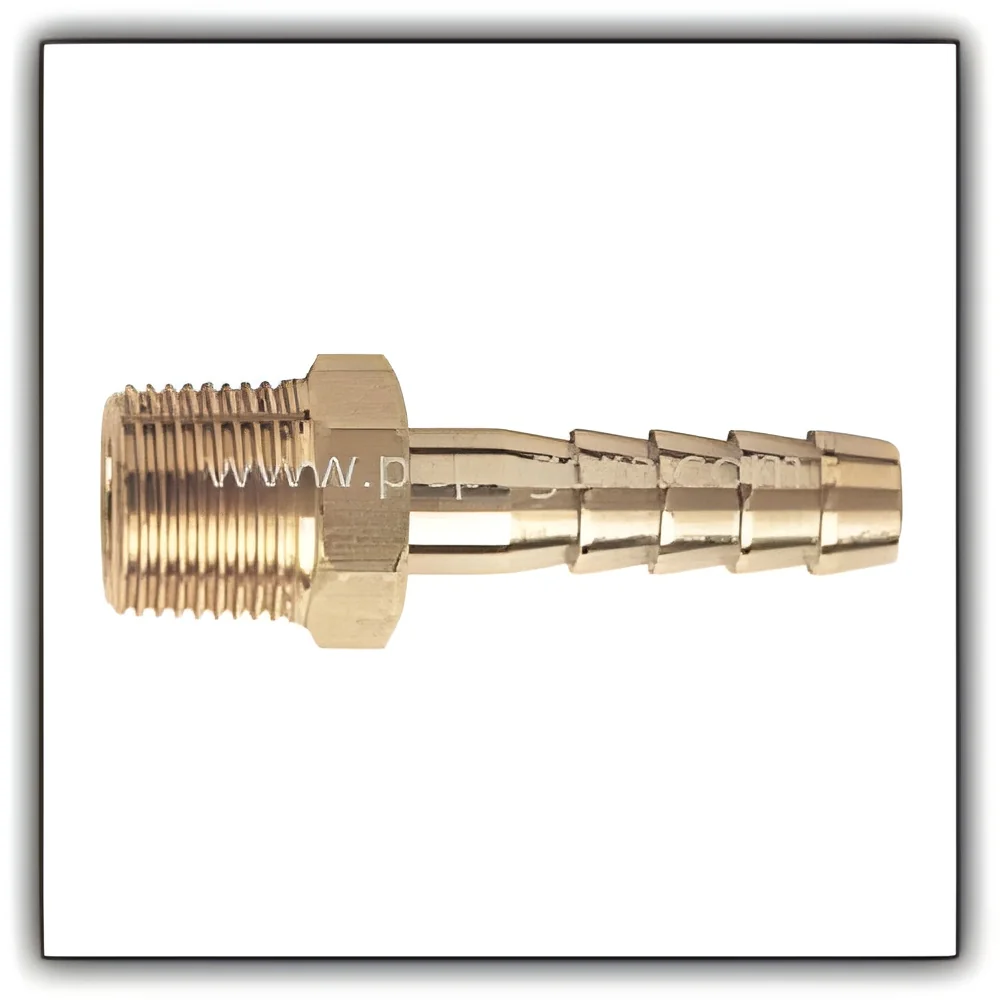
- Types include threaded, push-to-connect, and barbed fittings.
- Each type is designed for specific applications and ease of use.
3. Pressure Rating
- Fittings are rated for maximum pressure, typically ranging from low to high pressures.
- Ensuring the right pressure rating is crucial for system safety.
4. Temperature Range
- Specifications often cover operational temperature ranges for fittings.
- This ensures the fittings can withstand environmental conditions.
5. Size and Compatibility
- Available in various sizes to fit different hoses and pipes.
- Compatibility is essential for ensuring a leak-proof connection.
6. Seal Type
- Common seal types include O-rings and gaskets.
- The seal type affects leak prevention and system integrity.
7. Flow Rate
- Flow rates are specified to ensure optimal performance in pneumatic applications.
- This detail helps in system design and efficiency calculations.
8. Certifications
- Many pneumatic fittings come with certifications like CE, ensuring compliance with safety standards.
- Certification indicates adherence to quality and safety requirements.
These specifications help businesses make informed decisions, ensuring they select fittings that meet their operational needs.
Common Applications and Use Cases
Pneumatic fittings serve a variety of industries, each with unique applications that leverage the advantages of pneumatic technology.
1. Manufacturing: Pneumatic fittings are used in assembly lines to connect tools and machinery, enabling efficient automation and reducing downtime.
2. Automotive: In automotive manufacturing, these fittings connect pneumatic tools used for tasks such as painting, assembly, and tire inflation, enhancing productivity.
3. Construction: Pneumatic fittings are crucial in construction sites to connect tools and equipment for tasks like nail guns and air compressors, ensuring reliable performance.
4. Food and Beverage: In this industry, pneumatic fittings are used in packaging and processing equipment, where hygiene and safety are paramount.
5. Pharmaceutical: Pneumatic fittings in this sector connect systems for transporting and processing sensitive materials, adhering to strict compliance standards.
6. Textile: In textile manufacturing, fittings connect pneumatic systems that operate machinery for weaving and finishing processes.
7. HVAC: Pneumatic fittings help in controlling air flow and pressure in heating, ventilation, and air conditioning systems, improving energy efficiency.
Product Variants and Subcategories
Pneumatic fittings come in various types, each designed for specific functions and applications. Their diversity allows businesses to choose the most suitable options for their pneumatic systems.
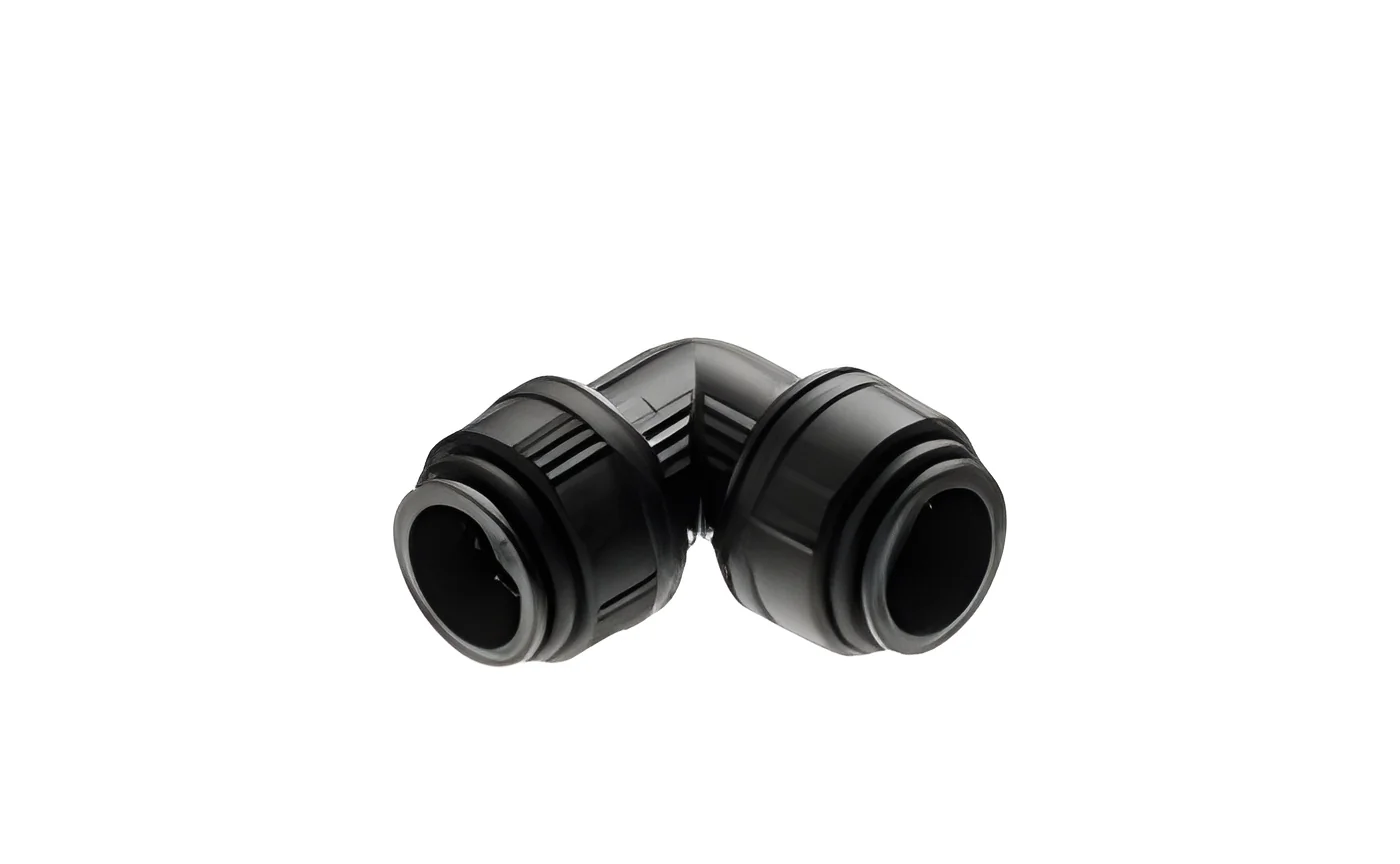
Push-to-Connect Fittings: These fittings offer easy installation without the need for tools, making them ideal for quick assembly in tight spaces. They are widely used in applications where frequent disconnection and reconnection are required.
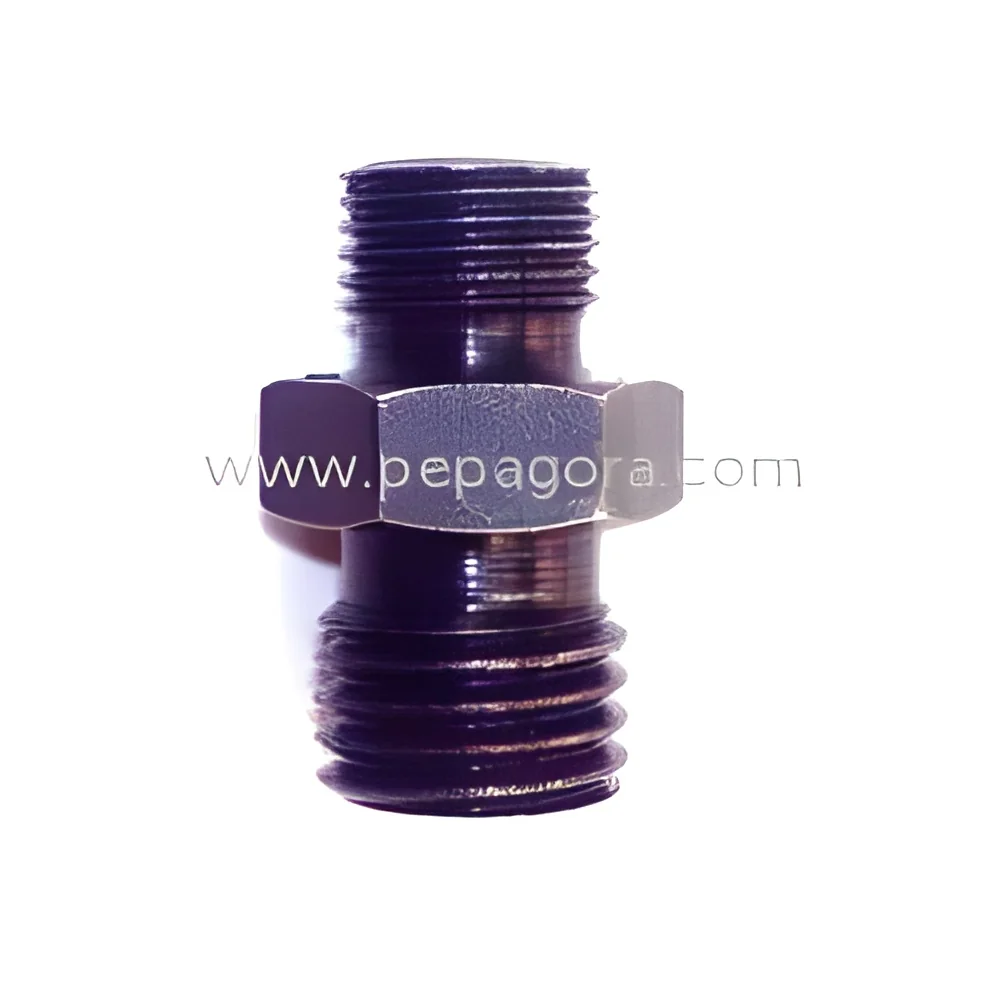
Threaded Fittings: Designed for robust connections, threaded fittings are ideal for high-pressure applications. They provide secure sealing and are commonly used in industrial environments.
Quick Disconnect Fittings: These fittings allow for fast and easy disconnection of hoses and tools, making them perfect for applications that require frequent changes or maintenance.
Barbed Fittings: Barbed fittings are used to connect hoses securely, preventing leaks in low-pressure systems. They are common in agricultural and irrigation applications.
Benefits and Advantages
Pneumatic fittings offer numerous benefits that enhance their value in various applications. Understanding these advantages can help businesses optimize their operations.
1. Reliability: Pneumatic fittings provide secure connections that minimize the risk of leaks, ensuring consistent system performance.
2. Versatility: With a wide range of types and sizes, pneumatic fittings can be used in diverse applications across multiple industries.
3. Ease of Installation: Many fittings are designed for quick and easy installation, reducing labor time and costs during setup.
4. Durability: High-quality materials ensure that pneumatic fittings can withstand harsh environments and prolonged use, reducing replacement frequency.
5. Improved Efficiency: Properly selected fittings enhance airflow and pressure control, leading to improved overall system efficiency.
6. Cost-Effectiveness: Investing in quality pneumatic fittings can lead to long-term savings through reduced maintenance and downtime.
Buying Guide for B2B Buyers
When sourcing pneumatic fittings, it is essential for buyers to consider various factors to ensure they make informed purchasing decisions.
1. Quality Assessment: Evaluate the quality of fittings based on material, design, and manufacturer reputation. High-quality fittings are less likely to fail and can lead to long-term savings.
2. Supplier Verification: Vet suppliers thoroughly to ensure they provide reliable, certified products. Check for customer reviews and industry certifications to gauge their credibility.
3. Pricing and MOQ: Consider the pricing structure and minimum order quantities. Ensure that the costs align with budget constraints while meeting project requirements.
4. Delivery and Lead Times: Understand the supplier's logistics capabilities, including delivery times and shipping options. Timely delivery is crucial for maintaining project schedules.
5. Compliance Requirements: Ensure that the fittings meet industry-specific compliance and safety standards. Regulatory compliance is vital to avoid legal issues and ensure product safety.
Compliance and Certifications
Pneumatic fittings must adhere to various compliance and certification standards to ensure safety and performance. Key standards include ISO 9001, which focuses on quality management systems, and CE certifications that indicate compliance with European safety regulations.
Additionally, fittings may need to meet specific industry standards such as HACCP for food safety and GDP for good distribution practices in pharmaceutical applications. These certifications help businesses ensure that the products they use are safe and reliable.
Safety and testing requirements are critical, particularly in high-pressure applications where failure can lead to significant risks. Manufacturers often conduct rigorous testing to verify that their fittings meet or exceed these standards.
Regional compliance considerations may vary, so businesses should be aware of local regulations that apply to their operations. Understanding these requirements helps companies avoid compliance-related issues and ensures that their systems operate safely and effectively.
Why Source Pneumatic Fittings from Pepagora?
Pepagora provides a trusted platform for sourcing pneumatic fittings with several key advantages that cater to the needs of B2B buyers.
Verified Supplier Network: Pepagora collaborates with a network of verified suppliers, ensuring that buyers have access to high-quality products. This network reduces the risk associated with sourcing from unverified vendors.
Streamlined RFQ Process: The Request for Quotation (RFQ) system on Pepagora allows buyers to easily compare prices and specifications from multiple suppliers. This transparency helps in making informed purchasing decisions.
Trade Assurance and Support: Pepagora offers trade assurance that protects buyers against potential issues, ensuring a secure transaction process. Customer support is also available to assist buyers throughout their sourcing journey.
Regional Coverage: Pepagora's geographical reach includes India, the GCC, and Southeast Asia, allowing businesses to source pneumatic fittings from reliable suppliers across these regions. This coverage facilitates access to a diverse product range and competitive pricing.
By choosing Pepagora, businesses can streamline their sourcing process, ensuring they acquire the right pneumatic fittings for their operational needs while benefiting from added security and support.


 India

 India
 India
 India
 India
 India
 India
 India

Frequently Asked Questions
What are Pneumatic Fittings?
Pneumatic fittings are components used to connect various parts of pneumatic systems, which utilize compressed air to transmit power. These fittings help in directing airflow and securing connections between hoses, tubes, and pipes, ensuring efficient operation of pneumatic machinery.
What are the different types of Pneumatic Fittings?
There are several types of pneumatic fittings including push-to-connect fittings, barbed fittings, threaded fittings, and quick disconnect fittings. Each type serves a specific purpose and is designed for different applications within pneumatic systems, ensuring flexibility and efficiency.
How do I choose the right Pneumatic Fittings?
Choosing the right pneumatic fittings involves considering factors such as the type of connection needed, the size of the tubing or pipe, and the working pressure and temperature of the system. It is also important to assess compatibility with the materials used in your system to ensure optimal performance.
What are the standard specifications for Pneumatic Fittings?
Standard specifications for pneumatic fittings typically include the fitting size, thread type, pressure rating, and material composition. Common materials used include brass, stainless steel, and plastic, each offering different properties suited for various operational environments.
What is the price range for Pneumatic Fittings?
The price range for pneumatic fittings can vary widely based on factors such as material, type, and manufacturer. Generally, prices can start from a few rupees for basic fittings and can go up to several hundred rupees for specialized or high-quality options.
What quality standards apply to Pneumatic Fittings?
Pneumatic fittings are subject to various quality standards, including ISO 4414 and ISO 8573, which govern the performance and safety of pneumatic systems. Compliance with these standards ensures reliability and efficiency in pneumatic applications.
Where can I find Pneumatic Fittings suppliers in India?
Pneumatic fittings suppliers in India can be found through B2B marketplaces such as Pepagora, industrial supply stores, and specialized pneumatic equipment suppliers. Online directories and trade shows are also good resources to locate reputable manufacturers and distributors.
Can Pneumatic Fittings be customized?
Yes, many manufacturers offer customization options for pneumatic fittings to meet specific requirements of different applications. This may include modifications in size, material, or connection type to ensure compatibility with unique system designs.
What is the typical minimum order quantity for Pneumatic Fittings?
The typical minimum order quantity (MOQ) for pneumatic fittings can vary by supplier, but it often ranges from 10 to 100 pieces. Larger orders may be required for custom fittings or specialized products, so it's advisable to check with the supplier for their specific MOQ.
What is the typical lead time for Pneumatic Fittings?
The typical lead time for pneumatic fittings can range from a few days to several weeks depending on the supplier and whether the fittings are standard stock items or custom orders. It's important to discuss timelines with suppliers to ensure timely delivery for your projects.
Why Businesses Trust Pepagora
Thousands of companies trust Pepagora to source smarter and sell faster
Expand Your Sales Globally

Source Smarter,Grow Faster
