
 IN
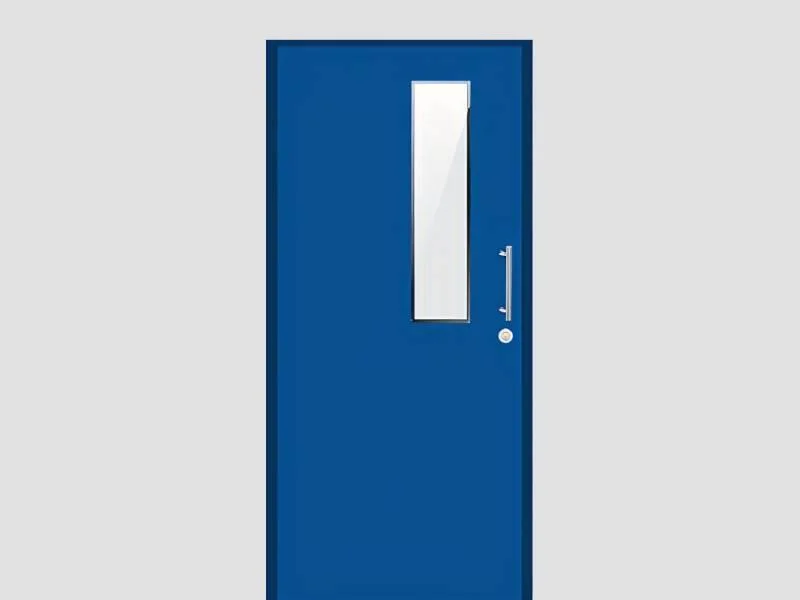
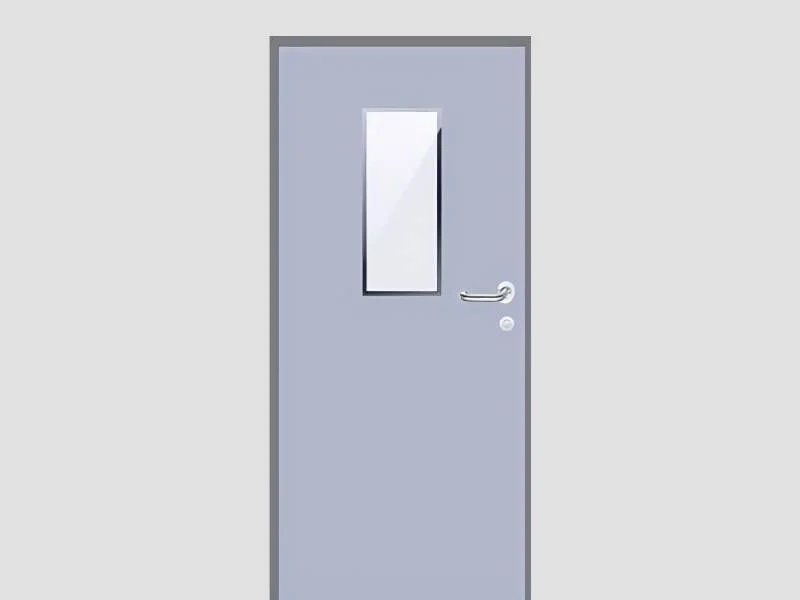
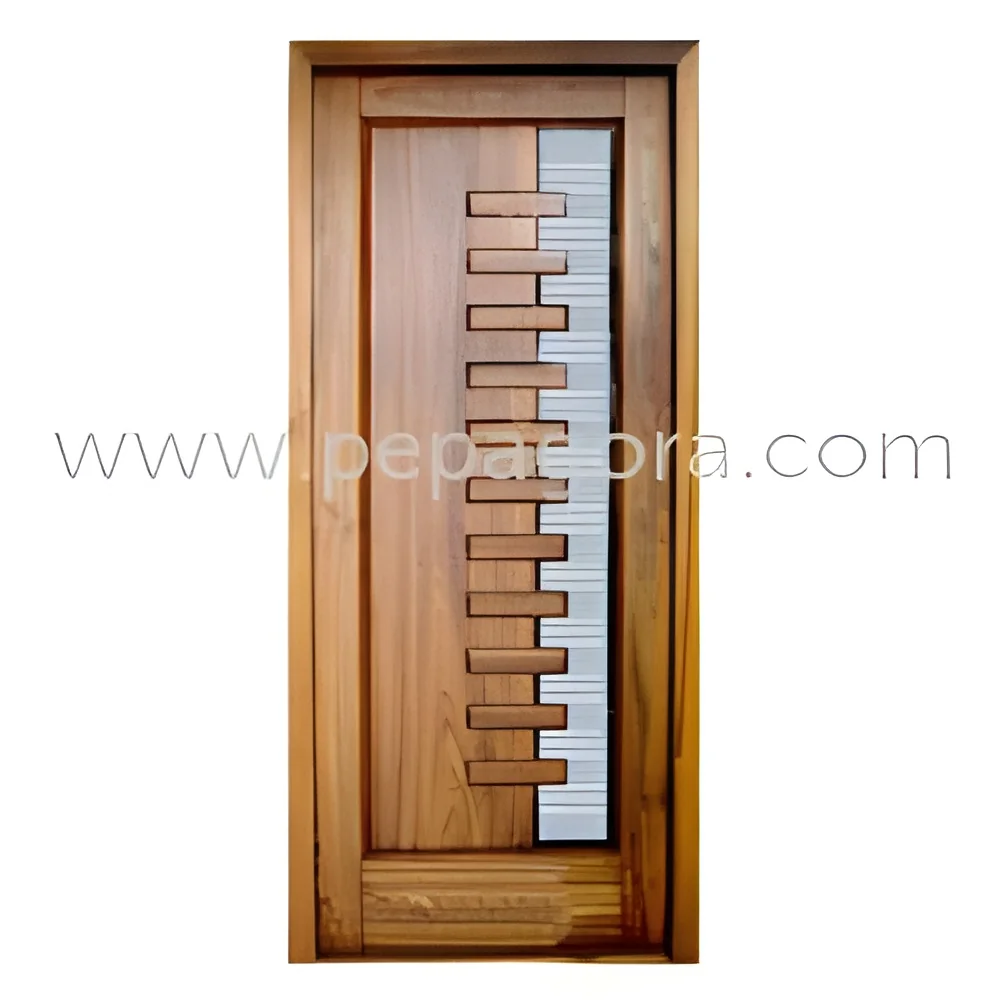
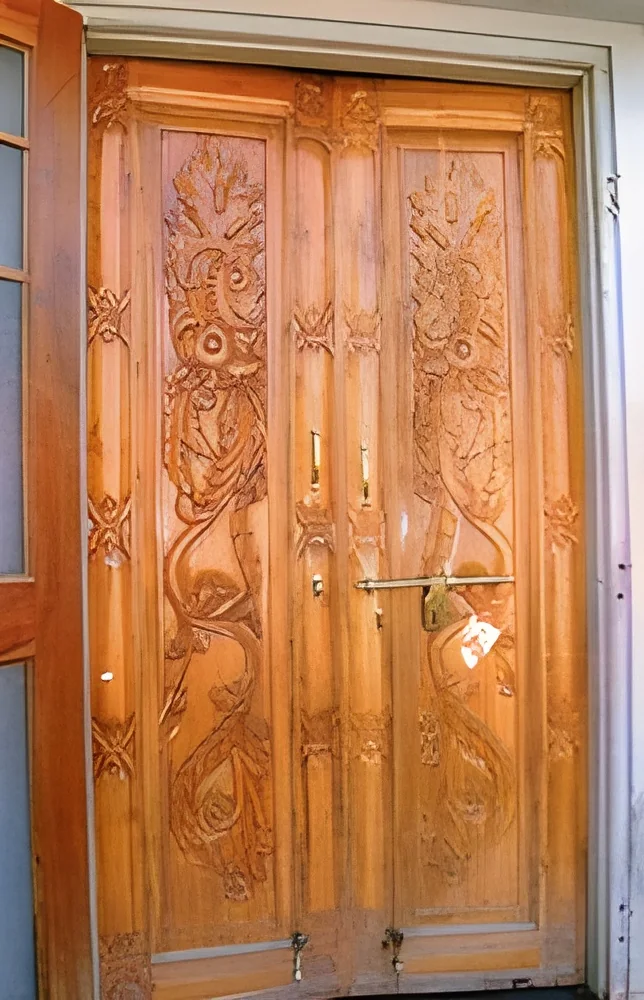
INPanel Doors (Wooden, Glass)
13 products available
Key Features and Specifications
Common Applications and Use Cases
Product Variants and Subcategories
Benefits and Advantages
Buying Guide for B2B Buyers
Compliance and Certifications



 India
India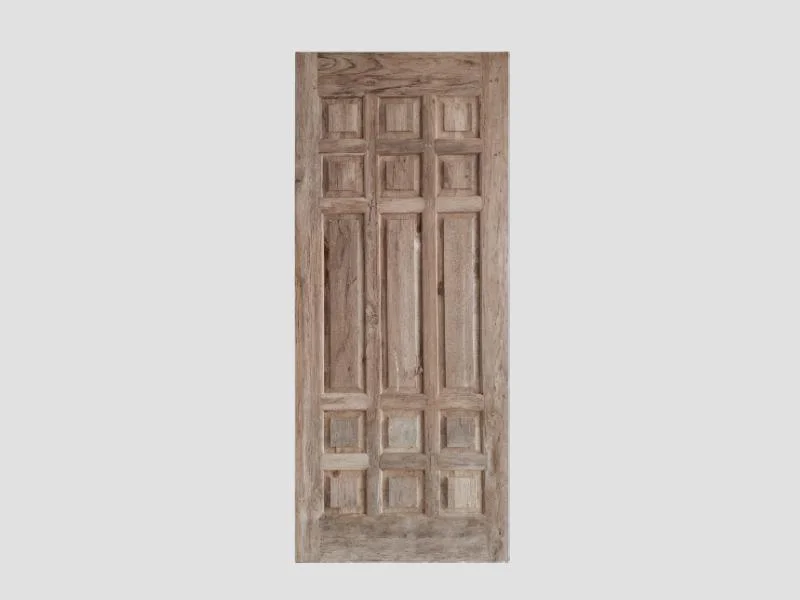
 India
India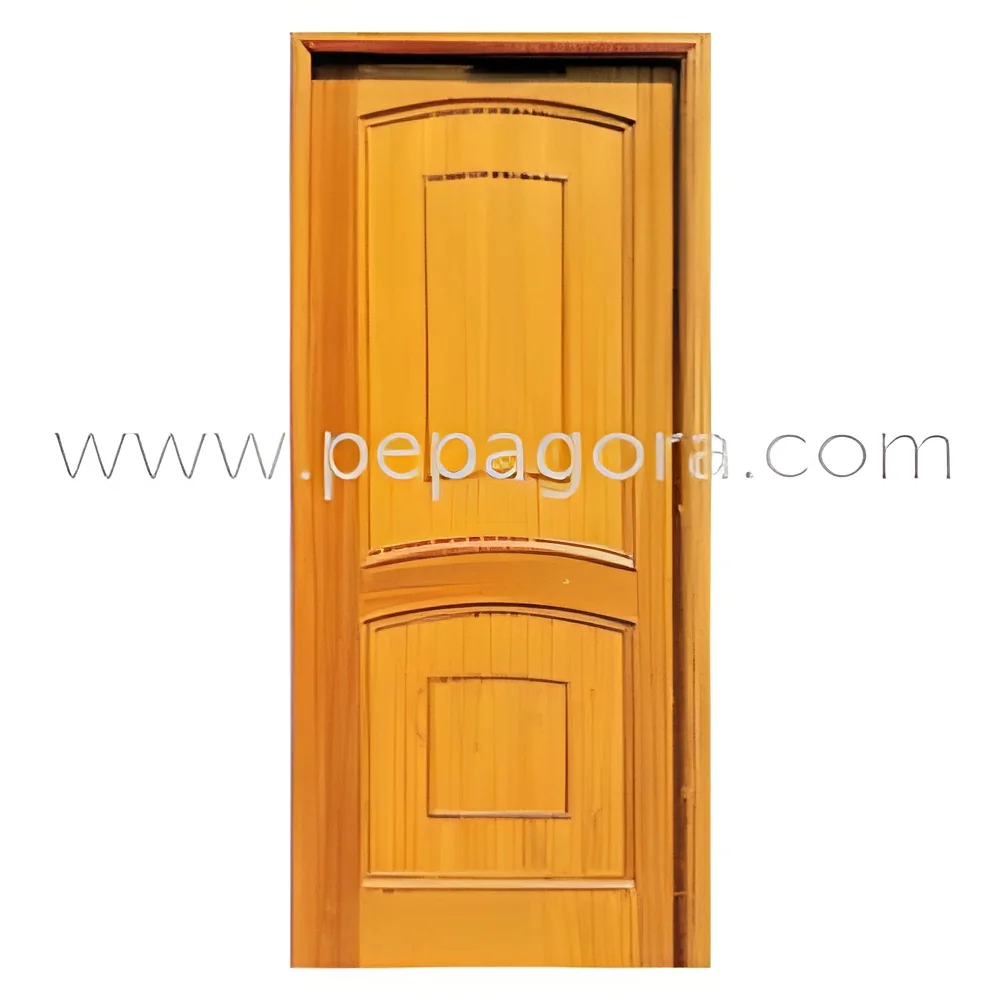
 India
India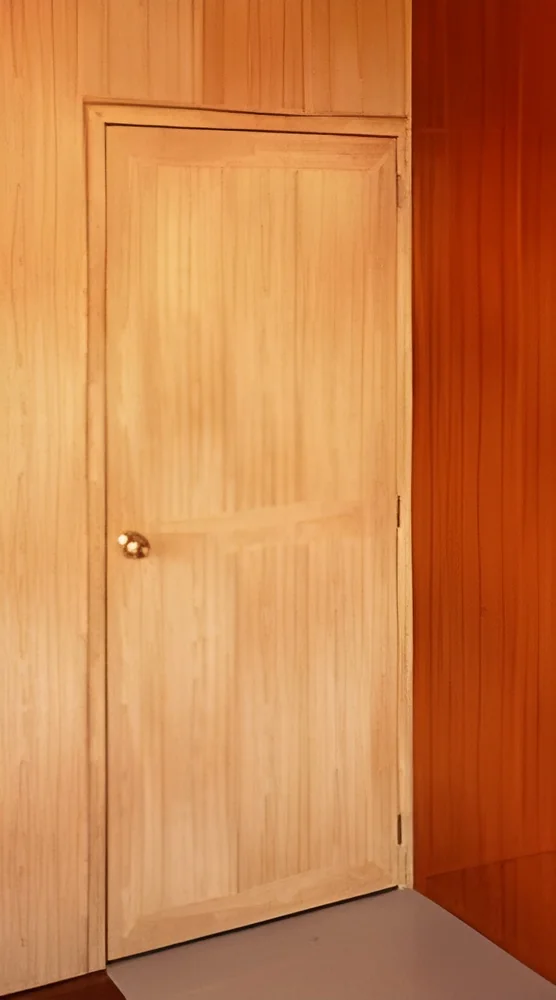 India
India

 India
India

Frequently Asked Questions
What are Panel Doors (Wooden, Glass)?
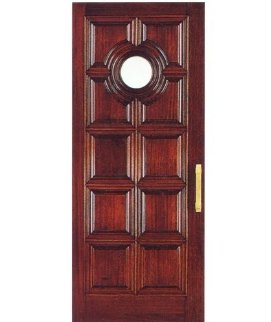
Panel doors are a type of door constructed from a frame with one or more panels. These panels can be made from wood, glass, or a combination of both, offering a range of aesthetic and functional options for various applications.
What are the different types of Panel Doors (Wooden, Glass)?
There are several types of panel doors, including solid wood panel doors, hollow core panel doors, and glass panel doors. Each type varies in terms of construction, insulation properties, and design, catering to different needs and preferences.
How do I choose the right Panel Doors (Wooden, Glass)?
To choose the right panel doors, consider factors such as the intended use, desired aesthetic, durability, and insulation properties. Additionally, assess the size and style of the doorway to ensure a proper fit and complementary design.
What are the standard specifications for Panel Doors (Wooden, Glass)?
Standard specifications for panel doors can include dimensions such as height, width, and thickness, typically ranging from 30 to 36 inches in width and 80 inches in height. Material specifications may also dictate the type of wood or glass used, along with the door's weight and insulation characteristics.
What is the price range for Panel Doors (Wooden, Glass)?
The price range for panel doors can vary significantly based on materials, design complexity, and manufacturer. Generally, wooden panel doors can range from ₹5,000 to ₹25,000, while glass panel doors may start around ₹8,000 and go up significantly depending on customization and quality.
What quality standards apply to Panel Doors (Wooden, Glass)?
Quality standards for panel doors often include compliance with IS (Indian Standards) guidelines for materials and construction. Manufacturers may also adhere to additional quality certifications to ensure durability, safety, and performance.
Where can I find Panel Doors (Wooden, Glass) suppliers in India?
You can find panel doors suppliers in India through online B2B marketplaces like Pepagora.com, trade shows, and local hardware stores. Additionally, industry directories and trade associations can provide contact information for reputable manufacturers and suppliers.
Can Panel Doors (Wooden, Glass) be customized?
Yes, panel doors can be customized to meet specific design preferences and functional requirements. Customization options may include size, material, finish, and additional features such as locks or decorative elements.
What is the typical minimum order quantity for Panel Doors (Wooden, Glass)?
The typical minimum order quantity (MOQ) for panel doors varies by supplier and may range from 5 to 50 units. It is advisable to check with individual manufacturers for their specific MOQ policies.
What is the typical lead time for Panel Doors (Wooden, Glass)?
The lead time for panel doors can range from 2 to 6 weeks, depending on factors such as the type of door, customization requirements, and the manufacturer's production schedule. It's best to confirm lead times with the supplier when placing an order.
Why Businesses Trust Pepagora
Thousands of companies trust Pepagora to source smarter and sell faster
Expand Your Sales Globally

Source Smarter,Grow Faster
