
 IN
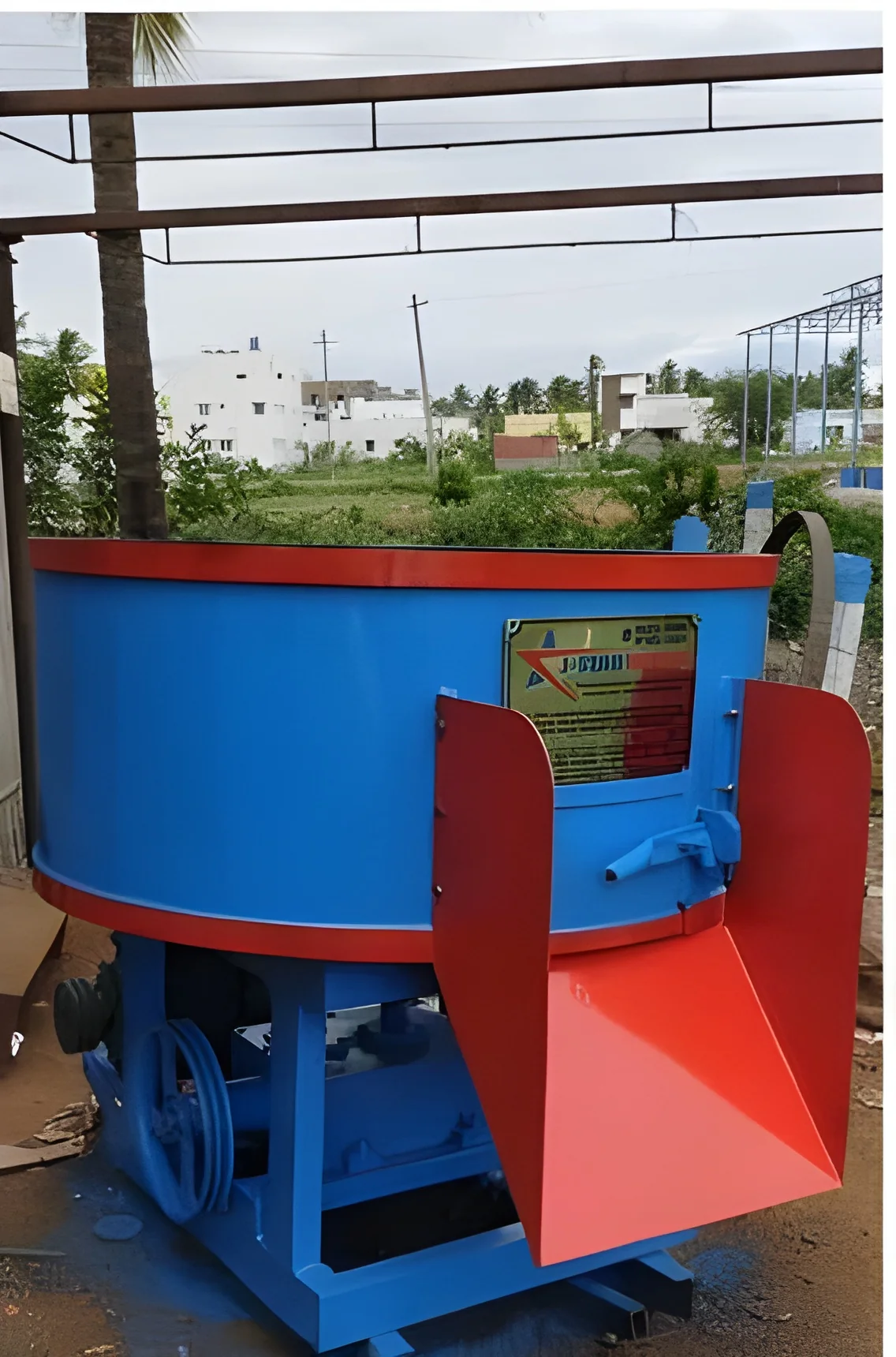
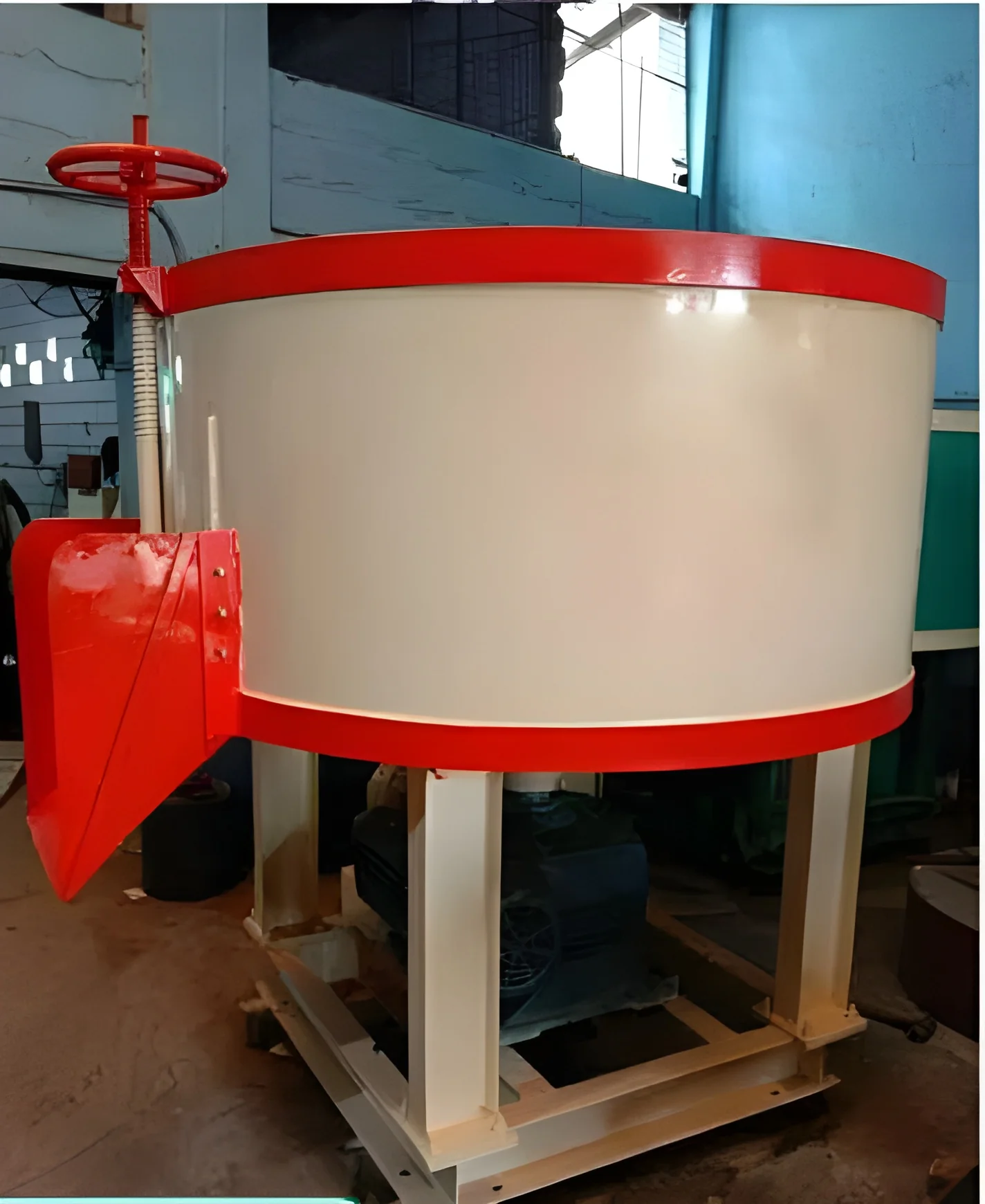
Pan Mixers for Concrete
15 products available
What are Pan Mixers for Concrete?
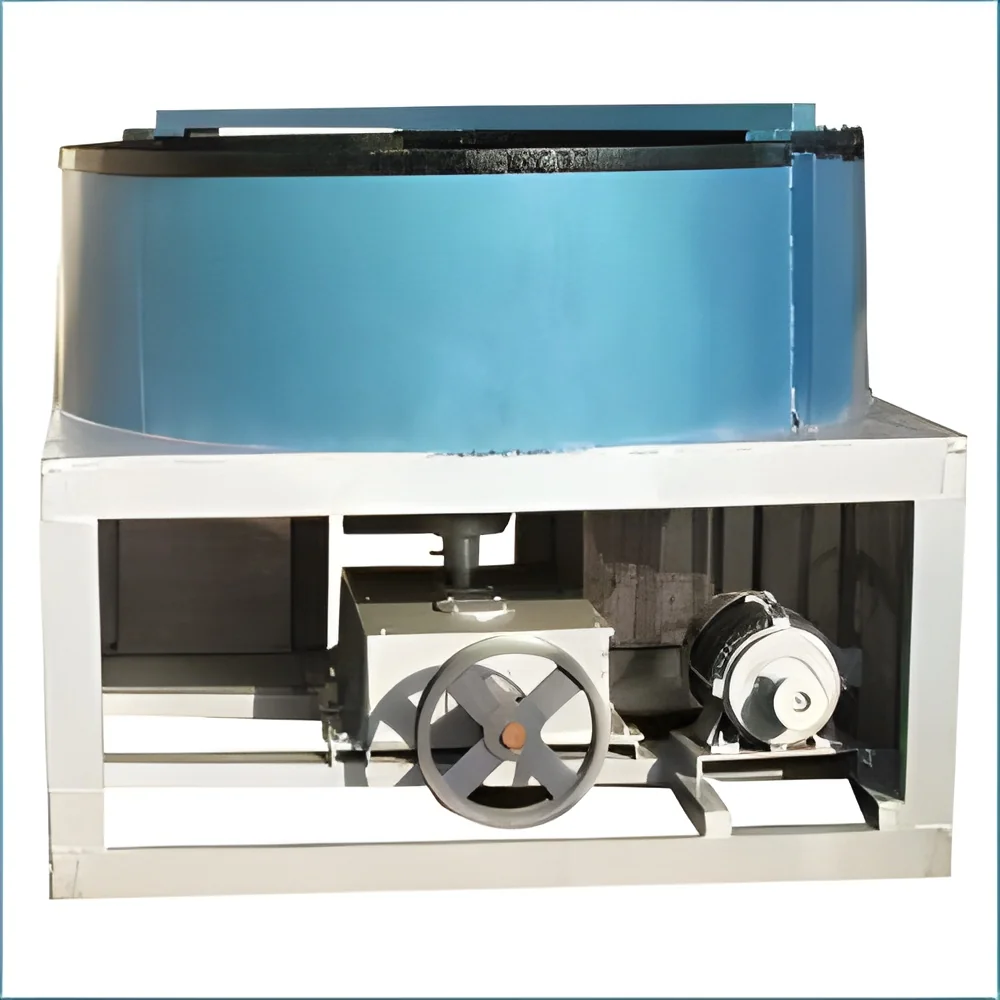
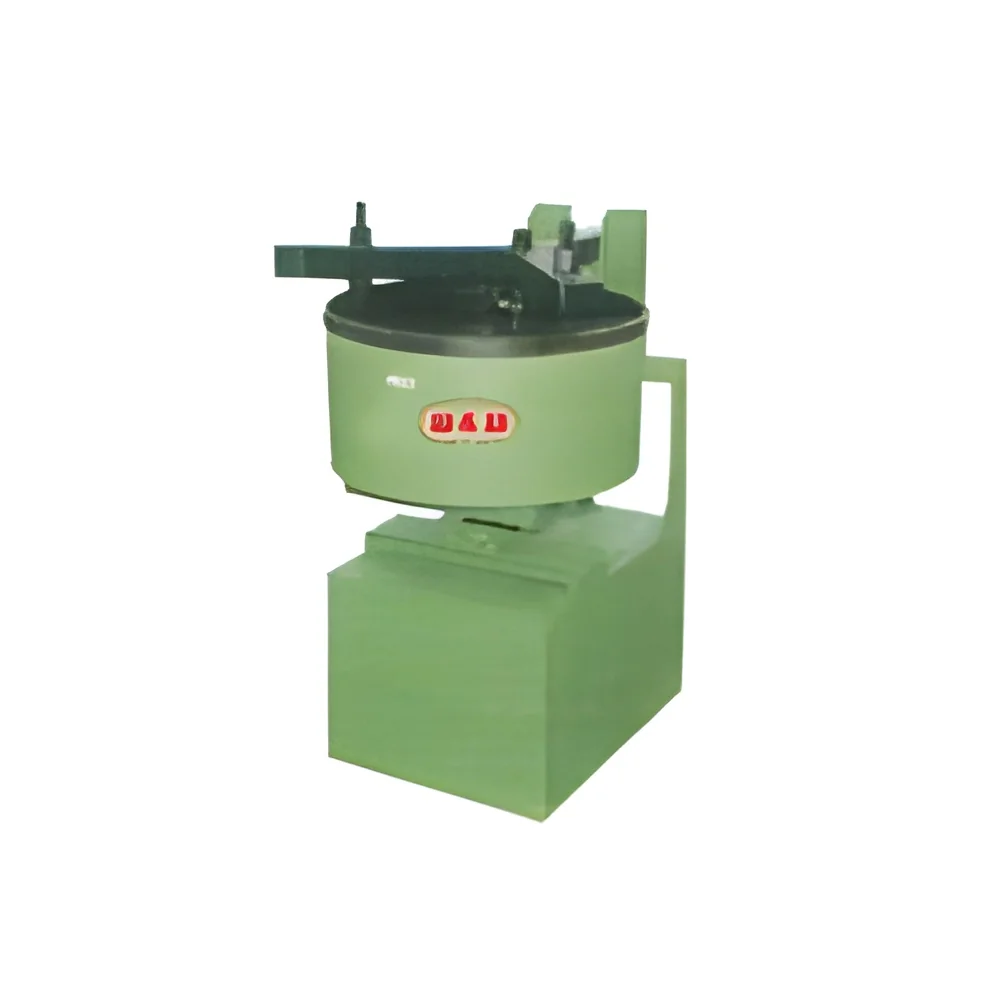
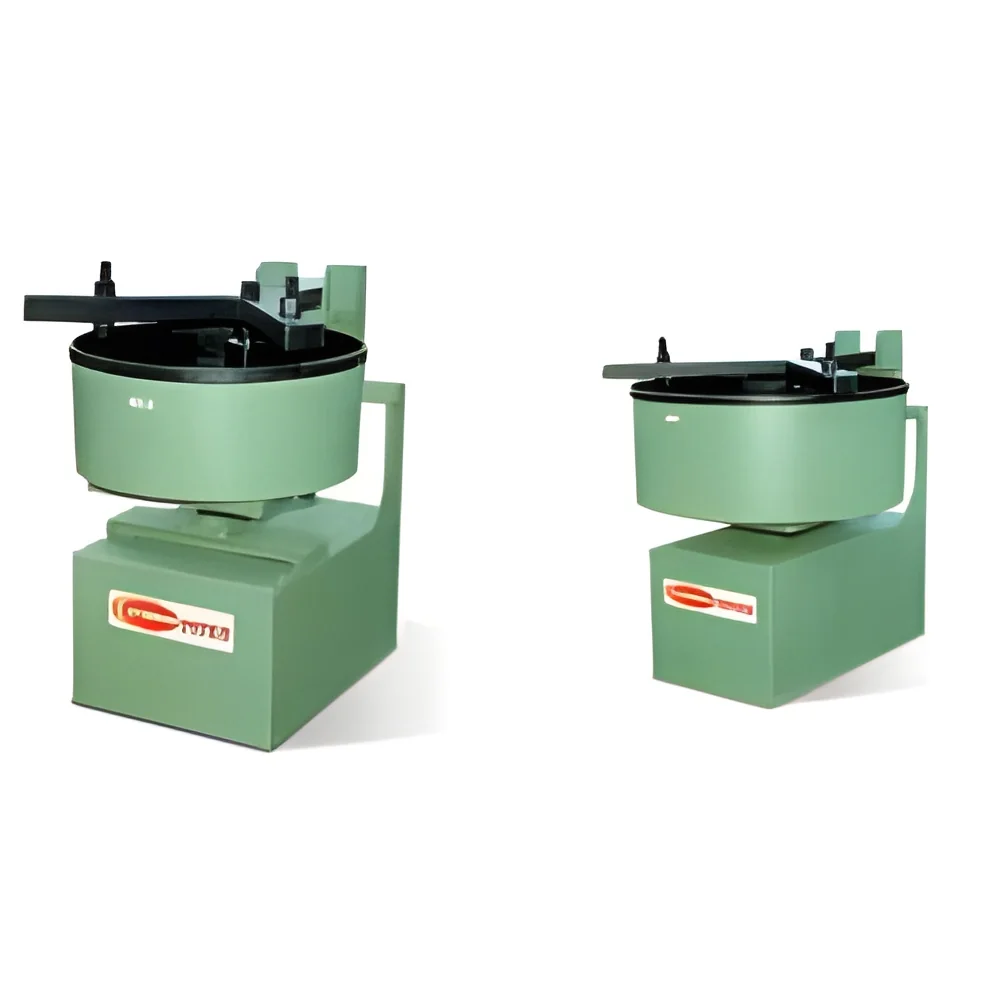
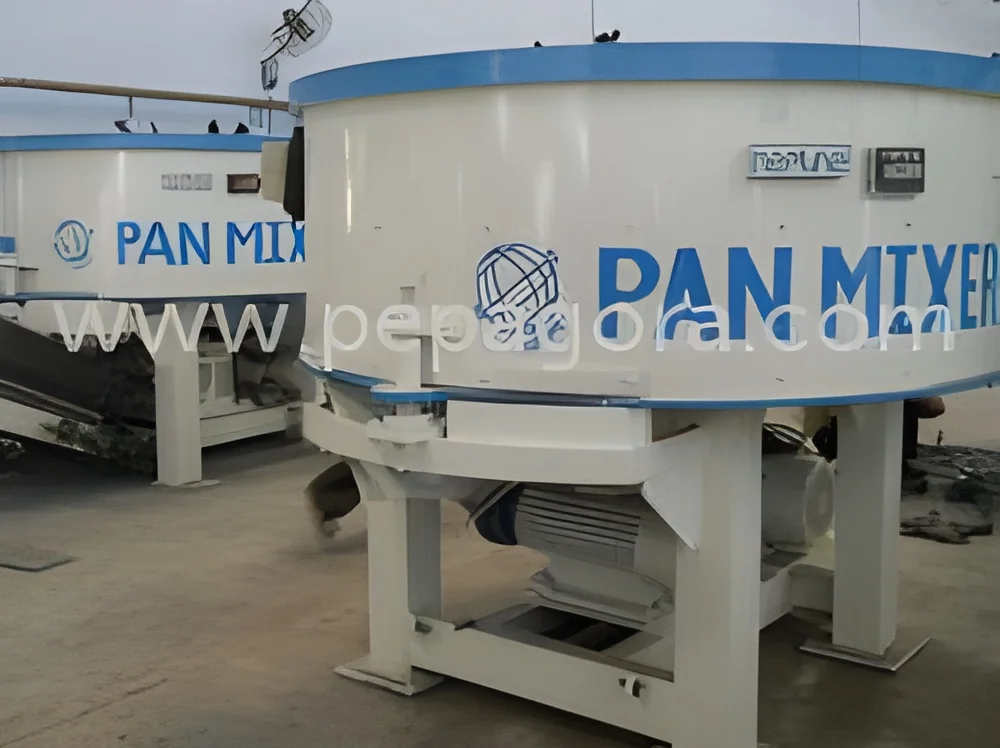
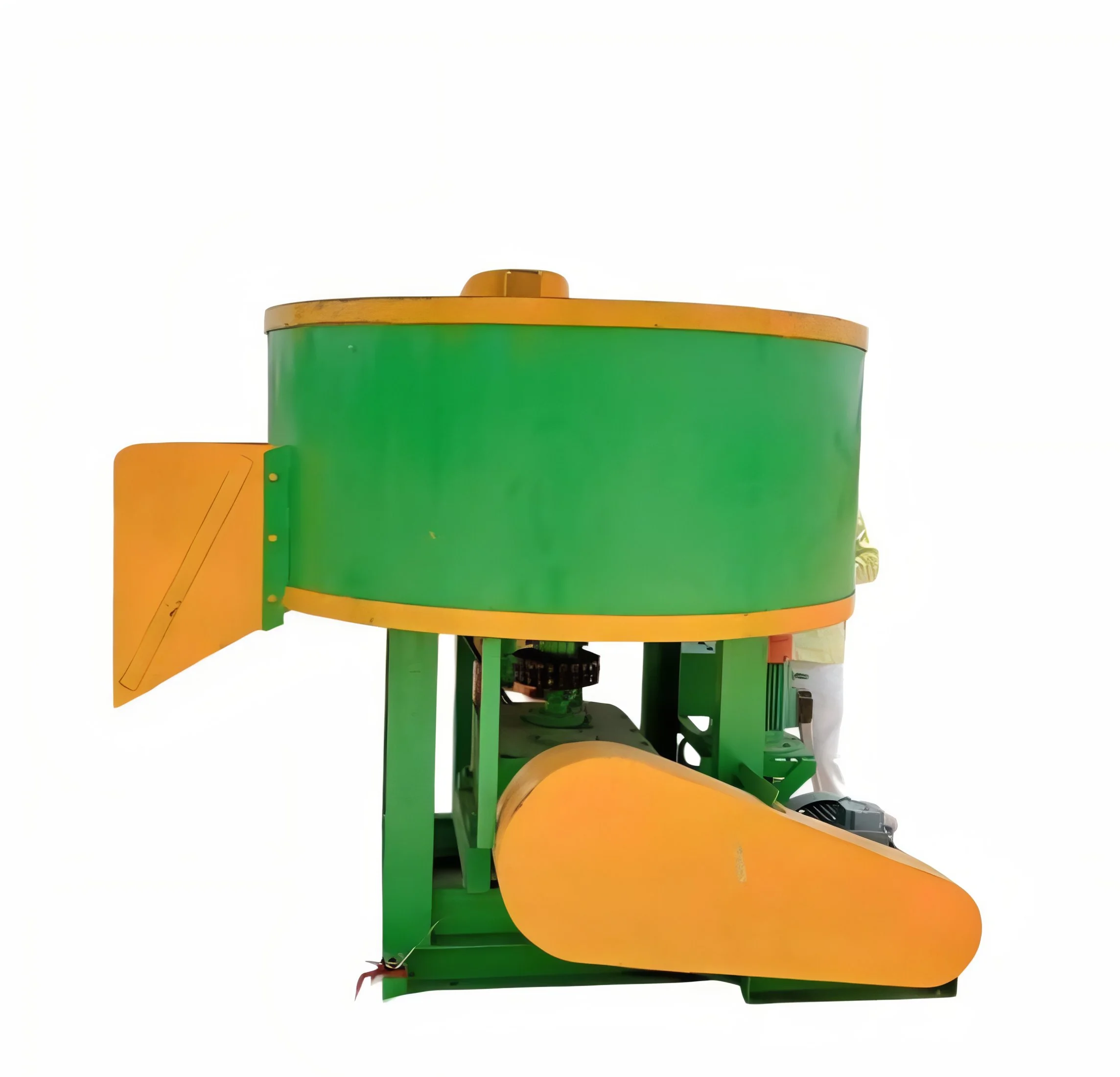
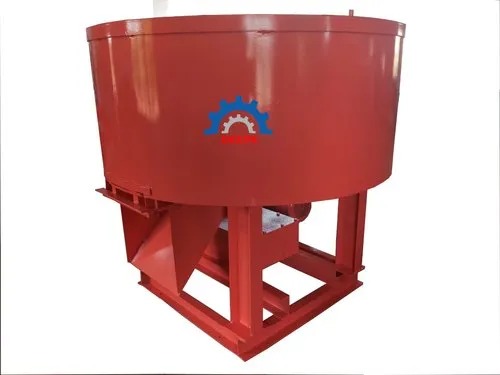
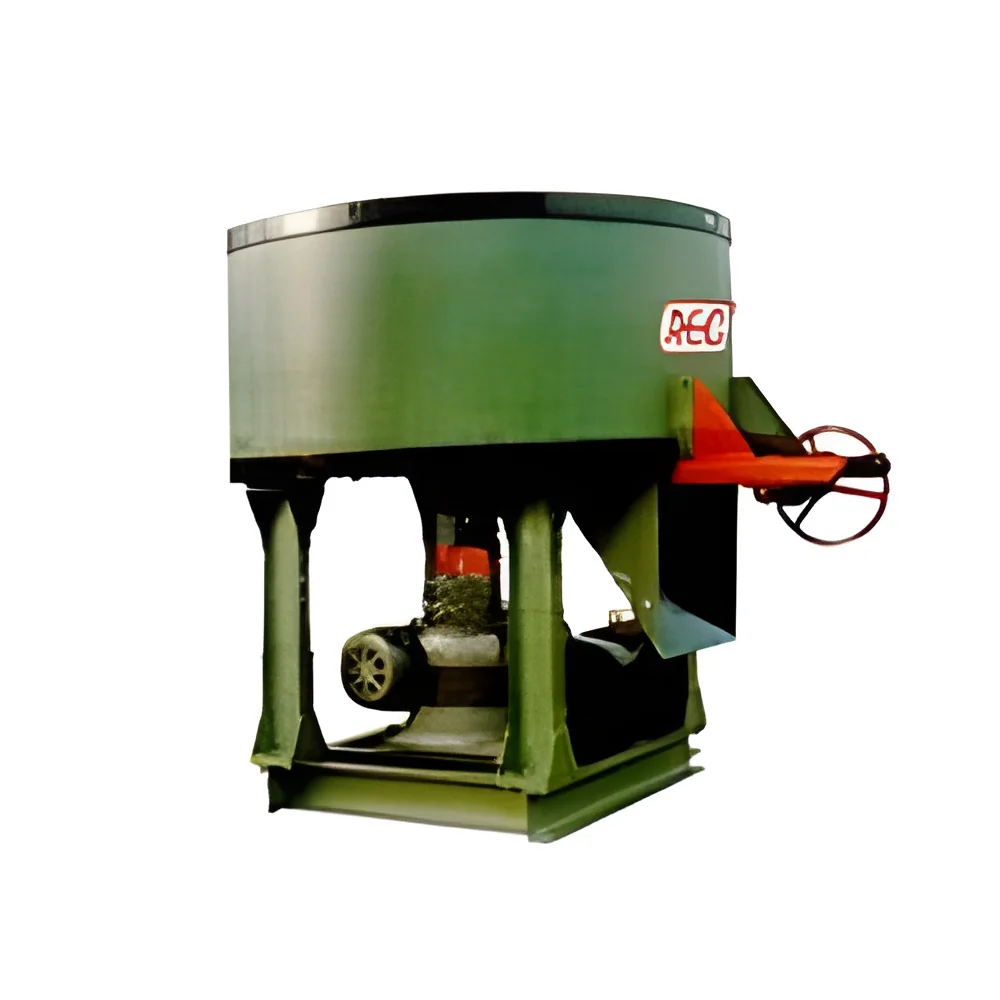
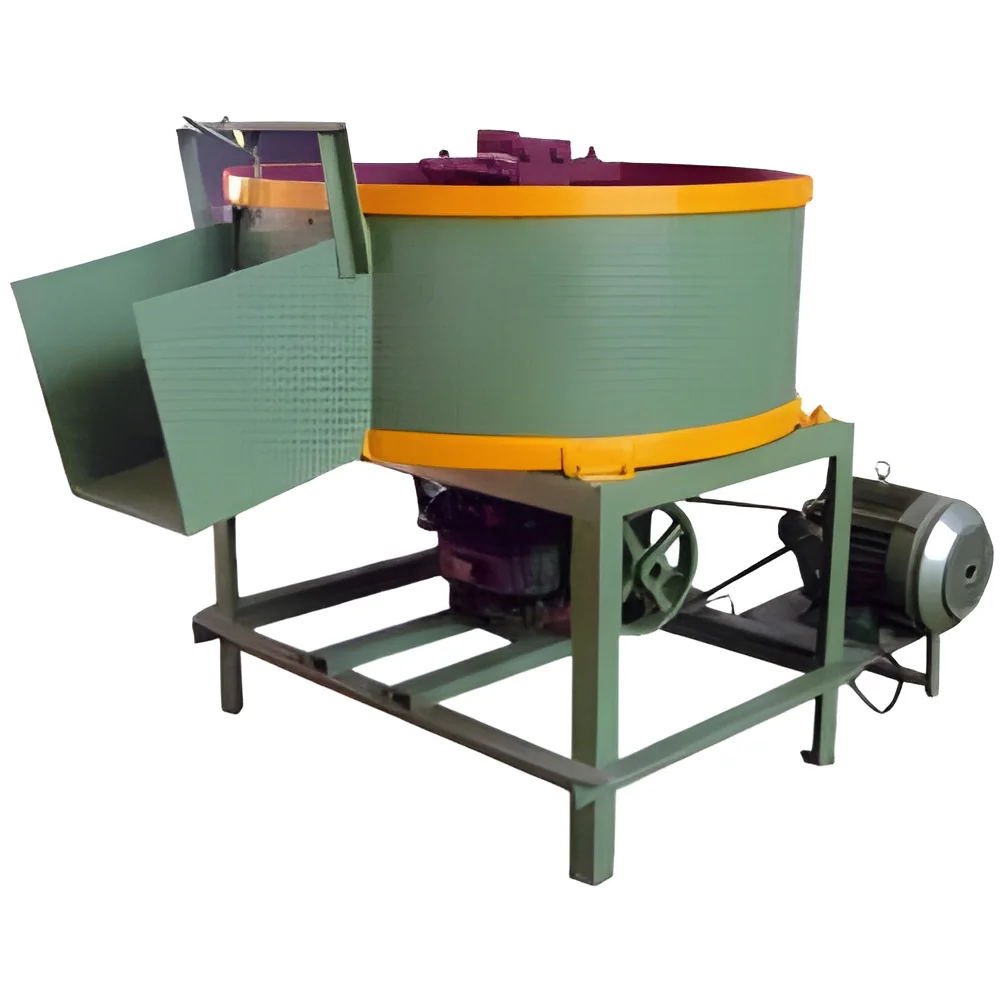
Pan mixers for concrete are specialized machines designed to efficiently mix concrete ingredients. These mixers feature a flat pan-shaped mixing chamber where various components such as cement, aggregates, and water are combined. The mixing action is typically achieved through the use of rotating blades or paddles that ensure a thorough and uniform mixture.
These mixers are primarily used in construction and precast industries where high-quality concrete is essential. Their design allows for the quick and effective mixing of small to medium batches, making them ideal for ready-mix concrete applications, as well as the production of concrete components like blocks, tiles, and pavers. The ability to achieve consistent mixing quality contributes significantly to the overall strength and durability of the final concrete product.
In the context of the construction market, pan mixers are increasingly relevant as the demand for efficient concrete production rises. With the growing emphasis on quality control and productivity, businesses are turning to advanced mixing technology to meet project specifications and deadlines. As a result, pan mixers are gaining traction among contractors and manufacturers looking to enhance their operational efficiency.
Key Features and Specifications
Pan mixers for concrete offer a range of features that enhance their performance and usability. These mixers are designed to cater to various mixing needs in the concrete industry. Understanding their specifications can help buyers make informed decisions.
Key specifications include:
1. Mixing Capacity
- The mixing capacity typically ranges from 100 to 3000 liters, depending on the model.
- This allows for flexibility in production volume.
2. Mixing Speed
- The mixing speed can vary between 20 to 50 revolutions per minute (RPM).
- Higher speeds can lead to more efficient mixing.
3. Power Consumption
- Power requirements usually range from 5 to 20 kW.
- Energy-efficient models are available to reduce operational costs.
4. Weight
- The weight of pan mixers can vary from 500 kg to 4000 kg.
- Heavier models are often more stable during operation.
5. Material of Construction
- Most mixers are constructed from heavy-duty steel or reinforced materials.
- This ensures durability and resistance to wear and tear.
6. Control Systems
- Modern pan mixers may come with automated control systems for precision.
- Manual options are also available for straightforward operations.
7. Safety Features
- Safety guards and emergency stop buttons are standard.
- These features protect operators during the mixing process.
8. Transportability
- Some models are designed for easy transport with wheels and compact designs.
- This is beneficial for contractors working on multiple sites.
In summary, the key features and specifications of pan mixers for concrete are designed to enhance operational efficiency and ensure high-quality mixing.
Common Applications and Use Cases
Pan mixers for concrete serve a variety of industries with their versatile mixing capabilities.
1. Construction Industry: Pan mixers are widely used for producing ready-mix concrete for residential, commercial, and infrastructure projects. Their ability to produce consistent quality concrete is essential for structural integrity.
2. Precast Concrete Production: These mixers are ideal for manufacturing precast elements such as beams, columns, and panels. The uniformity achieved in mixing is crucial for the strength of precast products.
3. Block and Paver Manufacturing: Manufacturers of concrete blocks and pavers rely on pan mixers to ensure a homogenous mix, which helps in producing durable and aesthetically pleasing products.
4. Industrial Flooring: In industries requiring robust flooring solutions, pan mixers are used to create strong concrete mixes tailored to withstand heavy loads and chemical exposure.
5. Road Construction: Pan mixers support the production of concrete for pavement and road surfaces, providing the necessary durability and performance.
6. Agricultural Structures: In agricultural settings, these mixers are utilized to produce concrete for silos, barns, and other structures that require solid foundations.
7. Water Treatment Facilities: Pan mixers facilitate the production of concrete structures used in water treatment plants, where durability and resistance to corrosion are vital.
Product Variants and Subcategories
Pan mixers for concrete come in various configurations to meet different production needs.
Heavy-Duty Pan Mixers: These mixers are designed for high-volume production, featuring robust construction and larger mixing capacities. They are ideal for large construction sites and precast facilities.
Compact Pan Mixers: Designed for smaller operations or sites with limited space, compact pan mixers maintain high performance while occupying less physical space. They are perfect for small-scale producers and contractors.
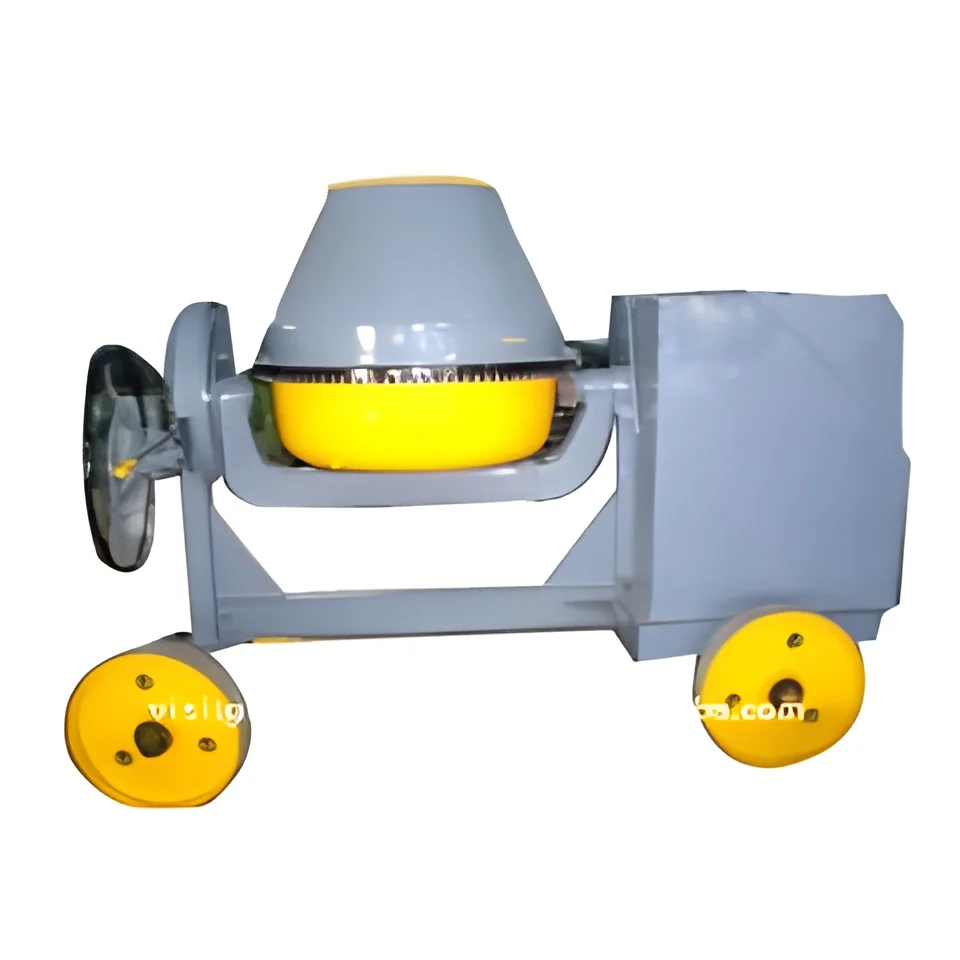
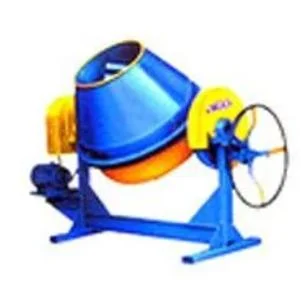
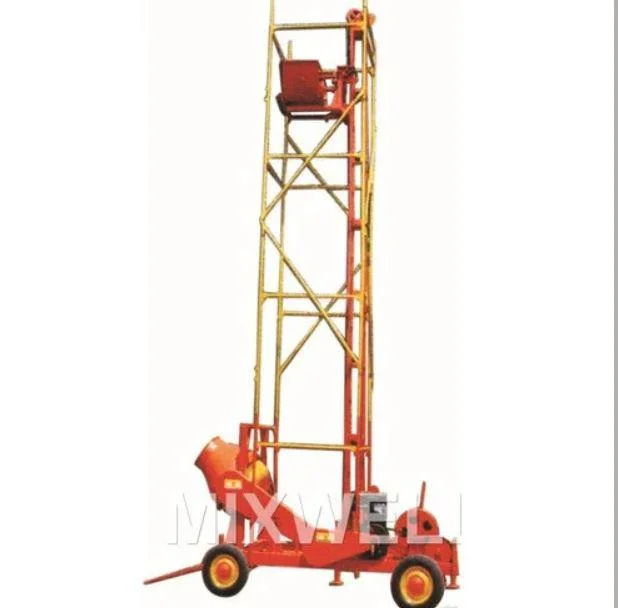
Mobile Pan Mixers: These variants are equipped with wheels for easy mobility. They are beneficial for projects that require frequent relocation, allowing for on-site mixing.
Benefits and Advantages
Investing in pan mixers for concrete offers several benefits that can enhance productivity and quality.
1. Consistent Mixing Quality: Pan mixers ensure a uniform mix, which is critical for achieving the desired strength and durability of concrete.
2. Time Efficiency: These mixers can reduce mixing time compared to traditional methods, enabling faster project completion.
3. Versatility: Pan mixers can handle various mix designs, making them suitable for multiple applications in the construction industry.
4. Easy Operation: Many models come with user-friendly controls, making them accessible for operators with varying experience levels.
5. Reduced Labor Costs: Automation features in modern pan mixers can decrease the need for manual labor, resulting in cost savings for businesses.
6. Enhanced Durability: The robust construction of pan mixers ensures longevity and resistance to wear, minimizing maintenance costs over time.
Buying Guide for B2B Buyers
When sourcing pan mixers for concrete, there are several critical factors to consider that can influence your purchasing decision.
1. Quality Assessment: Ensure the mixer meets high-quality standards and is built from durable materials to withstand the rigors of concrete mixing.
2. Supplier Verification: Vet potential suppliers by checking their reputation and customer reviews to ensure reliability and service quality.
3. Pricing and MOQ: Compare pricing structures and minimum order quantities (MOQ) among suppliers to find the best value for your investment.
4. Delivery and Lead Times: Assess logistics capabilities and lead times to ensure timely delivery that aligns with your project schedules.
5. Compliance Requirements: Verify that the mixers comply with relevant industry regulations and safety standards to avoid potential legal issues.
Compliance and Certifications
Compliance and certifications are crucial in ensuring that pan mixers for concrete meet industry standards.
Manufacturers should adhere to quality standards such as ISO 9001, which ensures a consistent level of quality management. This certification indicates that the manufacturer has established processes to meet customer and regulatory requirements.
Additionally, CE marking is essential for products sold in the European market, indicating compliance with safety, health, and environmental protection standards.
Safety and testing requirements must also be considered, as these ensure that the equipment operates safely and efficiently. Regular testing and maintenance routines contribute to the longevity and reliability of the mixers.
Regional compliance considerations may vary, so businesses should be aware of local regulations that could impact their operations, particularly in international markets.
Why Source Pan Mixers for Concrete from Pepagora?
Pepagora provides a trusted platform for sourcing pan mixers for concrete, offering several key advantages to buyers.
Verified Supplier Network: Pepagora connects buyers with a network of verified suppliers, ensuring that you can source high-quality products with confidence. This network reduces the risk of dealing with unreliable vendors.
Streamlined RFQ Process: The request for quotation (RFQ) process on Pepagora is designed to be straightforward, allowing buyers to receive multiple quotes from different suppliers quickly. This helps in comparing options and making informed decisions.
Trade Assurance and Support: Pepagora offers trade assurance measures, providing buyers with protection during transactions. This support ensures a secure purchasing experience and builds trust between buyers and suppliers.
Regional Coverage: With a focus on regions like India, the GCC, and Southeast Asia, Pepagora enables buyers to find local suppliers that can meet their specific needs. This regional focus enhances logistics and reduces delivery times, making it easier to manage projects effectively.


 India
 India

 India

 India


 India
 India
Frequently Asked Questions
What are Pan Mixers for Concrete?
Pan Mixers for Concrete are specialized machines used to mix concrete uniformly. They feature a flat mixing pan and a set of blades that rotate to combine the ingredients effectively, ensuring a consistent mix.
What are the different types of Pan Mixers for Concrete?
There are several types of Pan Mixers for Concrete, including stationary mixers and mobile mixers. Stationary mixers are fixed in one location, while mobile mixers are designed for portability and can be moved to different job sites.
How do I choose the right Pan Mixers for Concrete?
Choosing the right Pan Mixer for Concrete depends on factors such as the volume of concrete required, the desired mixing speed, and the type of projects you are working on. It's also important to consider the power source and any additional features that may enhance efficiency.
What are the standard specifications for Pan Mixers for Concrete?
Standard specifications for Pan Mixers for Concrete typically include the mixing capacity, power rating, motor type, and overall dimensions. These specifications can vary based on manufacturer and model, so it's essential to check individual product details.
What is the price range for Pan Mixers for Concrete?
The price range for Pan Mixers for Concrete can vary widely based on size, capacity, and features. Generally, prices can start from around INR 50,000 and can go up to several lakhs for advanced models.
What quality standards apply to Pan Mixers for Concrete?
Quality standards for Pan Mixers for Concrete often include compliance with ISO certifications and local manufacturing standards. It's important to purchase from reputable manufacturers to ensure that their products meet industry benchmarks for quality and safety.
Where can I find Pan Mixers for Concrete suppliers in India?
You can find Pan Mixers for Concrete suppliers in India through online B2B marketplaces such as Pepagora.com. Additionally, local construction equipment dealers and trade shows can provide leads on reliable suppliers.
Can Pan Mixers for Concrete be customized?
Yes, many manufacturers offer customization options for Pan Mixers for Concrete. Customers can request specific modifications to suit their project needs, such as different mixing capacities or additional features.
What is the typical minimum order quantity for Pan Mixers for Concrete?
The typical minimum order quantity (MOQ) for Pan Mixers for Concrete can vary by supplier, but it usually ranges from one unit for smaller suppliers to multiple units for larger manufacturers. It's best to check with the supplier for their specific MOQ.
What is the typical lead time for Pan Mixers for Concrete?
The typical lead time for Pan Mixers for Concrete can vary depending on the manufacturer and the complexity of the order. Generally, it can range from 2 to 6 weeks after the order is confirmed.
Why Businesses Trust Pepagora
Thousands of companies trust Pepagora to source smarter and sell faster
Expand Your Sales Globally

Source Smarter,Grow Faster
