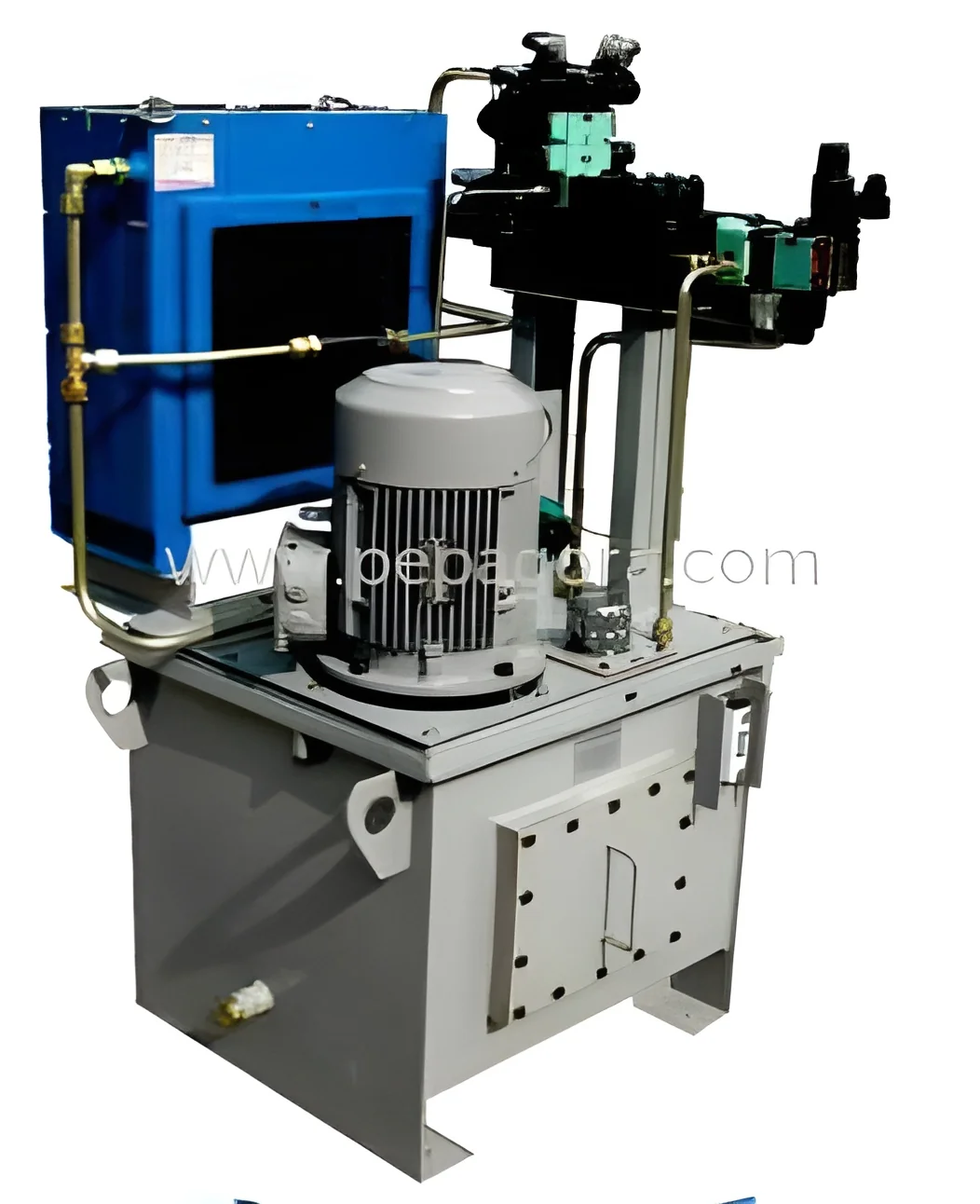
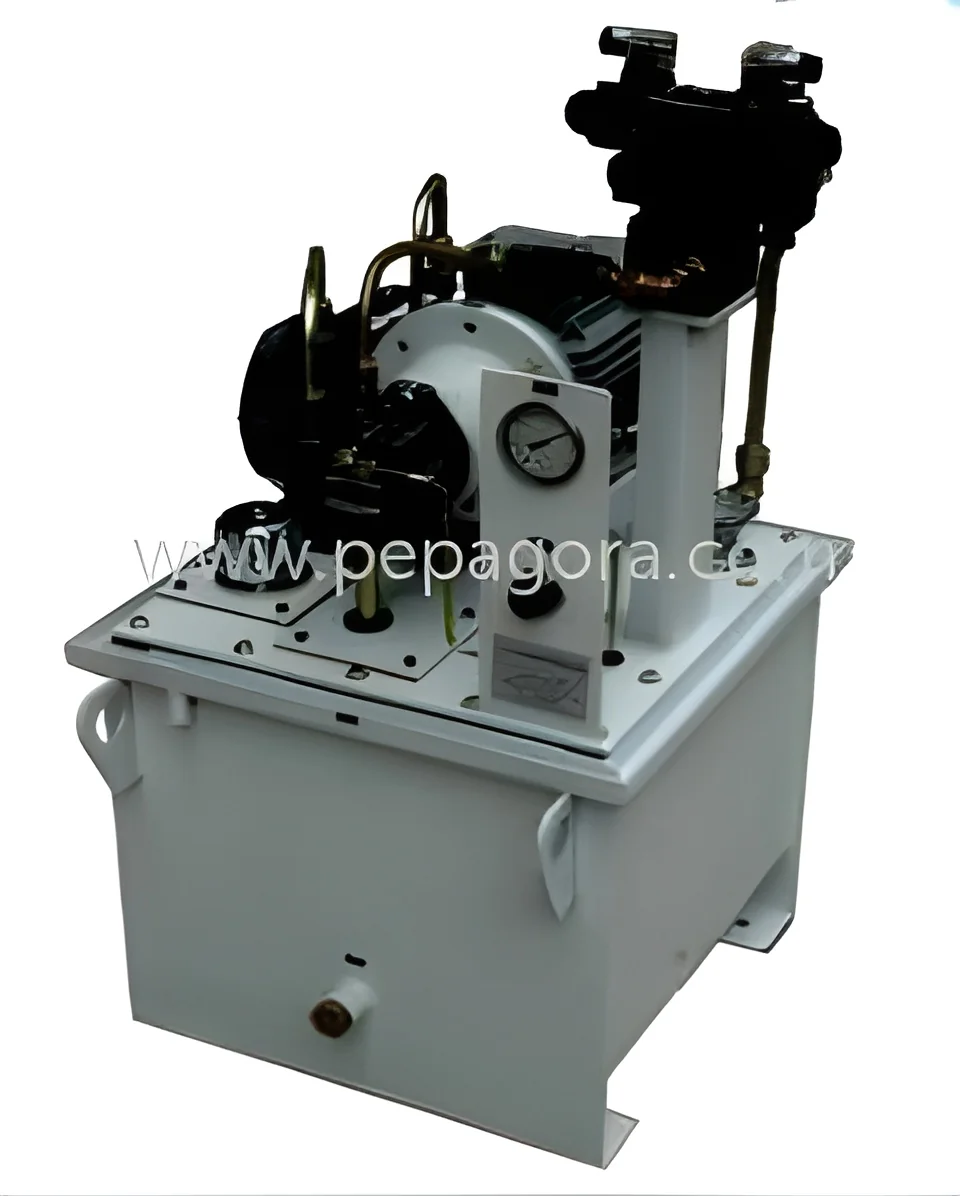
What are Hydraulic Pumps & Motors?
Hydraulic pumps and motors are essential components in hydraulic systems, converting mechanical energy into hydraulic energy. Hydraulic pumps create flow by moving hydraulic fluid throughout the system, while hydraulic motors utilize this flow to generate mechanical power. Together, they enable the operation of various machinery and equipment by exerting force and motion through hydraulic pressure.
These products are widely used across multiple industries, including construction, manufacturing, and agriculture. In construction, hydraulic pumps and motors operate heavy equipment such as excavators and cranes. In manufacturing, they power assembly lines and material handling systems. Agriculture benefits from their use in tractors and irrigation systems, allowing for efficient operation and increased productivity.
The relevance of hydraulic pumps and motors in today’s market is significant, as industries continue to seek more efficient, reliable, and powerful solutions for their machinery. As technology advances, the demand for high-performance hydraulic systems has increased, leading to innovations in design and functionality.
Key Features and Specifications
Hydraulic pumps and motors are characterized by several key features that define their performance and suitability for specific applications. Understanding these specifications is crucial for selecting the right product for your needs.
Key specifications include:
1. Flow Rate
- Measured in liters per minute (L/min) or gallons per minute (GPM)
- Determines the volume of hydraulic fluid delivered per unit time
2. Pressure Rating
- Expressed in bars or PSI
- Indicates the maximum hydraulic pressure the pump or motor can handle
3. Efficiency
- Typically expressed as a percentage
- Reflects how effectively the pump converts input power into hydraulic power
4. Size and Weight
- Dimensions and weight specifications
- Important for installation space and equipment compatibility
5. Mounting Options
- Various mounting configurations available
- Ensures compatibility with different machinery setups
6. Operating Temperature Range
- Specifies the temperature limits for efficient operation
- Critical for applications in extreme environments
7. Construction Material
- Common materials include aluminum, cast iron, and steel
- Affects durability and resistance to wear
8. Noise Level
- Measured in decibels (dB)
- Important for applications where noise reduction is a priority
Understanding these specifications helps businesses choose the right hydraulic pumps and motors that meet their operational needs.
Common Applications and Use Cases
Hydraulic pumps and motors are utilized across a diverse range of industries, serving various applications.
1. Construction: Hydraulic systems power heavy machinery like bulldozers, backhoes, and cranes, enabling efficient digging, lifting, and material handling.
2. Manufacturing: These components drive automation in production lines, powering conveyor belts, robotics, and other machinery for increased efficiency.
3. Agriculture: Hydraulic pumps and motors are found in tractors and harvesters, facilitating tasks such as plowing, planting, and irrigation.
4. Mining: They operate drilling rigs and conveyor systems, making it easier to extract and transport minerals and ores.
5. Transportation: Hydraulic systems are used in vehicles for braking and steering, ensuring safety and performance.
6. Marine: Hydraulic pumps power steering systems, winches, and lifting equipment on ships and boats.
7. Aerospace: They are essential in aircraft systems for controlling flight surfaces, landing gear, and cargo handling.
Product Variants and Subcategories
Hydraulic pumps and motors come in various types and configurations, catering to specific operational requirements.
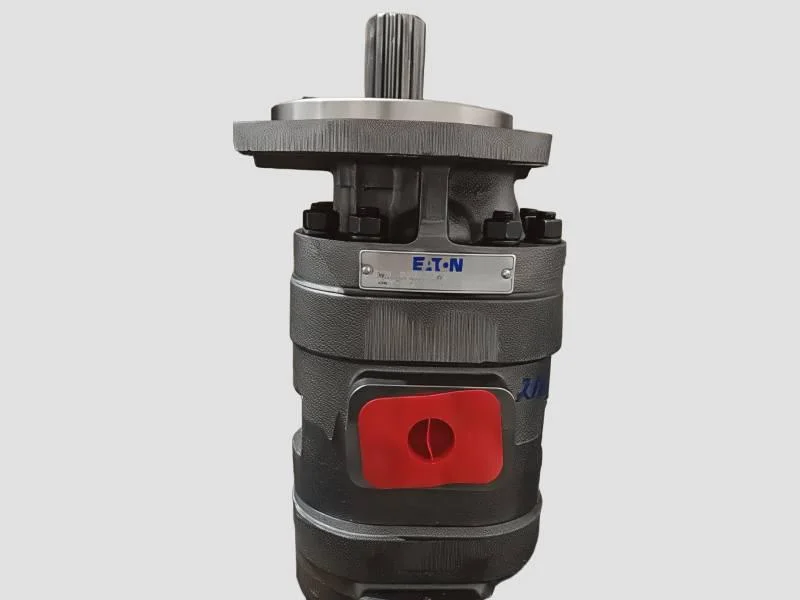
Gear Pumps: These pumps utilize gears to create flow and are known for their reliability and compact size. They are commonly used in automotive applications and hydraulic systems requiring consistent flow.
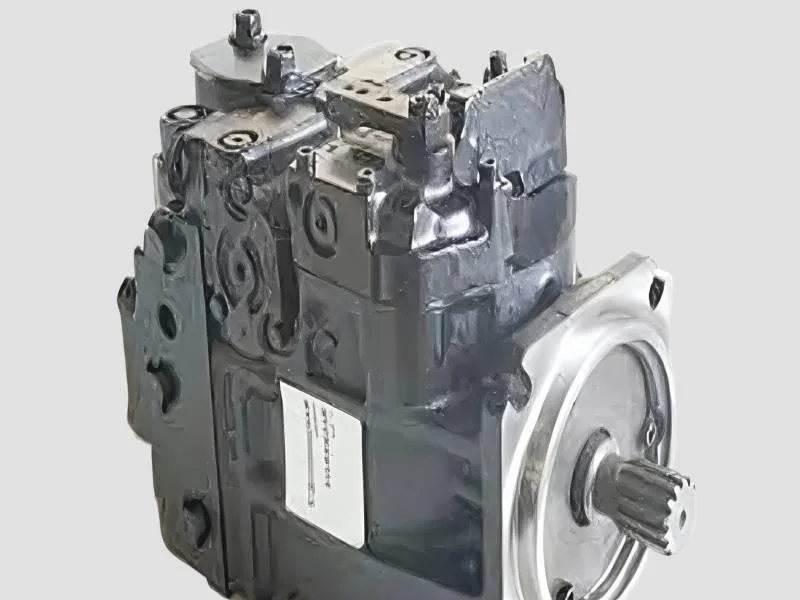
Piston Pumps: Piston pumps utilize reciprocating pistons to generate high pressure and flow rates. They are often used in applications requiring precise control and high efficiency, such as in mobile machinery.
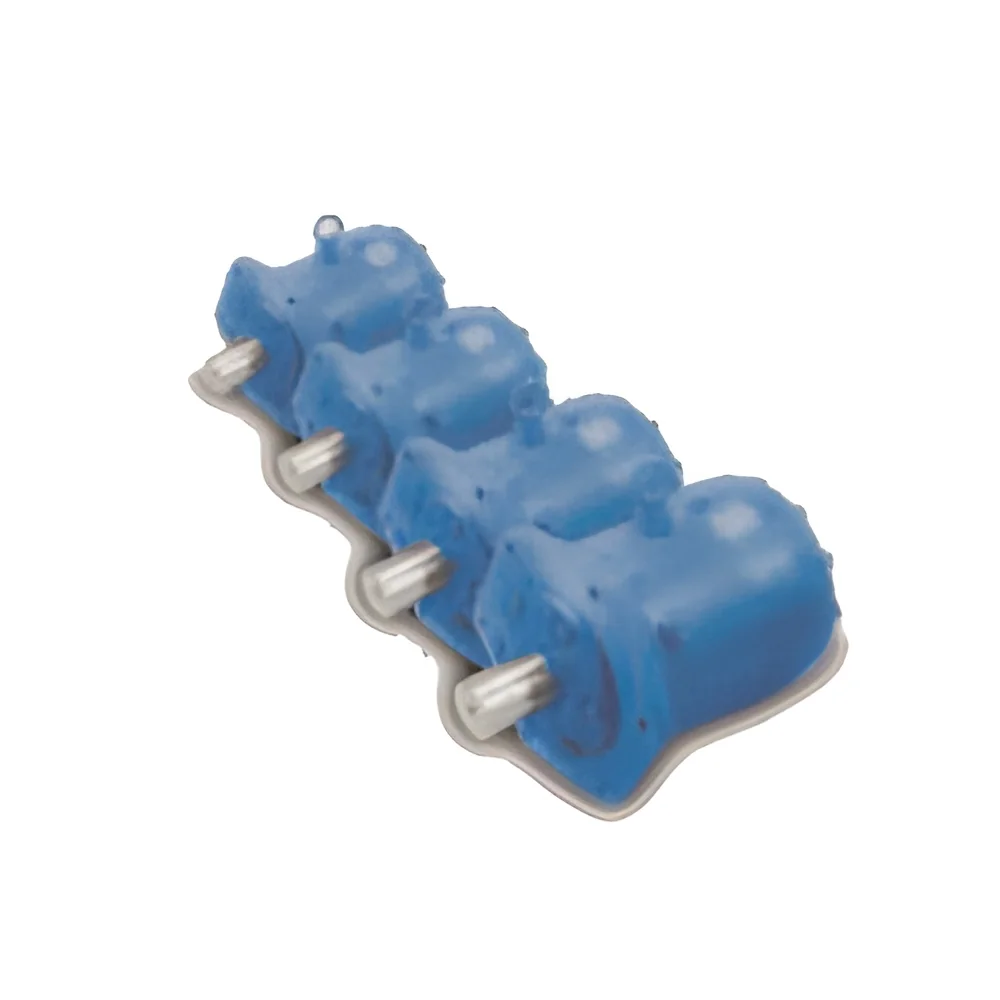
Vane Pumps: Vane pumps use a rotating mechanism with vanes to create flow. They are popular in medium-pressure applications and are valued for their quiet operation.
Hydraulic Motors: Hydraulic motors convert hydraulic energy back into mechanical energy. They are available in gear, vane, and piston types, each suited for specific torque and speed requirements.
Benefits and Advantages
Hydraulic pumps and motors offer several advantages that enhance operational efficiency and productivity.
1. High Power Density: Hydraulic systems provide a significant amount of power in a compact form, allowing for more efficient machinery designs.
2. Precision Control: These components allow for precise control of speed and force, making them ideal for applications requiring accuracy.
3. Durability: Hydraulic pumps and motors are built to withstand harsh conditions, resulting in long service life and reduced maintenance needs.
4. Versatility: They can be used in a wide range of applications across various industries, making them highly adaptable.
5. Safety: Hydraulic systems often include safety features such as pressure relief valves, ensuring safe operation under varying conditions.
6. Energy Efficiency: When properly designed and maintained, hydraulic systems can be more energy-efficient compared to other mechanical systems.
Buying Guide for B2B Buyers
When sourcing hydraulic pumps and motors, several factors should be considered to ensure the best purchase decision.
1. Quality Assessment: Evaluate the quality of the products based on industry standards and manufacturer reputation. Look for certifications that indicate adherence to quality guidelines.
2. Supplier Verification: Vet suppliers based on their history, customer reviews, and ability to deliver consistent products. A verified supplier will enhance reliability in your procurement process.
3. Pricing and MOQ: Understand the pricing structure and minimum order quantities (MOQ) required by suppliers. This will help budget effectively and ensure that you meet your operational needs.
4. Delivery and Lead Times: Consider the logistics of delivery. Assess lead times to ensure products arrive when needed, preventing delays in your operations.
5. Compliance Requirements: Be aware of industry-specific compliance needs and certifications, ensuring that products meet all regulatory standards.
Compliance and Certifications
Hydraulic pumps and motors must adhere to various compliance standards to ensure safety and reliability. Key quality standards include ISO 9001, which focuses on quality management systems, and other industry-specific regulations.
Certifications such as UL and CE are crucial for ensuring that products meet safety and performance standards. These certifications provide assurance that the equipment has undergone rigorous testing and complies with regulatory requirements.
Safety and testing requirements are vital in the production of hydraulic systems, focusing on pressure testing, performance validation, and durability assessments. Additionally, regional compliance considerations may vary, requiring manufacturers to adapt their products to meet local regulations.
Why Source Hydraulic Pumps & Motors from Pepagora?
Pepagora offers a trusted platform for sourcing hydraulic pumps and motors, providing numerous advantages for B2B buyers.
Verified Supplier Network: Pepagora connects buyers with a network of verified suppliers, ensuring high-quality products and reliable service. This verification process helps eliminate risks associated with sourcing from unproven vendors.
Streamlined RFQ Process: The platform simplifies the request for quotation (RFQ) process, allowing buyers to quickly obtain competitive quotes from multiple suppliers. This efficiency helps businesses make informed purchasing decisions.
Trade Assurance and Support: Pepagora provides trade assurance, protecting buyers throughout the transaction. This support includes resolution mechanisms for disputes and guarantees product quality.
Regional Coverage: With extensive geographic reach in India, the GCC, and Southeast Asia, Pepagora facilitates access to a wide array of hydraulic pumps and motors tailored to diverse market needs. This regional focus enhances supply chain efficiency and responsiveness.

 IN
IN