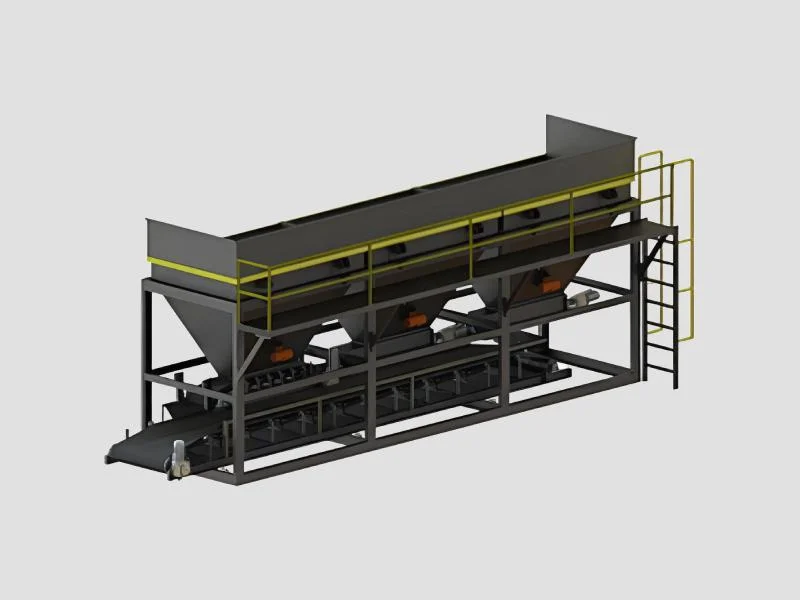
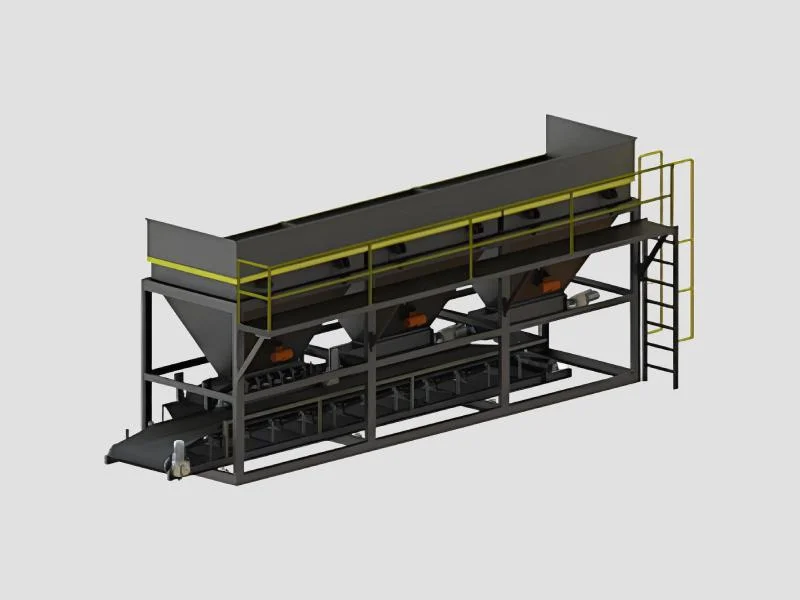
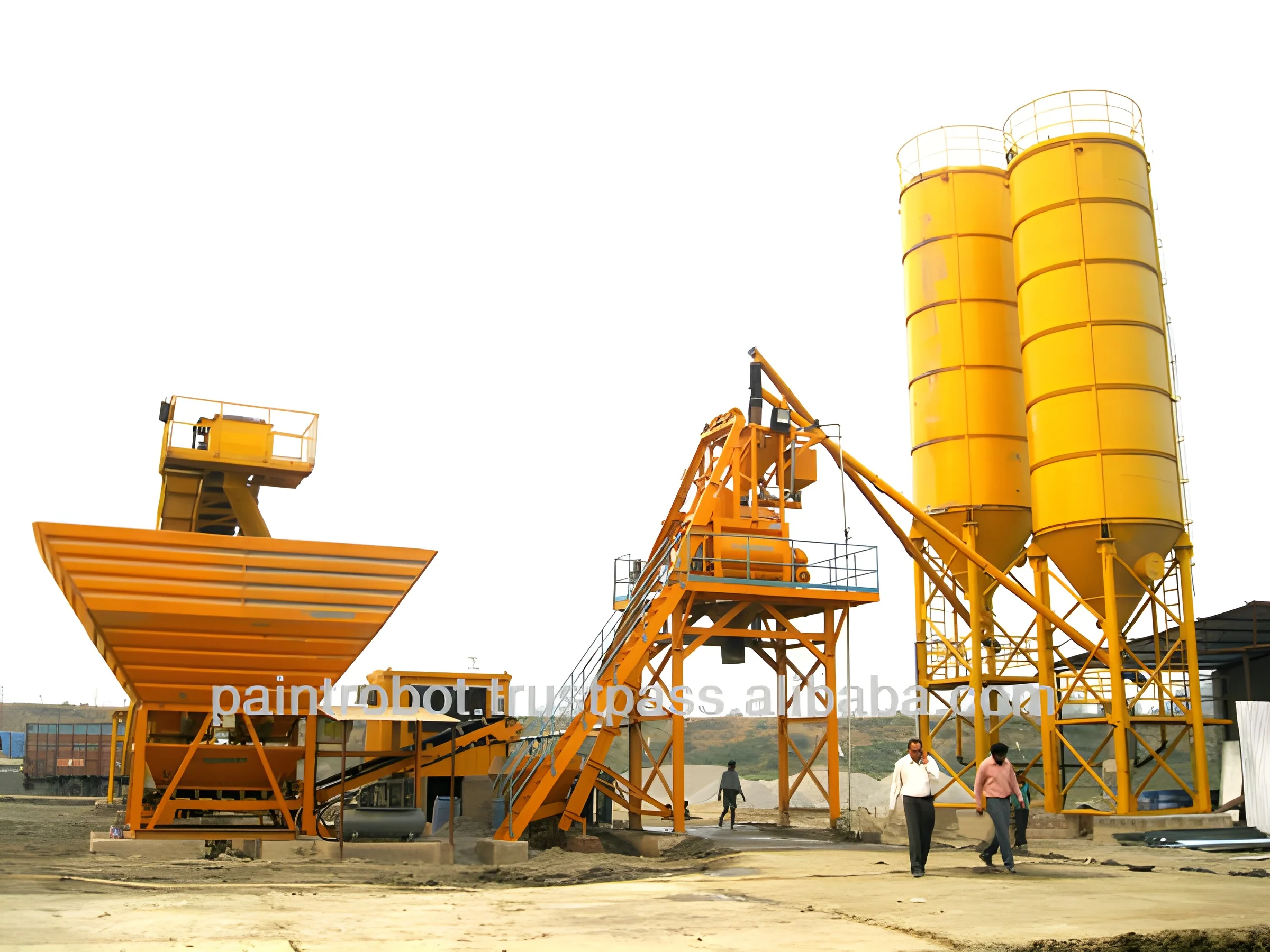
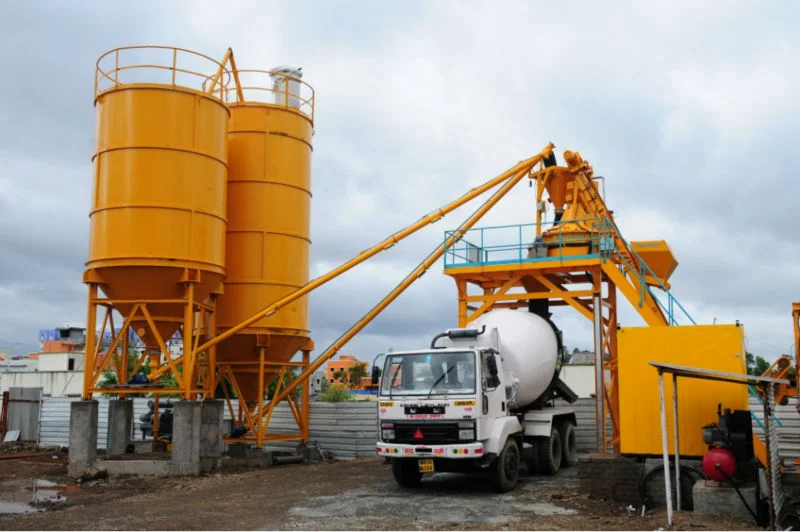
What are Stationary Concrete Batching Plants?
Stationary Concrete Batching Plants are large-scale facilities designed for the continuous mixing of concrete. These systems are engineered to produce concrete at a consistent quality and high volume, making them essential in construction projects where precision and efficiency are paramount. Unlike mobile batching plants, which are portable, stationary plants are fixed in one location, allowing for a stable production environment.
These plants are primarily used in large construction projects, including commercial buildings, bridges, roads, and infrastructure development. They provide a reliable source of concrete for various applications, ensuring that contractors can meet project deadlines while maintaining quality standards. The relevance of stationary concrete batching plants in the industry cannot be overstated, as they play a crucial role in the construction supply chain, meeting the demand for ready-mix concrete in both urban and rural settings.
Key Features and Specifications
Stationary Concrete Batching Plants come with a range of features and specifications that cater to different production needs. These plants are designed for durability, efficiency, and ease of operation.
Key specifications include:
1. Production Capacity
- Typically ranges from 30 to 300 cubic meters per hour.
- Capacity can be customized based on project requirements.
2. Mixer Type
- Commonly includes twin-shaft mixers or planetary mixers.
- Ensures uniform mixing of materials.
3. Aggregate Storage
- Equipped with multiple bins for aggregate storage.
- Bins can hold various materials for flexible production.
4. Control System
- Advanced computerized control systems for automated operations.
- Provides real-time monitoring and adjustments.
5. Cement Silos
- Integrated silos for bulk storage of cement.
- Allows for continuous supply during production.
6. Discharge Height
- Standard discharge height is around 3.8 meters.
- Adjustable to suit different site requirements.
7. Water and Additive Systems
- Automated water and additive dosing systems for precise mixing.
- Ensures accurate formulation of concrete.
8. Transportation and Installation
- Modular design for easy transportation and quick installation.
- Can be operational within a short timeframe after setup.
In summary, these specifications highlight the capabilities of stationary concrete batching plants, making them a vital investment for construction companies seeking efficiency and quality in their concrete production.
Common Applications and Use Cases
Stationary Concrete Batching Plants are versatile and serve a variety of industries.
1. Construction: These plants supply concrete for residential, commercial, and industrial buildings, ensuring high-quality mixes that meet structural requirements.
2. Infrastructure: They are essential for projects like roads, bridges, and highways, providing a steady supply of concrete for large-scale construction efforts.
3. Precast Concrete Manufacturing: Batching plants support the production of precast concrete elements, allowing for efficient and timely project delivery.
4. Real Estate Development: Developers rely on these plants for consistent concrete supply, enabling the timely completion of housing projects.
5. Water Projects: Used in the construction of dams and water treatment facilities, ensuring durable concrete mixes that withstand environmental pressures.
6. Mining Operations: Provide concrete for constructing foundations and other infrastructures within mining sites, enhancing safety and stability.
7. Industrial Applications: Supply concrete for manufacturing facilities and warehouses, contributing to the durability of structures.
Product Variants and Subcategories
Stationary Concrete Batching Plants come in various configurations to meet diverse production needs.
Standard Model: This model is designed for general construction applications, featuring a balanced production capacity and ease of operation. It is suitable for a wide range of projects.
High-Performance Model: Built for high-output requirements, this variant offers increased production capabilities and advanced mixing technology. Ideal for large-scale infrastructure projects.
Compact Model: A space-saving design that still delivers reliable performance, making it suitable for urban construction sites where space is limited.
Mobile-Stationary Hybrid Model: Combines the features of mobile and stationary plants, offering flexibility while maintaining a fixed production capacity.
Benefits and Advantages
Investing in Stationary Concrete Batching Plants offers numerous benefits.
1. Consistent Quality: These plants ensure uniform mixing, resulting in high-quality concrete that meets stringent specifications.
2. Increased Productivity: With high production capacities, projects can proceed more quickly, reducing delays and improving timelines.
3. Cost Efficiency: Bulk production lowers the cost per cubic meter of concrete, contributing to overall project savings.
4. Customization: Many plants allow for customization based on specific project needs, ensuring that concrete formulations meet unique requirements.
5. Automation: Advanced control systems minimize manual intervention, reducing labor costs and human error.
6. Environmentally Friendly: Modern plants incorporate eco-friendly practices, such as recycling water and optimizing energy use.
Buying Guide for B2B Buyers
When sourcing Stationary Concrete Batching Plants, several factors should be taken into account.
1. Quality Assessment: Evaluate the quality of the materials and components used in the plant. Look for certifications and standards that ensure durability and reliability.
2. Supplier Verification: Conduct thorough research on potential suppliers. Verify their reputation, customer reviews, and previous projects to ensure they are credible.
3. Pricing and MOQ: Understand the pricing structure and minimum order quantities. Compare quotes from different suppliers to find the best deal while ensuring quality.
4. Delivery and Lead Times: Assess logistics capabilities and delivery timelines. Ensure that the supplier can meet your project schedule without delays.
5. Compliance Requirements: Familiarize yourself with industry regulations and compliance standards for concrete production. Ensure that the supplier adheres to these requirements to avoid legal issues.
Compliance and Certifications
Compliance and certifications are crucial in ensuring the quality and safety of Stationary Concrete Batching Plants.
Many plants adhere to ISO 9001 standards, which focus on quality management systems. This certification indicates that the manufacturing process meets international quality standards.
Additionally, CE marking signifies that the plants comply with European Union safety, health, and environmental protection standards. This certification is essential for plants operating within Europe.
Safety and testing requirements are also critical. Plants should undergo rigorous testing to ensure they can withstand operational stresses and meet safety regulations.
Regional compliance considerations may vary. It is important for buyers to understand the specific regulations in their area to ensure that their plants meet all local legal requirements.
Why Source Stationary Concrete Batching Plants from Pepagora?
Pepagora offers a trusted platform for sourcing Stationary Concrete Batching Plants, providing several key advantages to B2B buyers.
Verified Supplier Network: Pepagora connects buyers with a network of verified suppliers, ensuring that all partners meet strict quality and reliability standards. This helps buyers find trustworthy manufacturers with a proven track record.
Streamlined RFQ Process: The platform features an efficient Request for Quotation (RFQ) process, allowing buyers to receive and compare multiple quotes from different suppliers quickly. This transparency helps in making informed purchasing decisions.
Trade Assurance and Support: Pepagora provides trade assurance, offering protection to buyers against potential issues. This includes support for disputes and guidance throughout the purchasing process.
Regional Coverage: With a strong presence in regions like India, the GCC, and Southeast Asia, Pepagora facilitates connections between buyers and suppliers across these markets, ensuring access to a wide range of products and services.
By choosing Pepagora, buyers can enhance their sourcing experience for Stationary Concrete Batching Plants, ensuring quality, efficiency, and peace of mind in their investments.

 IN
IN