What are Dry Mix Concrete Batching Plants?
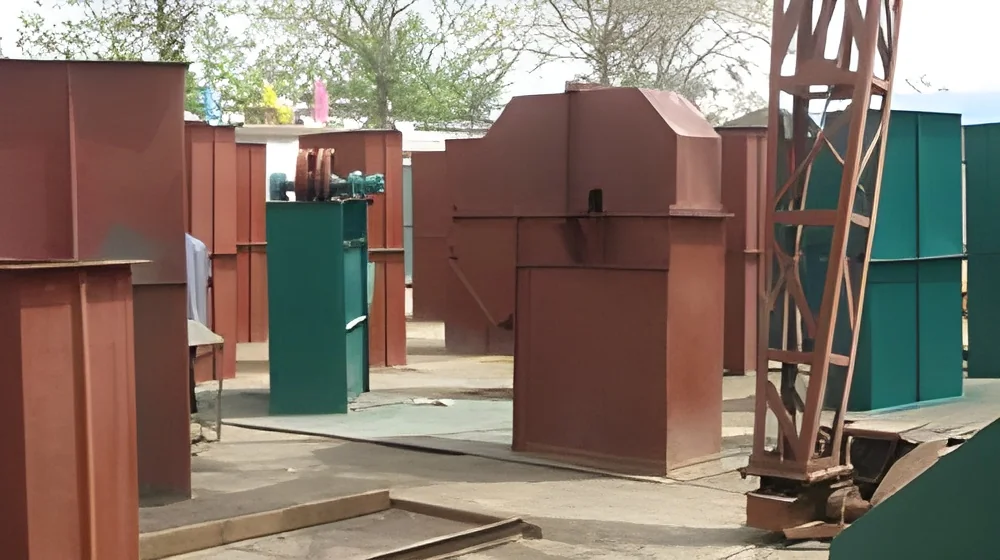
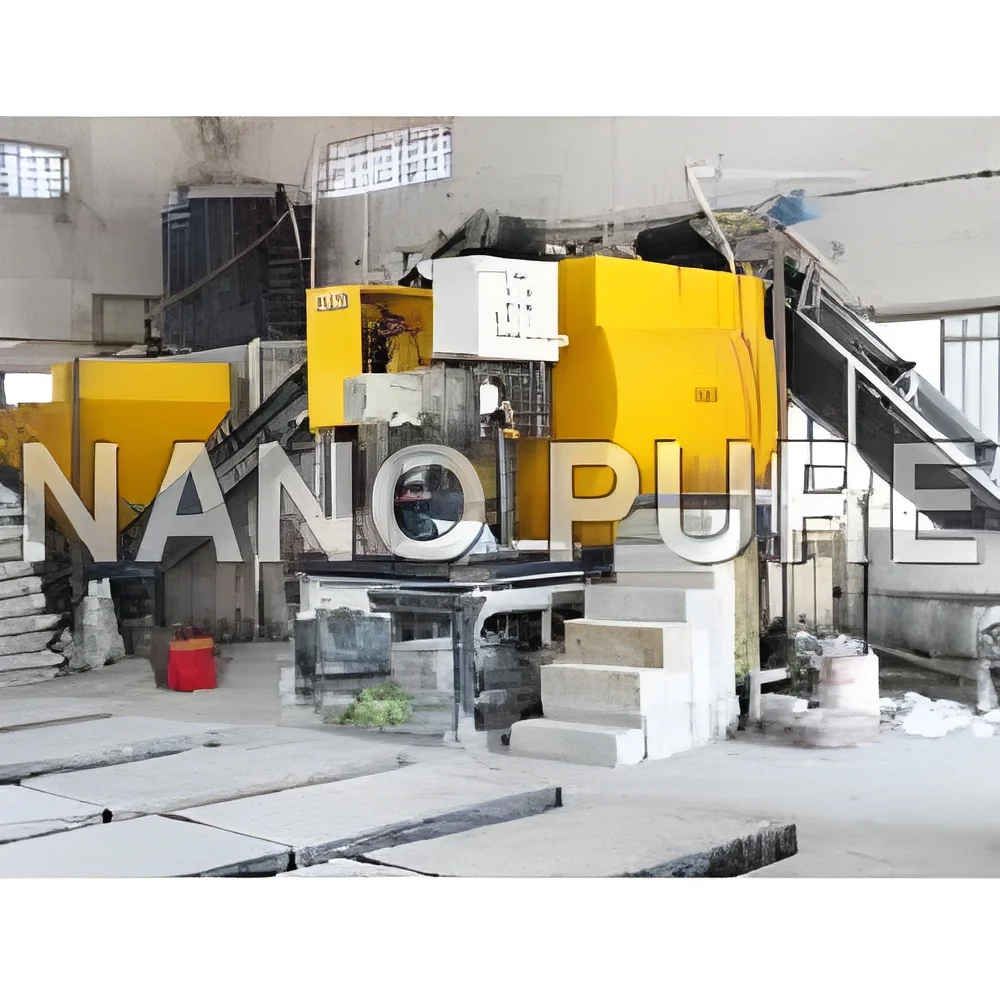
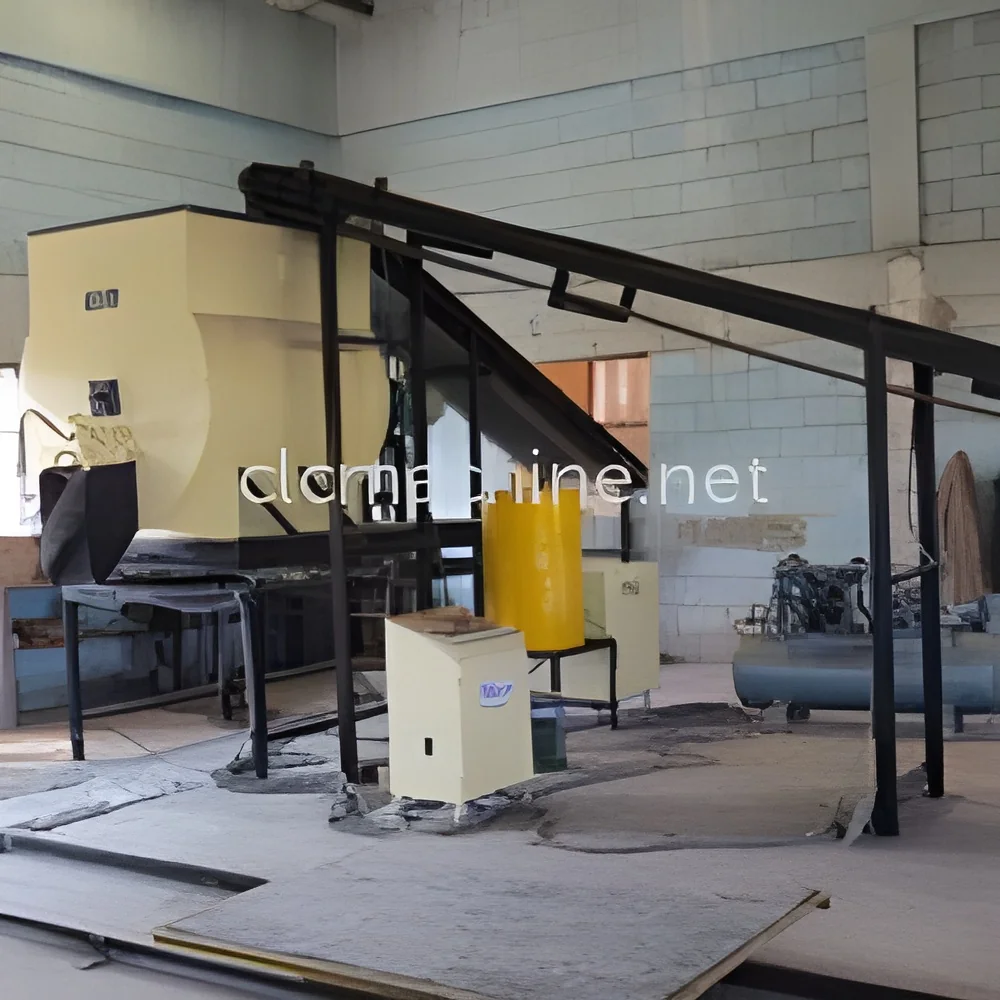
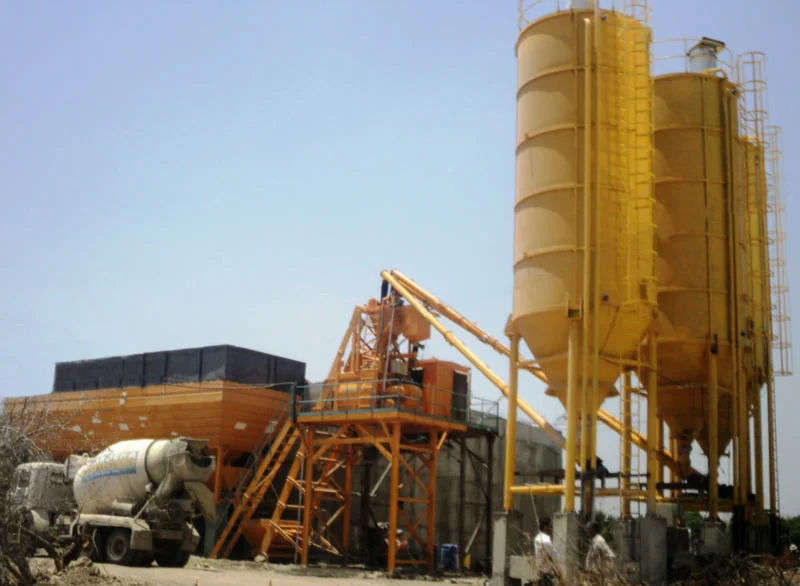
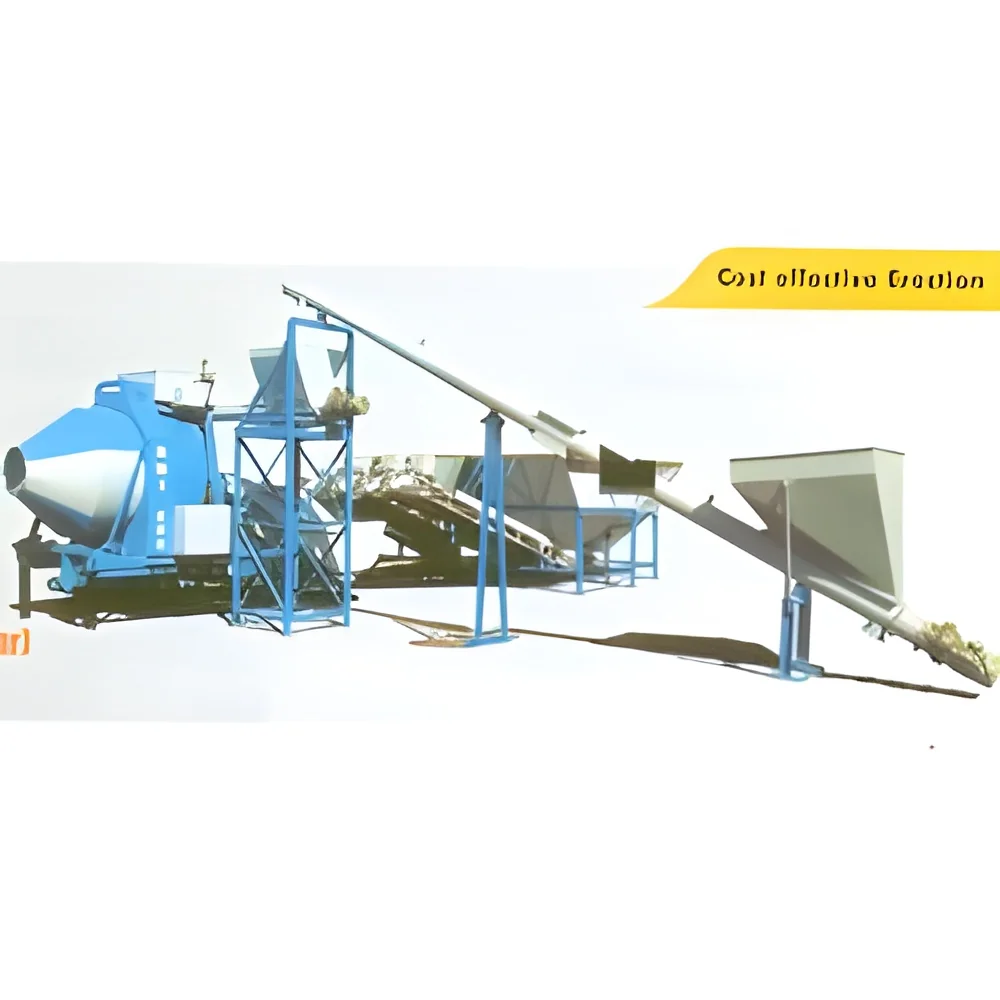
Dry mix concrete batching plants are specialized facilities designed for the production of concrete mixtures, which are then transported to construction sites. These plants prepare concrete without the addition of water until the concrete is ready for use. This method allows for precise control over the ingredients and ensures consistency in quality. The dry mix process involves the accurate measurement and mixing of various components, such as aggregates, cement, and additives, resulting in a high-quality end product.
The primary applications of dry mix concrete batching plants are found in construction and infrastructure projects. They are ideal for producing ready-mixed concrete, which is utilized in a variety of applications including residential, commercial, and industrial construction. Businesses often choose dry mix plants for their ability to produce a uniform product that meets specific project requirements while minimizing waste. In an industry that demands high standards and efficiency, dry mix concrete batching plants play a crucial role in ensuring timely and reliable concrete supply.
As the construction sector continues to grow globally, the demand for dry mix concrete batching plants is also on the rise. Factors such as urbanization, infrastructure development, and the increasing complexity of construction projects are driving this trend. Companies looking to maintain a competitive edge are investing in advanced batching technology to enhance their production capabilities and meet the evolving needs of their clients.
Key Features and Specifications
Dry mix concrete batching plants come equipped with several key features that enhance their operational efficiency. These features include the ability to produce various concrete grades, efficient material handling systems, and automation capabilities that improve accuracy and reduce labor costs. Understanding the specifications of these plants is essential for potential buyers.
Key specifications include:
1. Production Capacity
- The production capacity can range from 20 to 120 cubic meters per hour.
- Higher capacities are suitable for large-scale construction projects.
2. Mixing Technology
- Plants may utilize twin-shaft mixers or pan mixers to ensure uniform mixing.
- These technologies enhance the quality and consistency of the concrete produced.
3. Aggregate Storage
- Multiple aggregate bins allow for efficient storage and handling of materials.
- Typical storage capacities vary from 20 to 60 tons per bin.
4. Control System
- Advanced control systems can be manual or fully automated.
- Automation improves precision in ingredient measurement and mixing.
5. Cement Storage
- Bulk cement silos usually have capacities ranging from 30 to 100 tons.
- This allows for uninterrupted production runs.
6. Water and Additive Control
- Integrated systems for precise water and additive measurement.
- Ensures the right consistency and performance of the concrete mix.
7. Mobility Options
- Some plants are designed for easy transport and relocation.
- This flexibility is ideal for projects that require mobility.
8. Environmental Considerations
- Features like dust collection systems help reduce environmental impact.
- Compliance with local regulations is often ensured.
Overall, the specifications of dry mix concrete batching plants cater to a wide range of construction needs, making them essential for modern construction practices.
Common Applications and Use Cases
Dry mix concrete batching plants serve various industries, providing tailored solutions for multiple applications.
1. Residential Construction: These plants produce ready-mix concrete that is used in foundations, walls, and driveways, ensuring high quality for residential projects.
2. Commercial Construction: Businesses utilize dry mix concrete for commercial buildings, parking lots, and sidewalks, where durability and strength are crucial.
3. Infrastructure Development: Dry mix concrete is essential for roadways, bridges, and tunnels, as it meets stringent quality standards and can be produced in large volumes.
4. Precast Concrete Production: Many manufacturers rely on dry mix plants to create precast concrete products like beams, panels, and blocks for efficient construction.
5. Industrial Applications: Factories and warehouses use dry mix concrete for flooring and structural elements, benefiting from its strength and quick setting times.
6. Landscaping Projects: Dry mix concrete is also used in landscaping for pathways, retaining walls, and decorative features, providing aesthetic and functional solutions.
7. Water Management Systems: The plants support the construction of reservoirs, water treatment facilities, and drainage systems, where concrete durability is vital.
Product Variants and Subcategories
Dry mix concrete batching plants come in various configurations to meet different operational needs. The diversity in product offerings allows businesses to select a solution that best fits their specific requirements.
Mobile Dry Mix Concrete Batching Plant
This variant is designed for easy transport and quick setup at construction sites. It offers flexibility and is ideal for projects that require frequent relocation. The mobile option typically features a compact design and can be operational within hours of arrival.
Stationary Dry Mix Concrete Batching Plant
Stationary plants are built for high-capacity production at a single location. They are suitable for large-scale projects and can be customized with additional features such as silos and advanced control systems for enhanced productivity.
Continuous Dry Mix Concrete Batching Plant
These plants operate with a continuous mixing process, making them ideal for high-output applications. They ensure a steady supply of concrete, reducing downtime and increasing efficiency on large construction sites.
Benefits and Advantages
Dry mix concrete batching plants offer several key advantages that make them a preferred choice for construction companies.
1. Quality Control: The precise measurement of ingredients ensures consistent quality in the concrete mix, reducing the likelihood of defects.
2. Reduced Waste: By producing concrete on-demand, businesses minimize material waste, leading to cost savings and environmental benefits.
3. Increased Efficiency: Automated systems streamline operations, allowing for faster production rates and improved turnaround times.
4. Flexibility: The ability to produce various concrete grades and types enables companies to meet diverse project requirements.
5. Lower Transportation Costs: Reduced water weight during transport leads to lower shipping costs, enhancing overall project profitability.
6. Enhanced Durability: The controlled mixing process results in concrete that meets or exceeds industry standards for strength and longevity.
Buying Guide for B2B Buyers
When sourcing dry mix concrete batching plants, potential buyers should consider several critical factors to ensure they make an informed decision.
1. Quality Assessment: Evaluate the quality of materials and components used in the plant. Look for manufacturers that adhere to industry standards and have a reputation for durability.
2. Supplier Verification: Ensure that suppliers are reputable and have a proven track record in the industry. Consider requesting references or visiting existing installations.
3. Pricing and MOQ: Understand the pricing structure and minimum order quantities. Compare quotes from different suppliers to ensure competitive pricing without compromising quality.
4. Delivery and Lead Times: Discuss delivery schedules and lead times with suppliers to align with project timelines. Ensure that the supplier can meet your specific logistical needs.
5. Compliance Requirements: Verify that the plant meets local and international compliance standards, including safety and environmental regulations. This is crucial for avoiding potential legal issues.
Compliance and Certifications
Dry mix concrete batching plants must adhere to various compliance standards and certifications to ensure quality and safety.
ISO 9001 certification is essential, as it signifies that a manufacturer follows quality management principles. This ensures that the plants produced are reliable and perform consistently.
CE certification is also crucial for products marketed in Europe, indicating that they comply with safety, health, and environmental protection standards set by the European Union.
Safety and testing requirements often include structural integrity tests, performance evaluations, and environmental impact assessments. These ensure that the plants operate safely and efficiently.
Additionally, regional compliance considerations may vary based on local regulations. It is essential for buyers to understand these requirements to avoid compliance-related challenges.
Why Source Dry Mix Concrete Batching Plants from Pepagora?
Pepagora provides a trusted platform for sourcing dry mix concrete batching plants with several key advantages. Our verified supplier network ensures that buyers have access to high-quality manufacturers who adhere to industry standards.
The streamlined RFQ process simplifies procurement, allowing buyers to receive competitive quotes quickly. This efficiency is crucial for businesses looking to make timely purchasing decisions.
Trade assurance and support further enhance buyer protection. Pepagora offers assistance throughout the purchasing process, ensuring that buyers receive the products they expect.
Our geographic reach across India, the GCC, and Southeast Asia allows us to connect buyers with suppliers who can meet their specific needs, regardless of location. This broad coverage ensures that businesses can find reliable solutions tailored to their operational requirements.

 IN
IN