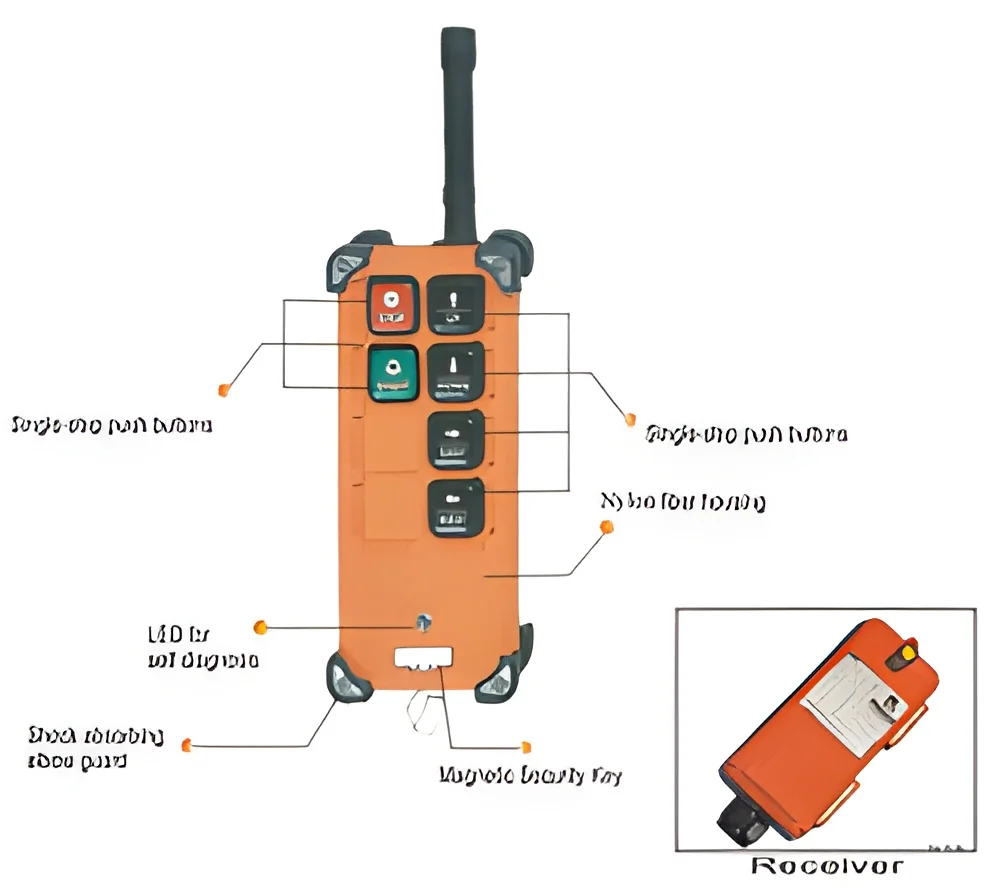
What are Batching Plant Control Panels?
Batching Plant Control Panels are essential components in the automation of batching plants, which are used for mixing various materials like concrete, asphalt, or other aggregates. These control panels serve as the central hub for managing the processes involved in batching, ensuring that the right quantities of materials are mixed according to precise specifications. They enable operators to control and monitor the batching process, enhancing efficiency and consistency in production.
The primary use of batching plant control panels is found in construction and manufacturing industries where accurate material mixing is critical. Businesses rely on these panels to automate and streamline operations, reduce human error, and improve overall productivity. By integrating sophisticated monitoring and control features, these panels allow for real-time adjustments and data logging, essential for maintaining quality standards and meeting regulatory requirements.
In today's competitive market, the relevance of batching plant control panels can be seen across various sectors, including construction, precast concrete manufacturing, and asphalt production. With advances in technology, these panels are becoming more sophisticated, offering enhanced features such as remote monitoring and automated reporting. As industries seek to improve operational efficiency, the demand for reliable and technologically advanced batching plant control panels continues to grow.
Key Features and Specifications
Batching Plant Control Panels come equipped with a variety of features that enhance their functionality and user experience. These panels are designed to provide precise control over the batching process, ensuring that operations are efficient and consistent.
Key specifications include:
1. Control System Type
- Programmable Logic Controllers (PLC) are commonly used.
- Offers flexibility for various automation needs.
2. Input/Output Channels
- Typically ranges from 16 to 64 channels.
- Supports multiple sensors and actuators for comprehensive control.
3. User Interface
- Touchscreen or button-based interfaces for ease of use.
- Displays real-time data and system diagnostics.
4. Communication Protocols
- Supports various protocols such as Modbus, Ethernet/IP.
- Facilitates integration with other systems for seamless operations.
5. Power Supply
- Operates on standard voltages (e.g., 110V, 230V).
- Requires specific current ratings for optimal performance.
6. Dimensions and Weight
- Typically compact for easy installation.
- Weights vary based on design and configuration.
7. Environmental Ratings
- Designed to withstand industrial environments.
- May include protection against dust and moisture.
8. Customization Options
- Panels can be tailored to specific operational needs.
- Allows for additional features as per client requirements.
Overall, these specifications ensure that batching plant control panels are reliable and capable of meeting the demands of various industrial applications.
Common Applications and Use Cases
Batching Plant Control Panels serve a wide range of industries, enhancing productivity and quality control in material mixing processes.
1. Construction: In construction, these panels manage the mixing of concrete, ensuring that the right proportions of materials are used for different projects. This accuracy helps in achieving the required strength and durability in structures.
2. Precast Concrete Manufacturing: These panels control the batching process in precast concrete plants, where consistency is crucial for producing uniform products. They enable precise measurements of aggregates, cement, and water.
3. Asphalt Production: Batching plant control panels are also integral to asphalt mixing plants, where they ensure that the asphalt is mixed at the right temperature and with the correct mixture, leading to high-quality paving materials.
4. Food Processing: In the food industry, these panels can be adapted for batching ingredients, ensuring precise quantities for consistency and compliance with safety standards.
5. Chemical Manufacturing: Batching control panels play a critical role in the chemical industry, where precise mixing of raw materials is essential for product quality and safety.
6. Paint and Coatings: These panels are used in the paint industry to ensure accurate mixing of pigments and other components, resulting in uniform colors and textures.
7. Pharmaceuticals: In pharmaceutical manufacturing, batching control panels help in accurately mixing raw materials for drug formulations, ensuring compliance with stringent quality regulations.
Product Variants and Subcategories
Batching Plant Control Panels come in various configurations to meet specific industry needs.
Standard Control Panels: These are designed for general batching applications and provide essential control features. They are ideal for small to medium-sized batching plants.
Advanced Control Panels: Equipped with sophisticated monitoring and reporting capabilities, these panels are suitable for larger operations that require real-time data analysis and remote access.
Mobile Control Panels: These variants offer flexibility and portability, allowing operators to manage batching processes from different locations on-site.
Integrated Control Systems: These systems combine batching control with other plant operations, offering a comprehensive solution for large manufacturing facilities.
Benefits and Advantages
Batching Plant Control Panels offer numerous advantages that enhance operational efficiency and product quality.
1. Increased Accuracy: These panels ensure precise measurements, leading to consistent product quality and reduced waste.
2. Automation of Processes: By automating the batching process, these panels minimize human error and enhance productivity.
3. Real-Time Monitoring: Users can monitor the batching process in real-time, allowing for quick adjustments and improved decision-making.
4. Enhanced Data Management: With built-in data logging features, these panels facilitate better record-keeping and compliance with industry standards.
5. Customization Potential: Batching plant control panels can be tailored to meet specific operational requirements, enhancing their effectiveness.
6. Improved Safety: By automating controls and incorporating safety features, these panels reduce the risk of accidents and ensure a safer working environment.
Buying Guide for B2B Buyers
When sourcing Batching Plant Control Panels, buyers should consider several key factors to ensure they select the right product for their needs.
1. Quality Assessment: Evaluate the quality of control panels by checking for compliance with industry standards and certifications. Look for panels that meet ISO 9001 and CE certifications to ensure reliability.
2. Supplier Verification: Research potential suppliers to ensure they have a proven track record of delivering quality products and services. Verify their reputation through reviews and case studies.
3. Pricing and MOQ: Understand the pricing structure and minimum order quantities (MOQ) for different control panels. Compare prices across suppliers to find the best value without compromising quality.
4. Delivery and Lead Times: Inquire about delivery timelines and lead times to ensure that the control panels can be delivered when needed. Consider suppliers with efficient logistics and a history of timely deliveries.
5. Compliance Requirements: Ensure that the control panels meet all relevant regulatory and compliance requirements in your industry. This includes safety standards and environmental regulations.
Compliance and Certifications
Compliance with quality standards and industry certifications is essential for Batching Plant Control Panels. Many panels adhere to ISO 9001 standards, which focus on quality management systems to ensure consistent product quality. This certification demonstrates a commitment to continuous improvement and customer satisfaction.
Additionally, Batching Plant Control Panels often carry the CE marking, indicating compliance with European safety standards. This certification ensures that the product meets essential health, safety, and environmental requirements.
Safety and testing requirements are critical in the manufacturing process of these panels. They undergo rigorous testing to ensure they can withstand the conditions of industrial environments. Regional compliance considerations also play a role, as different regions may have specific regulations that need to be met.
Why Source Batching Plant Control Panels from Pepagora?
Pepagora provides a trusted platform for sourcing Batching Plant Control Panels, offering several key advantages that set it apart from competitors.
Verified Supplier Network: Pepagora connects buyers with a network of verified suppliers, ensuring that each supplier meets high standards for quality and reliability. This network helps buyers find the best products tailored to their needs.
Streamlined RFQ Process: The platform features a streamlined Request for Quotation (RFQ) process, allowing buyers to easily request quotes from multiple suppliers. This efficiency saves time and helps buyers make informed purchasing decisions.
Trade Assurance and Support: Pepagora offers trade assurance, providing buyers with protection and support throughout the sourcing process. This assurance helps mitigate risks associated with purchasing industrial products.
Regional Coverage: With a strong presence in India, the GCC, and Southeast Asia, Pepagora provides regional coverage that facilitates easy access to suppliers. This coverage ensures buyers can find suitable options within their geographic area, enhancing the overall sourcing experience.

 IN
IN