Key Features and Specifications
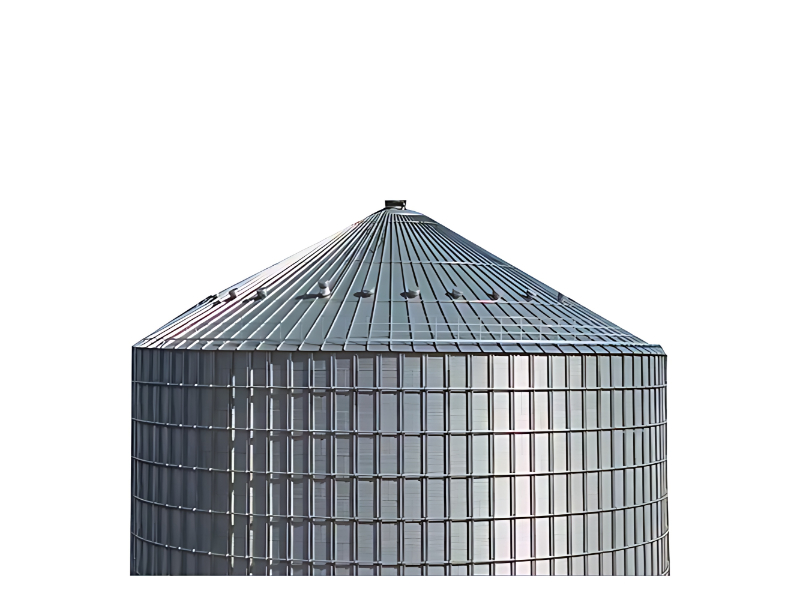
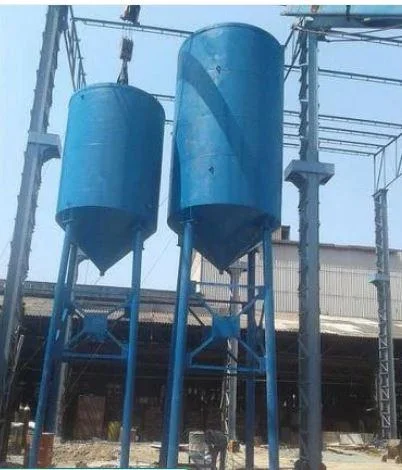
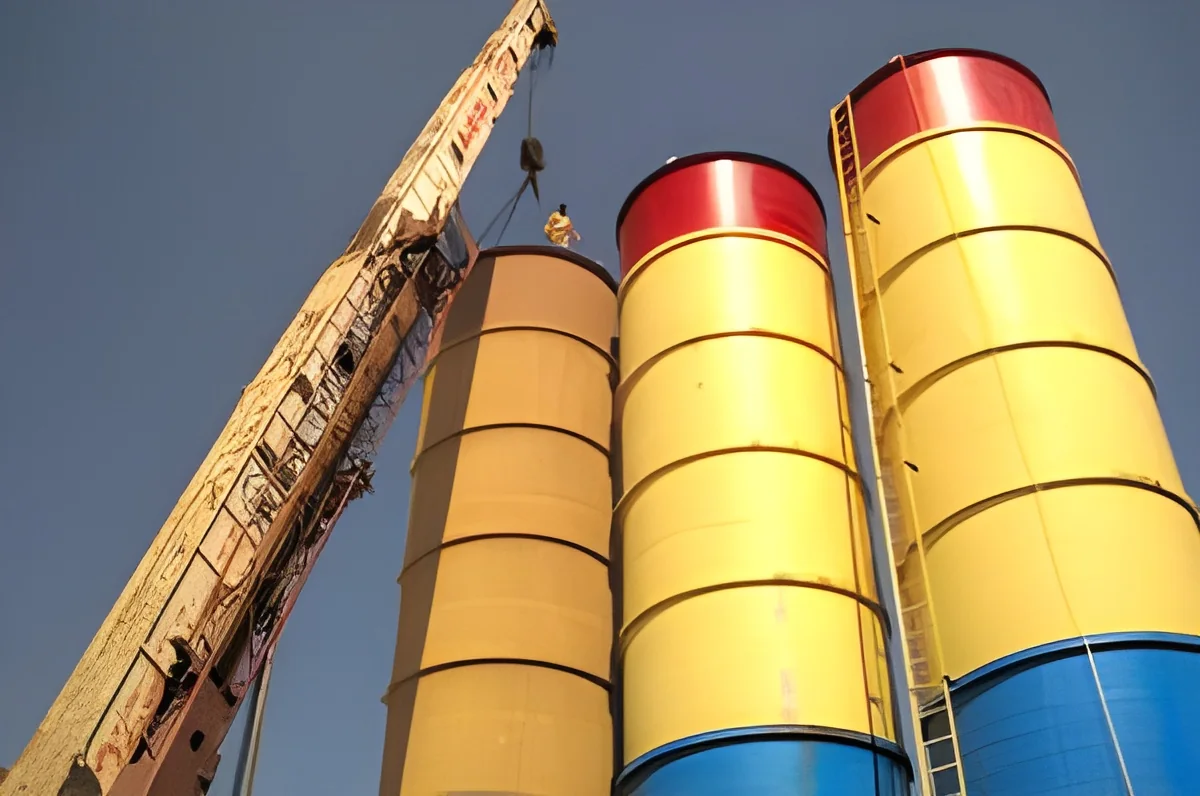
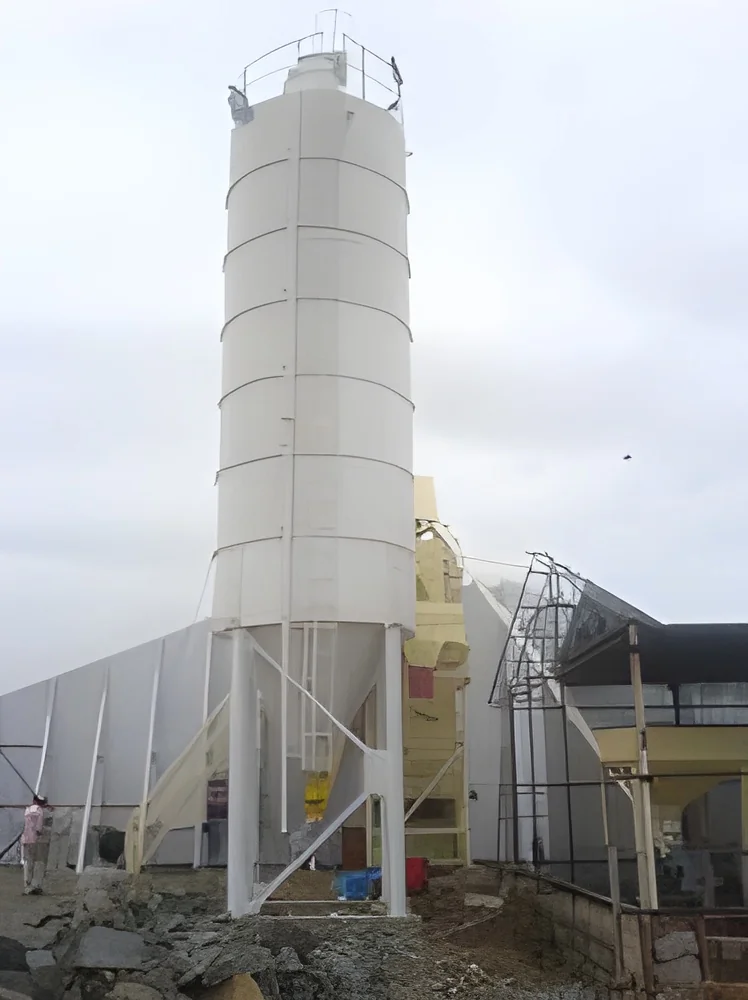
Cement silos are equipped with various features that enhance their performance and usability. These features are vital for ensuring the effective storage and handling of cement.
Key specifications include:
1. Capacity
- Ranges from a few tons to several thousand tons
- Designed to meet specific project requirements
2. Material
- Typically constructed from high-grade steel or reinforced concrete
- Resistant to corrosion and weather conditions
3. Dimensions
- Available in various heights and diameters
- Customizable based on site requirements
4. Discharge System
- Equipped with pneumatic or mechanical systems for easy cement extraction
- Allows for controlled flow rates
5. Ventilation and Humidity Control
- Features for managing airflow to prevent moisture buildup
- Essential for maintaining cement quality
6. Safety Features
- Includes pressure relief valves and emergency shut-off systems
- Ensures safe operation and compliance with regulations
7. Certification
- CE certified for meeting European safety standards
- Ensures quality and reliability
8. Monitoring Systems
- Optional integration of sensors for real-time monitoring
- Enhances operational efficiency and safety
In summary, the specifications of cement silos are designed to cater to various industry needs while ensuring safety and efficiency in cement storage.
Common Applications and Use Cases
Cement silos serve a variety of industries, each with unique storage needs.
1. Construction Industry: Cement silos are essential for storing bulk cement on construction sites, facilitating easy access during concrete pouring.
2. Ready-Mix Concrete Plants: These facilities utilize silos to maintain a steady supply of cement, ensuring consistent product quality and reducing downtime.
3. Road Construction: Silos are used in road construction projects to store cement required for concrete mixes, allowing for efficient project execution.
4. Precast Concrete Manufacturing: Manufacturers of precast products rely on silos for storing cement, which is crucial for producing high-quality concrete components.
5. Mining Operations: Cement silos are utilized in mining for shotcrete applications, providing necessary material for reinforcing tunnel walls.
6. Agricultural Sector: In some cases, silos are adapted for storing agricultural lime, enhancing soil quality and crop production.
7. Industrial Manufacturing: Cement silos are also used in various manufacturing processes that require cement as a key ingredient.
Product Variants and Subcategories
Cement silos come in diverse configurations to meet specific industry requirements.
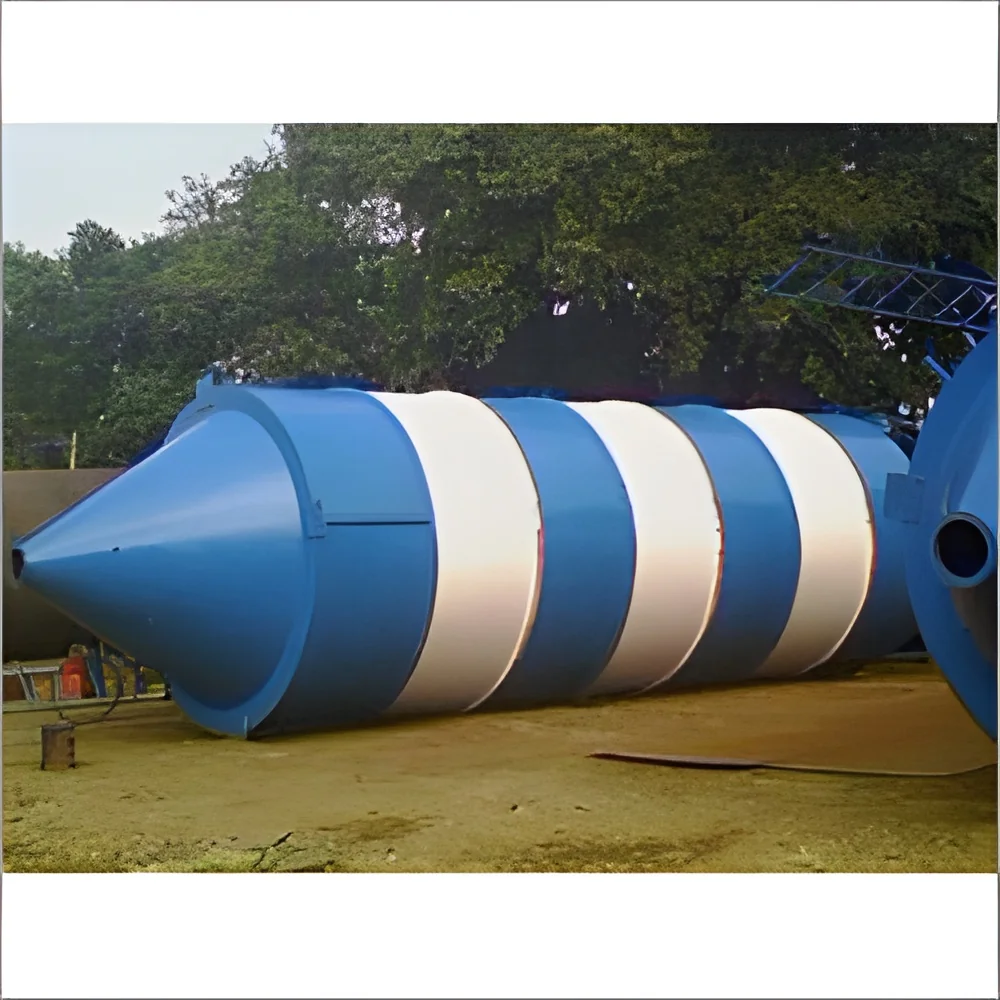
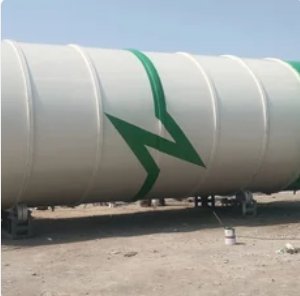
Horizontal Cement Silos: These silos are designed for applications where height restrictions exist. They offer a robust storage solution and are easy to transport and assemble.
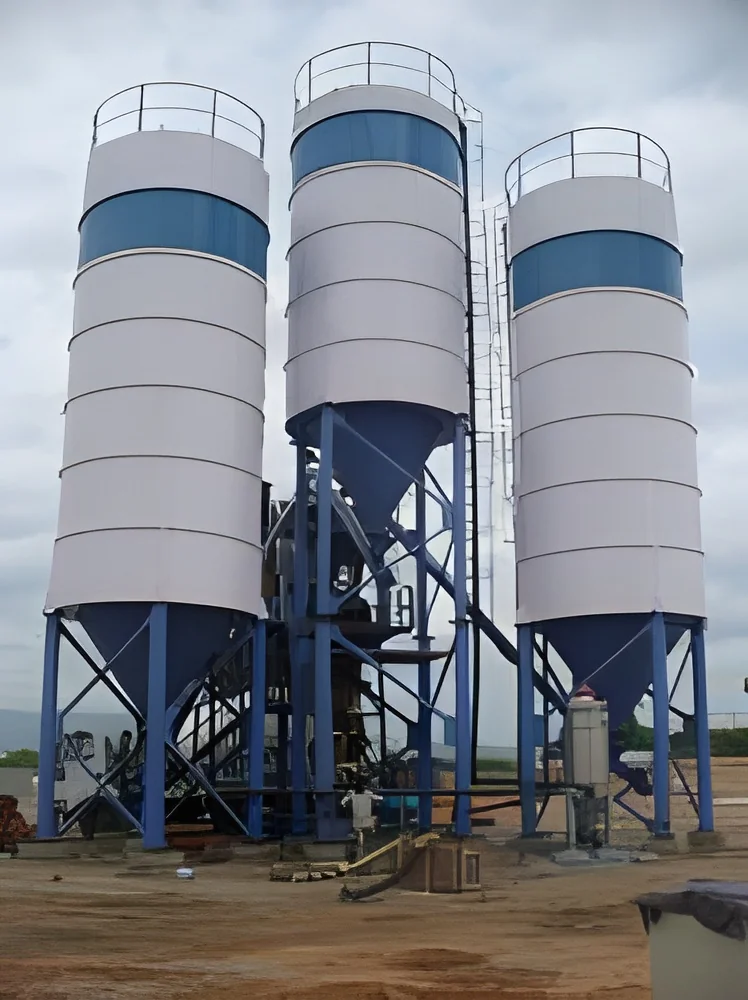
Vertical Cement Silos: Ideal for construction sites with limited space, vertical silos maximize storage capacity while occupying a smaller footprint. They are often equipped with advanced discharge systems for efficient material handling.
Mobile Cement Silos: These are portable units that can be relocated easily between job sites. They are particularly useful for contractors requiring flexibility in their operations.
Benefits and Advantages
Cement silos provide numerous advantages for businesses involved in cement storage and handling.
1. Space Efficiency: Vertical silos utilize vertical space, making them ideal for sites with limited ground area.
2. Improved Workflow: Easy access to stored cement streamlines operations, reducing downtime during construction processes.
3. Enhanced Safety: Built-in safety features minimize risks associated with cement handling, ensuring a safer working environment.
4. Cost-Effective: By reducing wastage and optimizing storage, silos contribute to overall cost savings in cement usage.
5. Customization Options: Many silos can be tailored to meet specific project requirements, enhancing their utility across various applications.
6. Regulatory Compliance: Cement silos often meet industry standards and certifications, ensuring safe storage and handling practices.
Buying Guide for B2B Buyers
When sourcing cement silos, it is essential for buyers to consider several factors to ensure they make informed decisions.
1. Quality Assessment: Evaluate the materials and construction quality of the silos, focusing on durability and resistance to environmental factors.
2. Supplier Verification: Vet suppliers thoroughly to confirm their reliability and reputation in the market. Look for reviews and certifications that indicate quality.
3. Pricing and MOQ: Understand the pricing structure and minimum order quantities. Compare offers from different suppliers to find the best value.
4. Delivery and Lead Times: Ensure that suppliers can meet your project timelines by discussing delivery schedules and lead times upfront.
5. Compliance Requirements: Familiarize yourself with local and regional regulations regarding cement storage to ensure that the silos meet all necessary standards.
Compliance and Certifications
Cement silos must adhere to various quality standards and certifications to ensure safety and reliability. ISO 9001 is a widely recognized standard that governs quality management systems, emphasizing the importance of consistent quality control in manufacturing processes.
Safety certifications like CE are critical, as they demonstrate compliance with European safety regulations. The CE mark signifies that the product meets all relevant health and safety requirements, ensuring that buyers can trust the quality of the silos.
Additionally, safety and testing requirements often involve rigorous inspections to assess the structural integrity and operational safety of the silos. Regional compliance considerations may vary, so it is crucial to be aware of local regulations and standards that apply to cement storage in specific areas.
Why Source Cement Silos (Horizontal & Vertical) from Pepagora?
Pepagora offers a trusted platform for sourcing cement silos, providing several key advantages for businesses.
Verified Supplier Network: Our platform connects buyers with a network of verified suppliers who have undergone thorough vetting processes. This ensures that you are dealing with reputable manufacturers who prioritize quality.
Streamlined RFQ Process: Pepagora simplifies the request for quotation process, allowing buyers to easily compare offers from multiple suppliers. This efficiency helps in making timely decisions.
Trade Assurance and Support: We provide trade assurance measures that protect buyers throughout the purchasing process, ensuring that transactions are secure and reliable.
Regional Coverage: Pepagora has a broad geographic reach, including India, GCC, and Southeast Asia, enabling buyers to find suitable suppliers based on their location and specific needs. This extensive network enhances the chances of finding the right solution for your cement storage requirements.

 IN
IN