
 IN
Concrete Mixers & Batching Plants
155 products available
𝗪𝗵𝗮𝘁 𝗮𝗿𝗲 𝗖𝗼𝗻𝗰𝗿𝗲𝘁𝗲 𝗠𝗶𝘅𝗲𝗿𝘀 & 𝗕𝗮𝘁𝗰𝗵𝗶𝗻𝗴 𝗣𝗹𝗮𝗻𝘁𝘀?
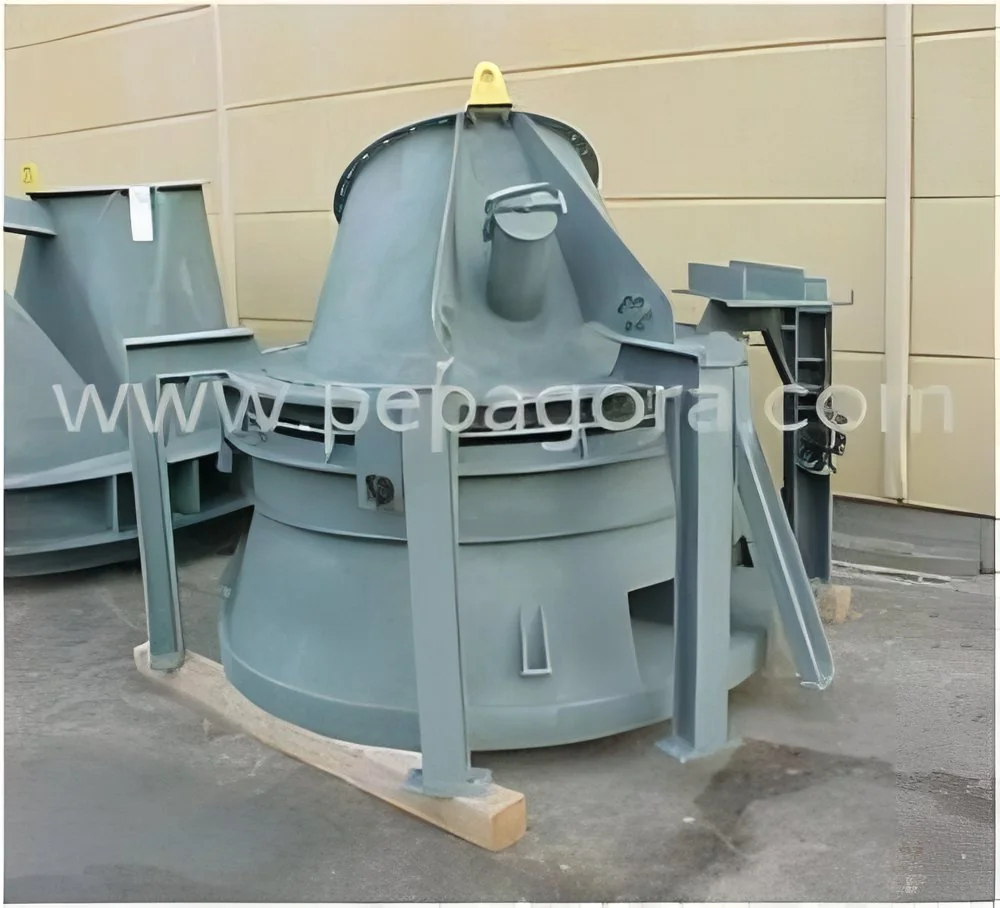
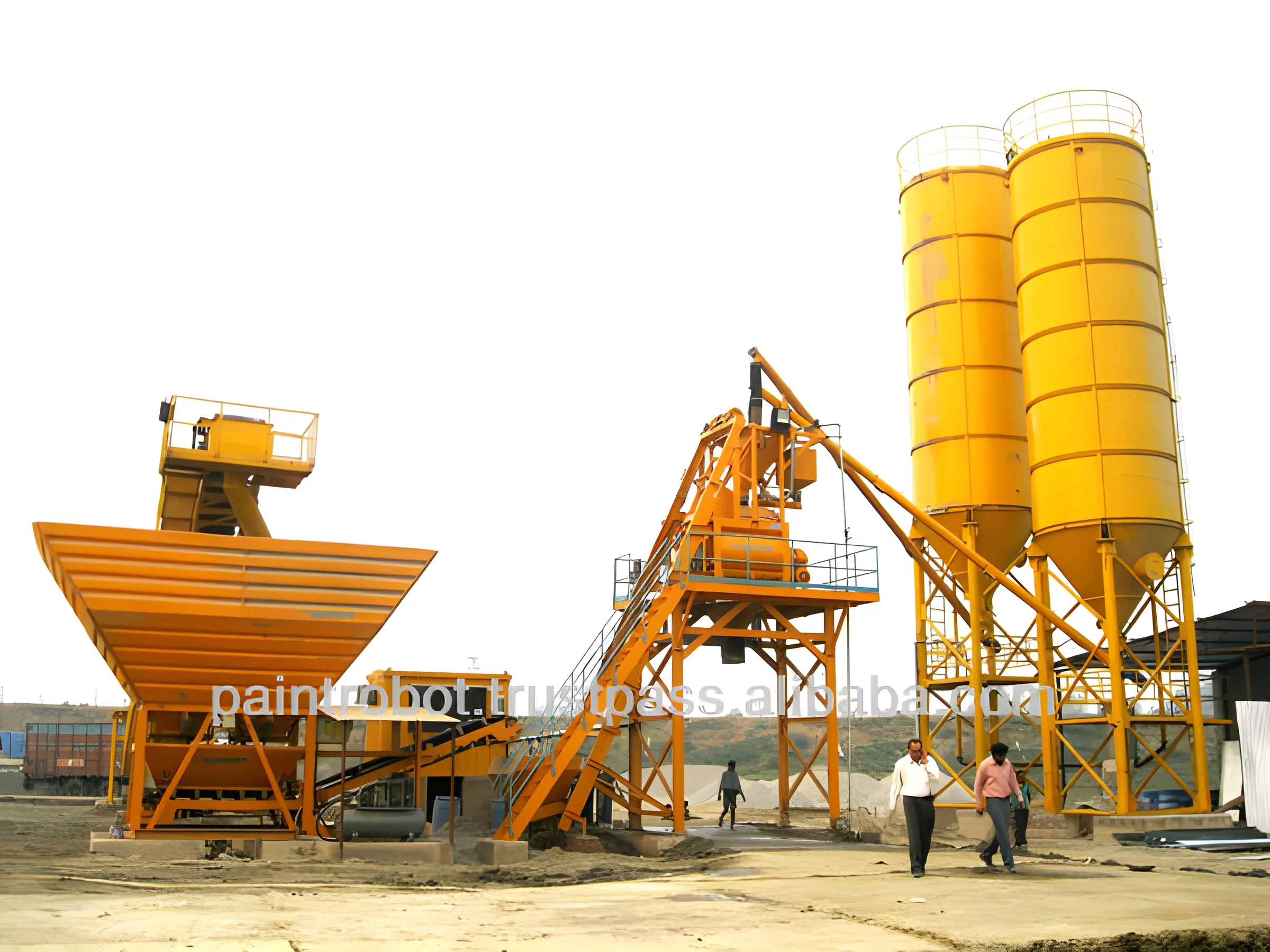
Concrete mixers and batching plants are essential equipment in the construction industry. Concrete mixers are machines designed to combine various ingredients to create concrete. These ingredients typically include cement, aggregates, water, and additives. Batching plants, on the other hand, are facilities where concrete is produced in larger quantities. They ensure the precise measurement of each component, which is critical for achieving the desired concrete quality.
These products are primarily used in construction projects ranging from small residential buildings to large infrastructure developments. Batch plants supply ready-mixed concrete to construction sites, while mixers are often used for on-site mixing. The ability to produce concrete efficiently and consistently makes these machines vital for contractors and builders.
In the current market, the demand for concrete mixers and batching plants continues to grow due to increasing construction activities globally. As urbanization accelerates, the need for reliable and efficient concrete production becomes more important. This positions concrete mixers and batching plants as key players in supporting the construction industry's expansion.
𝗞𝗲𝘆 𝗙𝗲𝗮𝘁𝘂𝗿𝗲𝘀 𝗮𝗻𝗱 𝗦𝗽𝗲𝗰𝗶𝗳𝗶𝗰𝗮𝘁𝗶𝗼𝗻𝘀
Concrete mixers and batching plants come with a variety of features that enhance performance and efficiency. Understanding these specifications is critical for buyers to make informed decisions.
Key specifications include:
1. Mixer Type
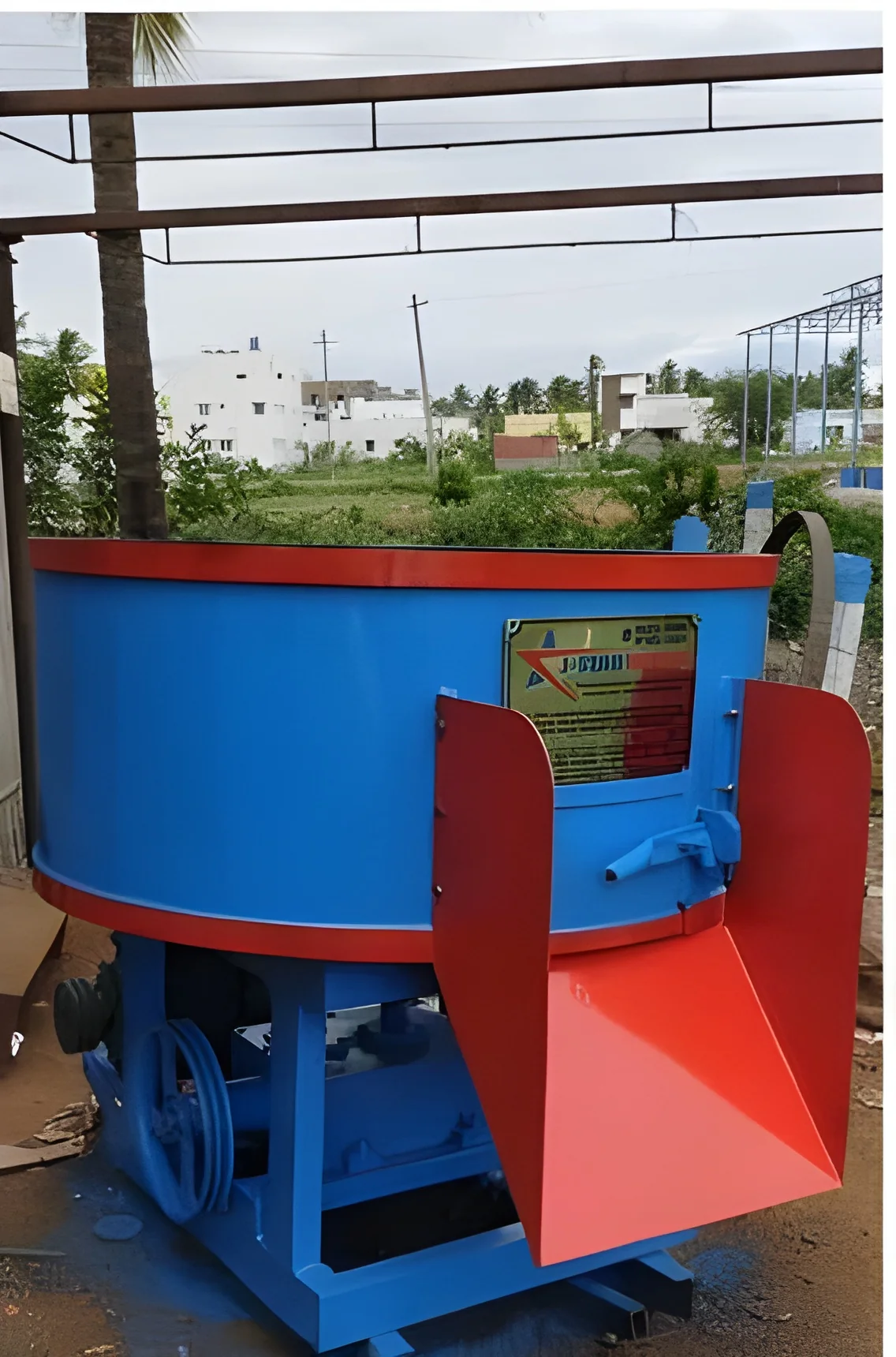
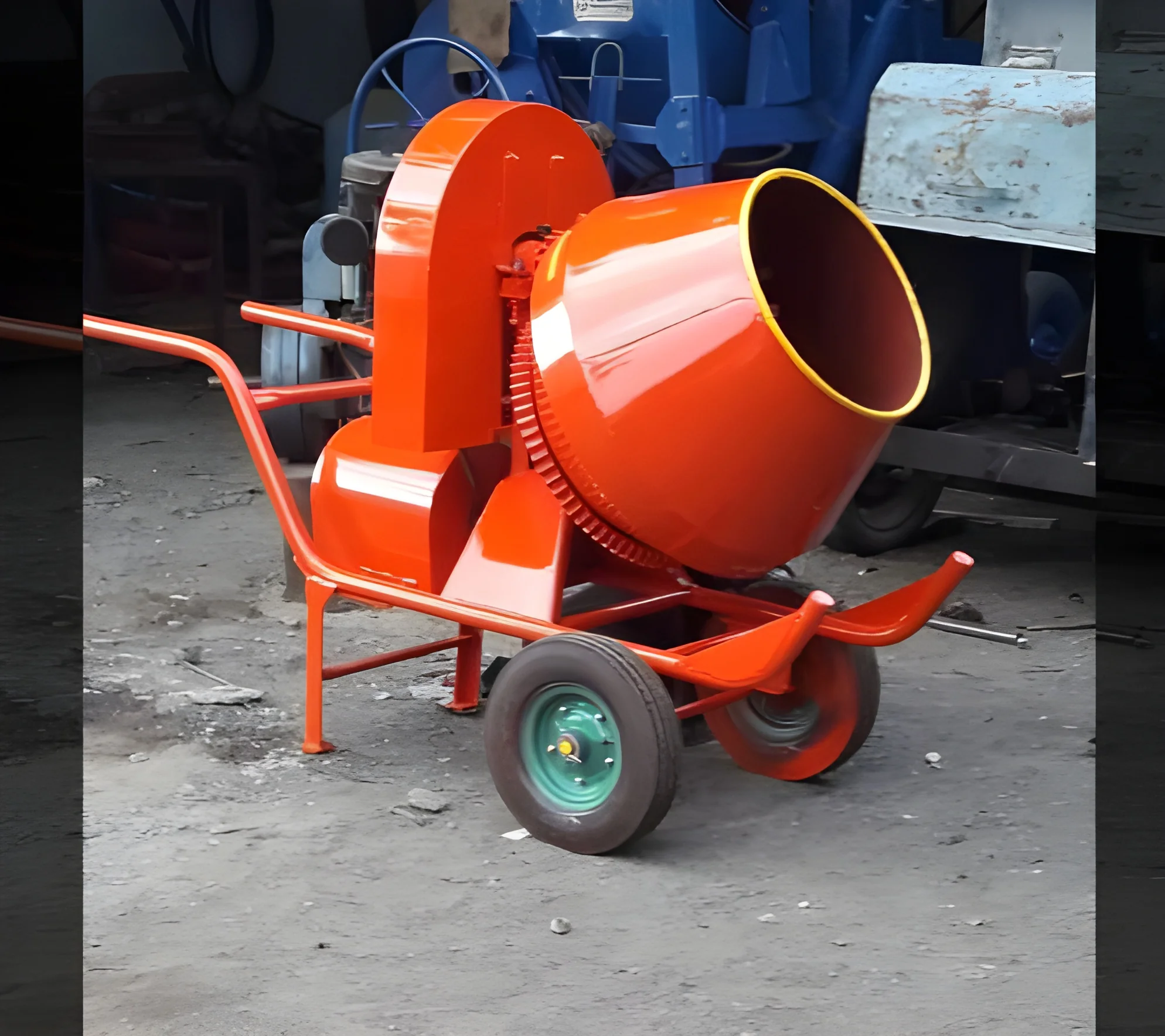
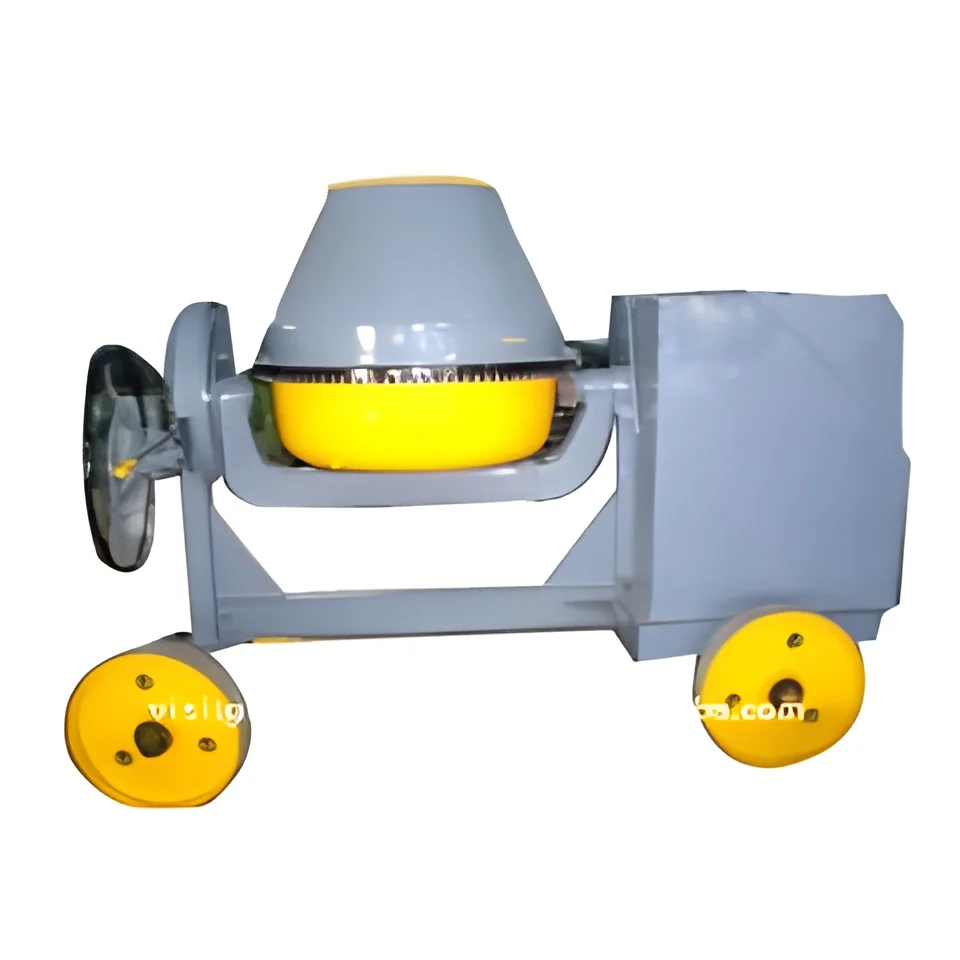
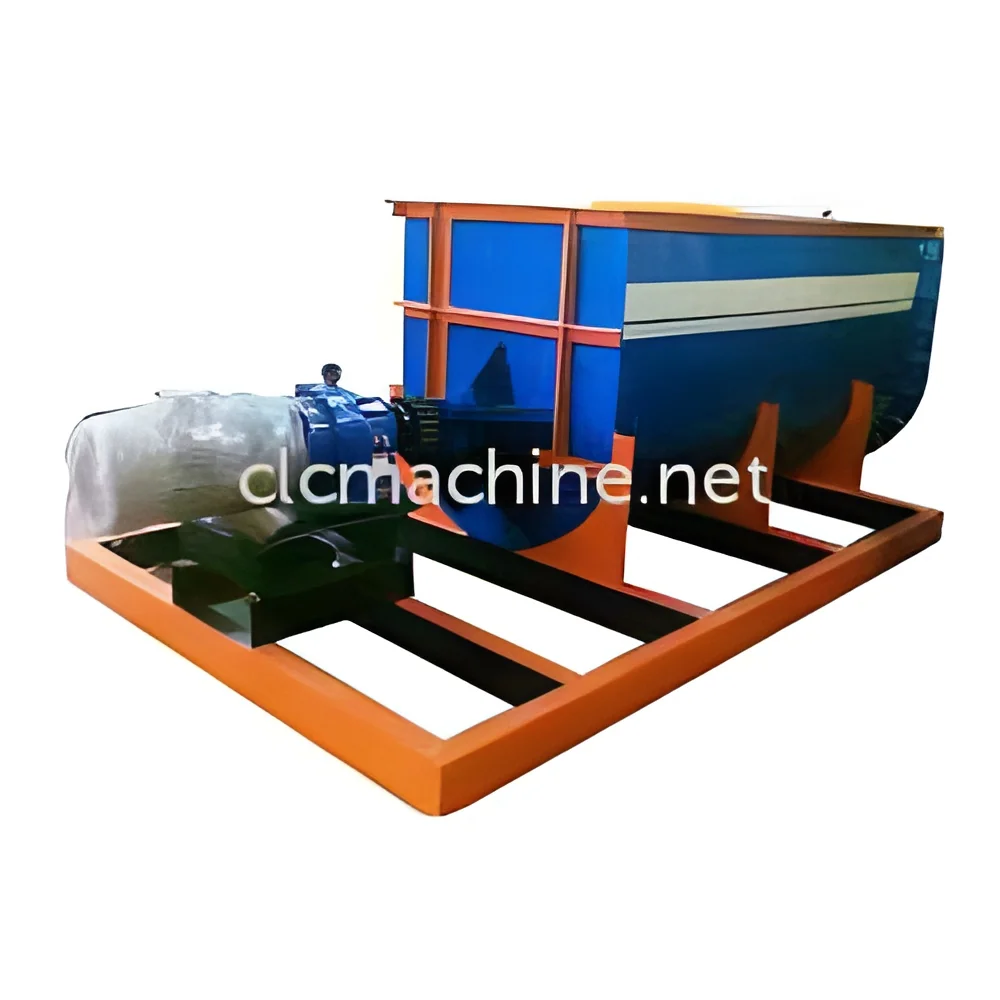
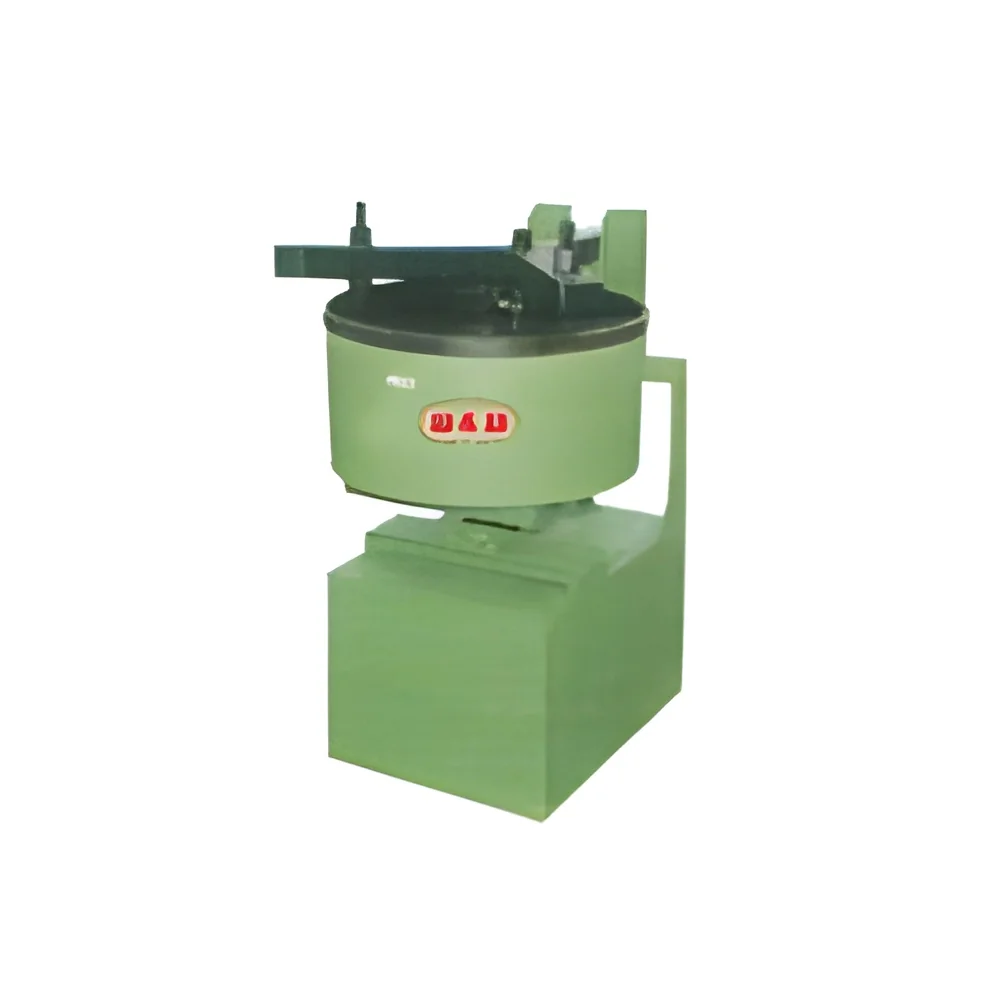
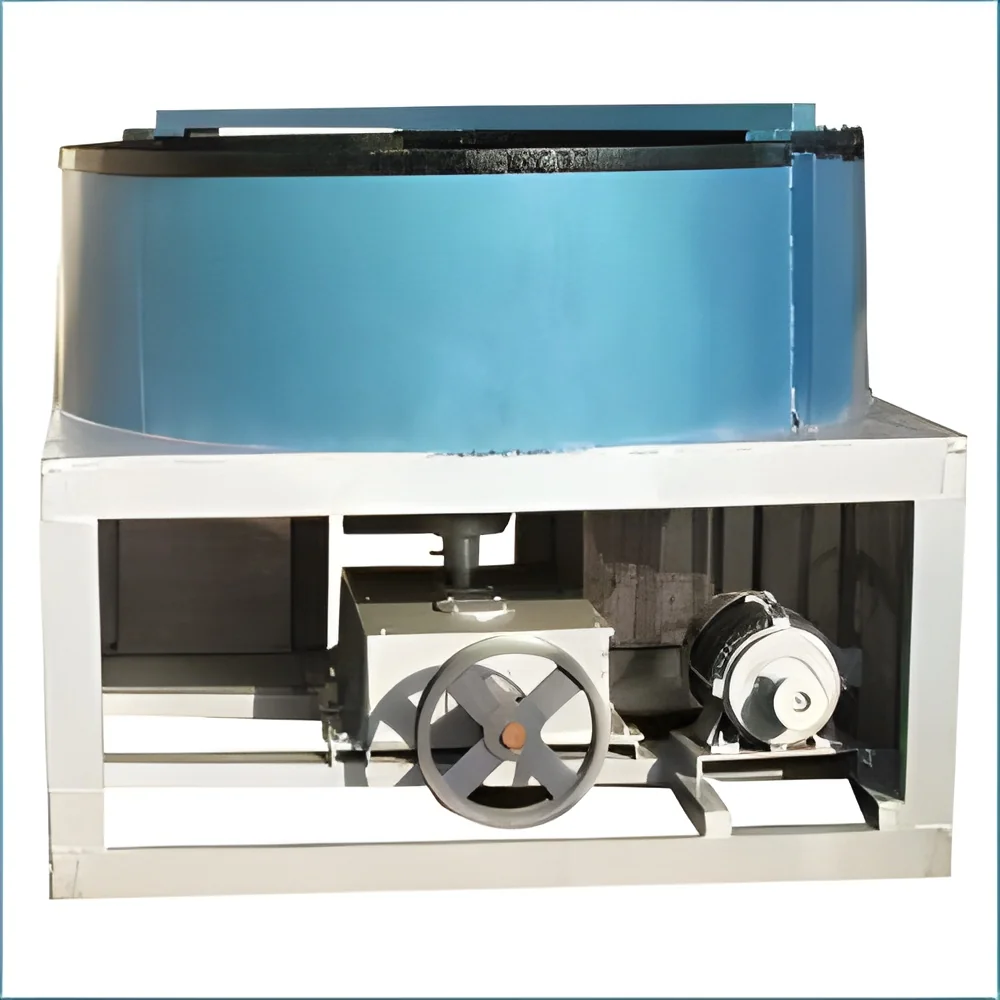
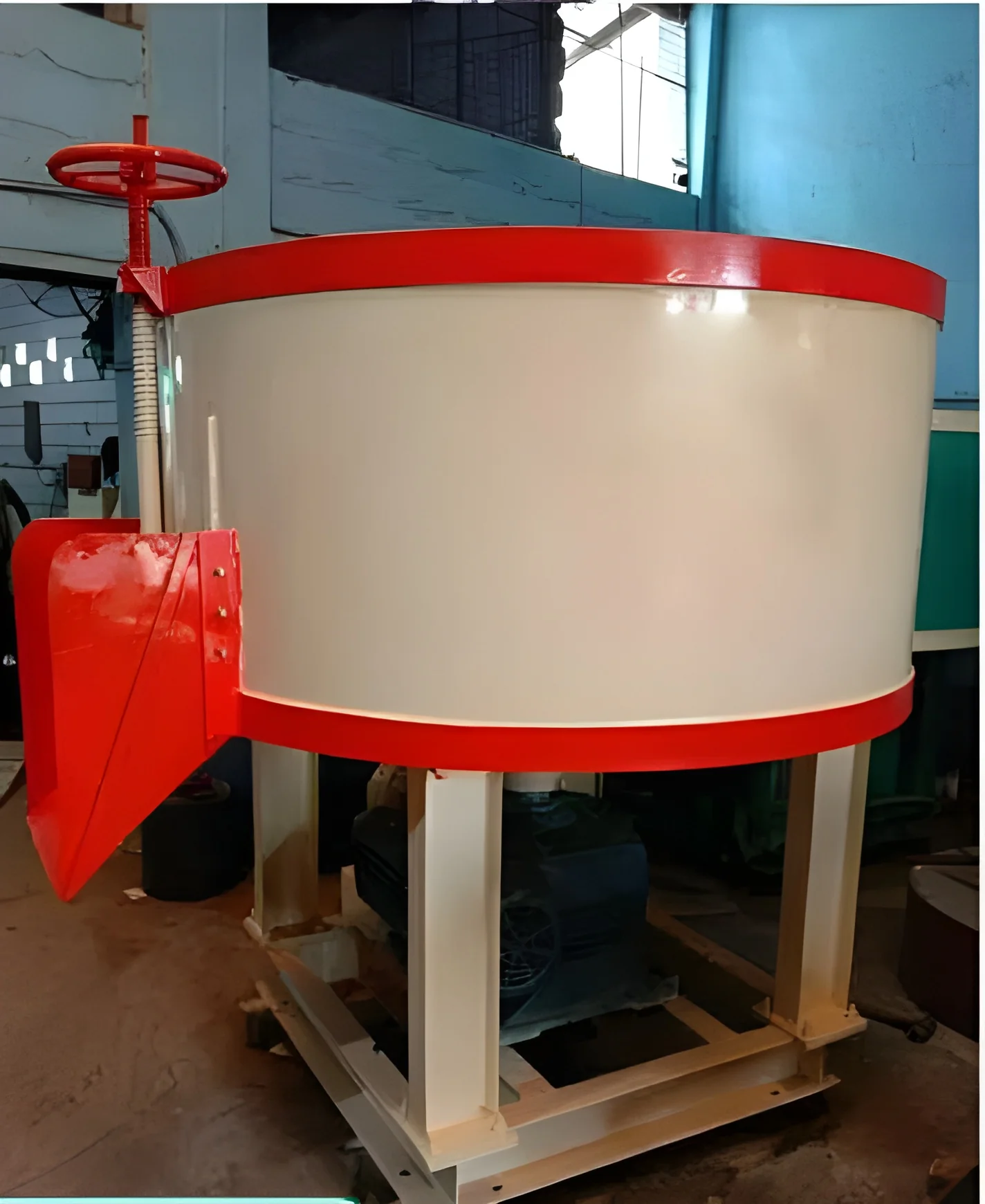
- Types include drum mixers, pan mixers, and twin-shaft mixers.
- Each type varies in mixing efficiency and speed.
2. Capacity
- Capacity ranges from small portable mixers of 1 cubic meter to large stationary batching plants of 100 cubic meters per hour.
- Selection depends on project size and requirements.
3. Automation Level
- Options include manual, semi-automatic, and fully automatic systems.
- Automation improves precision and reduces labor costs.
4. Power Source
- Mixers and batching plants can be powered by electricity or diesel.
- Choosing the right power source depends on site conditions.
5. Control System
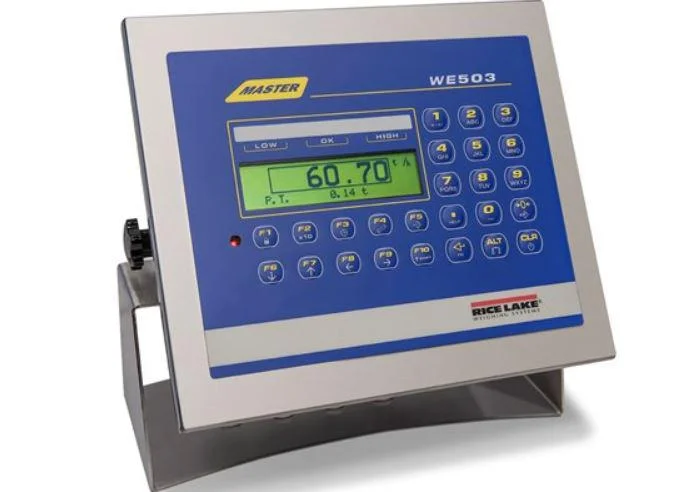
- Advanced systems provide real-time monitoring and control of the mixing process.
- Features include touchscreen interfaces and remote operation capabilities.
6. Aggregate Storage
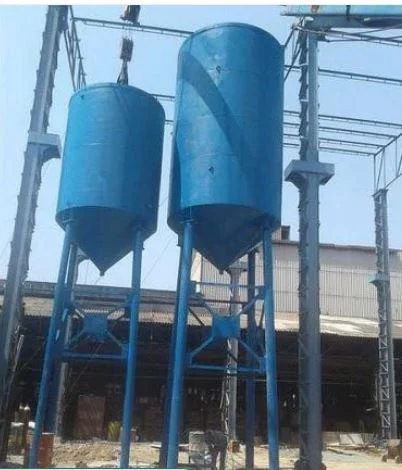
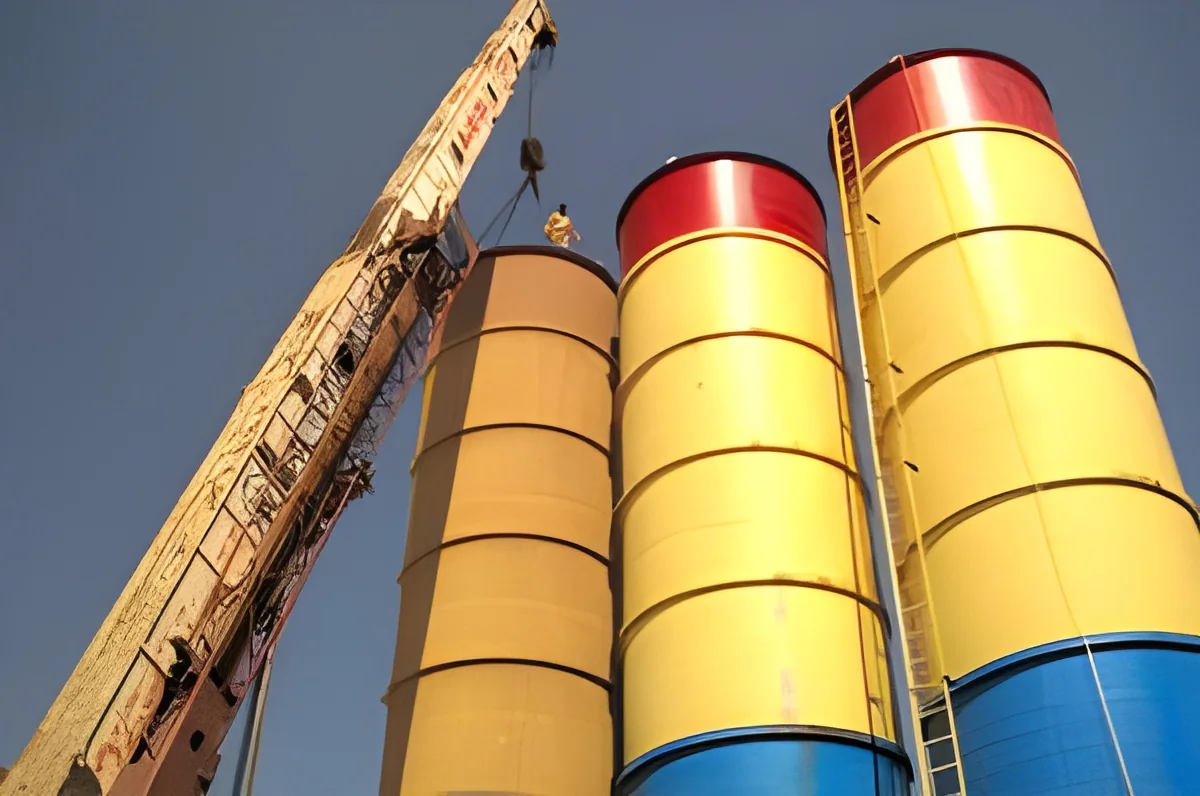
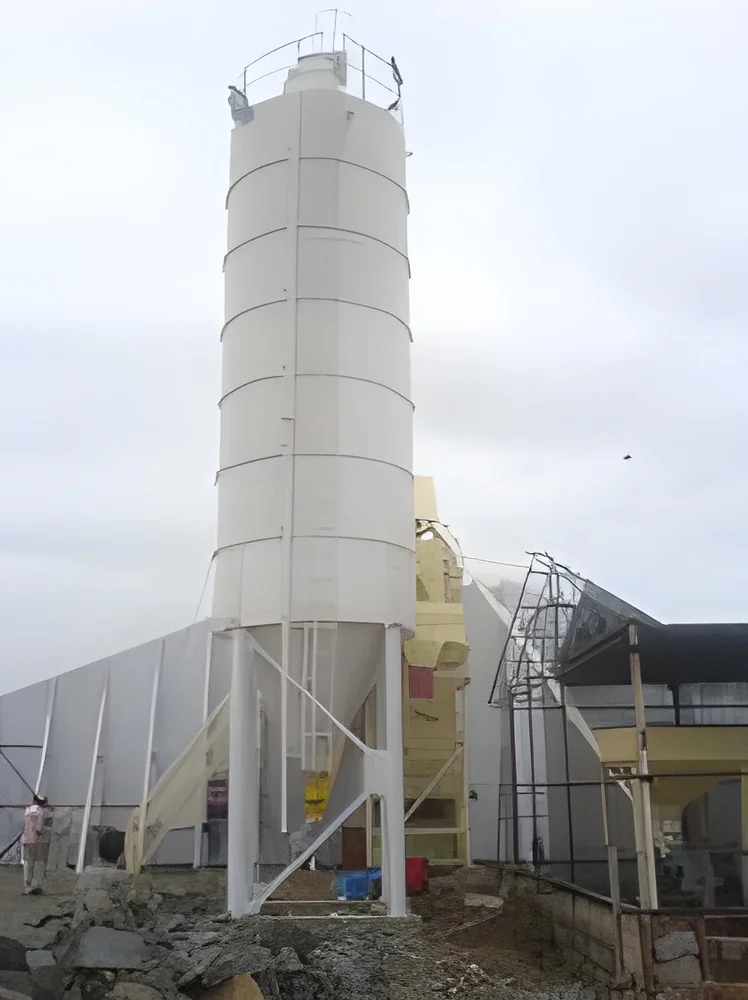
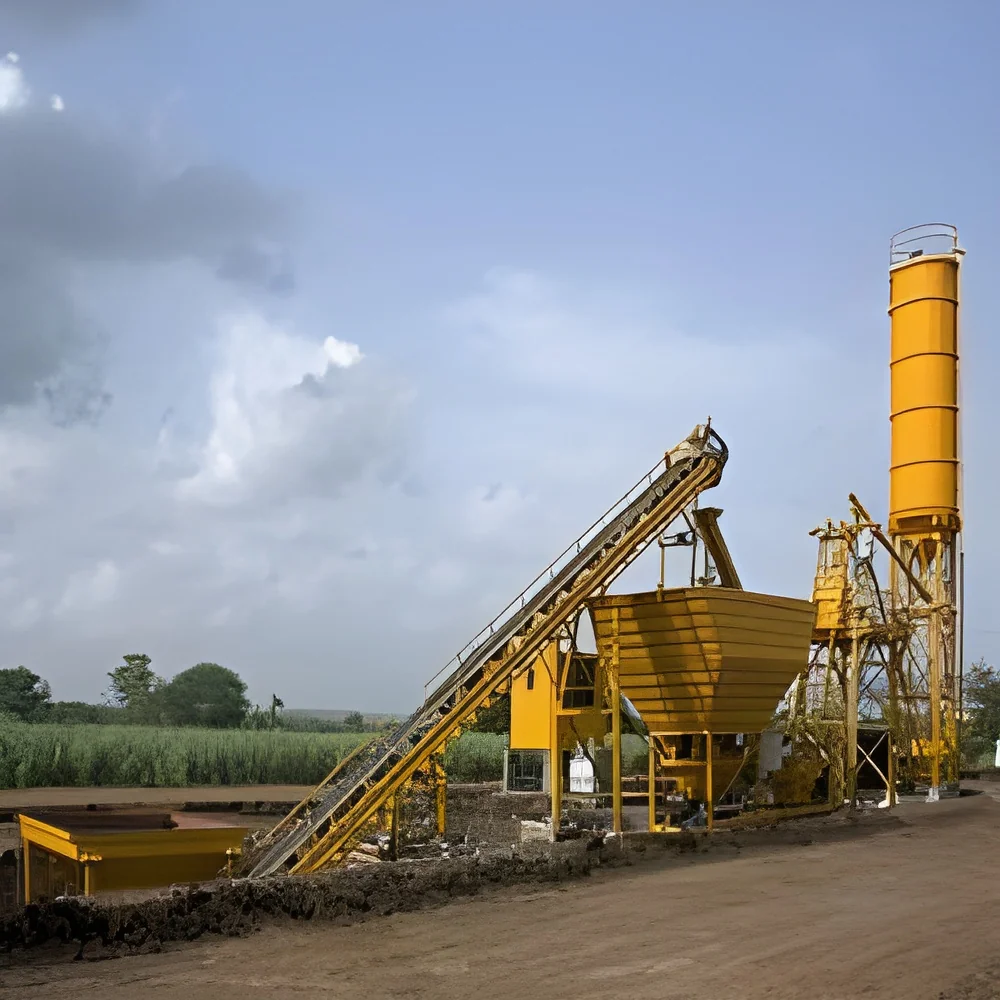
- Batching plants often include silos or bins for aggregates.
- Efficient storage systems enhance material handling.
7. Mixing Time
- Time taken to achieve homogeneous concrete varies by mixer type.
- Proper mixing time is crucial for achieving optimal concrete quality.
8. Safety Features
- Includes emergency stop buttons, safety guards, and overload protection.
- Essential for ensuring operator safety during operation.
In summary, selecting the right concrete mixer or batching plant involves understanding these key features and specifications to meet specific project needs.
𝗖𝗼𝗺𝗺𝗼𝗻 𝗔𝗽𝗽𝗹𝗶𝗰𝗮𝘁𝗶𝗼𝗻𝘀 𝗮𝗻𝗱 𝗨𝘀𝗲 𝗖𝗮𝘀𝗲𝘀
Concrete mixers and batching plants serve a wide range of industries and applications.
1. Construction: These machines are extensively used in residential and commercial construction projects, providing the necessary concrete for foundations, walls, and pavements.
2. Infrastructure: Large infrastructure projects, such as bridges, highways, and tunnels, rely on batching plants to supply high volumes of concrete efficiently.
3. Precast Concrete Production: Manufacturers of precast concrete products utilize batching plants to ensure consistent quality and precise measurements for items like beams, blocks, and panels.
4. Road Construction: Mixers and batching plants are crucial in producing concrete for road repairs and new road constructions, ensuring durability and longevity.
5. Industrial Applications: Industries may use concrete for flooring, containment structures, and other specialized constructions, benefiting from portable mixers for on-site production.
6. Environmental Projects: Concrete is often used in projects focused on sustainability, such as green buildings and water management systems.
7. Agricultural Infrastructure: Concrete mixers support the construction of silos, barns, and other agricultural structures, ensuring they meet durability standards.
𝗣𝗿𝗼𝗱𝘂𝗰𝘁 𝗩𝗮𝗿𝗶𝗮𝗻𝘁𝘀 𝗮𝗻𝗱 𝗦𝘂𝗯𝗰𝗮𝘁𝗲𝗴𝗼𝗿𝗶𝗲𝘀
Concrete mixers and batching plants come in various configurations to suit different needs.
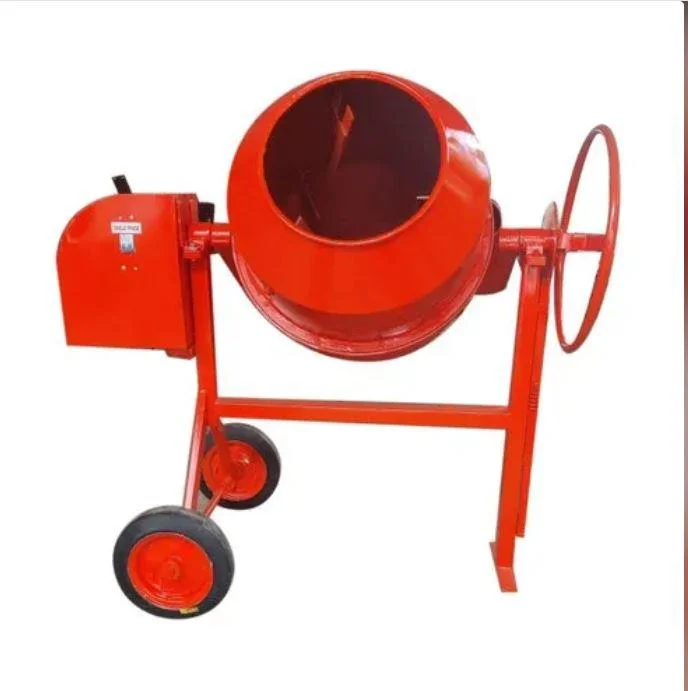
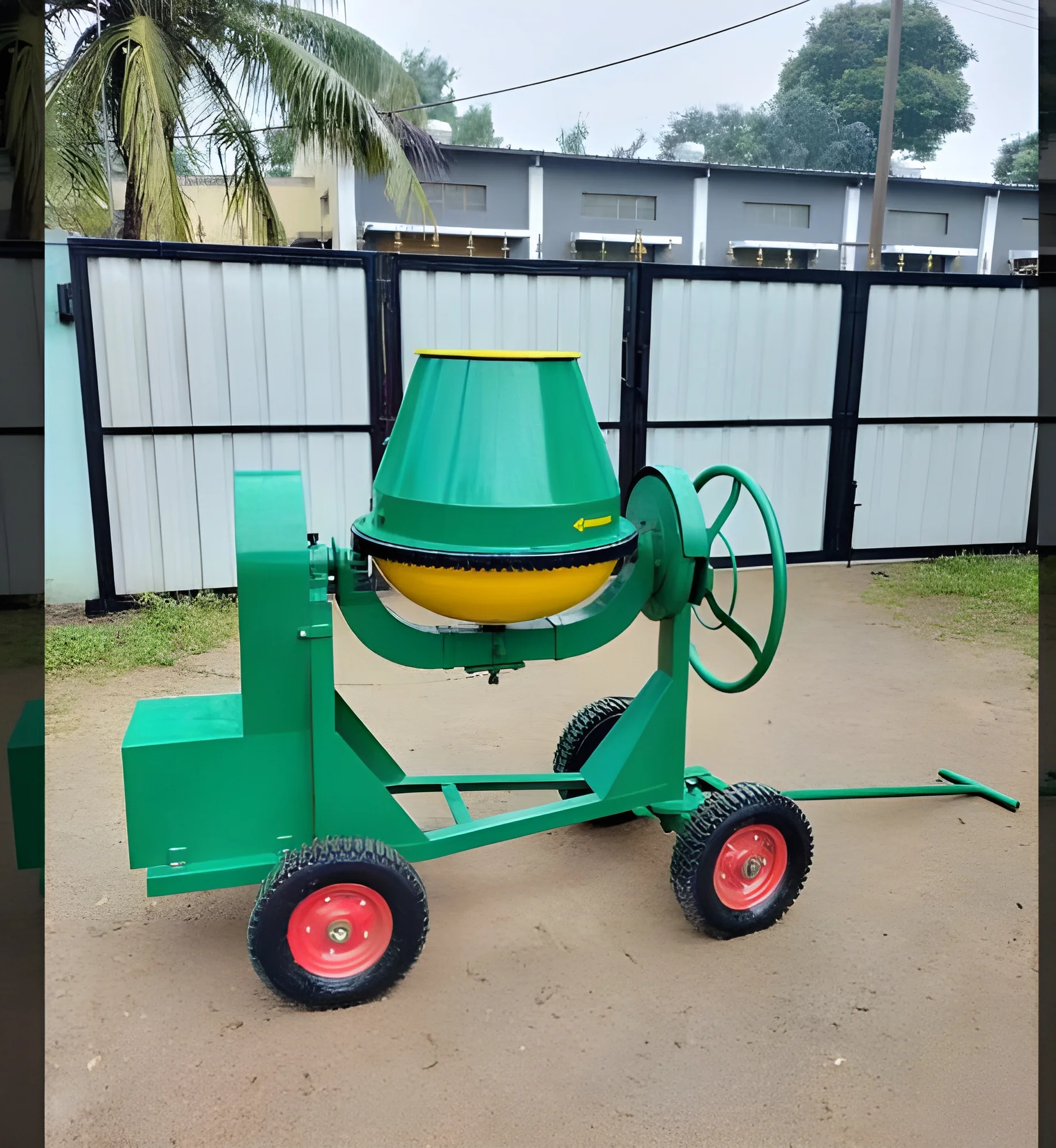
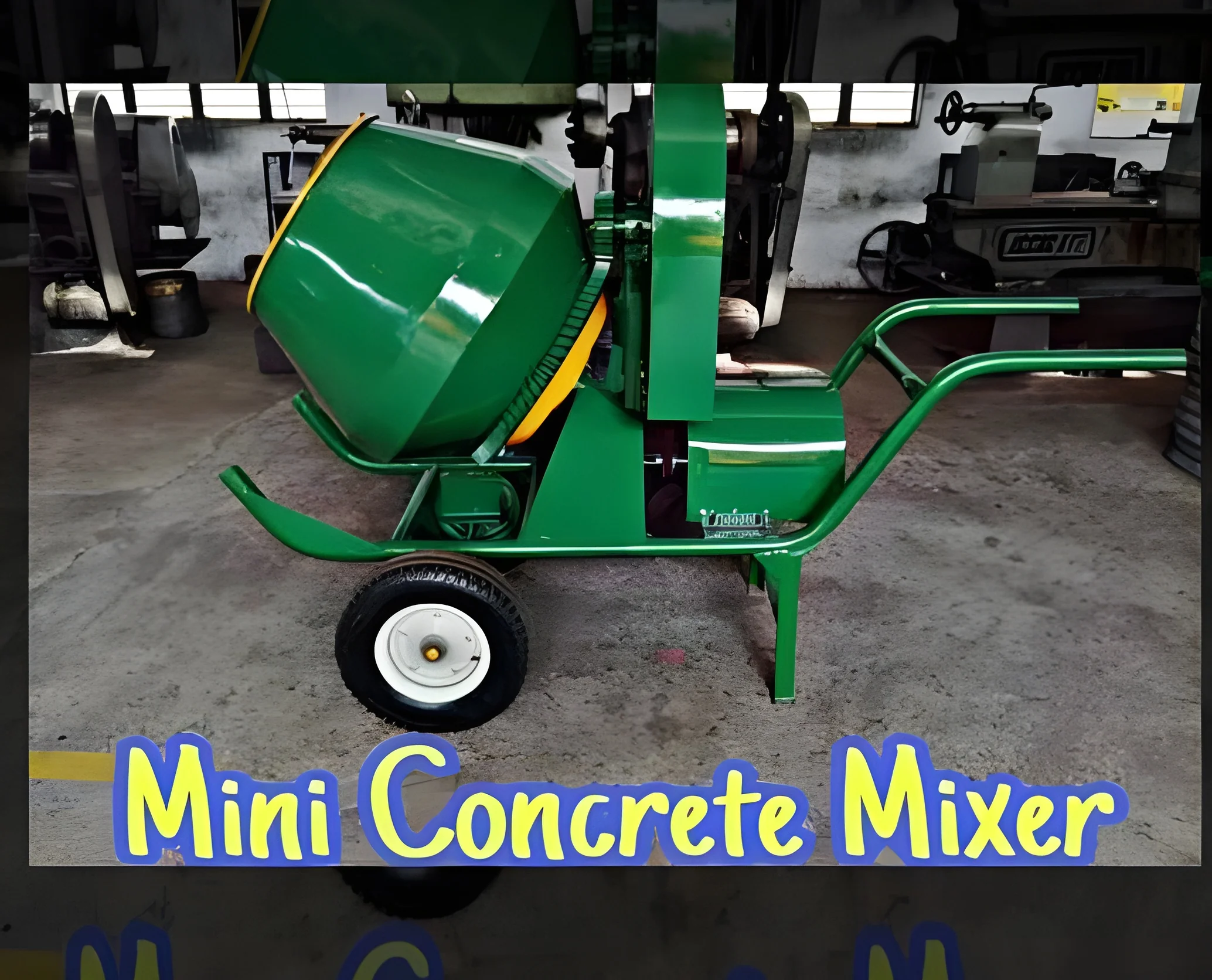
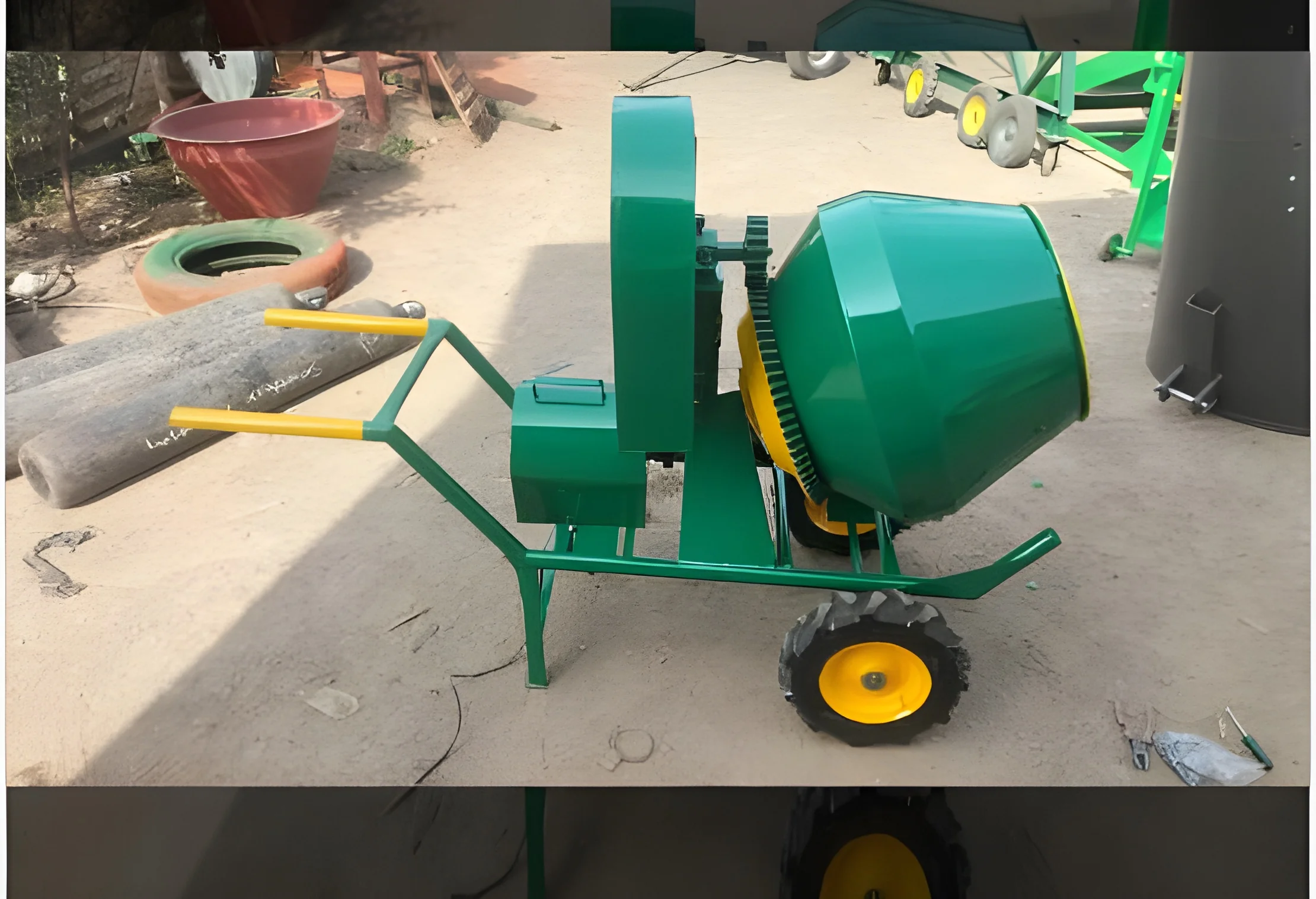
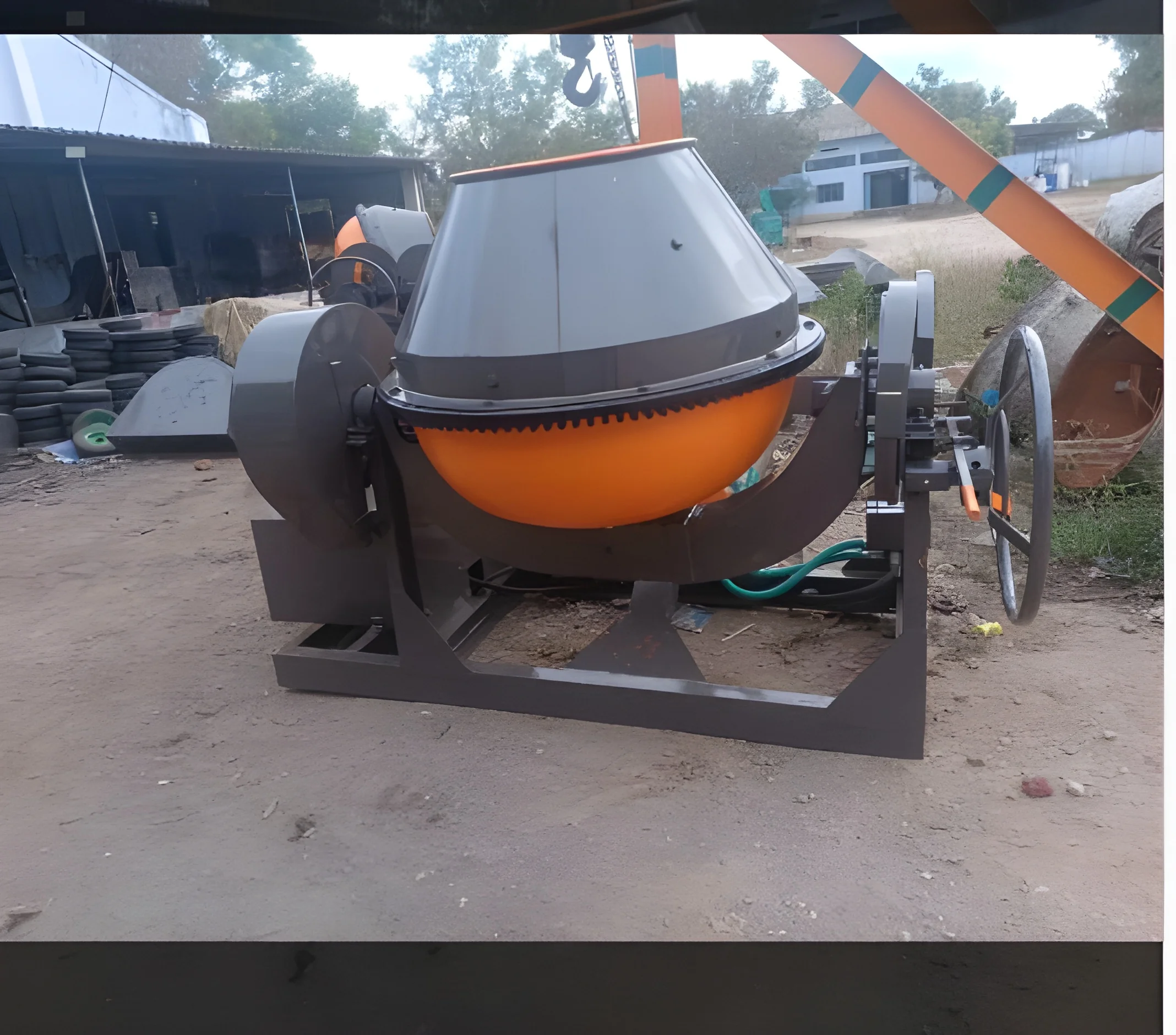
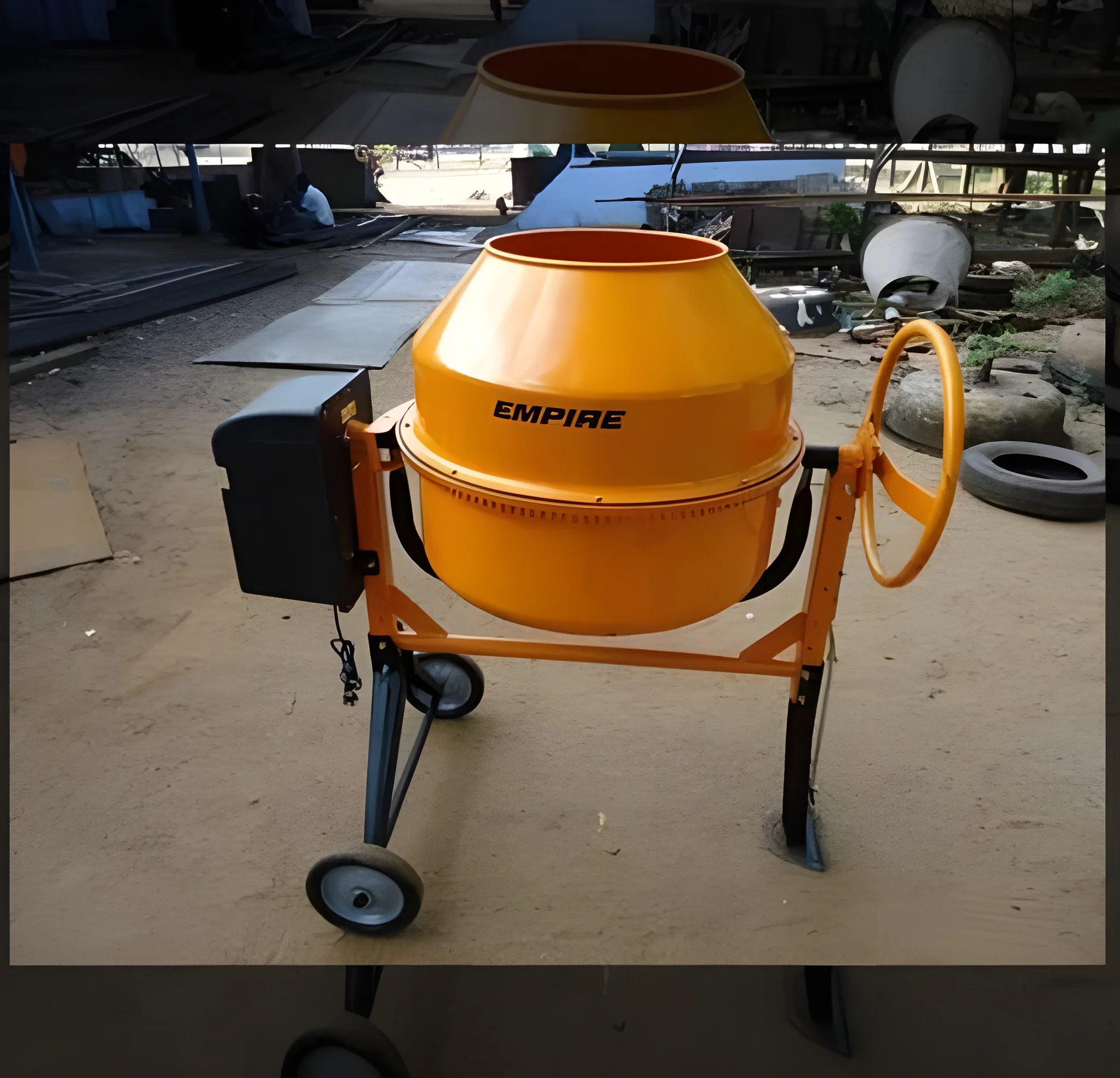
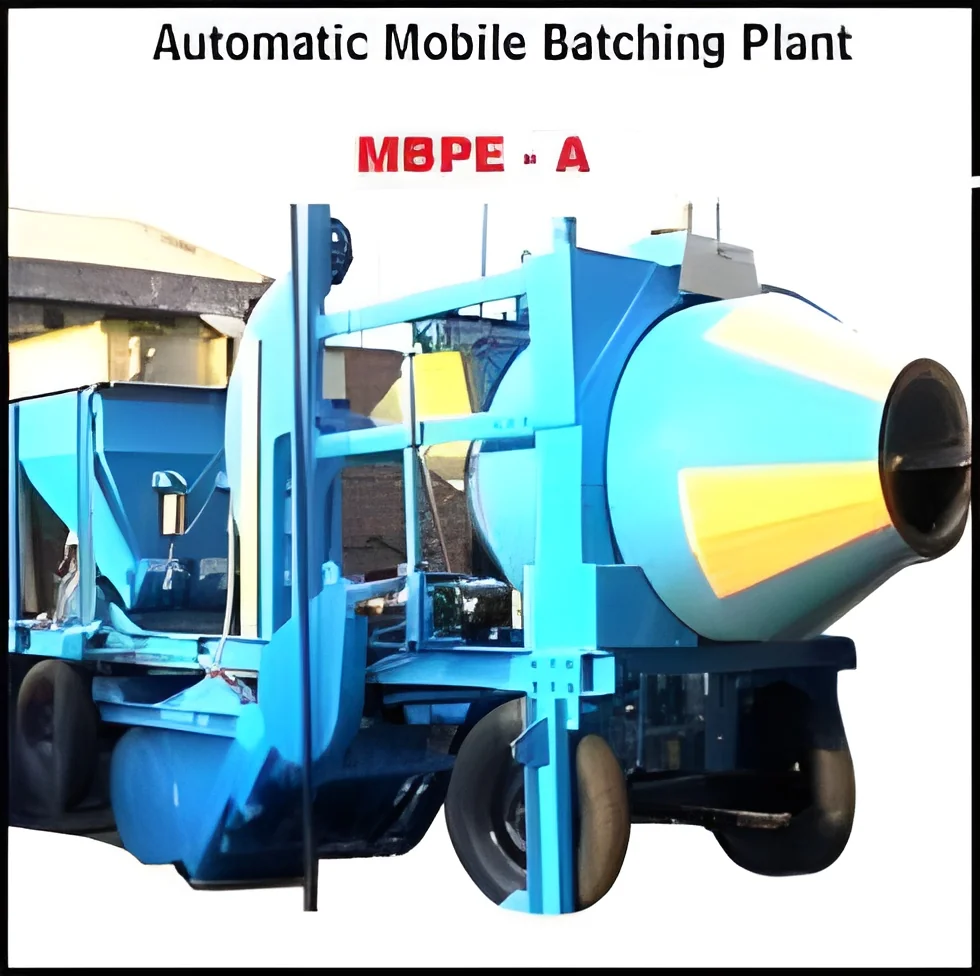
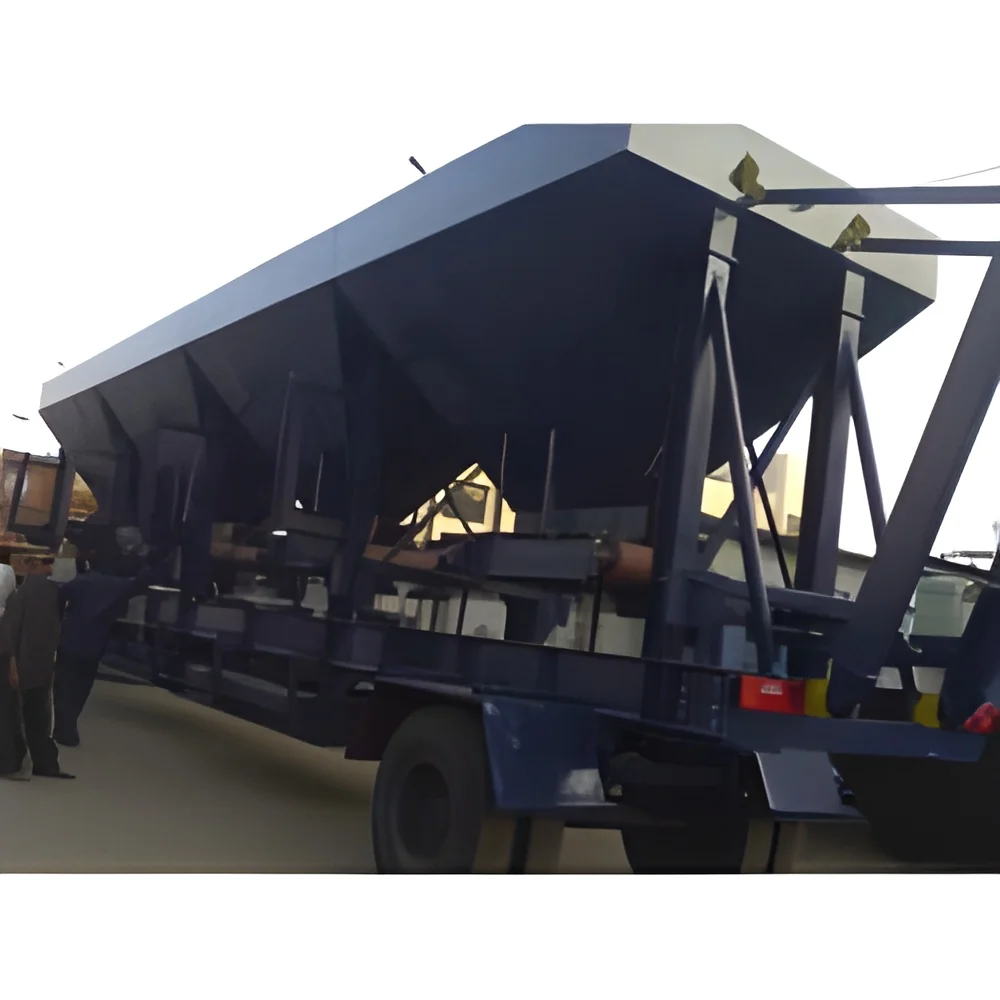
Mobile Concrete Mixers: These portable units are ideal for smaller projects or remote locations. They enable on-site mixing, reducing transportation costs.
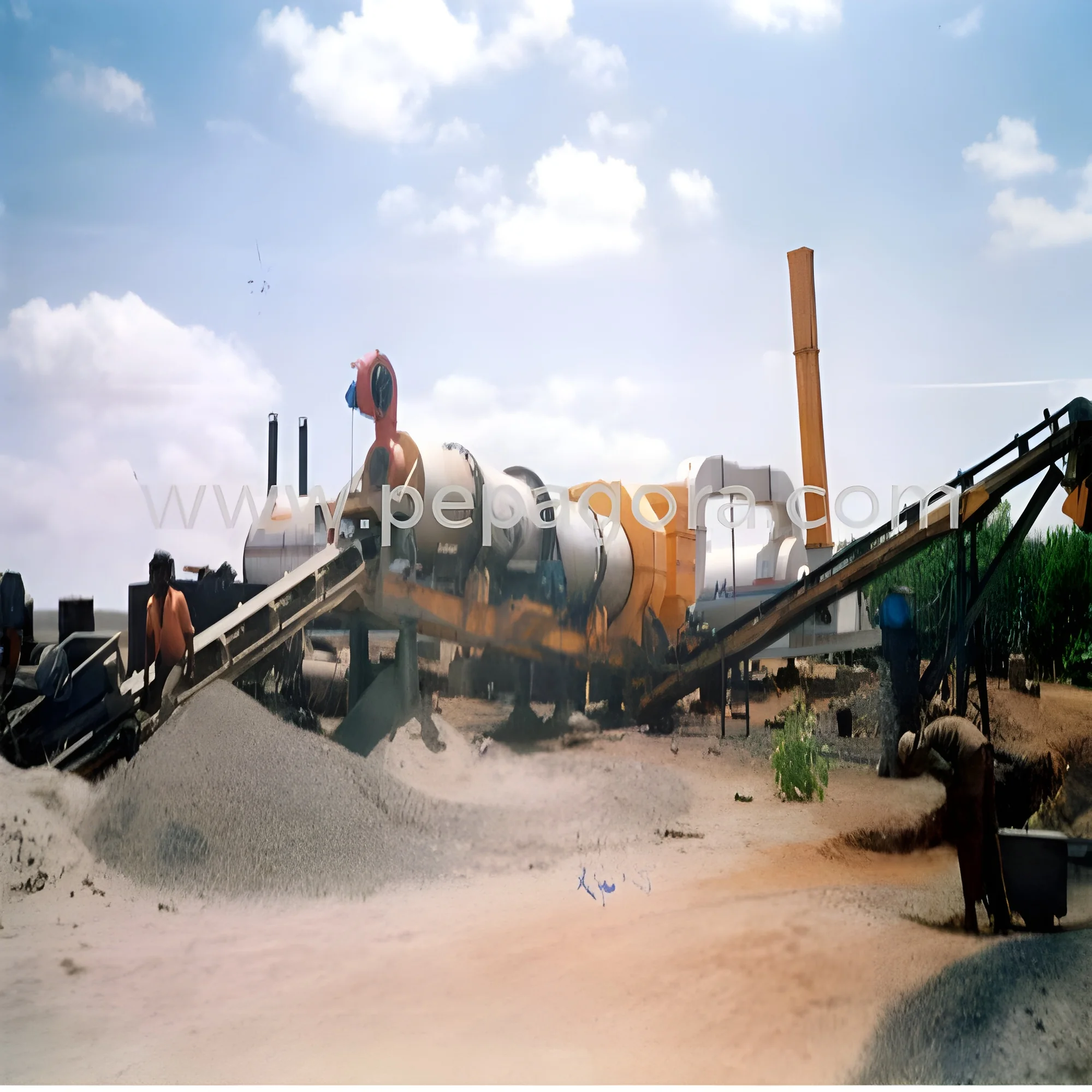
Stationary Batching Plants: Designed for high-capacity production, these plants are suitable for larger projects. They offer continuous mixing and efficient material handling.
Self-Loading Concrete Mixers: These versatile machines combine mixing and loading in one unit. They are perfect for projects requiring flexibility and efficiency on-site.
Volumetric Concrete Mixers: These mixers allow for on-demand concrete production, adjusting the mixture based on project requirements. This flexibility reduces waste and ensures fresh concrete delivery.
𝗕𝗲𝗻𝗲𝗳𝗶𝘁𝘀 𝗮𝗻𝗱 𝗔𝗱𝘃𝗮𝗻𝘁𝗮𝗴𝗲𝘀
Investing in concrete mixers and batching plants offers numerous benefits.
1. Increased Efficiency: These machines streamline the concrete production process, reducing labor time and increasing output.
2. Consistent Quality: With precise measurements and mixing, the quality of concrete remains consistent, which is crucial for structural integrity.
3. Cost-Effectiveness: By producing concrete on-site or in bulk, businesses can significantly lower transportation costs and minimize waste.
4. Versatility: Various types of mixers and batching plants allow for customization to meet specific project demands.
5. Enhanced Control: Advanced technology in batching plants offers improved monitoring and control over the mixing process, ensuring high-quality results.
6. Reduced Environmental Impact: Modern mixers and batching plants can utilize eco-friendly materials and minimize energy consumption, supporting sustainable construction practices.
𝗕𝘂𝘆𝗶𝗻𝗴 𝗚𝘂𝗶𝗱𝗲 𝗳𝗼𝗿 𝗕𝟮𝗕 𝗕𝘂𝘆𝗲𝗿𝘀
When sourcing concrete mixers and batching plants, several factors should be considered to ensure a successful purchase.
1. Quality Assessment: Evaluate the manufacturing standards and materials used in the construction of the equipment. Look for certifications that guarantee quality and durability.
2. Supplier Verification: Research potential suppliers to ensure they have a solid reputation and are known for reliability in the industry. Check for customer reviews and testimonials.
3. Pricing and MOQ: Understand the pricing structure and minimum order quantities (MOQ) offered by suppliers. This helps in budgeting and planning for your projects.
4. Delivery and Lead Times: Confirm the expected delivery times and logistics involved. Timely delivery is crucial for meeting project deadlines.
5. Compliance Requirements: Ensure that the equipment meets local and international compliance standards. This includes safety regulations and environmental considerations.
𝗖𝗼𝗺𝗽𝗹𝗶𝗮𝗻𝗰𝗲 𝗮𝗻𝗱 𝗖𝗲𝗿𝘁𝗶𝗳𝗶𝗰𝗮𝘁𝗶𝗼𝗻𝘀
Compliance with quality standards is vital in the concrete mixer and batching plant industry. Key standards include ISO 9001, which ensures consistent quality management systems are in place. CE certification is also crucial, indicating that products meet European safety and environmental requirements.
Safety regulations require thorough testing of equipment to guarantee operator safety and reliability during operation. Additionally, regional compliance considerations may vary, necessitating awareness of local laws and regulations governing construction equipment.
By adhering to these standards and certifications, manufacturers and suppliers can enhance their credibility and provide assurance to buyers regarding product quality and safety.
𝗪𝗵𝘆 𝗦𝗼𝘂𝗿𝗰𝗲 𝗖𝗼𝗻𝗰𝗿𝗲𝘁𝗲 𝗠𝗶𝘅𝗲𝗿𝘀 & 𝗕𝗮𝘁𝗰𝗵𝗶𝗻𝗴 𝗣𝗹𝗮𝗻𝘁𝘀 𝗳𝗿𝗼𝗺 𝗣𝗲𝗽𝗮𝗴𝗼𝗿𝗮?
Pepagora offers a reliable platform for sourcing concrete mixers and batching plants, emphasizing several key advantages for B2B buyers.
Verified Supplier Network: Pepagora connects buyers with a network of verified suppliers, ensuring that only reputable manufacturers are featured. This helps mitigate risks and ensures quality products.
Streamlined RFQ Process: The request for quotation (RFQ) process is designed to be efficient and user-friendly. Buyers can easily compare offers from multiple suppliers and select the best option based on their needs.
Trade Assurance and Support: Pepagora provides trade assurance, protecting buyers from potential issues during transactions. The platform offers support throughout the purchasing process, enhancing buyer confidence.
Regional Coverage: With a focus on markets in India, the GCC, and Southeast Asia, Pepagora ensures that buyers can access local suppliers while benefiting from a broad range of options.
By choosing Pepagora, buyers can simplify their sourcing process for concrete mixers and batching plants while ensuring they receive quality products from trusted suppliers.














Frequently Asked Questions
What are Concrete Mixers & Batching Plants?
Concrete Mixers & Batching Plants are essential equipment used in the construction industry for mixing concrete. They ensure the accurate blending of various ingredients such as cement, aggregates, water, and additives to produce high-quality concrete.
What are the different types of Concrete Mixers & Batching Plants?
There are several types of Concrete Mixers including drum mixers, pan mixers, and twin-shaft mixers. Batching plants can be classified into stationary and mobile plants, each designed to meet specific project requirements and production capacities.
How do I choose the right Concrete Mixers & Batching Plants?
Choosing the right Concrete Mixers & Batching Plants depends on factors such as the scale of your project, the required output capacity, and the type of concrete being produced. It's important to evaluate the features, efficiency, and maintenance requirements of each option.
What are the standard specifications for Concrete Mixers & Batching Plants?
Standard specifications for Concrete Mixers & Batching Plants typically include production capacity, power consumption, mixing time, and the size of the mixing drum. Additionally, compliance with international quality standards is crucial for optimal performance.
What is the price range for Concrete Mixers & Batching Plants?
The price range for Concrete Mixers & Batching Plants can vary significantly based on the type, size, and features. Generally, prices can start from a few hundred thousand INR and can go up to several million INR for advanced models.
What quality standards apply to Concrete Mixers & Batching Plants?
Concrete Mixers & Batching Plants must adhere to various quality standards such as IS 4925 and ISO 9001. These standards ensure the reliability, safety, and performance of the equipment in construction applications.
Where can I find Concrete Mixers & Batching Plants suppliers in India?
You can find Concrete Mixers & Batching Plants suppliers in India through online B2B marketplaces like Pepagora.com, industry trade shows, and local construction equipment dealers. It’s advisable to compare multiple suppliers to find the best options.
Can Concrete Mixers & Batching Plants be customized?
Yes, many manufacturers offer customization options for Concrete Mixers & Batching Plants to meet specific project needs. Customizations can include modifications in capacity, features, and additional equipment to enhance functionality.
What is the typical minimum order quantity for Concrete Mixers & Batching Plants?
The typical minimum order quantity (MOQ) for Concrete Mixers & Batching Plants varies by supplier and product type. Generally, MOQs can range from one unit for smaller plants to several units for larger or customized models.
What is the typical lead time for Concrete Mixers & Batching Plants?
The typical lead time for Concrete Mixers & Batching Plants can range from a few weeks to several months, depending on the type, customization, and supplier capabilities. It is recommended to confirm lead times during the purchasing process.
Why Businesses Trust Pepagora
Thousands of companies trust Pepagora to source smarter and sell faster
Expand Your Sales Globally

Source Smarter,Grow Faster
