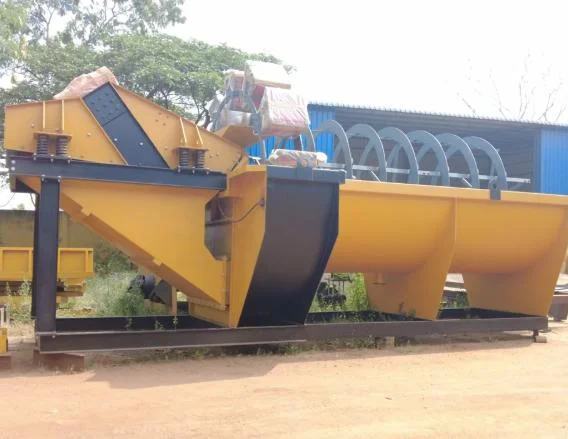
What are Sand Screening & Washing Plants?
Sand Screening and Washing Plants are essential equipment used in the construction and mining industries to process sand and aggregates. These plants are designed to separate, screen, and wash sand to remove impurities and ensure a higher quality product. The process typically involves the use of screens and washing mechanisms that efficiently clean the sand, making it suitable for various applications.
The primary business applications of Sand Screening and Washing Plants include the production of high-quality concrete, asphalt, and other construction materials. They play a crucial role in ensuring that the materials used in construction projects meet the required specifications for strength and durability. As the demand for quality sand increases in the construction sector, the relevance of these plants has grown significantly, impacting market dynamics across multiple regions.
In the context of the growing global infrastructure development and urbanization, Sand Screening and Washing Plants have become vital for suppliers and manufacturers. The rise in construction activities, particularly in developing economies, has driven the need for efficient and effective sand processing solutions, positioning these plants as a critical component in the supply chain of construction materials.
Key Features and Specifications
Sand Screening and Washing Plants come equipped with various features that enhance their efficiency and effectiveness in processing sand. These features are tailored to meet the demands of different industrial applications, ensuring a reliable and high-quality output.
Key specifications include:
1. Screening Capacity
- Determines the volume of sand that can be processed per hour.
- Typical parameters range from 50 to 300 tons per hour.
2. Washing Efficiency
- Refers to the ability to remove impurities such as clay, silt, and dust.
- Washing efficiency is usually above 90% in optimal conditions.
3. Power Consumption
- Indicates the energy required to operate the plant.
- Power consumption typically ranges from 20 to 100 kW.
4. Water Usage
- The amount of water consumed during the washing process.
- Standard water usage can be between 100 to 500 liters per ton of sand.
5. Material Durability
- The construction material used for plant components.
- Typically made from high-quality steel or other corrosion-resistant materials.
6. Mobility
- Refers to whether the plant is stationary or portable.
- Portable models allow for easy relocation to different sites.
7. Control Systems
- Types of automation and monitoring systems integrated into the plant.
- Can include manual controls or sophisticated automated systems for real-time monitoring.
8. Compliance Standards
- Relevant industry standards and certifications that the plant meets.
- Most plants comply with CE certification for safety and quality assurance.
In summary, Sand Screening and Washing Plants are characterized by their high screening capacity, efficiency in washing, and durable construction materials. These specifications play a crucial role in determining the suitability of the plants for various industrial applications.
Common Applications and Use Cases
Sand Screening and Washing Plants serve a multitude of industries, each benefiting from the efficient processing of sand and aggregates.
1. Construction Industry: These plants are essential for producing high-quality concrete and asphalt. They ensure that the sand used meets the necessary specifications for strength and durability.
2. Mining Sector: In mining operations, these plants are used to wash and screen sand extracted from riverbeds or quarries, ensuring that the final product is clean and suitable for sale.
3. Manufacturing: Manufacturers of glass, ceramics, and other products that require pure sand as a raw material utilize these plants to achieve the desired quality.
4. Landscaping: Companies involved in landscaping and gardening often source washed sand from these plants for use in soil mixtures and decorative applications.
5. Environmental Projects: In projects focused on environmental restoration or construction of water bodies, the quality of sand is critical. These plants ensure that only clean sand is used.
6. Golf Courses: The construction and maintenance of golf courses often require specific types of sand, which can be sourced from these processing plants.
7. Sports Facilities: Facilities such as sand volleyball courts and athletic tracks require high-quality sand, which is processed through these plants.
In summary, Sand Screening and Washing Plants are crucial for various industries, providing clean and processed sand for diverse applications.
Product Variants and Subcategories
Sand Screening and Washing Plants come in various configurations to cater to specific needs within the industry. Each variant is designed with unique features that enhance performance and usability.
Mobile Screening and Washing Plant: This variant is designed for easy transport and quick setup on different job sites. It is ideal for contractors who require flexibility and mobility in their operations.
Stationary Screening and Washing Plant: Designed for high-volume operations, this variant is best suited for fixed locations where processing large amounts of sand is necessary. It offers enhanced efficiency and durability for long-term use.
Compact Screening and Washing Plant: This smaller version is designed to fit in limited spaces while still offering efficient sand processing capabilities. It is perfect for smaller construction sites and projects with space constraints.
In summary, the diversity of Sand Screening and Washing Plants ensures that businesses can choose the right configuration to meet their specific operational needs.
Benefits and Advantages
Investing in Sand Screening and Washing Plants offers several advantages that can enhance operational efficiency and product quality.
1. Improved Quality: These plants ensure that sand is free from impurities, resulting in higher quality end products that meet industry standards.
2. Increased Production Efficiency: With advanced screening and washing processes, these plants can significantly boost production rates, allowing businesses to meet demand more effectively.
3. Cost-Effective Operations: By reducing waste and improving the quality of the sand, these plants can lead to lower overall costs for construction projects.
4. Environmental Compliance: Many plants are designed to adhere to environmental regulations, helping businesses maintain compliance and reduce their ecological footprint.
5. Versatility: Sand Screening and Washing Plants can be used in various industries, making them a versatile investment for businesses involved in construction, manufacturing, and more.
6. Minimal Maintenance: Modern plants are built with durable materials and efficient designs that require less frequent maintenance, reducing downtime and operational disruptions.
In summary, the benefits of Sand Screening and Washing Plants include improved product quality, increased efficiency, cost savings, and environmental compliance, making them a valuable asset for businesses.
Buying Guide for B2B Buyers
When sourcing Sand Screening and Washing Plants, B2B buyers should consider several critical factors to ensure they make informed purchasing decisions.
1. Quality Assessment: Evaluate the quality of the materials used in the construction of the plants. Look for certifications that guarantee adherence to industry standards, ensuring durability and reliability.
2. Supplier Verification: It is essential to vet suppliers thoroughly. Check their reputation, customer reviews, and history in the market to ensure they are reliable and trustworthy.
3. Pricing and MOQ: Understand the pricing structure and minimum order quantities. This information will help you budget effectively and avoid unexpected costs.
4. Delivery and Lead Times: Confirm delivery schedules and lead times to ensure that the plants will be available when needed. This can help prevent delays in project timelines.
5. Compliance Requirements: Be aware of any regulatory compliance that the plants must meet, including safety standards and environmental regulations. This ensures that your operations remain within legal boundaries.
In summary, considering these factors when sourcing Sand Screening and Washing Plants will help B2B buyers make effective purchasing decisions that align with their operational requirements.
Compliance and Certifications
Compliance and certifications are crucial aspects of Sand Screening and Washing Plants that ensure the equipment meets industry standards for quality and safety.
Relevant quality standards, such as ISO 9001, provide a framework for quality management systems, ensuring that manufacturers maintain high levels of quality in their processes. Adherence to these standards can significantly enhance the reliability and performance of the plants.
Industry certifications like CE mark indicate that the equipment meets European health, safety, and environmental protection standards. This certification is essential for businesses looking to operate in European markets or work with clients who require compliance with these regulations.
Safety and testing requirements are also critical. Plants must undergo rigorous testing to ensure they operate safely and efficiently. This includes assessments of electrical systems, mechanical components, and overall operational safety.
Regional compliance considerations vary by location. It is essential for manufacturers and suppliers to understand local regulations that may apply to the use and operation of Sand Screening and Washing Plants, as compliance can differ significantly from one region to another.
In summary, compliance with relevant quality standards and certifications is vital for the safe and efficient operation of Sand Screening and Washing Plants, ensuring that businesses can trust in the equipment they purchase.
Why Source Sand Screening & Washing Plants from Pepagora?
Pepagora offers a trusted platform for sourcing Sand Screening and Washing Plants, providing several key advantages for B2B buyers.
Verified Supplier Network: Pepagora connects buyers with a network of verified suppliers. This ensures that buyers can access quality products from reputable manufacturers, reducing the risk associated with sourcing equipment.
Streamlined RFQ Process: The platform features a streamlined Request for Quotation (RFQ) process, allowing buyers to easily request quotes from multiple suppliers. This simplifies the sourcing process and helps buyers find the best deals.
Trade Assurance and Support: Pepagora provides trade assurance, protecting buyers from potential risks in their transactions. This support enhances buyer confidence and ensures a secure purchasing experience.
Regional Coverage: With a strong presence in India, the GCC, and Southeast Asia, Pepagora offers regional coverage that allows buyers to connect with local suppliers. This geographic reach can facilitate quicker delivery times and better service.
In summary, sourcing Sand Screening and Washing Plants through Pepagora provides a reliable and efficient pathway for B2B buyers, ensuring access to quality products and support throughout the purchasing process.

 IN
IN