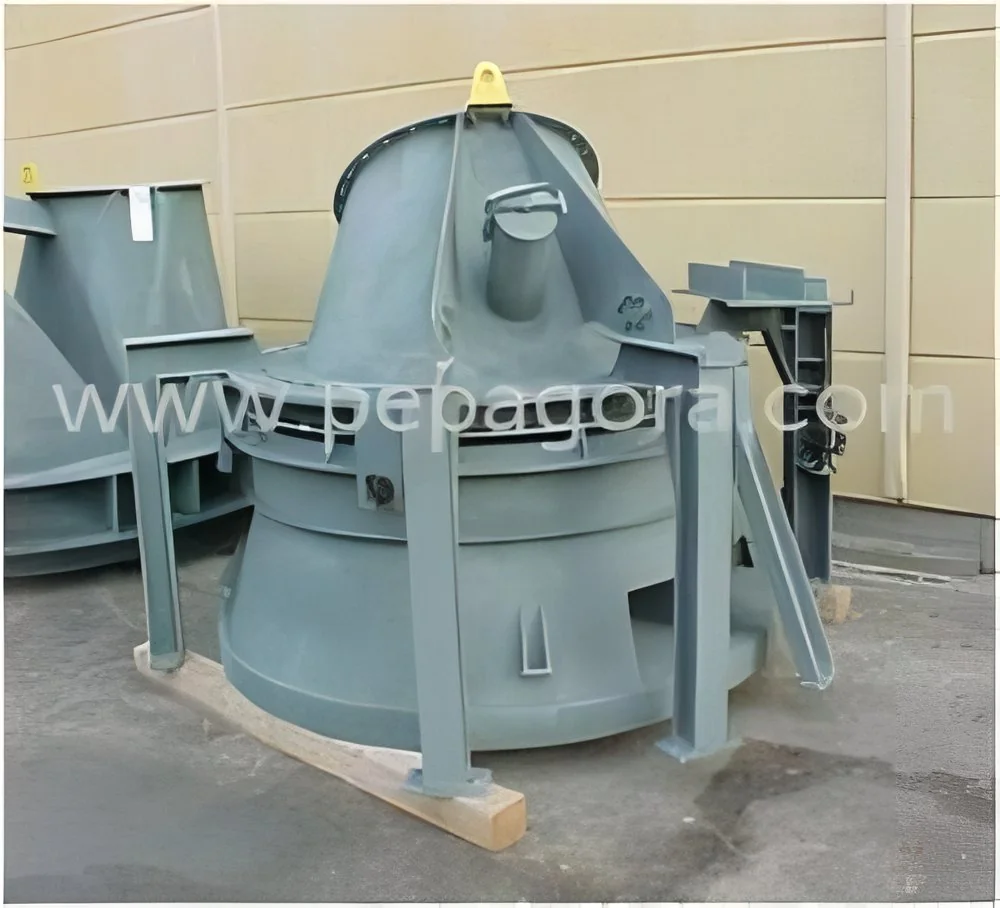
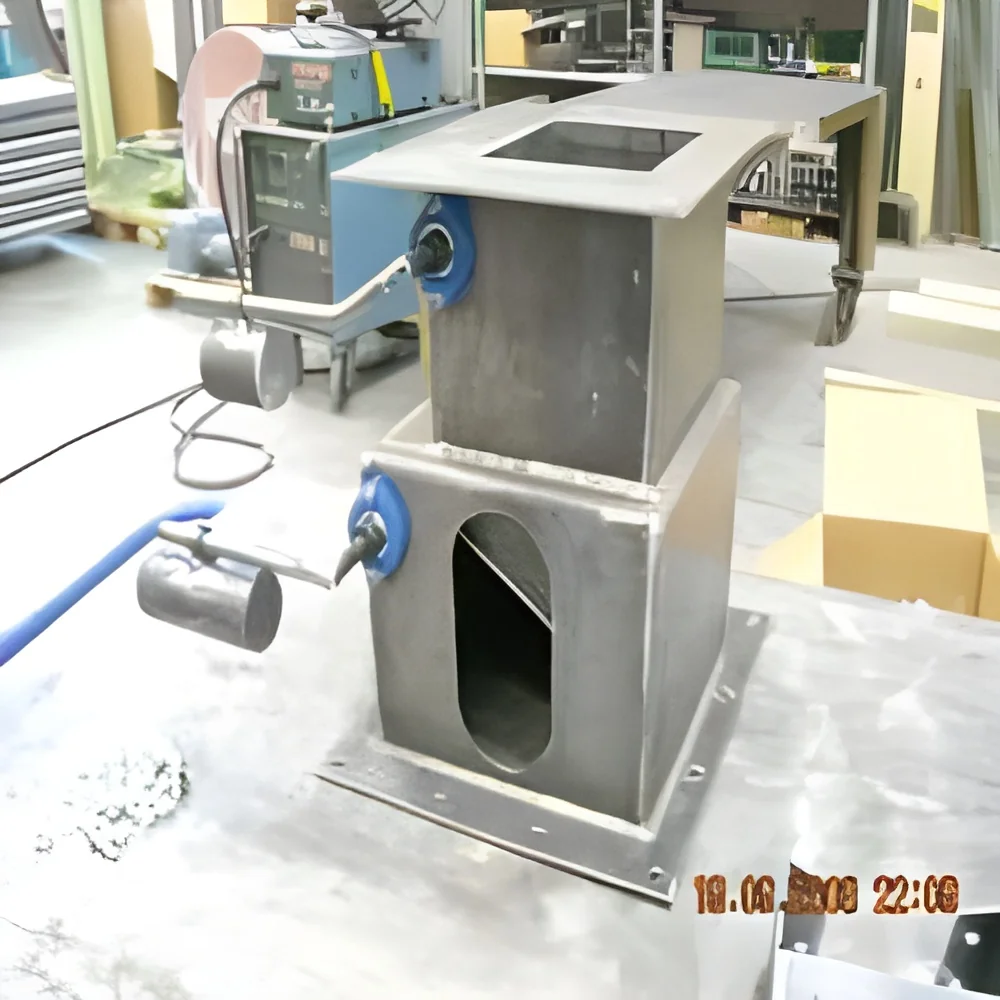
What are Discharge Gates & Valves?
Discharge gates and valves are critical components in fluid handling systems. They are designed to control the flow of materials, whether liquid or bulk solids, from one point to another. These devices can either open or close to facilitate or restrict movement, ensuring efficient operation of industrial processes. Discharge gates typically serve as a barrier to prevent backflow, while valves regulate the flow rate and pressure.
In industrial settings, discharge gates and valves are essential in various applications, including waste management, wastewater treatment, and material processing. They are commonly used in industries such as food and beverage, pharmaceuticals, and chemical manufacturing. Their ability to manage flow and ensure containment makes them integral to maintaining operational efficiency and safety standards in these sectors.
As industries evolve, the demand for high-quality discharge gates and valves continues to grow. Manufacturers are focusing on developing products that meet stringent industry standards while offering durability and reliability. The market context shows a trend toward automation and smart technology integration, enhancing the functionality of these devices for modern industrial applications.
Key Features and Specifications
Discharge gates and valves come with various features tailored to meet specific industrial needs. Understanding these features and specifications is crucial for selecting the right product for your operations.
Key specifications include:
1. Material Construction
- Common materials include stainless steel, carbon steel, and plastic.
- Each material offers different levels of corrosion resistance and durability.
2. Size and Dimensions
- Available in a range of sizes to accommodate different system requirements.
- Standard sizes often include options from small (2 inches) to large (48 inches or more).
3. Operating Pressure
- Designed to withstand various pressure levels, typically ranging from low (10 PSI) to high (150 PSI or more).
- Ensures safe operation in diverse applications.
4. Flow Rate Capacity
- Flow rates can vary based on design, with options suitable for low to high-volume needs.
- Important for ensuring efficiency in material transfer.
5. Actuation Type
- Manual, electric, or pneumatic actuation options are available.
- Each type offers different levels of control and automation.
6. Seal Type
- Various seal options, including rubber, Teflon, or metal, to suit different applications.
- Seals are crucial for preventing leaks and maintaining pressure.
7. Temperature Tolerance
- Some gates and valves are designed to operate in extreme temperatures.
- Useful in applications where thermal resistance is critical.
8. Compliance and Certification
- Products may meet various industry standards, including CE certification.
- Ensures reliability and safety in operation.
In summary, choosing the right discharge gate and valve involves considering these specifications to ensure compatibility with your system and operational needs.
Common Applications and Use Cases
Discharge gates and valves find applications across a diverse range of industries. Their versatility makes them suitable for various functions.
1. Food and Beverage: Used in processing plants for controlling the flow of ingredients and liquids, ensuring hygiene and compliance with food safety standards.
2. Water Treatment: Essential for managing the flow of wastewater and chemicals in treatment facilities, aiding in the purification process.
3. Chemical Manufacturing: Employed to regulate the flow of raw materials and finished products, minimizing contamination and ensuring safe handling.
4. Mining and Minerals: Used in the transport of bulk solids, allowing for efficient movement of materials from one process to another.
5. Pharmaceuticals: Critical for maintaining sterile conditions in the transfer of liquids and powders, adhering to strict regulatory requirements.
6. Agriculture: Utilized in irrigation systems and bulk material transport, helping manage the flow of water and fertilizers.
7. Waste Management: Integral in controlling the discharge of waste materials, ensuring compliance with environmental regulations.
Product Variants and Subcategories
Discharge gates and valves come in various configurations to meet specific industry requirements. This diversity allows businesses to choose products that align with their operational needs.
Manual Discharge Gates: These gates are operated by hand, providing direct control over flow. They are often used in smaller applications where automation is not necessary.
Pneumatic Valves: Utilizing compressed air for actuation, these valves offer rapid operation and are ideal for high-speed applications. They are common in automated systems.
Electric Actuated Valves: These valves provide precise control and can be integrated into automated systems. They are often used in processes requiring consistent flow regulation.
Butterfly Valves: Known for their compact design, these valves are used for on-off control and throttling in various applications. They are efficient and easy to maintain.
Benefits and Advantages
Discharge gates and valves offer numerous benefits that enhance operational efficiency and reliability.
1. Enhanced Flow Control: These devices ensure precise management of materials, leading to better process control and efficiency.
2. Improved Safety: By preventing backflow and leaks, discharge gates and valves enhance safety in handling hazardous materials.
3. Durability: Constructed from robust materials, they provide long-lasting performance, reducing the need for frequent replacements.
4. Versatility: Suitable for a wide range of applications, they can be customized to meet specific industry needs.
5. Regulatory Compliance: Many products are designed to meet industry standards, ensuring operations adhere to safety and quality regulations.
6. Cost-Effectiveness: Properly selected gates and valves can lead to significant savings in operational costs by minimizing waste and improving process efficiency.
Buying Guide for B2B Buyers
When sourcing discharge gates and valves, it is essential for B2B buyers to consider several factors to ensure they select the best products for their needs.
1. Quality Assessment: Evaluate the quality of materials and manufacturing processes. Look for products with certifications that assure reliability and performance.
2. Supplier Verification: Vet suppliers by checking their reputation, experience, and customer reviews. A reliable supplier will provide consistent support and service.
3. Pricing and MOQ: Understand the pricing structure and minimum order quantities. Compare quotes from multiple suppliers to ensure competitive pricing.
4. Delivery and Lead Times: Inquire about delivery schedules and lead times. Timely delivery is crucial to maintaining production schedules.
5. Compliance Requirements: Ensure that the products meet relevant industry regulations and standards. This is vital for maintaining safety and operational integrity.
Compliance and Certifications
Compliance and certifications are vital aspects of discharge gates and valves. Many products meet international quality standards such as ISO 9001, which ensures consistent quality management systems. Additionally, certifications like CE signify that the products comply with European safety and performance regulations.
Safety and testing requirements are also critical. Manufacturers often conduct rigorous testing to ensure that their products can withstand operational stresses and environmental conditions. Regional compliance considerations may vary, so it is essential to understand the specific standards applicable in different markets.
In summary, ensuring compliance with these standards not only enhances product reliability but also ensures that businesses can operate safely and efficiently.
Why Source Discharge Gates & Valves from Pepagora?
Pepagora provides a trusted platform for sourcing discharge gates and valves, offering several key advantages to B2B buyers.
Verified Supplier Network: Pepagora connects buyers with a network of verified suppliers, ensuring that all products meet stringent quality standards. This reduces the risk of sourcing unreliable products.
Streamlined RFQ Process: The platform features a straightforward request for quotation (RFQ) system, simplifying the procurement process. Buyers can easily compare offers and select the best option.
Trade Assurance and Support: Pepagora offers trade assurance to protect buyers during transactions. This includes support for resolving disputes and ensuring timely deliveries.
Regional Coverage: With a strong presence in India, the GCC, and Southeast Asia, Pepagora provides access to a diverse range of suppliers. This geographic reach ensures that buyers can find the right products to meet their local needs.
By choosing Pepagora, businesses can enhance their procurement process for discharge gates and valves, ensuring quality, reliability, and efficiency in their operations.

 IN
IN