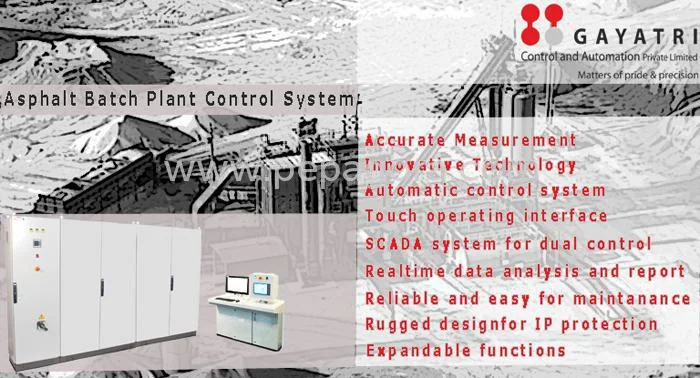
What are SCADA Systems for Concrete Plants?
SCADA systems, or Supervisory Control and Data Acquisition systems, are critical components in the management and automation of concrete plants. These systems provide real-time data monitoring and control capabilities, allowing operators to oversee various processes involved in concrete production. By integrating hardware and software solutions, SCADA systems facilitate the collection, analysis, and visualization of data, which enhances operational efficiency and ensures high-quality output.
The primary applications of SCADA systems in concrete plants include monitoring batching processes, controlling equipment, and managing inventory levels. These systems help automate the production workflow, enabling operators to make informed decisions based on real-time data. As the concrete industry becomes increasingly competitive, implementing SCADA technology allows businesses to optimize their operations, reduce waste, and maintain consistency in product quality. This technology is highly relevant in today’s market as it meets the growing demand for advanced automation solutions within the construction sector.
Key Features and Specifications
SCADA systems for concrete plants come equipped with a variety of features designed to enhance productivity and streamline operations. These systems typically include advanced monitoring capabilities, user-friendly interfaces, and robust data management tools.
Key specifications include:
1. Data Acquisition
- Real-time data collection from various sensors and devices
- Supports multiple data points for comprehensive monitoring
2. User Interface
- Intuitive graphical interface for ease of operation
- Customizable dashboards for different user roles
3. Alarm Management
- Configurable alarm settings for critical process deviations
- Instant notifications to ensure timely responses
4. Reporting Tools
- Automated report generation for compliance and analysis
- Historical data tracking for performance evaluation
5. Connectivity
- Supports various communication protocols for device integration
- Remote access capabilities for off-site management
6. Scalability
- Modular design to accommodate future expansions
- Adaptable to different plant sizes and complexities
7. Security Features
- User authentication protocols to protect system integrity
- Data encryption to safeguard sensitive information
8. Compliance Support
- Built-in features to help meet industry standards
- Documentation tools for regulatory requirements
In summary, SCADA systems for concrete plants are equipped with advanced features that facilitate efficient operations and ensure high-quality production.
Common Applications and Use Cases
SCADA systems are versatile tools used across various industries related to concrete production.
1. Construction Industry: SCADA systems monitor concrete batching and mixing processes, ensuring consistency and quality in concrete used for construction projects.
2. Ready-Mix Concrete Suppliers: These systems help manage logistics and inventory, enabling suppliers to deliver concrete efficiently and meet customer demand.
3. Precast Concrete Manufacturers: SCADA technology aids in controlling the production of precast components, enhancing workflow and reducing lead times.
4. Environmental Monitoring: SCADA systems can track emissions and waste management at concrete plants, helping companies comply with environmental regulations.
5. Research and Development: In R&D facilities, SCADA systems help gather data for new concrete formulations, enabling innovation in material properties.
Product Variants and Subcategories
SCADA systems for concrete plants come in various configurations to suit diverse operational needs.
Standard SCADA System
This variant features essential monitoring and control functionalities, making it suitable for small to medium-sized concrete plants looking to enhance operational efficiency.
Advanced SCADA System
Designed for larger facilities, this variant offers comprehensive data analytics, custom reporting, and enhanced integration capabilities with existing equipment.
Cloud-Based SCADA System
This variant provides remote access and management capabilities through cloud technology, allowing operators to monitor processes from any location.
On-Premise SCADA System
This system is installed directly on-site, providing robust performance and security for facilities that require strict data control.
Benefits and Advantages
Implementing SCADA systems in concrete plants offers numerous benefits that enhance overall productivity and efficiency.
1. Improved Operational Efficiency: Automation of monitoring and control processes reduces manual intervention, leading to faster production cycles.
2. Enhanced Data Accuracy: Real-time data acquisition ensures accurate monitoring of critical parameters, reducing errors in production.
3. Increased Flexibility: SCADA systems can be customized to fit specific operational needs, allowing for adjustments as business requirements evolve.
4. Better Quality Control: Continuous monitoring helps maintain product quality by alerting operators to any deviations from set parameters.
5. Cost Savings: Automation and optimized processes lead to reduced operational costs and waste management expenses.
6. Greater Compliance: Built-in features support adherence to industry regulations, minimizing risks associated with non-compliance.
Buying Guide for B2B Buyers
When sourcing SCADA systems for concrete plants, it is essential to consider several key factors to ensure a successful purchase.
1. Quality Assessment: Evaluate the quality of the SCADA system by checking for compliance with industry standards and reviewing customer feedback.
2. Supplier Verification: Vet potential suppliers by examining their credentials, past projects, and customer references to ensure reliability and quality.
3. Pricing and MOQ: Understand the pricing structure and minimum order quantities to make informed budgeting decisions.
4. Delivery and Lead Times: Discuss delivery schedules and lead times to ensure that the system can be implemented within your operational timeline.
5. Compliance Requirements: Ensure that the SCADA system meets relevant regulatory requirements to avoid potential legal issues.
Compliance and Certifications
Compliance is crucial when selecting SCADA systems for concrete plants. Relevant quality standards such as ISO 9001 ensure that products meet high-quality management principles. The CE certification indicates that the system complies with European safety, health, and environmental protection standards.
Furthermore, safety and testing requirements should be adhered to, ensuring that systems are rigorously evaluated before use. Regional compliance can vary; therefore, it is vital for buyers to understand local regulations governing the concrete industry to ensure full compliance.
Why Source SCADA Systems for Concrete Plants from Pepagora?
Pepagora offers a trusted platform for sourcing SCADA systems for concrete plants, providing buyers with several key advantages.
Verified Supplier Network: Pepagora vets suppliers to ensure that only reliable and high-quality manufacturers are listed, giving buyers peace of mind.
Streamlined RFQ Process: The platform simplifies the request for quotation process, enabling buyers to obtain competitive quotes quickly and efficiently.
Trade Assurance and Support: Buyers benefit from trade assurance policies that protect their purchases, along with dedicated support for any inquiries or issues.
Regional Coverage: Pepagora has a wide geographic reach, serving markets in India, the GCC, and Southeast Asia, making it a convenient choice for sourcing SCADA systems in these regions.

 IN
IN