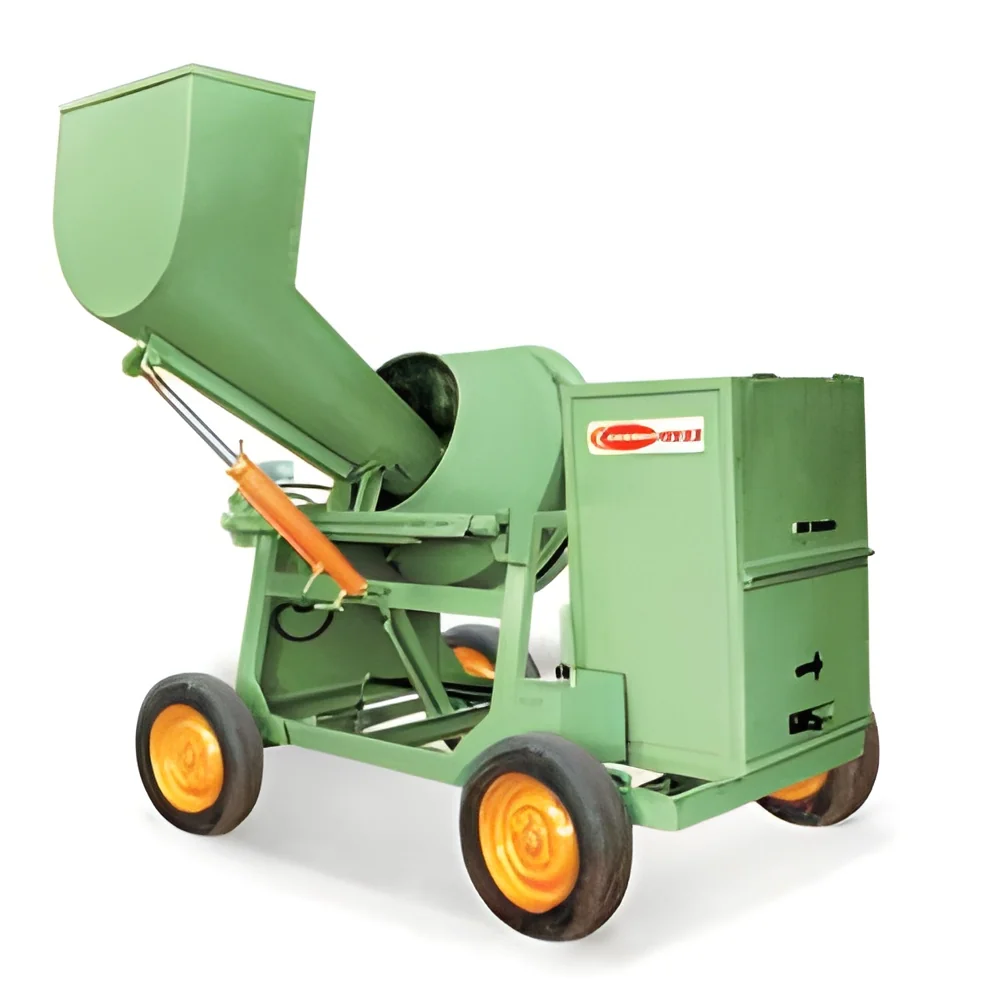
What are Self-Loading Concrete Mixers?
Self-loading concrete mixers are advanced construction machines designed to facilitate the efficient mixing and transportation of concrete. These machines combine the functionalities of a concrete mixer and a concrete transport vehicle into a single unit. Equipped with a loader, they automatically gather raw materials, mix them, and then transport the concrete to the desired location, making them highly versatile for various construction tasks.
These mixers are primarily used in construction sites where concrete is needed in varying quantities and at different times. They are particularly useful for small to medium-sized projects, such as residential buildings, road repair works, and infrastructure projects. By providing a continuous supply of freshly mixed concrete, they enhance productivity and reduce labor costs. The growing trend towards on-site concrete production is driving their adoption in the industry, making self-loading concrete mixers increasingly relevant in today's market.
Key Features and Specifications
Self-loading concrete mixers are equipped with a range of features designed for optimal performance and user convenience. They are engineered to meet the demands of various construction environments, ensuring durability and efficiency.
Key specifications include:
1. Mixing Capacity
- Typically ranges from 1.0 to 4.0 cubic meters.
- Allows for different project sizes and requirements.
2. Engine Type
- Commonly powered by diesel engines.
- Offers varying horsepower options for different applications.
3. Drum Rotation Speed
- Usually between 0-20 revolutions per minute.
- Ensures thorough mixing and prevents material segregation.
4. Loading System
- Features an automatic loading mechanism.
- Increases efficiency by reducing manual labor.
5. Dimensions
- Varies based on model; compact designs are available.
- Facilitates easy maneuverability in tight spaces.
6. Weight
- Generally weighs between 3,000 to 10,000 kg.
- Influences transportation and stability on site.
7. Control System
- Often includes an intuitive operator interface.
- Enhances ease of use and reduces training time.
8. Safety Features
- Equipped with emergency stop mechanisms and safety alarms.
- Ensures operator safety during operation.
In summary, self-loading concrete mixers offer a robust set of features and specifications that cater to the diverse needs of the construction industry, enabling efficient concrete production and transportation.
Common Applications and Use Cases
Self-loading concrete mixers are utilized across various industries, showcasing their versatility and effectiveness in different scenarios.
1. Construction Industry: These mixers are widely used on construction sites for residential, commercial, and infrastructure projects. They provide a reliable source of concrete, ensuring timely delivery and quality.
2. Road Maintenance: In road repair and maintenance work, self-loading concrete mixers allow for quick mixing and application of concrete, particularly for pothole repairs and surface patching.
3. Agricultural Sector: Farmers and agricultural workers utilize these mixers for constructing farm structures, irrigation channels, and other concrete applications on their land.
4. Precast Concrete Production: Manufacturers of precast concrete products benefit from the efficient and consistent mixing capabilities of self-loading mixers, which enhance production speed.
5. Urban Development: In urban settings, these mixers are ideal for small-scale projects, allowing contractors to easily navigate tight spaces and deliver concrete where it is needed.
6. Landscaping Projects: Self-loading concrete mixers are also used in landscaping for features such as retaining walls, pathways, and decorative structures, providing an efficient solution for mixing on-site.
7. Rental Services: Many equipment rental companies offer self-loading concrete mixers for short-term projects, catering to businesses that require flexibility without the commitment of purchase.
Product Variants and Subcategories
Self-loading concrete mixers come in various models, each designed to meet specific user needs and operational requirements.
Compact Model
This variant is designed for small construction sites and residential projects. It offers a reduced mixing capacity while maintaining high maneuverability, making it ideal for urban applications.
Heavy-Duty Model
Targeted at larger construction projects, this model features increased mixing capacity and enhanced power. It is suitable for heavy-duty applications like infrastructure development and large-scale roadworks.
All-Terrain Model
Designed for rough and uneven surfaces, this variant is equipped with specialized tires and a robust chassis. It is ideal for construction sites in challenging environments, such as rural areas or undeveloped land.
Electric Model
This environmentally friendly option operates on electric power, catering to projects that prioritize sustainability. It is suitable for indoor construction work where emissions must be minimized.
Benefits and Advantages
Self-loading concrete mixers offer numerous benefits that enhance their appeal to businesses in the construction industry.
1. Increased Efficiency: These machines streamline the concrete mixing and transportation process, significantly reducing project timelines and labor costs.
2. Versatility: With the ability to mix and transport concrete on-site, they adapt to various project needs and locations, providing flexibility for contractors.
3. Consistent Quality: Self-loading mixers ensure uniform mixing of materials, resulting in high-quality concrete that meets project specifications.
4. Reduced Labor Costs: Automated loading and mixing processes minimize the need for manual labor, leading to cost savings on workforce expenses.
5. Enhanced Mobility: Their compact design allows for easy maneuverability in tight spaces, making them suitable for urban environments and small job sites.
6. Simplified Operation: User-friendly controls make these mixers accessible to operators with varying levels of experience, reducing training time and enhancing productivity.
Buying Guide for B2B Buyers
When sourcing self-loading concrete mixers, several factors should be considered to ensure the best investment for your needs.
1. Quality Assessment: Look for mixers that meet industry standards and have a proven track record of durability and performance. Assess manufacturer reputation and customer reviews.
2. Supplier Verification: Vet suppliers to ensure they are reputable and reliable. Check for certifications and ask for references from other businesses that have purchased from them.
3. Pricing and MOQ: Understand the pricing structure and minimum order quantities. Compare prices among different suppliers to ensure you get the best deal without compromising quality.
4. Delivery and Lead Times: Inquire about delivery schedules and lead times. Timely delivery is crucial for project planning, so ensure suppliers can meet your deadlines.
5. Compliance Requirements: Ensure that the mixers comply with local regulations and safety standards. Verify that they hold necessary certifications, such as CE, to ensure reliability and safety.
Compliance and Certifications
Self-loading concrete mixers must adhere to various quality and safety standards to be deemed suitable for use in construction. ISO 9001 certification is often a key indicator of a manufacturer's commitment to quality management systems. This standard ensures that products meet customer and regulatory requirements consistently.
Additionally, industry certifications such as CE mark signify that the product complies with European safety, health, and environmental protection standards. These certifications are crucial for ensuring that self-loading concrete mixers are safe for operation and meet the necessary performance criteria.
Safety and testing requirements must also be considered, as manufacturers should conduct rigorous testing to verify the operational capabilities and safety features of their mixers. Regional compliance considerations may vary, so it is essential to be aware of specific regulations applicable in different markets.
Why Source Self-Loading Concrete Mixers from Pepagora?
Pepagora provides a trusted platform for sourcing self-loading concrete mixers, offering several key advantages to B2B buyers.
Verified Supplier Network: Pepagora connects businesses with a network of verified suppliers, ensuring that buyers can trust the quality and reliability of the products they are purchasing. This verification process helps prevent issues related to subpar equipment.
Streamlined RFQ Process: The request for quotation (RFQ) process on Pepagora is designed to be user-friendly and efficient. Buyers can easily submit their specifications and receive competitive quotes from multiple suppliers, simplifying the decision-making process.
Trade Assurance and Support: Pepagora offers trade assurance and dedicated support to buyers, providing protection throughout the purchasing process. This support ensures that buyers can confidently make their investments.
Regional Coverage: With a strong presence in India, the GCC, and Southeast Asia, Pepagora provides extensive geographic reach. This allows businesses in these regions to access high-quality self-loading concrete mixers tailored to their needs.

 IN
IN