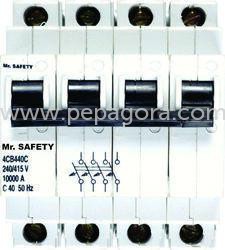
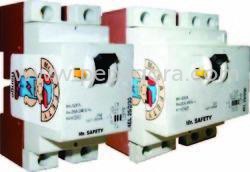
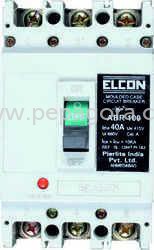
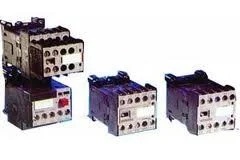
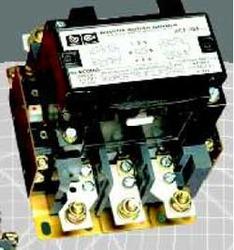
𝗪𝗵𝗮𝘁 𝗮𝗿𝗲 𝗢𝘃𝗲𝗿𝗹𝗼𝗮𝗱 𝗥𝗲𝗹𝗮𝘆𝘀?
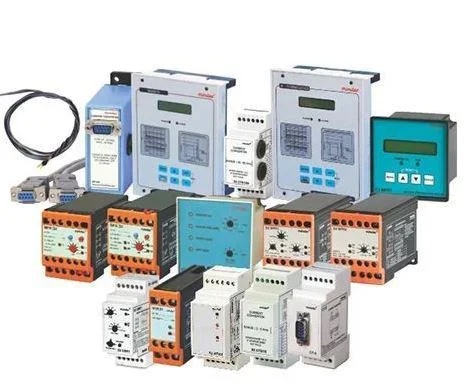
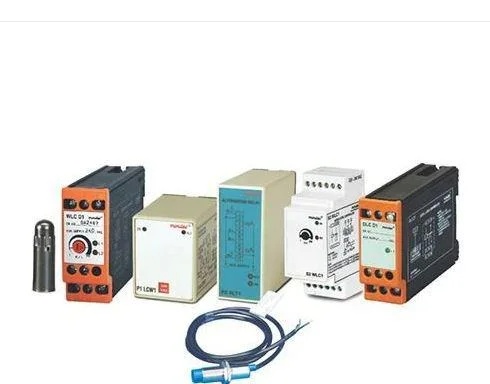
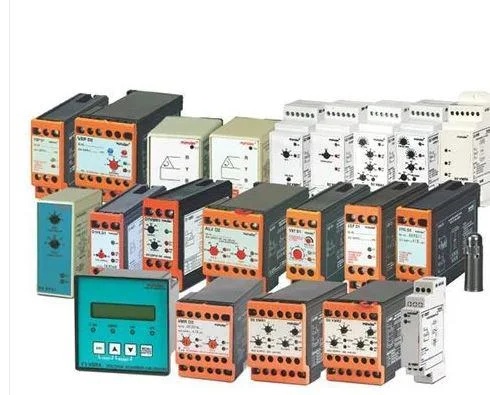
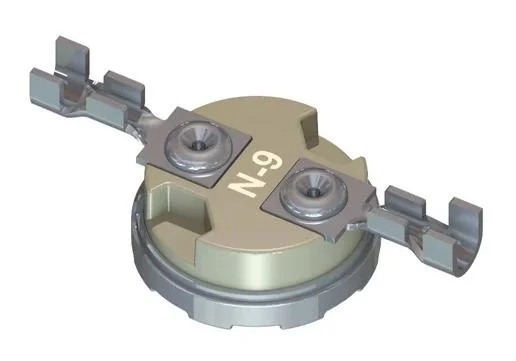
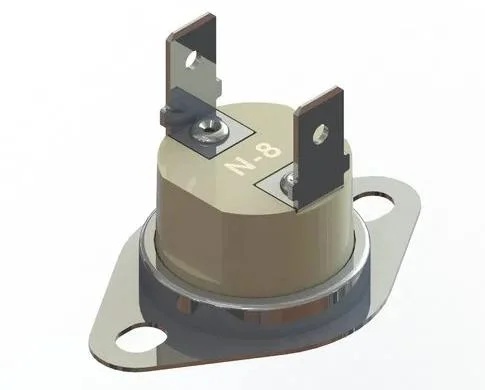
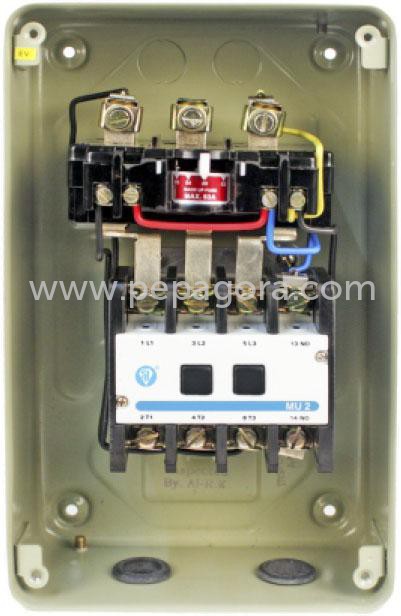
Overload relays are protective devices designed to prevent damage to motors and electrical equipment caused by excessive current. They operate by monitoring the current flowing through a motor and will trip or disconnect the circuit if the current exceeds a predetermined threshold for a specific duration. This mechanism helps in safeguarding machinery and prolonging the life of electrical components, making overload relays a critical component in many industrial applications.
These relays are primarily used in motor control circuits across various sectors, including manufacturing, construction, and energy. They are essential in applications where electric motors are employed, as they provide a first line of defense against overheating and burnout. By reducing the risk of equipment failure, overload relays contribute to improved operational efficiency and reduced maintenance costs. Their importance in modern industrial settings cannot be overstated, as they help ensure safety and reliability in electrical systems.
In the current market, the demand for overload relays is driven by advancements in automation and the increasing reliance on electric motors. Industries are focusing on implementing robust protective measures for their machinery, which has led to a steady growth in the overload relay segment. With evolving standards and technology, manufacturers are continually enhancing these devices to meet the rigorous demands of various applications.
𝗞𝗲𝘆 𝗙𝗲𝗮𝘁𝘂𝗿𝗲𝘀 𝗮𝗻𝗱 𝗦𝗽𝗲𝗰𝗶𝗳𝗶𝗰𝗮𝘁𝗶𝗼𝗻𝘀
Overload relays come with a range of features that enhance their functionality and reliability. When selecting an overload relay, it is essential to consider specifications that align with the operational requirements of your motors and equipment. Below are some key specifications to consider.
Key specifications include:
1. Current Rating
- Defines the maximum load current the relay can handle.
- Typically ranges from a few amps to several hundred amps.
2. Trip Class
- Indicates the time delay before the relay trips under overload conditions.
- Common classes include Class 10, Class 20, etc., which correspond to specific trip times.
3. Voltage Rating
- Specifies the maximum voltage the relay can operate within.
- Common voltage ratings are 230V, 400V, and higher, depending on application needs.
4. Operating Temperature
- Indicates the temperature range within which the relay can function effectively.
- Most overload relays operate in a range of -20°C to 60°C.
5. Reset Type
- Details how the relay can be reset after tripping, either manually or automatically.
- Manual reset requires user intervention, while automatic reset restores operation without user action.
6. Enclosure Type
- Refers to the housing of the relay, which may be open, enclosed, or weatherproof.
- Important for installation in different environments, such as indoor or outdoor applications.
7. Compatibility with Motor Starters
- Relays can be designed to work seamlessly with various motor starter types.
- Ensures integration into existing control systems.
8. Certification
- Indicates compliance with industry standards, such as CE marking.
- Essential for meeting safety and quality requirements.
In summary, understanding the key features and specifications of overload relays is crucial for selecting the right product for your application. These specifications not only ensure compatibility with your existing systems but also enhance safety and operational efficiency.
𝗖𝗼𝗺𝗺𝗼𝗻 𝗔𝗽𝗽𝗹𝗶𝗰𝗮𝘁𝗶𝗼𝗻𝘀 𝗮𝗻𝗱 𝗨𝘀𝗲 𝗖𝗮𝘀𝗲𝘀
Overload relays serve a multitude of industries, providing essential protection for electric motors and associated equipment.
1. Manufacturing: In manufacturing plants, overload relays are used to protect conveyor systems, pumps, and various machinery against motor overloads, enhancing production reliability.
2. Construction: In construction sites, these relays safeguard electric tools and equipment, ensuring that heavy-duty motors operate within safe limits and reducing the risk of equipment failure.
3. HVAC: Overload relays are integral to HVAC systems, protecting compressor motors from overheating and ensuring efficient operation of heating and cooling systems.
4. Agriculture: In agricultural applications, overload relays protect motors used in irrigation systems and other essential machinery, promoting efficient resource management.
5. Mining: In the mining industry, overload relays are critical for protecting motors that operate heavy machinery, ensuring safety in harsh environments.
6. Food and Beverage: Overload relays are used in food processing equipment to protect motors and ensure consistent operation, maintaining quality and safety standards.
7. Marine: In marine applications, these relays protect electric motors used in various onboard systems, ensuring reliability in demanding conditions.
𝗣𝗿𝗼𝗱𝘂𝗰𝘁 𝗩𝗮𝗿𝗶𝗮𝗻𝘁𝘀 𝗮𝗻𝗱 𝗦𝘂𝗯𝗰𝗮𝘁𝗲𝗴𝗼𝗿𝗶𝗲𝘀
Overload relays come in various types to cater to different operational needs and applications.
Electromechanical Overload Relays: These traditional relays use a bimetallic strip to detect overload conditions. They are reliable and suitable for a wide range of motor applications, offering manual reset options for enhanced control.
Electronic Overload Relays: These modern relays utilize electronic sensors for precise current monitoring. They often feature adjustable trip settings and are suitable for advanced motor control applications, providing greater flexibility and safety.
Digital Overload Relays: These relays offer advanced monitoring capabilities, including digital displays for real-time data. They are ideal for applications requiring detailed performance insights and diagnostics.
𝗕𝗲𝗻𝗲𝗳𝗶𝘁𝘀 𝗮𝗻𝗱 𝗔𝗱𝘃𝗮𝗻𝘁𝗮𝗴𝗲𝘀
Using overload relays in industrial settings offers numerous advantages that contribute to overall operational efficiency.
1. Enhanced Equipment Protection: Overload relays prevent motor damage due to overheating, ensuring the longevity of equipment.
2. Increased Safety: By reducing the risk of electrical fires and equipment failures, overload relays enhance workplace safety for operators and technicians.
3. Cost Savings: Preventing equipment failure leads to lower repair costs and reduced downtime, resulting in significant savings for businesses.
4. Improved Efficiency: Overload relays help maintain optimal operating conditions for motors, enhancing energy efficiency and performance.
5. Easy Integration: These relays can be easily integrated into existing motor control systems, simplifying upgrades and installations.
6. Compliance Assurance: Many overload relays meet international safety standards, helping businesses adhere to regulatory requirements.
𝗕𝘂𝘆𝗶𝗻𝗴 𝗚𝘂𝗶𝗱𝗲 𝗳𝗼𝗿 𝗕𝟮𝗕 𝗕𝘂𝘆𝗲𝗿𝘀
When sourcing overload relays, it is essential to evaluate several critical factors to ensure the best fit for your operational needs.
1. Quality Assessment: Look for overload relays that meet industry quality standards, including certifications like CE. Assess the reputation of manufacturers and their adherence to quality control measures.
2. Supplier Verification: Vet potential suppliers by checking references, product reviews, and their track record in the market. A reliable supplier will provide consistent quality and support.
3. Pricing and MOQ: Consider the pricing structure and minimum order quantities (MOQ) offered by suppliers. Ensure that the pricing aligns with your budget while maintaining quality.
4. Delivery and Lead Times: Evaluate the supplier's logistics capabilities, including shipping times and lead times for orders. Timely delivery is critical for maintaining your production schedules.
5. Compliance Requirements: Ensure that the overload relays comply with relevant safety and regulatory standards specific to your industry to avoid legal issues and maintain operational integrity.
𝗖𝗼𝗺𝗽𝗹𝗶𝗮𝗻𝗰𝗲 𝗮𝗻𝗱 𝗖𝗲𝗿𝘁𝗶𝗳𝗶𝗰𝗮𝘁𝗶𝗼𝗻𝘀
Overload relays must adhere to various quality standards and certifications to ensure safety and reliability in industrial applications.
Common standards include ISO 9001, which focuses on quality management systems, and HACCP, which pertains to food safety management. Compliance with these standards ensures that the manufacturing processes meet high levels of quality and safety.
Industry certifications, such as CE marking, indicate that the overload relays conform to European safety, health, and environmental protection standards. This certification is vital for products entering markets that require compliance with stringent regulations.
Furthermore, manufacturers must consider regional compliance requirements that may vary by country or industry. Adhering to these regulations is crucial to avoid penalties and ensure the safe operation of electrical systems.
𝗪𝗵𝘆 𝗦𝗼𝘂𝗿𝗰𝗲 𝗢𝘃𝗲𝗿𝗹𝗼𝗮𝗱 𝗥𝗲𝗹𝗮𝘆𝘀 𝗳𝗿𝗼𝗺 𝗣𝗲𝗽𝗮𝗴𝗼𝗿𝗮?
Pepagora provides a trusted platform for sourcing overload relays, offering several key advantages that benefit B2B buyers.
Verified Supplier Network: Pepagora collaborates with a network of verified suppliers, ensuring that buyers have access to high-quality overload relays from reputable manufacturers. This verification process enhances buyer confidence in their sourcing decisions.
Streamlined RFQ Process: The request for quotation (RFQ) process is designed to be efficient and user-friendly, allowing buyers to quickly obtain quotes from multiple suppliers. This system saves time and helps buyers make informed purchasing decisions.
Trade Assurance and Support: Pepagora offers trade assurance to protect buyers throughout the purchasing process. This includes support for resolving disputes and ensuring that products meet agreed-upon specifications.
Regional Coverage: With a strong presence in India, the GCC, and Southeast Asia, Pepagora connects buyers with suppliers across these regions, facilitating easier access to a diverse range of overload relays and related products. This geographic reach enables businesses to find solutions that meet their specific local requirements.

 IN
IN
 India
India