
 IN
Ophthalmoscopes & Otoscopes
15 products available
What are Ophthalmoscopes & Otoscopes?
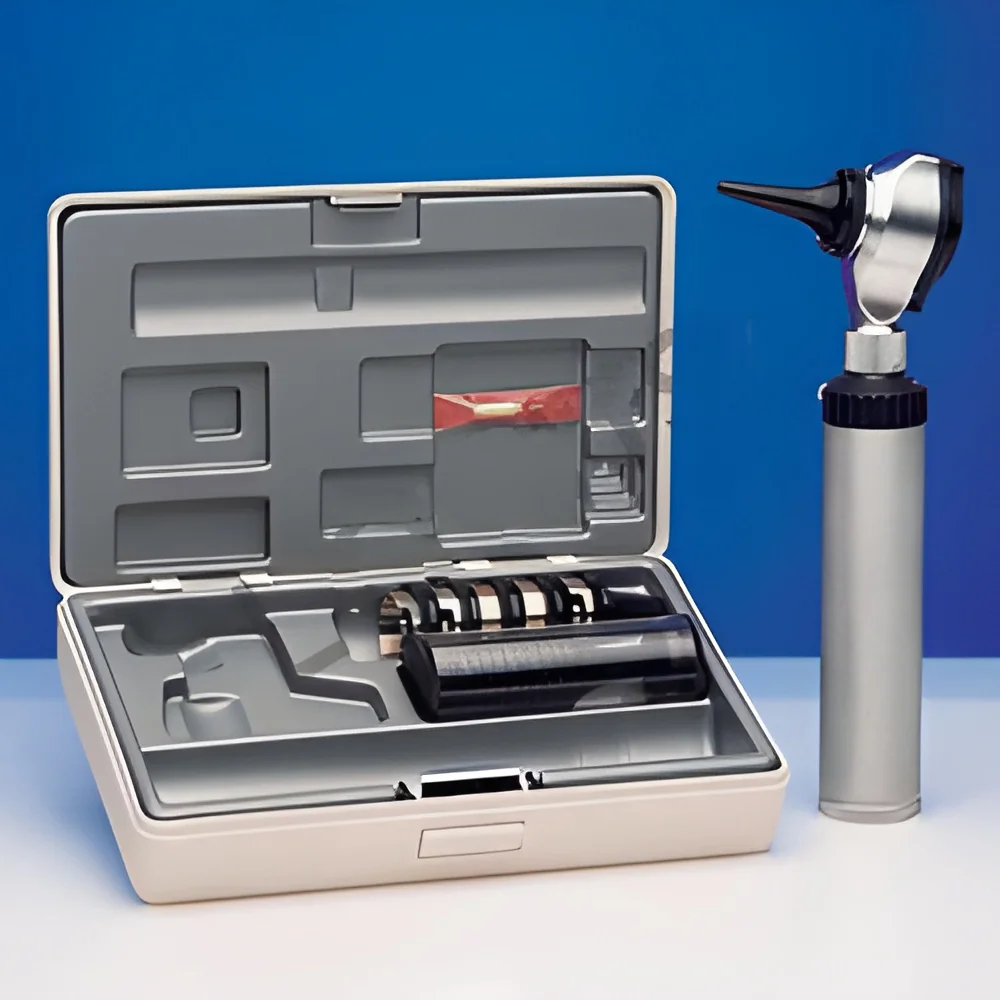
Ophthalmoscopes and otoscopes are essential diagnostic instruments used by healthcare professionals to examine the eyes and ears, respectively. An ophthalmoscope is designed to visualize the interior structures of the eye, including the retina, optic disc, and blood vessels. An otoscope, on the other hand, is used for inspecting the ear canal and eardrum, allowing clinicians to identify conditions like infections or blockages.
These devices are primarily used in clinical settings such as hospitals, clinics, and private practices. They play a critical role in routine examinations, enabling healthcare providers to diagnose conditions such as diabetic retinopathy or otitis media. The importance of these instruments extends beyond individual patient care; they are also fundamental in public health screenings and preventive medicine, making them vital tools in the healthcare industry.
The market for ophthalmoscopes and otoscopes is influenced by advancements in technology, increasing demand for diagnostic equipment, and a growing focus on preventive healthcare. With the rise of telemedicine, the integration of digital features in these devices is becoming more common. This trend highlights the relevance of ophthalmoscopes and otoscopes in a modern healthcare ecosystem, driving innovations and improving patient outcomes.
Key Features and Specifications
Ophthalmoscopes and otoscopes come with a variety of features and specifications that enhance their functionality and ease of use. Understanding these key specifications is crucial for making informed purchasing decisions.
Key specifications include:
1. Magnification Level
- The magnification level determines the clarity and detail of the images produced.
- Common ranges are 2.5x to 20x for ophthalmoscopes and 2.5x to 10x for otoscopes.
2. Light Source
- The type of light source affects the visibility during examinations.
- Options include halogen bulbs and LED lights, each providing different illumination quality.
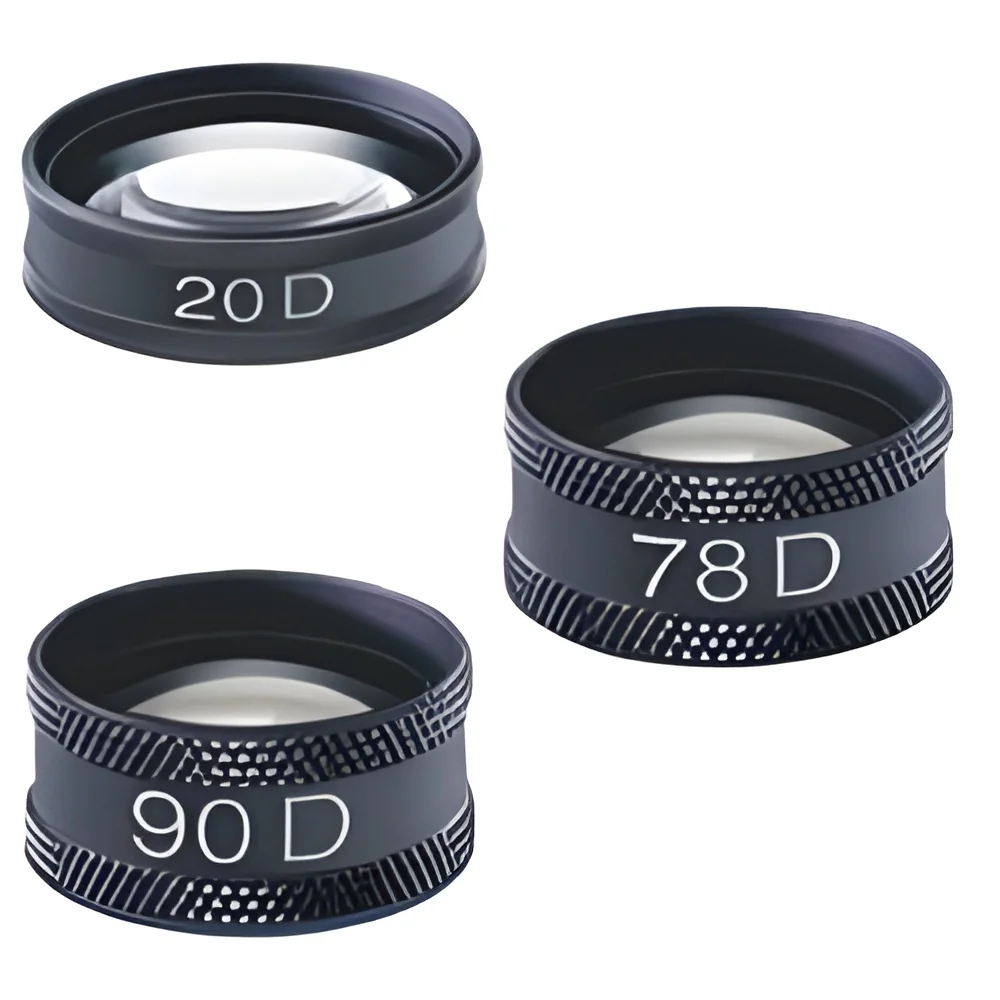
3. Lens Types
- Different lens types are available for various diagnostic needs.
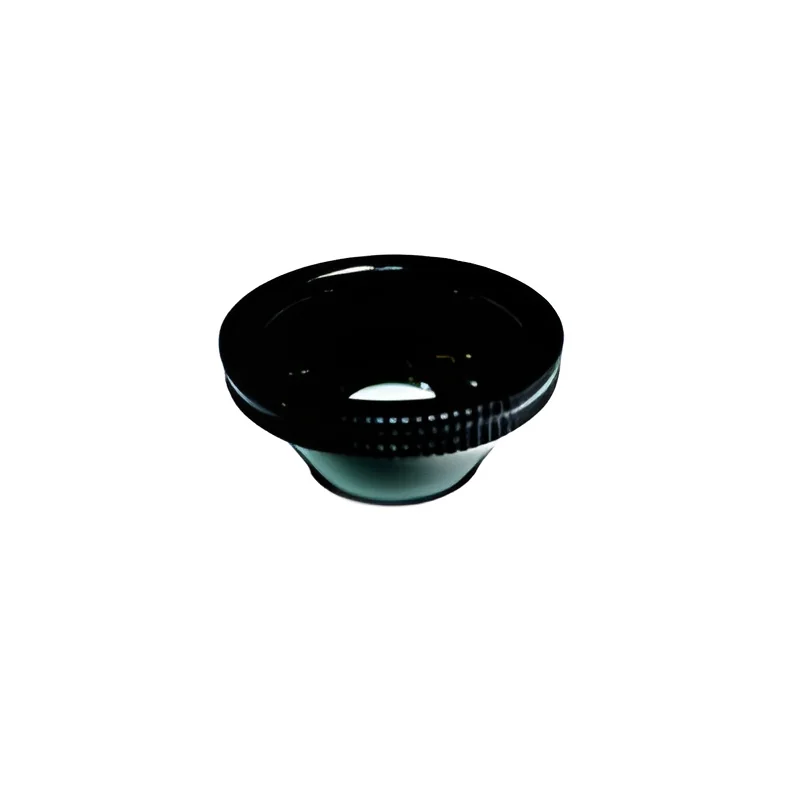
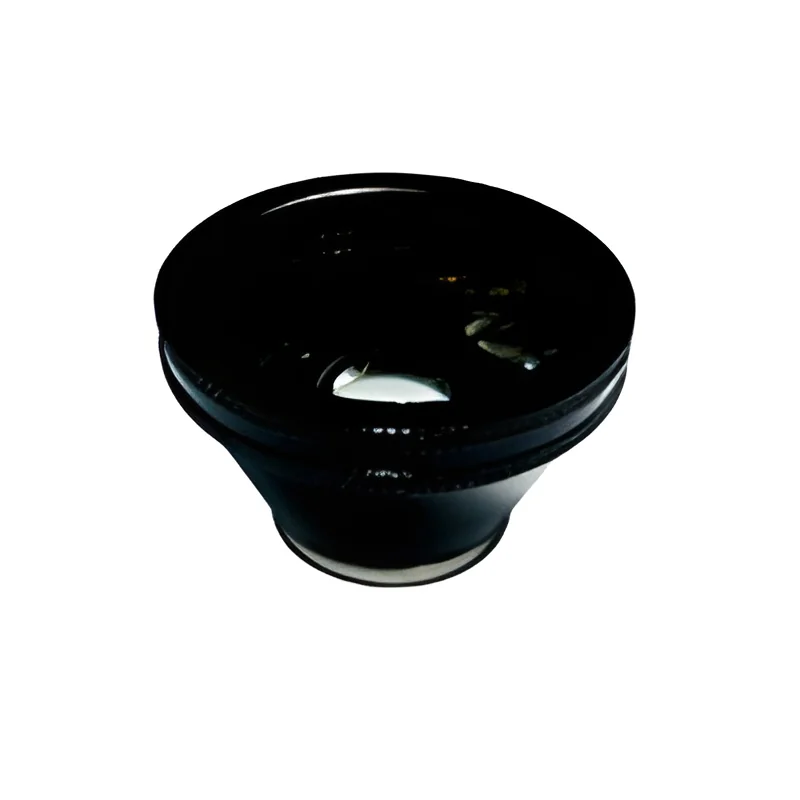
- Standard lenses are often used for general examinations, while specialized lenses may be used for certain conditions.
4. Power Source
- Most devices operate with rechargeable batteries or direct power supply.
- Battery life can vary, impacting usability in different environments.
5. Build Quality
- Materials used in construction affect durability and handling.
- High-quality plastics or metals are preferred for longevity and reliability.
6. Viewing Angle
- The viewing angle of the device can influence the ease of examination.
- Adjustable angles allow for better access to difficult-to-view areas.
7. Portability
- Many models are designed for easy transport to different locations.
- Weighing less than a certain threshold, typically under 1 kg, aids mobility.
8. Digital Integration
- Some modern devices offer digital features for enhanced diagnostics.
- Integration with software allows for image capture and patient record management.
In summary, selecting the right ophthalmoscope or otoscope involves considering these key features and specifications to ensure optimal performance in clinical settings.
Common Applications and Use Cases
Ophthalmoscopes and otoscopes are utilized across various industries, each benefiting from their diagnostic capabilities.
1. Healthcare: In hospitals and clinics, these instruments are standard for routine examinations, allowing for early diagnosis of eye and ear conditions.
2. Education: Medical training programs use these devices for teaching purposes, helping students learn essential examination techniques.
3. Telemedicine: With the rise of remote healthcare, digital versions of these devices facilitate virtual consultations and diagnostics.
4. Research: Clinical researchers utilize these tools in studies related to vision and hearing, contributing to advancements in medical science.
5. Public Health: Community health programs often employ these instruments for widespread screenings and preventive care initiatives.
6. Veterinary Medicine: Animal healthcare providers use similar devices to examine the eyes and ears of pets and livestock.
7. Occupational Health: Industries with specific health requirements use these tools for employee health screenings, ensuring workplace safety.
Product Variants and Subcategories
The market for ophthalmoscopes and otoscopes features a range of variants tailored to different needs and applications.
Digital Ophthalmoscopes
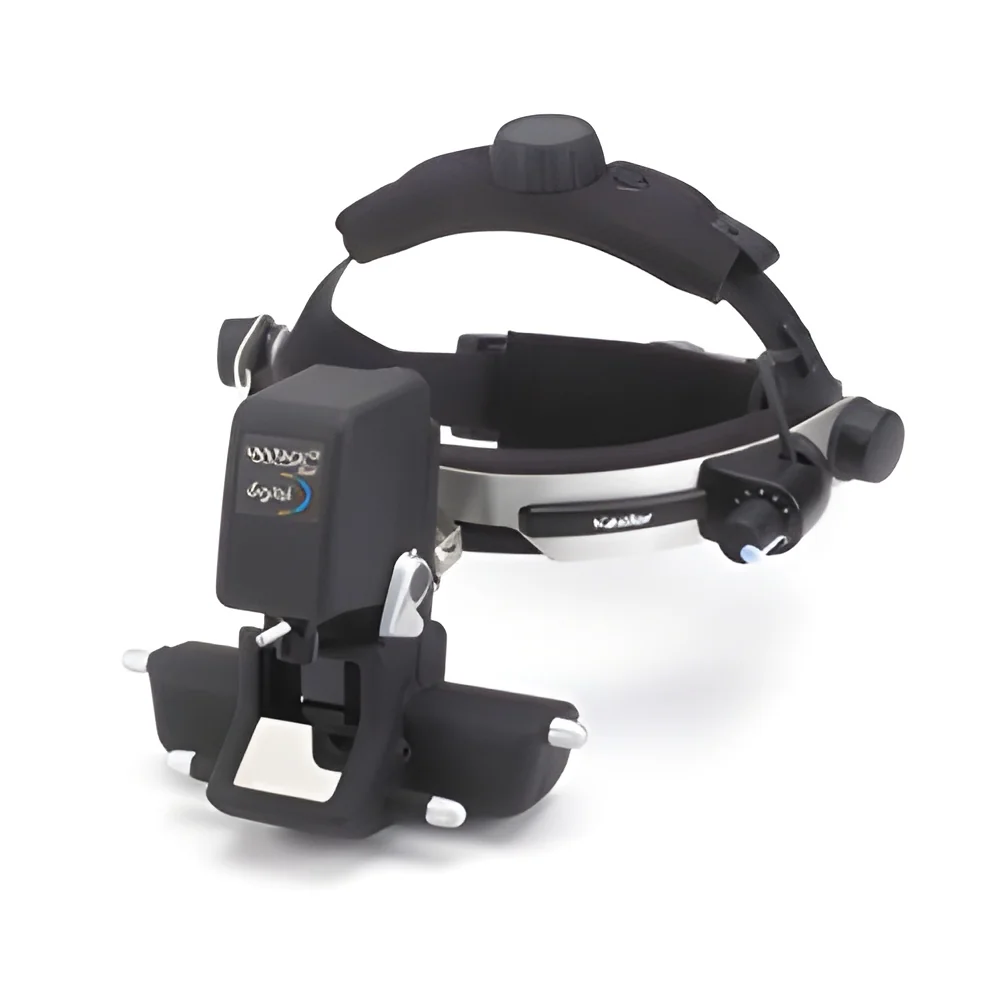
These devices integrate advanced imaging technology, allowing for high-resolution images of the retina. They are ideal for specialized practices focused on detailed eye examinations and remote consultations.
Pneumatic Otoscopes
Pneumatic otoscopes incorporate air pressure to assess the mobility of the eardrum, aiding in the diagnosis of middle ear conditions. This variant is particularly useful in pediatric settings where accurate assessments are critical.
Portable Ophthalmoscopes
Designed for travel, these lightweight models are compact and easy to transport. They are suitable for fieldwork or practitioners who require mobility without sacrificing functionality.
Battery-Operated Otoscopes
These models are designed for convenience, allowing for use in various environments without being tethered to a power source. They are ideal for emergency medical services and remote clinics.
Benefits and Advantages
Investing in high-quality ophthalmoscopes and otoscopes offers numerous benefits to healthcare providers.
1. Enhanced Diagnosis: Accurate imaging allows for early detection of conditions, improving patient outcomes.
2. User-Friendly Design: Many models feature ergonomic designs that facilitate comfortable handling during examinations.
3. Portability: Compact and lightweight options enable healthcare professionals to perform examinations in various locations.
4. Improved Patient Care: With digital integration, practitioners can store and analyze data, leading to better patient management.
5. Cost-Effective: Long-lasting materials and rechargeable batteries reduce the need for frequent replacements, offering savings over time.
6. Versatility: These devices can be used across different fields, from general practice to specialized care, making them valuable assets.
Buying Guide for B2B Buyers
When sourcing ophthalmoscopes and otoscopes, B2B buyers should consider several critical factors to ensure they make informed decisions.
1. Quality Assessment: Evaluate the build quality and reliability of the devices. Look for established brands and seek user reviews to gauge performance.
2. Supplier Verification: Ensure that suppliers are reputable and provide necessary certifications. Conduct background checks and request references to confirm reliability.
3. Pricing and MOQ: Consider the cost of devices relative to your budget. Be aware of minimum order quantities to ensure you meet supplier requirements.
4. Delivery and Lead Times: Confirm delivery timelines and logistics to avoid delays in procurement. Discuss potential shipping options and lead times with suppliers.
5. Compliance Requirements: Familiarize yourself with any regulatory standards that apply to medical devices in your region. Ensure that the products comply with safety and quality standards.
Compliance and Certifications
Ophthalmoscopes and otoscopes must adhere to various compliance and certification standards to ensure their safety and effectiveness in medical settings. Relevant quality standards include ISO 9001, which focuses on quality management systems, ensuring that manufacturers maintain consistent product quality.
Additionally, devices often hold certifications such as CE, indicating compliance with European health, safety, and environmental protection standards. This certification assures buyers that the products have undergone rigorous testing and meet necessary safety requirements.
In terms of safety and testing, manufacturers should conduct thorough evaluations to assess performance under various conditions. Regional compliance considerations may vary, so buyers should ensure that products meet specific local regulations governing medical devices.
Why Source Ophthalmoscopes & Otoscopes from Pepagora?
Pepagora offers a trusted platform for sourcing ophthalmoscopes and otoscopes, providing several key advantages to buyers in the B2B market.
Verified Supplier Network: Pepagora connects buyers with a network of verified suppliers, ensuring that all products come from reputable manufacturers. This verification process helps mitigate risks associated with unreliable products.
Streamlined RFQ Process: The platform features a user-friendly request for quotation (RFQ) system, making it easy for buyers to request information and receive competitive pricing from multiple suppliers quickly.
Trade Assurance and Support: Pepagora provides trade assurance, offering buyers protection against potential issues. The platform also offers customer support to assist with any inquiries or concerns during the purchasing process.
Regional Coverage: With a focus on markets in India, the GCC, and Southeast Asia, Pepagora has a broad geographic reach. This extensive coverage allows buyers to access a wide selection of products tailored to their specific needs in various regions.


 India
 India
 India

 India
Frequently Asked Questions
What are Ophthalmoscopes & Otoscopes?
Ophthalmoscopes are diagnostic instruments used to examine the interior structures of the eye, including the retina and optic nerve. Otoscopes, on the other hand, are used to inspect the ear canal and eardrum. Both instruments are essential for healthcare professionals in diagnosing and managing eye and ear conditions.
What are the different types of Ophthalmoscopes & Otoscopes?
There are several types of ophthalmoscopes, including direct, indirect, and portable models, each serving different diagnostic needs. Otoscopes also come in various forms, such as handheld and video otoscopes, which allow for more detailed examinations. Understanding the specific requirements of your practice can help in selecting the right type.
How do I choose the right Ophthalmoscopes & Otoscopes?
When choosing ophthalmoscopes and otoscopes, consider factors such as the intended use, portability, and ease of use. Evaluate the optical quality, illumination features, and additional functionalities like digital imaging. Consulting reviews and specifications from manufacturers can also aid in making an informed decision.
What are the standard specifications for Ophthalmoscopes & Otoscopes?
Standard specifications for ophthalmoscopes typically include features like lens magnification, illumination type, and ergonomic design. For otoscopes, specifications often cover the material of the specula, light source, and viewing angle. It's important to assess these specifications to ensure compatibility with clinical practices.
What is the price range for Ophthalmoscopes & Otoscopes?
The price range for ophthalmoscopes and otoscopes can vary significantly based on the brand, type, and features. Basic models may start from around INR 3,000, while advanced digital versions can exceed INR 20,000. Evaluating your budget and specific requirements will help narrow down suitable options.
What quality standards apply to Ophthalmoscopes & Otoscopes?
Ophthalmoscopes and otoscopes should comply with quality standards set by regulatory bodies such as the FDA and ISO. These standards ensure the reliability and safety of the instruments. It's crucial to verify that the products you consider meet these quality benchmarks.
Where can I find Ophthalmoscopes & Otoscopes suppliers in India?
You can find ophthalmoscopes and otoscopes suppliers in India through B2B marketplaces like Pepagora, trade shows, and medical supply exhibitions. Additionally, online directories and manufacturer websites can provide valuable contacts. Always evaluate suppliers based on their reputation and product offerings.
Can Ophthalmoscopes & Otoscopes be customized?
Yes, many manufacturers offer customization options for ophthalmoscopes and otoscopes, allowing you to tailor features to meet specific clinical needs. Customization can include branding, specifications, and additional functionalities. Discuss your requirements with potential suppliers for available options.
What is the typical minimum order quantity for Ophthalmoscopes & Otoscopes?
The typical minimum order quantity (MOQ) for ophthalmoscopes and otoscopes can vary by supplier and product type. It generally ranges from 5 to 20 units for standard models. Always confirm the MOQ with the supplier to ensure it aligns with your purchasing needs.
What is the typical lead time for Ophthalmoscopes & Otoscopes?
The typical lead time for ophthalmoscopes and otoscopes can range from 2 to 6 weeks, depending on the supplier and whether the products are in stock. Custom orders may take longer due to additional manufacturing time. It's advisable to confirm lead times during the ordering process.
Why Businesses Trust Pepagora
Thousands of companies trust Pepagora to source smarter and sell faster
Expand Your Sales Globally

Source Smarter,Grow Faster
