What are Onion & Garlic Exporters?
Onion and garlic exporters are businesses that specialize in the international trade of these essential agricultural products. They source fresh onions and garlic from local farmers and supply them to wholesalers, retailers, and food manufacturers across various countries. These exporters play a crucial role in the supply chain, ensuring that high-quality produce reaches markets worldwide while adhering to specific quality and safety standards.
Onions and garlic are highly valued in the culinary world for their flavor and health benefits. They are widely used in food preparation, seasoning, and as ingredients in various processed foods. Additionally, they have applications in the pharmaceutical and cosmetic industries due to their natural properties. The demand for onions and garlic continues to grow as global consumption increases, making them significant products in international trade.
In the context of the global market, onion and garlic exporters face various challenges, including fluctuating prices, transportation logistics, and compliance with international regulations. However, the industry remains robust, with opportunities for growth in emerging markets and the increasing popularity of organic and specialty varieties.
Key Features and Specifications
Onion and garlic exporters must meet certain specifications to ensure quality and compliance. These specifications can vary based on buyer requirements and market trends.
Key specifications include:
1. Quality Standards
- Compliance with international quality standards such as ISO 9001 and HACCP
- Assurance of freshness and flavor integrity
2. Packaging Requirements
- Use of durable and moisture-resistant packaging
- Labeling that includes origin, weight, and quality grade
3. Supply Chain Efficiency
- Timely delivery schedules to meet buyer needs
- Efficient logistics for maintaining product quality during transit
4. Traceability
- Ability to trace the product's journey from farm to market
- Documentation of sourcing practices to ensure transparency
5. Variety and Sizing
- Availability of different onion and garlic varieties
- Compliance with size specifications as per market demand
6. Pricing Structures
- Competitive pricing aligned with market rates
- Clarity on minimum order quantities (MOQ) for bulk purchases
7. Export Compliance
- Adherence to export regulations of both exporting and importing countries
- Necessary certifications for cross-border trade
In summary, onion and garlic exporters must maintain high standards and efficient practices to thrive in the competitive global market.
Common Applications and Use Cases
Onion and garlic exporters cater to various industries, each utilizing these products in unique ways.
1. Food and Beverage Industry: Onions and garlic are staples in cooking and food processing. They are used in sauces, marinades, and ready-to-eat meals.
2. Pharmaceutical Industry: The health benefits of garlic, particularly its antimicrobial properties, lead to its use in supplements and natural remedies.
3. Cosmetic Industry: Onion extracts are used in hair care products due to their nourishing properties, while garlic is appreciated for its anti-aging benefits.
4. Catering and Hospitality: Restaurants and catering companies rely on fresh onions and garlic for flavor enhancement in a wide range of dishes.
5. Retail Grocery: Supermarkets and local stores stock onions and garlic as essential items for consumers, highlighting their importance in everyday cooking.
6. Export Markets: Exporters target international markets where demand for high-quality onions and garlic is growing, particularly in regions with limited local production.
7. Organic and Specialty Markets: There is a rising interest in organic and specialty varieties, prompting exporters to cater to health-conscious consumers.
Product Variants and Subcategories
Onion and garlic exporters offer a variety of products to meet diverse customer needs.
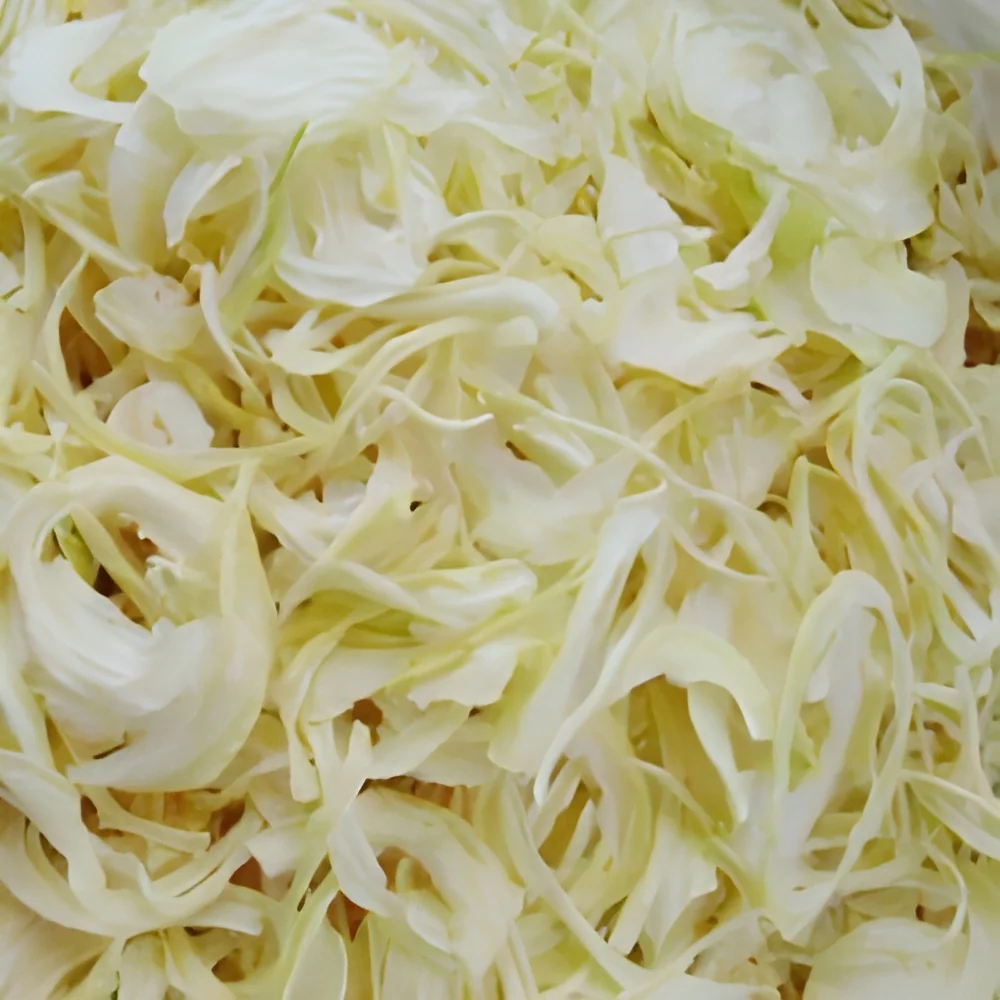
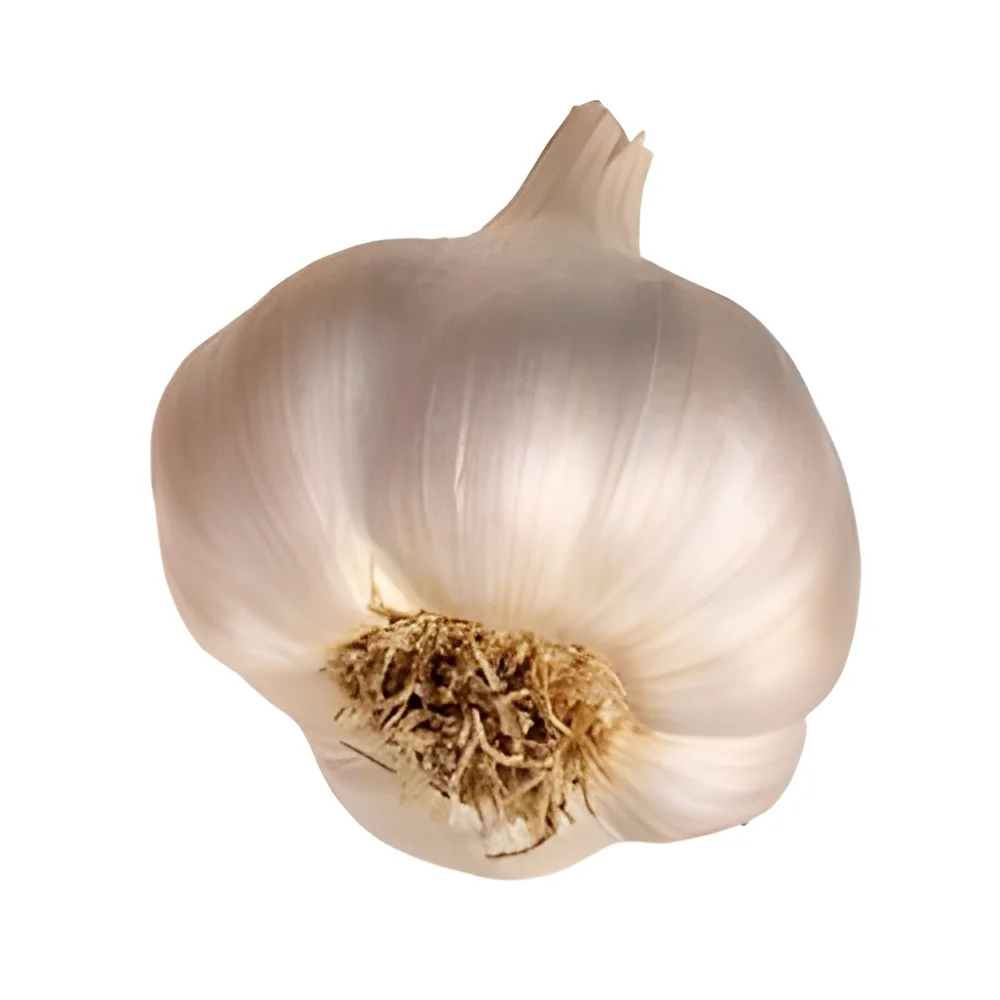
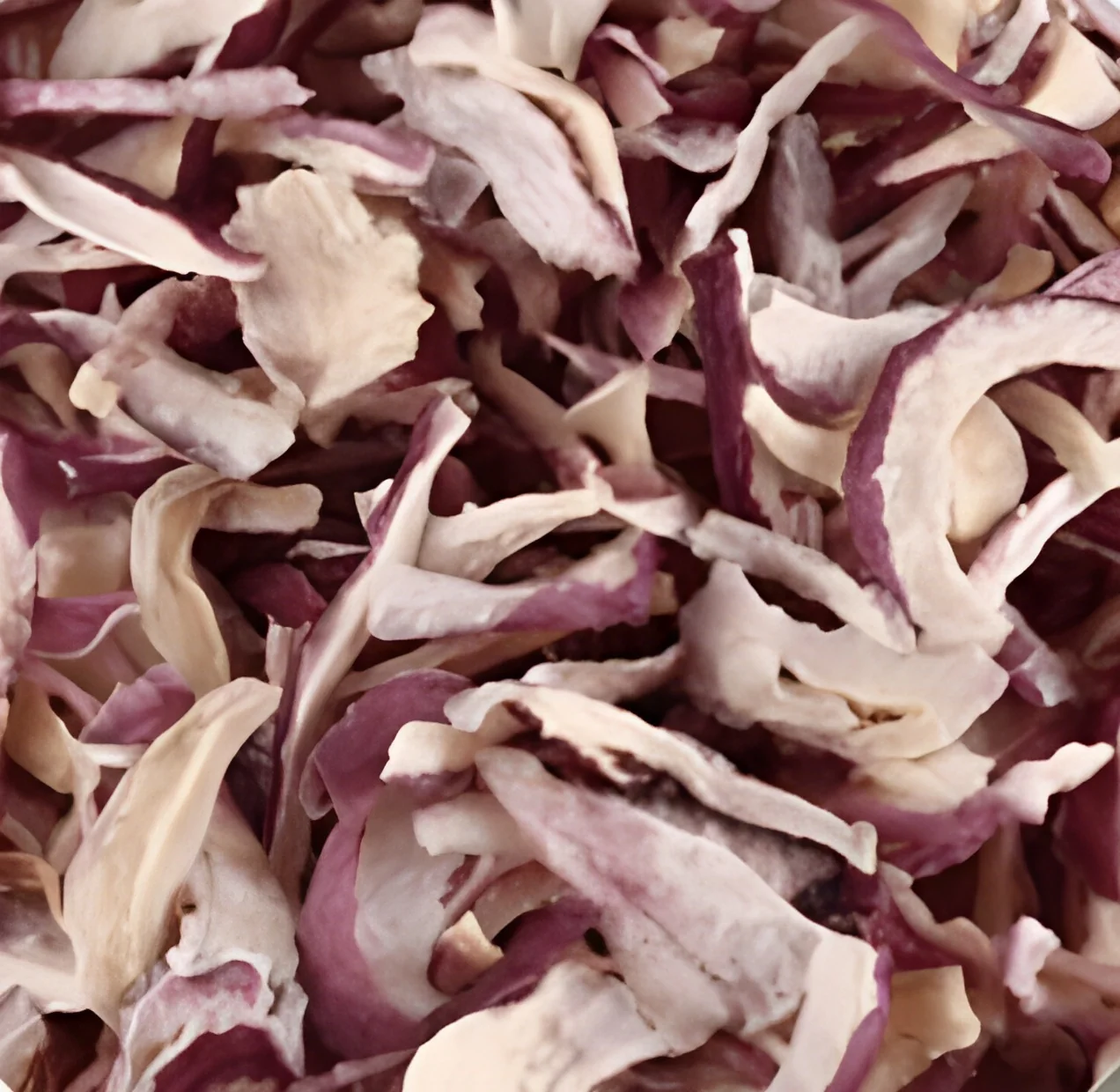
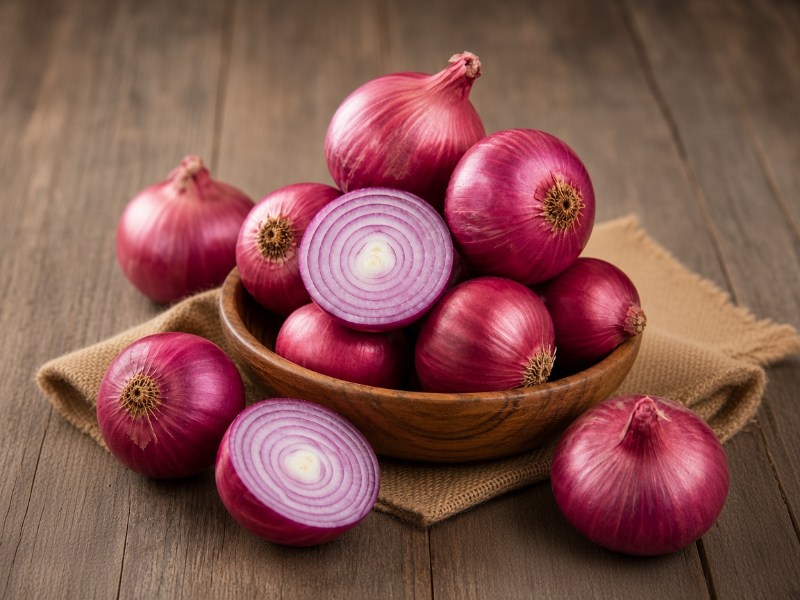
Fresh Onions: These are typically sold in various sizes and colors, including red, yellow, and white onions. Fresh onions are popular in culinary applications and are valued for their flavor.
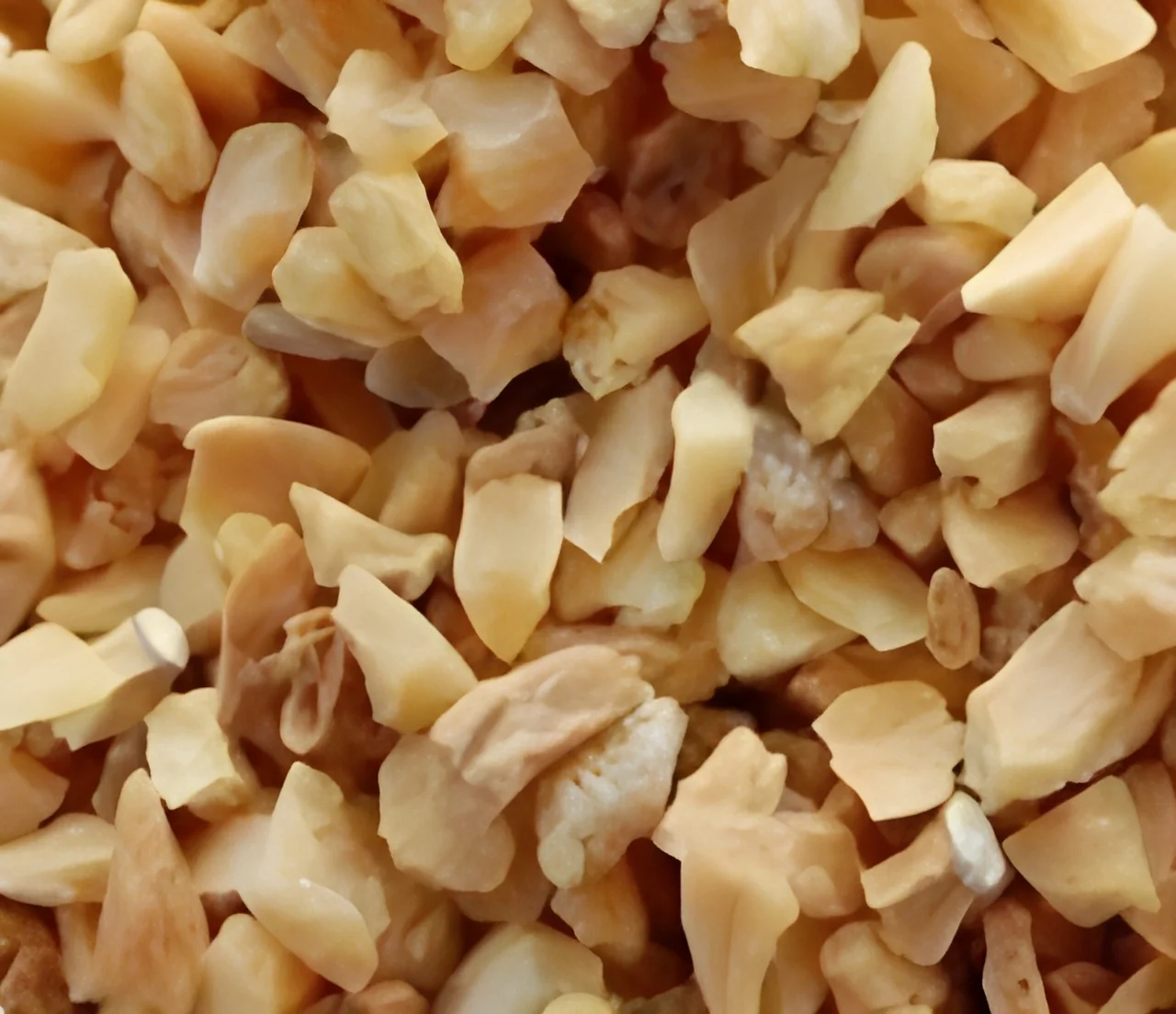
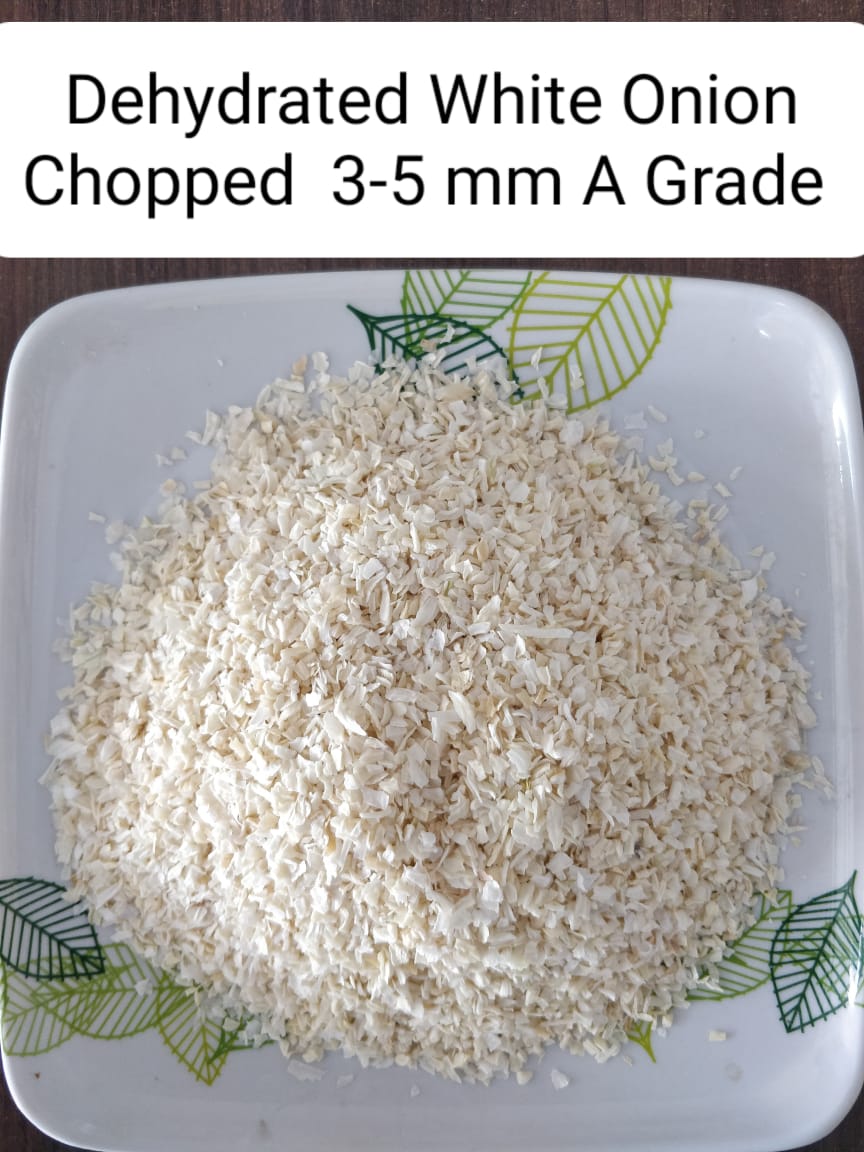
Dried Garlic: This variant is processed to remove moisture, making it suitable for long-term storage and easy incorporation into dishes. Dried garlic is commonly used in spice mixes and seasonings.
Pickled Onions and Garlic: These products are preserved in vinegar or brine, offering unique flavor profiles that enhance dishes. They are popular in gourmet cooking and as condiments.
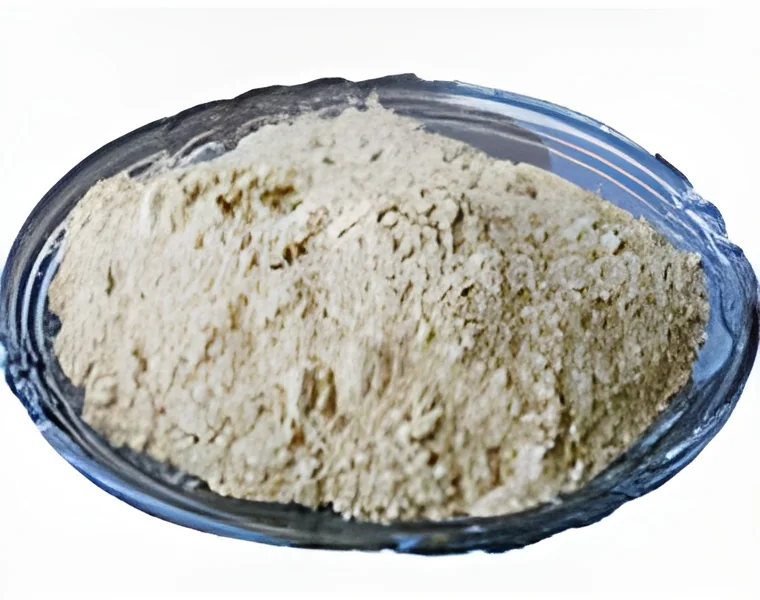
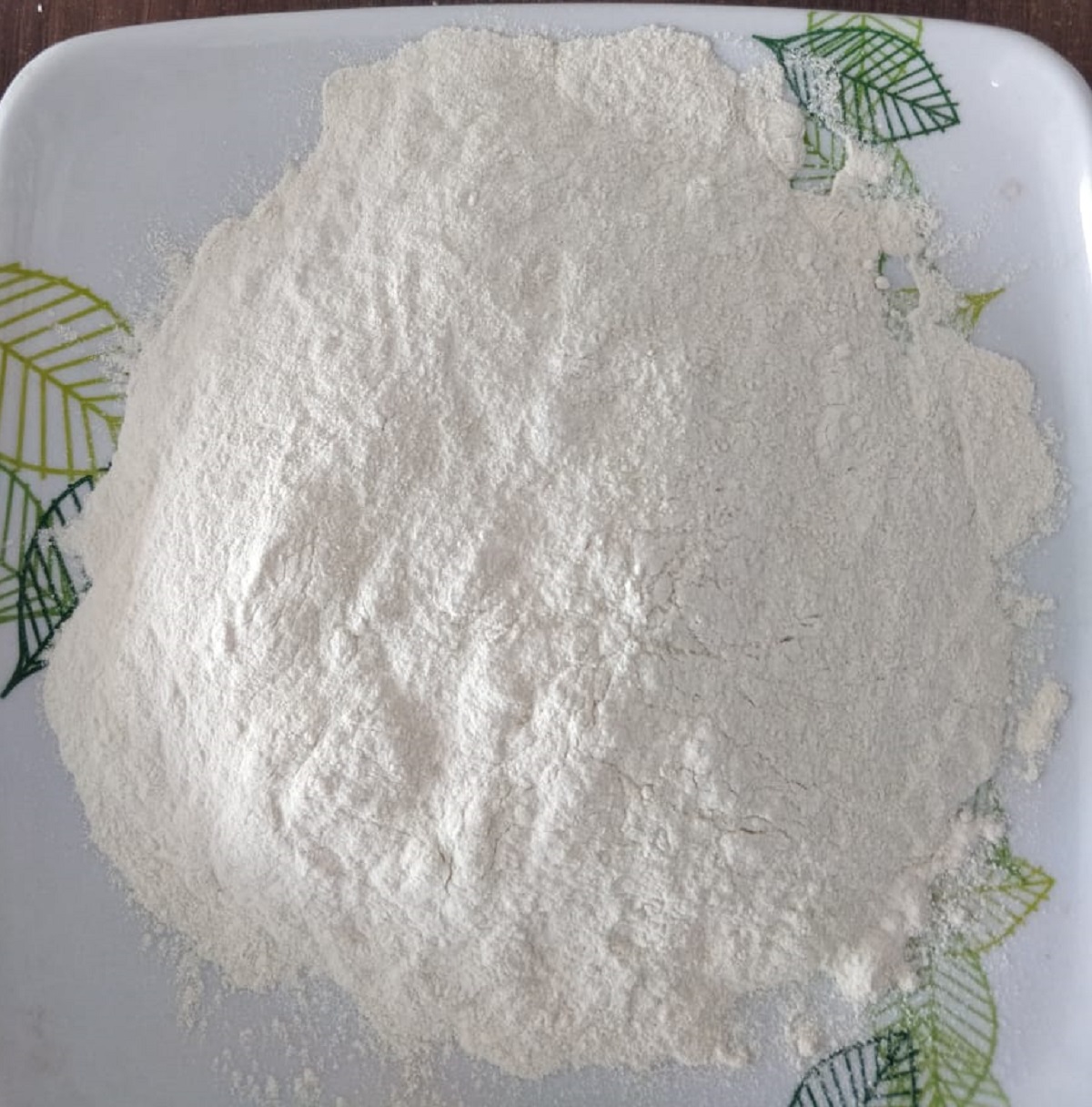
Garlic Powder: A convenient form of garlic, garlic powder is used in various processed foods and spice blends. It retains the flavor of fresh garlic while offering longer shelf life.
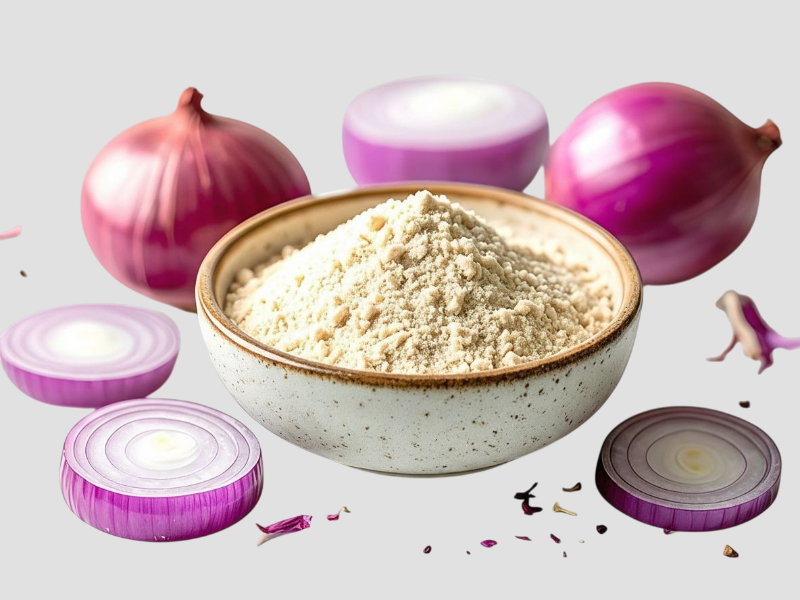
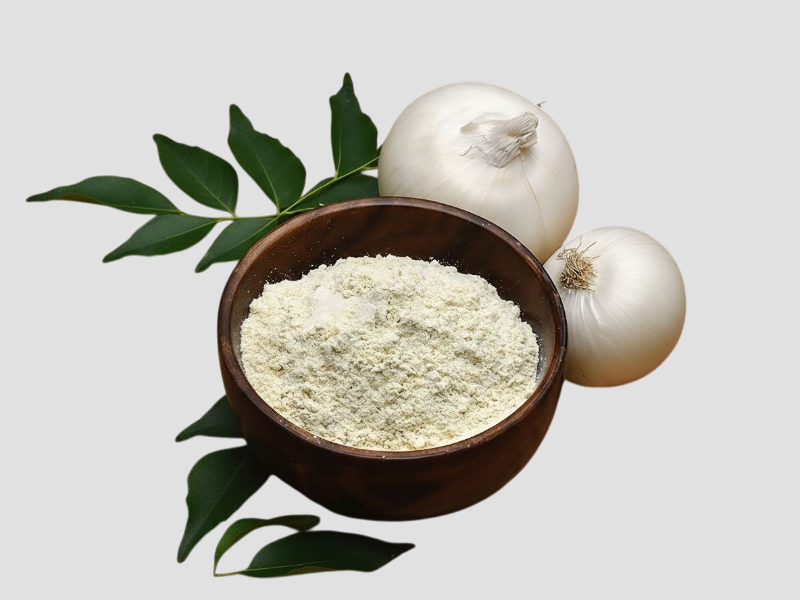
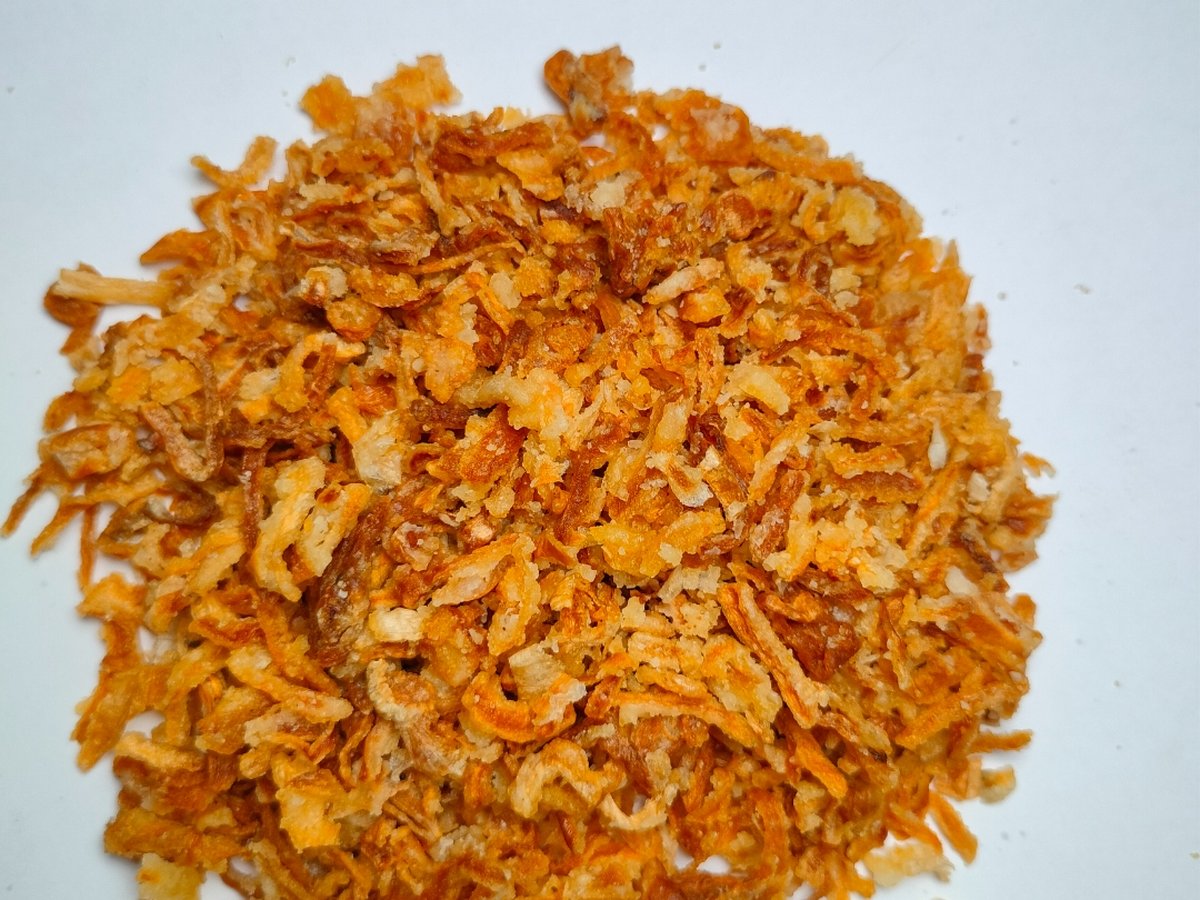
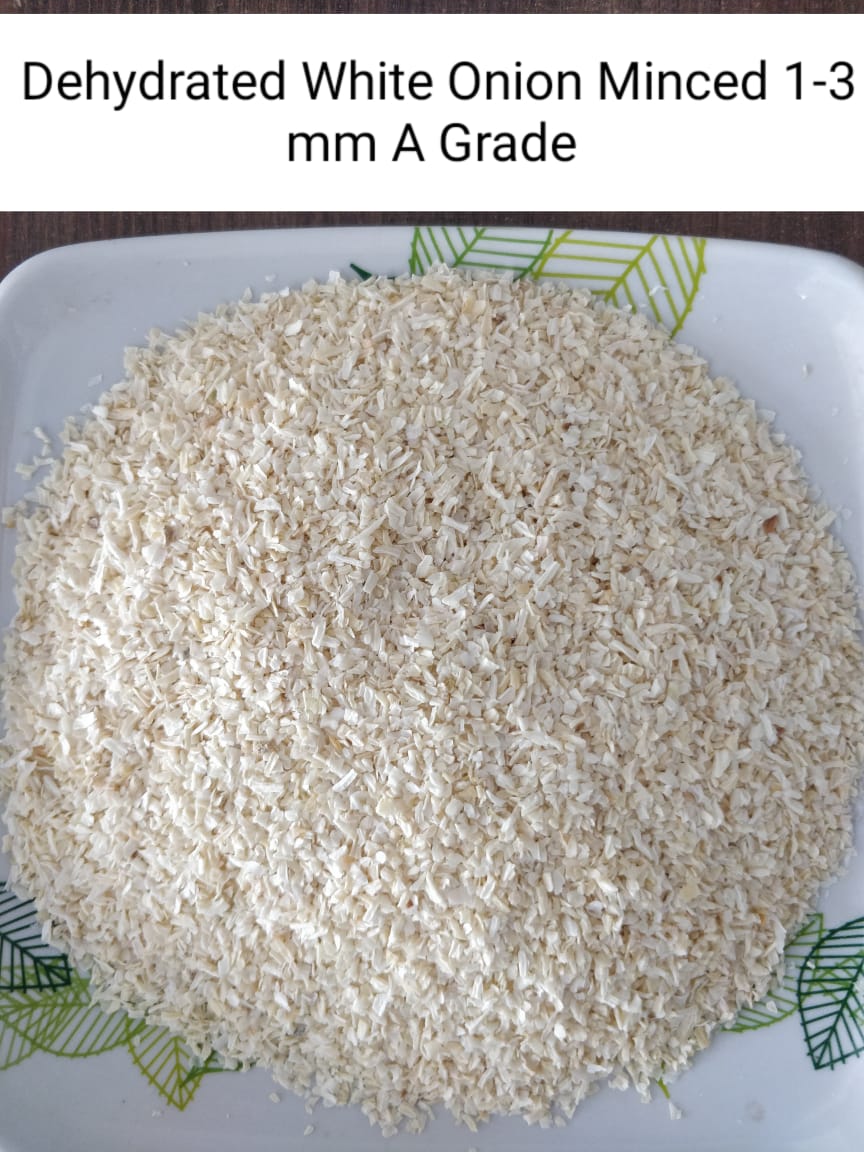
Onion Powder: Similar to garlic powder, onion powder is used in seasoning blends and food products, providing the essence of onions without the need for fresh produce.
Benefits and Advantages
Sourcing from onion and garlic exporters provides numerous advantages for businesses.
1. Quality Assurance: Exporters adhere to strict quality standards, ensuring that products meet consumer expectations.
2. Diverse Product Range: Buyers can access various onion and garlic products to meet specific culinary needs.
3. Competitive Pricing: Exporters often offer competitive rates, helping businesses manage their costs effectively.
4. Reliable Supply: Established exporters have efficient supply chains that ensure timely delivery, reducing operational disruptions.
5. Compliance Support: Exporters are knowledgeable about regulations and certifications, simplifying the sourcing process for buyers.
6. Market Insights: Exporters can provide valuable information on market trends, helping businesses make informed purchasing decisions.
Buying Guide for B2B Buyers
When sourcing onion and garlic exporters, buyers should consider several key factors to ensure successful procurement.
1. Quality Assessment: Buyers should evaluate the quality of products by requesting samples and reviewing quality certifications. This helps ensure that the products meet required standards.
2. Supplier Verification: It is essential to vet suppliers by checking references, reviewing their export history, and confirming compliance with industry standards.
3. Pricing and MOQ: Buyers should discuss pricing structures and minimum order quantities to align their purchasing volumes with supplier capabilities.
4. Delivery and Lead Times: Understanding delivery schedules and lead times is critical for planning inventory and ensuring product availability.
5. Compliance Requirements: Buyers should be aware of any regulatory requirements for importing onions and garlic, including necessary documentation and certifications.
Compliance and Certifications
Onion and garlic exporters must adhere to various compliance and certification standards to operate effectively in the global market.
International quality standards such as ISO 9001 and HACCP play a pivotal role in ensuring food safety and quality. These standards require exporters to implement rigorous quality control measures throughout the supply chain.
Additionally, industry certifications like CE demonstrate compliance with European Union regulations, enhancing market access for exporters.
Safety and testing requirements are also vital, as they ensure products are free from contaminants and meet health regulations.
Regional compliance considerations may vary, requiring exporters to be aware of specific laws and guidelines in target markets to facilitate smooth transactions.
Why Source Onion & Garlic Exporters from Pepagora?
Pepagora offers a trusted platform for sourcing onion and garlic exporters, presenting several key advantages for B2B buyers.
Verified Supplier Network: Pepagora has a robust verification process for suppliers, ensuring that buyers work with reputable and quality-focused exporters. This builds trust and confidence in procurement decisions.
Streamlined RFQ Process: The Request for Quotation (RFQ) system simplifies the procurement process. Buyers can easily compare offers from multiple suppliers, allowing them to make informed choices based on pricing and quality.
Trade Assurance and Support: Pepagora provides trade assurance, protecting buyers from potential risks associated with international transactions. This support includes assistance with documentation and compliance.
Regional Coverage: With a strong presence in India, GCC, and Southeast Asia, Pepagora connects buyers with exporters across various regions. This geographic reach facilitates access to a wide variety of onions and garlic products tailored to market demands.

 IN
IN