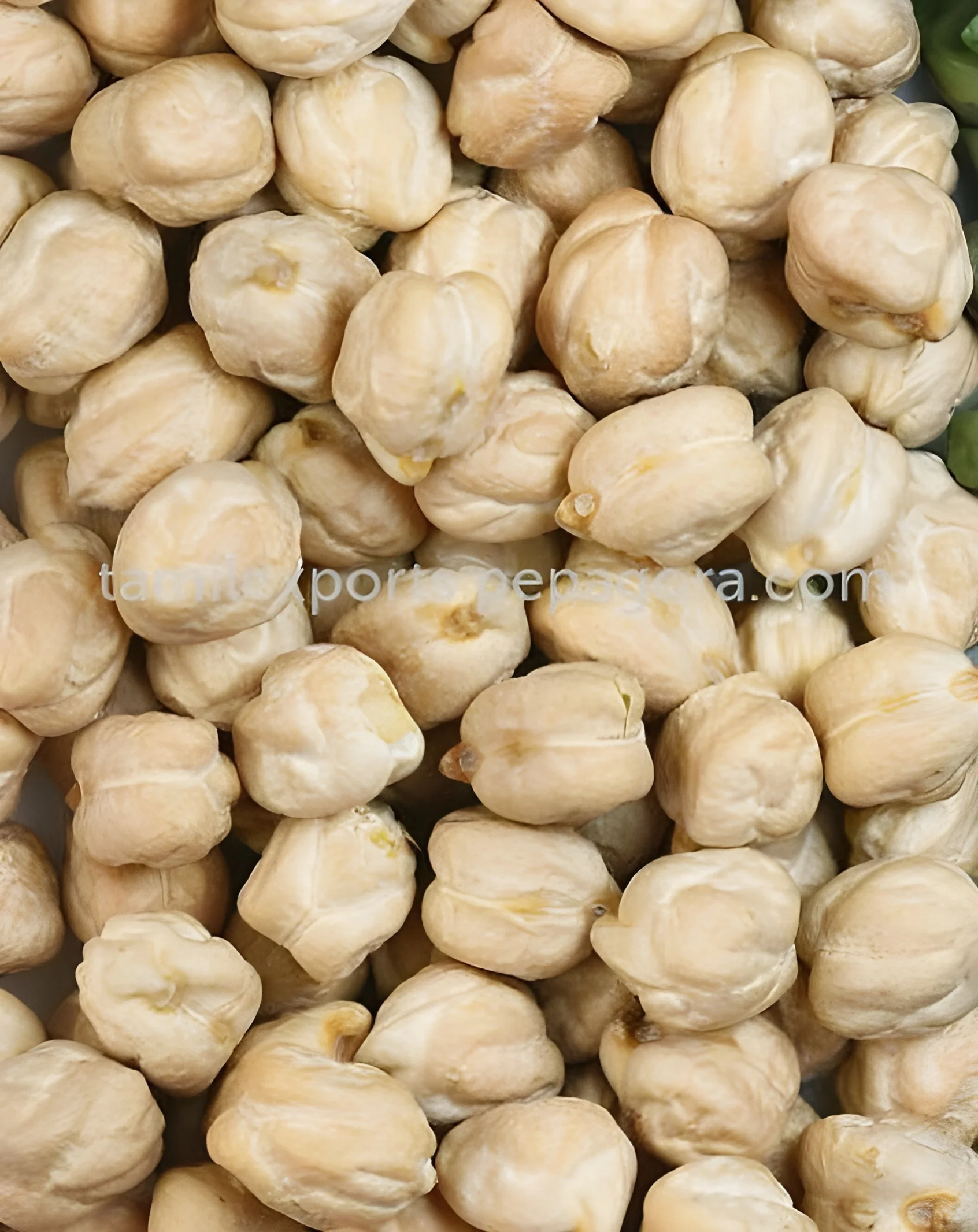
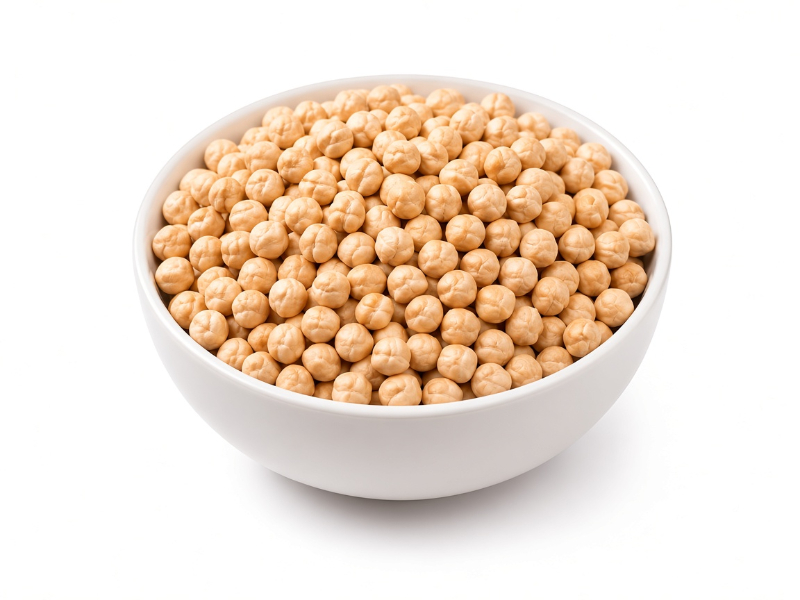
What are Lentils, Chickpeas & Beans Suppliers?
Lentils, chickpeas, and beans suppliers provide essential legumes that serve a vital role in the global food supply chain. These suppliers are key players in agriculture, offering a variety of legumes that are rich in nutrients and versatile in their uses. They often source their products from farms and ensure that these legumes meet quality standards for distribution and sale to various markets.
The primary applications of lentils, chickpeas, and beans are in food production and industrial sectors. They are commonly used in the preparation of health-oriented foods, snacks, and ready-to-eat meals. Additionally, they play a significant role in vegetarian and vegan diets as protein sources. These legumes are also utilized in the manufacturing of food ingredients, animal feed, and even biofuels, demonstrating their wide-ranging industrial relevance.
In the current market context, the demand for plant-based proteins is on the rise, driven by health trends and sustainability concerns. Suppliers of lentils, chickpeas, and beans are positioned to capitalize on this trend, offering products that cater to both traditional and modern dietary preferences. As global populations grow and the focus on sustainable agriculture increases, these suppliers are becoming increasingly crucial in meeting the evolving food needs.
Key Features and Specifications
Lentils, chickpeas, and beans come with a variety of features and specifications that enhance their usability and appeal to businesses. Understanding these specifications is essential for buyers looking to make informed purchasing decisions.
Key specifications include:
1. Nutritional Profile
- High in protein, fiber, and essential vitamins
- Varieties available with different nutrient compositions
2. Quality Standards
- Compliance with ISO 9001 and HACCP standards
- Consistency in size, color, and moisture content
3. Packaging Options
- Available in bulk, retail, or customized packaging
- Options for vacuum-sealed or breathable packaging
4. Shelf Life
- Typically ranges from 1 to 2 years when stored properly
- Variability based on storage conditions and packaging
5. Origin and Sourcing
- Sourced from certified farms with sustainable practices
- Traceability from farm to supplier
6. Customization Options
- Availability for blended products or specific grain mixtures
- Options for organic or non-GMO certifications
7. Supply Chain Logistics
- Efficient supply chain management to ensure timely deliveries
- Flexibility in order quantities to accommodate varying demand
8. Market Availability
- Global distribution networks for local and international markets
- Adaptable to different market conditions and consumer preferences
These specifications help suppliers provide products that meet the diverse needs of their customers while ensuring quality and sustainability.
Common Applications and Use Cases
Lentils, chickpeas, and beans are widely utilized across various industries, each with specific applications that highlight their versatility.
1. Food Industry: These legumes are staples in many cuisines, used in soups, salads, and as meat substitutes. Their rich protein content makes them ideal for vegetarian and vegan products.
2. Snacks and Convenience Foods: Lentils and chickpeas are processed into snacks such as chips and roasted snacks, providing a nutritious alternative to traditional snack foods.
3. Animal Feed: Various legume types are incorporated into animal feed, providing a high-protein diet for livestock, which is crucial for meat production.
4. Food Ingredients: They are often used as ingredients in plant-based protein powders and meal replacements, catering to the growing health-conscious consumer base.
5. Biofuel Production: Certain types of beans are explored for biofuel applications, tapping into the renewable energy market.
6. Pharmaceutical Industry: Some legumes are researched for their health benefits and are used in supplements and nutraceuticals.
7. Culinary Innovations: Chefs and food manufacturers are increasingly incorporating these legumes into gourmet and health-oriented dishes, pushing culinary boundaries.
Product Variants and Subcategories
The diversity of lentils, chickpeas, and beans allows for various product variants to meet different market needs.
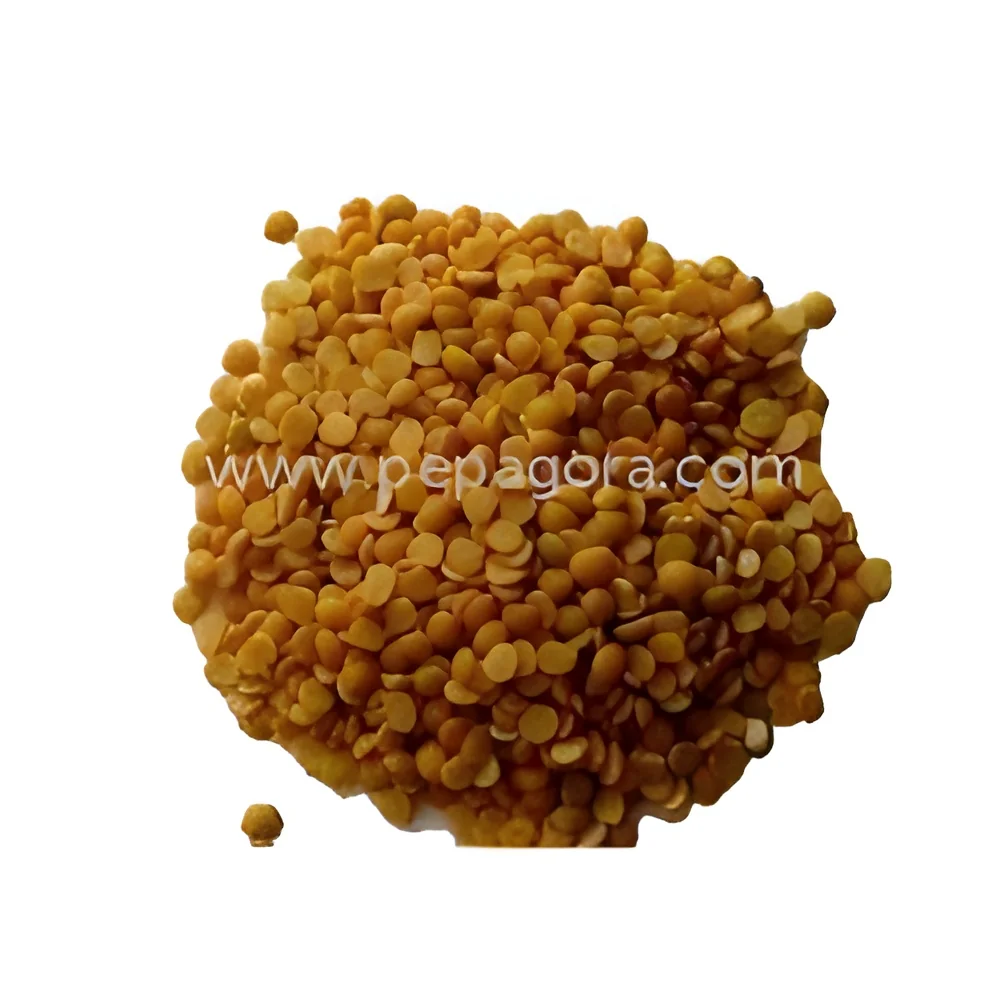
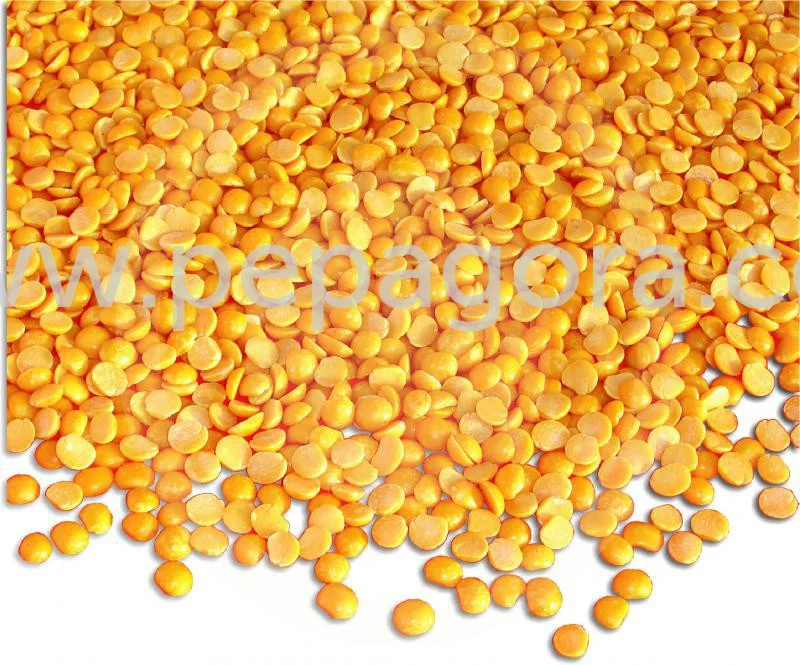
Red Lentils: Known for their quick cooking time and mild flavor, red lentils are ideal for soups and purees. They are often used in Indian cuisine and are rich in protein.
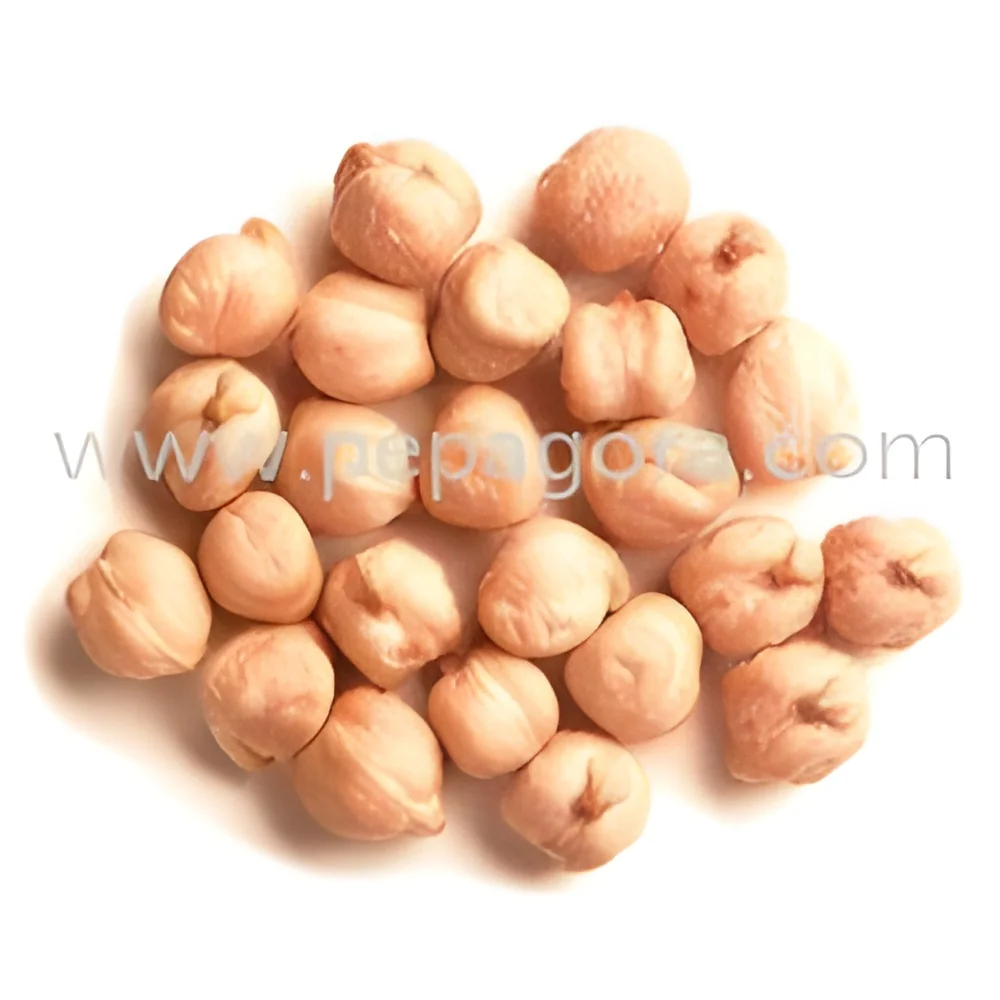
Green Chickpeas: These young chickpeas are sweeter and more tender than their dried counterparts. They are popular in salads and can be roasted for snacks.
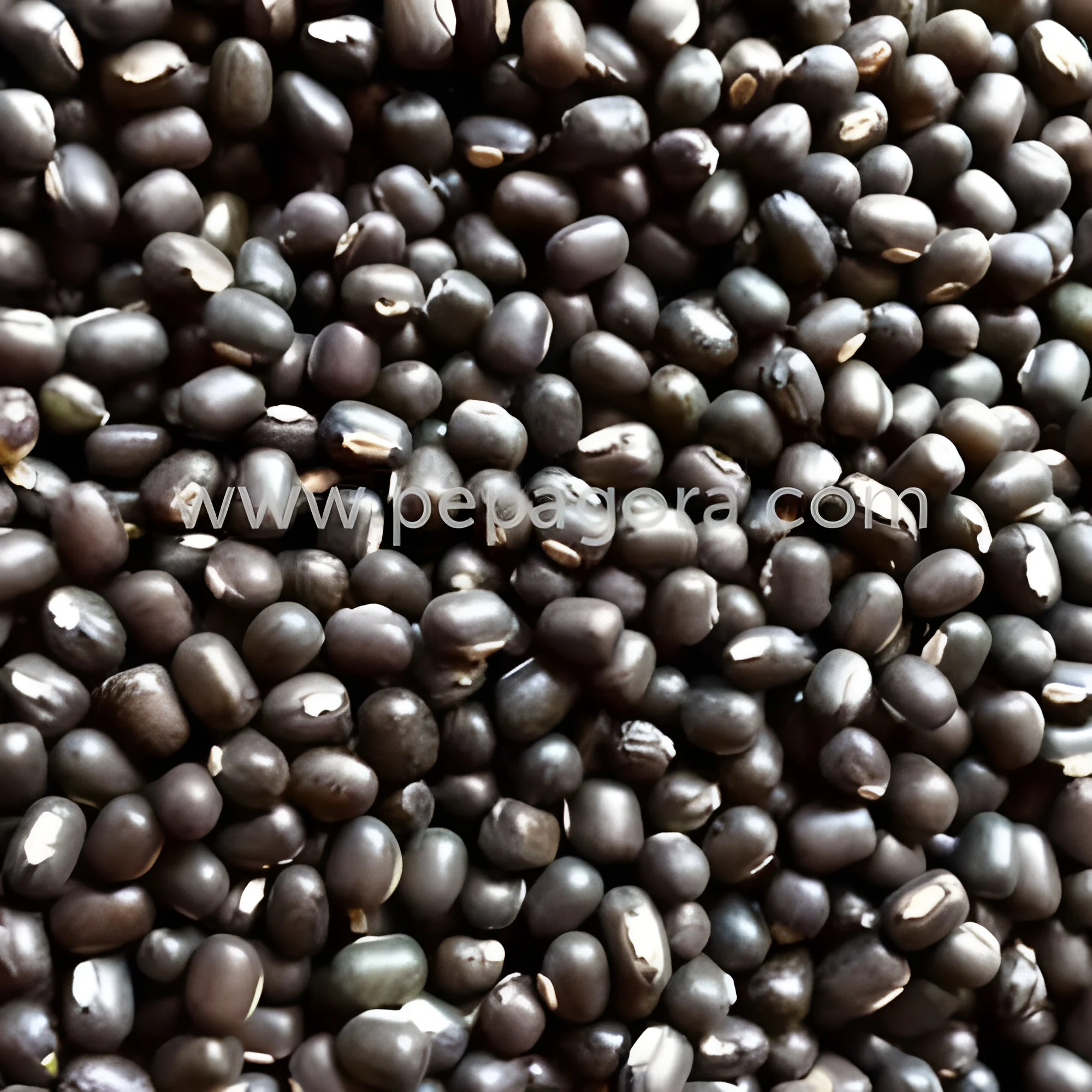
Black Beans: Common in Latin American dishes, black beans are high in protein and fiber. They are often used in burritos, salads, and soups.
Kidney Beans: Recognized for their deep color and firmness, kidney beans are a staple in chili and are rich in antioxidants.
Pinto Beans: Pinto beans are versatile and are often used in refried beans and various Mexican dishes. Their creamy texture makes them a favorite for many recipes.
Benefits and Advantages
Sourcing lentils, chickpeas, and beans offers numerous benefits for businesses looking to enhance their product offerings.
1. Nutritional Value: These legumes provide high nutritional content, including protein, fiber, vitamins, and minerals, making them an excellent addition to any diet.
2. Versatility: Their adaptability in various recipes and food applications allows businesses to cater to diverse consumer preferences.
3. Cost-Effectiveness: Legumes are often more affordable than animal proteins, providing a cost-effective solution for meal planning and product formulation.
4. Sustainable Sourcing: Lentils, chickpeas, and beans contribute to sustainable agriculture practices, reducing the carbon footprint associated with meat production.
5. Long Shelf Life: Their extended shelf life makes them a practical choice for suppliers, reducing waste and ensuring product availability.
6. Growing Demand: With the rise in plant-based diets, the demand for legumes is increasing, offering suppliers a lucrative market opportunity.
Buying Guide for B2B Buyers
When sourcing lentils, chickpeas, and beans from suppliers, it is important to consider key factors to ensure a successful procurement process.
1. Quality Assessment: Evaluate the nutritional quality and physical characteristics of the legumes. Look for suppliers that adhere to recognized quality standards.
2. Supplier Verification: Conduct thorough research to verify supplier credentials and ensure they have a reliable track record in the industry.
3. Pricing and MOQ: Understand the pricing structure and minimum order quantities to align with your budget and supply needs.
4. Delivery and Lead Times: Assess the supplier's ability to meet delivery schedules and lead time requirements to avoid disruptions in your supply chain.
5. Compliance Requirements: Ensure that the suppliers meet all relevant regulatory and compliance standards, including safety and quality certifications.
Compliance and Certifications
Legumes such as lentils, chickpeas, and beans are subject to various compliance and certification requirements to ensure product safety and quality.
Quality standards such as ISO 9001 and HACCP are essential for maintaining the integrity of the supply chain. These standards provide guidelines on quality management and food safety practices that suppliers must follow.
Additionally, compliance with CE certification ensures that products meet European Union safety and health regulations. This is particularly important for suppliers intending to export their products to international markets.
Safety testing requirements are also critical, as they help identify potential contaminants and ensure that the legumes are safe for consumption. Regular testing for pesticide residues, heavy metals, and microbial contaminants is necessary to maintain consumer trust.
Regional compliance considerations may vary, so suppliers must be aware of local regulations in the markets they serve. This includes understanding specific labeling requirements and food safety laws.
Why Source Lentils, Chickpeas & Beans Suppliers from Pepagora?
Pepagora provides a trusted platform for sourcing lentils, chickpeas, and beans suppliers, offering several key advantages for businesses.
The verified supplier network ensures that buyers can connect with reputable suppliers who meet stringent quality and safety standards. This verification process enhances confidence in the sourcing process.
The streamlined RFQ process simplifies the quotation system, allowing buyers to request multiple quotes from different suppliers efficiently. This feature saves time and enhances decision-making.
Trade assurance and support offered by Pepagora provide an added layer of protection for buyers. This ensures that transactions are secure and that any disputes can be resolved effectively.
With extensive regional coverage, including India, the GCC, and Southeast Asia, Pepagora connects buyers with suppliers across diverse markets. This geographic reach facilitates access to a wide array of products and helps businesses expand their operations in various regions.

 IN
IN