What are Whole Spices (Cumin, Clove, Cardamom) Traders?
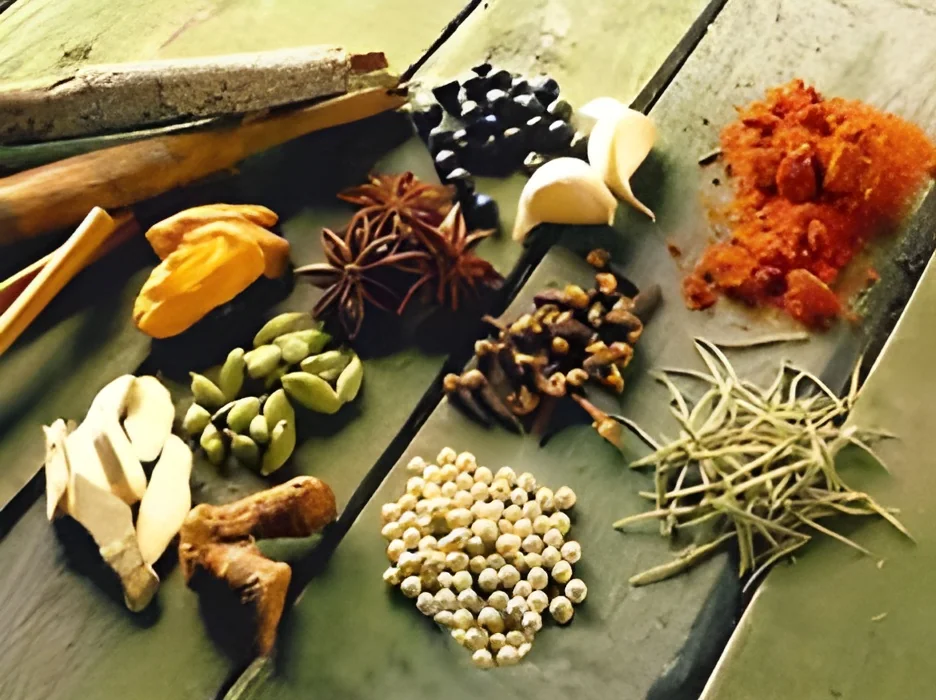
Whole spices such as cumin, clove, and cardamom are essential products in the culinary and food processing industries. Traders specializing in these spices source, process, and distribute them to various businesses, including manufacturers, restaurants, and retailers. Whole spices are valued for their aromatic properties and are often preferred over ground spices for their enhanced flavor profiles and longer shelf life.
These spices are widely used in food preparation, flavoring, and preservation. Cumin is commonly found in spice blends and is used in dishes from various cuisines. Clove is prized for its strong flavor and is often used in baking and savory dishes. Cardamom is known for its unique taste and aroma and is utilized in both sweet and savory recipes. The demand for these spices has grown in recent years due to increasing consumer interest in global cuisines and organic products.
In the current market context, the trade of whole spices is influenced by factors such as changing consumer preferences, the rise of e-commerce, and awareness of health benefits associated with spices. As a result, traders play a crucial role in ensuring a stable supply chain and maintaining quality standards in the industry.
๐๐ฒ๐ ๐๐ฒ๐ฎ๐๐๐ฟ๐ฒ๐ ๐ฎ๐ป๐ฑ ๐ฆ๐ฝ๐ฒ๐ฐ๐ถ๐ณ๐ถ๐ฐ๐ฎ๐๐ถ๐ผ๐ป๐
Whole spices possess distinct characteristics that contribute to their quality and usability. Understanding these specifications is crucial for buyers when sourcing products from traders.
Key specifications include:
1. Aroma and Flavor Profile
- Each spice has a unique aroma and flavor that can significantly impact the final product.
- Cumin has a warm, earthy flavor, clove has a strong, sweet aroma, and cardamom is aromatic with citrus notes.
2. Purity and Quality
- Traders should provide assurance of purity, free from contaminants and adulterants.
- Quality can be assessed through sensory evaluation and laboratory testing.
3. Packaging Standards
- Whole spices should be packaged in moisture-proof and airtight containers to maintain freshness.
- Bulk and retail packaging options are typically available.
4. Shelf Life
- Whole spices generally have a longer shelf life compared to ground spices.
- Proper storage conditions can extend their usability beyond 1-2 years.
5. Geographic Origin
- The origin of spices can affect flavor and quality, with certain regions known for specific varieties.
- Traders should provide information on sourcing practices and geographic authenticity.
6. Compliance with Food Safety Standards
- Whole spices must meet food safety regulations and certifications to ensure they are safe for consumption.
- Certifications such as CE may be applicable.
7. Minimum Order Quantity (MOQ)
- Traders often have set MOQs that vary based on the type of spice and packaging.
- Buyers should inquire about MOQs before placing orders.
In summary, understanding the key features and specifications of whole spices is essential for B2B buyers to make informed purchasing decisions.
๐๐ผ๐บ๐บ๐ผ๐ป ๐๐ฝ๐ฝ๐น๐ถ๐ฐ๐ฎ๐๐ถ๐ผ๐ป๐ ๐ฎ๐ป๐ฑ ๐จ๐๐ฒ ๐๐ฎ๐๐ฒ๐
Whole spices serve a broad range of industries, each utilizing these products for specific applications.
1. Food Manufacturing: Whole spices are widely used in the production of sauces, marinades, and packaged foods to enhance flavor and aroma.
2. Restaurant and Catering: Chefs use whole spices to create signature dishes, providing distinct flavors that elevate the dining experience.
3. Health and Wellness: Natural health products often incorporate whole spices for their antioxidant and medicinal properties, appealing to health-conscious consumers.
4. Retail: Grocery stores and specialty markets sell whole spices to consumers, allowing them to explore diverse culinary traditions.
5. Beverage Industry: Whole spices are used in crafting unique beverages, including teas and spiced drinks, catering to consumer tastes for exotic flavors.
6. Ethnic Cuisine: Restaurants specializing in ethnic cuisines rely on whole spices to maintain authenticity in their dishes, drawing in customers seeking traditional flavors.
7. Food Export: Traders facilitate the export of whole spices to international markets, meeting global demand and supporting local producers.
๐ฃ๐ฟ๐ผ๐ฑ๐๐ฐ๐ ๐ฉ๐ฎ๐ฟ๐ถ๐ฎ๐ป๐๐ ๐ฎ๐ป๐ฑ ๐ฆ๐๐ฏ๐ฐ๐ฎ๐๐ฒ๐ด๐ผ๐ฟ๐ถ๐ฒ๐
The market offers a variety of whole spices, each with unique characteristics and applications.
Cumin Seeds
Cumin seeds are small, elongated seeds known for their warm flavor and aroma. They are commonly used in Indian and Middle Eastern dishes, enhancing the taste of curries, stews, and spice blends.
Clove Buds
Clove buds are aromatic flower buds that provide a strong, sweet flavor. They are often used in baking, pickling, and in spice blends for savory dishes. Cloves are also used for their potential health benefits.
Cardamom Pods
Cardamom pods contain small seeds that have a complex flavor profile. They are used in both savory and sweet dishes, and their unique aroma makes them popular in desserts and aromatic teas.
๐๐ฒ๐ป๐ฒ๐ณ๐ถ๐๐ ๐ฎ๐ป๐ฑ ๐๐ฑ๐๐ฎ๐ป๐๐ฎ๐ด๐ฒ๐
Sourcing whole spices from reliable traders offers numerous advantages for businesses.
1. Quality Assurance: Traders ensure that the spices are sourced from reputable suppliers, maintaining high quality and safety standards.
2. Cost-Effectiveness: By purchasing whole spices in bulk, businesses can reduce costs while ensuring a steady supply for production.
3. Flavor Retention: Whole spices retain their flavor and aroma longer than ground spices, providing better value and quality in culinary applications.
4. Versatility: Whole spices can be used in various applications, from cooking to health products, making them a valuable addition to any inventory.
5. Sustainability: Many traders focus on sustainable sourcing practices, supporting local farmers and promoting environmentally friendly production methods.
6. Customization Options: Traders may offer tailored solutions to meet specific business needs, including unique blends and packaging.
๐๐๐๐ถ๐ป๐ด ๐๐๐ถ๐ฑ๐ฒ ๐ณ๐ผ๐ฟ ๐๐ฎ๐ ๐๐๐๐ฒ๐ฟ๐
When sourcing whole spices from traders, several factors should be considered to ensure optimal quality and service.
1. Quality Assessment: It is essential to evaluate the quality of whole spices through sensory evaluations and supplier certifications. Buyers should request samples to assess aroma and flavor.
2. Supplier Verification: Vetting suppliers is crucial to ensure they follow industry standards and ethical practices. Researching their background and customer reviews can provide insights into their reliability.
3. Pricing and MOQ: Understanding pricing structures and minimum order quantities is important for budgeting. Traders may offer different pricing tiers based on order volume.
4. Delivery and Lead Times: Inquire about delivery schedules and lead times to ensure timely replenishment of inventory. Efficient logistics are vital for maintaining supply chains.
5. Compliance Requirements: Ensure that suppliers meet relevant regulatory requirements for food safety and quality. This includes certifications that verify adherence to industry standards.
๐๐ผ๐บ๐ฝ๐น๐ถ๐ฎ๐ป๐ฐ๐ฒ ๐ฎ๐ป๐ฑ ๐๐ฒ๐ฟ๐๐ถ๐ณ๐ถ๐ฐ๐ฎ๐๐ถ๐ผ๐ป๐
Compliance with industry standards is critical for whole spices to ensure their safety and quality.
Relevant quality standards, such as ISO 9001, focus on quality management systems and operational efficiency. Traders should be compliant with such standards to guarantee consistent product quality.
HACCP (Hazard Analysis and Critical Control Points) is another essential framework for ensuring food safety. Compliance with HACCP principles helps identify and mitigate food safety risks throughout the supply chain.
Certifications like CE indicate that products meet European health, safety, and environmental protection standards. Traders should provide documentation of such certifications to buyers.
Safety and testing requirements for whole spices often include microbiological testing, pesticide residue analysis, and sensory evaluation. These tests ensure that the spices are safe for consumption and meet regulatory guidelines.
Regional compliance considerations may vary depending on the market. Traders should have a thorough understanding of local regulations to ensure their products comply with the specific requirements of each market.
Why Source Whole Spices (Cumin, Clove, Cardamom) Traders from Pepagora?
Pepagora provides a trusted platform for sourcing whole spices traders with several key advantages.
Verified Supplier Network: Pepagora connects buyers with a network of verified suppliers who have undergone rigorous vetting processes. This ensures that businesses source from reputable traders committed to quality.
Streamlined RFQ Process: The platform offers a streamlined Request for Quotation (RFQ) process, allowing buyers to easily request pricing and information from multiple suppliers. This efficiency saves time and simplifies the sourcing process.
Trade Assurance and Support: Pepagora emphasizes buyer protection through trade assurance programs, ensuring that transactions are secure and that buyers receive the products as described.
Regional Coverage: With a focus on regions like India, the GCC, and Southeast Asia, Pepagora enables buyers to access a wide range of whole spices, catering to diverse market needs and preferences.
By choosing Pepagora, businesses can confidently source whole spices while benefiting from a reliable network and robust support system.