𝗪𝗵𝗮𝘁 𝗮𝗿𝗲 𝗙𝗮𝗿𝗺 𝗣𝗿𝗼𝗱𝘂𝗰𝗲 𝗧𝗿𝗮𝗱𝗲𝗿𝘀 & 𝗘𝘅𝗽𝗼𝗿𝘁𝗲𝗿𝘀?
Farm produce traders and exporters are businesses that specialize in the procurement, processing, and distribution of agricultural products. These entities play a crucial role in connecting farmers with markets, both domestically and internationally. By bridging the gap between producers and consumers, they facilitate the movement of fresh produce, grains, and other food items from farms to various markets, ensuring that high-quality products reach the end-users efficiently.
The primary uses of farm produce traders and exporters include sourcing fresh agricultural goods, managing supply chains, and exporting products to international markets. They often handle logistics, quality control, and compliance with export regulations. This makes them vital players in the agricultural sector, particularly for businesses looking to expand their reach and tap into global markets. With rising demand for fresh produce worldwide, these traders and exporters are increasingly relevant in today's interconnected economy, supporting both local farmers and international consumers.
𝗞𝗲𝘆 𝗙𝗲𝗮𝘁𝘂𝗿𝗲𝘀 𝗮𝗻𝗱 𝗦𝗽𝗲𝗰𝗶𝗳𝗶𝗰𝗮𝘁𝗶𝗼𝗻𝘀
Farm produce traders and exporters are characterized by several key features that enhance their operational efficiency and market reach. Understanding these specifications helps businesses make informed sourcing decisions.
Key specifications include:
1. Quality Assurance
- Ensures that products meet industry standards for freshness and safety.
- Adherence to quality control processes throughout the supply chain.
2. Compliance with Regulations
- Must comply with local and international agricultural regulations.
- Involves adherence to food safety standards such as HACCP and ISO 9001.
3. Geographic Reach
- Ability to operate in multiple regions, including local and international markets.
- Provides access to diverse agricultural products from various sources.
4. Supply Chain Management
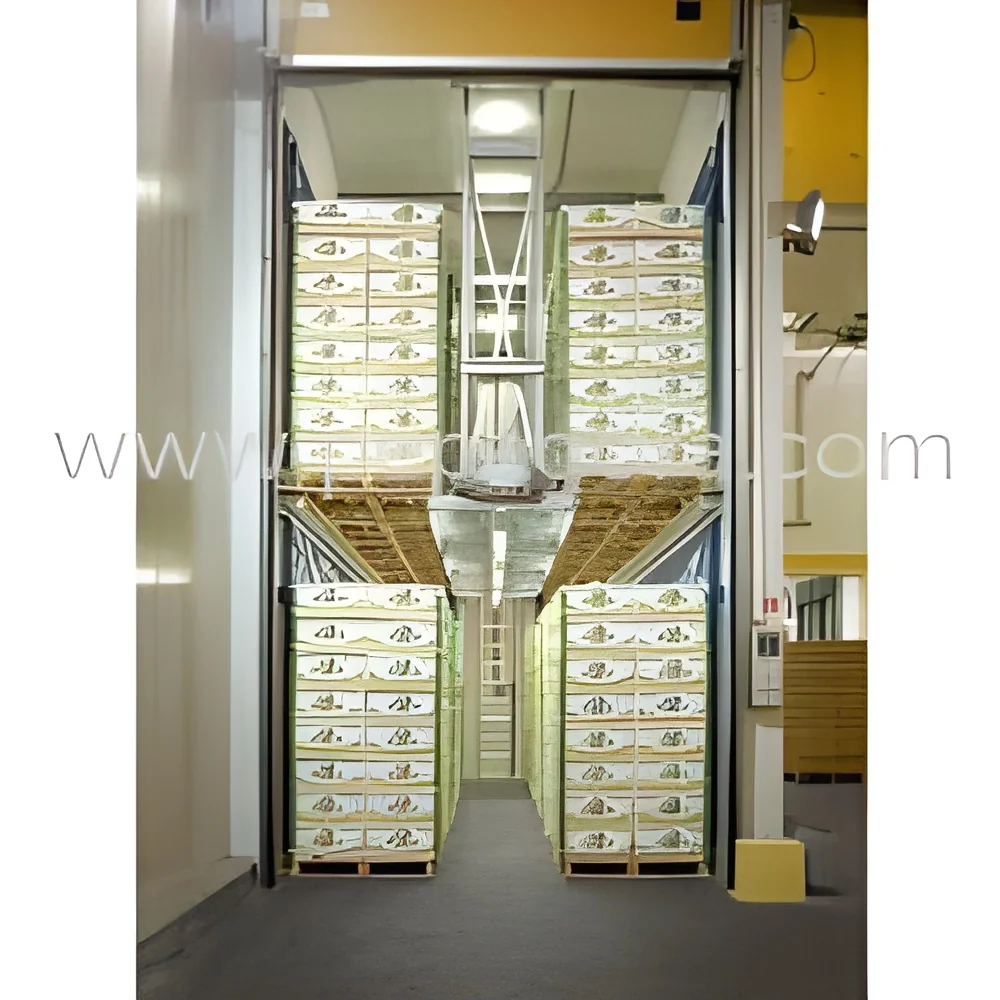
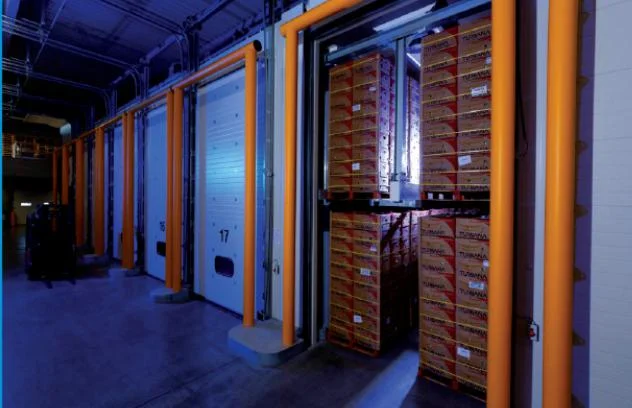
- Efficient management of logistics, warehousing, and distribution.
- Streamlined processes for order fulfillment and delivery.
5. Market Knowledge
- In-depth understanding of market trends and consumer preferences.
- Ability to adapt to changing market demands and supply conditions.
6. Customer Support
- Dedicated support teams to assist clients with inquiries and order processes.
- After-sales support for product quality and satisfaction.
In summary, the features and specifications of farm produce traders and exporters are designed to ensure quality, compliance, and efficiency in the agricultural supply chain.
𝗖𝗼𝗺𝗺𝗼𝗻 𝗔𝗽𝗽𝗹𝗶𝗰𝗮𝘁𝗶𝗼𝗻𝘀 𝗮𝗻𝗱 𝗨𝘀𝗲 𝗖𝗮𝘀𝗲𝘀
Farm produce traders and exporters serve a wide array of industries, catering to various market needs.
1. Retail Food Industry: They supply fresh produce to supermarkets and grocery stores, ensuring that products are available for consumers.
2. Food Processing Industry: Traders provide raw materials for food manufacturers, who rely on fresh ingredients for their production processes.
3. Restaurants and Catering Services: They source high-quality produce for restaurants, ensuring that chefs have the best ingredients for their dishes.
4. Export Markets: Traders facilitate the export of agricultural products to international markets, meeting global demand for fresh and processed foods.
5. Wholesale Markets: They supply bulk produce to wholesalers who distribute to smaller retailers and food service businesses.
6. Institutional Buyers: Hospitals, schools, and other institutions rely on farm produce traders for consistent supply of fresh food products.
7. Organic Produce Market: They cater to the growing demand for organic products, connecting organic farmers with health-conscious consumers.
𝗣𝗿𝗼𝗱𝘂𝗰𝘁 𝗩𝗮𝗿𝗶𝗮𝗻𝘁𝘀 𝗮𝗻𝗱 𝗦𝘂𝗯𝗰𝗮𝘁𝗲𝗴𝗼𝗿𝗶𝗲𝘀
Farm produce traders and exporters offer a variety of products to meet diverse market needs. While specific subcategories may not be available, the range of products can include:
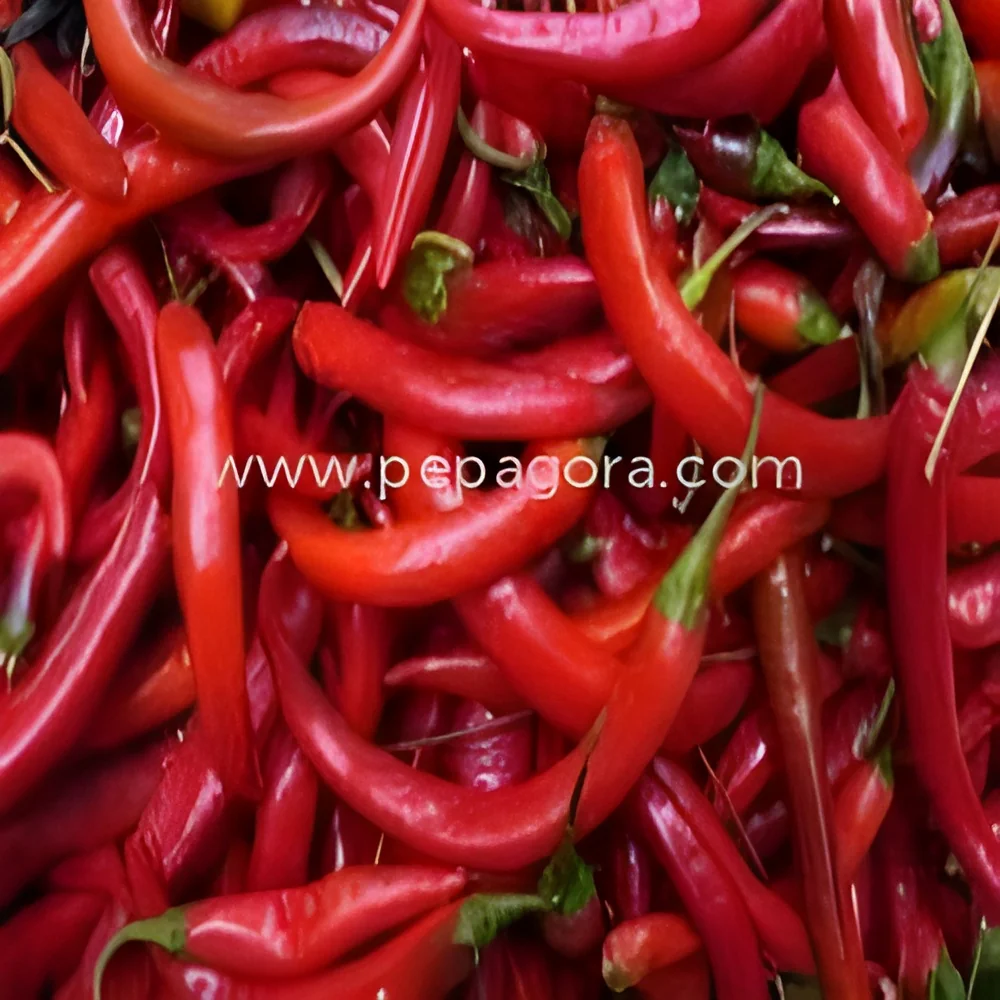
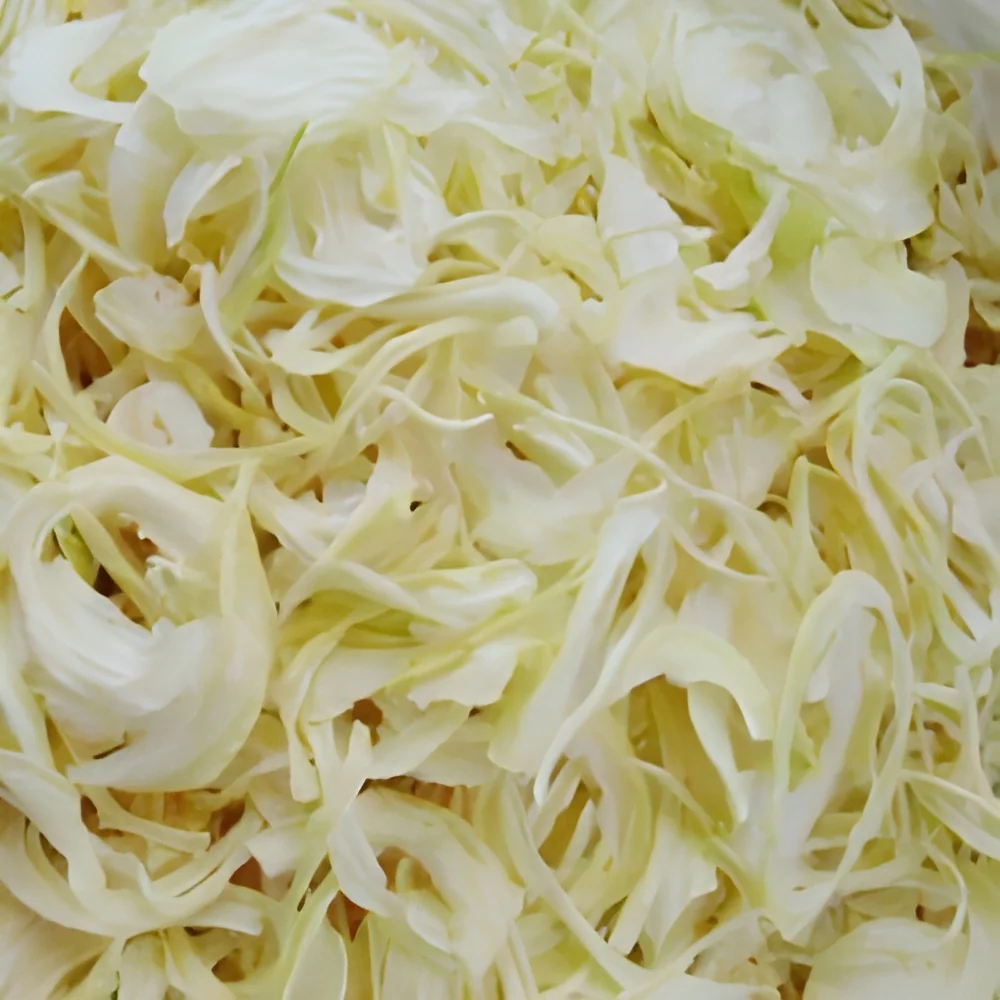
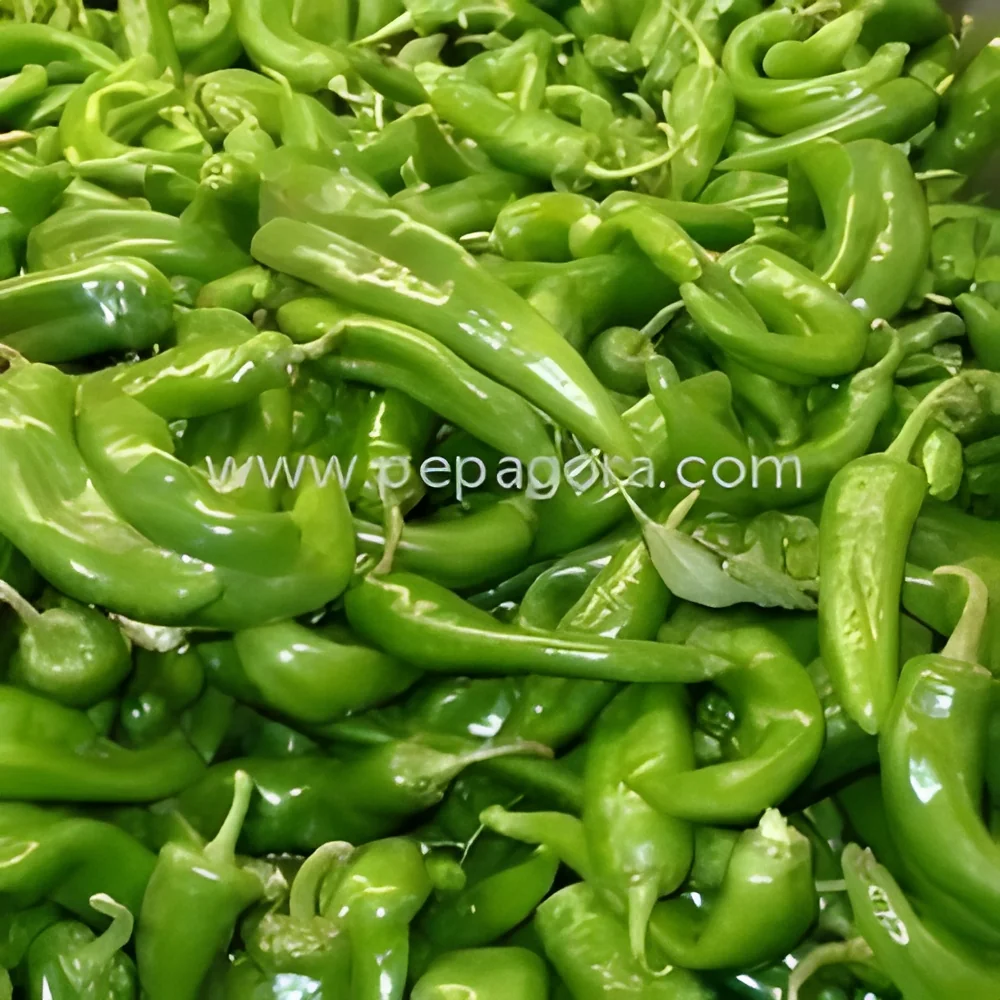
Fresh Fruits and Vegetables
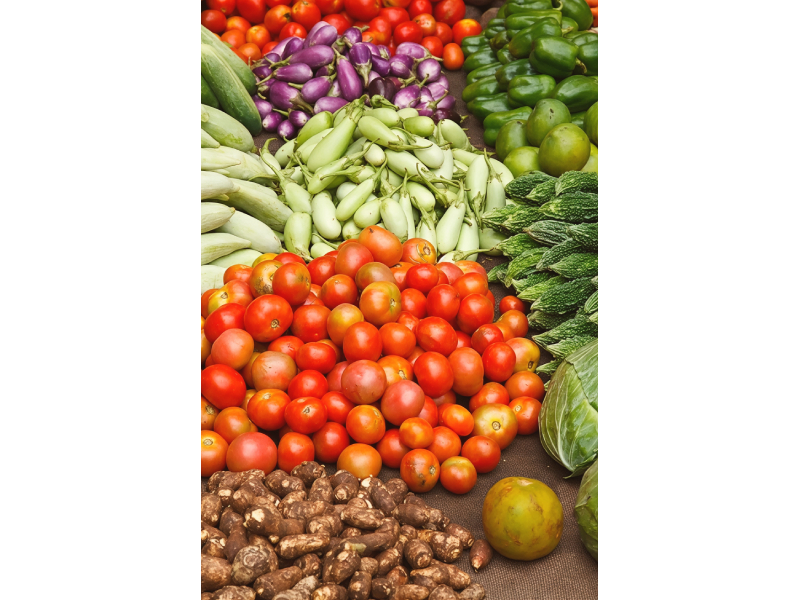
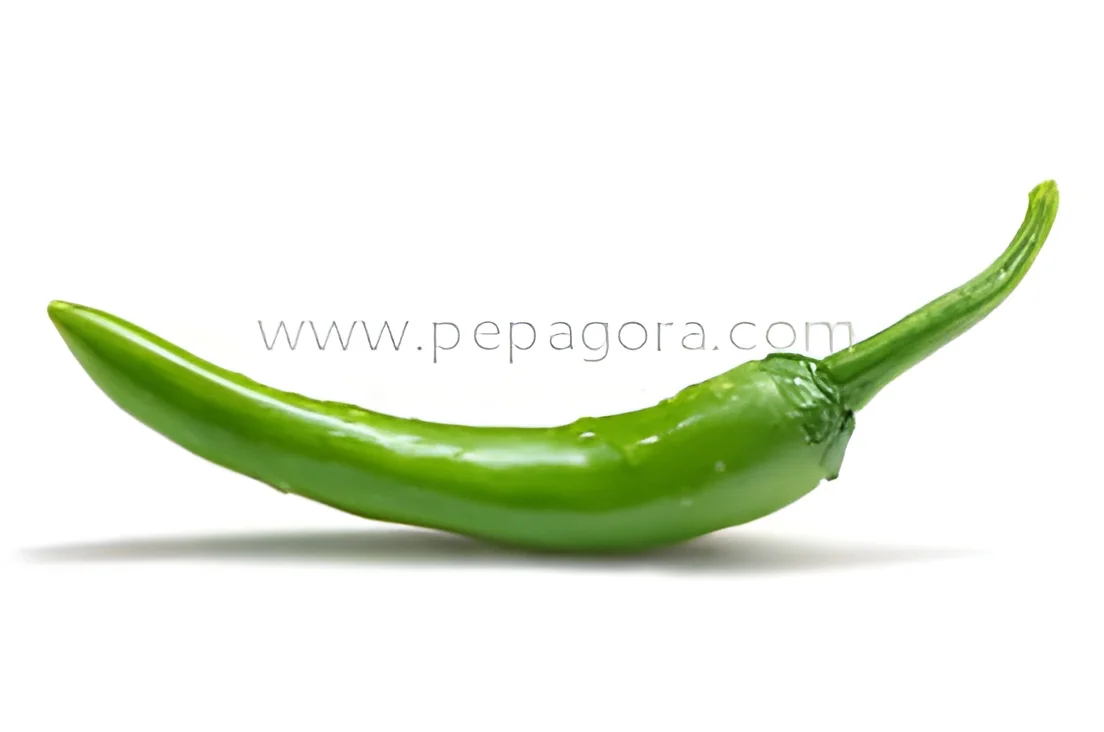
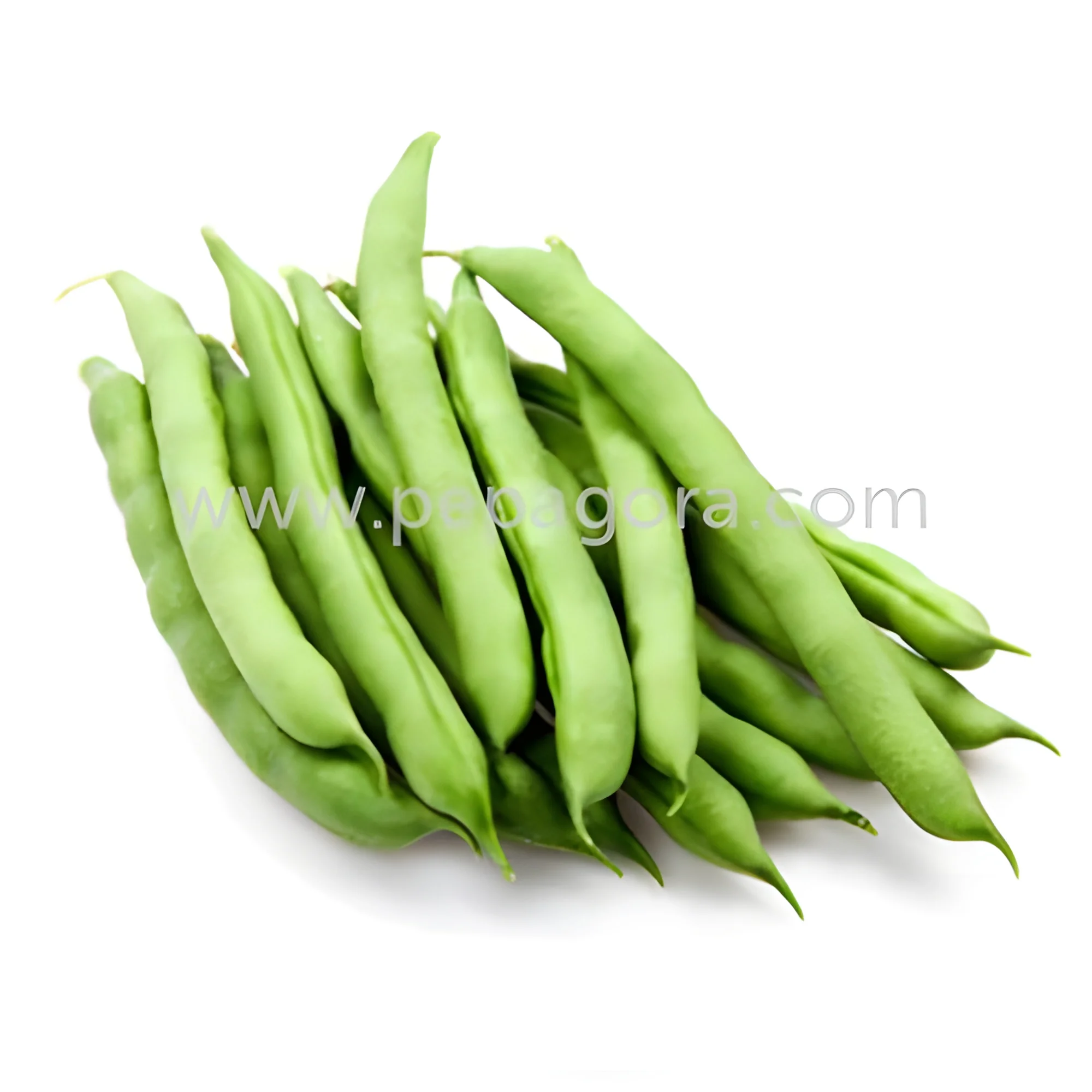
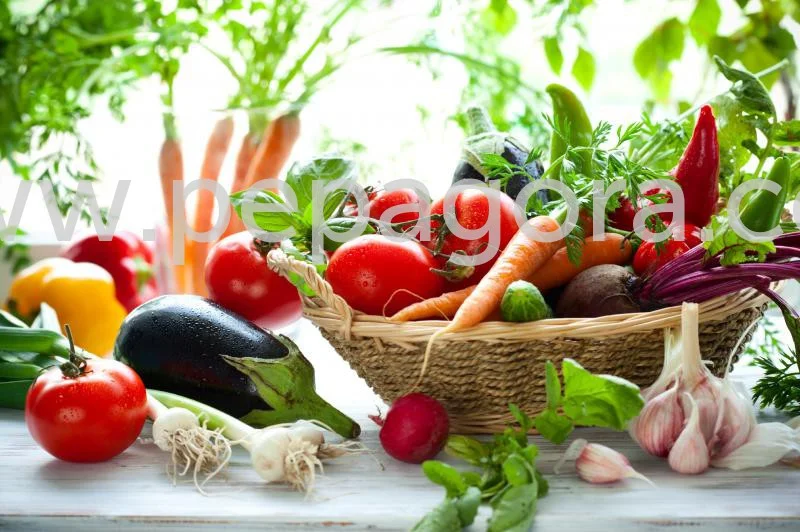
These are seasonal and year-round products, sourced directly from farms. They are essential for both local markets and export.
Grains and Pulses
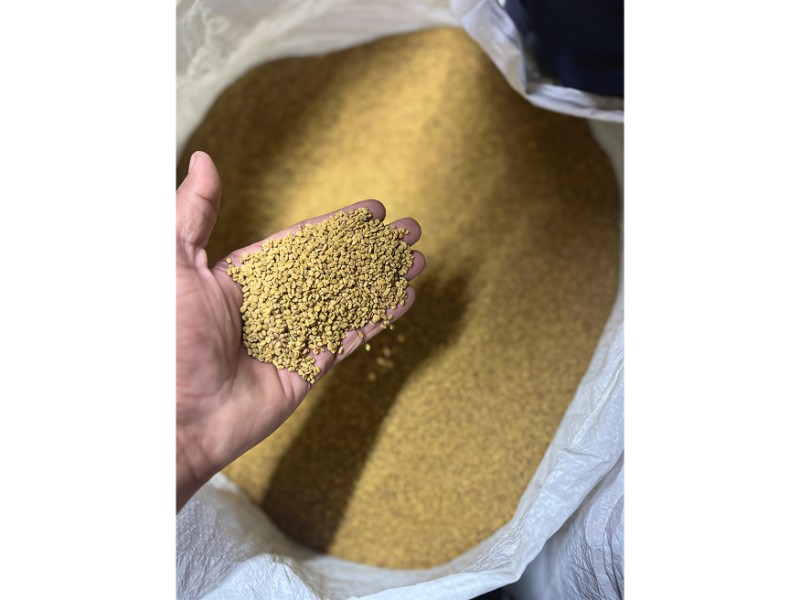
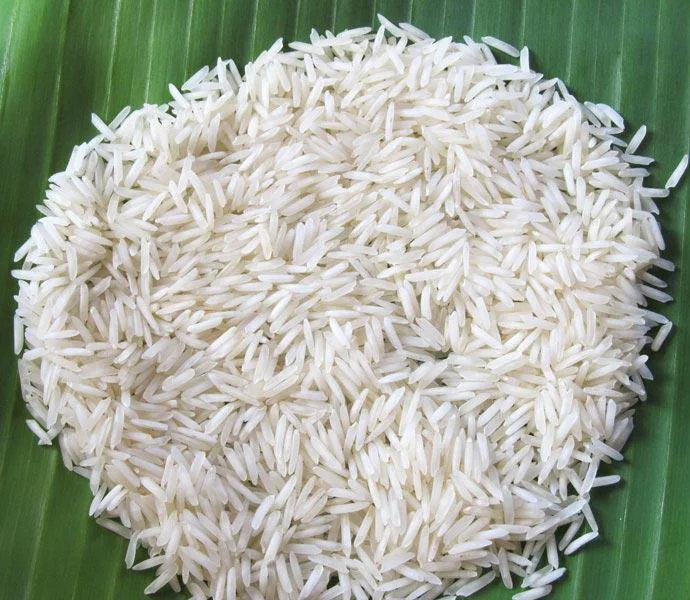
This category includes staple foods such as rice, wheat, and lentils. These products are crucial for food security and are often traded in bulk.
Processed Agricultural Products
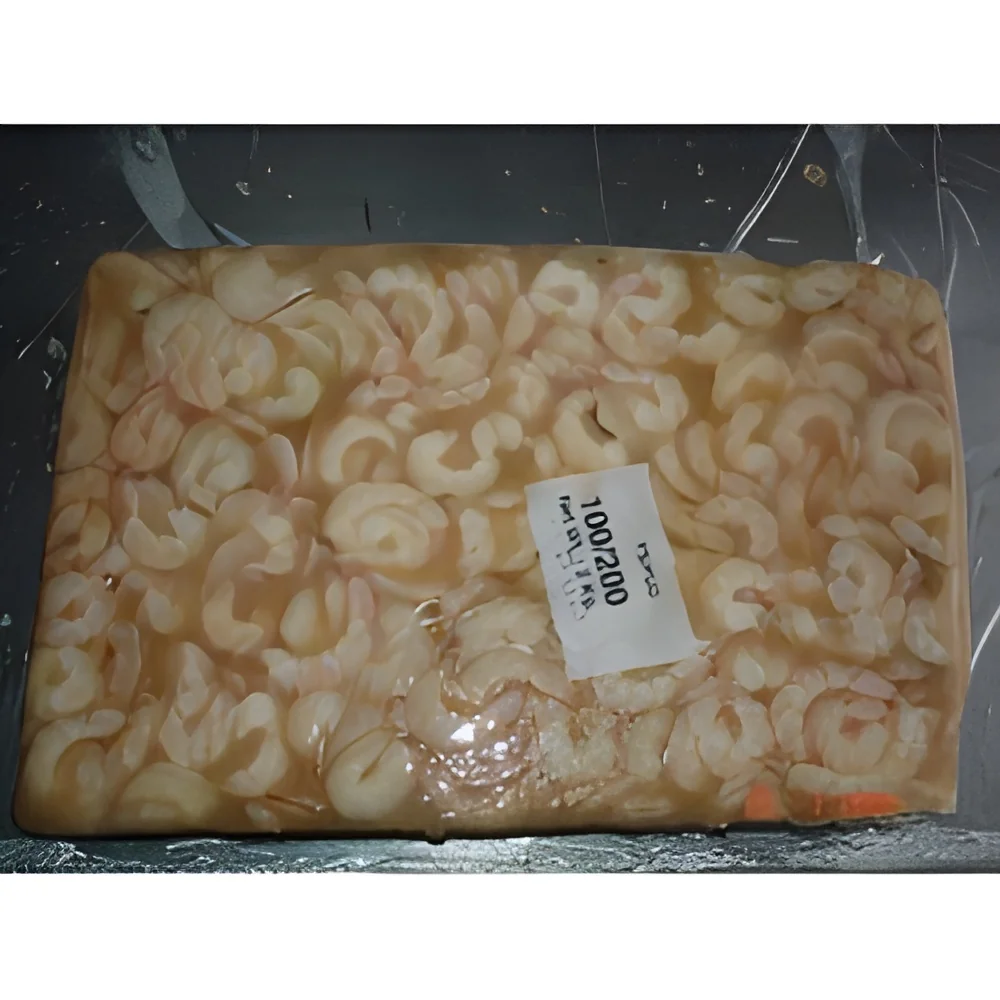
This includes items such as canned goods, frozen fruits and vegetables, and other processed foods. They cater to specific market demands and allow for extended shelf life.
𝗕𝗲𝗻𝗲𝗳𝗶𝘁𝘀 𝗮𝗻𝗱 𝗔𝗱𝘃𝗮𝗻𝘁𝗮𝗴𝗲𝘀
Sourcing farm produce traders and exporters offers numerous advantages to businesses.
1. Access to Quality Products: Traders ensure that only high-quality produce is sourced and delivered, meeting industry standards.
2. Efficient Supply Chains: They streamline logistics, reducing delivery times and ensuring timely access to products.
3. Expert Market Insights: Traders provide valuable information on market trends, helping businesses make informed sourcing decisions.
4. Compliance Assurance: They navigate regulatory requirements on behalf of businesses, minimizing risk and ensuring compliance.
5. Cost-Effective Solutions: By leveraging bulk buying and logistics efficiencies, traders often provide competitive pricing for their products.
6. Diverse Product Range: Traders offer a wide selection of agricultural products, catering to various customer needs and preferences.
𝗕𝘂𝘆𝗶𝗻𝗴 𝗚𝘂𝗶𝗱𝗲 𝗳𝗼𝗿 𝗕𝟮𝗕 𝗕𝘂𝘆𝗲𝗿𝘀
When sourcing farm produce traders and exporters, businesses should consider several important factors to ensure they find the right partner.
1. Quality Assessment: Evaluate the quality of products through certifications and sampling. Look for compliance with recognized standards.
2. Supplier Verification: Conduct thorough background checks on potential suppliers. This includes reviewing their track record, financial stability, and reputation in the industry.
3. Pricing and MOQ: Understand the pricing structure and minimum order quantities. Compare offers from different suppliers to find competitive deals.
4. Delivery and Lead Times: Discuss logistics and delivery schedules upfront. Ensure that the supplier can meet your timelines without compromising quality.
5. Compliance Requirements: Familiarize yourself with necessary regulatory requirements for your region and ensure that the supplier adheres to these standards.
𝗖𝗼𝗺𝗽𝗹𝗶𝗮𝗻𝗰𝗲 𝗮𝗻𝗱 𝗖𝗲𝗿𝘁𝗶𝗳𝗶𝗰𝗮𝘁𝗶𝗼𝗻𝘀
Compliance and certifications are critical for farm produce traders and exporters to maintain quality and safety standards. Relevant quality standards include ISO 9001, which ensures effective quality management systems. Additionally, HACCP (Hazard Analysis Critical Control Points) is essential for food safety, focusing on identifying and controlling potential hazards in the food supply chain.
Industry certifications, such as CE marking, indicate compliance with European health, safety, and environmental protection standards. These certifications assure buyers of the reliability and safety of the products they are purchasing.
Safety and testing requirements are also paramount, as they help to ensure that agricultural products are free from contaminants and safe for consumption. Furthermore, regional compliance considerations may vary, so it is essential for traders and exporters to be aware of local regulations and standards in the markets they serve.
𝗪𝗵𝘆 𝗦𝗼𝘂𝗿𝗰𝗲 𝗙𝗮𝗿𝗺 𝗣𝗿𝗼𝗱𝘂𝗰𝗲 𝗧𝗿𝗮𝗱𝗲𝗿𝘀 & 𝗘𝘅𝗽𝗼𝗿𝘁𝗲𝗿𝘀 𝗳𝗿𝗼𝗺 𝗣𝗲𝗽𝗮𝗴𝗼𝗿𝗮?
Pepagora provides a trusted platform for sourcing farm produce traders and exporters with several key advantages.
The verified supplier network at Pepagora ensures that buyers have access to reputable traders and exporters. Each supplier undergoes a thorough verification process, providing peace of mind and confidence in the sourcing decisions.
The streamlined RFQ (Request for Quotation) process simplifies procurement for buyers. This system allows businesses to efficiently request and receive quotes from multiple suppliers, making it easier to compare options and choose the best fit.
Trade assurance and support are integral to the Pepagora experience. Buyers benefit from buyer protection policies that safeguard their interests throughout the transaction process, ensuring a smooth and secure purchasing experience.
Lastly, Pepagora offers regional coverage that spans India, the GCC, and Southeast Asia. This broad geographic reach enables buyers to access a diverse range of agricultural products and suppliers, facilitating international trade and expanding market opportunities.

 IN
IN