What are Coriander, Fenugreek, Mustard Seed Suppliers?
Coriander, fenugreek, and mustard seeds are essential spices commonly utilized in cooking and food production. Suppliers of these products play a critical role in the agricultural and food sectors by providing high-quality seeds that meet the diverse needs of food manufacturers, restaurants, and retail businesses. These suppliers ensure that the seeds are harvested, processed, and packaged according to industry standards, making them readily available for various applications.
The primary uses of these seeds span across culinary, medicinal, and industrial applications. Coriander seeds are popular in spice mixes and seasonings, while fenugreek is often used for its flavor and health benefits. Mustard seeds are essential in the production of mustard condiments and are also used in pickling and cooking. The relevance of these suppliers in the industry is significant, particularly in regions where these spices are integral to local cuisines and commercial food production.
In the market context, the demand for coriander, fenugreek, and mustard seeds continues to rise due to increasing consumer interest in ethnic foods and health-conscious eating. As a result, suppliers are adapting their offerings to meet evolving market trends, enhancing their importance in the supply chain.
Key Features and Specifications
Coriander, fenugreek, and mustard seed suppliers offer a range of features and specifications that help buyers choose the right products for their needs. These specifications can vary based on the source, processing methods, and intended applications.
Key specifications include:
1. Quality Grade
- Refers to the overall quality of the seeds.
- Categories can include premium, standard, and bulk quality.
2. Origin
- Indicates the geographical source of the seeds.
- Common origins include India, Europe, and North Africa.
3. Packaging Options
- Various packaging sizes are available to meet client needs.
- Options include bulk bags, retail packs, and vacuum-sealed containers.
4. Shelf Life
- Refers to how long the seeds remain viable and flavorful.
- Generally ranges from 12 to 24 months when stored properly.
5. Moisture Content
- Essential for ensuring seed quality and longevity.
- Typically maintained between 8-12% for optimal preservation.
6. Certification
- Indicates adherence to quality and safety standards.
- Common certifications include CE and ISO standards.
7. Processing Method
- Describes how the seeds are cleaned, dried, and packaged.
- Can include organic and conventional methods.
8. Minimum Order Quantity (MOQ)
- Specifies the minimum amount that can be ordered.
- Often varies by supplier and can range from small to bulk quantities.
In summary, understanding these specifications is crucial for businesses looking to source coriander, fenugreek, and mustard seeds, ensuring they select the right products that align with their quality standards and applications.
Common Applications and Use Cases
Coriander, fenugreek, and mustard seeds have diverse applications across various industries.
1. Food and Beverage: These seeds are widely used in food production for flavoring sauces, marinades, and baked goods. They are essential ingredients in spice blends and culinary dishes worldwide.
2. Pharmaceuticals: Fenugreek, in particular, is known for its health benefits and is used in herbal supplements aimed at treating various conditions, including digestive issues and inflammation.
3. Cosmetics: Mustard seed oil is used in cosmetic formulations for its moisturizing properties, while coriander is often incorporated for its fragrance and skin benefits.
4. Agriculture: These seeds are also used in organic farming practices as natural pest deterrents and crop rotation strategies.
5. Pickling: Mustard seeds are a key component in the pickling process, adding flavor and preserving fruits and vegetables.
6. Ethnic Cuisine: Many cultures rely on these spices for traditional dishes, making them crucial for restaurants and culinary businesses that specialize in ethnic foods.
7. Nutraceuticals: Coriander and fenugreek seeds are used in health foods and supplements, reflecting a growing trend toward wellness and natural ingredients.
Product Variants and Subcategories
The diversity of coriander, fenugreek, and mustard seeds allows for various product variants tailored to specific needs.
Coriander Seeds
Coriander seeds are available in whole and ground forms. Whole seeds are often preferred for their longer shelf life and flavor retention, while ground coriander is convenient for immediate use in recipes.
Fenugreek Seeds
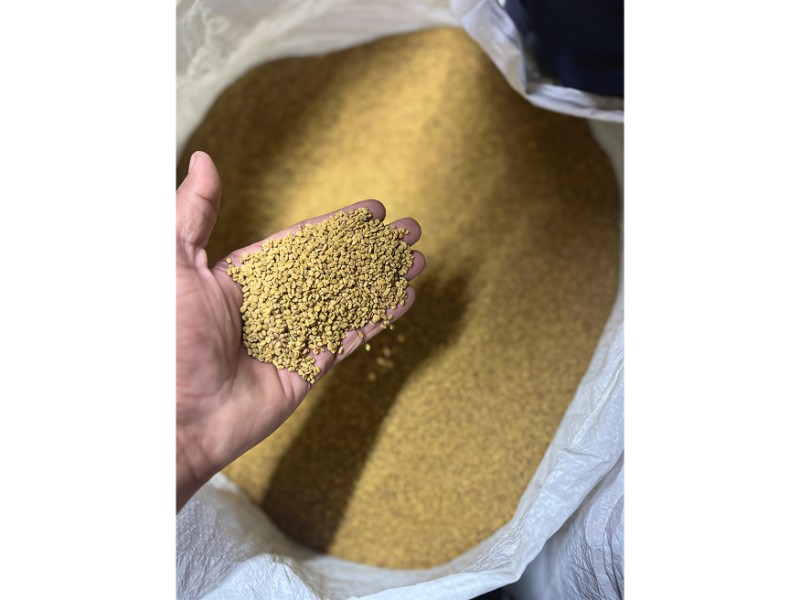
Fenugreek seeds can be sourced in both raw and roasted forms. Raw seeds maintain their natural flavor and are often used in cooking, while roasted seeds have a nuttier flavor and are used in spice blends.
Mustard Seeds
Mustard seeds come in different varieties, including yellow, brown, and black. Each type offers a unique flavor profile, with yellow mustard seeds being milder, while brown and black seeds provide a more robust taste.
Benefits and Advantages
Sourcing from reliable coriander, fenugreek, and mustard seed suppliers offers several benefits.
1. Quality Assurance: Buyers can expect high-quality seeds that meet industry standards, ensuring optimal flavor and efficacy.
2. Consistency: Reliable suppliers provide consistent product quality, which is crucial for businesses that rely on uniformity in their offerings.
3. Supply Chain Reliability: Established suppliers ensure timely delivery and availability of products, reducing the risk of supply chain disruptions.
4. Cost Efficiency: By sourcing directly from suppliers, businesses can often achieve better pricing and reduce middleman costs.
5. Product Expertise: Many suppliers offer extensive knowledge about their products, helping buyers make informed decisions based on specific application needs.
6. Customization: Some suppliers may offer customization options for packaging or blends, allowing businesses to tailor products to their requirements.
Buying Guide for B2B Buyers
When sourcing coriander, fenugreek, and mustard seed suppliers, buyers should consider several key factors.
1. Quality Assessment: Evaluate the quality of seeds based on established standards and supplier certifications. Request samples if possible to assess flavor and freshness.
2. Supplier Verification: Conduct thorough research to verify supplier credentials. Check for industry certifications, customer reviews, and track records of reliability.
3. Pricing and MOQ: Understand the pricing structure and minimum order quantities. Compare quotes from multiple suppliers to ensure competitive pricing.
4. Delivery and Lead Times: Assess the supplier’s logistics capabilities and delivery timelines. Reliable suppliers should provide clear estimates for lead times.
5. Compliance Requirements: Ensure suppliers meet local and international regulatory standards to avoid compliance issues. Familiarize yourself with necessary certifications and quality standards relevant to your market.
Compliance and Certifications
Adhering to compliance standards and certifications is vital for suppliers of coriander, fenugreek, and mustard seeds.
Relevant quality standards such as ISO 9001 ensure that suppliers maintain high levels of quality management and operational effectiveness. This standard is crucial for ensuring that products meet customer and regulatory requirements consistently.
HACCP (Hazard Analysis Critical Control Point) is another essential certification that focuses on food safety. Suppliers should implement HACCP principles to manage food safety risks effectively throughout the production and supply chain.
Industry certifications such as CE signify that products meet European safety and health requirements. This is particularly important for businesses operating in regions that prioritize strict compliance.
Safety and testing requirements are also critical in ensuring that the seeds are free from contaminants and safe for consumption. Regular testing for pesticides, pathogens, and other harmful substances is necessary to maintain product integrity.
Regional compliance considerations may vary by country. Suppliers must be aware of local regulations regarding food safety, labeling, and quality standards to ensure their products are compliant in target markets.
Why Source Coriander, Fenugreek, Mustard Seed Suppliers from Pepagora?
Pepagora provides a trusted platform for sourcing coriander, fenugreek, and mustard seed suppliers, offering several key advantages.
Verified Supplier Network: Pepagora features a comprehensive network of verified suppliers, ensuring that buyers can trust the quality and reliability of the products. Each supplier undergoes a rigorous vetting process, enhancing buyer confidence.
Streamlined RFQ Process: The platform simplifies the request for quotation process, allowing buyers to efficiently compare offerings from multiple suppliers. This streamlined approach saves time and facilitates better decision-making.
Trade Assurance and Support: Pepagora offers trade assurance and support to buyers, protecting their interests throughout the sourcing process. This includes assistance with order management and dispute resolution, ensuring a smooth transaction experience.
Regional Coverage: With a strong presence in India, the GCC, and Southeast Asia, Pepagora serves a diverse market. This geographic reach enables buyers to access a wide array of suppliers and products tailored to regional preferences and needs.

 IN
IN