
 IN
Organic Vegetable Exporters
5 products available
What are Organic Vegetable Exporters?
Organic vegetable exporters are businesses that specialize in the sourcing, processing, and distribution of organic vegetables to international markets. These exporters play a crucial role in connecting organic farmers with buyers around the globe, ensuring that fresh, sustainably grown produce reaches consumers who prioritize health and environmental responsibility. Organic vegetables are produced without the use of synthetic pesticides, fertilizers, or genetically modified organisms, thus meeting the growing demand for clean, nutritious food.
The primary applications of organic vegetable exporters include supplying grocery chains, food service companies, and wholesalers. They provide a variety of organic vegetables that cater to diverse culinary needs while adhering to strict organic farming standards. The relevance of organic vegetable exporters in the market cannot be overstated, as they contribute significantly to the global organic food industry, which has seen substantial growth due to increasing consumer awareness about health and wellness.
Key Features and Specifications
When evaluating organic vegetable exporters, it is essential to consider specific features and specifications that ensure quality and reliability. These specifications can reflect the operational capabilities and commitment to organic standards.
Key specifications include:
1. Quality Assurance
- Exporters must comply with organic certification standards.
- Regular inspections and audits ensure adherence to best practices.
2. Supply Chain Transparency
- Detailed tracking of product sourcing and handling.
- Transparency in the journey from farm to table.
3. Packaging Standards
- Use of eco-friendly materials for packaging.
- Compliance with food safety regulations.
4. Freshness Guarantee
- Commitment to delivering produce at optimal freshness.
- Monitoring of temperature and humidity during transit.
5. Variety of Products
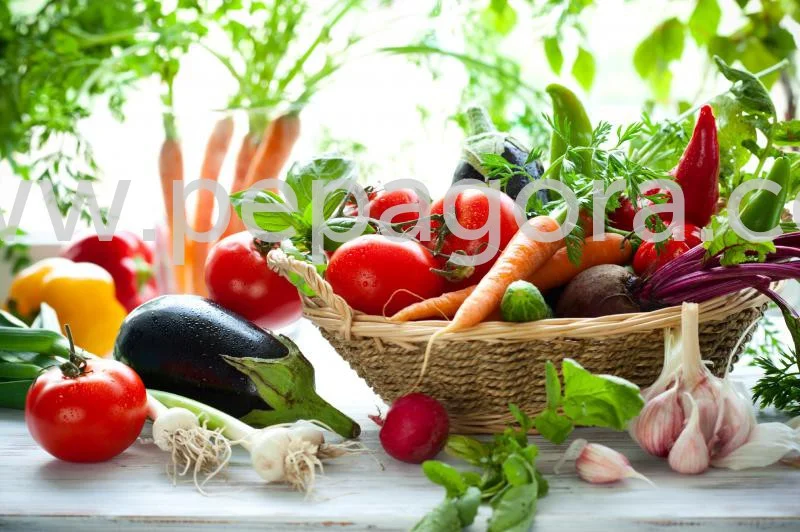
- A wide range of organic vegetables such as leafy greens, root vegetables, and seasonal produce.
- Customization options for bulk orders.
6. Export Capabilities
- Experience in handling international shipping and customs regulations.
- Ability to meet the demands of different markets.
7. Customer Support Services
- Dedicated support teams for addressing buyer inquiries.
- Assistance with order tracking and supply chain issues.
In summary, selecting an organic vegetable exporter involves assessing key specifications that align with business needs and quality expectations.
Common Applications and Use Cases
Organic vegetable exporters serve a variety of industries, each with unique applications for organic produce.
1. Retail Grocery Stores: Organic vegetables are prominently featured in health food sections, attracting consumers looking for nutritious options.
2. Restaurants and Catering Services: Chefs increasingly prioritize organic ingredients to enhance the quality and appeal of their dishes.
3. Food Processing Companies: Organic vegetables are used in the production of sauces, soups, and ready-to-eat meals, catering to health-conscious consumers.
4. Health and Wellness Stores: These retailers stock organic vegetables to meet the rising demand from health-oriented customers.
5. Export Markets: International buyers seek organic vegetables to meet local dietary preferences and regulatory requirements.
Product Variants and Subcategories
Organic vegetable exporters often provide a diverse range of products to meet various market demands.
Fresh Organic Leafy Greens
These include spinach, kale, and lettuce. They are harvested and delivered promptly to ensure maximum freshness, catering to both retail and food service needs.
Organic Root Vegetables
This variant encompasses carrots, beets, and potatoes, which are popular for their versatility in cooking and high nutritional value.
Seasonal Organic Produce
Exporters often offer seasonal vegetables like squash and peppers to provide variety and cater to different culinary preferences throughout the year.
Benefits and Advantages
Sourcing organic vegetables from reputable exporters offers several key benefits.
1. Health Benefits: Organic vegetables are free from harmful pesticides and chemicals, providing a safer option for consumers.
2. Environmental Impact: Supporting organic farming practices promotes sustainability and biodiversity.
3. Enhanced Flavor: Many consumers report that organic vegetables have superior taste compared to conventionally grown options.
4. Market Demand: There is a growing consumer preference for organic products, offering exporters a competitive advantage.
5. Quality Assurance: Established exporters adhere to strict quality standards, ensuring that products meet buyer expectations.
Buying Guide for B2B Buyers
When sourcing organic vegetable exporters, it is essential to consider several important factors that influence purchasing decisions.
1. Quality Assessment: Evaluate the quality of organic vegetables by reviewing certifications and product samples to ensure they meet industry standards.
2. Supplier Verification: Conduct thorough background checks on potential suppliers to confirm their reputation and reliability in the market.
3. Pricing and MOQ: Understand the pricing structure and minimum order quantities to assess budget compatibility and feasibility.
4. Delivery and Lead Times: Inquire about logistics, including delivery schedules and lead times, to ensure timely receipt of products.
5. Compliance Requirements: Familiarize yourself with relevant regulations and certifications required for organic produce in your target market.
Compliance and Certifications
Compliance with industry standards is crucial for organic vegetable exporters. Relevant quality standards such as ISO 9001 and HACCP ensure that exporters maintain consistent quality management systems and food safety practices. Certifications like CE signify adherence to European safety standards, which is vital for international trade.
Additionally, adherence to safety and testing requirements is essential for maintaining consumer trust. Exporters must also be aware of regional compliance considerations, which can vary significantly from one market to another. This knowledge is critical for successfully navigating the complex landscape of organic produce exportation.
Why Source Organic Vegetable Exporters from Pepagora?
Pepagora provides a trusted platform for sourcing organic vegetable exporters, offering several key advantages that enhance the buyer experience.
Verified Supplier Network: Pepagora connects buyers with a network of verified suppliers, ensuring that all partners meet strict quality and reliability standards. This reduces the risk of sourcing from untrustworthy vendors.
Streamlined RFQ Process: The platform simplifies the request for quotation process, allowing buyers to quickly receive competitive quotes from multiple exporters. This efficiency saves time and helps make informed purchasing decisions.
Trade Assurance and Support: Pepagora offers buyer protection through trade assurance features. This support helps mitigate risks associated with international transactions.
Regional Coverage: With a strong presence in regions like India, the GCC, and Southeast Asia, Pepagora enables buyers to access a diverse range of organic vegetables while benefiting from local market insights. This geographic reach enhances sourcing opportunities and strengthens supply chain resilience.


Frequently Asked Questions
What are Organic Vegetable Exporters?
Organic Vegetable Exporters are businesses that specialize in the export of vegetables grown without the use of synthetic fertilizers, pesticides, or genetically modified organisms (GMOs). These exporters source organic vegetables from certified farms and supply them to various international markets, ensuring compliance with organic agricultural standards.
What are the different types of Organic Vegetable Exporters?
There are several types of Organic Vegetable Exporters, including small-scale exporters, large commercial exporters, and cooperatives. Some exporters may focus on specific regions or types of vegetables, while others may offer a broader range of organic produce to cater to diverse market needs.
How do I choose the right Organic Vegetable Exporters?
To choose the right Organic Vegetable Exporters, consider factors such as their certification status, experience in the industry, and reputation among buyers. It is also essential to evaluate their product range, pricing, and ability to meet your specific requirements in terms of volume and delivery timelines.
What are the standard specifications for Organic Vegetable Exporters?
Standard specifications for Organic Vegetable Exporters typically include compliance with organic certification standards, quality grading, packaging requirements, and labeling guidelines. Exporters must also adhere to international trade regulations and quality assurance practices to ensure their products meet market expectations.
What is the price range for Organic Vegetable Exporters?
The price range for Organic Vegetable Exporters can vary significantly based on factors such as the type of vegetables, seasonality, and market demand. Generally, organic vegetables may be priced higher than conventional ones due to the costs associated with organic farming and certification.
What quality standards apply to Organic Vegetable Exporters?
Quality standards for Organic Vegetable Exporters include adherence to organic farming practices, compliance with local and international organic certification requirements, and meeting specific quality benchmarks for freshness, appearance, and nutritional value. Exporters must conduct regular quality checks to maintain these standards.
Where can I find Organic Vegetable Exporters suppliers in India?
You can find Organic Vegetable Exporters suppliers in India through various online B2B marketplaces, trade directories, and industry trade shows. Websites like Pepagora.com provide a platform to connect with reliable exporters and manufacturers specializing in organic vegetables.
Can Organic Vegetable Exporters be customized?
Yes, many Organic Vegetable Exporters offer customization options based on the buyers' specific needs. This may include tailored packaging, specific varieties of vegetables, or adjustments in order quantities to accommodate unique market demands.
What is the typical minimum order quantity for Organic Vegetable Exporters?
The typical minimum order quantity (MOQ) for Organic Vegetable Exporters can vary based on the exporter and the type of vegetables. However, it usually ranges from a few hundred kilograms to several tons, depending on the exporter's capabilities and the buyer's requirements.
What is the typical lead time for Organic Vegetable Exporters?
The typical lead time for Organic Vegetable Exporters can range from a few days to several weeks, depending on the destination, order size, and availability of products. Exporters usually inform buyers of the expected delivery time during the order confirmation process.
Why Businesses Trust Pepagora
Thousands of companies trust Pepagora to source smarter and sell faster
Expand Your Sales Globally

Source Smarter,Grow Faster
