What are Rice Exporters (Basmati, Non-Basmati)?
Rice exporters specializing in Basmati and Non-Basmati varieties play a crucial role in the global food supply chain. Basmati rice is renowned for its aromatic fragrance, long grains, and unique texture, primarily cultivated in the Himalayan region of India and Pakistan. Non-Basmati rice, on the other hand, encompasses a wide range of varieties with diverse characteristics, grown in various regions across the world. Both types serve different culinary needs and preferences, catering to a broad spectrum of consumers and businesses.
The primary applications of these rice varieties include use in restaurants, food processing industries, and retail markets. Basmati rice is often favored for premium dishes, while Non-Basmati rice is widely utilized in everyday meals. The demand for both types is driven by rising population levels, increasing disposable incomes, and changing dietary habits across the globe. Understanding the nuances of these rice types is essential for businesses involved in sourcing and distribution, as they impact culinary applications and market performance.
In the current market context, the rice export sector is influenced by factors such as global trade policies, climate conditions, and consumer trends. Countries like India and Pakistan dominate the Basmati rice export market, while various nations participate in the Non-Basmati segment. As the demand for quality rice continues to rise, the importance of reliable rice exporters grows, making it essential for businesses to partner with trustworthy suppliers.
๐๐ฒ๐ ๐๐ฒ๐ฎ๐๐๐ฟ๐ฒ๐ ๐ฎ๐ป๐ฑ ๐ฆ๐ฝ๐ฒ๐ฐ๐ถ๐ณ๐ถ๐ฐ๐ฎ๐๐ถ๐ผ๐ป๐
Rice exporters provide a range of features and specifications that cater to different market needs. Understanding these specifications ensures that businesses can make informed decisions when sourcing rice.
Key specifications include:
1. Variety Type
- Basmati: Long-grain, aromatic, and fluffy upon cooking.
- Non-Basmati: Includes short, medium, and long-grain varieties with varying textures.
2. Origin
- Basmati rice primarily sourced from India and Pakistan.
- Non-Basmati rice sourced from various countries based on specific variety.
3. Packing Options
- Available in bulk, retail bags, and customized packaging based on customer needs.
4. Quality Standards
- Adherence to international quality standards such as ISO and HACCP.
5. Moisture Content
- Typically ranges between 12-14% for optimal shelf life and quality.
6. Grain Length
- Basmati grains: 6-8 mm or longer.
- Non-Basmati grains: Varies significantly based on the specific variety.
7. Shelf Life
- Generally ranges from 6 months to 2 years depending on storage conditions.
8. Certifications
- CE certified to ensure compliance with safety and quality requirements.
In summary, understanding these specifications allows businesses to select the right rice exporters that meet their quality and application requirements.
๐๐ผ๐บ๐บ๐ผ๐ป ๐๐ฝ๐ฝ๐น๐ถ๐ฐ๐ฎ๐๐ถ๐ผ๐ป๐ ๐ฎ๐ป๐ฑ ๐จ๐๐ฒ ๐๐ฎ๐๐ฒ๐
Rice exporters supply products that serve various industries, each benefiting from the unique properties of Basmati and Non-Basmati rice.
1. Food Service Industry: Restaurants and catering services use Basmati rice for gourmet dishes and special events due to its aroma and texture.
2. Retail Grocery: Supermarkets and grocery stores stock both Basmati and Non-Basmati rice to meet the diverse preferences of consumers.
3. Food Processing: Manufacturers use Non-Basmati rice as a raw material for processed foods, including snacks and ready-to-eat meals.
4. Export and Trade: Basmati rice is a popular export product, with significant demand in international markets.
5. Hospitality Sector: Hotels and resorts often incorporate Basmati rice into their gourmet menus, enhancing guest dining experiences.
6. Catering Services: Event planners and catering companies rely on these rice varieties to provide high-quality meals for clients.
7. International Markets: Countries across the globe import Basmati and Non-Basmati rice for their local culinary needs.
๐ฃ๐ฟ๐ผ๐ฑ๐๐ฐ๐ ๐ฉ๐ฎ๐ฟ๐ถ๐ฎ๐ป๐๐ ๐ฎ๐ป๐ฑ ๐ฆ๐๐ฏ๐ฐ๐ฎ๐๐ฒ๐ด๐ผ๐ฟ๐ถ๐ฒ๐
The diversity of rice products allows exporters to cater to various market segments.
Basmati Rice
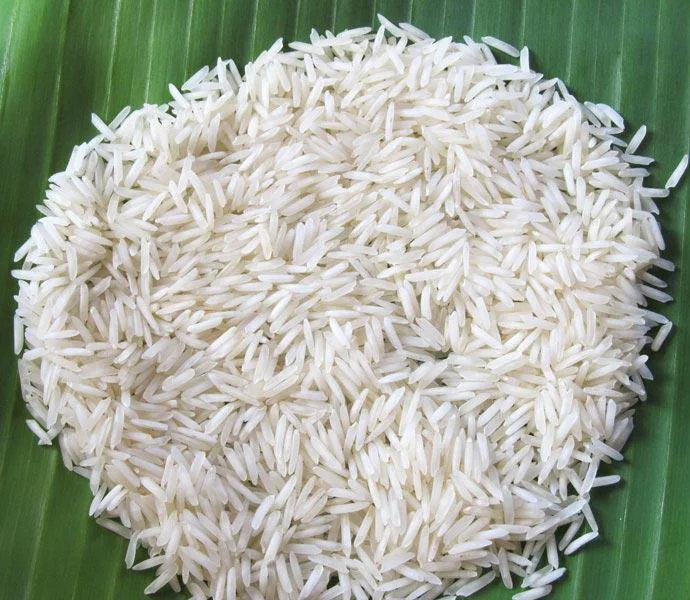
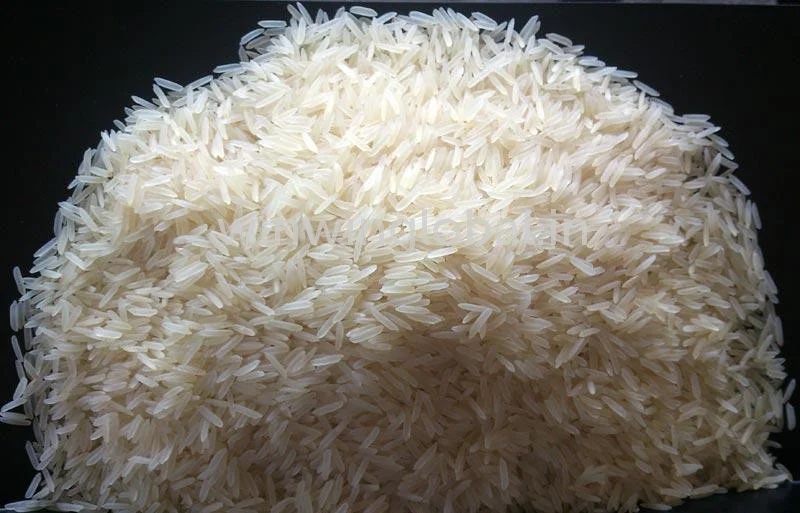
Basmati rice is characterized by its long grains and fragrant aroma. It is ideal for dishes like biryani and pilaf, where the quality of rice is essential for flavor and presentation.
Non-Basmati Rice
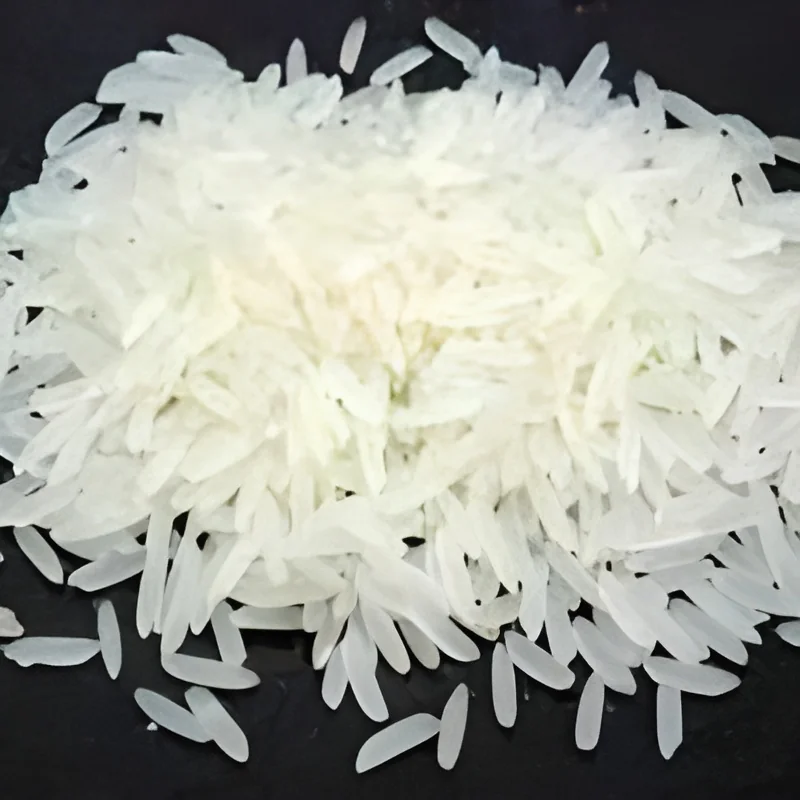
This category includes various types such as short-grain, medium-grain, and long-grain rice. Each type has its unique cooking properties and is used in everyday meals, such as fried rice and risotto.
๐๐ฒ๐ป๐ฒ๐ณ๐ถ๐๐ ๐ฎ๐ป๐ฑ ๐๐ฑ๐๐ฎ๐ป๐๐ฎ๐ด๐ฒ๐
Sourcing rice from reputable exporters offers several benefits to businesses.
1. Quality Assurance: Reliable exporters maintain high-quality standards, ensuring a consistent product.
2. Competitive Pricing: Access to a variety of suppliers allows businesses to find competitive pricing options.
3. Diverse Product Range: A wide selection of Basmati and Non-Basmati rice varieties caters to different culinary applications.
4. Timely Delivery: Established exporters have efficient logistics in place to ensure timely delivery.
5. Custom Packaging: Many exporters offer customized packaging solutions to meet specific business needs.
6. Expert Support: Exporters often provide guidance on product selection and usage, enhancing the customer experience.
๐๐๐๐ถ๐ป๐ด ๐๐๐ถ๐ฑ๐ฒ ๐ณ๐ผ๐ฟ ๐๐ฎ๐ ๐๐๐๐ฒ๐ฟ๐
When sourcing rice exporters (Basmati, Non-Basmati), several factors should be considered for effective procurement.
1. Quality Assessment: Evaluate rice quality based on grain appearance, aroma, and moisture content to ensure it meets your standards.
2. Supplier Verification: Conduct thorough research on suppliers to verify their credentials, including certifications and market reputation.
3. Pricing and MOQ: Understand pricing structures and minimum order quantities to align with your budget and inventory needs.
4. Delivery and Lead Times: Discuss logistics and expected delivery times to ensure timely supply for your operations.
5. Compliance Requirements: Familiarize yourself with any regulatory standards applicable to rice imports in your region to ensure compliance.
๐๐ผ๐บ๐ฝ๐น๐ถ๐ฎ๐ป๐ฐ๐ฒ ๐ฎ๐ป๐ฑ ๐๐ฒ๐ฟ๐๐ถ๐ณ๐ถ๐ฐ๐ฎ๐๐ถ๐ผ๐ป๐
Rice exporters must adhere to various compliance and certification standards, ensuring product safety and quality. Key standards include ISO 9001, which focuses on quality management systems, ensuring consistent quality in products and services.
HACCP (Hazard Analysis Critical Control Point) is another essential standard that emphasizes food safety by identifying and controlling potential hazards throughout the production process. Compliance with Good Distribution Practice (GDP) ensures that products are consistently stored and transported under appropriate conditions.
Moreover, industry certifications such as CE indicate that products meet European safety and health standards. Understanding these certifications is crucial for businesses looking to source rice with assurance of quality and safety. Additionally, regional compliance considerations may vary, and businesses should be aware of local regulations when sourcing rice from different countries.
Why Source Rice Exporters (Basmati, Non-Basmati) from Pepagora?
Pepagora provides a trusted platform for sourcing rice exporters specializing in Basmati and Non-Basmati varieties, offering several key advantages to businesses.
Verified Supplier Network: Pepagora ensures that all listed suppliers undergo rigorous verification processes. This builds confidence in the quality and reliability of the exporters.
Streamlined RFQ Process: The platform simplifies the request for quotation process, making it easier for businesses to connect with multiple suppliers and receive competitive offers.
Trade Assurance and Support: Pepagora offers buyer protection through trade assurance measures, ensuring that businesses can source products with confidence.
Regional Coverage: With a strong presence in India and access to markets in the GCC and Southeast Asia, Pepagora enables businesses to tap into a wide range of suppliers and products, facilitating efficient sourcing and procurement.