
 IN
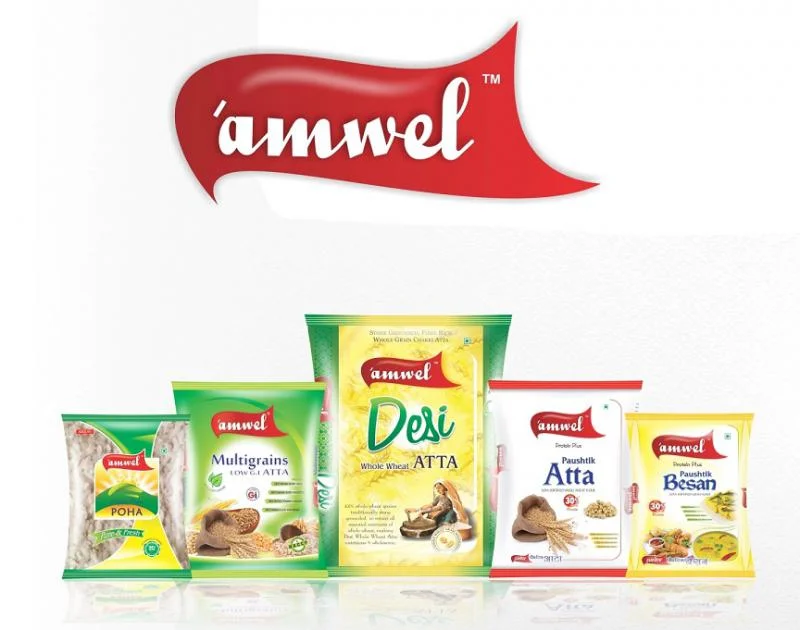
Multigrain Flour & Atta
58 products available
What are Multigrain Flour & Atta?
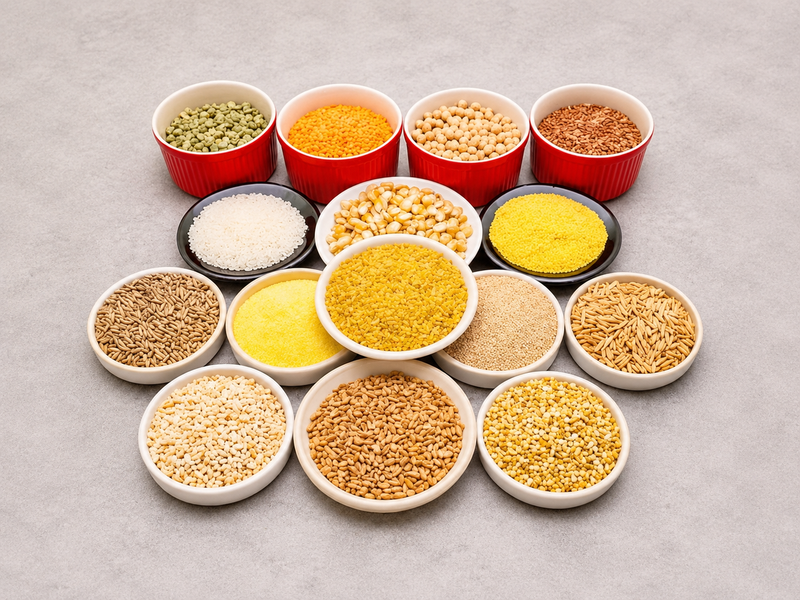
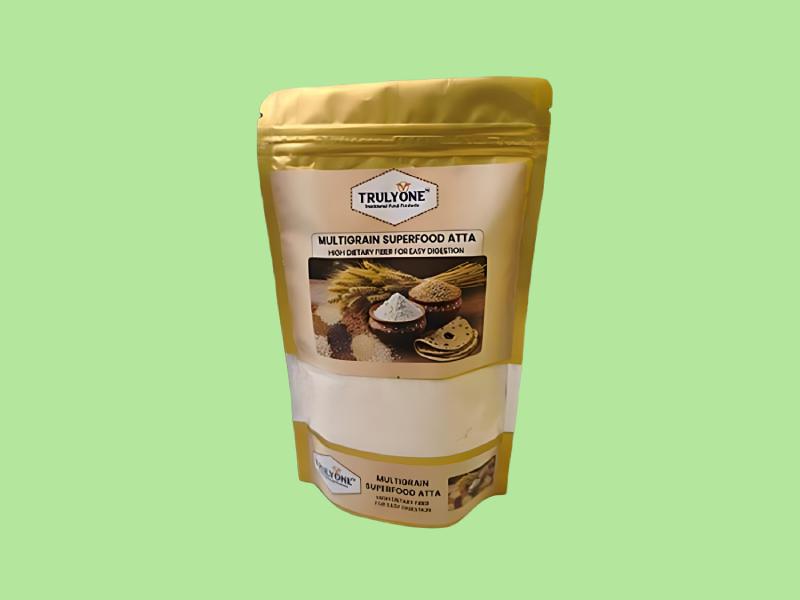
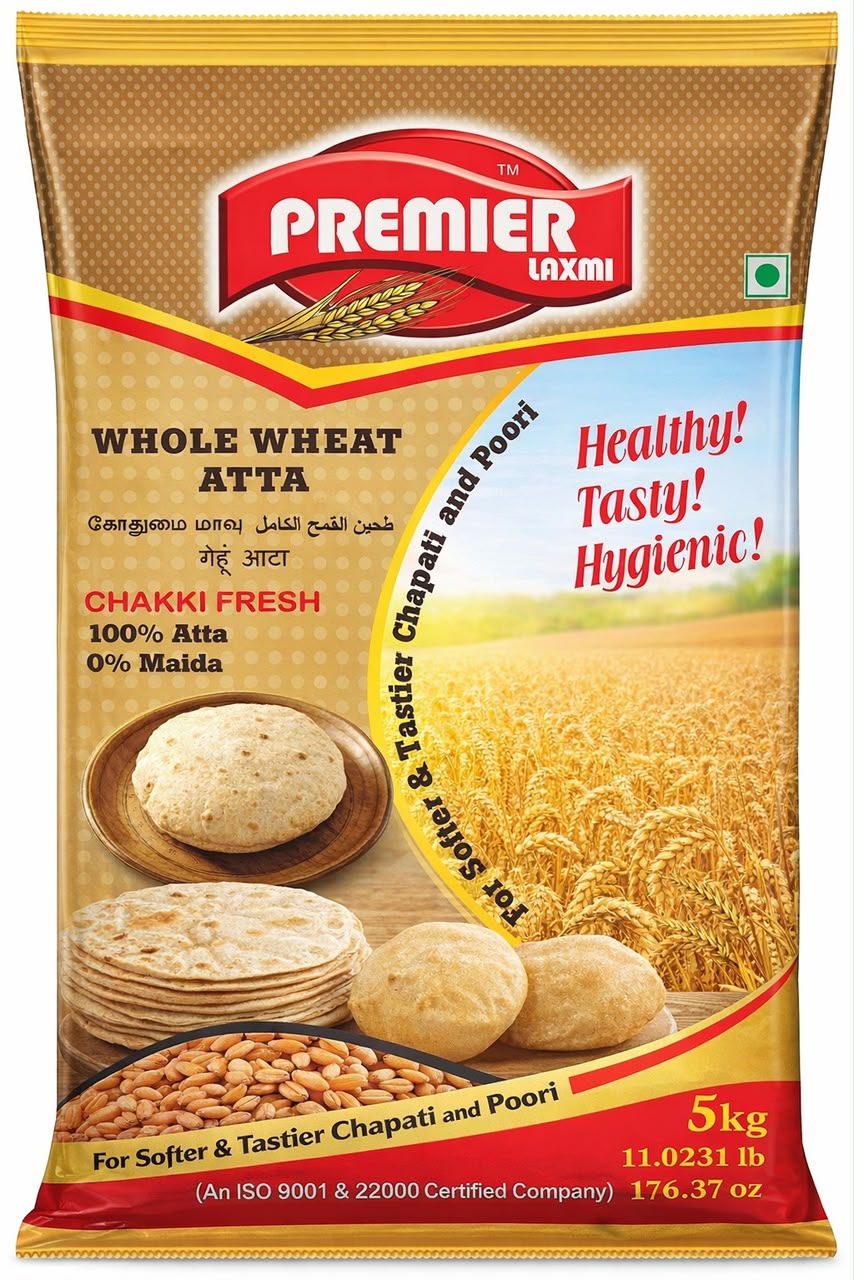
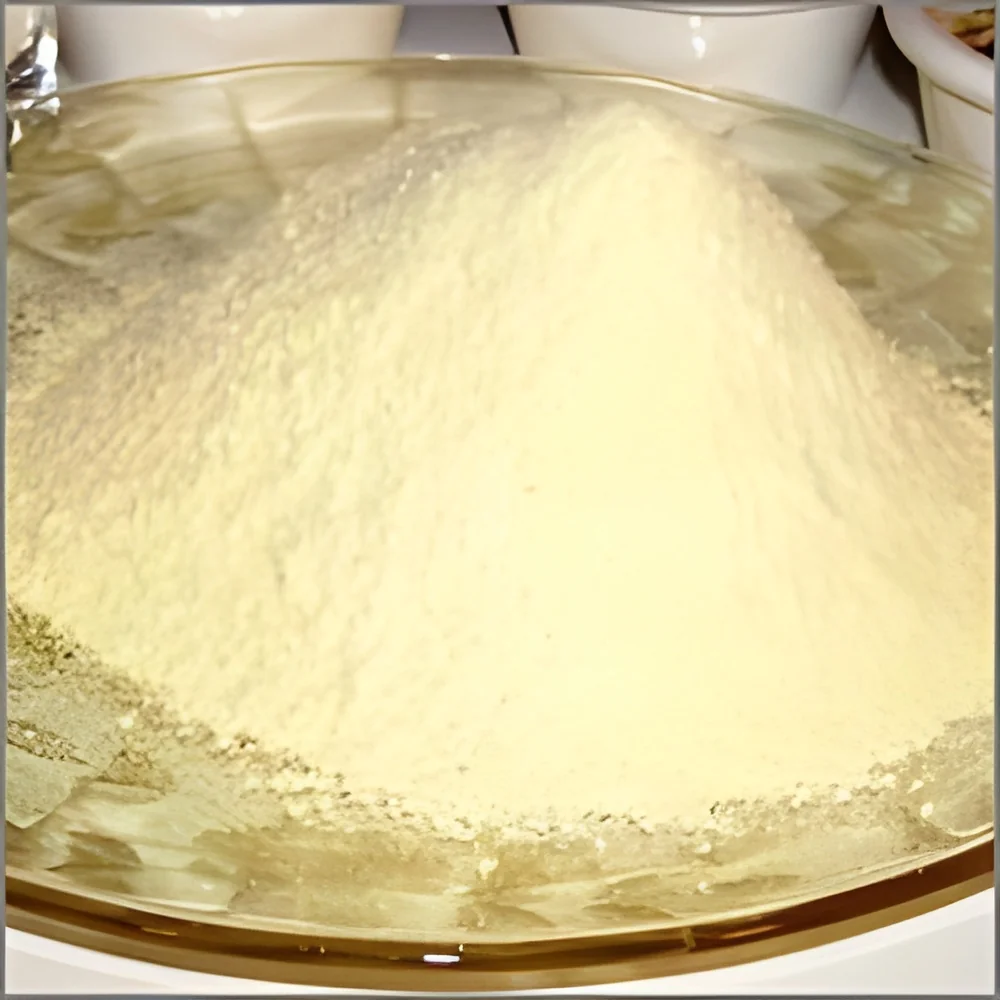
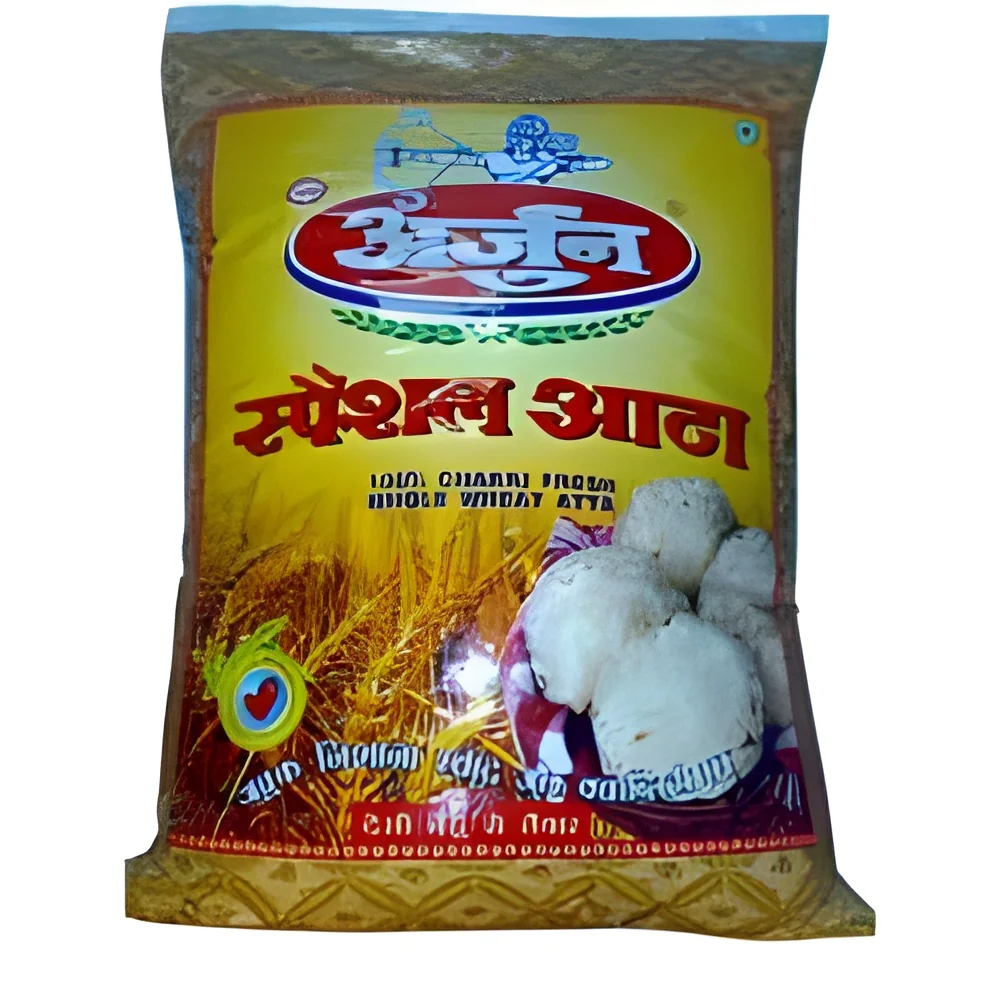
Multigrain flour and atta are versatile ingredients made from a blend of various grains. These products combine the nutritional benefits of multiple grains, such as wheat, barley, millets, and legumes, to create a flour that is rich in fiber, vitamins, and minerals. The term "atta" typically refers to whole wheat flour used primarily in Indian cooking, while multigrain flour can encompass a broader range of grains. This combination not only enhances the flavor but also boosts the health benefits of the flour.
In business applications, multigrain flour and atta are essential for food manufacturers, bakeries, and restaurants looking to create healthier products. They can be used to make a variety of food items, including bread, chapatis, pancakes, and snacks. The growing trend towards healthier eating is driving demand for these products, making them increasingly relevant in the food production industry. With consumers becoming more health-conscious, the market for multigrain flour and atta is expanding, presenting opportunities for businesses to innovate and cater to this demand.
Key Features and Specifications
Multigrain flour and atta come with a range of features and specifications that determine their quality and suitability for various applications. Understanding these specifications is crucial for buyers in making informed purchasing decisions.
Key specifications include:
1. Grain Composition
- A specific blend of grains, typically including wheat, barley, millet, and legumes.
- The ratio can vary based on the manufacturer and intended use.
2. Nutritional Content
- High in dietary fiber, vitamins, and minerals.
- Contains essential amino acids and antioxidants.
3. Protein Content
- Varies depending on the grain blend used.
- Typically ranges from 10% to 15% protein.
4. Moisture Level
- Ideal moisture content is typically around 12% to ensure shelf stability.
- Excess moisture can lead to spoilage.
5. Ash Content
- Indicates the mineral content and quality of the flour.
- Usually kept below 0.5% for premium flour.
6. Gluten Content
- Varies based on the type of grains used.
- Important for determining the baking quality and texture.
7. Shelf Life
- Generally ranges from 6 months to 1 year when stored properly.
- Packaging plays a crucial role in extending shelf life.
8. Packaging Options
- Available in various packaging sizes, from small retail bags to bulk containers.
- Packaging should protect the flour from moisture and contaminants.
These specifications provide a framework for assessing the quality and suitability of multigrain flour and atta for specific applications.
Common Applications and Use Cases
Multigrain flour and atta serve a variety of industries and applications, making them versatile ingredients in many food products.
1. Bakery Industry: Used to produce healthier bread, rolls, and pastries, offering an alternative to traditional white flour.
2. Restaurant Sector: Restaurants utilize multigrain flour for healthier menu options such as wraps, pizzas, and flatbreads, appealing to health-conscious diners.
3. Snack Production: Manufacturers use multigrain flour to create nutritious snacks like crackers and energy bars, catering to consumer demand for on-the-go healthy options.
4. Health Food Products: Ideal for creating gluten-free or whole grain products that meet the needs of specific dietary requirements.
5. Packaged Foods: Commonly used in ready-to-cook and packaged meal options, providing convenience without sacrificing nutrition.
6. Traditional Cuisine: Essential for making regional dishes that require specific types of flour, enhancing the authenticity of the meal.
7. Nutraceuticals: Used in health supplements due to its rich nutritional profile, targeting health-focused consumers.
Product Variants and Subcategories
Multigrain flour and atta come in various forms to meet diverse consumer needs and preferences. The diversity in formulations allows businesses to cater to specific markets.
Whole Grain Multigrain Flour: This variant retains the bran and germ of the grains, providing maximum nutrition. It is great for baking bread and making traditional flatbreads.
Refined Multigrain Flour: A mixture of grains that may have gone through some level of refinement. It offers a lighter texture and is suitable for pastries and cakes.
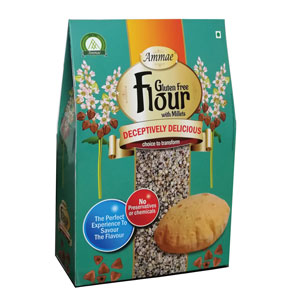
Gluten-Free Multigrain Flour: Formulated without wheat, this variant is ideal for consumers with gluten sensitivities. It can be used in a variety of gluten-free recipes.
Organic Multigrain Flour: Made from organically sourced grains, this option appeals to health-conscious consumers looking for chemical-free ingredients.
Benefits and Advantages
Choosing multigrain flour and atta provides numerous benefits for both manufacturers and end consumers.
1. Nutritional Value: Rich in vitamins, minerals, and fiber, offering a healthier alternative to refined flours.
2. Versatility: Suitable for a wide range of applications, from baking to cooking, allowing for creativity in product development.
3. Health Benefits: Promotes better digestion and overall health, appealing to a growing demographic of health-conscious consumers.
4. Market Demand: Aligns with the increasing consumer preference for healthier food options, offering businesses a competitive edge.
5. Cost-Effectiveness: Typically more affordable than specialty flours, providing a cost-effective solution for food production.
6. Customization: Manufacturers can create tailored blends to meet specific dietary needs and preferences, enhancing product differentiation.
Buying Guide for B2B Buyers
When sourcing multigrain flour and atta, B2B buyers should consider several key factors to ensure quality and suitability for their needs.
1. Quality Assessment: Look for products that have undergone rigorous quality testing and meet industry standards. Nutritional profiles and ingredient transparency are crucial.
2. Supplier Verification: Vet suppliers thoroughly to ensure they have a track record of reliability and quality. Request samples and check references.
3. Pricing and MOQ: Understand the pricing structures and minimum order quantities to assess budget alignment. Compare prices among suppliers for competitive rates.
4. Delivery and Lead Times: Inquire about the supplier's delivery capabilities and lead times to ensure timely fulfillment of orders.
5. Compliance Requirements: Ensure that the flour meets relevant food safety and quality regulations, including certifications that may be required in your region.
Compliance and Certifications
Multigrain flour and atta must adhere to various quality standards and regulations to ensure safety and efficacy in food production. Key standards include ISO 9001 for quality management systems, which ensures consistency in production processes. HACCP (Hazard Analysis Critical Control Point) is essential for identifying and managing food safety risks.
Industry certifications such as UL and CE may also apply, providing assurance to buyers that the products meet international safety and performance standards. Additionally, safety and testing requirements are critical, with products often undergoing microbiological testing and nutritional analysis to confirm their quality.
Regional compliance considerations may vary, with different countries having specific regulations regarding food ingredients. It is essential for buyers to remain informed about these regulations to ensure that the products sourced meet all necessary compliance standards.
Why Source Multigrain Flour & Atta from Pepagora?
Pepagora provides a trusted platform for sourcing multigrain flour and atta, offering several key advantages for B2B buyers.
Verified Supplier Network: Pepagora features a comprehensive network of verified suppliers, ensuring that buyers have access to high-quality products from reputable manufacturers.
Streamlined RFQ Process: The platform simplifies the request for quotation process, making it easy for buyers to obtain competitive pricing and terms from multiple suppliers efficiently.
Trade Assurance and Support: Buyers benefit from trade assurance programs that protect their transactions, providing peace of mind when sourcing products.
Regional Coverage: With a strong presence in India and throughout the GCC and Southeast Asia, Pepagora offers a wide geographic reach, enabling buyers to find the best suppliers for their specific needs.








Frequently Asked Questions
What are Multigrain Flour & Atta?
Multigrain Flour & Atta are flour products made from a blend of various grains, such as wheat, barley, oats, millet, and corn. These flours are known for their nutritional benefits, offering a rich source of fiber, vitamins, and minerals compared to single-grain flours.
What are the different types of Multigrain Flour & Atta?
Different types of Multigrain Flour & Atta include whole grain mixes, refined blends, and specialty flours that may incorporate unique grains like quinoa or amaranth. Each type is designed for specific culinary applications and nutritional profiles.
How do I choose the right Multigrain Flour & Atta?
Choosing the right Multigrain Flour & Atta involves considering the intended use, nutritional needs, and flavor preferences. Look for products that list the specific grains used and check for any added preservatives or additives.
What are the standard specifications for Multigrain Flour & Atta?
Standard specifications for Multigrain Flour & Atta typically include moisture content, protein content, and particle size. Additionally, quality parameters such as gluten strength and ash content may also be specified based on the type of flour.
What is the price range for Multigrain Flour & Atta?
The price range for Multigrain Flour & Atta can vary widely based on the type and quality of the flour, as well as the supplier. Generally, prices may range from INR 40 to INR 150 per kilogram.
What quality standards apply to Multigrain Flour & Atta?
Quality standards for Multigrain Flour & Atta often include compliance with food safety regulations, nutritional labeling, and certifications such as FSSAI in India. Suppliers may also adhere to international quality standards like ISO.
Where can I find Multigrain Flour & Atta suppliers in India?
You can find Multigrain Flour & Atta suppliers in India through various online B2B marketplaces, trade shows, or industry directories. Websites like Pepagora.com offer a comprehensive list of manufacturers and suppliers.
Can Multigrain Flour & Atta be customized?
Yes, many suppliers offer customization options for Multigrain Flour & Atta, allowing buyers to specify grain proportions, packaging sizes, and nutritional enhancements. It is advisable to discuss these options directly with the manufacturer.
What is the typical minimum order quantity for Multigrain Flour & Atta?
The typical minimum order quantity (MOQ) for Multigrain Flour & Atta can vary by supplier, but it often ranges from 100 to 500 kilograms. Some suppliers may offer flexibility based on the buyer's needs.
What is the typical lead time for Multigrain Flour & Atta?
The typical lead time for Multigrain Flour & Atta can range from 7 to 21 days, depending on the supplier's inventory and production capacity. It's important to communicate your timeline requirements when placing an order.
Why Businesses Trust Pepagora
Thousands of companies trust Pepagora to source smarter and sell faster
Expand Your Sales Globally

Source Smarter,Grow Faster
