
 IN
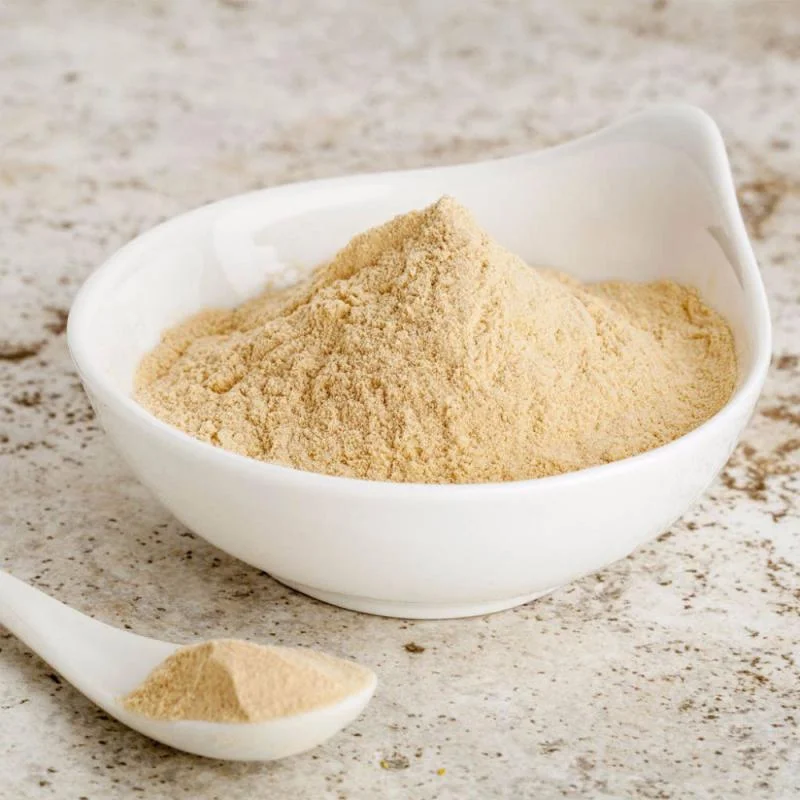
Ayurvedic Powders (Ashwagandha, Shatavari)
15 products available
Key Features and Specifications
Ayurvedic powders such as Ashwagandha and Shatavari offer several important features and specifications that buyers should consider. These specifications ensure the quality, efficacy, and safety of the products.
Key specifications include:
1. Purity
- Typically ranges from 95% to 100% pure.
- High purity levels indicate minimal contamination and maximum efficacy.
2. Particle Size
- Generally available in fine powder form for easy absorption.
- Specific particle sizes may be requested based on formulation requirements.
3. Moisture Content
- Average moisture content should be less than 10%.
- Low moisture content helps in extending shelf life.
4. Heavy Metal Testing
- Products undergo testing to ensure levels of heavy metals are within safe limits.
- Compliance with industry safety standards is crucial.
5. Microbial Limits
- Testing for microbial contamination to ensure safety.
- Acceptable levels are defined by industry regulations.
6. Shelf Life
- Typically ranges from 2 to 3 years when stored properly.
- Proper storage conditions are essential for maintaining quality.
7. Nutritional Profile
- Rich in vitamins and minerals, contributing to their health benefits.
- Specific nutritional values can be provided upon request.
8. Source and Origin
- Sourced from certified organic farms or wildcrafted sources.
- Traceability of origin adds value to the product.
In summary, understanding these specifications can help businesses make informed decisions when sourcing Ayurvedic powders to ensure product quality and compliance with industry standards.
Common Applications and Use Cases
Ayurvedic powders like Ashwagandha and Shatavari find applications across various industries due to their diverse health benefits.
1. Nutraceutical Industry: These powders are widely used in dietary supplements aimed at stress relief and hormonal balance. Their adaptogenic properties make them ideal for wellness formulations.
2. Food and Beverage Sector: Ashwagandha and Shatavari are increasingly incorporated into functional foods and beverages, providing health benefits while enhancing flavor profiles.
3. Herbal Medicine: Practitioners of traditional medicine often use these powders in customized herbal formulations for patients seeking natural remedies.
4. Personal Care Products: The beauty industry utilizes these powders in skincare products due to their antioxidant and rejuvenating properties.
5. Veterinary Medicine: Ashwagandha is also used in animal health supplements to support stress management and overall well-being in pets.
6. Fitness and Sports Nutrition: These powders are gaining traction in sports supplements for their potential to improve endurance and recovery.
7. Traditional Ayurvedic Practices: Both powders are fundamental in Ayurvedic treatments, supporting holistic health and balance in individuals.
Product Variants and Subcategories
Ayurvedic powders are available in various forms and formulations to meet diverse consumer needs.
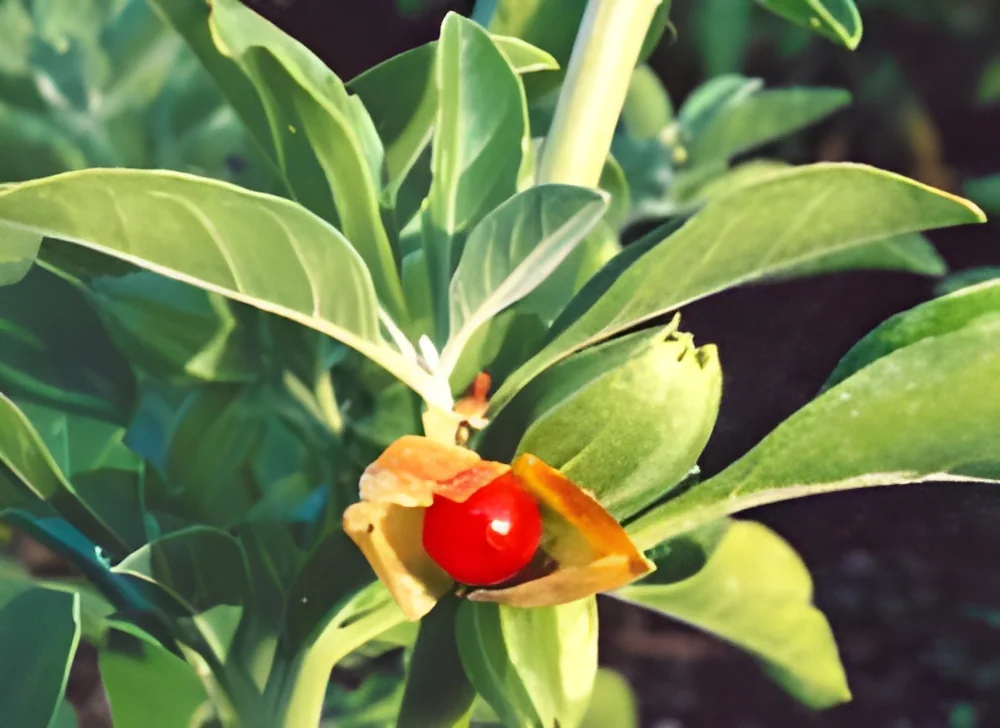
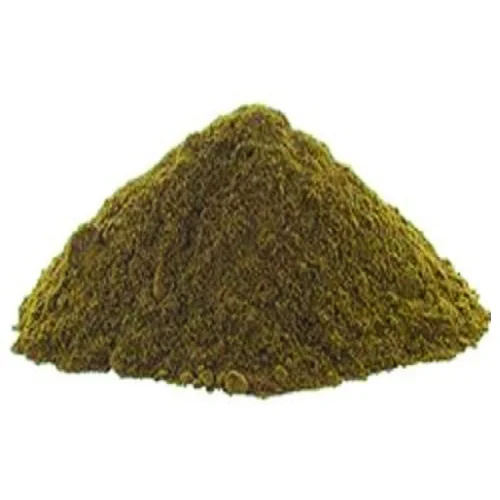
Ashwagandha Powder: This variant is known for its adaptogenic properties, helping to reduce stress and anxiety. It is commonly used in supplements aimed at enhancing vitality and cognitive function.
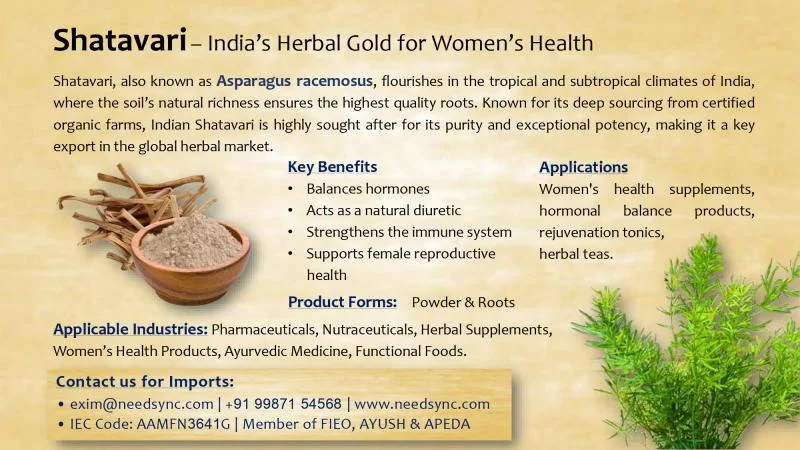
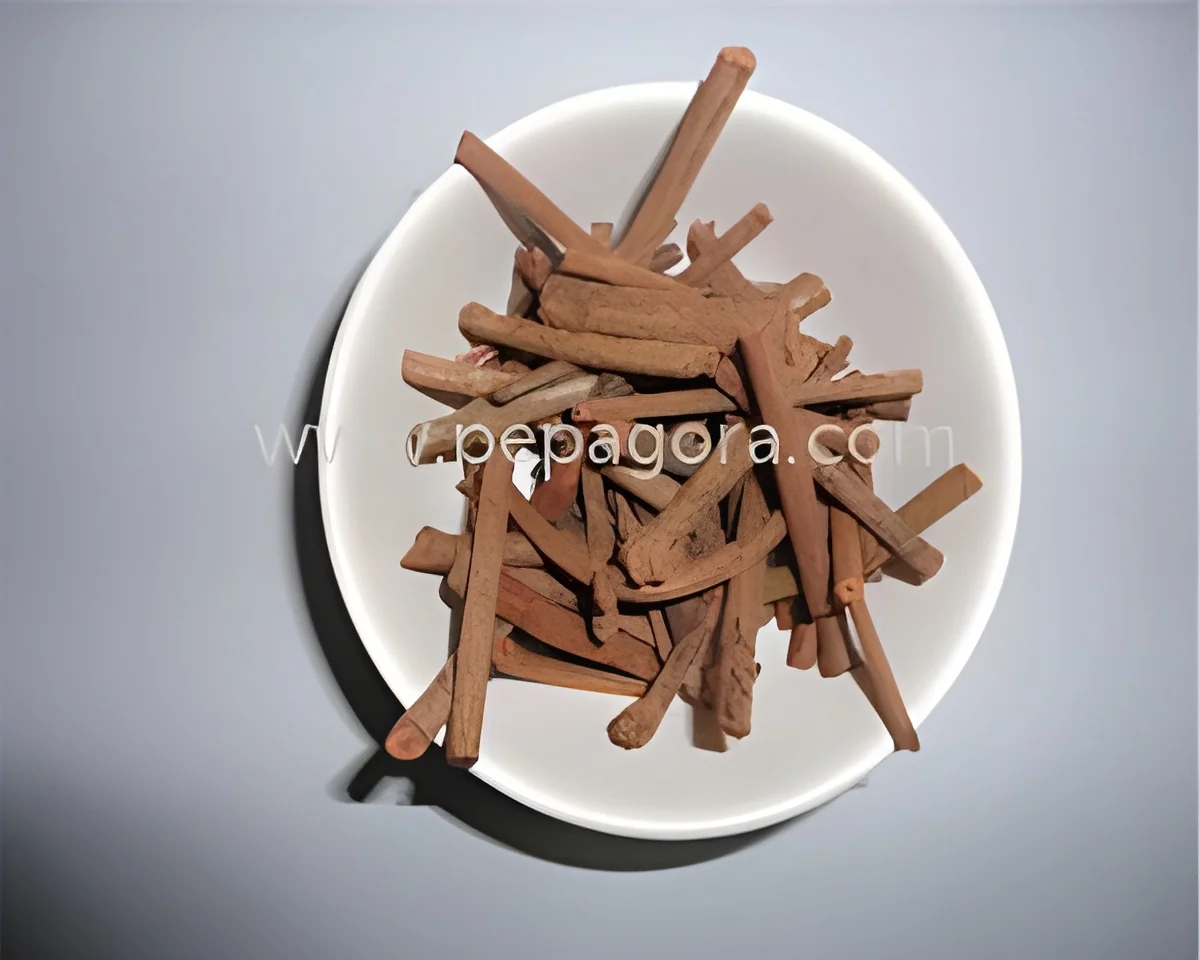
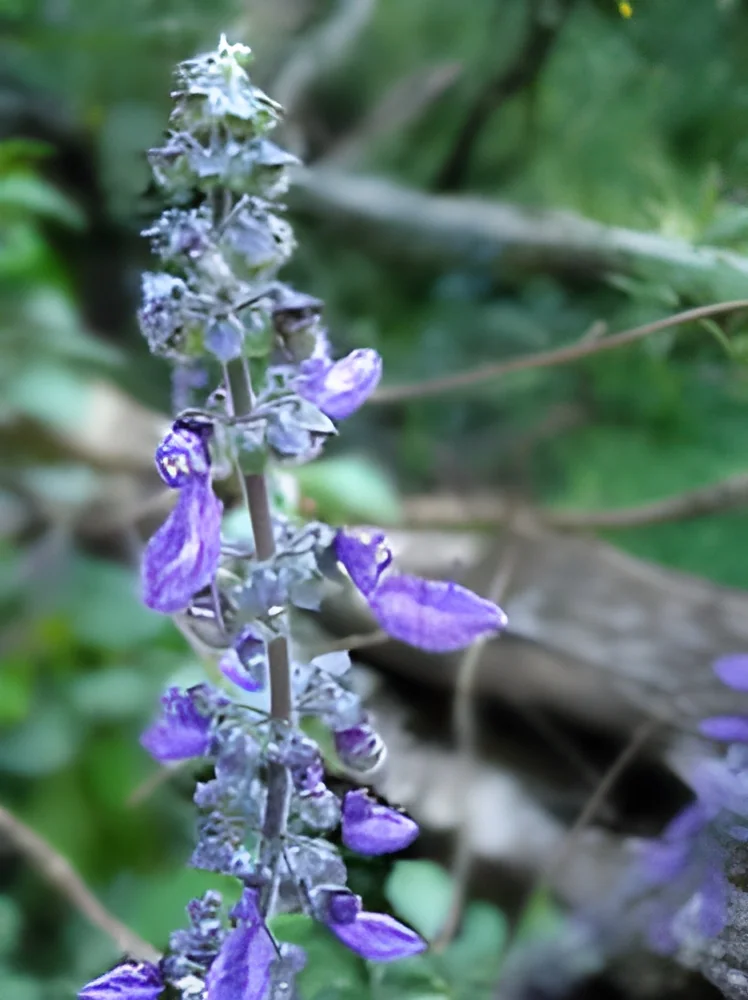
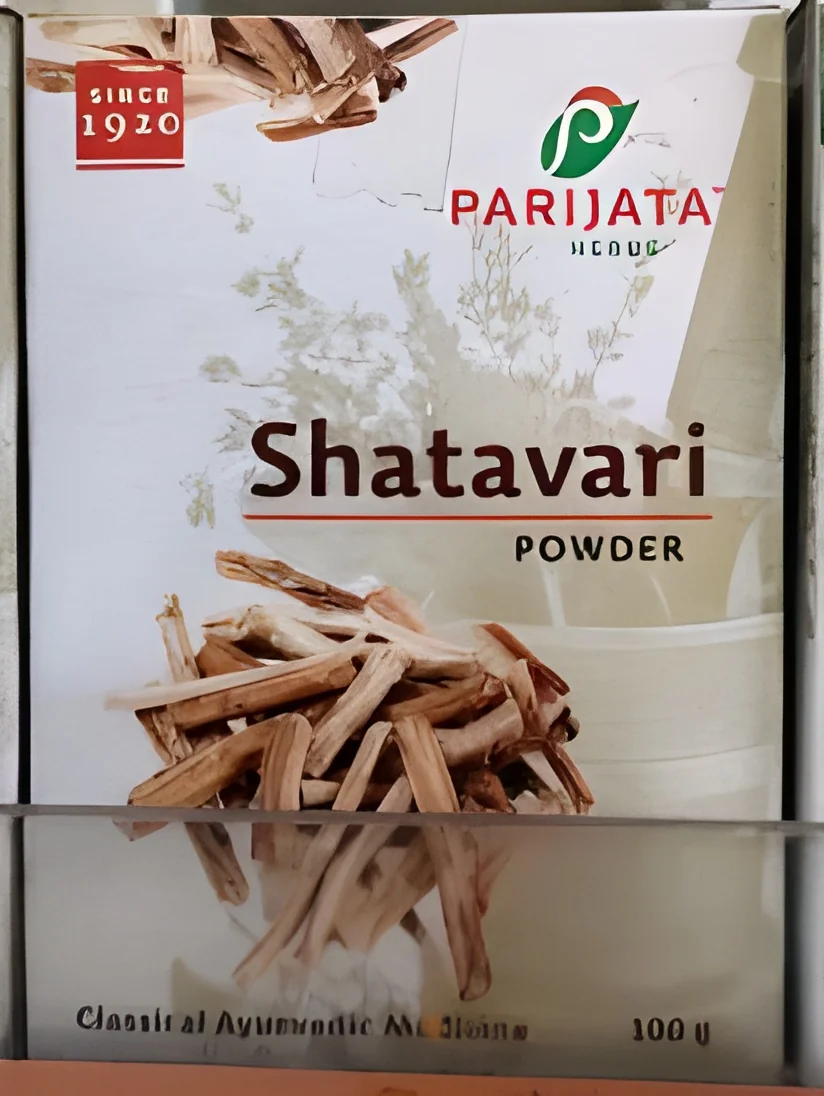
Shatavari Powder: Renowned for its benefits in women's health, Shatavari is often used in formulations supporting hormonal balance and reproductive health. It is also valued for its nourishing properties.
Benefits and Advantages
Ayurvedic powders like Ashwagandha and Shatavari offer numerous health benefits that appeal to both consumers and businesses.
1. Stress Reduction: Ashwagandha is acclaimed for its ability to lower cortisol levels, helping individuals manage stress effectively.
2. Hormonal Balance: Shatavari supports women's health by promoting hormonal balance and easing menstrual discomfort.
3. Enhanced Vitality: Both powders contribute to overall vitality, promoting better energy levels and improved physical performance.
4. Natural Ingredients: Being plant-based, these powders appeal to the growing demand for natural and organic products in the health market.
5. Versatile Applications: These powders can be easily incorporated into various product formulations, from supplements to foods and beverages.
6. Rich Nutritional Profile: Both powders provide essential nutrients, enhancing their value in health products.
Buying Guide for B2B Buyers
When sourcing Ayurvedic Powders such as Ashwagandha and Shatavari, buyers should consider several key factors to ensure a successful procurement process.
1. Quality Assessment: Look for products that meet high purity and safety standards. Request certificates of analysis to verify quality claims.
2. Supplier Verification: Vet suppliers by checking their certifications and reputation in the industry. Engage in due diligence to ensure reliability.
3. Pricing and MOQ: Understand the pricing structure and minimum order quantities. Negotiate to find a balance between cost and quality.
4. Delivery and Lead Times: Discuss logistics and expected delivery timelines to ensure timely supply for your business needs.
5. Compliance Requirements: Be aware of regulatory requirements in your region. Ensure that products comply with safety and quality standards.
Compliance and Certifications
Ayurvedic powders must adhere to various compliance and certification standards to ensure safety and quality. Key standards include ISO 9001 for quality management systems, ensuring consistent quality in production processes. HACCP (Hazard Analysis Critical Control Point) is essential for food safety management, particularly for powders intended for consumption.
Additionally, products should have CE certification, indicating compliance with health, safety, and environmental protection standards within the European market. Safety and testing requirements emphasize the need for rigorous testing for contaminants such as heavy metals and microbes.
Buyers should also consider regional compliance, as regulations can vary significantly across different markets. Understanding these compliance requirements is crucial for businesses engaged in the procurement of Ayurvedic powders.
Why Source Ayurvedic Powders (Ashwagandha, Shatavari) from Pepagora?
Pepagora offers a trusted platform for sourcing Ayurvedic Powders like Ashwagandha and Shatavari, bringing several key advantages to B2B buyers.
Verified Supplier Network: Pepagora connects buyers with a network of verified suppliers, ensuring that businesses can source high-quality powders from reputable sources. This verification process helps mitigate risks associated with supplier reliability.
Streamlined RFQ Process: The platform features a streamlined Request for Quotation (RFQ) process, allowing buyers to easily request and compare quotes from multiple suppliers. This facilitates informed decision-making and helps secure the best deals.
Trade Assurance and Support: Pepagora provides trade assurance and support services, offering buyers protection throughout the sourcing process. This includes assistance with logistics and resolving disputes, ensuring a smooth transaction experience.
Regional Coverage: With a geographic reach extending across India, the Gulf Cooperation Council (GCC), and Southeast Asia, Pepagora enables businesses to access a diverse range of suppliers and products. This broad coverage enhances sourcing options and fosters business growth in various markets.


Frequently Asked Questions
What are Ayurvedic Powders (Ashwagandha, Shatavari)?
Ayurvedic Powders such as Ashwagandha and Shatavari are finely milled herbal powders derived from medicinal plants used in Ayurvedic medicine. Ashwagandha is known for its adaptogenic properties, while Shatavari is often used to support women's health and hormonal balance.
What are the different types of Ayurvedic Powders (Ashwagandha, Shatavari)?
The main types of Ayurvedic Powders in this category include Ashwagandha Powder and Shatavari Powder. Both can be found in various forms, such as organic, wildcrafted, or processed, depending on the manufacturer's methods and quality standards.
How do I choose the right Ayurvedic Powders (Ashwagandha, Shatavari)?
Choosing the right Ayurvedic Powders involves considering factors such as the intended use, quality certifications, and sourcing practices. It is also essential to check for third-party testing to ensure the purity and potency of the product.
What are the standard specifications for Ayurvedic Powders (Ashwagandha, Shatavari)?
Standard specifications for Ayurvedic Powders include moisture content, particle size, and the presence of active compounds. These specifications can vary based on regulatory guidelines and industry standards in herbal product manufacturing.
What is the price range for Ayurvedic Powders (Ashwagandha, Shatavari)?
The price range for Ayurvedic Powders typically varies based on factors such as quality, sourcing, and packaging. On average, prices can range from INR 300 to INR 1500 per kilogram, depending on the supplier and market demand.
What quality standards apply to Ayurvedic Powders (Ashwagandha, Shatavari)?
Quality standards for Ayurvedic Powders include compliance with the Ayurvedic Pharmacopoeia of India, Good Manufacturing Practices (GMP), and possible certifications such as organic or ISO. Adherence to these standards ensures product safety and efficacy.
Where can I find Ayurvedic Powders (Ashwagandha, Shatavari) suppliers in India?
You can find Ayurvedic Powders suppliers in India through B2B marketplaces like Pepagora, industry trade shows, and herbal product expos. Additionally, searching for reputable manufacturers and distributors online can provide a comprehensive list of suppliers.
Can Ayurvedic Powders (Ashwagandha, Shatavari) be customized?
Yes, many manufacturers offer customization options for Ayurvedic Powders, which can include specific formulations or packaging requirements. Discussing your needs with suppliers can help you find tailored solutions that meet your business demands.
What is the typical minimum order quantity for Ayurvedic Powders (Ashwagandha, Shatavari)?
The typical minimum order quantity (MOQ) for Ayurvedic Powders can vary by supplier but generally ranges from 1 kg to 25 kg. It is advisable to check with individual suppliers for their specific MOQs and bulk purchasing options.
What is the typical lead time for Ayurvedic Powders (Ashwagandha, Shatavari)?
The typical lead time for Ayurvedic Powders can range from 1 to 4 weeks, depending on the supplier's inventory, order size, and production capabilities. It is recommended to confirm lead times during the ordering process to ensure timely delivery.
Why Businesses Trust Pepagora
Thousands of companies trust Pepagora to source smarter and sell faster
Expand Your Sales Globally

Source Smarter,Grow Faster
