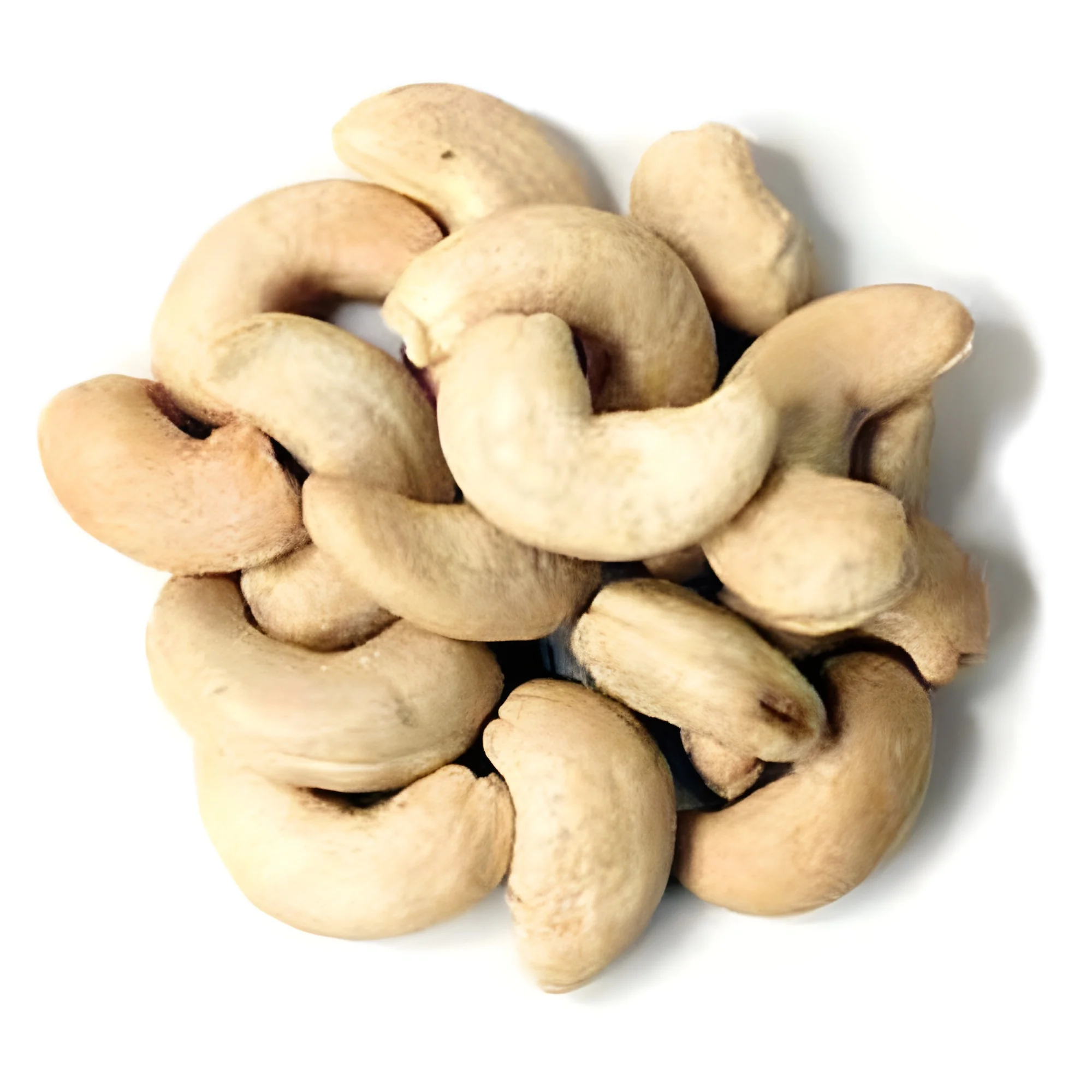
What are Nuts & Dried Fruit?
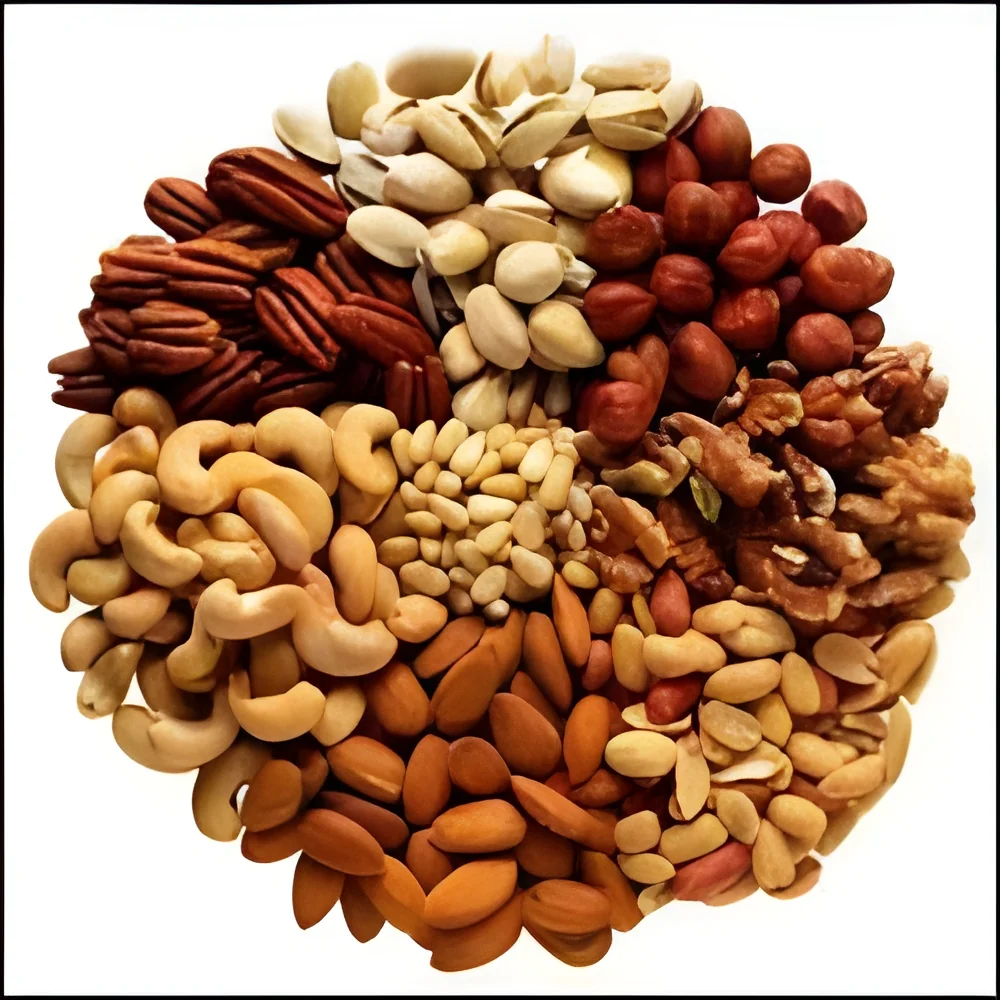
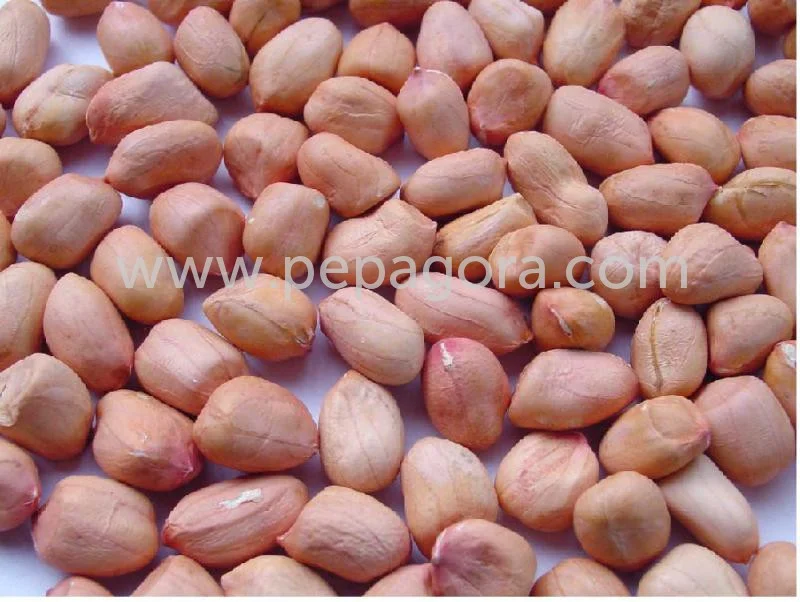
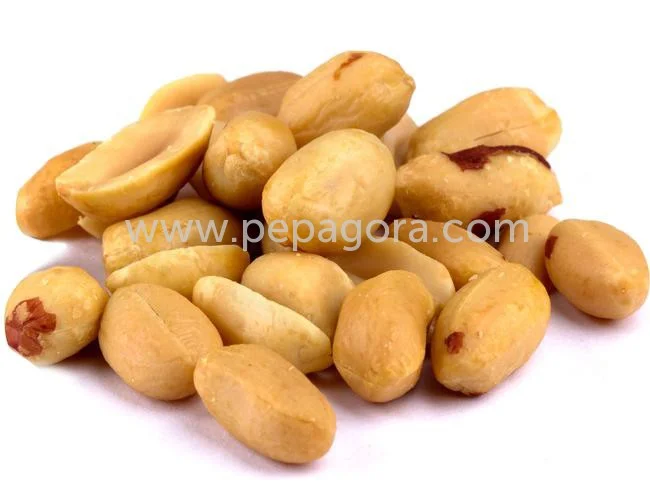
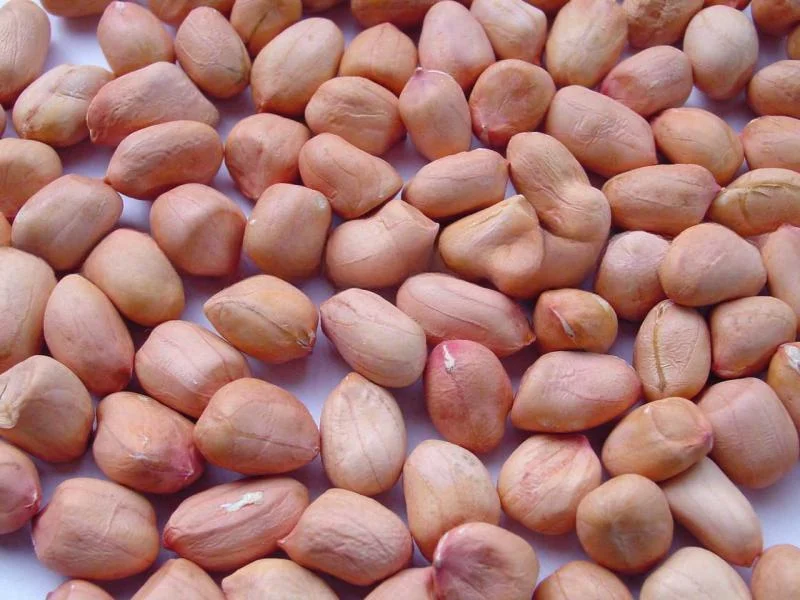
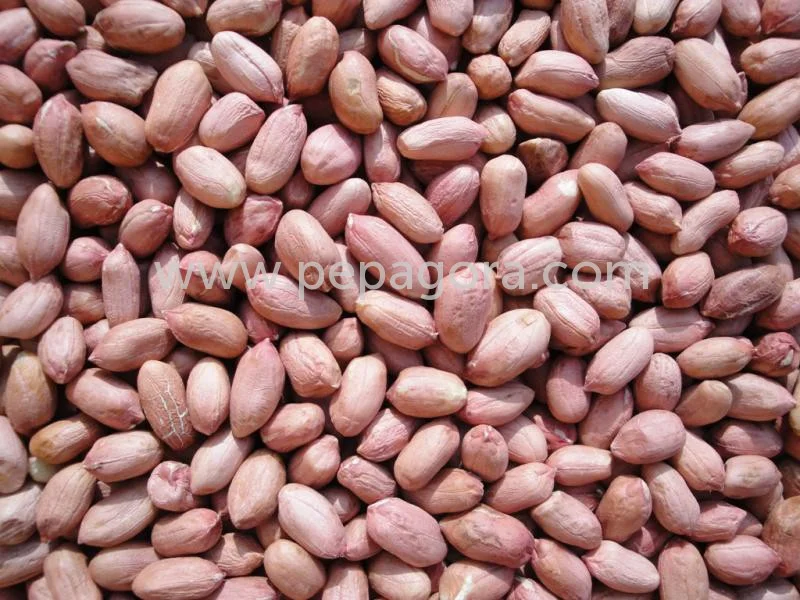
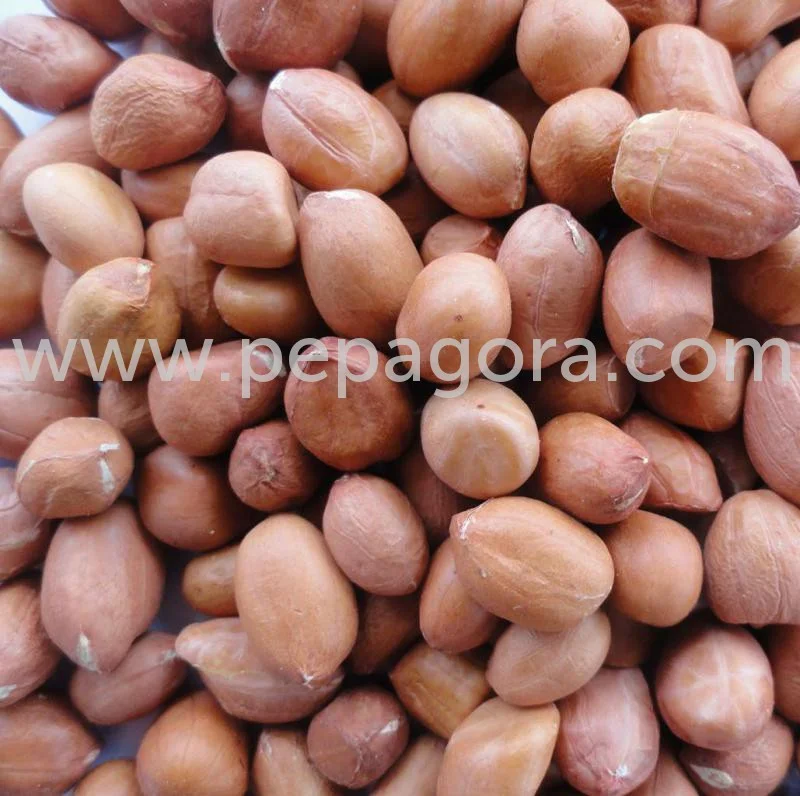
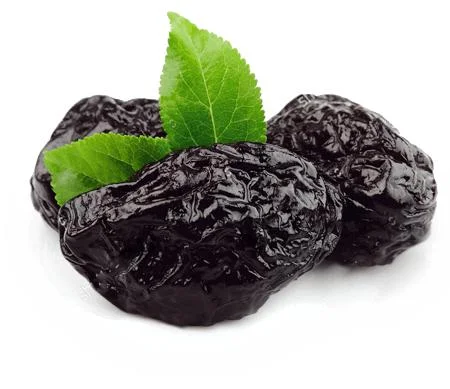
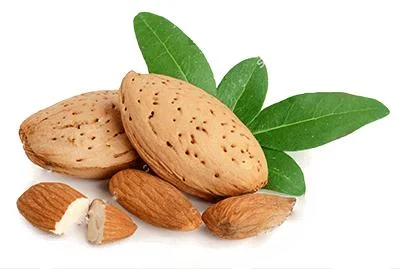
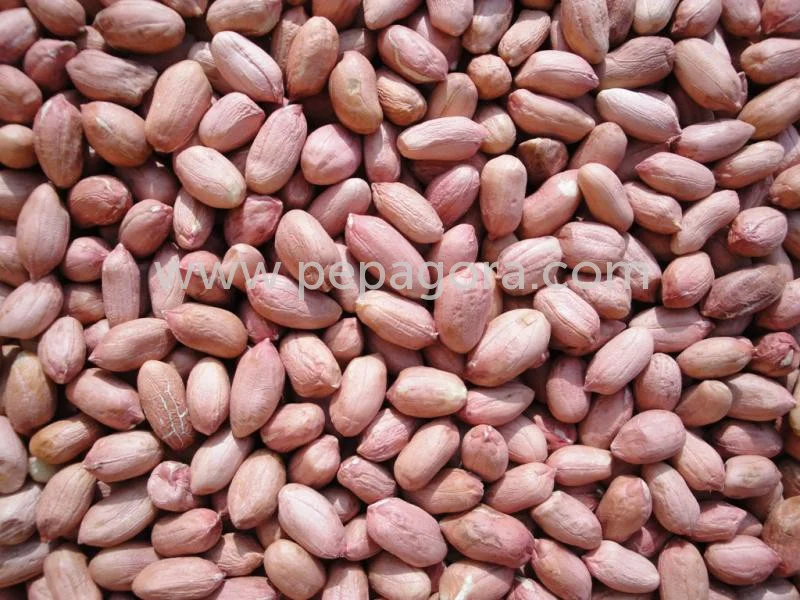
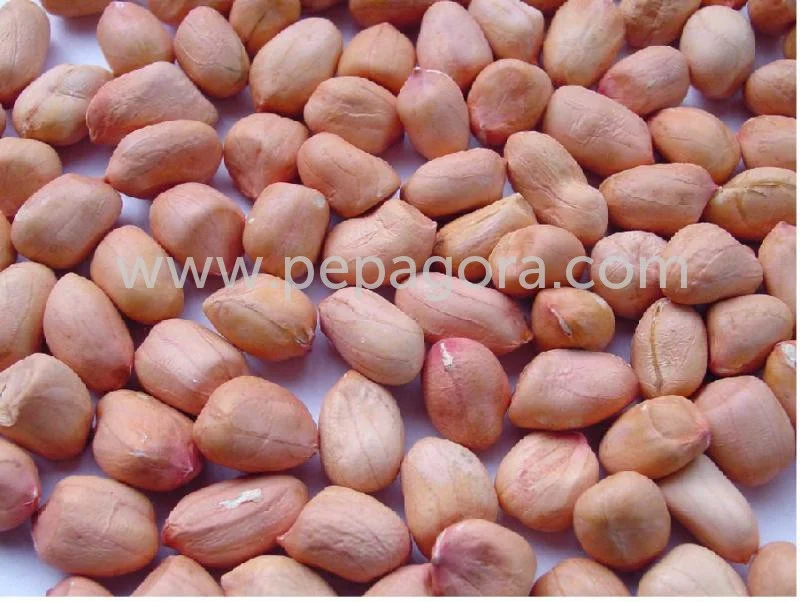
Nuts and dried fruit are essential snacks and ingredients widely used in various culinary applications. Nuts, including almonds, walnuts, cashews, and pistachios, are typically high in protein and healthy fats. Dried fruit, such as raisins, apricots, and figs, are fruits that have had most of their moisture removed, concentrating their sugars and flavors. Together, they provide a nutritious and convenient option for both snacking and cooking.
These products serve numerous business applications across industries. In the food sector, they are often utilized in snacks, granola bars, and baked goods. They are also popular in health food products due to their nutritional benefits. Additionally, nuts and dried fruits find their place in the gourmet food market, catering to consumers looking for high-quality, organic, or specialty items.
The market for nuts and dried fruit continues to grow, driven by rising health consciousness among consumers and increasing demand for plant-based snacks. As businesses focus on sourcing quality ingredients, the relevance of nuts and dried fruit in the food supply chain is more pronounced, making these products a vital consideration for manufacturers, retailers, and food service providers.
Key Features and Specifications
Nuts and dried fruit come with a variety of features and specifications that can affect their quality and usability in industrial applications. Understanding these specifications helps businesses choose the right products for their needs.
Key specifications include:
1. Quality Assessment
- This includes criteria such as appearance, taste, and freshness.
- Technical parameters can include moisture content levels and shelf life.
2. Nutritional Content
- Nutritional profiles, including protein, fat, and sugar content.
- Typically expressed per serving size or 100 grams.
3. Origin and Sourcing
- Information about where the nuts or dried fruits are sourced from.
- Can impact quality and flavor profile.
4. Packaging Options
- Available in bulk, retail, or customized packaging.
- Ensures preservation and extends shelf life.
5. Certifications
- Includes industry certifications like CE.
- Important for compliance and quality assurance.
6. Allergen Information
- Detailed labeling regarding potential allergens present.
- Critical for consumer safety and compliance.
7. Storage Requirements
- Guidelines on optimal storage conditions, such as temperature and humidity.
- Influences product longevity and quality.
8. Lead Time for Delivery
- Typical timeframes required for sourcing and shipping.
- Essential for supply chain planning.
Understanding these specifications enables businesses to make informed decisions regarding their purchases and ensures they meet quality and safety standards.
Common Applications and Use Cases
Nuts and dried fruit are utilized in a variety of industries, each with specific applications that benefit from their unique properties.
1. Food Manufacturing: In food production, nuts and dried fruits are essential ingredients in snack bars, cereals, and baked goods, enhancing flavor and nutrition.
2. Confectionery: The confectionery industry uses these ingredients in chocolates and trail mixes, providing texture and taste that appeal to consumers.
3. Health Food: As health consciousness rises, many health food brands incorporate nuts and dried fruits into their products, promoting them as nutritious snacks.
4. Catering and Food Service: Restaurants and catering services use these items in salads, desserts, and as garnishes, adding flavor and visual appeal.
5. Retail and Grocery: Nuts and dried fruits are popular in retail settings, often sold as premium snack options in bulk or packaged formats.
6. Sports Nutrition: Many sports nutrition products include nuts and dried fruits due to their energy-boosting properties, making them ideal for athletes.
7. Organic Markets: The trend towards organic and natural foods has led to increased demand for organic nuts and dried fruits, appealing to health-conscious consumers.
Product Variants and Subcategories
Nuts and dried fruit offer a wide range of variants that cater to different tastes and dietary needs.
Almonds
Almonds are a versatile nut, enjoyed raw or roasted. They are rich in vitamin E and are used in various products, including almond butter and milk.
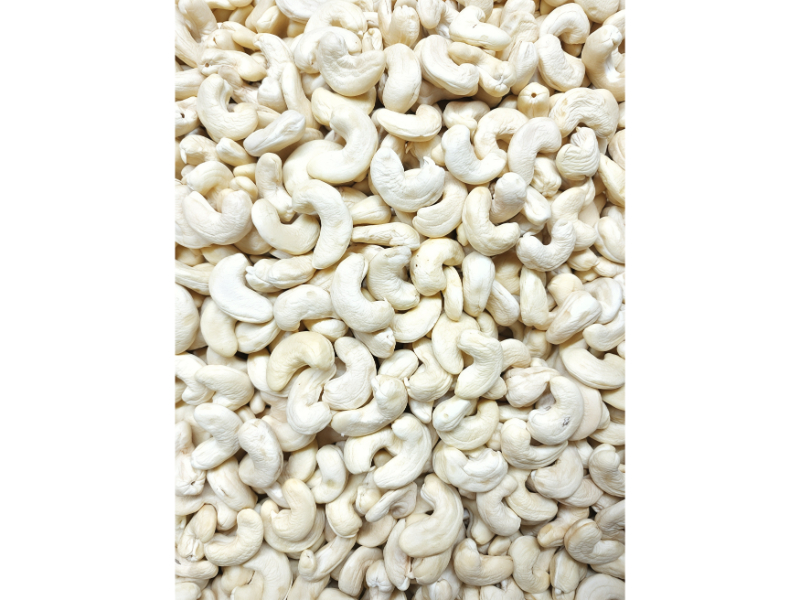
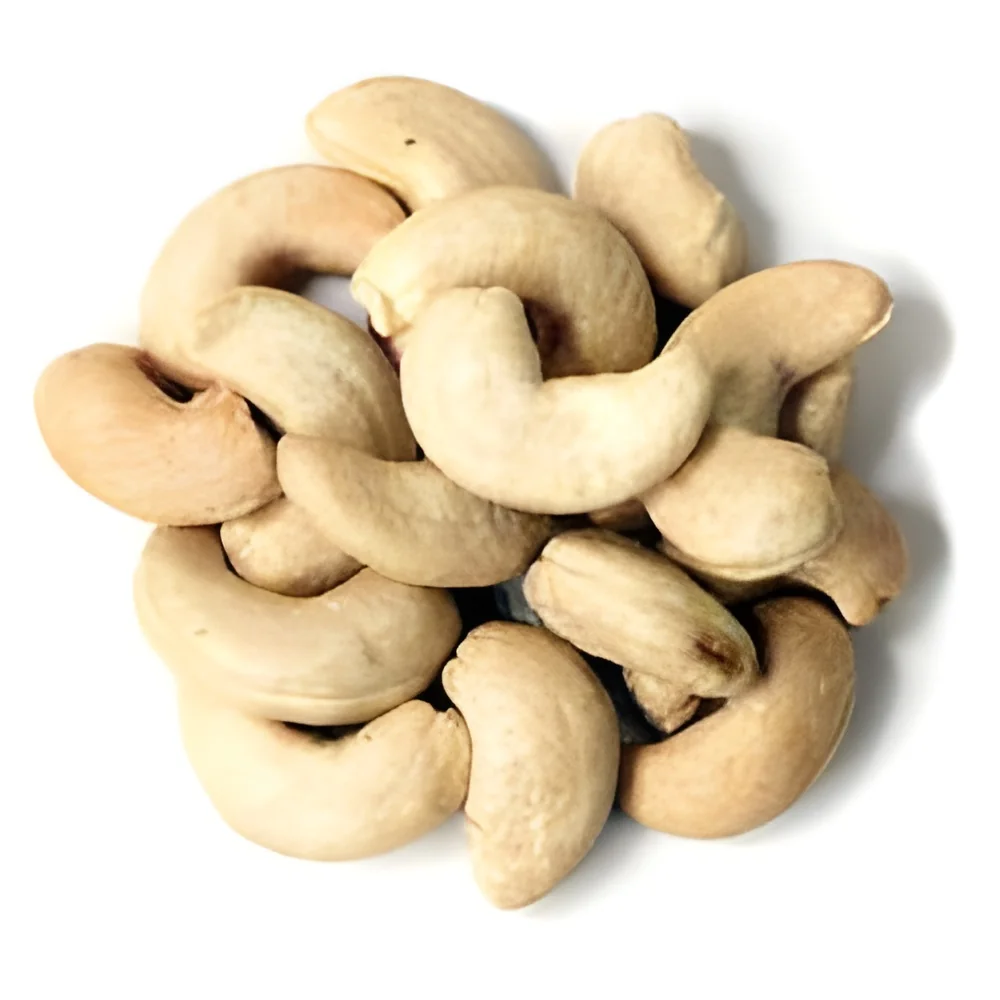
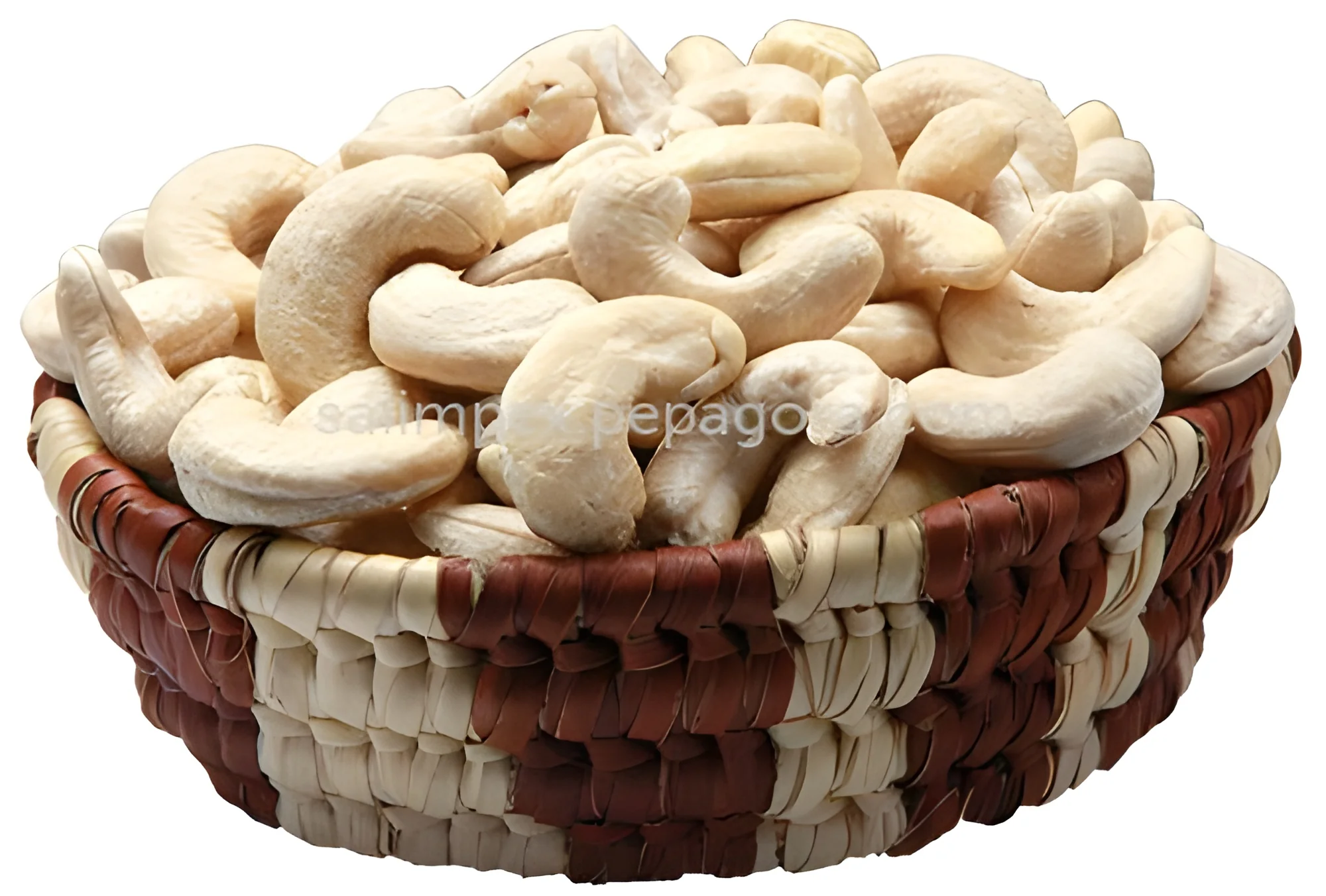
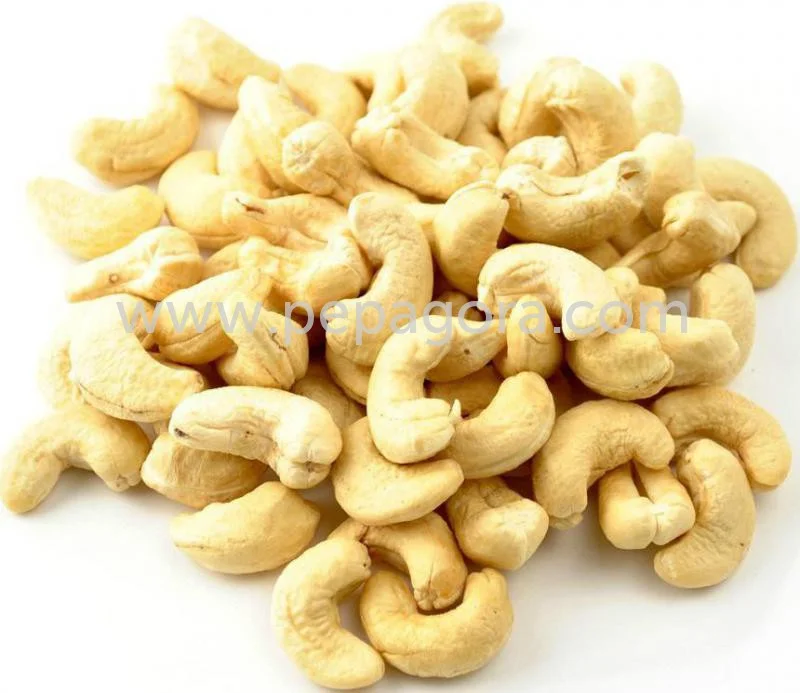
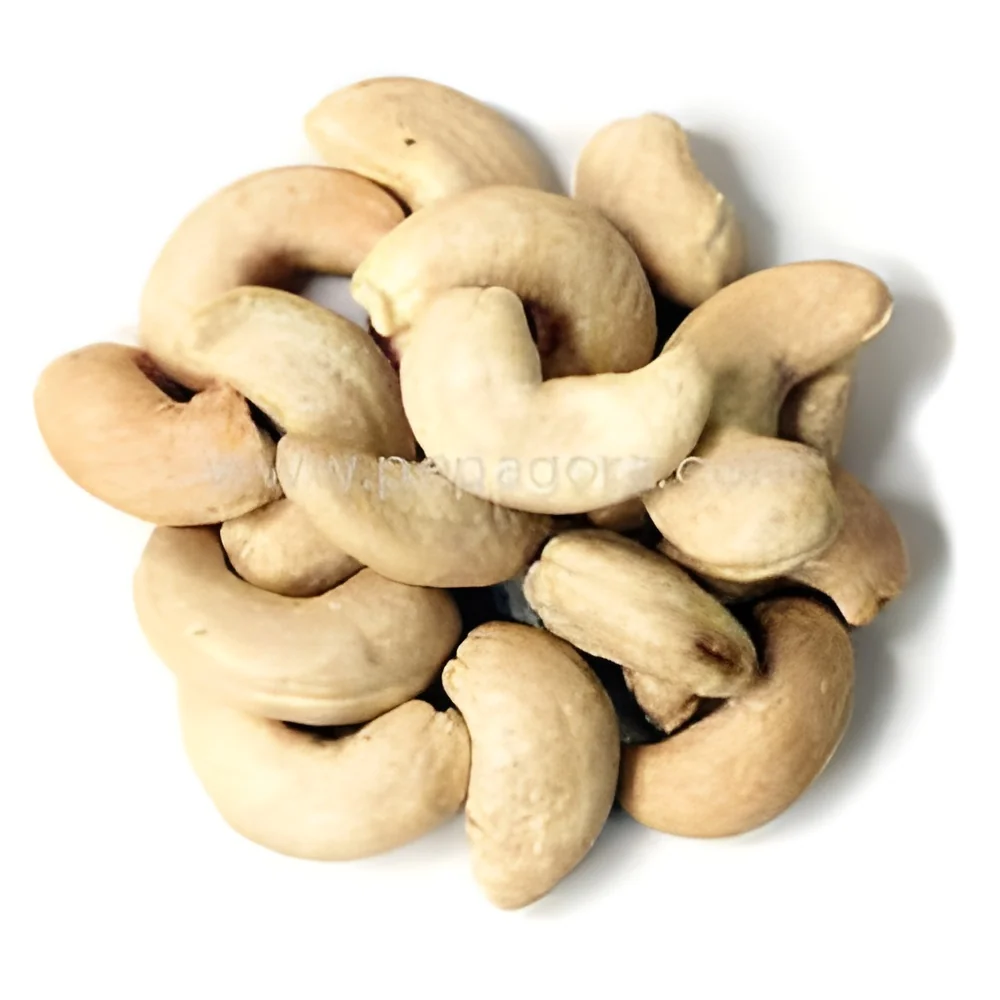
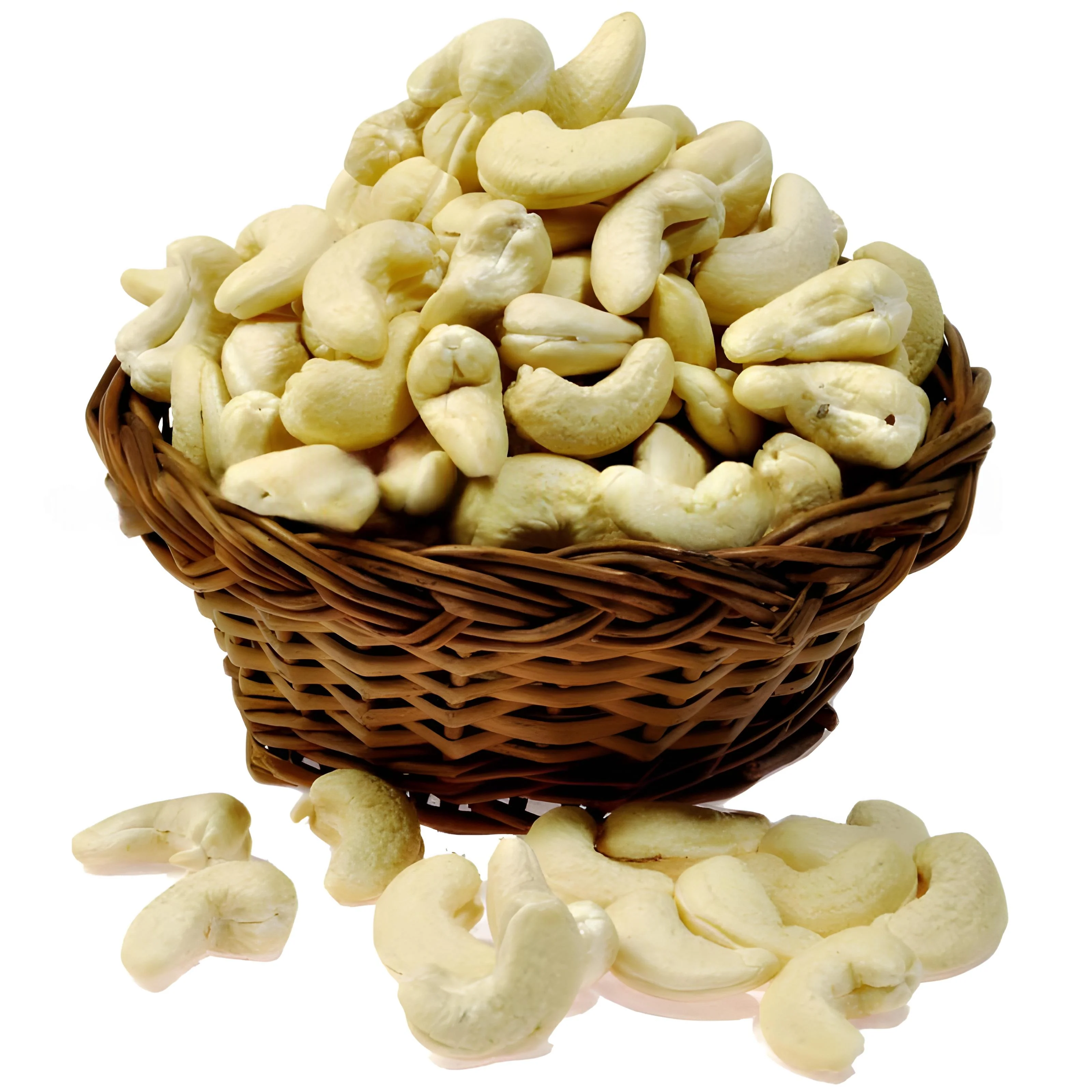
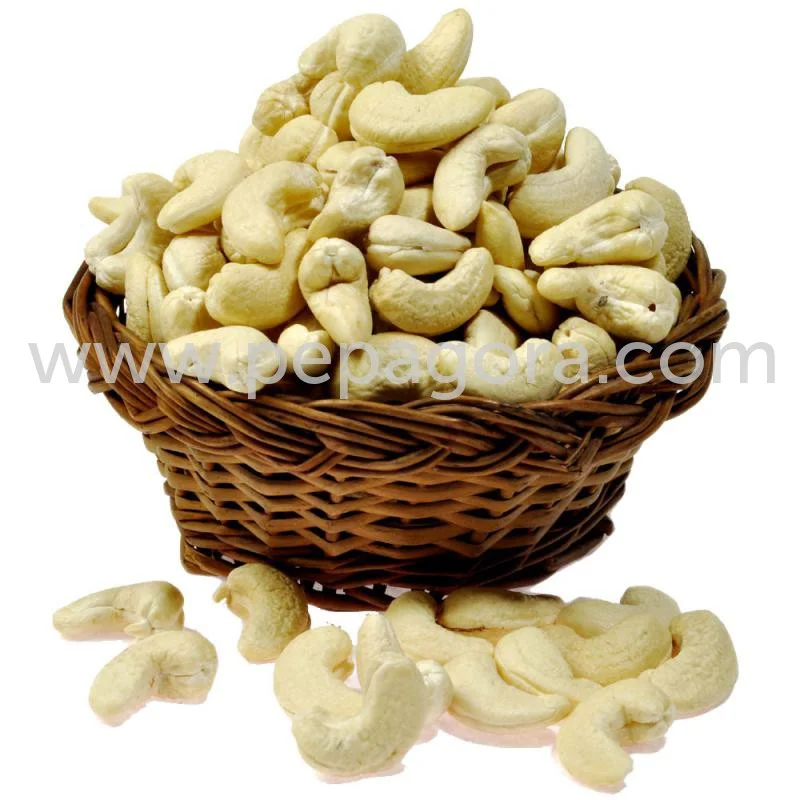
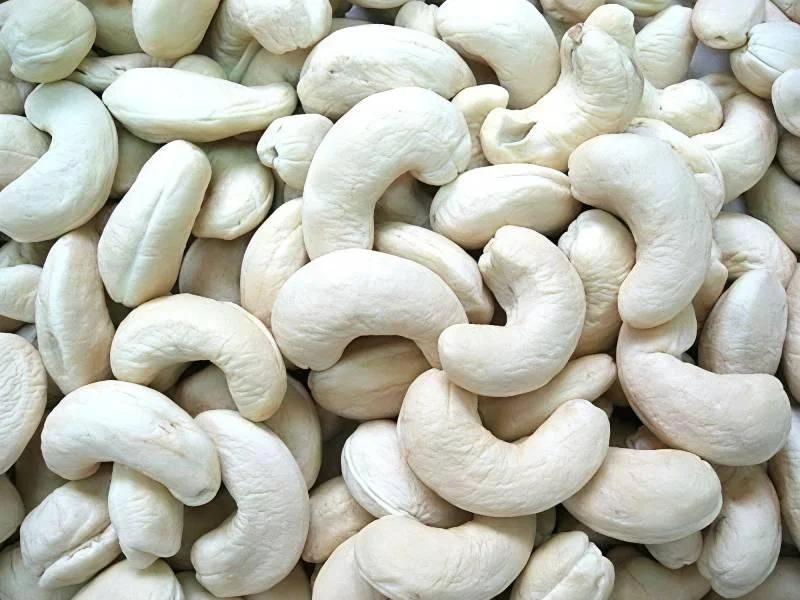
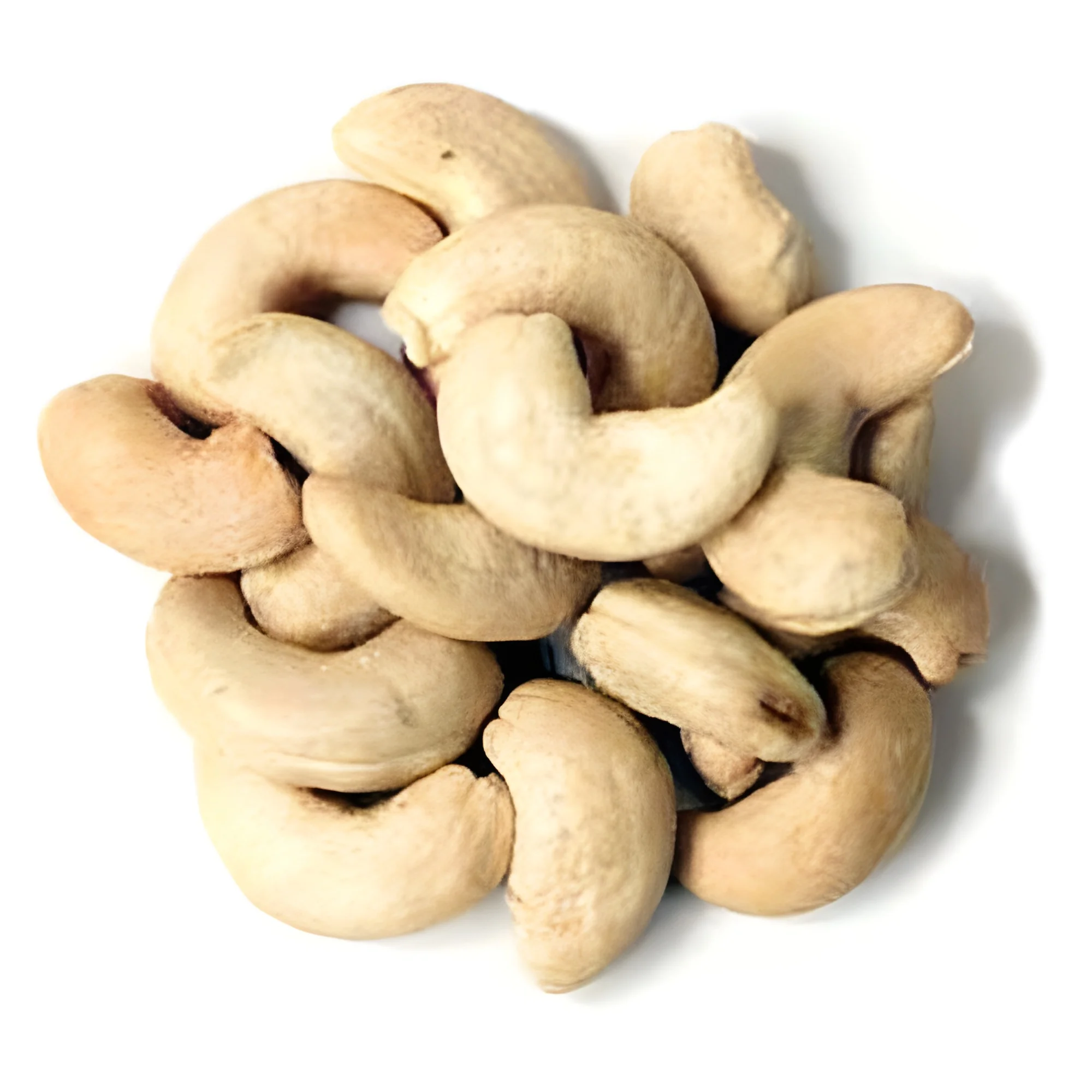
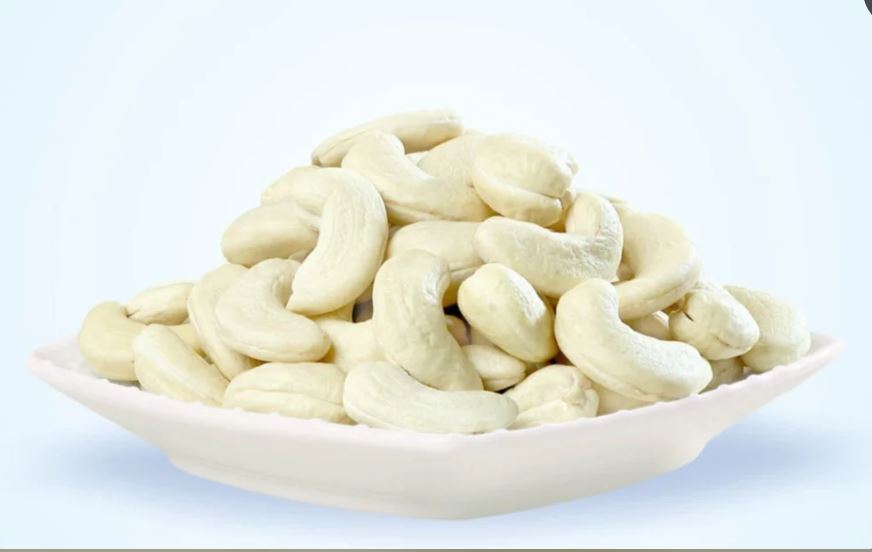
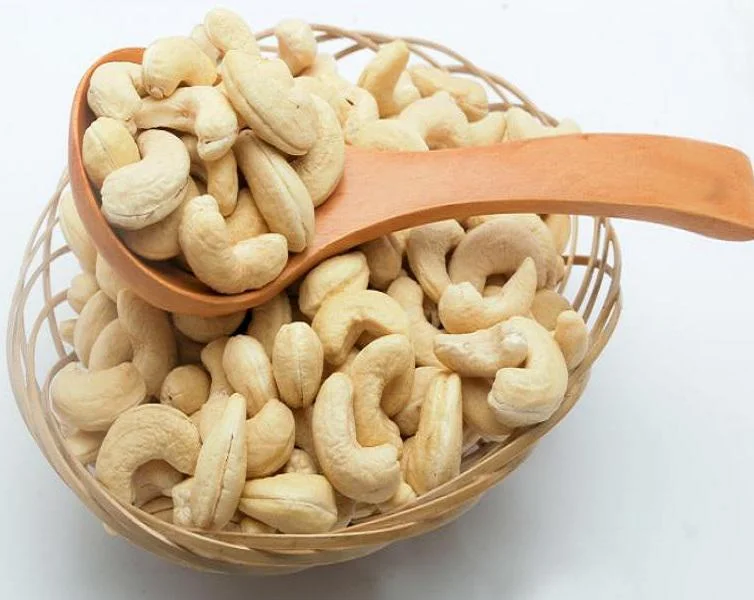
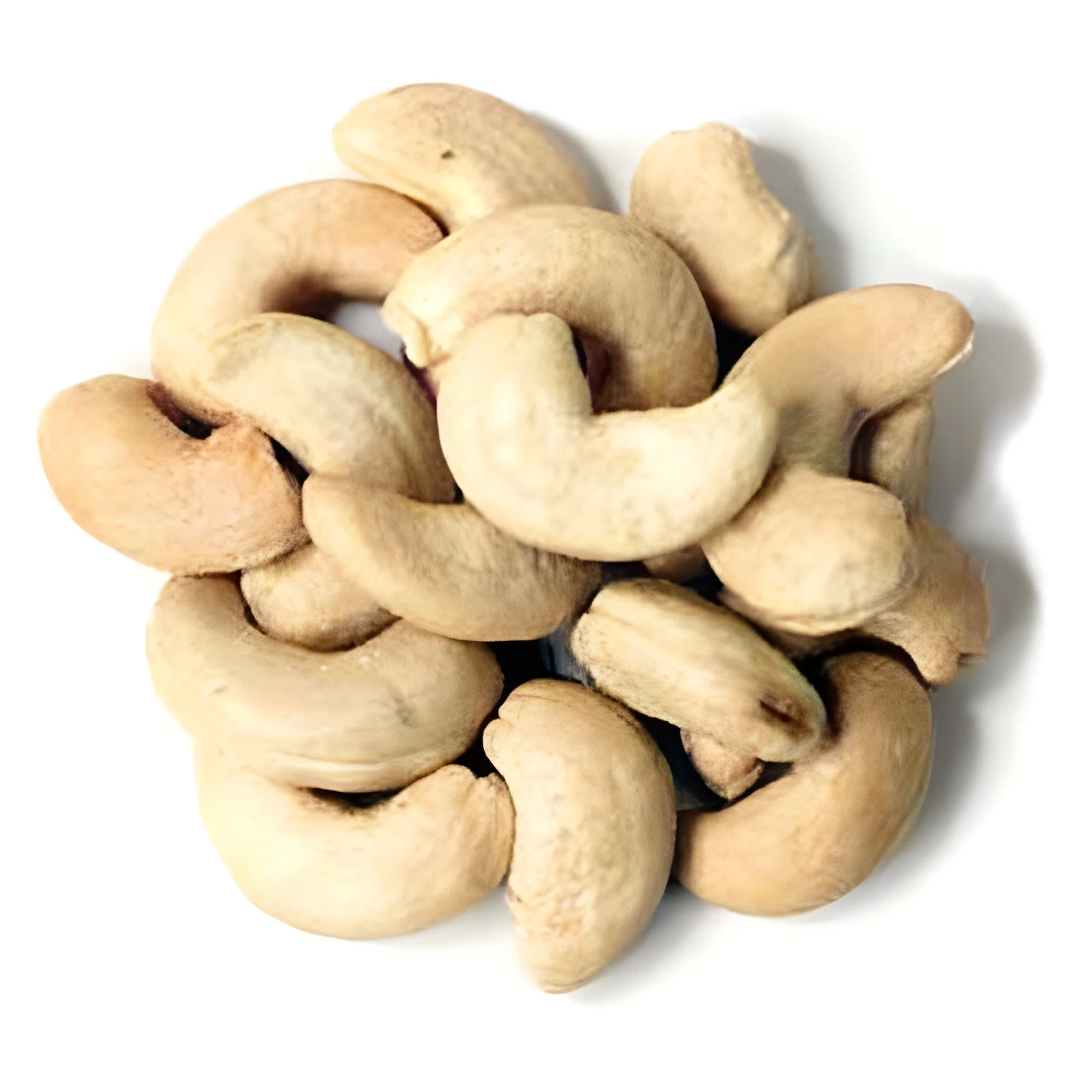
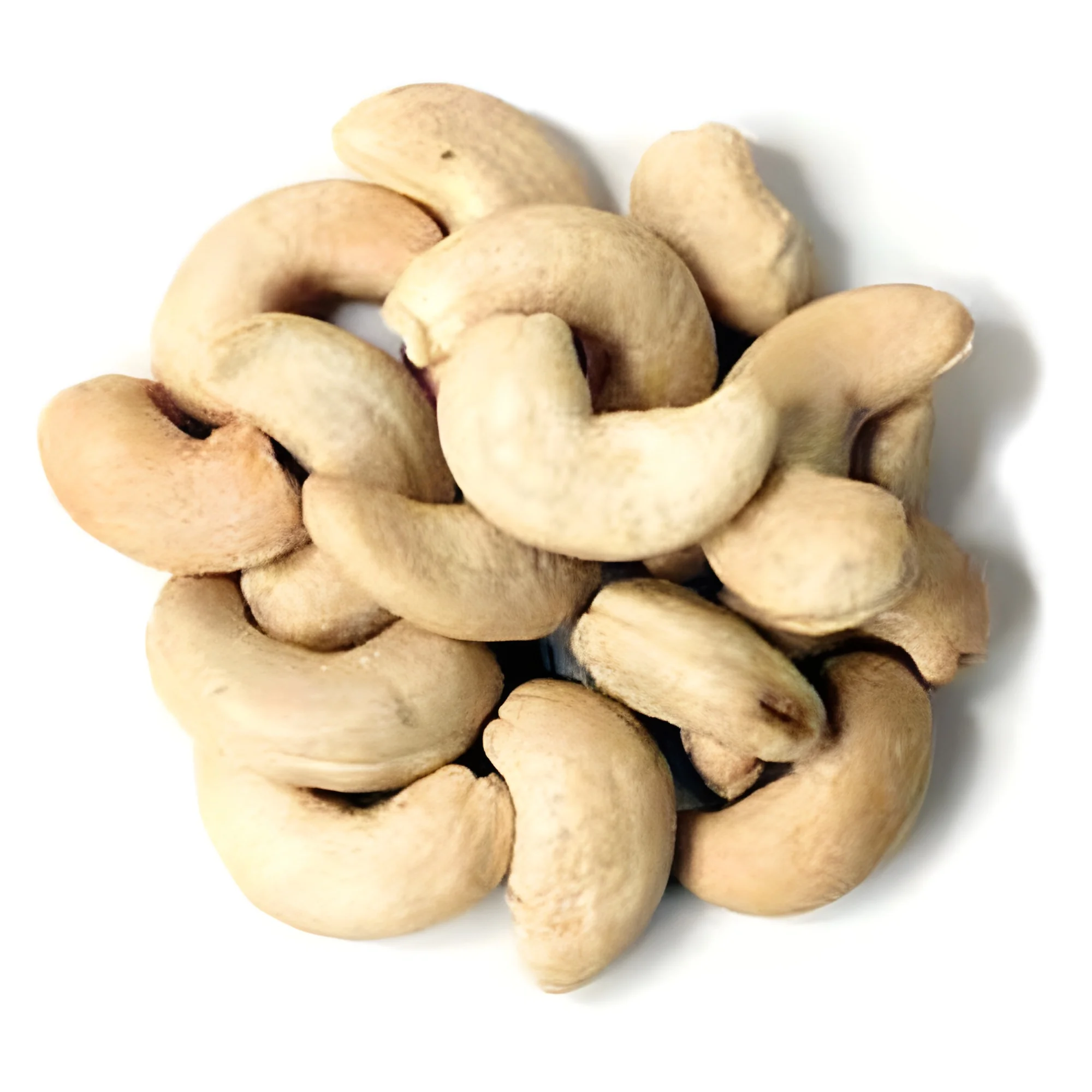
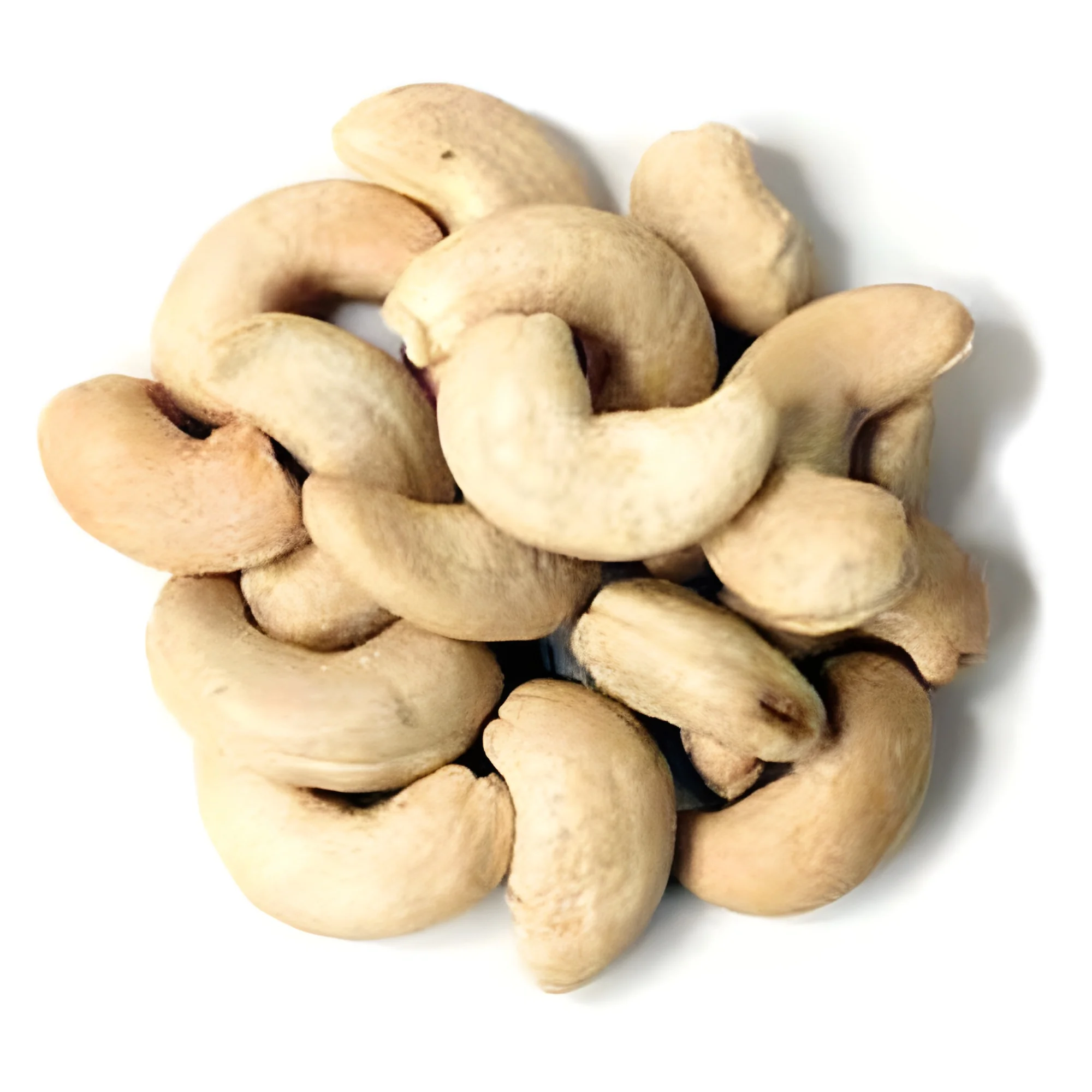
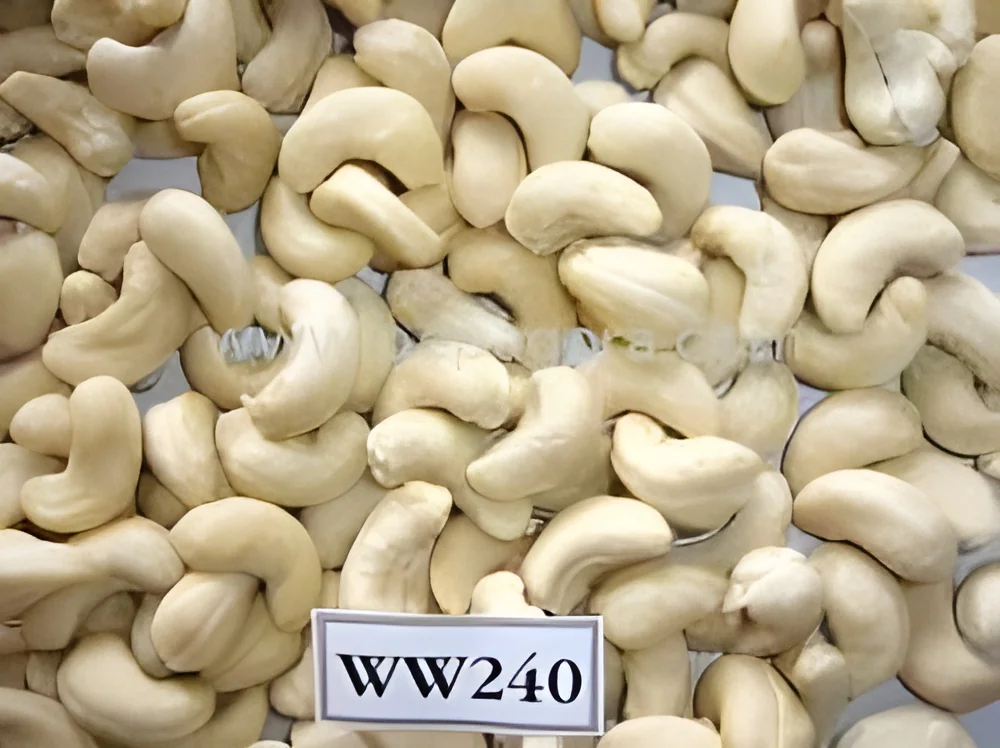
Cashews
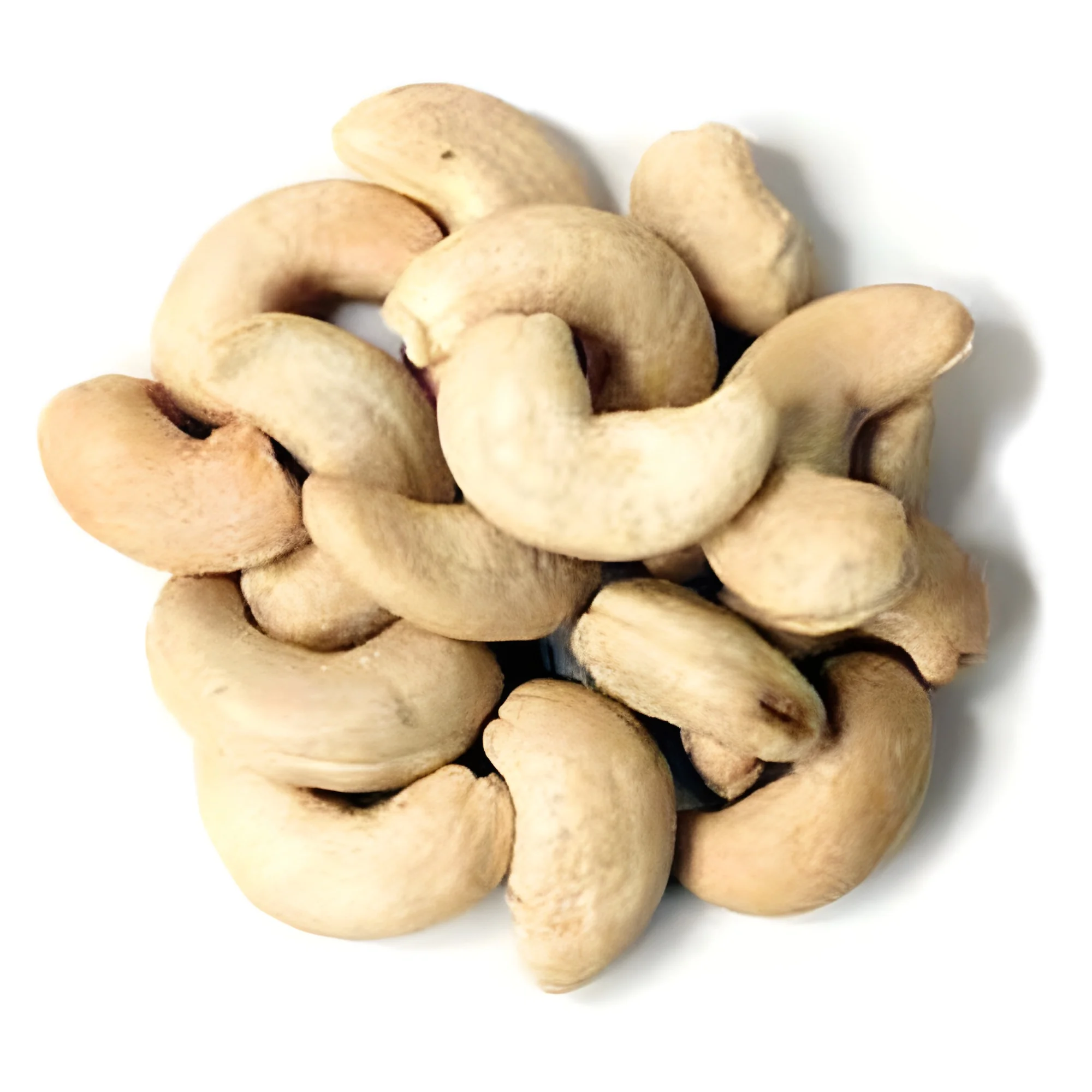
Cashews are creamy and rich in flavor. They are often used in dairy-free products and as a snack, providing healthy fats and protein.
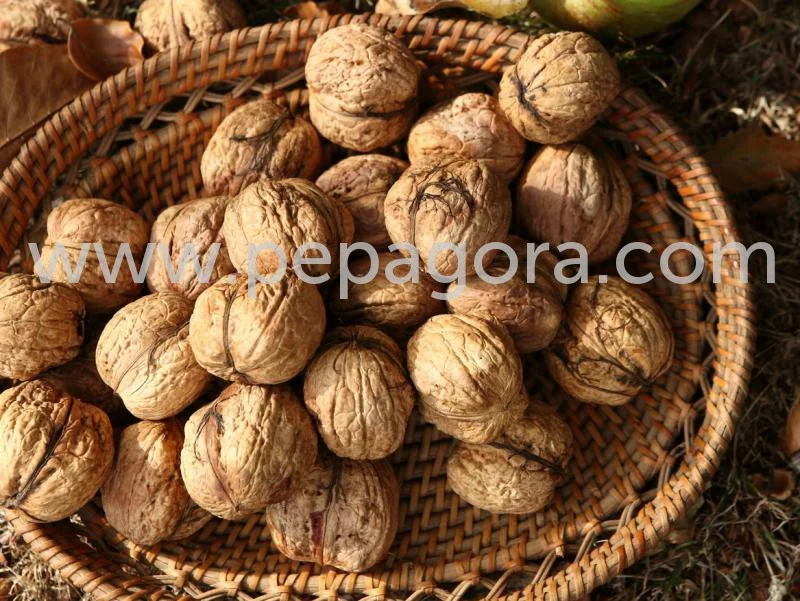
Walnuts
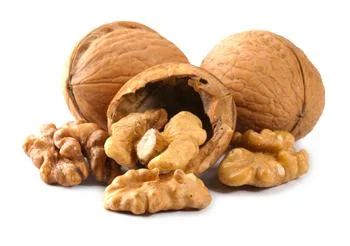
Walnuts have a robust flavor and are often included in baked goods and salads. They are also known for their high omega-3 fatty acid content.
Dried Apricots
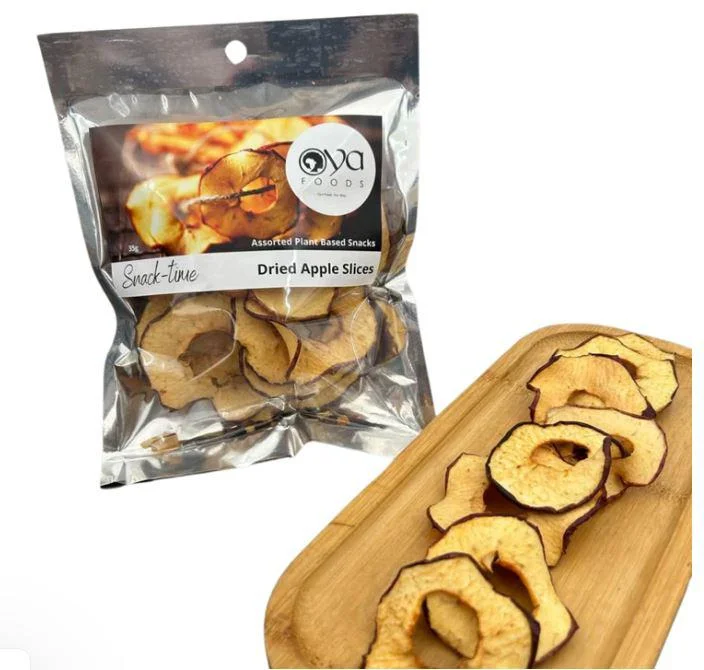
Dried apricots are sweet and chewy, making them a popular snack and ingredient in trail mixes and baked goods. They are high in fiber and antioxidants.
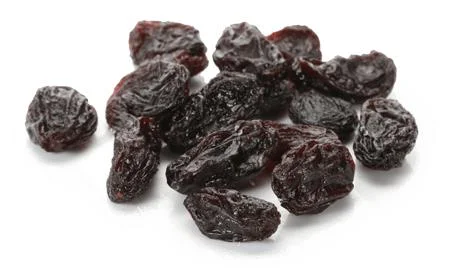
Raisins
Raisins are dried grapes, often used in cereals, snack mixes, and pastries. They provide natural sweetness and are packed with energy.
Benefits and Advantages
Nuts and dried fruit provide numerous benefits that make them appealing to businesses and consumers alike.
1. Nutritional Value: They are packed with essential nutrients, including vitamins, minerals, and healthy fats, promoting overall health.
2. Versatility: These products can be used in various applications, from snacks to gourmet dishes, allowing for creativity in food preparation.
3. Long Shelf Life: When stored correctly, nuts and dried fruits have a long shelf life, reducing waste and allowing for bulk purchasing.
4. Health Benefits: Regular consumption can support heart health, weight management, and overall wellness, making them a great addition to any diet.
5. Cost-Effectiveness: They can be purchased in bulk, providing cost savings for businesses that require large quantities.
6. Consumer Demand: Increasing awareness of healthy eating habits has led to a rise in demand, making these products a profitable choice for sellers.
Buying Guide for B2B Buyers
When sourcing nuts and dried fruit, businesses should consider several key factors to ensure they make informed purchasing decisions.
1. Quality Assessment: Evaluate the quality based on appearance, taste, and freshness. Look for products with low moisture content and a long shelf life.
2. Supplier Verification: Vet suppliers to ensure they meet industry standards and can provide consistent quality. Check for certifications and customer reviews.
3. Pricing and MOQ: Understand the pricing structures and minimum order quantities. Compare prices across suppliers to ensure competitive rates.
4. Delivery and Lead Times: Factor in the logistics of delivery, including lead times, to ensure that products arrive when needed for production.
5. Compliance Requirements: Be aware of regulatory needs, including safety and labeling requirements, to ensure compliance with industry standards.
Compliance and Certifications
Compliance and certification are critical aspects of sourcing nuts and dried fruit. Key quality standards include ISO 9001, which ensures consistent quality management systems across organizations.
HACCP (Hazard Analysis Critical Control Point) is another important standard that focuses on food safety, identifying and managing potential hazards in the production process. Compliance with GDP (Good Distribution Practices) ensures that the products are stored and transported under suitable conditions.
Additionally, obtaining certifications like CE demonstrates that the products meet European health, safety, and environmental protection standards. Businesses should also be aware of regional compliance considerations, as standards may vary across different markets.
Why Source Nuts & Dried Fruit from Pepagora?
Pepagora provides a trusted platform for sourcing nuts and dried fruit, offering several key advantages to buyers.
Verified Supplier Network: Pepagora connects buyers with a network of verified suppliers who meet industry standards for quality and reliability. This ensures that businesses can source products confidently.
Streamlined RFQ Process: The request for quotation (RFQ) process is designed to be efficient, allowing buyers to receive competitive quotes from multiple suppliers quickly. This saves time and simplifies procurement.
Trade Assurance and Support: Buyers are protected through trade assurance programs that ensure compliance and quality. Pepagora also offers customer support to assist with any inquiries or issues.
Regional Coverage: With a strong presence in markets such as India, the GCC, and Southeast Asia, Pepagora provides extensive geographic reach, making it easier for businesses to find local suppliers and manage logistics effectively.

 IN
IN