IN
INundefined
Vitamin & Mineral-Fortified Foods
2 products available
𝗪𝗵𝗮𝘁 𝗮𝗿𝗲 𝗩𝗶𝘁𝗮𝗺𝗶𝗻 & 𝗠𝗶𝗻𝗲𝗿𝗮𝗹-𝗙𝗼𝗿𝘁𝗶𝗳𝗶𝗲𝗱 𝗙𝗼𝗼𝗱𝘀?
Vitamin and mineral-fortified foods are products enhanced with essential vitamins and minerals to improve their nutritional value. These foods are designed to help consumers meet their daily nutrient requirements, especially in regions where dietary deficiencies are common. The fortification process involves adding specific nutrients to food items, thereby enhancing their health benefits.
These fortified foods find primary use in various business contexts, including food manufacturing, health care, and nutrition-focused sectors. They are commonly used to support public health initiatives, reduce malnutrition, and promote overall wellness among consumers. Businesses in the food and beverage industry leverage fortified foods to cater to health-conscious customers and comply with regulatory standards. The market for these products continues to grow as awareness of health and nutrition increases globally.
The relevance of vitamin and mineral-fortified foods in the industry is underscored by changing consumer preferences and rising health concerns. With an increasing focus on preventive health measures and nutrition, businesses that offer fortified products are well-positioned to capture market share. The global demand for these foods reflects a shift towards healthier eating habits and proactive health management.
𝗞𝗲𝘆 𝗙𝗲𝗮𝘁𝘂𝗿𝗲𝘀 𝗮𝗻𝗱 𝗦𝗽𝗲𝗰𝗶𝗳𝗶𝗰𝗮𝘁𝗶𝗼𝗻𝘀
Vitamin and mineral-fortified foods come with a range of features that make them appealing to both consumers and businesses. Their specifications are critical in ensuring that these products meet health standards and consumer expectations.
Key specifications include:
1. Nutrient Composition
- Specific vitamins and minerals added to the food
- Compliance with recommended daily values
2. Shelf Life
- Duration the product remains effective and safe for consumption
- Typically ranges from several months to years depending on the product
3. Packaging
- Types of packaging used to ensure product safety and longevity
- Options include vacuum-sealed, resealable, or bulk packaging
4. Allergen Information
- Clear labeling of potential allergens present in the product
- Essential for consumer safety and compliance
5. Taste and Texture
- How the fortification affects the overall taste and mouthfeel of the food
- Important for consumer acceptance
6. Nutritional Claims
- Claims regarding health benefits supported by scientific evidence
- Must comply with local regulations
7. Production Standards
- Adherence to industry standards such as ISO 9001
- Ensures quality and safety of the manufacturing process
8. Regulatory Compliance
- Meeting local and international food safety regulations
- Necessary for market approval and consumer trust
In summary, understanding the specifications of vitamin and mineral-fortified foods is crucial for businesses to ensure compliance, safety, and consumer satisfaction.
𝗖𝗼𝗺𝗺𝗼𝗻 𝗔𝗽𝗽𝗹𝗶𝗰𝗮𝘁𝗶𝗼𝗻𝘀 𝗮𝗻𝗱 𝗨𝘀𝗲 𝗖𝗮𝘀𝗲𝘀
Vitamin and mineral-fortified foods have a wide range of applications across various industries.
1. Food Manufacturing: These products are used to enhance the nutritional profiles of staple foods like flour, rice, and cereals, helping to combat malnutrition.
2. Health Care: Fortified foods are often recommended by healthcare providers for patients with specific dietary deficiencies, promoting better health outcomes.
3. School Nutrition Programs: Many educational institutions incorporate fortified foods into their meal plans to ensure children receive adequate nutrition.
4. Fitness and Wellness: Health-focused brands use fortified foods in their products to cater to health-conscious consumers seeking additional nutrients.
5. Elderly Care: Fortified foods are designed to meet the unique nutritional needs of older adults, helping to maintain health and vitality.
6. Nutritional Supplements: Some fortified foods serve as convenient alternatives to traditional supplements, offering essential nutrients in a palatable form.
7. Sports Nutrition: Athletes and active individuals often consume fortified foods to support their nutritional needs and improve performance.
𝗣𝗿𝗼𝗱𝘂𝗰𝘁 𝗩𝗮𝗿𝗶𝗮𝗻𝘁𝘀 𝗮𝗻𝗱 𝗦𝘂𝗯𝗰𝗮𝘁𝗲𝗴𝗼𝗿𝗶𝗲𝘀
Vitamin and mineral-fortified foods come in various forms, each catering to different consumer needs.
Fortified Breakfast Cereals
These cereals are enriched with essential vitamins and minerals, making them a convenient breakfast option that supports daily nutrient intake.
Fortified Snack Bars
These bars are designed for on-the-go consumers, offering a quick source of energy along with added vitamins and minerals.
Fortified Dairy Products
Milk and yogurt products are often fortified with vitamin D and calcium, supporting bone health and overall nutrition.
Fortified Beverages
Beverages such as juices and smoothies can be fortified with vitamins and minerals, appealing to health-conscious consumers looking for nutritional convenience.
𝗕𝗲𝗻𝗲𝗳𝗶𝘁𝘀 𝗮𝗻𝗱 𝗔𝗱𝘃𝗮𝗻𝘁𝗮𝗴𝗲𝘀
Vitamin and mineral-fortified foods offer numerous benefits that appeal to both consumers and businesses.
Key benefits include:
1. Enhanced Nutrition: These foods provide essential nutrients that may be lacking in the average diet, improving overall health.
2. Convenience: Fortified foods make it easier for consumers to meet their daily nutritional requirements without the need for supplements.
3. Public Health Impact: Fortification can significantly reduce the prevalence of nutrient deficiencies in populations, promoting better health outcomes.
4. Competitive Advantage: Businesses that offer fortified products can differentiate themselves in a crowded market, catering to health-focused consumers.
5. Regulatory Compliance: Fortified foods often meet specific health regulations, ensuring safety and quality for consumers.
6. Improved Consumer Trust: Clear labeling and proven health benefits enhance consumer confidence in fortified products.
𝗕𝘂𝘆𝗶𝗻𝗴 𝗚𝘂𝗶𝗱𝗲 𝗳𝗼𝗿 𝗕𝟮𝗕 𝗕𝘂𝘆𝗲𝗿𝘀
When sourcing Vitamin and Mineral-Fortified Foods, it is essential for B2B buyers to consider several critical factors.
1. Quality Assessment: Look for products that adhere to recognized quality standards, ensuring safety and effectiveness. Conduct regular audits and checks.
2. Supplier Verification: Vet suppliers thoroughly to confirm their credibility and reliability. Consider their history, certifications, and customer reviews.
3. Pricing and MOQ: Understand the pricing structure and minimum order quantities. This will help in budgeting and inventory management.
4. Delivery and Lead Times: Evaluate logistics capabilities for timely delivery. Consider lead times that align with your production schedules.
5. Compliance Requirements: Stay informed about local and international regulations governing fortified foods. Ensure that products comply with necessary standards to avoid legal issues.
𝗖𝗼𝗺𝗽𝗹𝗶𝗮𝗻𝗰𝗲 𝗮𝗻𝗱 𝗖𝗲𝗿𝘁𝗶𝗳𝗶𝗰𝗮𝘁𝗶𝗼𝗻𝘀
Vitamin and mineral-fortified foods must comply with various quality standards and certifications that ensure their safety and efficacy.
Relevant standards include ISO 9001, which focuses on quality management systems, ensuring that manufacturers maintain high-quality production processes. HACCP is another critical standard that emphasizes hazard analysis and critical control points in food safety.
In addition to these standards, industry certifications such as CE indicate that the products meet European safety and health requirements. Compliance with these standards helps build trust with consumers and regulatory bodies alike.
Safety and testing requirements are also paramount in the production of fortified foods. Regular testing for nutrient levels and potential contaminants is necessary to ensure product safety.
Regional compliance considerations may vary, so it is essential for manufacturers and suppliers to stay updated on local regulations and guidelines that govern fortified foods.
𝗪𝗵𝘆 𝗦𝗼𝘂𝗿𝗰𝗲 𝗩𝗶𝘁𝗮𝗺𝗶𝗻 & 𝗠𝗶𝗻𝗲𝗿𝗮𝗹-𝗙𝗼𝗿𝘁𝗶𝗳𝗶𝗲𝗱 𝗙𝗼𝗼𝗱𝘀 𝗳𝗿𝗼𝗺 𝗣𝗲𝗽𝗮𝗴𝗼𝗿𝗮?
Pepagora offers a robust platform for sourcing Vitamin and Mineral-Fortified Foods, providing several key advantages for B2B buyers.
Verified Supplier Network: Pepagora maintains a network of verified suppliers, ensuring that buyers have access to credible manufacturers with proven track records. This reduces the risks associated with sourcing.
Streamlined RFQ Process: The platform features an efficient Request for Quotation (RFQ) system, allowing buyers to receive competitive pricing and detailed product information quickly. This simplifies the purchasing process.
Trade Assurance and Support: Pepagora provides trade assurance, giving buyers peace of mind with protections in place for transactions. Their support team is available to assist buyers throughout the sourcing process.
Regional Coverage: With a focus on regions like India, the GCC, and Southeast Asia, Pepagora ensures that buyers can access a diverse range of fortified food products tailored to their local markets. This broad geographical reach enhances sourcing options for businesses.
Newly Added


Recently Added
Asuwaldi Pharmaceuticals
Cywin Syrup For Bacterial Infections And Persistent Cough Relief
Antibiotic Syrup For Bacterial Infections In Pediatric And Adult Patients
Pharmaceutical Raw Material Tonocalcium Syrup Calcium Vitamin D3 B12
Avi Fish World
Premium Hulled Oats Bird Food Hygienic Natural Nutrition
Premium Live Aquarium Fish For Buyers And Wholesalers
Premium Aquarium Backgrounds For Buyers And Retailers
Isha Agro Developers Pvt Ltd
Organic Green Food Supplement Kit with Wheatgrass, Barley Grass, Alfalfa
Wheatgrass Orange Drink Organic Vitamins Minerals Energy Weight
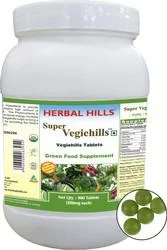
Premium Vegetable Supplement Vitamins Minerals Enzymes Phytonutrients
Natural Consumer Care Marketing Pvt Ltd
Premium Sugar Coated Sonff For Confectionery And Snacks
Premium Rasbhari Sonff High Quality Durable Food Ingredient
Premium Sweet Sonff Blend Cardamom Tulsi Fennel Non Toxic
Why Businesses Trust Pepagora
Thousands of companies trust Pepagora to source smarter and sell faster
Expand Your Sales Globally
25000+Products listed.Get discovered by global buyers
Tools to boost visibility
Build your own catalog

Source Smarter,Grow Faster
4000+Active RFQs
100+ Countries served
Easy Sourcing Tools