IN
IN₹
Apparel & Fashion
Description
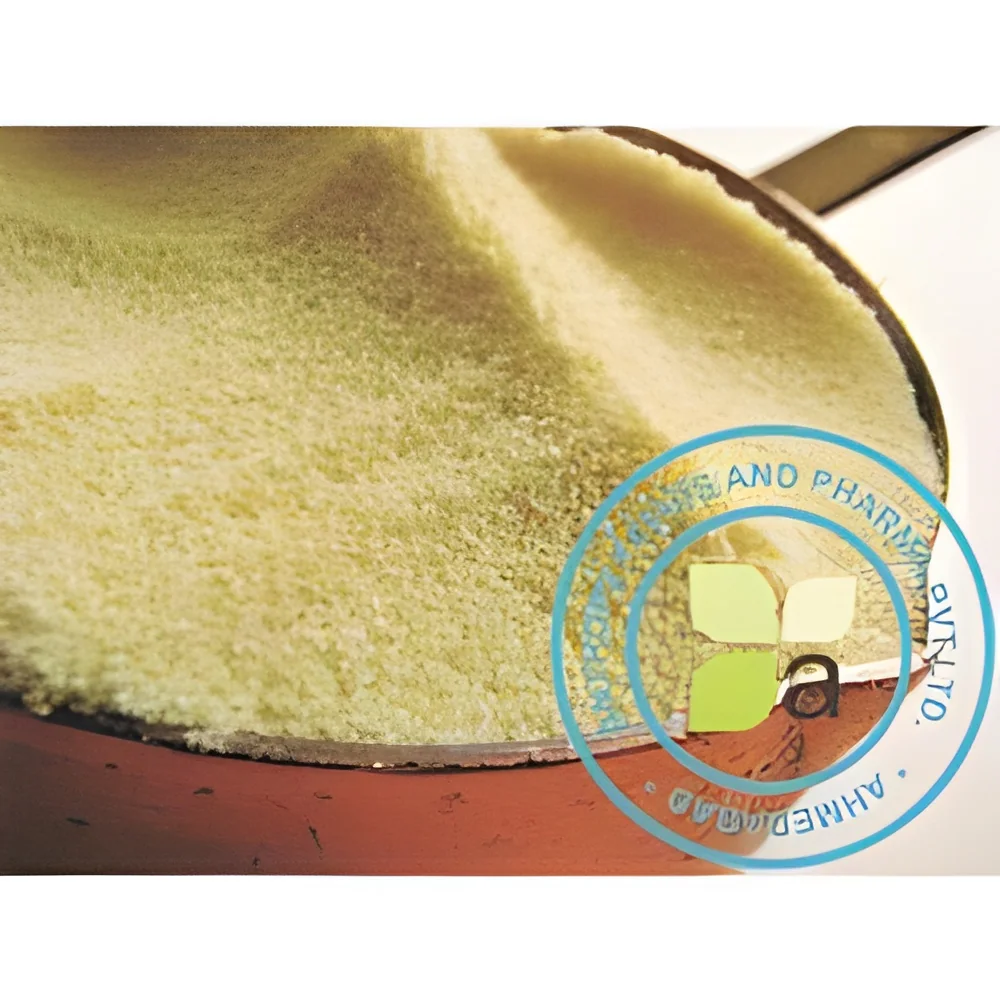
Premium semolina flour, known as suji, is meticulously processed from select durum wheat to deliver exceptional purity and consistent nutritional quality for food manufacturing applications. Through advanced milling technology and stringent quality control protocols, this flour maintains optimal particle size distribution while preserving natural proteins, dietary fiber, and essential B vitamins. Each production batch undergoes comprehensive testing for moisture content, color consistency, and food safety parameters, ensuring reliable performance that integrates seamlessly into diverse production environments. This attention to detail provides manufacturers with a trustworthy ingredient that meets exacting standards for texture, functionality, and shelf stability across various applications.

This versatile flour finds extensive use across multiple food industry segments where quality and consistency directly impact product success. In pasta manufacturing, it delivers the firm al dente...
Premium semolina flour, known as suji, is meticulously processed from select durum wheat to deliver exceptional purity and consistent nutritional quality for food manufacturing applications. Through advanced milling technology and stringent quality control protocols, this flour maintains optimal particle size distribution while preserving natural proteins, dietary fiber, and essential B vitamins. Each production batch undergoes comprehensive testing for moisture content, color consistency, and food safety parameters, ensuring reliable performance that integrates seamlessly into diverse production environments. This attention to detail provides manufacturers with a trustworthy ingredient that meets exacting standards for texture, functionality, and shelf stability across various applications.

This versatile flour finds extensive use across multiple food industry segments where quality and consistency directly impact product success. In pasta manufacturing, it delivers the firm al dente texture and cooking resistance that premium products require, while bakery operations utilize it to enhance dough elasticity and improve finished product volume and crumb structure. The health food sector incorporates it into nutritional cereals, snacks, and specialty foods for its clean-label appeal and natural nutrient density. Additionally, traditional food producers rely on its authentic characteristics for ethnic preparations ranging from Indian halwa and upma to Mediterranean semolina-based desserts and European dumplings, where specific texture and flavor profiles are essential for consumer acceptance.

Businesses choose this semolina flour for its proven reliability in high-volume production environments and consistent supply chain performance. The product supports operational efficiency through uniform batch characteristics that minimize production adjustments and reduce waste, while its stable shelf life ensures inventory flexibility. Manufacturers benefit from reduced quality control overhead due to predictable performance metrics, and distributors appreciate the consistent product specifications that simplify customer satisfaction. This reliability translates directly to business value through improved production yields, consistent end-product quality, and strengthened brand reputation in competitive markets where ingredient quality directly influences consumer purchasing decisions.

Key Features:
- High nutritional content with natural proteins, dietary fiber, and essential B vitamins
- Consistent particle size distribution from fine to coarse for precise manufacturing needs
- Advanced processing technology ensuring high purity and controlled moisture levels
- Rigorous quality testing for color uniformity, texture consistency, and food safety compliance
- Bulk availability with flexible packaging solutions including multi-layer bags and containers

Benefits:
- Enhances finished product nutrition with naturally occurring proteins and dietary fiber
- Improves texture and extends shelf life in baked goods, pasta, and prepared foods
- Supports manufacturing efficiency with reliable batch-to-batch consistency and performance
- Meets diverse culinary requirements from traditional dishes to modern health-focused products
- Reduces production risks through consistent quality standards and dependable supply chain
Specifications
| Additional Information | |
|---|---|
| Country of Origin | India |
Application
Premium semolina flour serves as a foundational ingredient for food producers seeking consistent texture and nutritional enhancement. Its coarse yet uniform grain structure provides excellent water absorption and gluten development, making it ideal for industrial-scale manufacturing where recipe precision and batch consistency are critical. This flour maintains stability through various processing conditions, from high-temperature baking to extended shelf storage, ensuring reliable performance across production cycles.
Manufacturers value this semolina flour for its versatility across multiple food categories while maintaining strict quality standards. It performs reliably in automated production lines for pasta, baked goods, and ready-to-eat foods, where consistent particle size and moisture content prevent processing interruptions. The flour's natural composition supports clean-label product development, meeting growing consumer demand for minimally processed ingredients with authentic nutritional benefits in both traditional and innovative food applications.
- Pasta and noodle manufacturing where firm texture and cooking resistance are essential for quality
- Industrial bakery production for breads, cakes, and pastries requiring improved crumb structure and extended freshness
- Breakfast cereal and snack manufacturing that benefits from enhanced nutritional profiles and crisp texture
- Ready-to-eat food production including instant mixes, infant foods, and nutritional supplements
- Ethnic and traditional food preparation for authentic dishes like Indian sweets, Mediterranean couscous, and European dumplings
Trade Details
| Available Stock | In Stock |
| Sample Availability | No |
Payment Terms
| Payment Terms |
|
Company Profile
Ankit India Limited, West Bengal
 West Bengal, India
West Bengal, IndiaFood & Agriculture•Manufacturer•Importer / Exporter
Factory Details
Factory SizeBelow 1000 sqm
Annual Production Capacity0
Premium Semolina Flour High Nutrition Bulk Suji
Premium Semolina Flour (Suji) offers high nutrition and purity for food manufacturers needing bulk quantities for pasta, bakery items, and traditional dishes with consistent quality and reliability.
Min. Order Quantity: 1 unit
Shipping
Shipping fee and delivery date to be negotiated. Contact supplier now for more details.
Ankit India Limited
 West Bengal, India
West Bengal, IndiaFood & AgricultureManufacturer