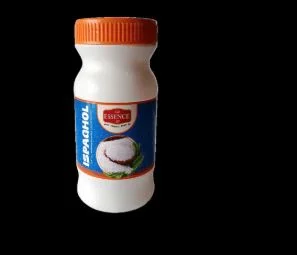
What are Dietary Fiber Supplements?
Dietary fiber supplements are products designed to provide an additional source of dietary fiber, a crucial component for maintaining digestive health and overall well-being. These supplements are typically derived from natural sources, including fruits, vegetables, and grains, and can come in various forms such as powders, capsules, or chewable tablets. The primary function of dietary fiber is to support digestion by aiding in bowel regularity and preventing constipation. They can also contribute to a feeling of fullness, which may assist in weight management.
In a business context, dietary fiber supplements are commonly used in health and wellness industries, including food manufacturing, dietary products, and nutraceuticals. They are marketed to consumers seeking to enhance their dietary fiber intake, particularly those with specific health goals or dietary restrictions. As the demand for health-oriented products grows, the dietary fiber supplement market continues to expand. This trend underscores the importance of these supplements in various sectors, including pharmaceuticals, functional foods, and dietary supplements.
Key Features and Specifications
Dietary fiber supplements are characterized by several key features that make them essential for various applications. When considering these products, it is important to understand their specifications to ensure they meet the required standards.
Key specifications include:
1. Type of Fiber
- Soluble Fiber: Dissolves in water, beneficial for heart health and blood sugar control.
- Insoluble Fiber: Does not dissolve in water, aids in digestion and promotes bowel regularity.
2. Fiber Content
- Varies by product, typically ranging from 1 to 10 grams per serving.
- High-fiber supplements may contain additional nutrients to enhance health benefits.
3. Form
- Available in various forms including powders, capsules, and ready-to-drink formulations.
- Choice of form may influence consumer preference and ease of use.
4. Flavor and Additives
- Some supplements come flavored to improve palatability.
- May contain additives for increased nutritional value or stability.
5. Packaging
- Often packaged in bulk or individual servings for convenience.
- Packaging should be durable and designed to protect the product from moisture.
6. Shelf Life
- Varies by formulation, generally ranging from 12 to 24 months.
- Proper storage conditions can extend shelf life.
7. Certification
- Many products are certified as gluten-free, non-GMO, or organic.
- Certifications can enhance product appeal in the marketplace.
In summary, understanding the features and specifications of dietary fiber supplements is crucial for businesses looking to cater to the health-conscious consumer market.
Common Applications and Use Cases
Dietary fiber supplements find applications across various industries, each with unique needs and benefits.
1. Food Manufacturing: Used to fortify products like cereals, bars, and beverages, enhancing their nutritional profile.
2. Nutraceuticals: Incorporated into health supplements aimed at improving digestive health, weight management, and heart health.
3. Pharmaceuticals: Used in formulations targeting gastrointestinal disorders or for patients requiring additional fiber intake.
4. Fitness and Sports Nutrition: Popular among athletes looking to improve digestive health and maintain energy levels.
5. Weight Management: Used in meal replacement products to enhance satiety and support weight-loss programs.
6. Health and Wellness: Promoted for general health benefits, contributing to a balanced diet.
7. Senior Care: Beneficial for elderly populations who may experience digestive issues, providing an easy way to increase fiber intake.
Product Variants and Subcategories
Dietary fiber supplements come in a variety of formulations to cater to different consumer preferences and health needs.
Psyllium Husk
Psyllium husk is a soluble fiber known for its ability to absorb water and form a gel-like substance. It is commonly used to relieve constipation and promote regular bowel movements.
Inulin
Inulin is a prebiotic fiber that supports gut health by promoting the growth of beneficial bacteria. It is often added to functional foods and supplement products.
Chia Seeds
Chia seeds are a natural source of both soluble and insoluble fiber. They can be used in smoothies or as a topping for yogurt, contributing to dietary fiber intake.
Oat Bran
Oat bran is rich in soluble fiber and is often used in cereals and baked goods. It is known for its ability to help lower cholesterol levels.
Benefits and Advantages
Dietary fiber supplements offer numerous benefits that make them attractive to consumers and businesses alike.
1. Digestive Health: Supports healthy digestion and regular bowel movements, reducing the risk of constipation.
2. Weight Management: Helps promote satiety, making it easier for individuals to control their appetite and manage their weight.
3. Heart Health: Certain types of fiber can help lower cholesterol levels, contributing to cardiovascular health.
4. Blood Sugar Control: Soluble fiber can help regulate blood sugar levels, which is beneficial for individuals with diabetes.
5. Gut Health: Prebiotic fibers support the growth of beneficial gut bacteria, enhancing overall gut health.
6. Versatility: Available in various forms and flavors, making it easy for consumers to incorporate into their diets.
Buying Guide for B2B Buyers
When sourcing dietary fiber supplements, businesses should consider several key factors to ensure they select the right products for their needs.
1. Quality Assessment: Evaluate the quality of fiber supplements by reviewing ingredient sourcing and manufacturing processes. Look for products that meet industry standards and have undergone testing for purity and efficacy.
2. Supplier Verification: Vet potential suppliers by checking their certifications, reputation in the market, and history of compliance with regulations. Establishing a reliable supplier relationship is crucial for consistent product quality.
3. Pricing and MOQ: Understand the pricing structure and minimum order quantities (MOQ) offered by suppliers. This will help you manage costs and inventory levels effectively.
4. Delivery and Lead Times: Discuss logistics and expected delivery timelines with suppliers. Timely delivery is essential for maintaining product availability and meeting customer demands.
5. Compliance Requirements: Ensure that the products meet all relevant regulatory standards and certifications for your target market. This includes understanding labeling requirements and potential health claims.
Compliance and Certifications
Dietary fiber supplements must adhere to various quality standards and certifications to ensure safety and efficacy. Common quality standards include ISO 9001, which outlines requirements for a quality management system, ensuring consistent product quality and customer satisfaction.
Other relevant certifications may include HACCP (Hazard Analysis Critical Control Point), which identifies and manages food safety risks throughout the production process. Compliance with Good Distribution Practice (GDP) standards is also essential for maintaining product integrity during storage and distribution.
Safety and testing requirements are crucial in the dietary supplement industry. Products should undergo rigorous testing for contaminants and ensure that they are free from harmful substances. Additionally, regional compliance considerations may vary, so it is important for businesses to stay updated on local regulations affecting dietary fiber supplements.
Why Source Dietary Fiber Supplements from Pepagora?
Pepagora provides a trusted platform for sourcing dietary fiber supplements, offering several advantages to businesses looking to enhance their product offerings.
Verified Supplier Network: Pepagora maintains a network of verified suppliers, ensuring that businesses can source high-quality dietary fiber supplements with confidence. This network is built on rigorous vetting processes to guarantee supplier reliability.
Streamlined RFQ Process: The request for quotation (RFQ) process is designed to be user-friendly, allowing businesses to receive competitive quotes quickly. This efficiency helps buyers make informed decisions without unnecessary delays.
Trade Assurance and Support: Pepagora offers trade assurance to protect buyers throughout the purchasing process. This support includes assistance with disputes and ensuring that products are delivered as promised.
Regional Coverage: With a strong presence in India, the GCC, and Southeast Asia, Pepagora offers comprehensive geographic reach. This allows businesses to access dietary fiber supplements tailored to diverse market needs and consumer preferences.

 IN
IN