IN
IN₹
Apparel & Fashion
Description
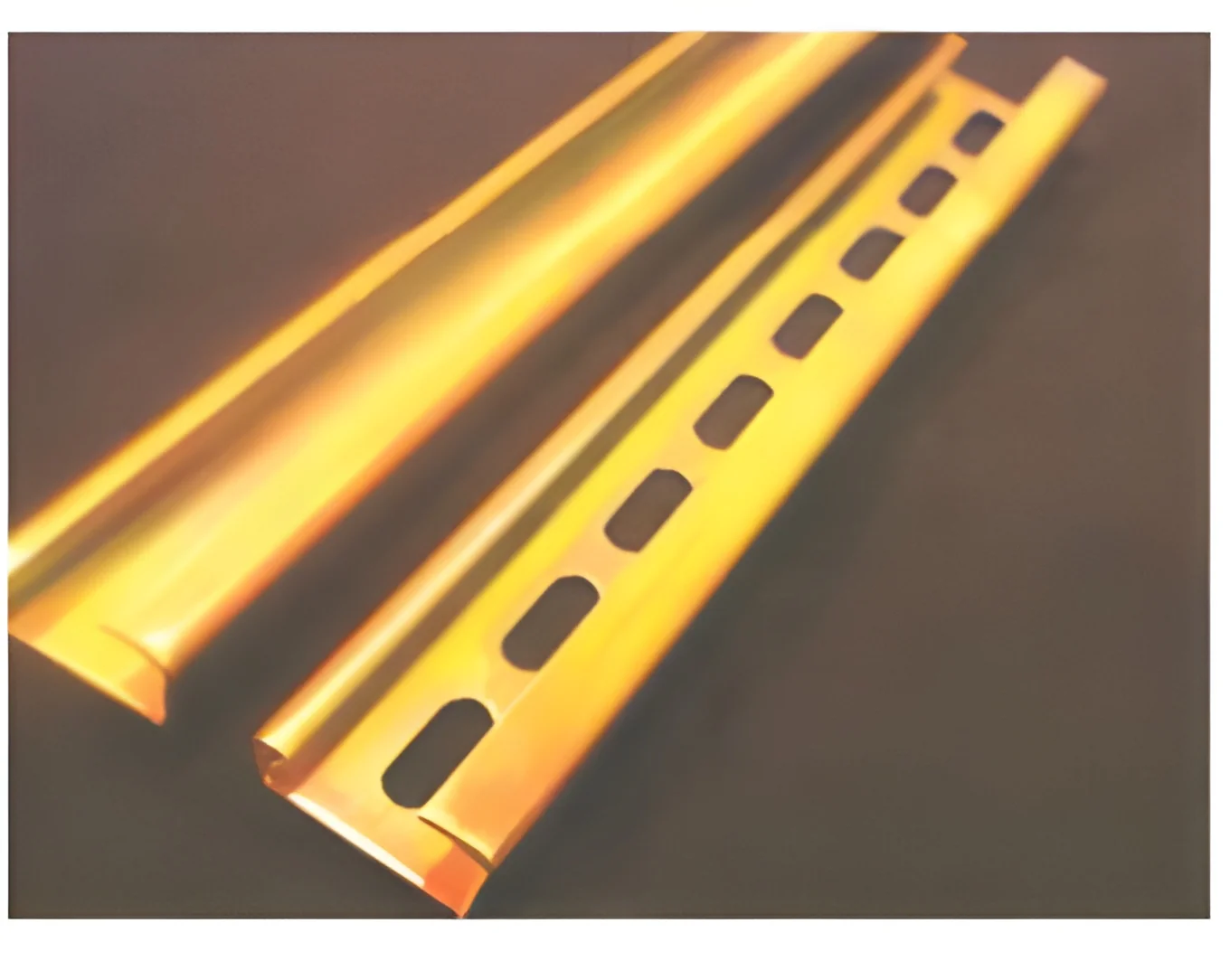
DIN rails, also known as mounting rails, are standardized metal channels that form the essential mounting framework within electrical enclosures and control panels. Typically manufactured from cold-rolled steel, aluminum, or stainless steel, they provide a robust, uniform base for installing a vast array of electrical components. These include circuit breakers, terminal blocks, relays, contactors, timers, and programmable logic controller (PLC) modules. Available in standard profiles like the prevalent 35mm top-hat, as well as C-section and G-section types, they adhere to international standards such as DIN EN 60715. This standardization ensures global compatibility, enabling easy installation, modular component arrangement, and swift replacement or upgrades, which is critical for maintaining operational efficiency.

These rails are fundamental across a broad spectrum of industries that rely on electrical control and automation. In manufacturing and industrial automation, they organize...
DIN rails, also known as mounting rails, are standardized metal channels that form the essential mounting framework within electrical enclosures and control panels. Typically manufactured from cold-rolled steel, aluminum, or stainless steel, they provide a robust, uniform base for installing a vast array of electrical components. These include circuit breakers, terminal blocks, relays, contactors, timers, and programmable logic controller (PLC) modules. Available in standard profiles like the prevalent 35mm top-hat, as well as C-section and G-section types, they adhere to international standards such as DIN EN 60715. This standardization ensures global compatibility, enabling easy installation, modular component arrangement, and swift replacement or upgrades, which is critical for maintaining operational efficiency.

These rails are fundamental across a broad spectrum of industries that rely on electrical control and automation. In manufacturing and industrial automation, they organize the complex circuitry within motor control centers and machinery panels. The construction sector utilizes them in building management systems for HVAC and security. Energy sectors, including traditional power distribution and renewable setups like solar and wind farms, depend on them for inverter and control system enclosures. Furthermore, they are vital in telecommunications for data cabinet organization, in transportation for signaling systems, and in water treatment facilities for process instrumentation panels, demonstrating their universal utility.

For businesses, DIN rails deliver significant value through enhanced reliability and operational efficiency. Their design ensures all mounted components are securely held, reducing vibration-related failures and ensuring consistent electrical connections. This reliability minimizes downtime and maintenance costs. The modular nature allows for scalable system designs and easy troubleshooting, saving valuable time during installation and service. By promoting organized wiring and optimal space utilization within often-crowded panels, they improve safety, reduce the risk of short circuits, and facilitate clearer documentation. This combination of durability, flexibility, and standardization makes them a cost-effective, long-term solution for any serious electrical infrastructure project.

Key Features:
- Standardized metal channels compliant with international DIN EN 60715 specifications.
- Available in robust materials including cold-rolled steel, aluminum, and stainless steel.
- Common profiles include 35mm top-hat, C-section, and G-section for various mounting needs.
- Provides a uniform, secure base for mounting diverse electrical components.
- Enables modular design for easy installation, component arrangement, and future system expansion.

Benefits:
- Ensures organized, neat wiring and efficient space utilization within control panels.
- Facilitates quick installation, maintenance, and component replacement to reduce downtime.
- Enhances system reliability and safety with secure mechanical mounting and stable connections.
- Offers universal compatibility with components from multiple manufacturers for flexible design.
- Provides a scalable and cost-effective foundation for durable electrical system infrastructure.
Specifications
| Additional Information | |
|---|---|
| Country of Origin | India |
Application
DIN rails serve as the foundational backbone for countless electrical and industrial control systems. Their standardized design allows for the secure, organized mounting of components like circuit breakers, terminal blocks, relays, and PLC modules within enclosures and panels. This modular approach simplifies assembly, maintenance, and future system expansions, making them indispensable in modern electrical engineering.
From compact control cabinets to large-scale industrial switchgear, these rails provide reliable mechanical support across diverse environments. Their universal compatibility with a wide range of components from different manufacturers ensures seamless integration. This versatility supports efficient panel layout, promotes neat wiring practices, and enhances overall system reliability and safety in demanding operational conditions.
- Electrical control and distribution panels for industrial machinery and manufacturing plants.
- Building automation systems managing HVAC, lighting, and security within commercial facilities.
- Renewable energy installations, including solar inverter enclosures and wind turbine control boxes.
- Process control and instrumentation panels in water treatment plants and chemical processing.
- Data center infrastructure and communication network cabinets for organizing power distribution units.
Trade Details
| Available Stock | In Stock |
| Sample Availability | No |
Payment Terms
| Payment Terms |
|
Company Profile

Assocaited Engineers, Maharashtra
 Maharashtra, India
Maharashtra, IndiaManufacturer•Retailer•Importer / Exporter
Factory Details
Factory SizeBelow 1000 sqm
DIN Rail / Mounting Rail
DIN Rail / Mounting Rail is a standardized metal strip for securely mounting circuit breakers, terminal blocks, and control devices in electrical panels, ensuring organized, modular, and efficient installations.
Min. Order Quantity: 1
Shipping
Shipping fee and delivery date to be negotiated. Contact supplier now for more details.
Assocaited Engineers
 Maharashtra, India
Maharashtra, IndiaManufacturer