
 IN
INModems (DSL, Cable, Fiber)
12 products available
Key Features and Specifications
Common Applications and Use Cases
Product Variants and Subcategories
Benefits and Advantages
Buying Guide for B2B Buyers
Compliance and Certifications


 India
India
 India
India

 India
India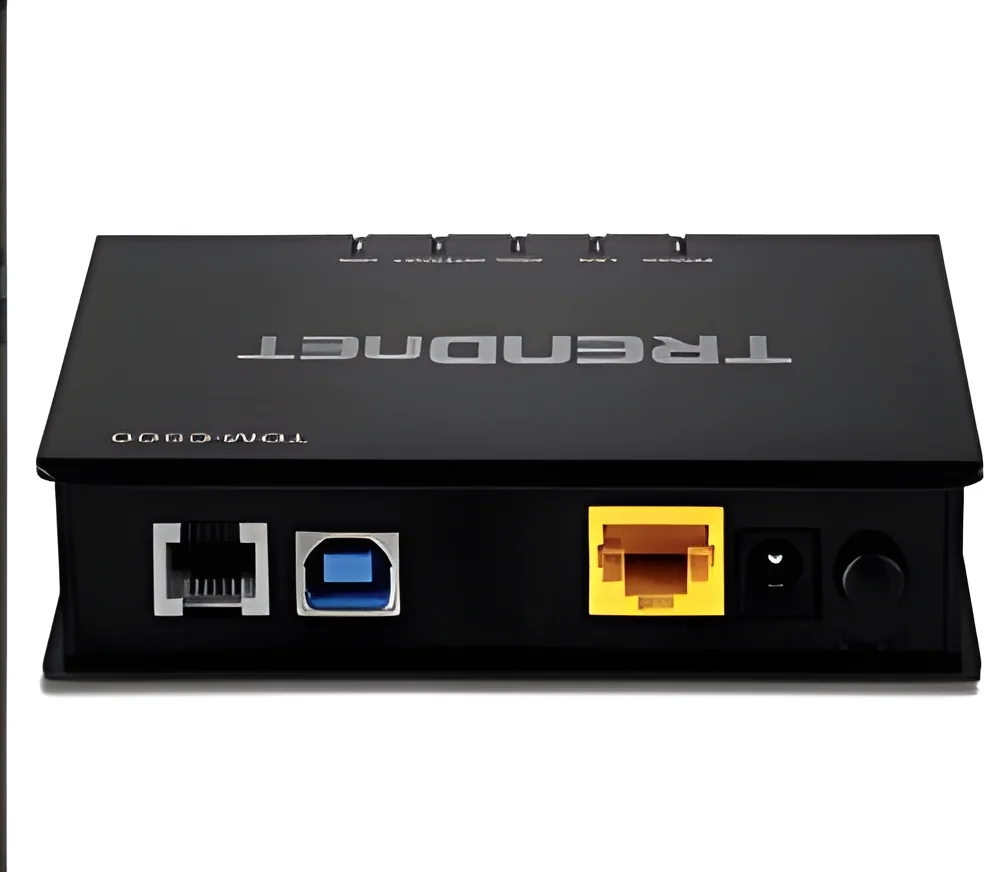
 India
India India
India
Frequently Asked Questions
What are Modems (DSL, Cable, Fiber)?
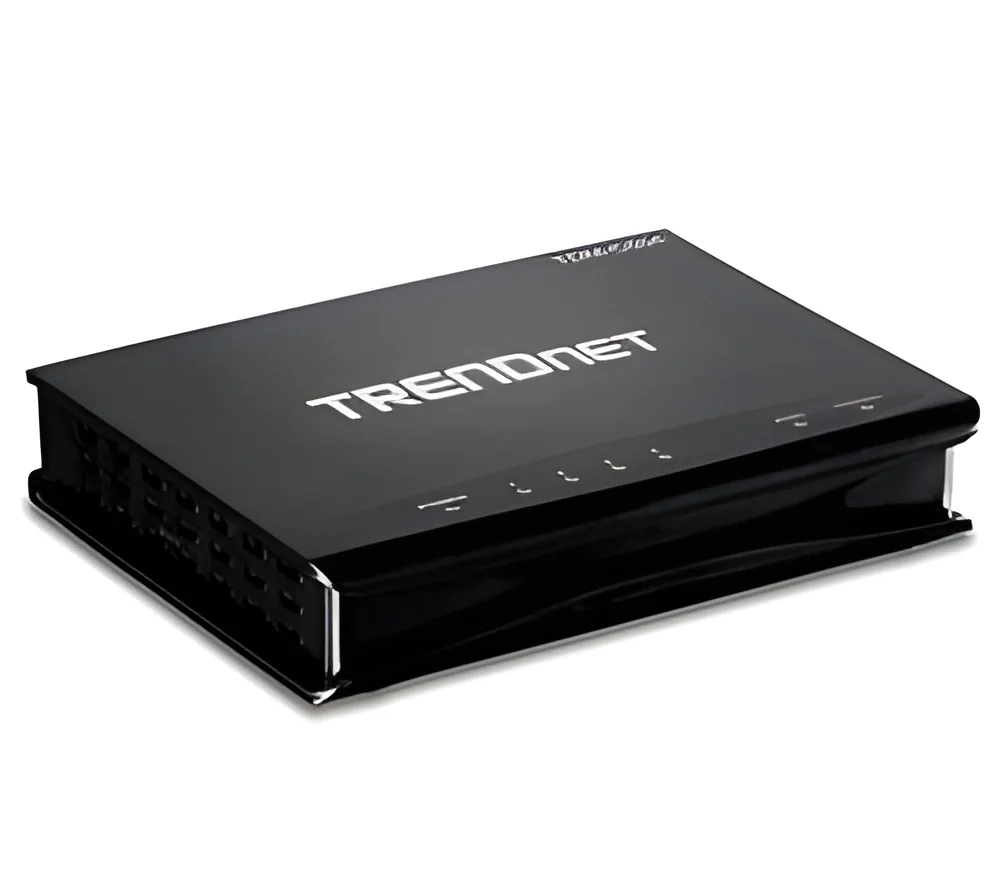
Modems (DSL, Cable, Fiber) are devices that modulate and demodulate signals for digital data transmission over various types of communication lines. They allow users to connect to the internet by converting digital signals from a computer into analog signals suitable for transmission over telephone lines, coaxial cables, or fiber optic cables.
What are the different types of Modems (DSL, Cable, Fiber)?
The main types of modems include DSL modems, which use telephone lines; cable modems, which connect via coaxial cables; and fiber modems, which utilize fiber optic cables. Each type is designed for specific internet service providers and offers different speeds and capabilities based on the technology used.
How do I choose the right Modems (DSL, Cable, Fiber)?
To choose the right modem, consider factors such as your internet speed requirements, the type of internet service you have, and compatibility with your Internet Service Provider (ISP). Additionally, evaluate the modem's specifications, including supported standards and number of ports, to ensure it meets your needs.
What are the standard specifications for Modems (DSL, Cable, Fiber)?
Standard specifications for modems include data transfer rates, supported protocols (such as DOCSIS for cable modems), and the number of Ethernet ports. Other important specs may include wireless capabilities, built-in firewall features, and the frequency bands supported for optimal performance.
What is the price range for Modems (DSL, Cable, Fiber)?
The price range for modems varies significantly based on type and specifications, typically ranging from INR 1,500 to INR 15,000. Basic DSL modems tend to be less expensive, while high-speed fiber modems with advanced features may be on the higher end of the spectrum.
What quality standards apply to Modems (DSL, Cable, Fiber)?
Quality standards for modems often include compliance with international telecommunications regulations and certifications such as FCC, CE, and RoHS. These standards ensure safety, performance, and environmental compliance, helping consumers choose reliable products.
Where can I find Modems (DSL, Cable, Fiber) suppliers in India?
You can find suppliers for modems (DSL, Cable, Fiber) in India through various online B2B marketplaces like Pepagora, trade shows, and industry directories. Additionally, contacting manufacturers directly can provide access to both local and international suppliers.
Can Modems (DSL, Cable, Fiber) be customized?
Yes, many manufacturers offer customization options for modems, allowing businesses to tailor specifications to meet specific needs. Customization may include branding, firmware modifications, or the addition of specific features to enhance functionality.
What is the typical minimum order quantity for Modems (DSL, Cable, Fiber)?
The typical minimum order quantity (MOQ) for modems can vary by supplier but often ranges from 10 to 100 units. It's advisable to check with individual suppliers for their specific MOQs, as they may differ based on product type and manufacturer.
What is the typical lead time for Modems (DSL, Cable, Fiber)?
The typical lead time for modems usually ranges from 2 to 6 weeks, depending on the manufacturer's production schedule and the complexity of the order. Custom orders may require additional time for production and delivery.
Why Businesses Trust Pepagora
Thousands of companies trust Pepagora to source smarter and sell faster
Expand Your Sales Globally

Source Smarter,Grow Faster
