
 IN
Low-E Glass for Energy Efficiency
6 products available
What are Low-E Glass for Energy Efficiency?
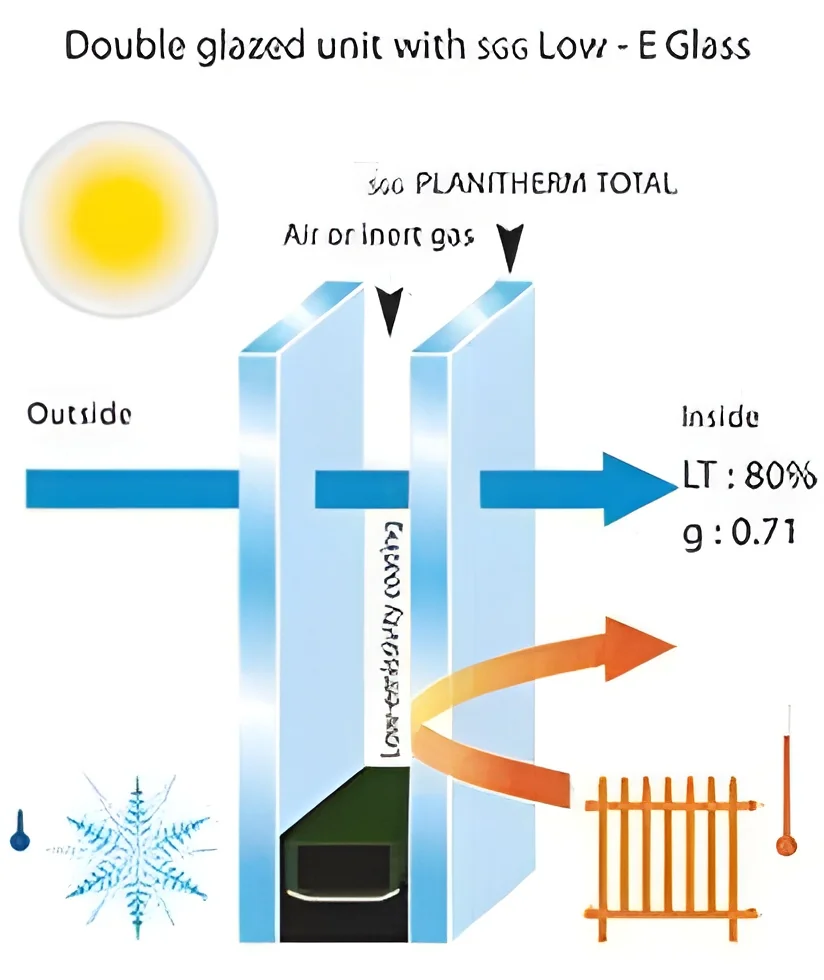
Low-E glass, or low emissivity glass, is a type of energy-efficient glazing material that reflects heat while allowing light to pass through. This technology involves a microscopically thin coating that is applied to the glass surface. The coating is designed to minimize the amount of infrared and ultraviolet light that can penetrate the glass without compromising the amount of visible light transmitted. As a result, Low-E glass helps to maintain a comfortable indoor temperature while reducing energy costs associated with heating and cooling.
This product is widely used in residential, commercial, and industrial applications. In buildings, Low-E glass is key for windows, skylights, and curtain walls. It plays a critical role in energy efficiency by improving insulation properties and reducing reliance on HVAC systems. The demand for Low-E glass has grown significantly as businesses and homeowners seek sustainable building solutions and aim to meet energy efficiency standards.
As building regulations increasingly prioritize energy efficiency, Low-E glass becomes more relevant in the marketplace. The global push towards sustainability and reduced carbon footprints has positioned Low-E glass as a vital component in modern architecture. It supports businesses in achieving compliance with energy standards and contributes to overall environmental goals.
Key Features and Specifications
Low-E glass is designed with specific features that enhance its performance and efficiency. Understanding these specifications helps businesses make informed decisions when selecting the right product.
Key specifications include:
1. Emissivity Rating
- Low-E glass typically has an emissivity rating of 0.1 to 0.3.
- This rating indicates the glass's ability to reflect heat.
2. Solar Heat Gain Coefficient (SHGC)
- SHGC values range from 0.25 to 0.50 for Low-E glass.
- This measures the fraction of solar radiation that enters a building.
3. Visible Light Transmittance (VLT)
- VLT values typically range from 0.30 to 0.80.
- This indicates how much visible light can pass through the glass.
4. U-Factor
- Low-E glass usually has a U-factor between 0.20 and 0.30.
- This measures the rate of heat transfer and insulation efficiency.
5. Thickness
- Common thicknesses for Low-E glass range from 3mm to 12mm.
- This provides versatility for various applications.
6. Coating Type
- Low-E glass can be classified as hard coat or soft coat.
- Soft coat offers better performance in insulation and energy efficiency.
7. Frame Compatibility
- Low-E glass is compatible with various frame materials, including wood, vinyl, and aluminum.
- This allows for flexibility in design and installation.
8. Color Options
- Low-E glass comes in different tint options.
- This can enhance aesthetic appeal while maintaining energy efficiency.
In summary, Low-E glass features advanced specifications that contribute to its effectiveness in energy efficiency applications. Understanding these features can help businesses select the right product to meet their specific needs.
Common Applications and Use Cases
Low-E glass has a wide range of applications across different industries, making it a versatile choice for energy-efficient building solutions.
1. Residential Buildings: Low-E glass is commonly used in windows and doors to enhance thermal insulation and reduce energy bills for homeowners.
2. Commercial Buildings: Office spaces and retail environments utilize Low-E glass to maintain comfortable indoor conditions while maximizing natural light.
3. Industrial Facilities: Factories and warehouses benefit from Low-E glass in skylights and windows, improving energy efficiency and workplace comfort.
4. Hospitality Industry: Hotels and resorts use Low-E glass in guestroom windows to provide a pleasant atmosphere while managing energy costs.
5. Educational Institutions: Schools and universities implement Low-E glass in classrooms and auditoriums to create conducive learning environments.
6. Healthcare Facilities: Hospitals and clinics rely on Low-E glass for windows to ensure patient comfort and reduce energy consumption.
7. Government Buildings: Municipal structures use Low-E glass to meet energy regulations and promote sustainability in public architecture.
Product Variants and Subcategories
Low-E glass comes in various forms to cater to different needs and applications. While specific subcategories may not be available, the product diversity allows for tailored solutions.
Standard Low-E Glass: This is the most common variant, featuring a low-emissivity coating that reflects heat and boosts energy efficiency. It is ideal for residential and commercial applications.
Triple Glazed Low-E Glass: This variant consists of three layers of glass with Low-E coatings for enhanced insulation. It is perfect for extreme climates where maximum energy efficiency is required.
Low-E Laminated Glass: Combining safety and energy efficiency, this variant features a laminated design that adds strength and sound insulation while maintaining Low-E properties.
Benefits and Advantages
Choosing Low-E glass provides numerous benefits that can enhance building performance and sustainability.
Key benefits include:
1. Energy Savings: Low-E glass significantly reduces heating and cooling costs by minimizing heat transfer, leading to substantial savings over time.
2. Improved Comfort: The insulation properties of Low-E glass create a more stable indoor temperature, enhancing occupant comfort year-round.
3. UV Protection: Low-E glass blocks harmful ultraviolet rays, protecting furnishings and interiors from fading and damage.
4. Reduced Carbon Footprint: By improving energy efficiency, Low-E glass contributes to lower greenhouse gas emissions and supports environmental sustainability.
5. Increased Property Value: Buildings equipped with energy-efficient features like Low-E glass often see an increase in property value due to their appeal and functionality.
6. Enhanced Aesthetics: Low-E glass offers a sleek appearance while allowing natural light, enhancing the overall design of a building.
Buying Guide for B2B Buyers
When sourcing Low-E glass for energy efficiency, businesses should consider several important factors to ensure they select the right product for their needs.
1. Quality Assessment: Evaluate the quality of the glass and its coatings. Look for certifications that indicate adherence to industry standards for performance and durability.
2. Supplier Verification: Research potential suppliers to ensure they have a reliable track record. Verify their credentials and customer reviews to ensure they deliver quality products consistently.
3. Pricing and MOQ: Consider the pricing structure and minimum order quantities. Compare quotes from multiple suppliers to find competitive pricing without compromising on quality.
4. Delivery and Lead Times: Understand the logistics involved in delivery. Consider lead times and whether suppliers can meet your project timelines.
5. Compliance Requirements: Ensure that the Low-E glass meets local and international regulatory compliance standards. This includes safety, environmental, and performance certifications.
Compliance and Certifications
Low-E glass must adhere to various compliance standards and certifications to ensure safety and performance in building applications.
Relevant quality standards include ISO 9001, which focuses on quality management systems, and CE marking indicating conformity with European health, safety, and environmental protection standards.
Industry certifications such as CE provide assurance that the product meets rigorous testing and safety requirements. This is crucial for maintaining high standards in construction and building materials.
Safety and testing requirements involve rigorous evaluations to confirm the glass's thermal performance, durability, and resistance to impacts. Companies should check for relevant testing certifications to ensure compliance.
Regional compliance considerations may vary depending on local regulations. It is essential for buyers to be aware of these requirements to avoid potential legal issues and ensure that their projects meet all necessary guidelines.
Why Source Low-E Glass for Energy Efficiency from Pepagora?
Pepagora offers a reliable platform for sourcing Low-E glass for energy efficiency, providing several key advantages for businesses.
Verified Supplier Network: Pepagora has established a comprehensive network of verified suppliers, ensuring that buyers can source high-quality Low-E glass from trusted partners. This verification process helps businesses avoid risks associated with unreliable suppliers.
Streamlined RFQ Process: The platform features a user-friendly request for quotation (RFQ) process that simplifies sourcing. Buyers can easily compare multiple quotes, making it convenient to find the best pricing and terms.
Trade Assurance and Support: Pepagora is committed to buyer protection through trade assurance policies. This support provides peace of mind for businesses, ensuring that their investments in Low-E glass are secure.
Regional Coverage: With a strong presence in India, the GCC, and Southeast Asia, Pepagora offers extensive regional coverage. This geographic reach allows businesses to access Low-E glass solutions tailored to their specific markets and needs.

Frequently Asked Questions
What are Low-E Glass for Energy Efficiency?
Low-E Glass, or low-emissivity glass, is a type of energy-efficient glass that has a special coating to minimize the amount of infrared and ultraviolet light that passes through it. This coating helps to reduce heat transfer, thereby improving energy efficiency in buildings and contributing to a more sustainable environment.
What are the different types of Low-E Glass for Energy Efficiency?
There are primarily two types of Low-E Glass: hard coated and soft coated. Hard coated Low-E Glass is durable and can be used in single or double glazing, while soft coated Low-E Glass offers better thermal performance and is typically used in double or triple glazing applications.
How do I choose the right Low-E Glass for Energy Efficiency?
To select the right Low-E Glass, consider factors such as climate, building orientation, and energy performance requirements. It's important to evaluate the U-value and Solar Heat Gain Coefficient (SHGC) of the glass to ensure it meets your energy efficiency goals.
What are the standard specifications for Low-E Glass for Energy Efficiency?
Standard specifications for Low-E Glass include U-values typically ranging from 0.20 to 0.35 W/m²K and SHGC values between 0.25 and 0.50, depending on the type of Low-E coating. These specifications help in assessing thermal performance and energy savings.
What is the price range for Low-E Glass for Energy Efficiency?
The price of Low-E Glass can vary significantly based on factors such as thickness, coating type, and manufacturer. Generally, the price range for Low-E Glass is between INR 70 to INR 250 per square foot, depending on the specifications and customization.
What quality standards apply to Low-E Glass for Energy Efficiency?
Quality standards for Low-E Glass include compliance with IS 14351 for external doors and windows, as well as international standards such as ASTM and ISO. It is essential to ensure that the glass meets these standards for safety, durability, and energy efficiency.
Where can I find Low-E Glass for Energy Efficiency suppliers in India?
You can find Low-E Glass suppliers in India through online B2B marketplaces like Pepagora.com, as well as through local glass manufacturers and distributors. It is advisable to check for reviews and certifications to ensure quality and reliability.
Can Low-E Glass for Energy Efficiency be customized?
Yes, Low-E Glass can often be customized in terms of size, thickness, and specific Low-E coatings to meet unique project requirements. It is recommended to discuss customization options with suppliers to ensure the best fit for your application.
What is the typical minimum order quantity for Low-E Glass for Energy Efficiency?
The typical minimum order quantity (MOQ) for Low-E Glass varies by supplier, but it generally ranges from 100 to 500 square feet. It's best to confirm the MOQ with individual suppliers before placing an order.
What is the typical lead time for Low-E Glass for Energy Efficiency?
The lead time for Low-E Glass can vary based on the supplier and the complexity of the order but generally ranges from 2 to 6 weeks. Factors such as customization and order volume may impact the delivery time.
Why Businesses Trust Pepagora
Thousands of companies trust Pepagora to source smarter and sell faster
Expand Your Sales Globally

Source Smarter,Grow Faster
