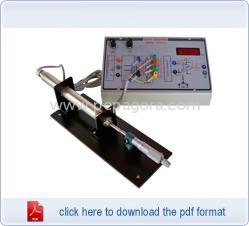
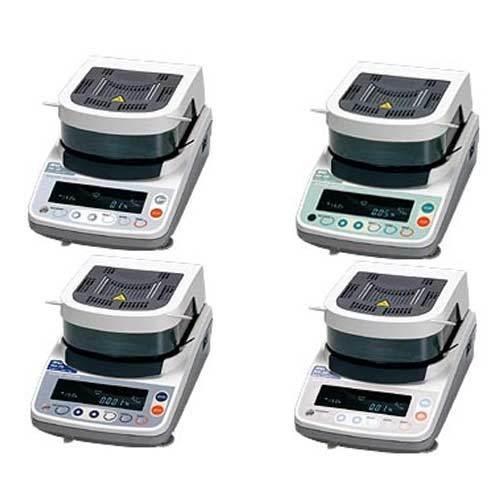
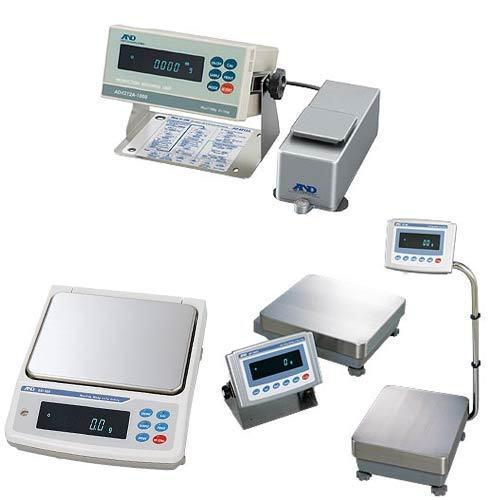
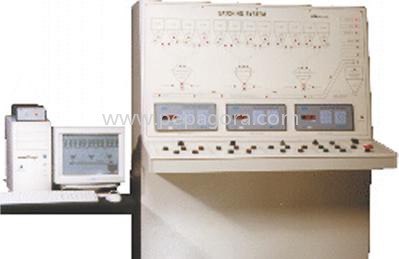
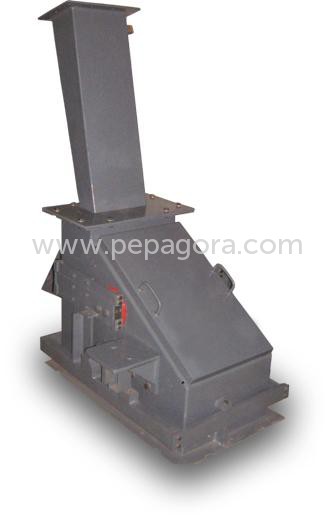
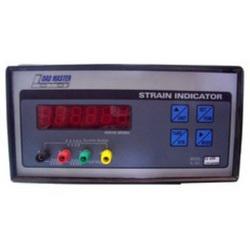
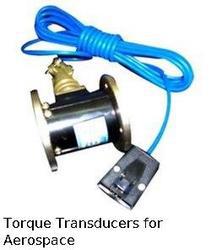
𝗪𝗵𝗮𝘁 𝗮𝗿𝗲 𝗟𝗼𝗮𝗱 𝗖𝗲𝗹𝗹𝘀 & 𝗪𝗲𝗶𝗴𝗵𝗶𝗻𝗴 𝗦𝗲𝗻𝘀𝗼𝗿𝘀?
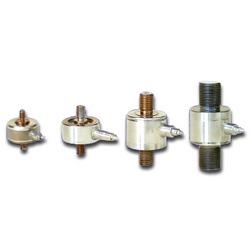
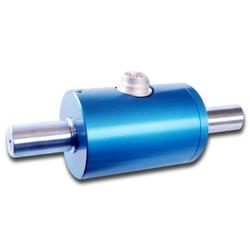
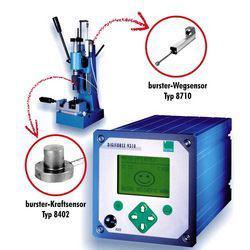
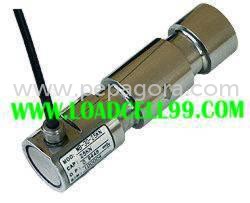
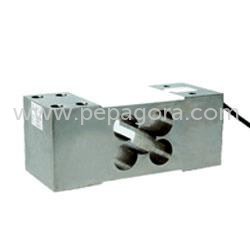
Load cells and weighing sensors are critical components used for measuring weight or force in various applications. A load cell is a transducer that converts mechanical force into an electrical signal. This signal can then be interpreted to determine the weight of an object. Weighing sensors, on the other hand, are devices that incorporate load cells to provide accurate and reliable weight measurements. Together, these technologies enable precise data collection in industrial and commercial settings.
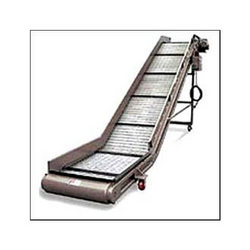
These devices find primary applications in industries such as manufacturing, logistics, and food processing. In manufacturing, load cells are used in scales for batching and filling operations. In logistics, they facilitate weight verification for shipping and receiving. The food industry relies on weighing sensors for portion control and inventory management. As businesses strive for greater efficiency and accuracy, the demand for load cells and weighing sensors continues to grow, making them essential tools in a competitive market.
𝗞𝗲𝘆 𝗙𝗲𝗮𝘁𝘂𝗿𝗲𝘀 𝗮𝗻𝗱 𝗦𝗽𝗲𝗰𝗶𝗳𝗶𝗰𝗮𝘁𝗶𝗼𝗻𝘀
Load cells and weighing sensors come with a variety of features designed to enhance performance and reliability. These features address different industrial needs and specifications.
Key specifications include:
1. Maximum Capacity
- This specification indicates the maximum load the sensor can measure.
- Typical ranges can vary from a few grams to several tons.
2. Accuracy
- This measures the degree of closeness of the measured value to the true value.
- Common accuracy levels can range from ±0.01% to ±0.1%.
3. Operating Temperature Range
- This refers to the range of temperatures in which the load cell can operate effectively.
- Specifications typically range from -10°C to +40°C.
4. Output Signal
- The electrical signal produced by the load cell, often in mV/V.
- Standard output is usually around 2 mV/V.
5. Material Construction
- Load cells may be made from materials like aluminum or stainless steel.
- The choice of material impacts durability and resistance to environmental factors.
6. Protection Class
- This indicates the level of protection the sensor has against dust and water.
- Common ratings include IP65, IP67, or IP68.
7. Calibration
- Refers to the process of adjusting the sensor to ensure accurate readings.
- Load cells are often factory calibrated for reliability.
8. Installation Type
- This specifies how the load cell will be mounted, such as through-hole, flange, or S-type.
- Each type is suited for different applications and installation environments.
In summary, load cells and weighing sensors are highly adaptable devices with various specifications tailored to meet specific industry requirements.
𝗖𝗼𝗺𝗺𝗼𝗻 𝗔𝗽𝗽𝗹𝗶𝗰𝗮𝘁𝗶𝗼𝗻𝘀 𝗮𝗻𝗱 𝗨𝘀𝗲 𝗖𝗮𝘀𝗲𝘀
Load cells and weighing sensors are utilized across a broad range of industries, reflecting their versatility.
1. Manufacturing: In this sector, load cells are employed in machines for weighing raw materials or finished products to ensure precise measurements during production.
2. Logistics: These devices facilitate weight checks at loading docks, ensuring compliance with shipping regulations and optimizing transportation costs.
3. Food Processing: In food production, weighing sensors help in portion control and inventory management, ensuring consistent quality and adherence to safety standards.
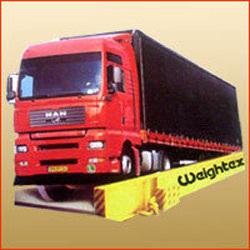
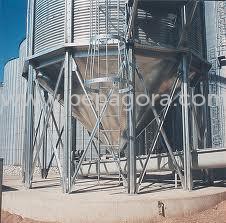
4. Agriculture: Load cells are used in weighbridges and in applications such as livestock weighing and feed batching.
5. Aerospace: Precision weighing is crucial in this industry for components and materials to adhere to strict safety and performance regulations.
6. Healthcare: Load cells find applications in medical scales and devices that require accurate weight measurement for patient monitoring.
7. Construction: They are used in heavy equipment to monitor load capacities and prevent overloading.
𝗣𝗿𝗼𝗱𝘂𝗰𝘁 𝗩𝗮𝗿𝗶𝗮𝗻𝘁𝘀 𝗮𝗻𝗱 𝗦𝘂𝗯𝗰𝗮𝘁𝗲𝗴𝗼𝗿𝗶𝗲𝘀
Load cells and weighing sensors come in various forms to suit different applications and environments.
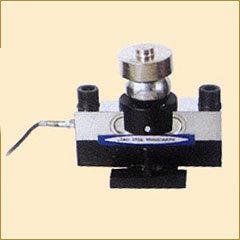
Compression Load Cells: These sensors measure force applied along a single axis. They are ideal for applications requiring high accuracy in static and dynamic environments.
Tension Load Cells: Designed for measuring tensile forces, these load cells are commonly used in applications such as weighing and monitoring tensile strength in materials.
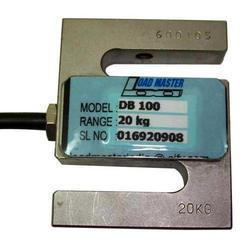
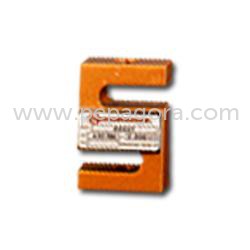
S-Type Load Cells: These versatile load cells can measure both tension and compression and are used in a variety of applications, including laboratory and manufacturing settings.
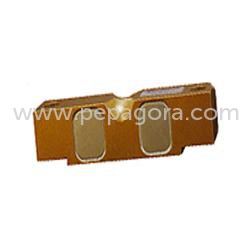
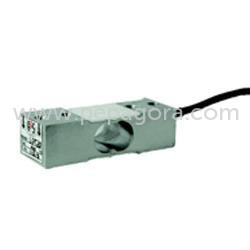
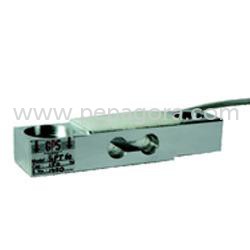
Beam Load Cells: Often used in platform scales, these load cells provide a robust solution for weighing heavy loads in industrial applications.
𝗕𝗲𝗻𝗲𝗳𝗶𝘁𝘀 𝗮𝗻𝗱 𝗔𝗱𝘃𝗮𝗻𝘁𝗮𝗴𝗲𝘀
Employing load cells and weighing sensors offers numerous advantages for businesses.
1. High Accuracy: Load cells provide precise measurements, which reduces errors in weight calculations and enhances overall operational efficiency.
2. Reliability: These devices are built to withstand harsh environments, ensuring consistent performance over time.
3. Versatility: Load cells can be adapted for different applications, making them suitable for a wide range of industries.
4. Easy Integration: Most load cells can be easily integrated into existing systems, facilitating seamless upgrades for businesses.
5. Cost-Effectiveness: By improving measurement accuracy, businesses can reduce waste and optimize resource usage, leading to significant cost savings.
6. Enhanced Safety: Accurate weight measurements help prevent overloading and associated hazards, promoting a safer working environment.
𝗕𝘂𝘆𝗶𝗻𝗴 𝗚𝘂𝗶𝗱𝗲 𝗳𝗼𝗿 𝗕𝟮𝗕 𝗕𝘂𝘆𝗲𝗿𝘀
When sourcing load cells and weighing sensors, several factors should be considered to ensure you make an informed decision.
1. Quality Assessment: Evaluate products based on their performance specifications and reliability. Look for certifications that indicate adherence to industry standards.
2. Supplier Verification: Research potential suppliers to ensure they have a reputation for quality and reliability. Check for customer testimonials and industry recognition.
3. Pricing and MOQ: Understand the pricing structures and minimum order quantities required by suppliers. This will help in budgeting and planning your purchases effectively.
4. Delivery and Lead Times: Inquire about delivery schedules and lead times to ensure that your operations are not interrupted due to delays.
5. Compliance Requirements: Verify that the products meet relevant regulatory standards for your industry. This includes safety certifications and quality benchmarks.
𝗖𝗼𝗺𝗽𝗹𝗶𝗮𝗻𝗰𝗲 𝗮𝗻𝗱 𝗖𝗲𝗿𝘁𝗶𝗳𝗶𝗰𝗮𝘁𝗶𝗼𝗻𝘀
Load cells and weighing sensors must adhere to various compliance and certification standards to ensure they meet industry requirements.
Quality standards such as ISO 9001 are essential for manufacturers, signifying their commitment to quality management systems. This certification ensures that the products are consistently produced and controlled to meet quality standards.
Additionally, certifications such as CE demonstrate that the products comply with European health, safety, and environmental protection standards. This is crucial for companies exporting to or operating within Europe.
Safety and testing requirements vary by industry and application, emphasizing the importance of thorough testing in real-world scenarios. Manufacturers should ensure that their devices are tested for accuracy and reliability under varying conditions.
Regional compliance considerations may include specific regulations depending on the country or region of operation. It is important for businesses to stay abreast of these requirements to ensure compliance and avoid penalties.
𝗪𝗵𝘆 𝗦𝗼𝘂𝗿𝗰𝗲 𝗟𝗼𝗮𝗱 𝗖𝗲𝗹𝗹𝘀 & 𝗪𝗲𝗶𝗴𝗵𝗶𝗻𝗴 𝗦𝗲𝗻𝘀𝗼𝗿𝘀 𝗳𝗿𝗼𝗺 𝗣𝗲𝗽𝗮𝗴𝗼𝗿𝗮?
Pepagora provides a trusted platform for sourcing load cells and weighing sensors, offering several key advantages to buyers.
Verified Supplier Network: Pepagora features a network of verified suppliers, ensuring that buyers have access to high-quality products from reputable manufacturers. This reduces the risk of sourcing substandard equipment.
Streamlined RFQ Process: The request for quotation process on Pepagora is designed to be user-friendly, allowing buyers to easily compare prices and specifications from multiple suppliers. This helps in making informed purchasing decisions.
Trade Assurance and Support: Buyers on Pepagora benefit from trade assurance, which protects transactions and ensures that products meet the agreed-upon specifications. This provides peace of mind during the purchasing process.
Regional Coverage: Pepagora extends its reach across India, the GCC, and Southeast Asia, making it easier for businesses in these regions to find suitable load cells and weighing sensors tailored to their needs. This geographic coverage enhances accessibility and convenience for B2B buyers seeking these essential devices.

 IN
IN
 India
India