
 IN
LAN & Networking Cables
9 products available
What are LAN & Networking Cables?
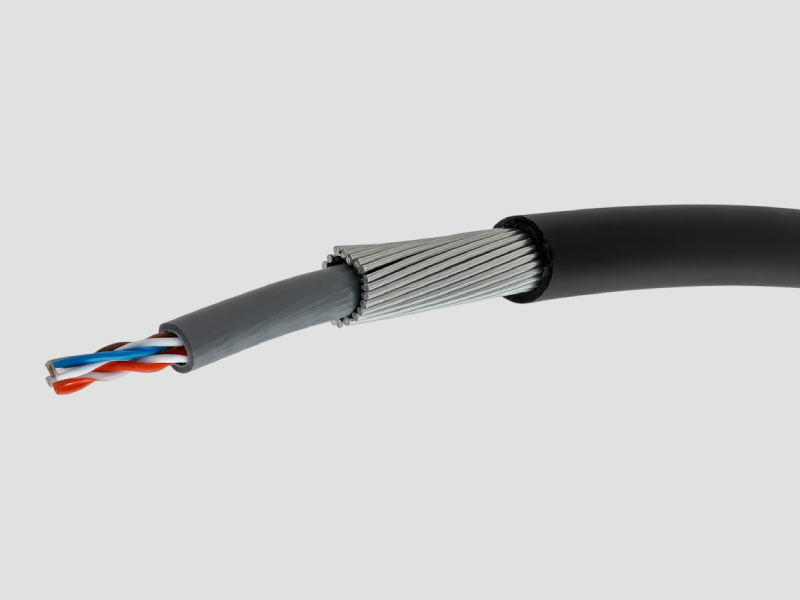
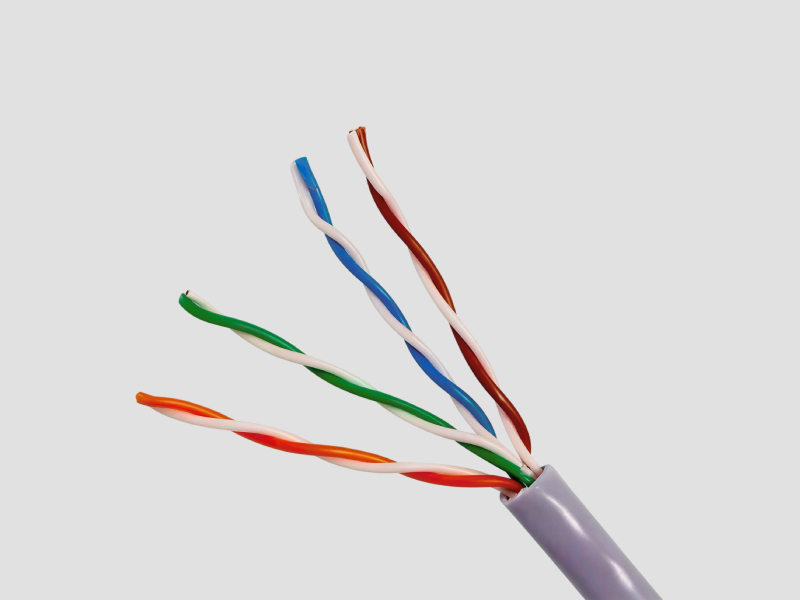
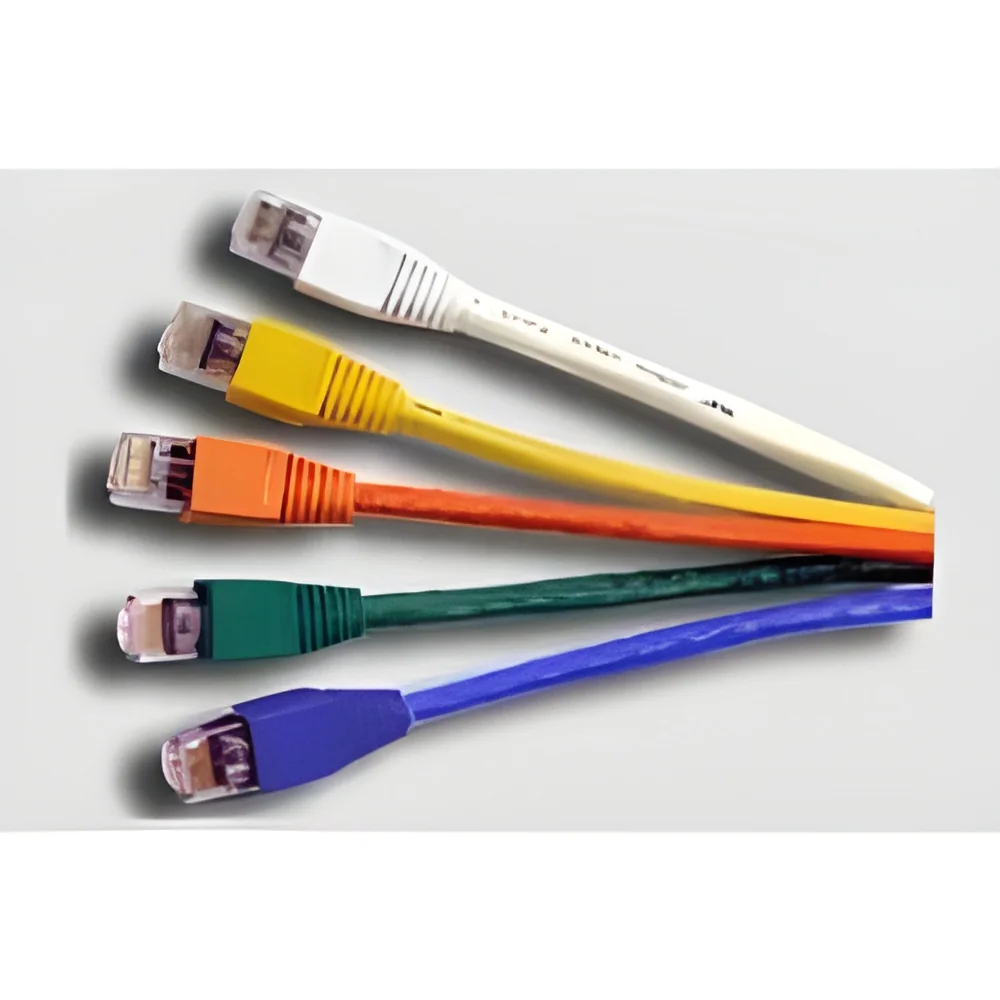
LAN (Local Area Network) and networking cables are essential components used to connect various devices within a local network. These cables facilitate data transmission between devices such as computers, printers, and servers, enabling seamless communication and resource sharing. Typically, LAN cables include twisted pair cables like Cat5e, Cat6, and Cat6a, which are designed to support high-speed data transfer.
In business environments, LAN and networking cables play a critical role in establishing reliable and efficient network infrastructure. They are utilized in offices, data centers, and manufacturing facilities to ensure consistent connectivity for internet access, file sharing, and telecommunication systems. The demand for these cables continues to grow as more businesses rely on digital solutions to enhance productivity and streamline operations.
As industries evolve, the importance of high-quality networking cables becomes increasingly evident. Businesses require cables that meet specific performance standards to support advanced technologies such as cloud computing and IoT (Internet of Things). The market for LAN and networking cables is highly competitive, with numerous manufacturers offering a variety of products to meet the diverse needs of different sectors.
Key Features and Specifications
LAN and networking cables come with a range of features and specifications that cater to different applications. Understanding these specifications is crucial for selecting the right cables for your business needs.
Key specifications include:
1. Cable Type
- Options include twisted pair cables (Cat5e, Cat6, Cat6a) and fiber optic cables.
- Each type has its own data transmission capabilities and distances.
2. Data Transfer Rate
- Specifies the maximum speed at which data can be transmitted.
- Common rates range from 100 Mbps to 10 Gbps depending on the cable type.
3. Cable Length
- Available in various lengths to suit installation requirements.
- Standard lengths range from 1 meter to 305 meters.
4. Shielding
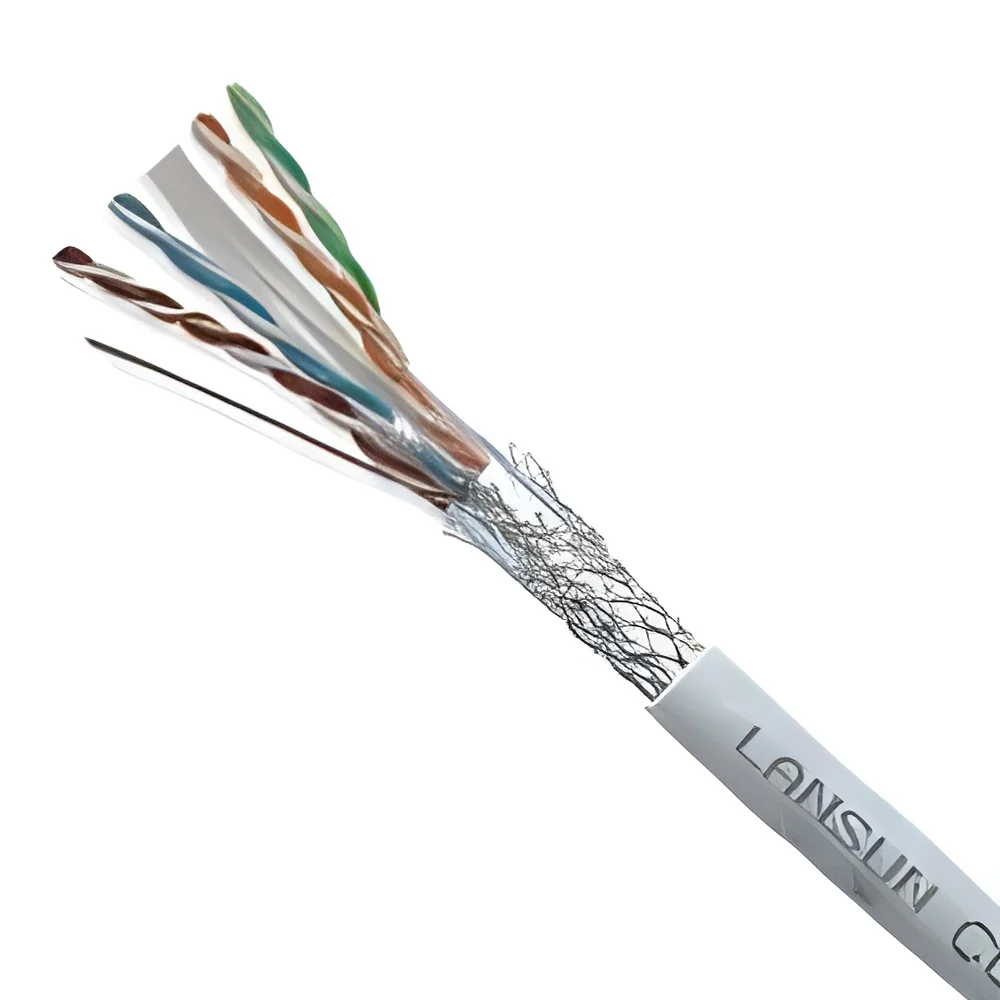
- Cables may have shielding to reduce electromagnetic interference (EMI).
- Types include unshielded twisted pair (UTP) and shielded twisted pair (STP).
5. Connector Type
- Most cables use RJ45 connectors for Ethernet connections.
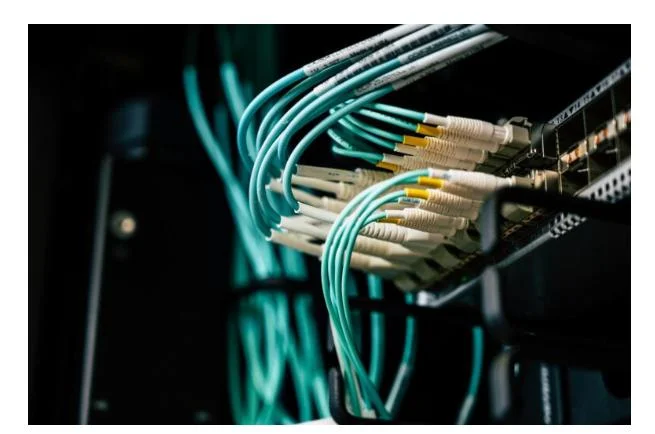
- Fiber optic cables may use SC, LC, or ST connectors.
6. Frequency Range
- Indicates the range of frequencies a cable can support.
- Higher categories like Cat6a support up to 500 MHz.
7. Compliance Standards
- Cables must meet specific industry standards, such as TIA/EIA and ISO/IEC.
- Compliance ensures performance and reliability.
8. Environmental Rating
- Cables may have ratings for temperature and humidity tolerance.
- This ensures they can operate effectively in various environments.
In summary, understanding the key features and specifications of LAN and networking cables can help businesses choose the right products to ensure optimal performance and reliability.
Common Applications and Use Cases
LAN and networking cables are utilized across various industries, providing critical connectivity solutions.
1. Telecommunications: These cables are essential for connecting devices in telecommunication networks, enabling voice and data services for customers.
2. Information Technology: IT departments rely on networking cables to connect computers, servers, and peripherals, ensuring efficient data transfer and communication.
3. Healthcare: In hospitals and clinics, LAN cables facilitate the connection of medical devices and systems, supporting patient care and administrative functions.
4. Education: Schools and universities use networking cables for connecting computers and smart devices in classrooms, enhancing learning experiences through technology.
5. Manufacturing: In industrial settings, reliable networking cables link machines and control systems, contributing to automation and process efficiency.
6. Retail: Retailers use LAN cables to connect point-of-sale systems and inventory management tools, streamlining operations and improving customer service.
7. Transportation: Airports and logistics companies depend on networking cables for real-time tracking and communication systems, enhancing operational efficiency.
Product Variants and Subcategories
LAN and networking cables come in various forms to meet specific requirements.
Cat5e Cables: These cables support up to 1 Gbps data transfer rates and are commonly used in residential and small business networks. They are cost-effective and suitable for most general networking needs.
Cat6 Cables: Offering higher performance, Cat6 cables support up to 10 Gbps for short distances. They are ideal for businesses that require faster data transfer speeds and better performance in high-traffic network environments.
Cat6a Cables: These cables are designed for even better performance, supporting up to 10 Gbps over longer distances. They are suitable for data centers and high-demand applications where speed and reliability are crucial.
Fiber Optic Cables: Used for high-speed internet connections, fiber optic cables offer superior data transfer rates and are ideal for long-distance communication. They are commonly used in large enterprises and telecommunications networks.
Benefits and Advantages
Sourcing LAN and networking cables offers several advantages for businesses.
Key benefits include:
1. Enhanced Performance: High-quality cables ensure faster data transfer rates, improving overall network performance.
2. Reliability: Using durable cables reduces the risk of connectivity issues, ensuring consistent network access for users.
3. Scalability: LAN and networking cables can easily be integrated into existing systems, allowing for future expansion as business needs grow.
4. Cost-Effectiveness: Investing in quality cables can reduce maintenance costs and improve the longevity of network infrastructure.
5. Improved Security: Shielded cables reduce the risk of data interference, enhancing the security of sensitive information during transmission.
6. Flexibility: With various cable types available, businesses can choose the best option for their specific applications and environments.
Buying Guide for B2B Buyers
When sourcing LAN and networking cables, it is essential to consider several key factors to make informed purchasing decisions.
1. Quality Assessment: Evaluate the quality of cables by checking for certifications and compliance with industry standards. This ensures reliability and performance.
2. Supplier Verification: Vet potential suppliers thoroughly, looking for established reputations and positive customer feedback to ensure dependable sourcing.
3. Pricing and MOQ: Understand the pricing structure and minimum order quantities, as these can vary significantly among suppliers. This helps in budgeting effectively.
4. Delivery and Lead Times: Consider logistics and delivery timelines. Reliable suppliers should provide clear estimates on lead times to avoid project delays.
5. Compliance Requirements: Ensure that cables meet any relevant regulatory requirements to avoid issues with safety and performance in your applications.
Compliance and Certifications
Compliance and certification are crucial for ensuring the quality and safety of LAN and networking cables.
Manufacturers should comply with relevant quality standards such as ISO 9001, which outlines requirements for a quality management system. This certification indicates a commitment to maintaining quality in production processes.
Additionally, industry certifications like CE mark demonstrate that products meet European Union safety standards. This compliance is essential for businesses operating in regions where such regulations apply.
Safety and testing requirements also play a vital role in the production of networking cables. Manufacturers must conduct rigorous testing to ensure that cables perform reliably under various conditions.
Regional compliance considerations are important for businesses that operate across different markets. Understanding the specific regulations in each region can help ensure that networking cables are suitable for their intended uses.
Why Source LAN & Networking Cables from Pepagora?
Pepagora provides a trusted platform for sourcing LAN and networking cables, offering several key advantages to B2B buyers.
Verified Supplier Network: Pepagora connects buyers with pre-vetted suppliers, ensuring that all products meet stringent quality standards. This verification process helps mitigate risks associated with sourcing.
Streamlined RFQ Process: The request for quotation (RFQ) system simplifies the procurement process for businesses. Buyers can easily request quotes from multiple suppliers, allowing for efficient comparisons and decision-making.
Trade Assurance and Support: Pepagora offers trade assurance to protect buyers during transactions, providing peace of mind and support throughout the purchasing process.
Regional Coverage: With a presence in regions such as India, GCC, and Southeast Asia, Pepagora ensures that businesses can access a wide range of networking cable options that meet their specific needs while benefiting from local expertise.


 India
 India
 India
 India

Frequently Asked Questions
What are LAN & Networking Cables?
LAN & Networking Cables are physical cables used to connect devices within a Local Area Network (LAN). They facilitate data transmission between computers, routers, switches, and other network devices.
What are the different types of LAN & Networking Cables?
The most common types of LAN & Networking Cables include Ethernet cables, such as Cat5e, Cat6, and Cat6a cables. Additionally, fiber optic cables are used for high-speed connections over longer distances.
How do I choose the right LAN & Networking Cables?
Choosing the right LAN & Networking Cables depends on factors like the required network speed, distance, and the environment in which they will be installed. It is essential to consider compatibility with existing hardware as well.
What are the standard specifications for LAN & Networking Cables?
Standard specifications for LAN & Networking Cables include factors such as cable category (e.g., Cat5e, Cat6), maximum data transmission speeds, and maximum cable length. Compliance with standards set by organizations like IEEE and ANSI is also crucial.
What is the price range for LAN & Networking Cables?
The price range for LAN & Networking Cables varies based on the type, length, and quality of the cable. Generally, prices can range from a few hundred to several thousand Indian Rupees per unit.
What quality standards apply to LAN & Networking Cables?
Quality standards for LAN & Networking Cables include compliance with international standards such as ISO/IEC and TIA/EIA. These standards ensure performance, reliability, and safety in data transmission.
Where can I find LAN & Networking Cables suppliers in India?
You can find LAN & Networking Cables suppliers in India through online B2B marketplaces like Pepagora, industry trade shows, and local electronics distributors. It is advisable to compare suppliers for quality and pricing.
Can LAN & Networking Cables be customized?
Yes, LAN & Networking Cables can be customized in terms of length, color, and connector types based on specific requirements. Many manufacturers offer customization options to meet the needs of various applications.
What is the typical minimum order quantity for LAN & Networking Cables?
The typical minimum order quantity (MOQ) for LAN & Networking Cables can vary by supplier but usually ranges from 100 to 1000 units. It is advisable to check with individual suppliers for their specific MOQs.
What is the typical lead time for LAN & Networking Cables?
The typical lead time for LAN & Networking Cables can range from a few days to several weeks, depending on the supplier's inventory and the customization requirements. It's best to confirm the lead time with the supplier before placing an order.
Why Businesses Trust Pepagora
Thousands of companies trust Pepagora to source smarter and sell faster
Expand Your Sales Globally

Source Smarter,Grow Faster
