IN
₹
Description
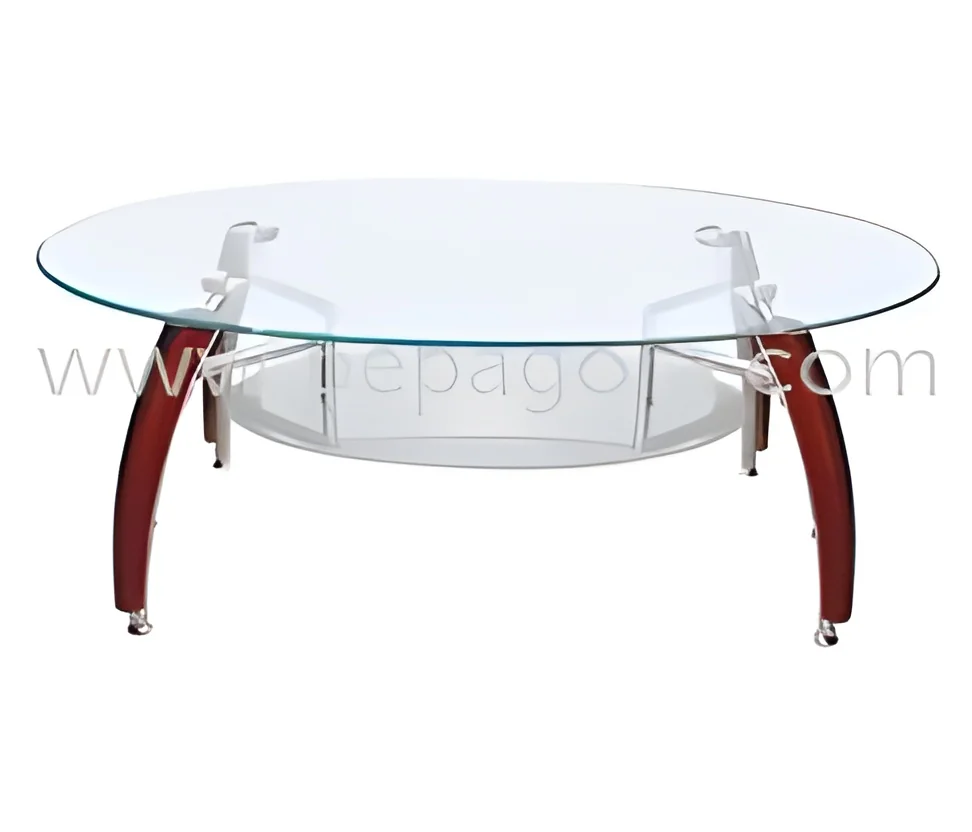
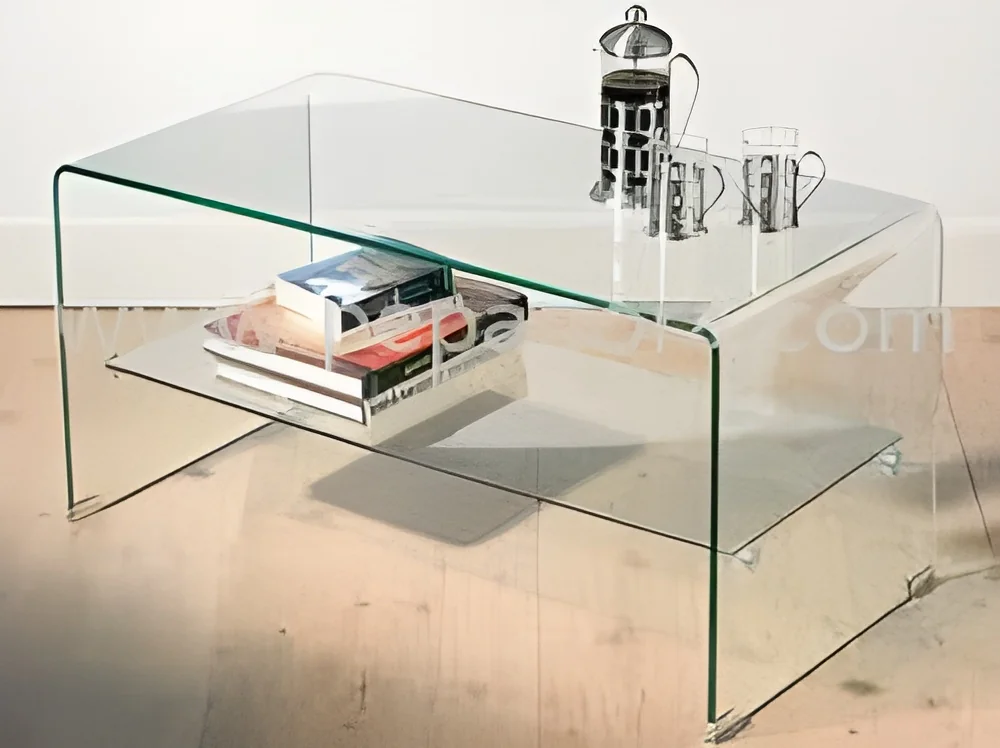
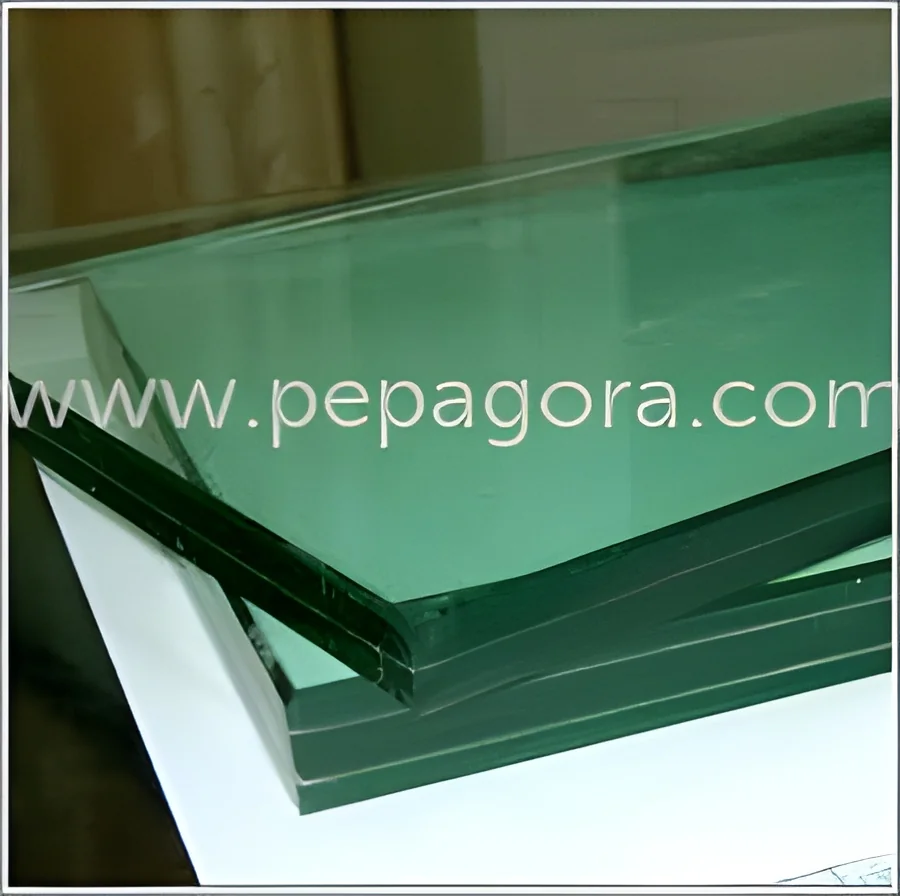
Laminated glass represents advanced safety glass technology designed for applications where protection and performance are paramount. This product consists of two or more glass layers permanently bonded with polyvinyl butyral (PVB) or ethylene-vinyl acetate (EVA) interlayer. When impacted, the glass may crack but the interlayer holds fragments securely in place, preventing dangerous shattering and maintaining barrier integrity. This fundamental safety characteristic makes laminated glass essential for protecting people, property, and assets across various settings. The manufacturing process accommodates specific requirements in thickness, size, tint, and configuration, ensuring precise solutions for diverse application needs.

Laminated glass serves numerous industries with distinct safety, security, and performance requirements. In architecture and construction, it is specified for windows, doors, skylights, and glass floors in commercial buildings, hospitals, schools, and high-rise s...
Laminated glass represents advanced safety glass technology designed for applications where protection and performance are paramount. This product consists of two or more glass layers permanently bonded with polyvinyl butyral (PVB) or ethylene-vinyl acetate (EVA) interlayer. When impacted, the glass may crack but the interlayer holds fragments securely in place, preventing dangerous shattering and maintaining barrier integrity. This fundamental safety characteristic makes laminated glass essential for protecting people, property, and assets across various settings. The manufacturing process accommodates specific requirements in thickness, size, tint, and configuration, ensuring precise solutions for diverse application needs.

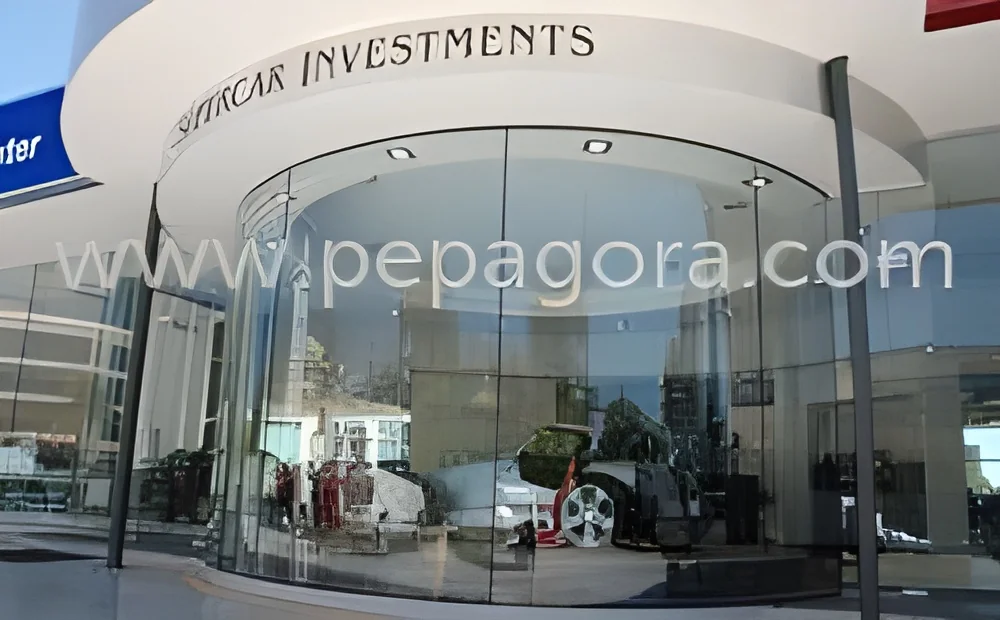
Laminated glass serves numerous industries with distinct safety, security, and performance requirements. In architecture and construction, it is specified for windows, doors, skylights, and glass floors in commercial buildings, hospitals, schools, and high-rise structures where falling glass presents significant hazards. The automotive industry relies on laminated glass for windshields as mandated by global safety regulations. Security installations including financial institutions, museums, and government facilities utilize specialized laminated glass providing resistance against forced entry, ballistic threats, and explosions. Retail establishments use it for storefronts and display cases, while transportation incorporates it in buses, trains, and marine vessels. Specialty applications such as aquarium tunnels, sound studios, and hurricane-prone regions depend on laminated glass for protection and performance.

For serious buyers, laminated glass delivers exceptional value through safety features, durability, and long-term reliability. The investment in quality laminated glass translates to reduced liability risks, enhanced property protection, and potential insurance benefits. Businesses benefit from energy efficiency properties, as many laminated glass variants provide excellent thermal insulation and UV protection, contributing to lower heating and cooling costs. The acoustic insulation properties create quieter, more productive environments in office buildings, hotels, and healthcare facilities. Unlike tempered glass, laminated glass offers predictable performance and can be processed after delivery if necessary. The material maintains clarity and structural integrity for decades, making it a cost-effective long-term solution where quality cannot be compromised.

Key Features:
- Multiple glass layers bonded with durable PVB or EVA interlayer for enhanced safety
- Maintains structural integrity when broken, preventing dangerous shattering
- Provides excellent sound insulation properties for noise reduction
- Offers UV protection and thermal insulation for energy efficiency
- Available with various tints, colors, and decorative options for aesthetic applications

Benefits:
- Superior safety protection by holding glass fragments together upon impact
- Enhanced security against forced entry and potential ballistic threats
- Effective noise reduction creating quieter interior environments
- Long-term durability and reliability with minimal maintenance requirements
- Compliance with international safety standards and building codes
Specifications
| Additional Information | |
|---|---|
| Country of Origin | India |
Application
Laminated glass is engineered for high-impact applications where safety and security are critical. Its construction features multiple glass layers bonded with a durable interlayer, creating a strong barrier that holds together when shattered. This prevents dangerous glass fragments from causing injury, making it essential for demanding environments where standard glass would fail.
This versatile material serves critical roles in architectural glazing, automotive manufacturing, and specialized industrial settings. It provides exceptional protection against forced entry, weather extremes, and noise pollution while maintaining optical clarity. Industries rely on laminated glass to meet strict regulatory standards for safety and security, with options for specific thickness, tint, and size requirements to ensure perfect suitability for each application.
- Automotive windshields and side windows providing passenger safety and shatter resistance during collisions
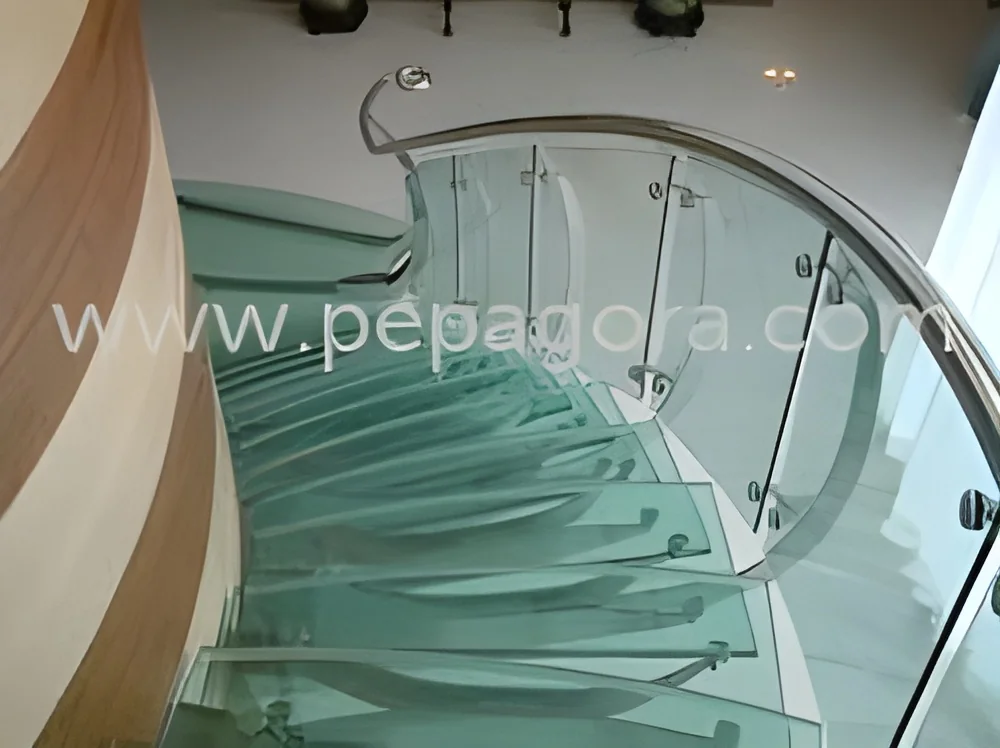
- Architectural glass for skylights, balustrades, and overhead glazing in commercial and residential buildings
- Security installations in banks, retail stores, and facilities requiring forced entry and ballistic protection
- Noise reduction windows for hotels, hospitals, offices, and educational institutions in urban areas
- Safety glass for schools, sports facilities, swimming pools, and public spaces where impact resistance is mandatory
Trade Details
| Available Stock | In Stock |
| Sample Availability | No |
Payment Terms
| Payment Terms |
|
Company Profile
Glass Consortium, Tamil Nadu
 Tamil Nadu, India
Factory Details
Factory SizeBelow 1000 sqm
Annual Production Capacity0
Laminated Glass For Safety Security And Sound Insulation
Premium laminated glass provides superior safety, security, and sound insulation for architectural, automotive, and industrial applications. Available in custom sizes and thicknesses with trusted quality and reliability.
Min. Order Quantity: 1 unit
Shipping
Shipping fee and delivery date to be negotiated. Contact supplier now for more details.
Glass Consortium
 Tamil Nadu, India