
 IN
ISO Certification for Chemical Companies
7 products available
What are ISO Certification for Chemical Companies?
ISO Certification for Chemical Companies is a formal recognition that a company’s processes, products, and services meet international standards set by the International Organization for Standardization (ISO). This certification demonstrates a commitment to quality, safety, and efficiency in operations. It is crucial for chemical companies seeking to enhance their market credibility and operational integrity.
The primary uses of ISO certification in the chemical sector include ensuring compliance with regulatory requirements, improving product quality, and enhancing operational efficiencies. Companies often utilize these certifications to gain a competitive edge, secure partnerships, and increase customer satisfaction. Moreover, ISO certifications can facilitate access to international markets, as many clients and partners require adherence to these standards.
In the context of the chemical industry, ISO certification is highly relevant due to the stringent safety and environmental regulations that govern this sector. As companies strive to meet these regulations while maintaining operational excellence, ISO certifications such as ISO 9001 for quality management and ISO 14001 for environmental management become essential. The market for chemical products continues to evolve, and obtaining ISO certification positions companies strategically for growth and compliance.
Key Features and Specifications
ISO Certification for Chemical Companies encompasses a variety of features and specifications that ensure compliance with international standards. These specifications are designed to address quality management, environmental impact, and safety protocols.
Key specifications include:
1. Quality Management System (QMS)
- This specification focuses on the processes that ensure quality in production and service delivery.
- It typically involves documentation, process control, and continuous improvement methodologies.
2. Environmental Management System (EMS)
- This specification addresses the company's efforts to minimize its environmental impact.
- It includes measures for waste management, resource conservation, and pollution reduction.
3. Safety Management System (SMS)
- This specification is aimed at ensuring the safety of both employees and products.
- It encompasses risk assessments, safety training, and incident reporting protocols.
4. Compliance with Regulatory Standards
- This specification ensures adherence to local and international regulations.
- It includes documentation required for legal compliance and audits.
5. Customer Satisfaction Metrics
- This specification focuses on measuring and improving customer satisfaction.
- It involves feedback mechanisms and service quality assessments.
6. Training and Competence
- This specification emphasizes the need for employee training and skill development.
- It includes documentation of training programs and competency evaluations.
7. Internal Audits and Reviews
- This specification mandates regular audits to assess compliance and performance.
- It involves systematic reviews of processes and corrective actions for non-conformities.
8. Continuous Improvement Processes
- This specification encourages ongoing enhancements to systems and processes.
- It includes methodologies like Plan-Do-Check-Act (PDCA) for systematic improvement.
In summary, ISO certification provides a structured framework for chemical companies to enhance their operations, ensure compliance, and maintain high-quality standards.
Common Applications and Use Cases
ISO Certification for Chemical Companies finds applications across various industries, ensuring quality and safety in chemical production and distribution.
1. Pharmaceutical Industry: ISO certification is critical for pharmaceutical manufacturers as it ensures compliance with stringent safety regulations and product quality standards.
2. Petrochemical Industry: In this sector, ISO certification helps companies manage environmental impacts and maintain high safety standards during the extraction and processing of oil and gas.
3. Agriculture and Agrochemicals: ISO certification assures farmers and retailers of the quality and safety of fertilizers and pesticides, promoting sustainable agricultural practices.
4. Food and Beverage Industry: Chemical companies supplying food additives and processing aids benefit from ISO certification to meet food safety standards and enhance product traceability.
5. Coatings and Paints: Manufacturers of coatings and paints utilize ISO certification to ensure their products meet quality and environmental standards, enhancing market trust.
6. Water Treatment: Companies involved in chemical water treatment services rely on ISO certification to demonstrate their commitment to quality and regulatory compliance.
7. Manufacturing: Chemical suppliers to manufacturing industries use ISO certification to assure clients of the quality and reliability of their raw materials.
Product Variants and Subcategories
ISO Certification for Chemical Companies can be diverse, accommodating different needs across the industry. While specific subcategories are not available, the certification process can vary based on the specific focus areas required by different companies.
Environmental ISO Certification
This variant focuses on environmental management practices, ensuring that companies minimize their ecological footprint while maintaining compliance with environmental regulations.
Quality Management ISO Certification
This variant is centered on ensuring that products and services consistently meet customer requirements and regulatory standards.
Safety Management ISO Certification
This variant emphasizes the importance of safety in operations, providing frameworks for risk management and employee safety training.
Benefits and Advantages
ISO Certification for Chemical Companies offers numerous advantages that contribute to operational excellence and market competitiveness.
Key benefits include:
1. Enhanced Market Credibility: ISO certification builds trust with customers and partners, demonstrating a commitment to quality and safety.
2. Improved Operational Efficiency: The structured framework of ISO standards helps streamline processes, reducing waste and increasing productivity.
3. Regulatory Compliance: Certification ensures adherence to local and international regulations, minimizing risks of legal penalties.
4. Increased Customer Satisfaction: By consistently meeting quality standards, companies can enhance customer loyalty and satisfaction.
5. Competitive Advantage: ISO certification differentiates companies in a crowded market, providing a significant edge over competitors.
6. Continuous Improvement Culture: The focus on ongoing evaluation and improvement fosters a culture of excellence within the organization.
Buying Guide for B2B Buyers
When sourcing ISO Certification for Chemical Companies, it is essential to consider various factors to ensure the right choice.
1. Quality Assessment: Look for certification bodies with a strong reputation for quality assessments and audits. Check their history and client feedback to evaluate their effectiveness.
2. Supplier Verification: Vet potential suppliers thoroughly. Review their credentials, previous certifications, and industry experience to ensure they meet necessary standards.
3. Pricing and MOQ: Understand the pricing structures and minimum order quantities associated with certification. Compare costs among different certification providers to find the best deal.
4. Delivery and Lead Times: Inquire about the timeframes for obtaining certification. Ensure the provider can meet your timelines to avoid disruptions in your operations.
5. Compliance Requirements: Familiarize yourself with the specific regulatory requirements for your industry. Ensure that the certification aligns with the legal standards applicable to your operations.
Compliance and Certifications
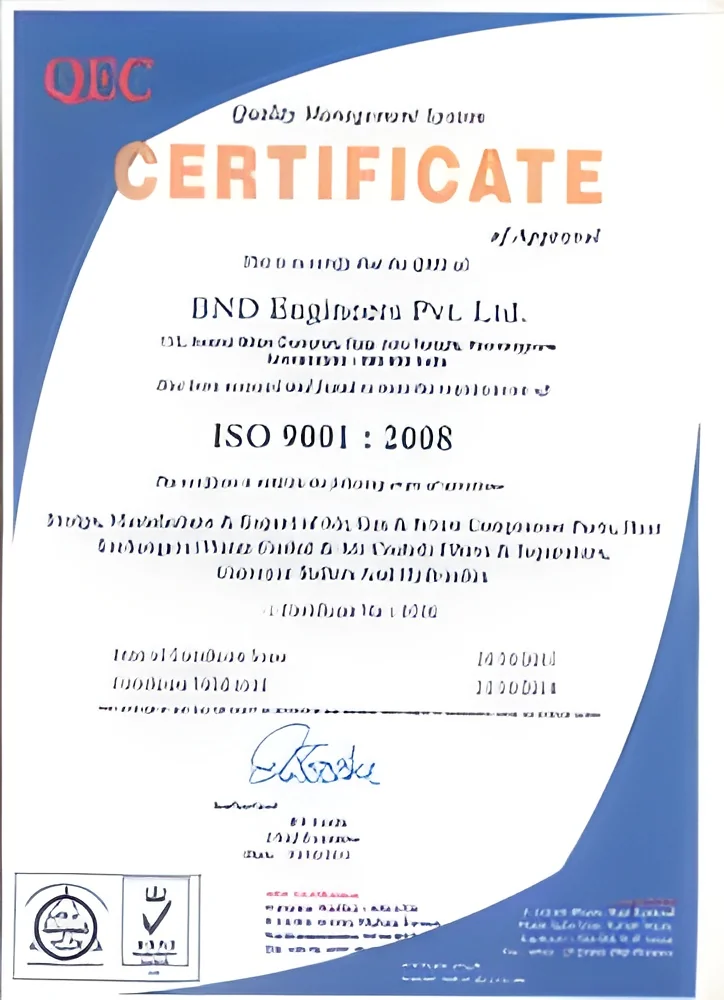
ISO certifications are governed by a variety of quality standards relevant to the chemical industry. One of the most recognized standards is ISO 9001, which focuses on quality management systems. This standard ensures that companies consistently provide products and services that meet customer and regulatory requirements.
Additionally, certifications such as HACCP (Hazard Analysis Critical Control Point) and GDP (Good Distribution Practice) are crucial for companies involved in food and pharmaceuticals. These standards help mitigate risks associated with safety and quality in the handling and distribution of chemical products.
Safety and testing requirements are also paramount in this industry. Companies must adhere to safety protocols to protect employees and consumers, ensuring that chemicals are handled and stored safely.
Regional compliance considerations vary significantly. Companies must navigate different regulations depending on their operational geography. Understanding these local regulations is essential to maintain compliance and avoid legal issues.
Why Source ISO Certification for Chemical Companies from Pepagora?
Pepagora provides a trusted platform for sourcing ISO Certification for Chemical Companies with several key advantages. One of the standout features of Pepagora is its verified supplier network. This network consists of reputable certification bodies that have undergone rigorous vetting processes to ensure quality and reliability.
Additionally, Pepagora offers a streamlined RFQ (Request for Quotation) process. This system simplifies the certification acquisition process, allowing companies to compare options and make informed decisions quickly.
Trade assurance and support are also integral to Pepagora’s offerings. Buyers can feel confident knowing they are protected throughout the sourcing process, with dedicated support available to address any concerns.
Finally, Pepagora boasts regional coverage that spans India, the GCC, and Southeast Asia. This extensive reach enables companies to access ISO certification services tailored to their specific regional compliance needs, ensuring that they remain competitive in their markets.


 India
 India
 India


 India
 India
Frequently Asked Questions
What are ISO Certification for Chemical Companies?
ISO Certification for Chemical Companies refers to the process by which a chemical company is certified to meet international standards set by the International Organization for Standardization (ISO). This certification ensures that the company adheres to quality management principles, demonstrating its ability to consistently provide products that meet customer and regulatory requirements.
What are the different types of ISO Certification for Chemical Companies?
There are several types of ISO Certifications relevant to chemical companies, including ISO 9001 for quality management, ISO 14001 for environmental management, and ISO 45001 for occupational health and safety. Each type focuses on different aspects of operations, helping companies improve efficiency, safety, and environmental impact.
How do I choose the right ISO Certification for Chemical Companies?
Choosing the right ISO Certification depends on your company's specific needs and industry requirements. It is essential to evaluate the certifications that align with your operational goals, customer expectations, and regulatory obligations, and to consult with industry experts or certification bodies for guidance.
What are the standard specifications for ISO Certification for Chemical Companies?
The standard specifications for ISO Certification vary based on the specific ISO standard being pursued. Generally, they include requirements for documentation, process control, performance evaluation, and continuous improvement to ensure that the company meets customer needs and complies with applicable laws.
What is the price range for ISO Certification for Chemical Companies?
The price range for ISO Certification can vary widely depending on the certification type, company size, and complexity of operations. Typically, costs can range from a few thousand to several lakh rupees, which may include consultancy fees, certification body fees, and internal preparation costs.
What quality standards apply to ISO Certification for Chemical Companies?
Quality standards for ISO Certification in the chemical industry include adherence to guidelines outlined in ISO 9001, which focuses on quality management systems, as well as specific industry-related standards that ensure product safety and efficacy. Compliance with these standards is crucial for maintaining customer trust and regulatory compliance.
Where can I find ISO Certification for Chemical Companies suppliers in India?
You can find ISO Certification suppliers in India through various online B2B marketplaces, industry directories, and professional networks. Platforms like Pepagora.com are valuable resources for connecting with reputable certification bodies and consultants in the chemical sector.
Can ISO Certification for Chemical Companies be customized?
ISO Certification itself follows standardized guidelines; however, companies can customize their implementation processes to meet specific operational needs while still adhering to ISO standards. This flexibility allows companies to tailor their quality management systems to their unique circumstances.
What is the typical minimum order quantity for ISO Certification for Chemical Companies?
Typically, there is no minimum order quantity for ISO Certification as it is a service rather than a product. Companies seeking certification are advised to engage with certification bodies to understand the requirements and processes involved.
What is the typical lead time for ISO Certification for Chemical Companies?
The typical lead time for obtaining ISO Certification can range from a few months to over a year, depending on the company's readiness, the complexity of its operations, and the specific certification sought. Companies should prepare for an initial assessment, corrective actions, and final audits within this timeframe.
Why Businesses Trust Pepagora
Thousands of companies trust Pepagora to source smarter and sell faster
Expand Your Sales Globally

Source Smarter,Grow Faster
