
 IN
Iron Scrap
8 products available
What are Iron Scrap?
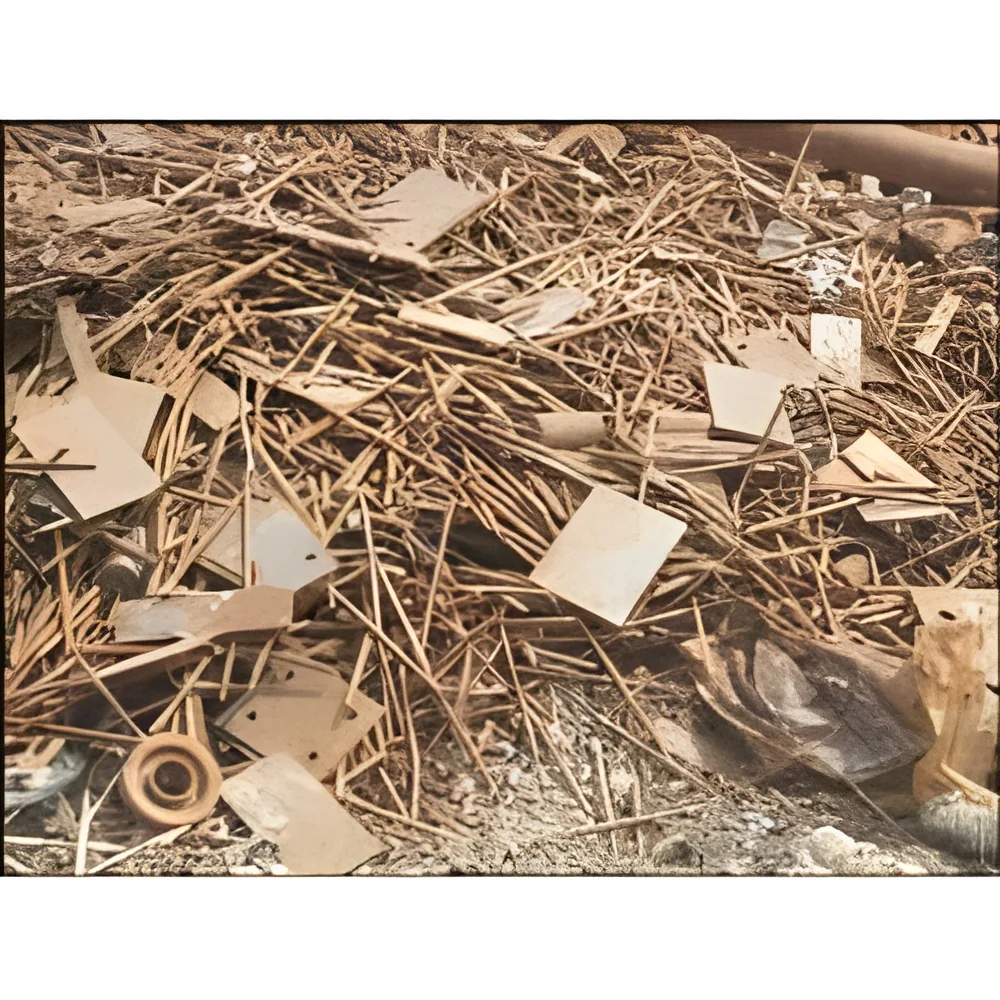
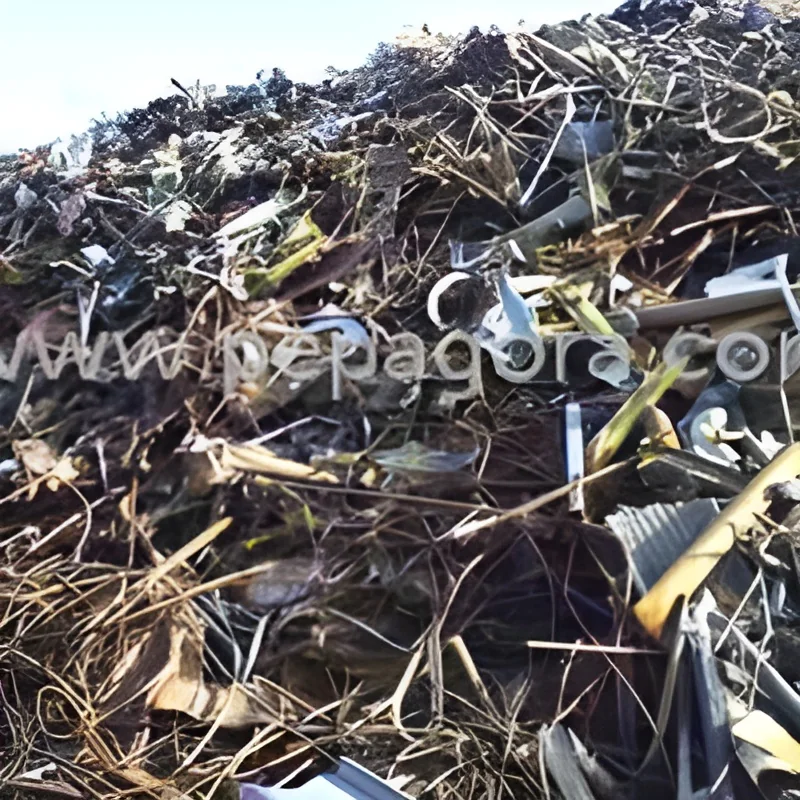
Iron scrap refers to discarded iron materials that can be recycled and repurposed for various industrial applications. This material comes from a variety of sources, including manufacturing processes, construction sites, and consumer products. Iron scrap can vary in quality and composition, often being categorized based on its purity and the specific type of iron it contains, such as cast iron or wrought iron.
The primary uses of iron scrap are centered around its ability to be melted down and reformed into new products. Industries that utilize iron scrap include steel manufacturing, automotive production, and construction. By recycling iron scrap, businesses can reduce production costs, conserve natural resources, and minimize environmental impact. The iron scrap market plays a crucial role in the global economy, providing a sustainable supply of raw materials necessary for various manufacturing processes.
Key Features and Specifications
Iron scrap is characterized by several key features that determine its quality and usability in different applications. Understanding these specifications is essential for businesses looking to source iron scrap effectively.
Key specifications include:
1. Composition
- The chemical makeup of the iron scrap, which can include various alloys and impurities.
- Typical ranges of iron content are between 70% to 99%.
2. Size and Form
- Iron scrap can come in different shapes and sizes, including shavings, sheets, and chunks.
- Common size specifications range from 1 inch to 12 inches.
3. Purity Level
- Purity levels indicate the amount of non-metallic contaminants present in the scrap.
- High-purity iron scrap typically contains less than 5% impurities.
4. Source Type
- Iron scrap can be sourced from industrial, construction, or consumer waste.
- Each source may have different characteristics affecting its recyclability.
5. Moisture Content
- The amount of moisture present in the scrap, which can affect the melting process.
- Ideally, moisture content should be below 2%.
6. Contaminants
- Presence of foreign materials such as plastics, woods, or other metals.
- Low contaminant levels are crucial for high-quality recycling.
In summary, understanding these specifications helps businesses choose the right iron scrap for their specific manufacturing needs.
Common Applications and Use Cases
Iron scrap serves various industries, providing a cost-effective and environmentally friendly raw material option.
1. Steel Manufacturing: Iron scrap is a primary feedstock for electric arc furnaces, which produce steel. Its recycling reduces the need for virgin iron ore.
2. Automotive Industry: Scrap iron is used to manufacture new automotive parts, contributing to the production of lighter and more efficient vehicles.
3. Construction Sector: Recycled iron is used in building materials, such as rebar and structural supports, proving essential in sustainable construction practices.
4. Appliances: Manufacturers of household appliances often use iron scrap in the production of components like frames and brackets.
5. Heavy Equipment: Iron scrap is utilized in creating parts for heavy machinery, helping to lower production costs and environmental impact.
6. Fabrication Shops: Local fabrication operations commonly source iron scrap to create custom solutions for various projects.
Product Variants and Subcategories
Iron scrap comes in different forms to meet the diverse needs of various industries.
Heavy Iron Scrap
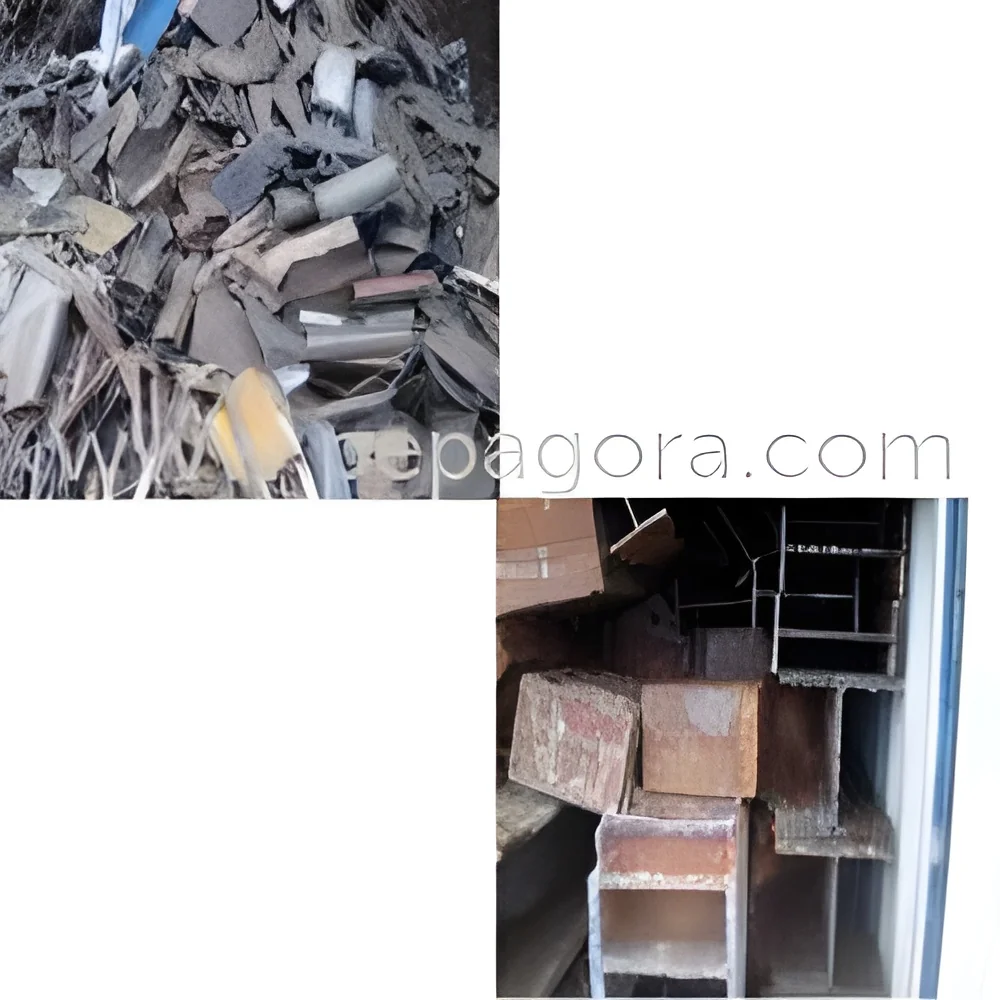
This variant includes large, heavy pieces of iron, often sourced from demolition sites. It is ideal for steelmaking and large-scale manufacturing applications.
Light Iron Scrap
Light iron scrap consists of smaller, lighter pieces, often derived from appliances and vehicles. It is highly versatile and used in a range of applications.
Cast Iron Scrap
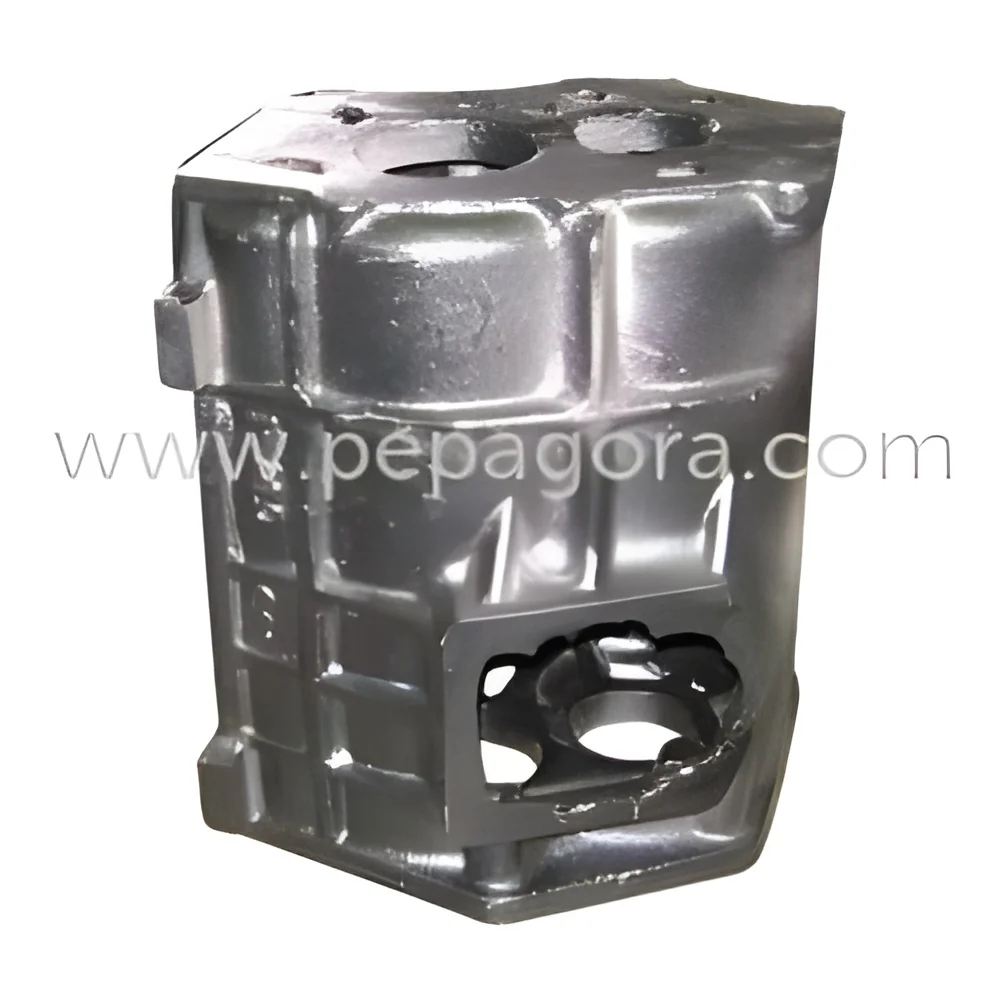
Derived from old machinery and cookware, cast iron scrap is valued for its high carbon content, making it suitable for certain specialized applications.
Shredded Iron Scrap
This variant is processed into smaller pieces to facilitate easier transportation and melting. It is commonly used in recycling operations.
Benefits and Advantages
Sourcing iron scrap offers several advantages for businesses looking to optimize their material usage.
Key benefits include:
1. Cost Efficiency: Iron scrap is typically less expensive than virgin materials, helping businesses lower production costs.
2. Sustainability: Using recycled iron scrap reduces waste and minimizes the environmental impact associated with mining and refining new metals.
3. Resource Conservation: Sourcing scrap helps conserve natural resources, ensuring a more sustainable supply chain.
4. Versatility: Iron scrap can be used across various industries and applications, making it a flexible material choice.
5. Energy Savings: Recycling iron scrap requires less energy compared to producing iron from raw ore, contributing to lower operational costs.
6. Market Availability: With a well-established recycling industry, iron scrap is widely available, ensuring a reliable supply for manufacturers.
Buying Guide for B2B Buyers
When sourcing iron scrap, businesses should consider several key factors to ensure they select the right material for their needs.
1. Quality Assessment: Evaluate the quality of iron scrap by checking for impurities, moisture content, and overall purity levels to ensure it meets production standards.
2. Supplier Verification: Conduct thorough background checks on suppliers to ensure they are reputable and comply with industry standards.
3. Pricing and MOQ: Understand market prices and minimum order quantities (MOQ) to make informed purchasing decisions while negotiating favorable terms.
4. Delivery and Lead Times: Consider the logistics of shipping and handling, including lead times, to ensure timely delivery of materials.
5. Compliance Requirements: Be aware of regulatory requirements for sourcing and using scrap materials, including any certifications or documentation needed.
Compliance and Certifications
Iron scrap is subject to various quality standards and certifications to ensure safety and reliability in industrial applications.
Relevant quality standards, such as ISO 9001, help ensure that suppliers maintain consistent production processes and quality control measures. Compliance with these standards is essential for maintaining product integrity and meeting customer expectations.
Industry certifications like CE indicate that iron scrap meets European safety and environmental standards. Suppliers with these certifications provide added assurance of the quality and compliance of their products.
Additionally, safety and testing requirements ensure that iron scrap is free from hazardous materials and suitable for recycling. Businesses should also consider regional compliance factors, as regulations may vary by country or region.
Why Source Iron Scrap from Pepagora?
Pepagora provides a trusted platform for sourcing iron scrap, ensuring businesses have access to high-quality materials from verified suppliers.
Verified Supplier Network: Pepagora's network includes carefully vetted suppliers who meet stringent quality and compliance requirements, providing peace of mind for buyers.
Streamlined RFQ Process: The platform offers an efficient request for quotation (RFQ) system, enabling businesses to easily obtain competitive pricing and detailed information from multiple suppliers.
Trade Assurance and Support: Buyers benefit from trade assurance measures that protect their purchases, ensuring they receive the quality and quantity of scrap they expect.
Regional Coverage: With a strong presence in India, the GCC, and Southeast Asia, Pepagora connects buyers with local and regional suppliers, facilitating timely delivery and support for sourcing iron scrap.
By choosing Pepagora, businesses can streamline their sourcing process and ensure they receive reliable and high-quality iron scrap for their industrial needs.

 India
 India
 India
Frequently Asked Questions
What are Iron Scrap?
Iron scrap refers to discarded iron materials that can be recycled and reused in various industries. It includes various forms of iron waste, such as old machinery, construction debris, and metal containers, making it a valuable resource for manufacturers.
What are the different types of Iron Scrap?
The different types of iron scrap include clean scrap, mixed scrap, cast iron scrap, and wrought iron scrap. Each type varies in composition and quality, impacting its recycling process and end-use in manufacturing.
How do I choose the right Iron Scrap?
Choosing the right iron scrap involves assessing the type of scrap needed for your specific application, considering factors like quality, grade, and contamination levels. Buyers should also evaluate suppliers based on their reliability and pricing.
What are the standard specifications for Iron Scrap?
Standard specifications for iron scrap typically include chemical composition, physical properties, and impurity levels. These specifications ensure that the scrap meets industry requirements for recycling and manufacturing processes.
What is the price range for Iron Scrap?
The price of iron scrap can vary significantly based on factors such as quality, type, and market demand. Generally, prices range from INR 15,000 to INR 25,000 per tonne, but it's advisable to check current market conditions.
What quality standards apply to Iron Scrap?
Quality standards for iron scrap often include guidelines set by organizations like the Bureau of Indian Standards (BIS) and international standards. These standards help ensure that the scrap is suitable for recycling and manufacturing applications.
Where can I find Iron Scrap suppliers in India?
Iron scrap suppliers in India can be found through online B2B marketplaces, industrial directories, and trade fairs. Websites like Pepagora.com offer listings of reliable suppliers and manufacturers for purchasing iron scrap.
Can Iron Scrap be customized?
Generally, iron scrap is sold in bulk without customization options. However, specific requirements regarding quality and type can be discussed with suppliers to meet particular needs.
What is the typical minimum order quantity for Iron Scrap?
The typical minimum order quantity (MOQ) for iron scrap can vary by supplier but often ranges from 1 tonne to several tonnes. It is advisable to confirm the MOQ with the supplier before placing an order.
What is the typical lead time for Iron Scrap?
The typical lead time for iron scrap delivery can range from a few days to several weeks, depending on the supplier's location, availability, and order size. Confirming lead times with suppliers is essential for planning purposes.
Why Businesses Trust Pepagora
Thousands of companies trust Pepagora to source smarter and sell faster
Expand Your Sales Globally

Source Smarter,Grow Faster
