
 IN
Interlock Knit Fabric
6 products available
What are Interlock Knit Fabric?
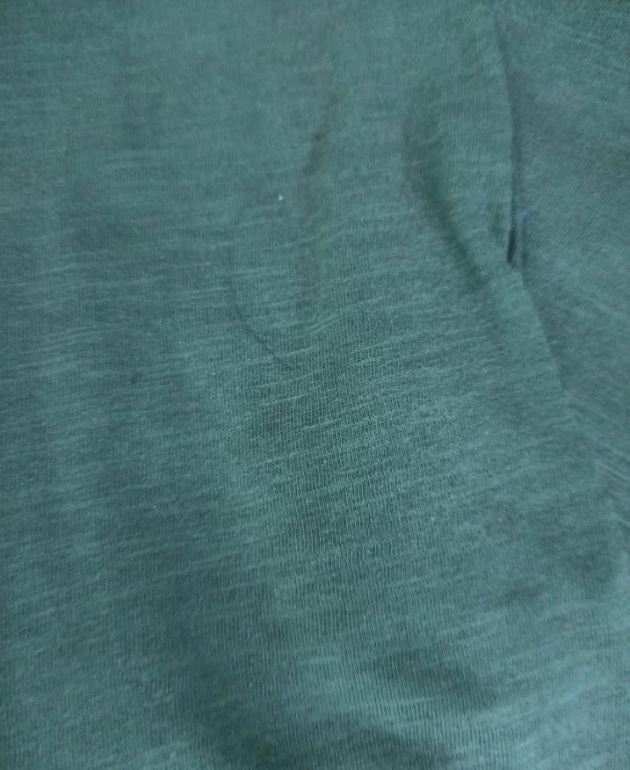
Interlock knit fabric is a type of textile characterized by its unique construction, which creates a smooth surface on both sides. This fabric is produced using a double-knit technique that interlocks the yarns, resulting in a thicker and more durable material compared to standard knits. The interlocking process not only enhances the fabric's flexibility but also adds a level of stretch, making it ideal for various applications in the apparel industry.
Interlock knit fabric is widely used in the production of garments such as t-shirts, dresses, and activewear. Its softness and comfort make it a popular choice for clothing that requires both style and functionality. Additionally, this fabric is commonly utilized in home textiles, such as bed linens and upholstery, due to its durability and ease of care. The versatility of interlock knit fabric has made it a staple in the textile market, appealing to a range of businesses from fashion brands to home goods manufacturers.
The relevance of interlock knit fabric in the industry is evident as it continues to adapt to consumer demands for comfort and performance. With the growing emphasis on sustainable practices, manufacturers are also exploring eco-friendly materials and production processes, further enhancing the appeal of interlock knit fabric in a competitive market.
Key Features and Specifications
Interlock knit fabric offers a variety of features that make it suitable for numerous applications. Its unique construction provides excellent stretch and recovery, ensuring that garments maintain their shape over time. Furthermore, interlock knit fabric is known for its softness, making it comfortable against the skin. The fabric is also highly breathable, which enhances its usability in warmer climates.
Key specifications include:
1. Fabric Weight
- Typically ranges from 150 to 300 grams per square meter (gsm).
- Influences the drape and feel of the fabric.
2. Stretch Factor
- Offers a four-way stretch capability.
- Allows for enhanced movement and comfort in garments.
3. Composition
- Commonly made from cotton, polyester, or a blend of both.
- Variations in composition can impact the fabric's texture and performance.
4. Width
- Available in standard widths of 150 cm to 180 cm.
- Determines the efficiency of material usage for manufacturing.
5. Color Options
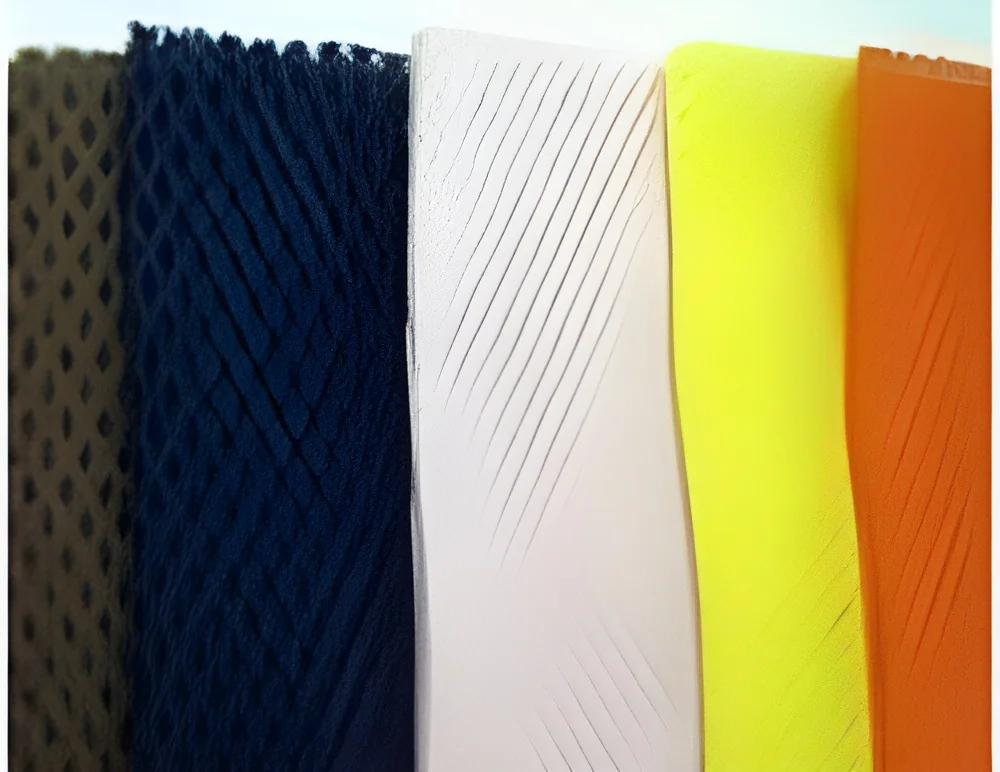
- Available in a wide range of colors and patterns.
- Custom dyeing options are often available for bulk orders.
6. Care Instructions
- Machine washable with low heat drying recommended.
- Resistant to shrinking and fading, ensuring longevity.
In summary, interlock knit fabric combines durability, comfort, and versatility, making it a preferred choice across various industries.
Common Applications and Use Cases
Interlock knit fabric serves various industries with its diverse applications.
1. Apparel Industry: It is extensively used in the production of casual and athletic wear due to its stretch and comfort features.
2. Home Textiles: Manufacturers utilize interlock knit fabric for bed linens, pillowcases, and blankets, capitalizing on its softness and durability.
3. Medical Textiles: Its breathable and stretchable nature makes it suitable for scrubs and other medical uniforms.
4. Sportswear: Many sports brands favor interlock knit for its moisture-wicking properties, enhancing performance during physical activities.
5. Children's Clothing: The fabric's softness and flexibility make it ideal for children's apparel, ensuring comfort for active wearers.
6. Swimwear: Depending on the composition, it can also be used in swimwear due to its ability to withstand water exposure.
7. Fashion Garments: Designers often select interlock knit fabric for creating stylish outfits that require both form and function.
Product Variants and Subcategories
Interlock knit fabric is available in various forms, allowing businesses to choose options that best meet their needs.
Cotton Interlock Knit Fabric: This variant is known for its breathability and comfort, making it ideal for everyday wear and children's clothing. Its natural fibers are soft against the skin and suitable for sensitive skin types.
Polyester Interlock Knit Fabric: This variant offers enhanced durability and moisture-wicking properties, making it a popular choice for activewear and sports apparel. It maintains its color and shape well, even after multiple washes.
Blended Interlock Knit Fabric: Combining cotton and polyester, this variant provides the best of both worlds, offering softness and durability. It is a versatile choice suitable for a wide range of applications.
Benefits and Advantages
Interlock knit fabric provides numerous advantages that make it appealing to manufacturers and consumers alike.
1. Durability: The interlocking structure enhances the fabric's strength, reducing wear and tear over time.
2. Comfort: The soft texture makes it pleasant to wear against the skin, making it a go-to choice for casual and active clothing.
3. Versatility: Suitable for various applications, interlock knit fabric can be used in everything from clothing to home textiles.
4. Breathability: The fabric allows air circulation, making it a good option for warmer climates and activewear.
5. Easy Care: Interlock knit fabric is machine washable and resistant to shrinking, making maintenance simple for consumers.
6. Aesthetic Appeal: Available in numerous colors and patterns, it allows designers to create visually striking products.
Buying Guide for B2B Buyers
When sourcing interlock knit fabric, there are several factors to consider to ensure you make an informed purchase.
1. Quality Assessment: Evaluate the fabric's weight, stretch, and composition to ensure it meets your specific needs. Request samples to assess the material's texture and durability.
2. Supplier Verification: Conduct thorough research on potential suppliers. Look for reviews, references, and certifications to confirm their reliability and quality standards.
3. Pricing and MOQ: Understand the market pricing for interlock knit fabric and inquire about minimum order quantities. This will help you gauge cost-effectiveness for your business.
4. Delivery and Lead Times: Clarify logistics and expected lead times for delivery. Timely delivery is crucial for maintaining production schedules.
5. Compliance Requirements: Ensure that the fabric meets any necessary regulatory standards specific to your industry, such as safety and environmental guidelines.
Compliance and Certifications
Interlock knit fabric must adhere to various compliance and certification standards to ensure quality and safety. Relevant quality standards such as ISO 9001 are important as they define the requirements for a quality management system. This ensures that the manufacturing processes consistently produce a high-quality product.
Industry certifications like CE can indicate compliance with European health, safety, and environmental protection standards. For businesses operating in regions with specific regulations, understanding these certifications is essential for market entry.
Safety and testing requirements are also critical, especially for applications in sensitive sectors such as medical textiles. Testing for harmful substances and ensuring the fabric is safe for skin contact is vital.
Regional compliance considerations may vary, so it's important to be aware of local regulations in your target market to ensure full compliance and avoid penalties.
Why Source Interlock Knit Fabric from Pepagora?
Pepagora provides a trusted platform for sourcing interlock knit fabric, offering several key advantages for businesses.
Verified Supplier Network: Pepagora ensures that all suppliers are thoroughly vetted. This verification process includes checking their production capabilities, quality standards, and customer feedback, providing buyers with peace of mind.
Streamlined RFQ Process: The request for quotation (RFQ) system simplifies the sourcing process, allowing buyers to easily compare prices and specifications from multiple suppliers. This efficiency saves time and resources.
Trade Assurance and Support: Pepagora offers buyer protection through trade assurance, ensuring that transactions are secure. Additionally, their customer support team is ready to assist buyers with any inquiries or concerns.
Regional Coverage: With a strong presence in India, the GCC, and Southeast Asia, Pepagora connects buyers to a wide range of suppliers across these regions, enhancing access to quality interlock knit fabric.
By choosing Pepagora, businesses can confidently source interlock knit fabric that meets their specific requirements while benefiting from a robust support system.


 India
 India
Frequently Asked Questions
What are Interlock Knit Fabric?
Interlock Knit Fabric is a type of knit fabric characterized by its smooth texture and two-way stretch. It is made by interlocking two layers of fabric, which creates a thicker and more durable material ideal for various clothing and textile applications.
What are the different types of Interlock Knit Fabric?
The different types of Interlock Knit Fabric include single interlock and double interlock. Single interlock is lighter and more flexible, while double interlock is thicker and offers more stability, making it suitable for heavier garments.
How do I choose the right Interlock Knit Fabric?
Choosing the right Interlock Knit Fabric involves considering the weight, texture, and stretch of the fabric. Additionally, you should assess the intended use, such as casual wear or activewear, to ensure the fabric meets your specific needs.
What are the standard specifications for Interlock Knit Fabric?
Standard specifications for Interlock Knit Fabric typically include fabric weight, stretchability, and fiber content. Most interlock fabrics are made from cotton, polyester, or a blend, with weights ranging from 160 to 240 GSM.
What is the price range for Interlock Knit Fabric?
The price range for Interlock Knit Fabric varies based on factors such as quality, weight, and supplier. Generally, you can expect prices to range from INR 80 to INR 250 per meter, depending on the specifications.
What quality standards apply to Interlock Knit Fabric?
Quality standards for Interlock Knit Fabric may include adherence to industry norms like ISO certification and testing for durability, colorfastness, and stretch. Fabrics should also be free from defects and meet specific performance criteria for their intended use.
Where can I find Interlock Knit Fabric suppliers in India?
You can find Interlock Knit Fabric suppliers in India through online B2B marketplaces like Pepagora, trade shows, and fabric wholesalers. It's advisable to research and compare multiple suppliers to ensure quality and pricing.
Can Interlock Knit Fabric be customized?
Yes, Interlock Knit Fabric can be customized in terms of color, weight, and patterns. Many manufacturers offer options for custom designs to meet specific client requirements, making it versatile for different applications.
What is the typical minimum order quantity for Interlock Knit Fabric?
The typical minimum order quantity (MOQ) for Interlock Knit Fabric varies by supplier but generally ranges from 50 to 100 meters. It is important to check with individual suppliers for their specific MOQ requirements.
What is the typical lead time for Interlock Knit Fabric?
The typical lead time for Interlock Knit Fabric can vary based on the order size and supplier location, but it generally ranges from 2 to 4 weeks. Custom orders may take longer depending on the complexity of the specifications.
Why Businesses Trust Pepagora
Thousands of companies trust Pepagora to source smarter and sell faster
Expand Your Sales Globally

Source Smarter,Grow Faster
