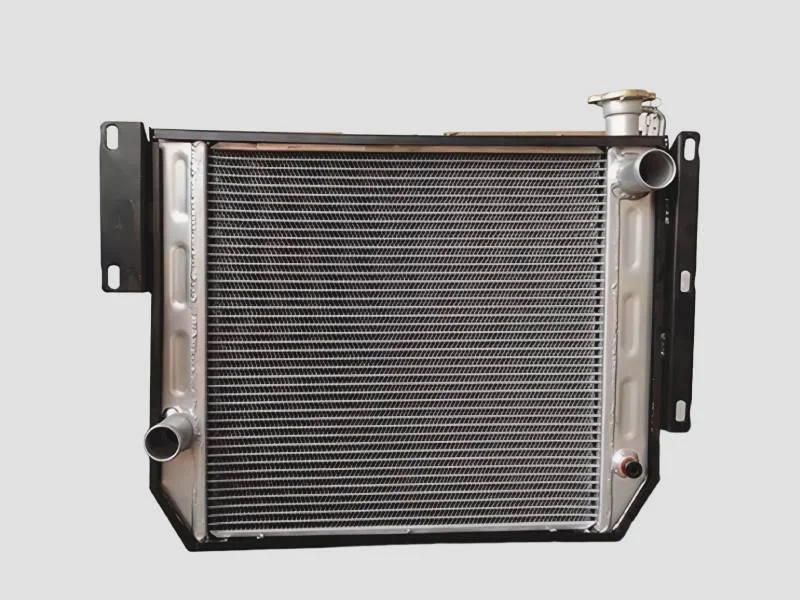
What are Automotive Scrap Metal?
Automotive scrap metal refers to the leftover metal components derived from vehicles that have reached the end of their usable life. This includes parts such as engines, body panels, frames, and various metal alloys. The recycling of automotive scrap metal is a crucial process that turns waste into raw materials for new products, thus contributing to sustainable manufacturing practices.
The automotive industry generates a significant amount of scrap metal, which is processed and sold to manufacturers. The primary uses of automotive scrap metal include the production of new steel, aluminum, and other metal products. These materials are then utilized in various applications, including the construction of new vehicles, infrastructure projects, and consumer goods. The recycling of automotive scrap metal not only reduces the environmental impact of waste but also supports a circular economy by conserving natural resources.
In terms of industry relevance, the automotive scrap metal market is driven by factors such as increasing vehicle production, growing awareness of environmental issues, and the demand for recycled materials. The market is supported by a network of scrap metal processors, recyclers, and manufacturers who work together to ensure that valuable materials are recovered and reused effectively.
Key Features and Specifications
Automotive scrap metal comes with a variety of features and specifications that cater to different industrial needs. Understanding these specifications is essential for buyers looking to source scrap metal for recycling or manufacturing purposes.
Key specifications include:
1. Material Composition
- Common materials include steel, aluminum, copper, and other alloys.
- Composition varies based on the vehicle type and age.
2. Size and Shape
- Scrap metal can vary in size from small shavings to large parts.
- Shapes may include sheets, strips, and complex components.
3. Purity Levels
- Purity levels depend on the processing methods used.
- Higher purity levels are preferred for recycling to ensure quality.
4. Weight
- The weight of scrap metal is crucial for pricing and logistics.
- Typically measured in tons for bulk transactions.
5. Contaminants
- Contaminants can include plastics, rubber, and other non-metal materials.
- Clean scrap metal is more valuable and easier to process.
6. Market Prices
- Prices fluctuate based on supply and demand dynamics.
- Regional price differences may apply.
7. Certification
- Compliance with industry standards and certifications is essential.
- Common certification includes CE for materials sourced in Europe.
In summary, knowing the key features and specifications of automotive scrap metal can help businesses make informed purchasing decisions and optimize their recycling processes.
Common Applications and Use Cases
Automotive scrap metal is utilized in various industries that benefit from recycled materials.
1. Manufacturing: Automotive scrap metal is primarily used in manufacturing new vehicles. Steel and aluminum sourced from scrap help produce new vehicles while minimizing the need for raw materials.
2. Construction: Recycled metals are essential in construction projects. Steel beams and aluminum components sourced from automotive scrap are used in building infrastructures like bridges and buildings.
3. Aerospace: The aerospace industry uses high-quality aluminum and steel from automotive scrap for aircraft parts, contributing to weight reduction and performance improvements.
4. Consumer Goods: Many consumer products like appliances and furniture incorporate recycled metals. Automotive scrap provides a sustainable source for these materials.
5. Energy Sector: Recycled metals are also utilized in the energy sector for equipment and infrastructure development, including renewable energy projects.
Product Variants and Subcategories
Automotive scrap metal consists of various product variants that cater to different industrial needs. While specific subcategories are not available, the diversity in scrap metal types allows for tailored solutions.
Ferrous Scrap Metal
This variant primarily includes iron and steel components from vehicles. Ferrous scrap is often repurposed into new steel products, making it a vital component in various manufacturing processes.
Non-Ferrous Scrap Metal
Non-ferrous scrap includes materials such as aluminum, copper, and brass. These materials are highly sought after for their corrosion resistance and lightweight properties, making them ideal for specialized applications.
Mixed Metal Scrap
This category comprises a blend of different metal types. It is typically processed to extract valuable materials, allowing for efficient recycling operations.
Benefits and Advantages
Sourcing automotive scrap metal offers multiple benefits that enhance operational efficiency and sustainability.
Key benefits include:
1. Cost Savings: Utilizing recycled scrap metal can significantly reduce material costs compared to using new metals, providing financial advantages to manufacturers.
2. Environmental Impact: Recycling automotive scrap helps reduce landfill waste and lowers carbon emissions associated with metal production, contributing to environmental sustainability.
3. Resource Conservation: By recycling scrap metal, businesses help conserve natural resources and reduce the demand for virgin materials.
4. High Quality: When sourced properly, recycled metals can meet or exceed the quality of virgin materials, ensuring reliability in manufacturing.
5. Market Demand: The increasing demand for recycled metals in various industries makes automotive scrap a valuable commodity.
6. Compliance: Sourcing from certified suppliers ensures adherence to industry regulations and standards, reducing liability risks.
Buying Guide for B2B Buyers
When sourcing automotive scrap metal, several factors should be considered to ensure a successful procurement process.
1. Quality Assessment: Evaluate the quality of scrap metal based on material composition and purity. High-quality scrap will yield better results in manufacturing processes.
2. Supplier Verification: Conduct thorough due diligence on potential suppliers. Verify their credentials, customer reviews, and compliance with industry standards.
3. Pricing and MOQ: Understand the pricing structure and minimum order quantities. This helps in budgeting and ensures that the procurement is aligned with operational needs.
4. Delivery and Lead Times: Discuss logistics and delivery timelines with suppliers to ensure timely availability of materials for production.
5. Compliance Requirements: Be aware of any regulatory compliance that may apply to the scrap metal being sourced, including safety and environmental standards.
Compliance and Certifications
Compliance and certifications are essential in ensuring the quality and safety of automotive scrap metal.
Relevant quality standards such as ISO 9001 ensure that suppliers adhere to consistent quality management practices. This helps maintain high standards throughout the sourcing process.
Industry certifications, including CE marking, indicate that the automotive scrap metal complies with European safety and environmental requirements. This is crucial for businesses operating in regulated markets.
Additionally, safety and testing requirements are paramount to ensure that the materials are free from hazardous contaminants. Regular testing can help maintain compliance with industry standards.
Regional compliance considerations may also apply, depending on the jurisdiction in which the scrap metal is sourced and processed. Understanding these regulations is vital for businesses to mitigate risks and ensure smooth operations.
Why Source Automotive Scrap Metal from Pepagora?
Pepagora offers a trusted platform for sourcing automotive scrap metal, providing several key advantages to B2B buyers.
Verified Supplier Network: Pepagora connects buyers with a network of verified suppliers, ensuring that businesses can source quality materials with confidence. This verification process reduces the risk of dealing with unreliable vendors.
Streamlined RFQ Process: The platform features an efficient request for quotation (RFQ) system that simplifies the procurement process. Buyers can easily submit their requirements and receive competitive quotes from multiple suppliers.
Trade Assurance and Support: Pepagora provides trade assurance to protect buyers, ensuring that transactions are secure and that any issues are promptly addressed. This support fosters a reliable purchasing environment.
Regional Coverage: With a broad geographic reach across India, GCC, and Southeast Asia, Pepagora ensures that buyers can access automotive scrap metal suppliers in their region, facilitating local sourcing and reducing shipping costs.

 IN
IN