IN
IN₹
Apparel & Fashion

Description
Reliable networking structures form the critical infrastructure that enables seamless communication and efficient data exchange across modern organizations. These systems provide the organized framework connecting computers, devices, and operational technology through carefully designed hardware components and communication protocols. They serve as the backbone supporting everything from basic internet access to complex digital operations, ensuring that information flows smoothly between all connected elements. The architecture balances performance with stability, delivering consistent connectivity that businesses can depend on for their daily operations and strategic initiatives.

Various sectors implement these networking solutions to maintain operational continuity and support their specific technological requirements. Corporate environments utilize them for employee connectivity, resource sharing, and collaborative platforms that drive productivity. Industrial settings deploy robus...
Reliable networking structures form the critical infrastructure that enables seamless communication and efficient data exchange across modern organizations. These systems provide the organized framework connecting computers, devices, and operational technology through carefully designed hardware components and communication protocols. They serve as the backbone supporting everything from basic internet access to complex digital operations, ensuring that information flows smoothly between all connected elements. The architecture balances performance with stability, delivering consistent connectivity that businesses can depend on for their daily operations and strategic initiatives.

Various sectors implement these networking solutions to maintain operational continuity and support their specific technological requirements. Corporate environments utilize them for employee connectivity, resource sharing, and collaborative platforms that drive productivity. Industrial settings deploy robust networking structures to manage automation systems, monitor equipment performance, and control manufacturing processes in real-time. Educational institutions rely on these systems for campus-wide connectivity supporting both administrative functions and digital learning environments. Healthcare facilities implement secure networking to connect diagnostic equipment, manage electronic health records, and support telemedicine services while maintaining strict data protection standards.

Organizations investing in these networking structures gain significant operational advantages through enhanced reliability and reduced system downtime. The infrastructure provides a solid foundation for digital transformation initiatives, allowing businesses to adopt new technologies while maintaining existing operations. This investment translates into improved productivity, better resource utilization, and stronger competitive positioning in increasingly digital markets. The focus on quality construction and proven design principles ensures long-term value through consistent performance and adaptability to evolving connectivity requirements.

Key Features:
- High-speed connectivity supporting rapid data transfer and minimal latency
- Robust security protocols protecting network integrity and sensitive information
- Reliable performance ensuring consistent operation in demanding environments
- Scalable architecture accommodating organizational growth and changing needs
- Compatibility with diverse devices, systems, and communication standards

Benefits:
- Enhanced operational efficiency through stable and consistent connectivity
- Reduced downtime with reliable performance and built-in redundancy features
- Improved data security protecting business information and client data
- Future-ready infrastructure supporting technological upgrades and expansion
- Increased productivity from seamless communication and resource sharing
Specifications
| Additional Information | |
|---|---|
| Country of Origin | 106 |
Application
These networking structures create the essential framework for modern organizational communication, enabling efficient data flow between devices and systems. They support daily operations by providing stable connectivity that minimizes disruptions and maintains productivity across various business functions. Their design prioritizes reliability to ensure continuous operation even in demanding environments where consistent data exchange is critical for success.
Industries with complex connectivity requirements benefit from these robust networking solutions that can handle high-volume data traffic securely. The architecture supports integration with existing infrastructure while providing the foundation for future technological upgrades. From managing real-time information sharing to supporting automated processes, these structures deliver the performance needed for today's digital business landscape while preparing organizations for tomorrow's connectivity demands.
- Office environments requiring stable internet access and internal communication systems
- Data centers managing server networks, cloud storage, and backup systems
- Manufacturing facilities operating industrial automation and machinery control systems
- Educational campuses providing network access for administrative and learning platforms
- Healthcare institutions connecting medical equipment and secure patient data management
Trade Details
| Available Stock | In Stock |
| Sample Availability | No |
Payment Terms
| Payment Terms |
|
Company Profile

Smaart Eye technologies, Tamil Nadu
 Tamil Nadu, India
Tamil Nadu, India9 yrs
Distributor / Wholesaler
Turn Over
₹25 Lakhs – ₹1 Crore
Factory Details
Factory SizeBelow 1000 sqm
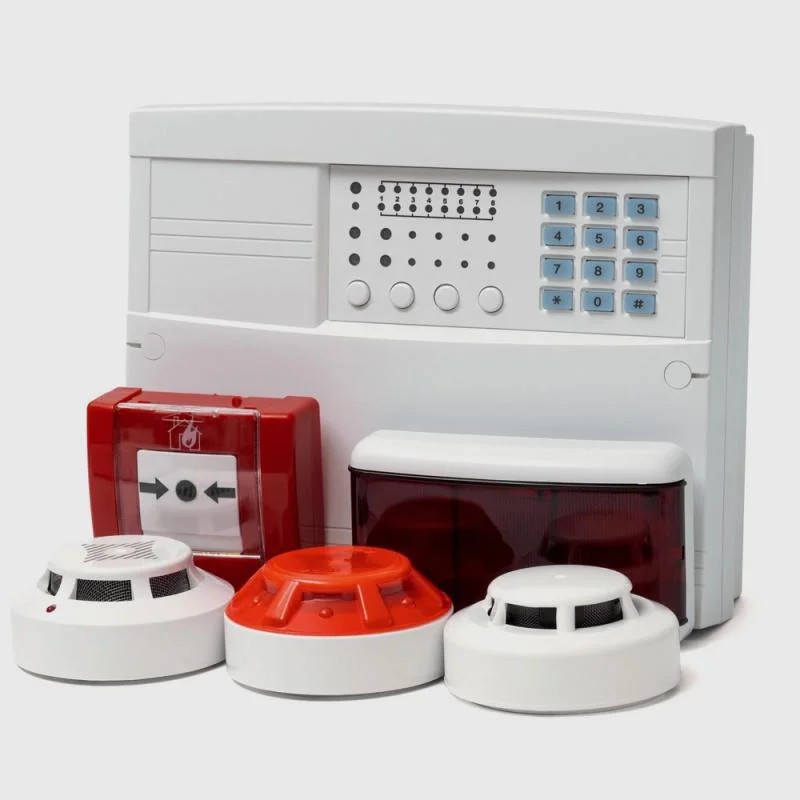
Reliable Networking Structures For Seamless Communication And Data Exchange
Reliable networking structures provide seamless communication and data exchange for offices, data centers, and industrial systems. These solutions feature high-speed connectivity and robust security protocols for dependable performance.
Min. Order Quantity: 1 unit
Shipping
Shipping fee and delivery date to be negotiated. Contact supplier now for more details.
Smaart Eye technologies Tamil Nadu, India
Tamil Nadu, IndiaDistributor / Wholesaler