IN
IN₹
Apparel & Fashion
Description
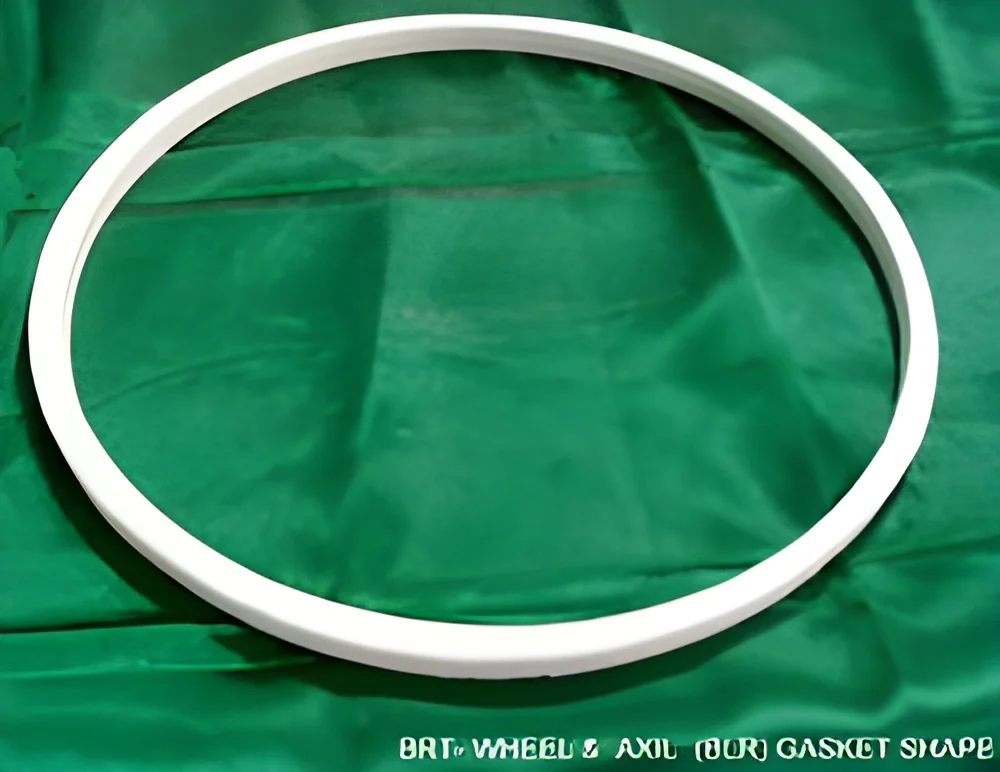
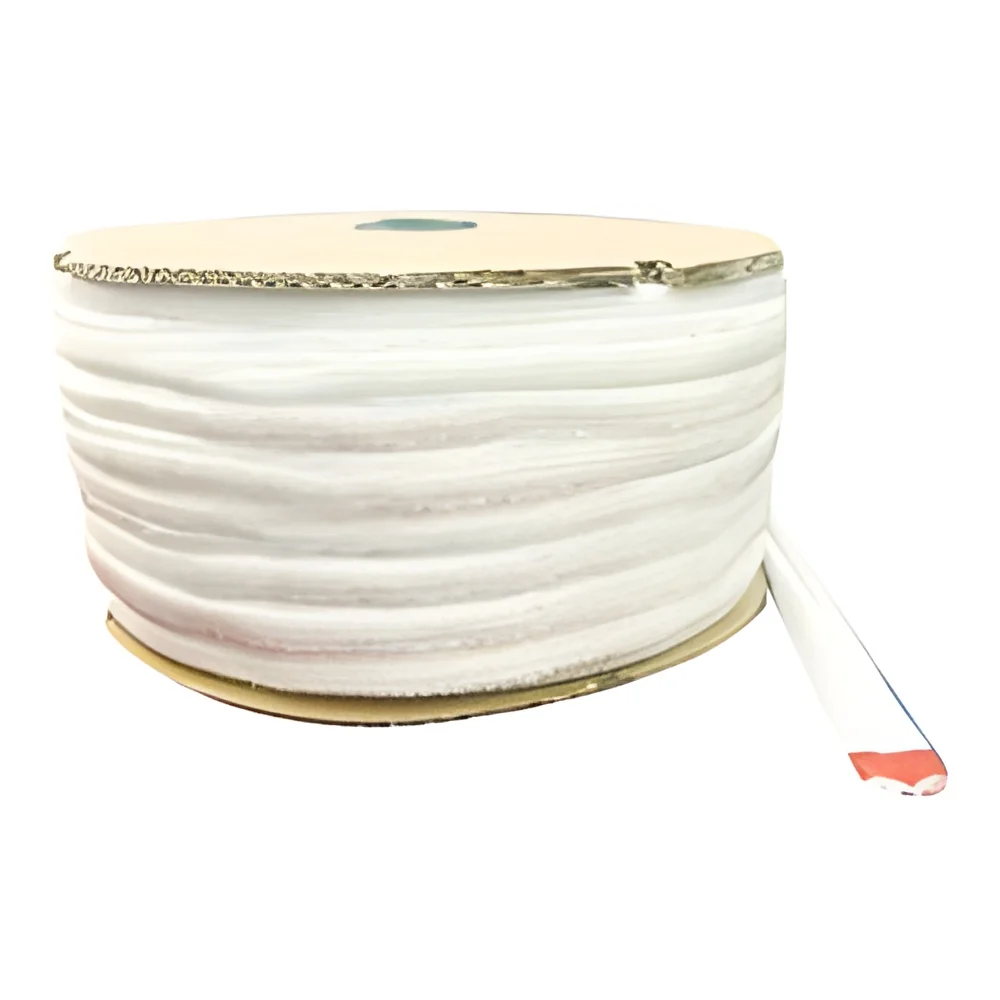
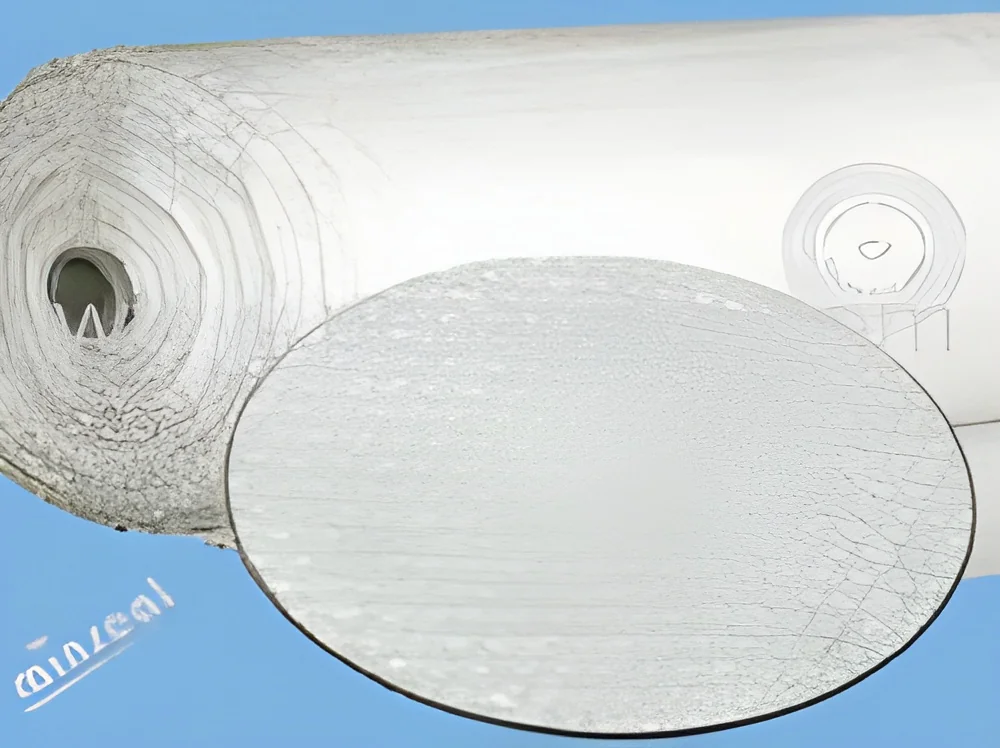
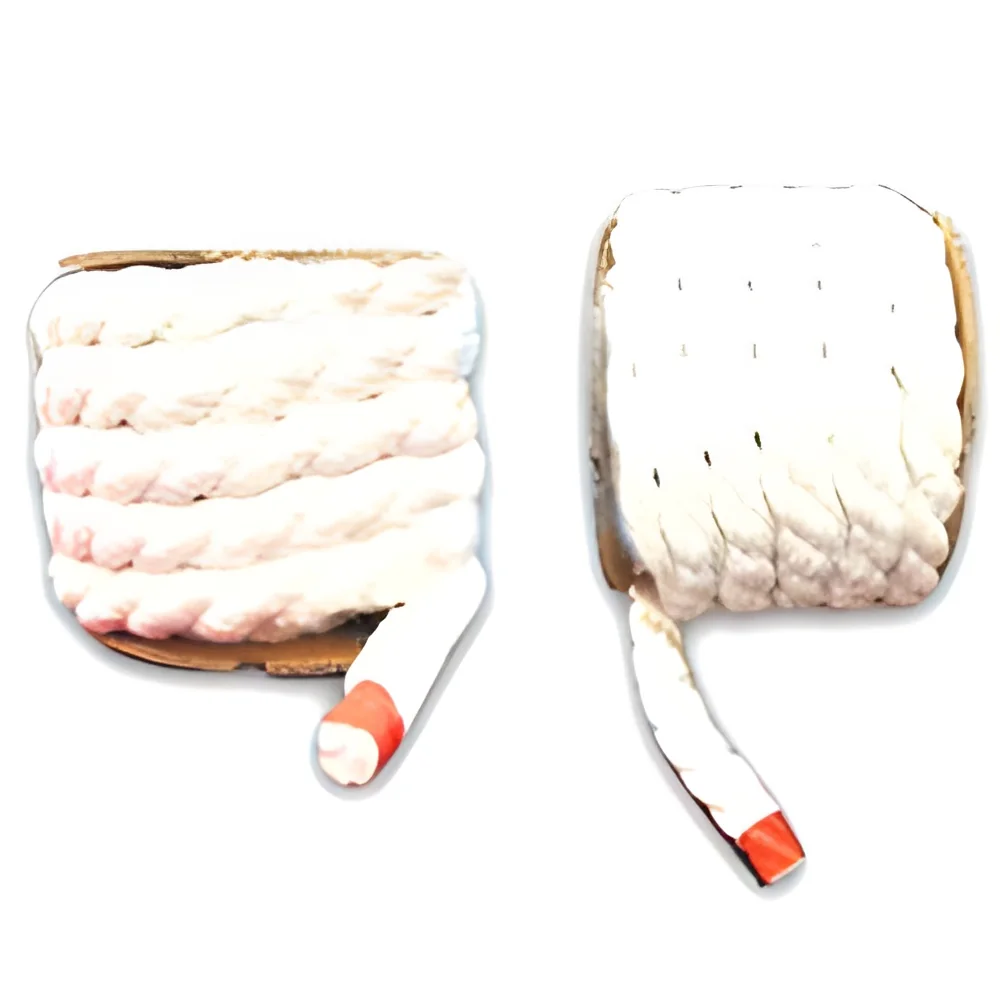
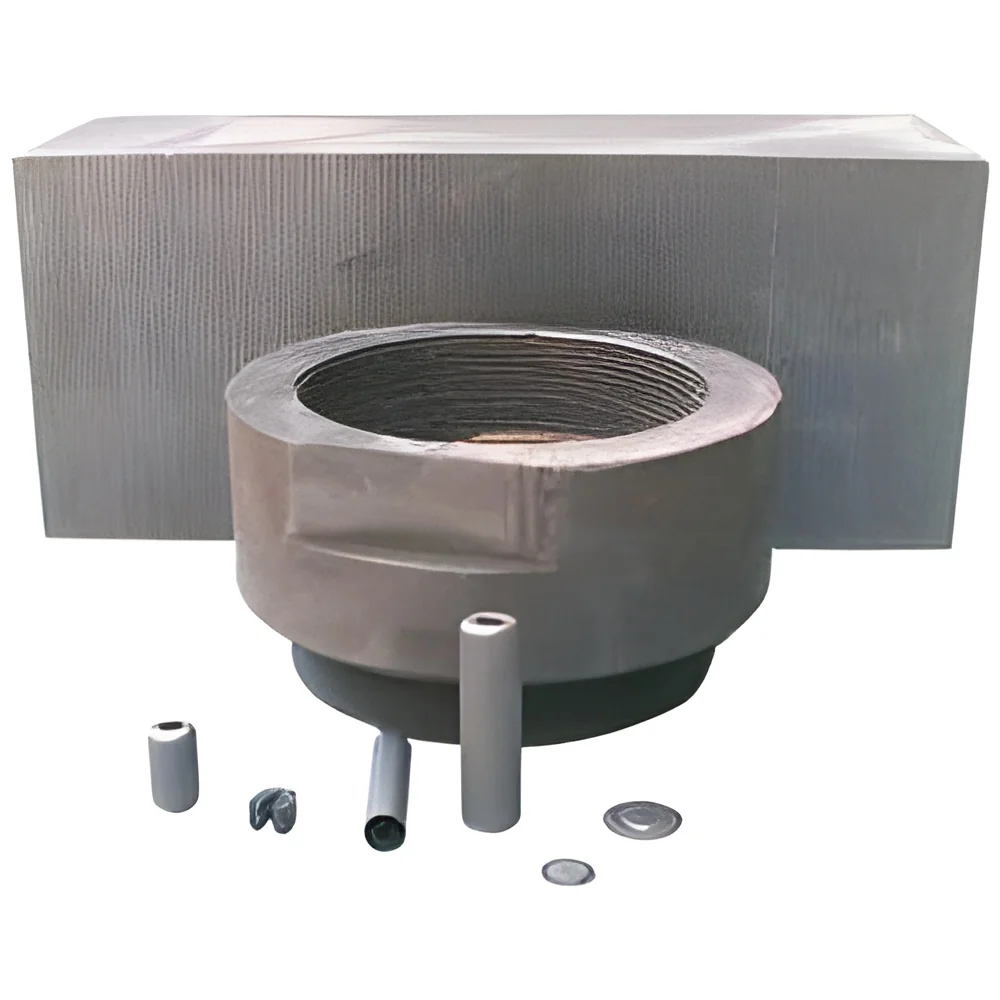
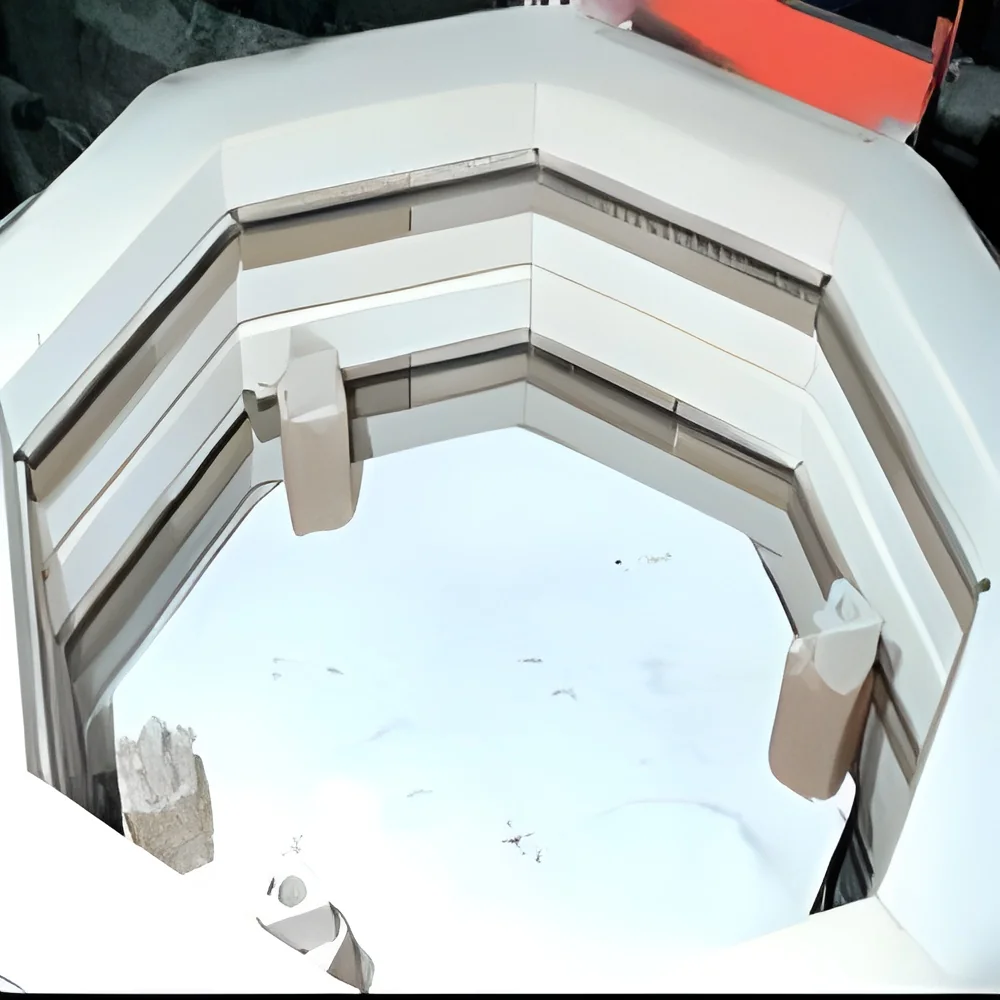
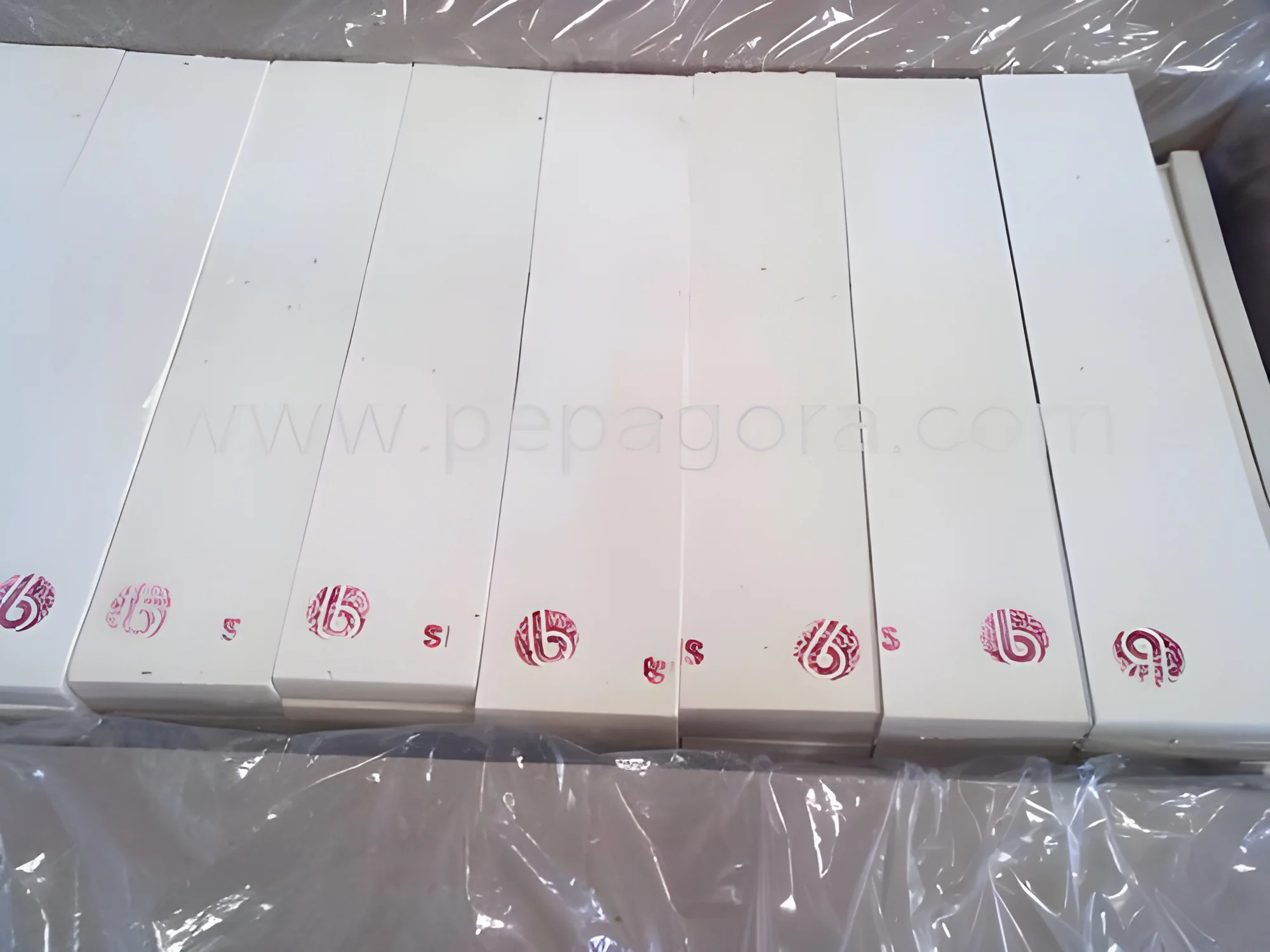
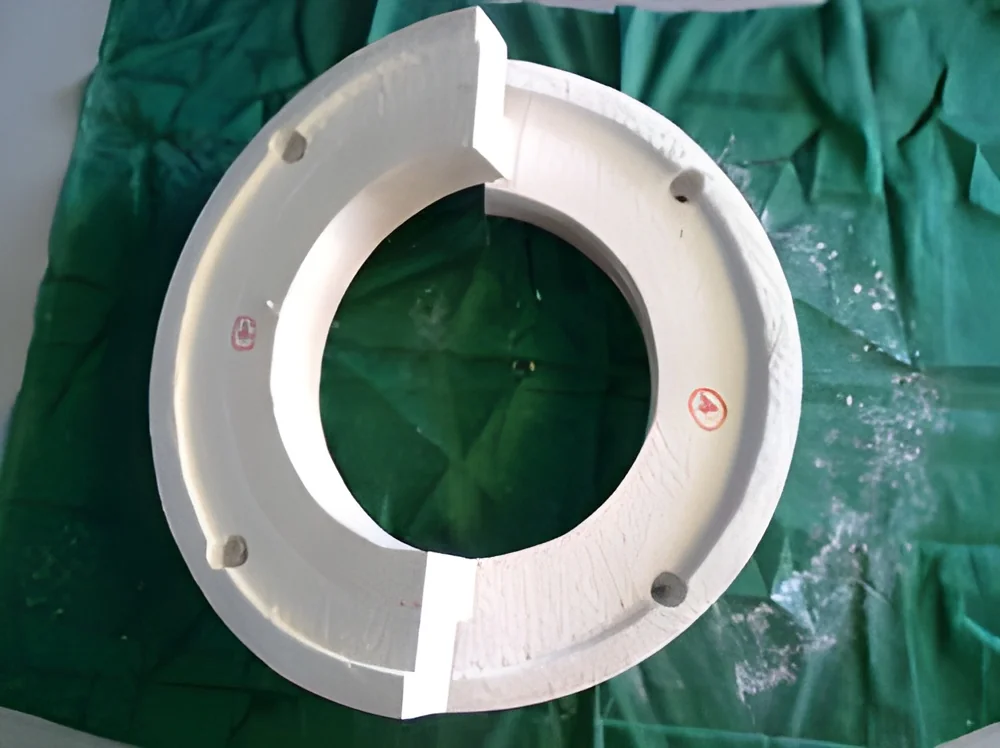
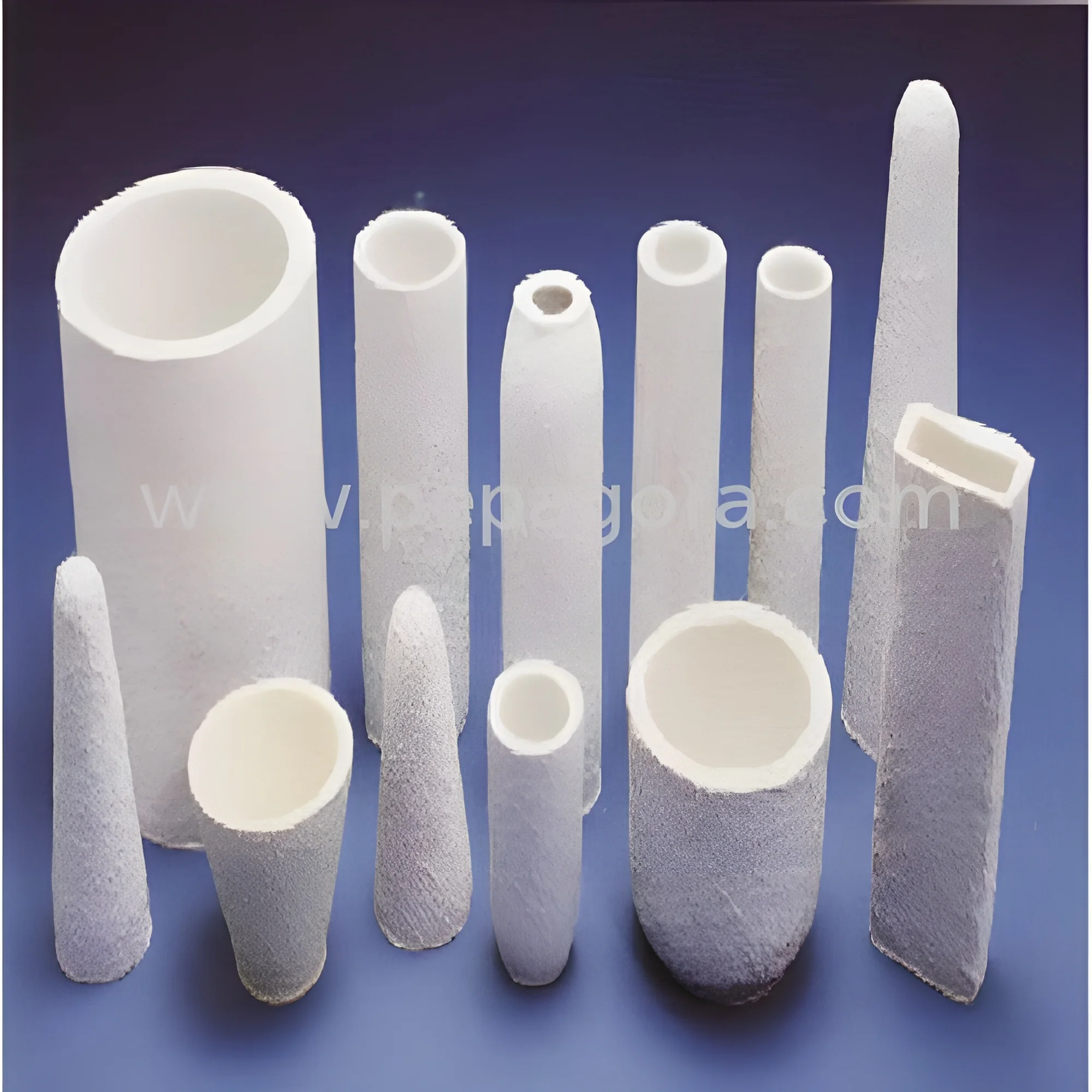
Industrial Furnace Ceramic Fibre Shapes represent advanced refractory solutions engineered for extreme temperature environments reaching 1600°C. These precision-crafted components are manufactured from high-purity ceramic fibres that deliver exceptional thermal stability and insulation performance. Unlike conventional refractory materials, ceramic fibre shapes provide superior heat resistance while maintaining lightweight characteristics. The material composition ensures reliable performance even under rapid temperature fluctuations, offering dependable protection for critical industrial equipment. These shapes are designed to maintain structural integrity throughout extended operational cycles, providing consistent thermal management for demanding industrial processes.

Multiple industrial sectors rely on ceramic fibre shapes for their high-temperature insulation requirements. The metal processing industry utilizes these components extensively in furnace linings, heat treatment equipm...
Industrial Furnace Ceramic Fibre Shapes represent advanced refractory solutions engineered for extreme temperature environments reaching 1600°C. These precision-crafted components are manufactured from high-purity ceramic fibres that deliver exceptional thermal stability and insulation performance. Unlike conventional refractory materials, ceramic fibre shapes provide superior heat resistance while maintaining lightweight characteristics. The material composition ensures reliable performance even under rapid temperature fluctuations, offering dependable protection for critical industrial equipment. These shapes are designed to maintain structural integrity throughout extended operational cycles, providing consistent thermal management for demanding industrial processes.

Multiple industrial sectors rely on ceramic fibre shapes for their high-temperature insulation requirements. The metal processing industry utilizes these components extensively in furnace linings, heat treatment equipment, and molten metal handling systems. Glass manufacturers incorporate them in melting furnaces, forming areas, and annealing lehrs where precise thermal control is essential. Petrochemical facilities employ ceramic fibre shapes in refinery heaters, reformers, and processing units requiring reliable thermal barriers. Power generation plants use them for boiler insulation, turbine components, and heat recovery systems. Various manufacturing industries also utilize these shapes in thermal processing equipment and high-temperature production systems.

Businesses select ceramic fibre shapes for their demonstrated reliability and substantial operational benefits. These components provide immediate value through significant energy cost reduction by minimizing thermal losses in industrial operations. Their lightweight construction simplifies installation procedures and reduces structural support requirements. The material's exceptional thermal shock resistance extends equipment service life and decreases maintenance-related downtime. Companies benefit from solutions that precisely match their specific application needs, ensuring optimal thermal performance and process efficiency. The reliability of ceramic fibre shapes translates into stable process temperatures, enhanced product quality, and improved operational safety, delivering strong return on investment through energy conservation, reduced maintenance costs, and increased production output.

Key Features:
- Withstands continuous operating temperatures up to 1600°C
- Excellent thermal shock resistance for rapid temperature changes
- Low thermal conductivity minimizes heat transfer
- Lightweight composition reduces structural loading
- High purity ceramic fibre ensures consistent performance

Benefits:
- Significant energy savings through reduced heat loss
- Extended equipment lifespan with minimal maintenance
- Enhanced process efficiency and temperature stability
- Improved workplace safety with reliable thermal protection
- Cost-effective insulation solution for high-temperature applications
Specifications
| Additional Information | |
|---|---|
| Country of Origin | India |
Application
Ceramic fibre shapes serve as critical high-temperature insulation components across demanding industrial environments. These precision-engineered products maintain structural integrity under extreme thermal conditions while providing consistent performance. Manufacturers depend on them for lining industrial furnaces, kilns, and thermal processing equipment where reliability is essential.
These specialized insulation solutions deliver exceptional thermal management in challenging operational settings. Industries utilize ceramic fibre shapes for their outstanding heat resistance, minimal thermal conductivity, and energy conservation capabilities. They are specifically engineered to minimize heat loss and enhance operational efficiency in high-temperature processes, ensuring optimal performance and safety.
- Furnace lining systems for steel production and metal heat treatment processes
- Thermal insulation in glass manufacturing furnaces and tempering operations
- High-temperature seals and gaskets for petrochemical processing equipment
- Boiler insulation and heat recovery system components in power generation
- Thermal protection modules for industrial heating and processing systems
Trade Details
| Available Stock | In Stock |
| Sample Availability | No |
Payment Terms
| Payment Terms |
|
Company Profile

Bharathi Refractory Technologies, Andhra Pradesh
 Andhra Pradesh, India
Andhra Pradesh, IndiaManufacturer•Distributor / Wholesaler•Importer / Exporter
Factory Details
Factory SizeBelow 1000 sqm
Annual Production Capacity0
Industrial Furnace Ceramic Fibre Shapes High Temperature Insulation 1600C
Industrial Furnace Ceramic Fibre Shapes provide high temperature insulation up to 1600°C for thermal processing equipment. These reliable insulation components deliver superior heat resistance and energy efficiency for industrial applications.
Min. Order Quantity: 1 unit
Shipping
Shipping fee and delivery date to be negotiated. Contact supplier now for more details.
Bharathi Refractory Technologies
 Andhra Pradesh, India
Andhra Pradesh, IndiaManufacturer