IN
IN₹
Apparel & Fashion
Description
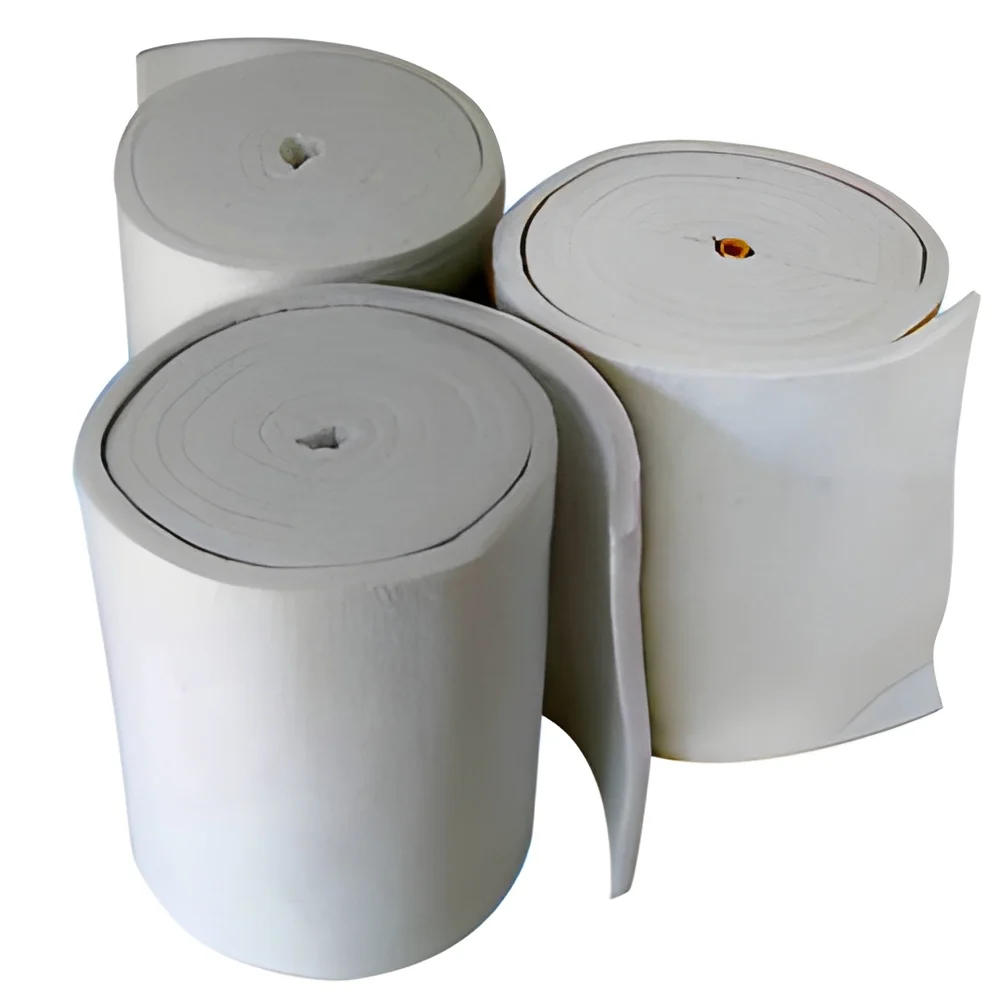
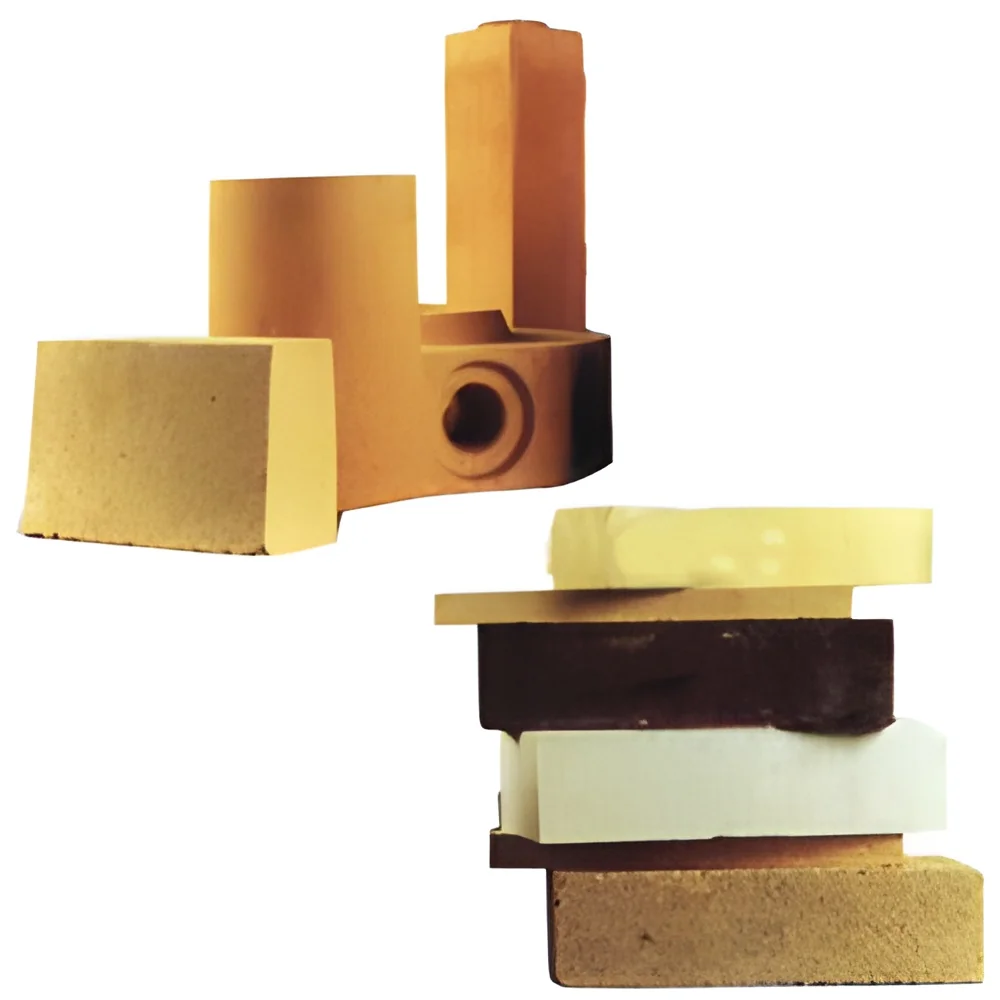
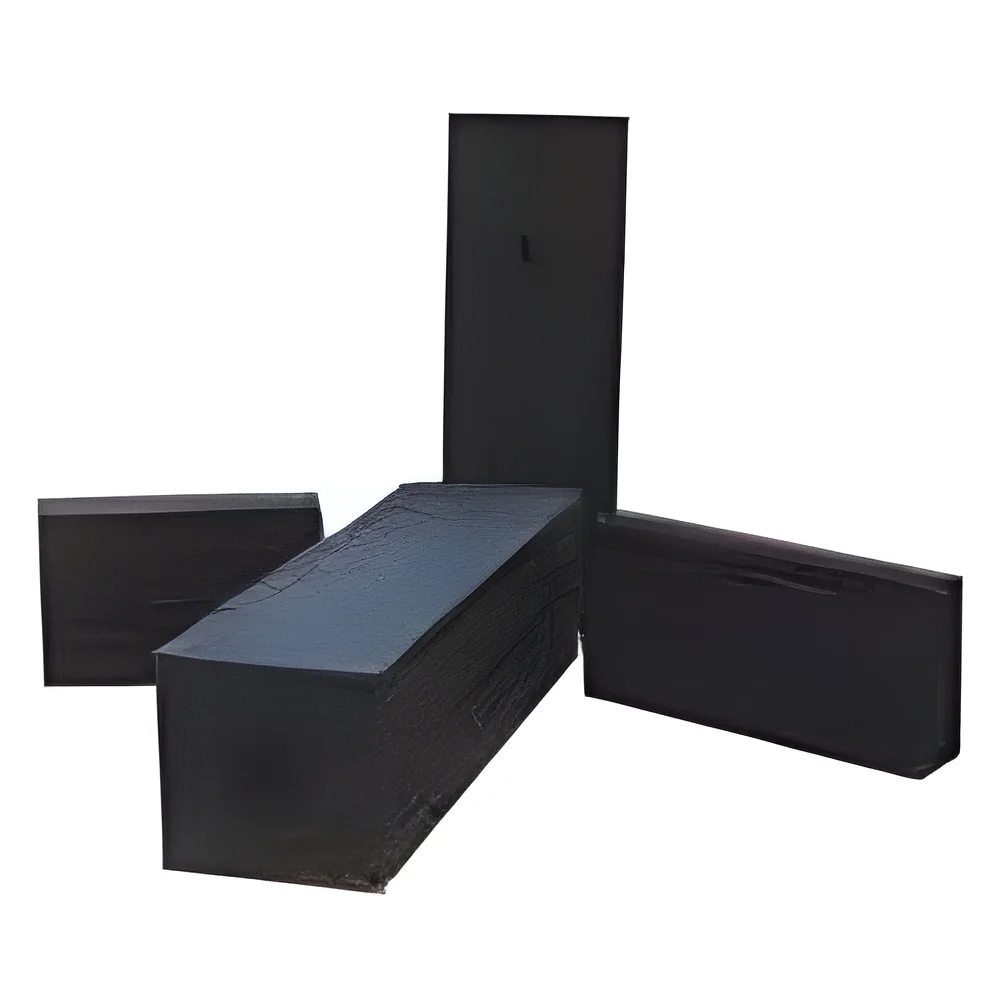
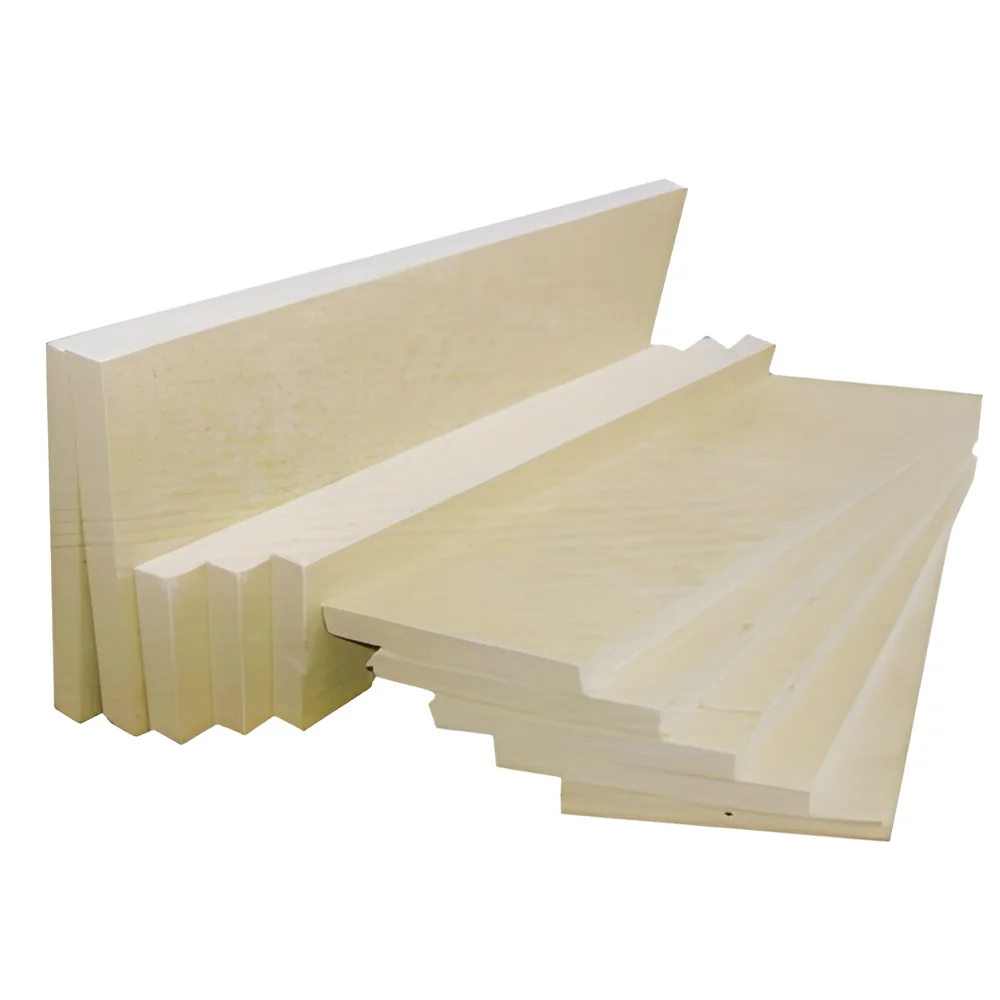
Industrial High Temperature Ceramic Fiber Board Insulation 1600C represents advanced refractory technology engineered for extreme thermal environments. Manufactured from high-purity alumina-silicate materials, these rigid boards deliver exceptional insulation performance while maintaining structural integrity under intense heat conditions. The controlled production process ensures uniform density and consistent thermal properties throughout each board. Designed to withstand continuous operating temperatures up to 1600°C, these boards feature low thermal conductivity and minimal heat storage capacity. The material composition provides excellent resistance to thermal shock and chemical exposure, making it suitable for the most demanding industrial applications where reliable thermal management is essential for operational success and equipment protection.

These ceramic fiber boards serve critical functions across multiple industrial sectors where precise temperature control and energy e...
Industrial High Temperature Ceramic Fiber Board Insulation 1600C represents advanced refractory technology engineered for extreme thermal environments. Manufactured from high-purity alumina-silicate materials, these rigid boards deliver exceptional insulation performance while maintaining structural integrity under intense heat conditions. The controlled production process ensures uniform density and consistent thermal properties throughout each board. Designed to withstand continuous operating temperatures up to 1600°C, these boards feature low thermal conductivity and minimal heat storage capacity. The material composition provides excellent resistance to thermal shock and chemical exposure, making it suitable for the most demanding industrial applications where reliable thermal management is essential for operational success and equipment protection.

These ceramic fiber boards serve critical functions across multiple industrial sectors where precise temperature control and energy efficiency are paramount. In metal processing industries, they line melting furnaces, heat treatment ovens, and forging equipment to ensure consistent temperatures and reduce energy consumption. Glass manufacturing facilities utilize these boards in annealing lehrs and melting furnaces for their superior insulating properties and resistance to thermal cycling. Petrochemical plants employ them in refinery heaters and processing units where maintaining exact temperatures is crucial for operational safety and product quality. Power generation facilities rely on these boards for insulation in boilers, turbines, and exhaust systems, while various manufacturing operations use them for thermal barriers in high-temperature processing equipment.

The operational value of these ceramic fiber boards extends beyond technical specifications to deliver measurable business advantages and cost savings. By significantly reducing heat loss in industrial processes, these boards help lower energy consumption and operating expenses while supporting environmental compliance goals. Their lightweight nature compared to traditional refractory materials simplifies installation procedures and reduces structural support requirements, resulting in lower installation costs and faster project completion times. The long service life and minimal maintenance needs ensure reduced operational downtime and higher overall productivity. Rigorous quality testing for density, thermal conductivity, and compressive strength guarantees consistent performance and reliability across all applications. The proven track record of these boards in various industries demonstrates their suitability for demanding thermal management requirements.

Key Features:
- Withstands continuous temperatures up to 1600°C for extreme heat applications
- Low thermal conductivity ensures excellent insulation performance and energy efficiency
- High compressive strength maintains structural integrity under operational loads
- Standard dimensions and thicknesses available for various project requirements
- Excellent thermal shock resistance suitable for rapid temperature cycling conditions

Benefits:
- Reduces energy consumption through superior thermal insulation properties
- Enhances operational safety with reliable high-temperature performance
- Lowers installation costs with lightweight and easy-to-handle construction
- Minimizes maintenance requirements and extends equipment service life
- Improves process consistency with stable thermal barrier performance
Specifications
| Additional Information | |
|---|---|
| Country of Origin | India |
Application
Ceramic fiber boards deliver superior thermal insulation in extreme industrial environments, maintaining consistent performance up to 1600°C. Their excellent thermal stability and low heat storage make them ideal for energy-intensive processes where temperature control is critical. These boards provide reliable thermal barriers that protect equipment while reducing operational costs through improved energy efficiency and reduced heat loss.
The lightweight yet durable construction allows for easy installation and long-lasting service in demanding conditions. Industries benefit from reduced maintenance requirements and enhanced process consistency, making these boards valuable for various high-temperature applications. Their resistance to thermal shock ensures reliable performance even during rapid temperature changes, supporting continuous operations.
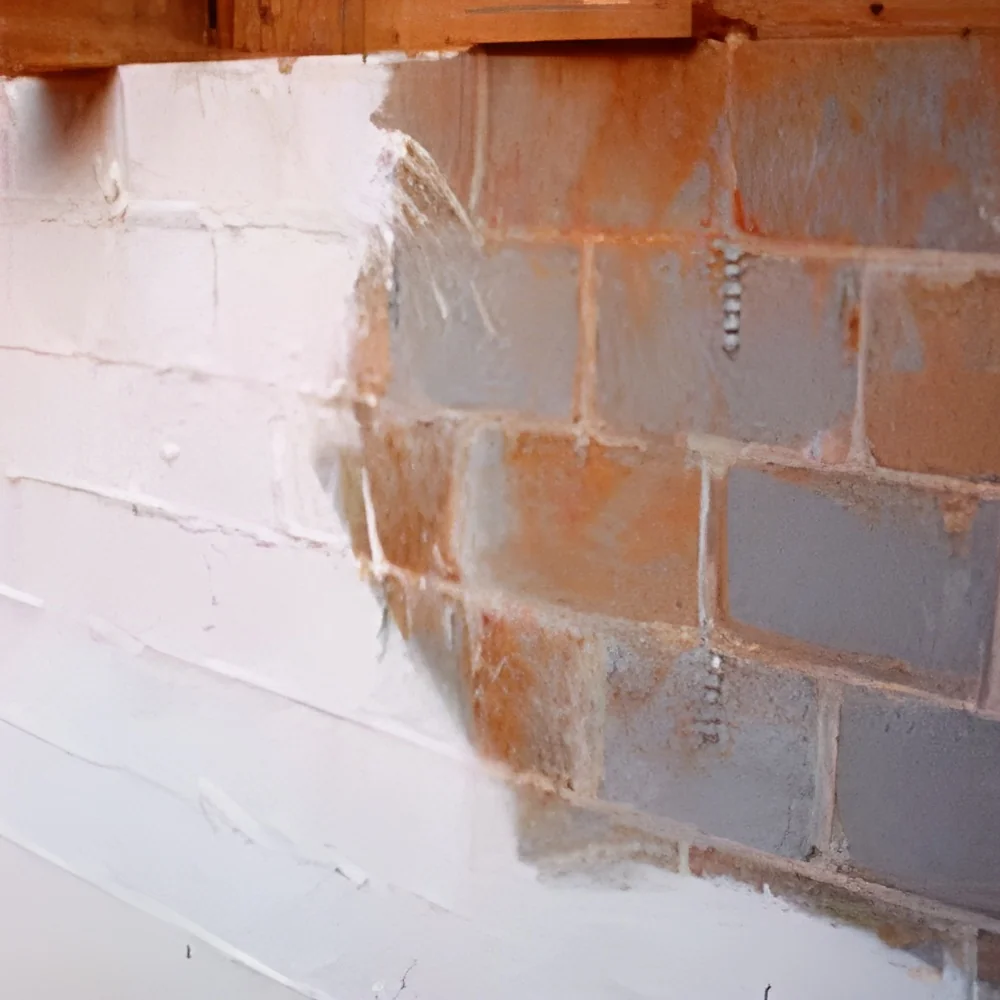
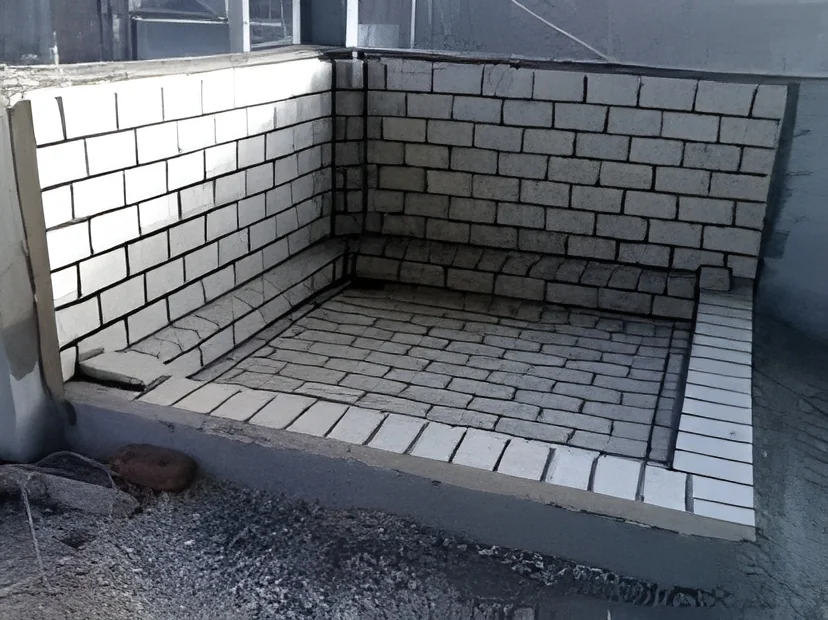
- Furnace and kiln linings for metal processing and heat treatment operations
- Thermal insulation in boiler systems and industrial heating equipment
- High-temperature gaskets and seals for piping and processing units
- Backup insulation in power generation facilities and reformer furnaces
- Fire protection barriers in industrial buildings and processing plants
Trade Details
| Available Stock | In Stock |
| Sample Availability | No |
Payment Terms
| Payment Terms |
|
Company Profile
Bharti Refractries, Maharashtra
 Maharashtra, India
Maharashtra, IndiaRaw Materials & Chemicals•Manufacturer•Trading Company•Distributor / Wholesaler
Factory Details
Factory SizeBelow 1000 sqm
Annual Production Capacity0
Main Markets
Domestic
Industrial High Temperature Ceramic Fiber Board Insulation 1600C
Industrial High Temperature Ceramic Fiber Board Insulation 1600C provides exceptional thermal stability and energy efficiency for furnaces, kilns, and high-heat applications with low heat storage and reliable performance.
Min. Order Quantity: 1 unit
Shipping
Shipping fee and delivery date to be negotiated. Contact supplier now for more details.
Bharti Refractries
 Maharashtra, India
Maharashtra, IndiaRaw Materials & ChemicalsManufacturer