
 IN
Hematology Analyzers
7 products available
What are Hematology Analyzers?
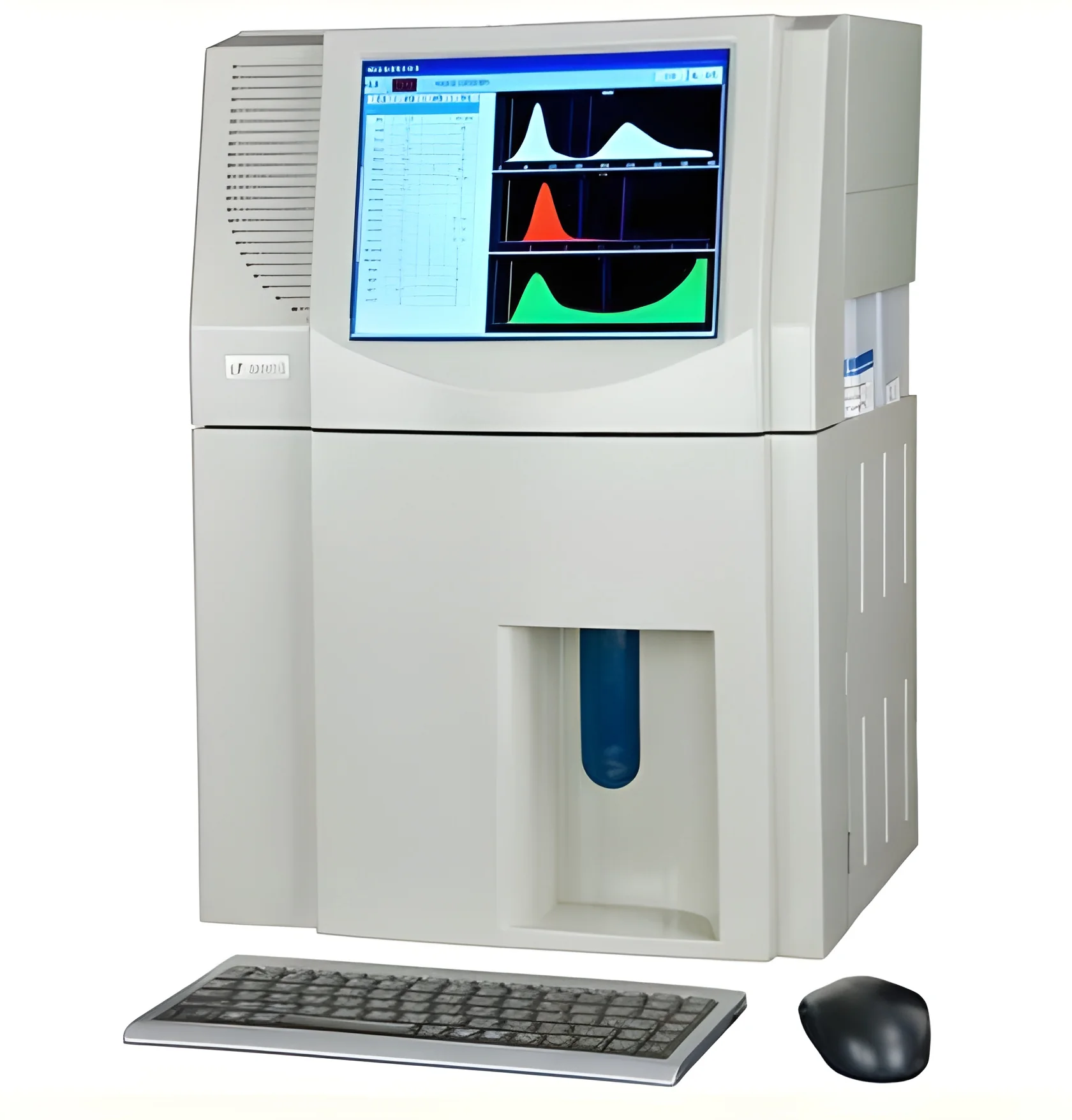
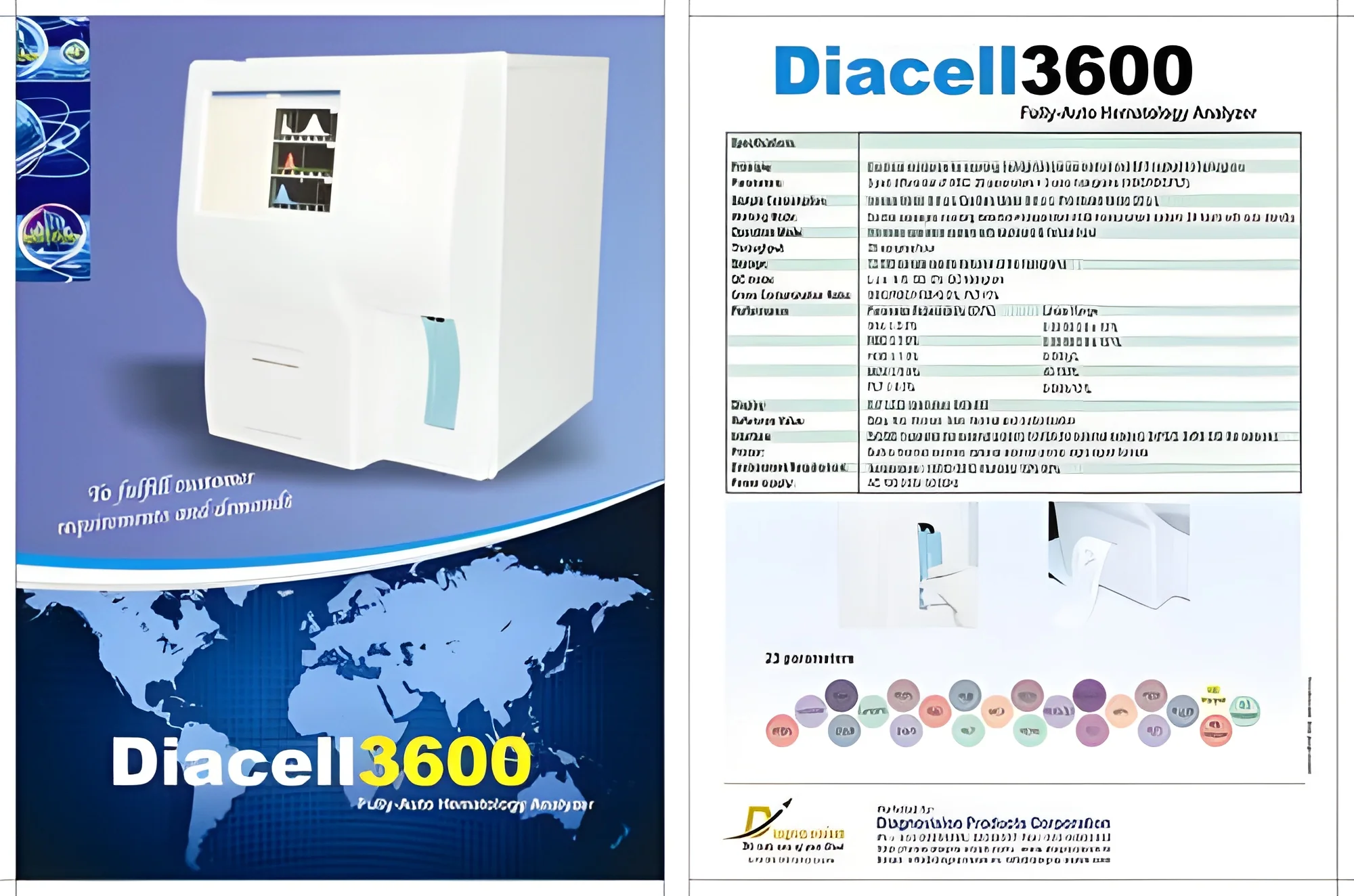
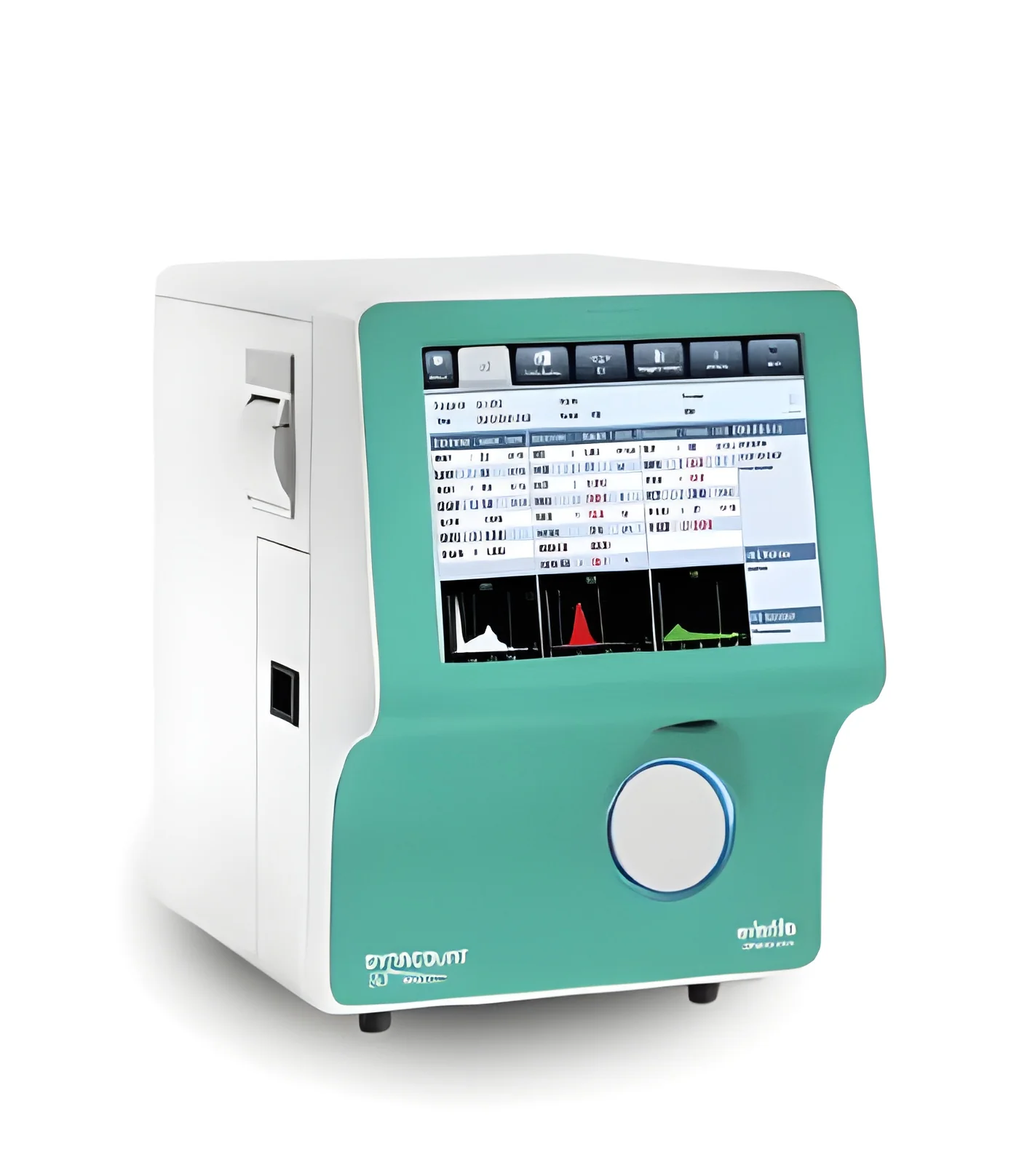
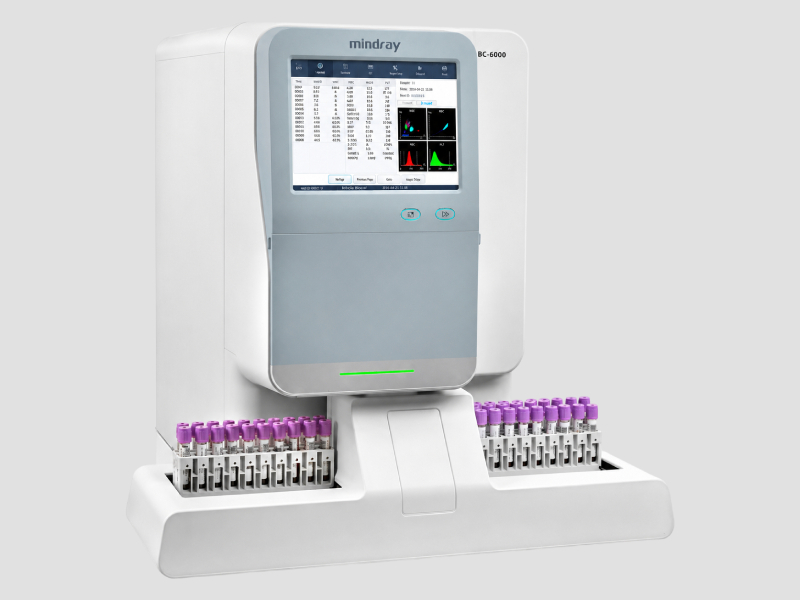
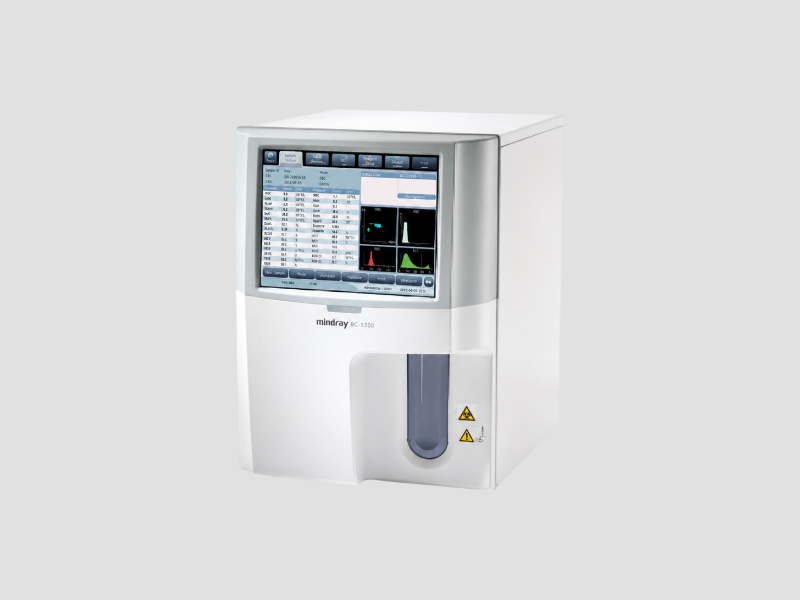
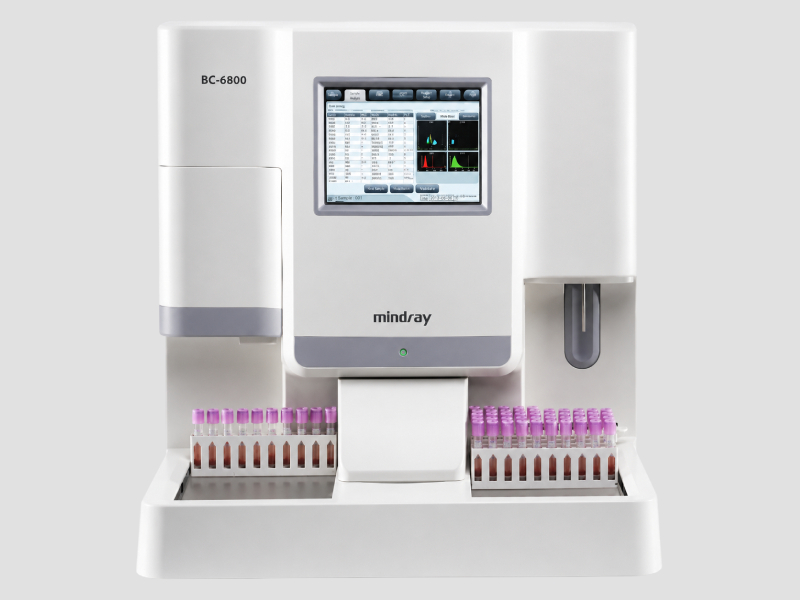
Hematology analyzers are advanced laboratory instruments designed to analyze blood samples for various components and characteristics. These analyzers automate the process of counting and classifying blood cells, measuring hemoglobin levels, and assessing other critical parameters. By providing accurate and timely results, hematology analyzers play a vital role in diagnosing and monitoring various medical conditions.
The primary applications of hematology analyzers span across hospitals, diagnostic laboratories, and research facilities. These devices are essential for complete blood counts, which help in identifying conditions such as anemia, infections, and blood disorders. As healthcare demands continue to grow, the market for hematology analyzers remains robust, with a significant emphasis on technological advancements to enhance accuracy and efficiency.
The relevance of hematology analyzers in the healthcare industry is underscored by their ability to improve patient outcomes through prompt and precise diagnostics. The increasing prevalence of chronic diseases and the rising awareness of early disease detection have further fueled the demand for these analyzers in medical settings.
Key Features and Specifications
Hematology analyzers are equipped with various features that enhance their functionality and usability. These specifications ensure that healthcare professionals can obtain reliable data for patient assessments.
Key specifications include:
1. Sample Throughput
- The number of samples processed per hour can range from 30 to over 100, depending on the model.
2. Parameter Measurement
- Commonly measured parameters include red blood cells, white blood cells, hemoglobin, and platelets.
3. Technology Type
- Hematology analyzers utilize either impedance or laser-based technology for cell counting and analysis.
4. Connectivity Options
- Many analyzers come with network connectivity for easy data transfer and integration with laboratory information systems.
5. User Interface
- Touchscreen interfaces are common, providing intuitive navigation and ease of use.
6. Calibration and Quality Control
- Built-in calibration features help maintain accuracy over time, while quality control measures ensure reliable results.
7. Data Management
- Analyzers often include software for data storage, retrieval, and reporting, facilitating efficient workflow management.
8. Size and Footprint
- Compact designs are available, making it easier for laboratories with limited space to accommodate these analyzers.
In summary, hematology analyzers are sophisticated tools that combine advanced technology with user-friendly features to provide crucial blood analysis data.
Common Applications and Use Cases
Hematology analyzers serve a wide variety of industries, each with specific applications that demonstrate their versatility.
1. Healthcare: Hospitals and clinics use hematology analyzers for routine blood tests to diagnose conditions such as anemia and infections.
2. Research Laboratories: In research settings, these analyzers are essential for conducting studies related to blood disorders and hematological diseases.
3. Blood Banks: Hematology analyzers help in screening blood donations, ensuring safety and compatibility for transfusions.
4. Veterinary Medicine: Animal clinics utilize hematology analyzers to perform blood tests for pets and livestock, aiding in veterinary diagnostics.
5. Pharmaceutical Industry: Researchers in pharmaceuticals use these analyzers to evaluate the effects of drug treatments on blood parameters in clinical trials.
6. Public Health: In epidemiological studies, hematology analyzers aid in tracking blood-related health trends within populations.
7. Education: Educational institutions with medical or laboratory programs use hematology analyzers for training future healthcare professionals.
Product Variants and Subcategories
Hematology analyzers come in various models designed to meet different laboratory needs.
Compact Hematology Analyzers
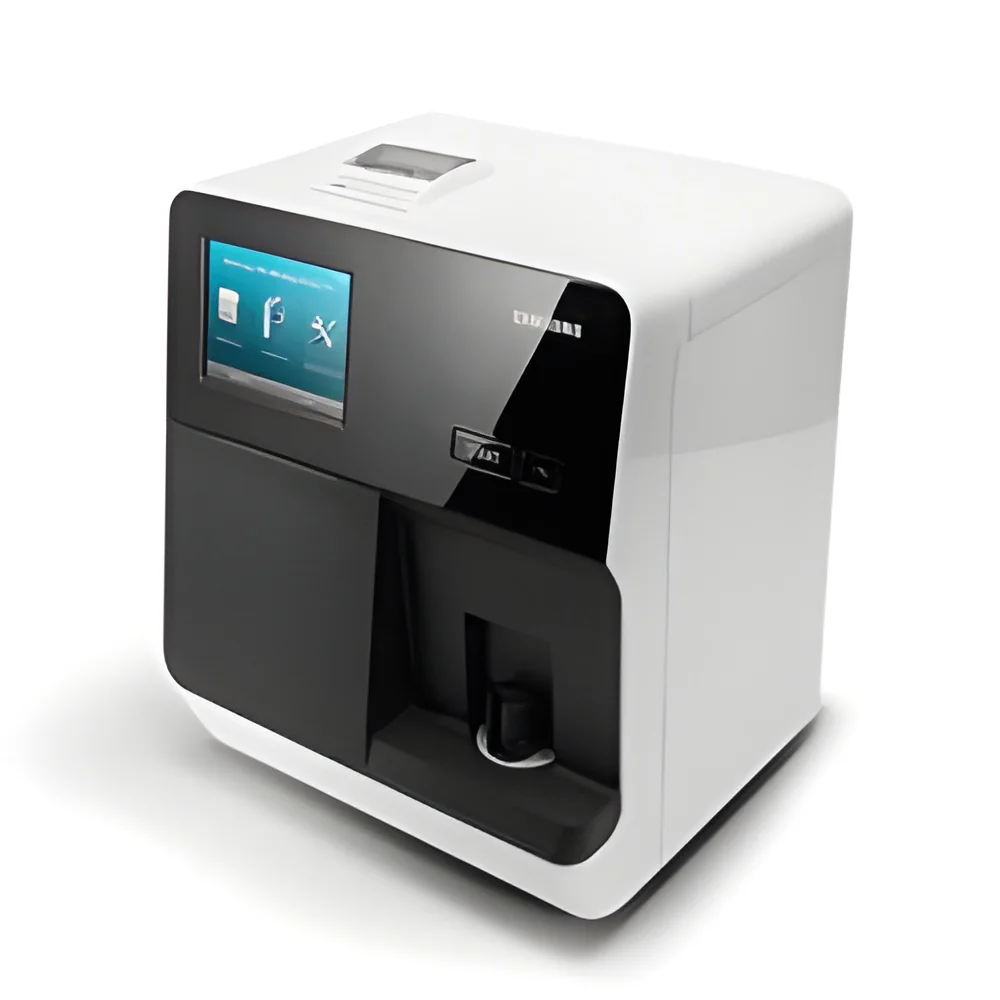
These models are designed for smaller laboratories or point-of-care settings. They provide essential blood analysis with a smaller footprint, making them ideal for environments with space constraints.
High-Throughput Hematology Analyzers
These analyzers are built for large laboratories that require rapid processing of numerous samples. Equipped with advanced technology, they can handle complex tests and deliver results quickly.
Portable Hematology Analyzers
Ideal for fieldwork or remote locations, portable analyzers offer flexibility and ease of use in various environments. They are battery-operated and designed to withstand travel conditions.
Benefits and Advantages
Investing in hematology analyzers offers numerous advantages for laboratories and healthcare providers.
1. Improved Efficiency: Automation of blood analysis significantly reduces the time required for testing, allowing for quicker patient diagnosis.
2. Enhanced Accuracy: Advanced technology ensures precise measurements, minimizing human error associated with manual testing.
3. Cost-Effective: By streamlining workflows and reducing the need for extensive manpower, hematology analyzers help lower operational costs.
4. Comprehensive Data: These analyzers provide a wide range of parameters in one test, enabling thorough patient assessments.
5. User-Friendly Operation: Intuitive interfaces make it easy for laboratory personnel to operate the analyzers and interpret results.
6. Regulatory Compliance: Many analyzers are designed to meet industry standards, ensuring that laboratories can maintain compliance with health regulations.
Buying Guide for B2B Buyers
When sourcing hematology analyzers, it is essential for buyers to consider several key factors to ensure a sound investment.
1. Quality Assessment: Review the quality standards and certifications associated with the analyzers to confirm their reliability and performance.
2. Supplier Verification: Vet suppliers thoroughly by checking references and previous customer feedback to ensure they provide quality products.
3. Pricing and MOQ: Understand the pricing structure and minimum order quantities to align with budgetary constraints and operational needs.
4. Delivery and Lead Times: Evaluate the logistics details, including expected delivery timelines, to ensure timely availability of the analyzers.
5. Compliance Requirements: Stay informed about any regulatory requirements applicable to hematology analyzers in your region to avoid compliance issues.
Compliance and Certifications
Hematology analyzers must meet various quality standards and certifications to ensure their reliability in clinical settings. ISO 9001 is commonly recognized, indicating adherence to quality management systems.
Additionally, industry-specific certifications, such as CE marking, validate compliance with health and safety regulations within the European market. This certification demonstrates that the device meets essential requirements for safety and performance.
Safety and testing requirements are paramount, as they ensure that the analyzers operate within safe parameters for both users and patients.
Regional compliance considerations may vary, so it is crucial for buyers to understand the specific regulations that apply in their geographic area, ensuring that all purchased analyzers adhere to local laws and standards.
Why Source Hematology Analyzers from Pepagora?
Pepagora provides a trusted platform for sourcing hematology analyzers, offering several key advantages for B2B buyers.
Verified Supplier Network: Pepagora connects buyers with a network of verified suppliers, ensuring that all offerings meet high-quality standards and regulatory requirements.
Streamlined RFQ Process: The quotation system simplifies the purchasing process, allowing buyers to receive competitive pricing and terms efficiently.
Trade Assurance and Support: Buyers are protected through trade assurance measures, ensuring that transactions are secure and that they receive the products as agreed upon.
Regional Coverage: With a strong presence in India, the GCC, and Southeast Asia, Pepagora offers extensive geographic reach, making it easier for buyers to access quality hematology analyzers tailored to their specific needs.


 India
 India
 India
 India
Frequently Asked Questions
What are Hematology Analyzers?
Hematology Analyzers are medical devices used to perform complete blood counts and analyze various blood components. They play a crucial role in diagnosing and monitoring blood disorders by providing detailed information about red blood cells, white blood cells, hemoglobin levels, and platelets.
What are the different types of Hematology Analyzers?
The different types of Hematology Analyzers include automated analyzers, semi-automated analyzers, and manual analyzers. Automated analyzers are commonly used in laboratories for high throughput, while semi-automated analyzers offer a balance between manual input and automation. Manual analyzers are typically used in smaller settings or for specific tests.
How do I choose the right Hematology Analyzers?
Choosing the right Hematology Analyzer involves considering factors such as the specific tests required, the volume of samples processed, and budget constraints. It's also essential to evaluate the analyzer's accuracy, ease of use, and maintenance requirements to ensure it meets the needs of your laboratory.
What are the standard specifications for Hematology Analyzers?
Standard specifications for Hematology Analyzers typically include parameters such as the number of channels, throughput capacity, and the range of tests performed. Other important specifications may include detection methods, measurement accuracy, and sample volume requirements.
What is the price range for Hematology Analyzers?
The price range for Hematology Analyzers can vary significantly based on the type and features of the device. Generally, prices can range from a few thousand to several lakhs of Indian Rupees, depending on the manufacturer and technology used.
What quality standards apply to Hematology Analyzers?
Hematology Analyzers must adhere to quality standards set by regulatory bodies such as the International Organization for Standardization (ISO) and local health authorities. Compliance with these standards ensures that the analyzers are safe, effective, and produce reliable results.
Where can I find Hematology Analyzers suppliers in India?
You can find Hematology Analyzers suppliers in India through online B2B marketplaces, industry trade shows, and medical equipment distributors. Platforms like Pepagora.com provide a comprehensive directory of manufacturers and suppliers in the hematology analyzer sector.
Can Hematology Analyzers be customized?
Yes, some manufacturers offer customization options for Hematology Analyzers to meet specific laboratory needs. Customization may include features like software modifications, additional testing capabilities, or tailored maintenance packages.
What is the typical minimum order quantity for Hematology Analyzers?
The typical minimum order quantity (MOQ) for Hematology Analyzers can vary by supplier. Generally, MOQs may range from one unit for certain manufacturers to larger quantities for bulk orders.
What is the typical lead time for Hematology Analyzers?
The typical lead time for Hematology Analyzers can range from a few weeks to several months, depending on the supplier and whether the product is in stock. It's advisable to consult with the supplier for specific delivery timelines.
Why Businesses Trust Pepagora
Thousands of companies trust Pepagora to source smarter and sell faster
Expand Your Sales Globally

Source Smarter,Grow Faster
