
 IN
Glass for Facades
6 products available
What are Glass for Facades?
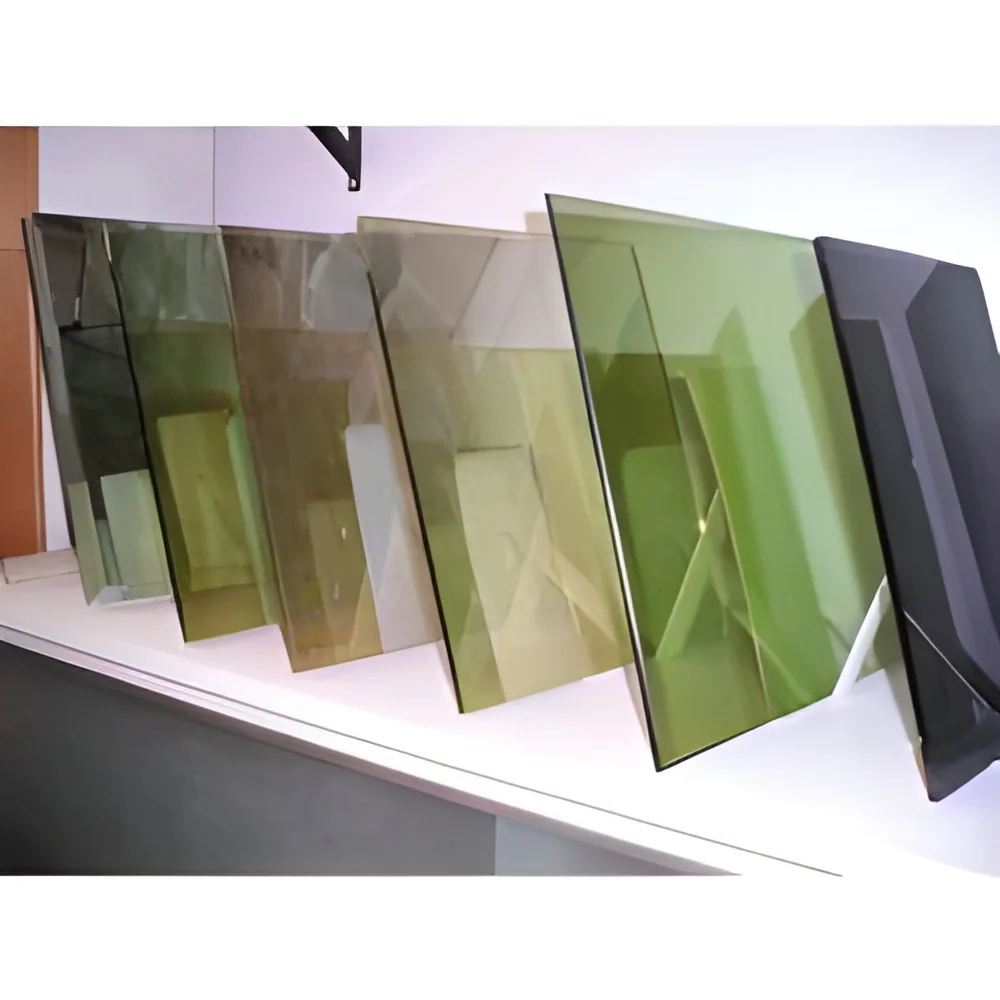
Glass for facades refers to the specially designed glass panels used in the construction of building exteriors. These panels serve both functional and aesthetic purposes, enhancing the overall appearance of structures while providing essential protection from environmental factors. Facade glass is engineered to meet specific architectural requirements, including thermal insulation, soundproofing, and safety compliance.
The primary uses of glass for facades include commercial buildings, residential complexes, and institutional structures. Architects and builders utilize these glass panels to create visually striking designs that promote natural light and energy efficiency. In addition, glass facades can significantly contribute to a building's sustainability by minimizing energy consumption through natural daylighting and thermal performance. The demand for glass in facades continues to grow as industries focus on innovative designs and sustainable construction practices.
In the context of the market, glass for facades represents a vital segment of the architectural glass industry. With increasing urbanization and a shift towards modern building aesthetics, the relevance of facade glass is underscored by evolving design trends and environmental considerations. As new technologies emerge, the market for glass facades is expected to expand, offering diverse solutions to meet the unique needs of various construction projects.
Key Features and Specifications
Glass for facades is characterized by several key features that enhance its performance and suitability for various applications. These specifications are crucial for ensuring that the glass meets architectural, safety, and environmental standards.
Key specifications include:
1. Thermal Insulation
- Glass panels are designed to minimize heat transfer.
- U-values typically range from 0.2 to 1.0 W/m²K.
2. Structural Integrity
- Glass for facades must withstand wind loads and seismic activity.
- Thickness can vary from 6mm to 25mm, depending on requirements.
3. Safety Standards
- Glass panels are often treated for impact resistance.
- Compliance with safety standards such as EN 12600 is essential.
4. Light Transmission
- The glass can be manufactured to allow varying levels of light.
- Visible light transmittance (VT) can range from 30% to 80%.
5. Solar Control
- Some glass types are coated to reduce solar heat gain.
- Solar heat gain coefficients (SHGC) typically range from 0.25 to 0.60.
6. Sound Insulation
- Certain glass facades provide acoustic performance.
- Sound transmission class (STC) ratings can vary from 30 to 50.
7. Coating Options
- Different coatings are available for aesthetic and performance enhancements.
- Options include low-E, reflective, and tinted coatings.
8. Customization
- Glass for facades can be customized in size and finish.
- Solutions are available for unique architectural requirements.
In summary, understanding the key features and specifications of glass for facades is crucial for B2B buyers. These aspects ensure that the selected glass meets the demands of modern architecture while providing durability and aesthetic appeal.
Common Applications and Use Cases
Glass for facades is widely utilized across various industries, providing both functional and aesthetic benefits.
1. Commercial Buildings: In office complexes, glass facades enhance natural lighting while contributing to energy efficiency. They create a modern appearance that attracts tenants and customers.
2. Residential Projects: High-rise residential buildings often incorporate glass facades to maximize views and natural light. This design choice enhances the living experience for residents.
3. Educational Institutions: Schools and universities utilize glass facades to create open, inviting environments. The transparency promotes a sense of community and collaboration.
4. Hospitality Industry: Hotels frequently employ glass facades to create luxurious and contemporary designs. This feature enhances the guest experience while allowing for scenic views.
5. Retail Spaces: Shopping centers and storefronts use glass facades to display merchandise and create an appealing atmosphere. The transparent design draws customers in and enhances brand visibility.
6. Healthcare Facilities: Hospitals and clinics benefit from glass facades by providing natural light and a calming environment for patients and visitors.
7. Cultural Institutions: Museums and galleries utilize glass to create striking architectural features that attract visitors while protecting exhibits from environmental damage.
Product Variants and Subcategories
The diversity of glass for facades allows for a range of products tailored to different applications and aesthetic preferences.
Insulated Glass Units (IGUs)
These units consist of two or more glass panes separated by a spacer and sealed to create a thermal barrier. IGUs improve energy efficiency and reduce noise pollution, making them ideal for commercial and residential buildings.
Laminated Glass
Laminated glass features interlayers that enhance safety and sound insulation. This type is commonly used in high-rise buildings and areas where impact resistance is critical.
Tempered Glass
This heat-treated glass offers increased strength and safety. It is often used in facades where durability and resistance to thermal stress are essential.
Low-E Glass
Low-emissivity glass is coated with a thin metallic layer to reflect infrared light while allowing visible light to pass through. This variant is popular in energy-efficient buildings.
Benefits and Advantages
Sourcing glass for facades offers several advantages that enhance building performance and aesthetics.
Key benefits include:
1. Energy Efficiency: Glass facades can significantly reduce energy consumption by maximizing natural light and minimizing heat loss.
2. Aesthetic Appeal: The modern appearance of glass facades enhances the architectural appeal of buildings, making them more attractive to occupants and visitors.
3. Versatility: Glass for facades can be customized in size, shape, and finish, allowing for unique designs that fit various architectural styles.
4. Durability: High-quality glass materials offer long-lasting performance, reducing the need for frequent replacements and maintenance.
5. Safety Features: Laminated and tempered glass options provide enhanced safety and impact resistance, making them suitable for high-traffic areas.
6. Acoustic Performance: Certain glass types offer sound insulation, creating quieter indoor environments in bustling urban settings.
Buying Guide for B2B Buyers
When sourcing glass for facades, it is essential for B2B buyers to consider several key factors to ensure they make informed decisions.
1. Quality Assessment: Evaluate the quality of glass by examining certifications and compliance with industry standards. Look for specifications that align with your project requirements.
2. Supplier Verification: Conduct thorough research to verify suppliers' reputations and track records. Reliable suppliers should provide references and demonstrate experience in the field.
3. Pricing and MOQ: Understand the pricing structure and minimum order quantities (MOQ) of potential suppliers. This information helps in budgeting and planning your procurement strategy.
4. Delivery and Lead Times: Inquire about delivery schedules and lead times to align with your project timelines. Timely delivery is crucial for maintaining construction schedules.
5. Compliance Requirements: Ensure that the selected glass meets local regulations and building codes. Familiarize yourself with any specific compliance requirements relevant to your region.
Compliance and Certifications
Compliance and certifications play a vital role in the quality assurance of glass for facades. Relevant quality standards, such as ISO 9001, ensure that manufacturers adhere to strict production processes and maintain high levels of quality.
Industry certifications, like CE marking, indicate that the glass meets European safety and performance standards. These certifications are crucial for buyers in ensuring that the products they source are reliable and safe for use.
Safety and testing requirements are also critical in the glass facade industry. Products should undergo rigorous testing for impact resistance, thermal performance, and sound insulation to ensure they meet safety regulations.
Additionally, regional compliance considerations may vary, requiring buyers to be aware of local building codes and standards that apply to facade materials. Staying informed about these regulations helps in avoiding potential issues during construction.
Why Source Glass for Facades from Pepagora?
Pepagora provides a trusted platform for sourcing glass for facades, offering several key advantages that enhance the buyer experience.
Verified Supplier Network: Pepagora connects buyers with a network of verified suppliers who meet rigorous quality standards. This verification process ensures that buyers can trust the sourcing of their glass materials.
Streamlined RFQ Process: The platform features an efficient request for quotation (RFQ) system, allowing buyers to easily compare offers from multiple suppliers. This simplifies the procurement process and helps in making informed decisions.
Trade Assurance and Support: Pepagora provides trade assurance and support to protect buyers throughout the purchasing process. This includes assistance with order tracking and dispute resolution, ensuring a smooth transaction experience.
Regional Coverage: With a strong presence across regions such as India, the GCC, and Southeast Asia, Pepagora caters to a diverse range of buyers. This geographic reach enables buyers to access local suppliers while benefiting from international standards and practices.


 India
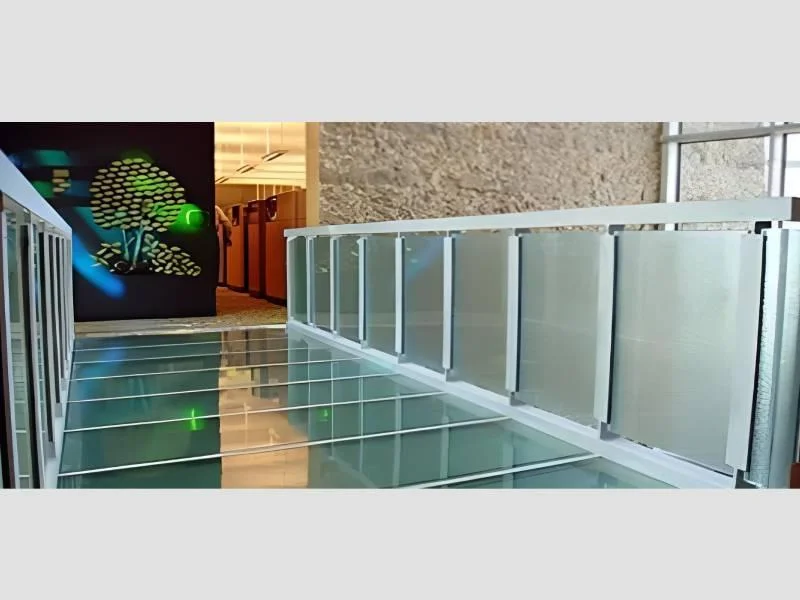
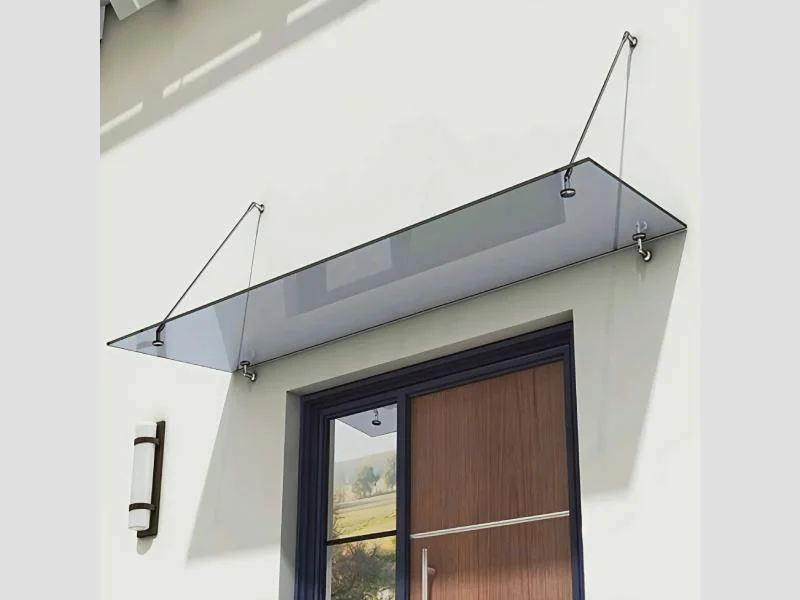
 India
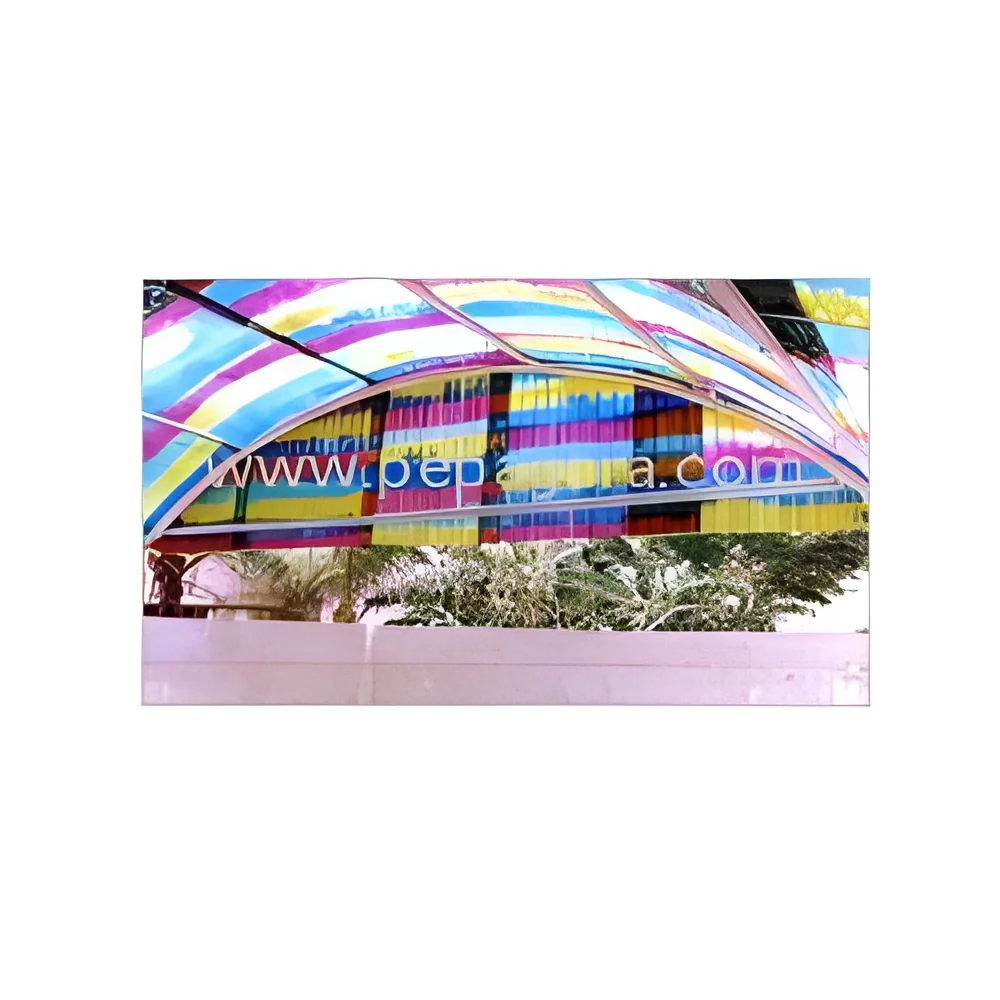

 India

Frequently Asked Questions
What are Glass for Facades?
Glass for facades refers to the glass materials used in the exterior cladding of buildings. These glasses serve both aesthetic and functional purposes, offering structural support, energy efficiency, and a modern appearance.
What are the different types of Glass for Facades?
The different types of glass for facades include tempered glass, laminated glass, insulated glass units (IGUs), and low-emissivity (Low-E) glass. Each type has unique properties suitable for various architectural requirements and environmental conditions.
How do I choose the right Glass for Facades?
Choosing the right glass for facades involves considering factors such as thermal performance, acoustic insulation, safety requirements, and aesthetic preferences. It is essential to consult with architects or suppliers to ensure the selected glass meets the specific needs of your project.
What are the standard specifications for Glass for Facades?
Standard specifications for glass for facades typically include thickness, thermal conductivity, light transmittance, and impact resistance. These specifications may vary based on building codes and the intended use of the glass.
What is the price range for Glass for Facades?
The price range for glass for facades can vary widely depending on the type, thickness, and customization options. Generally, prices may start from a few hundred rupees per square meter and can go up to several thousand rupees for specialized or high-performance glass.
What quality standards apply to Glass for Facades?
Quality standards for glass for facades include compliance with IS (Indian Standards) and international standards such as ASTM and EN. These standards ensure the glass meets safety, durability, and performance criteria suitable for construction applications.
Where can I find Glass for Facades suppliers in India?
You can find glass for facades suppliers in India through B2B marketplaces like Pepagora, industry trade shows, and local directories. It's advisable to research and compare multiple suppliers to find the best options for your needs.
Can Glass for Facades be customized?
Yes, glass for facades can often be customized in terms of size, thickness, color, and additional coatings. It's important to discuss your specific requirements with manufacturers or suppliers to ensure the customization meets your project's specifications.
What is the typical minimum order quantity for Glass for Facades?
The typical minimum order quantity (MOQ) for glass for facades can vary by supplier but generally ranges from 50 to 100 square meters. It is advisable to confirm the MOQ with the specific supplier you are considering.
What is the typical lead time for Glass for Facades?
The typical lead time for glass for facades can range from 2 to 8 weeks, depending on the type of glass, customization requirements, and supplier capabilities. It's best to discuss timelines with your supplier to ensure timely delivery for your project.
Why Businesses Trust Pepagora
Thousands of companies trust Pepagora to source smarter and sell faster
Expand Your Sales Globally

Source Smarter,Grow Faster
