
 IN
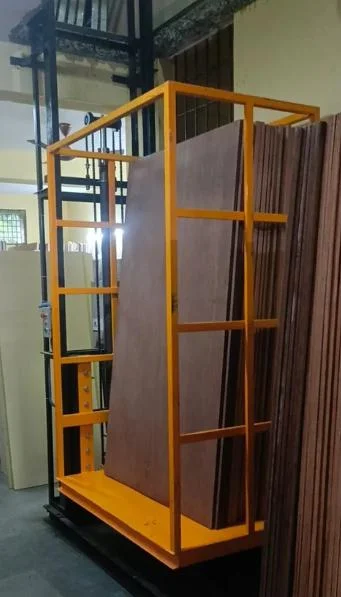
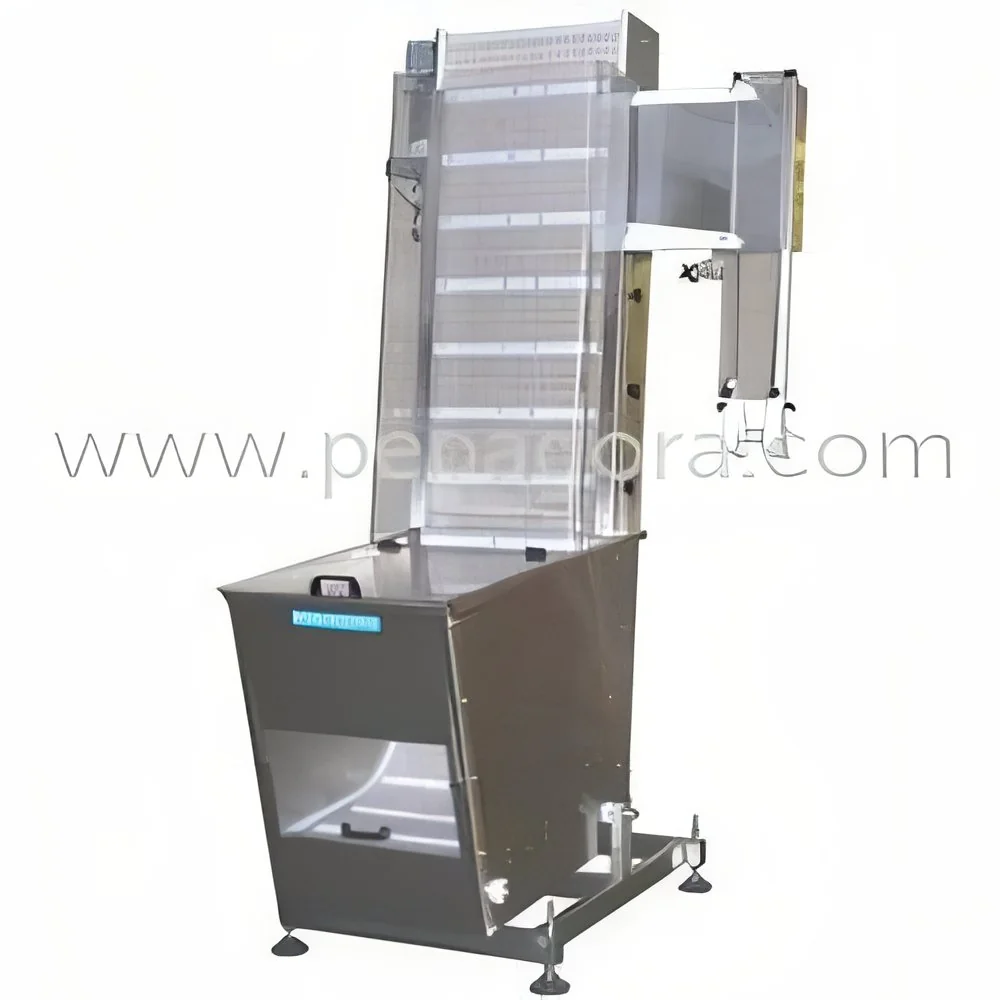
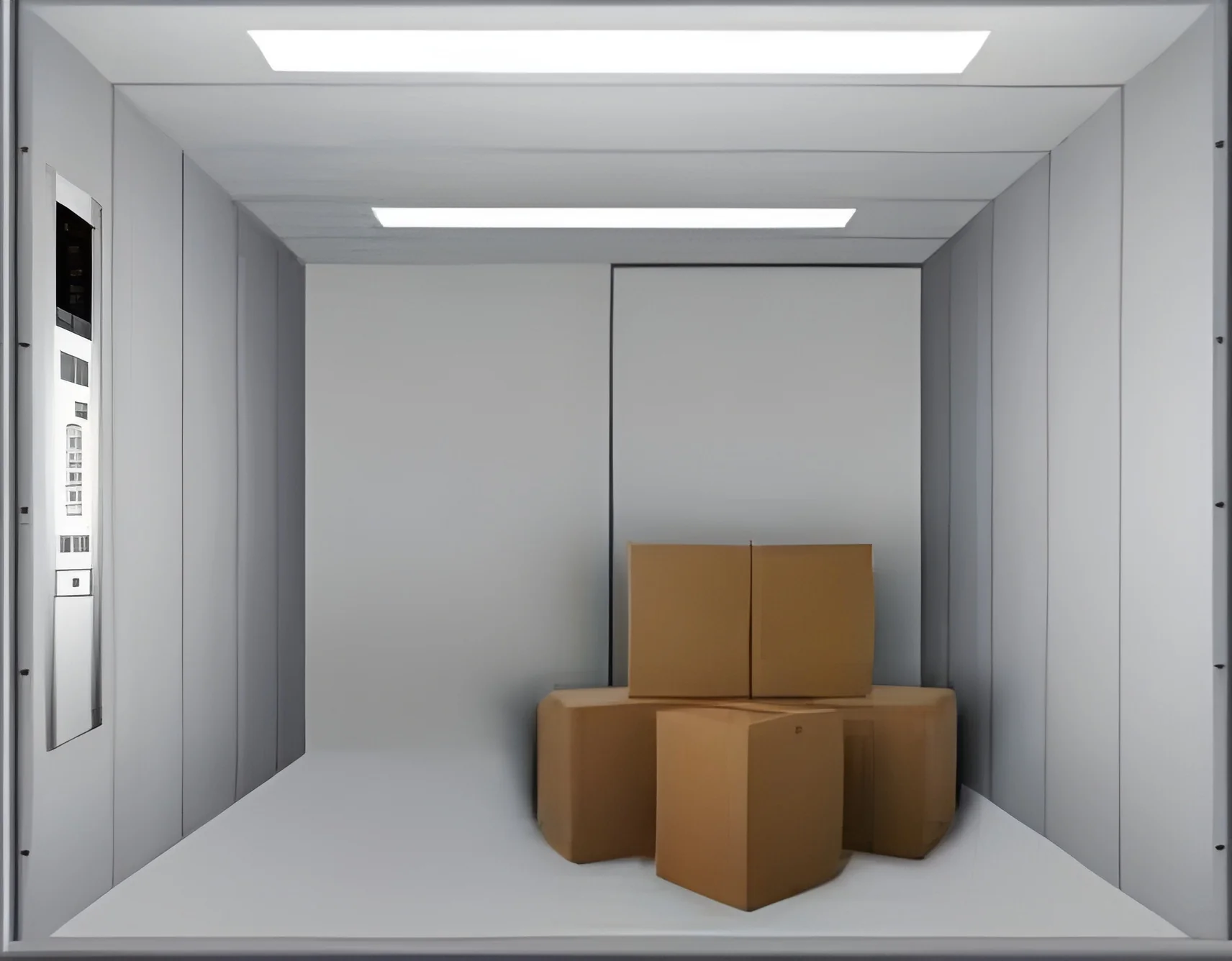
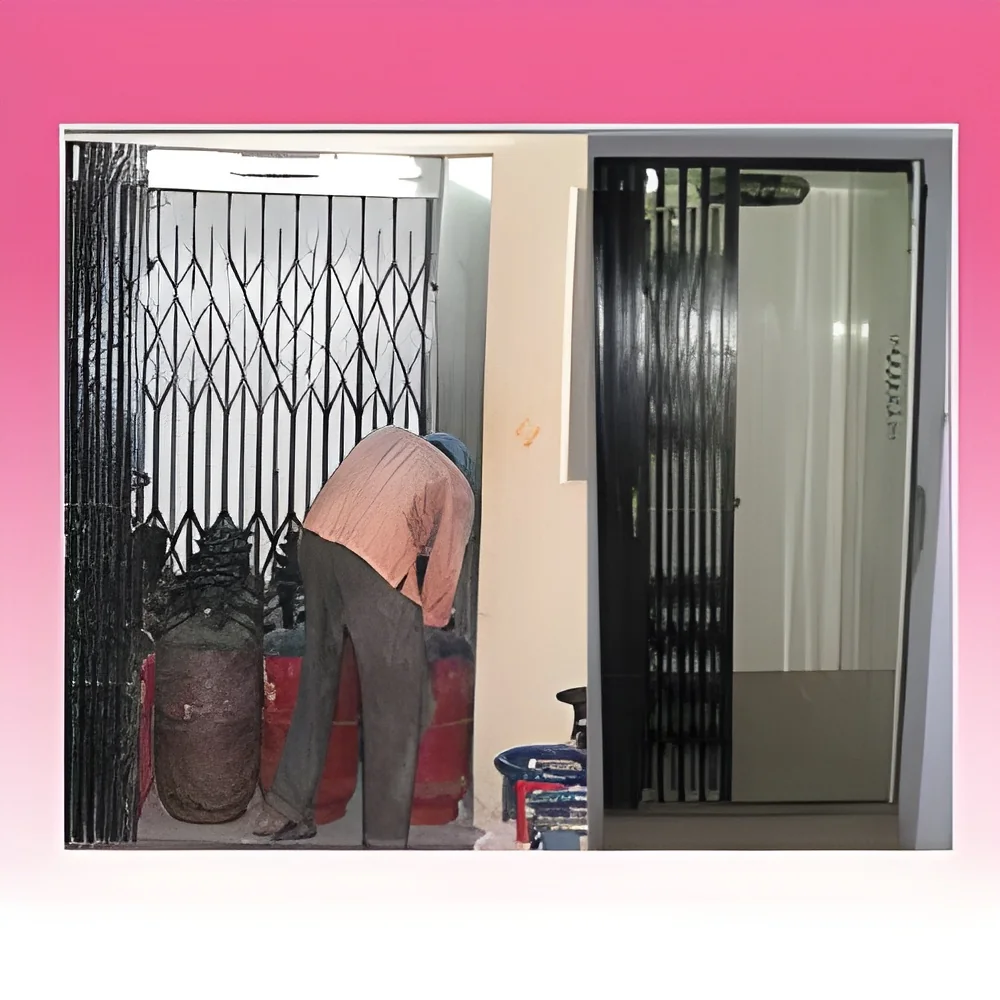
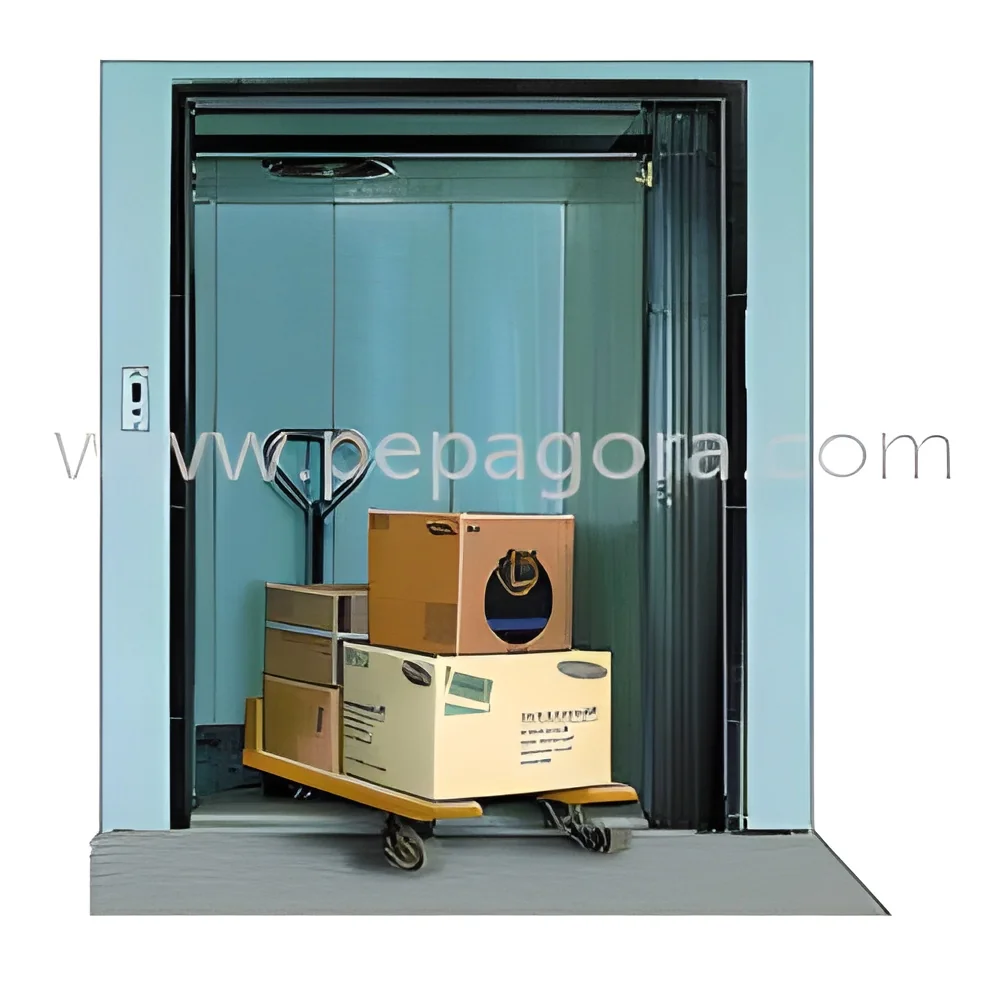
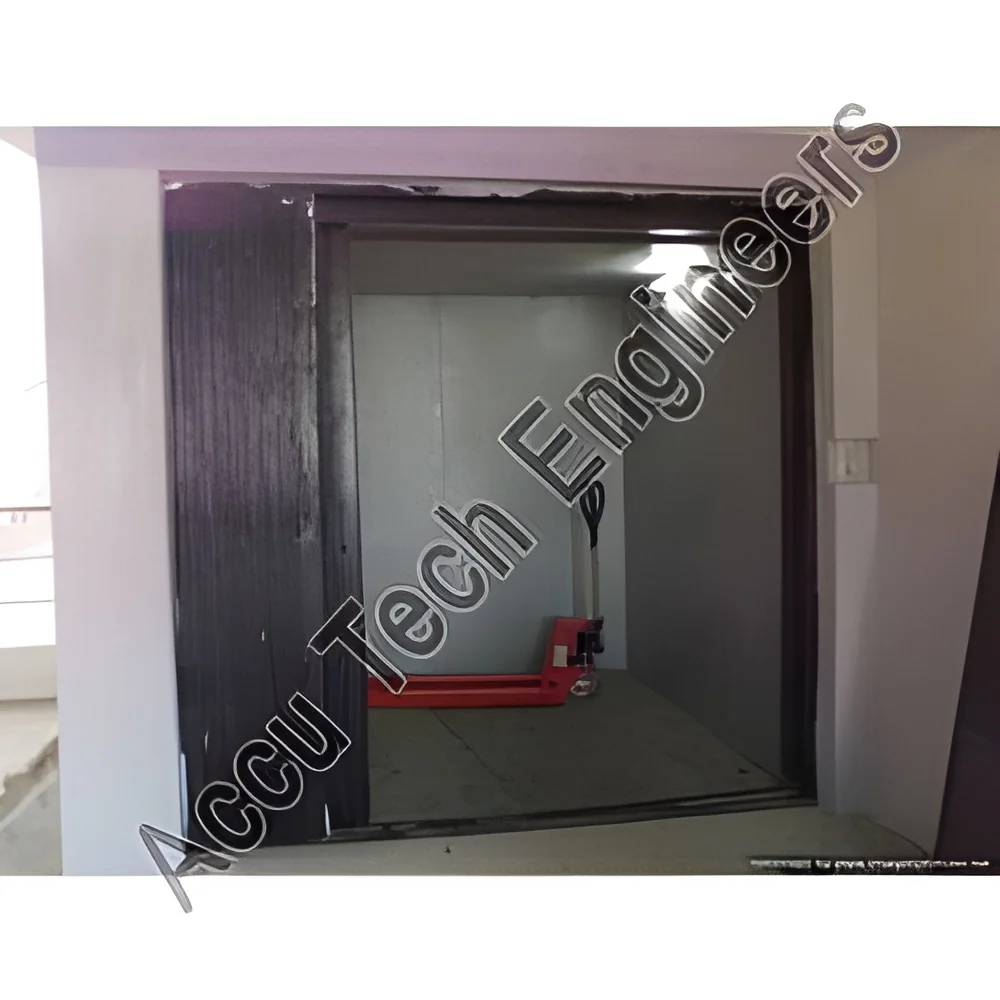
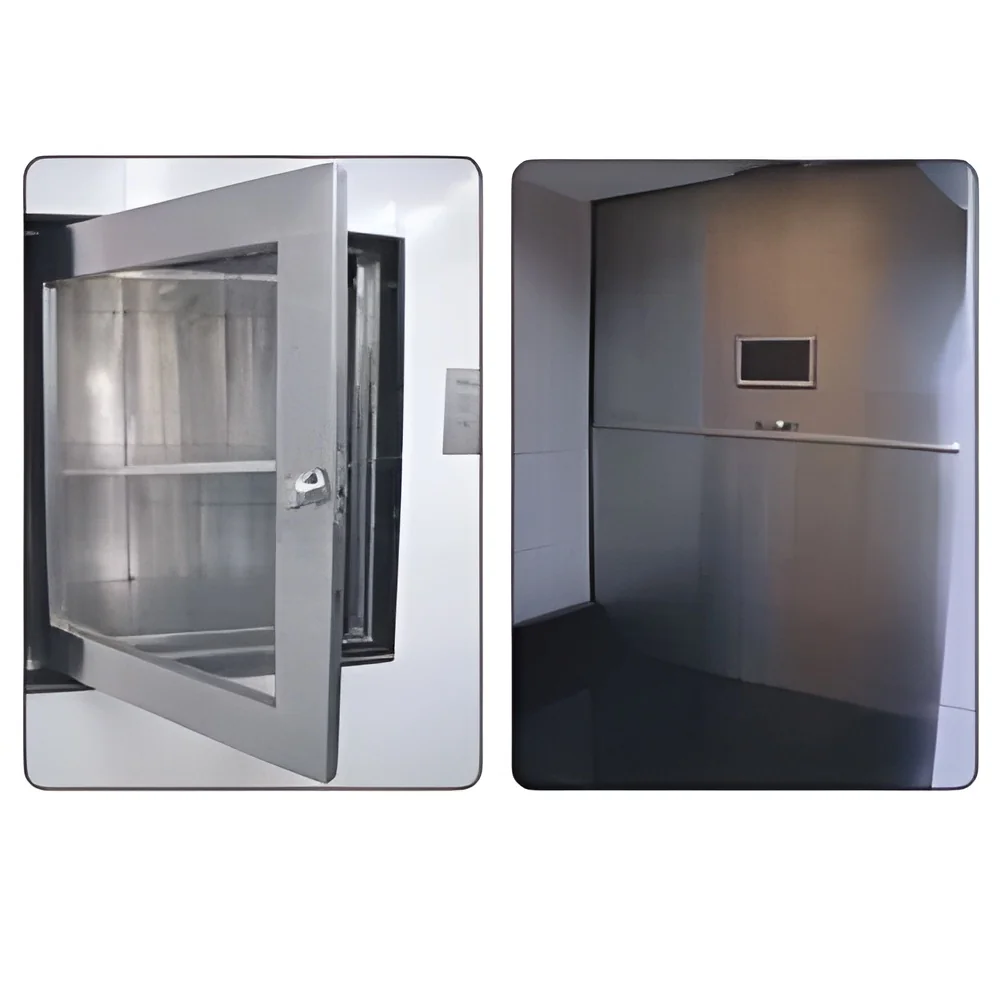
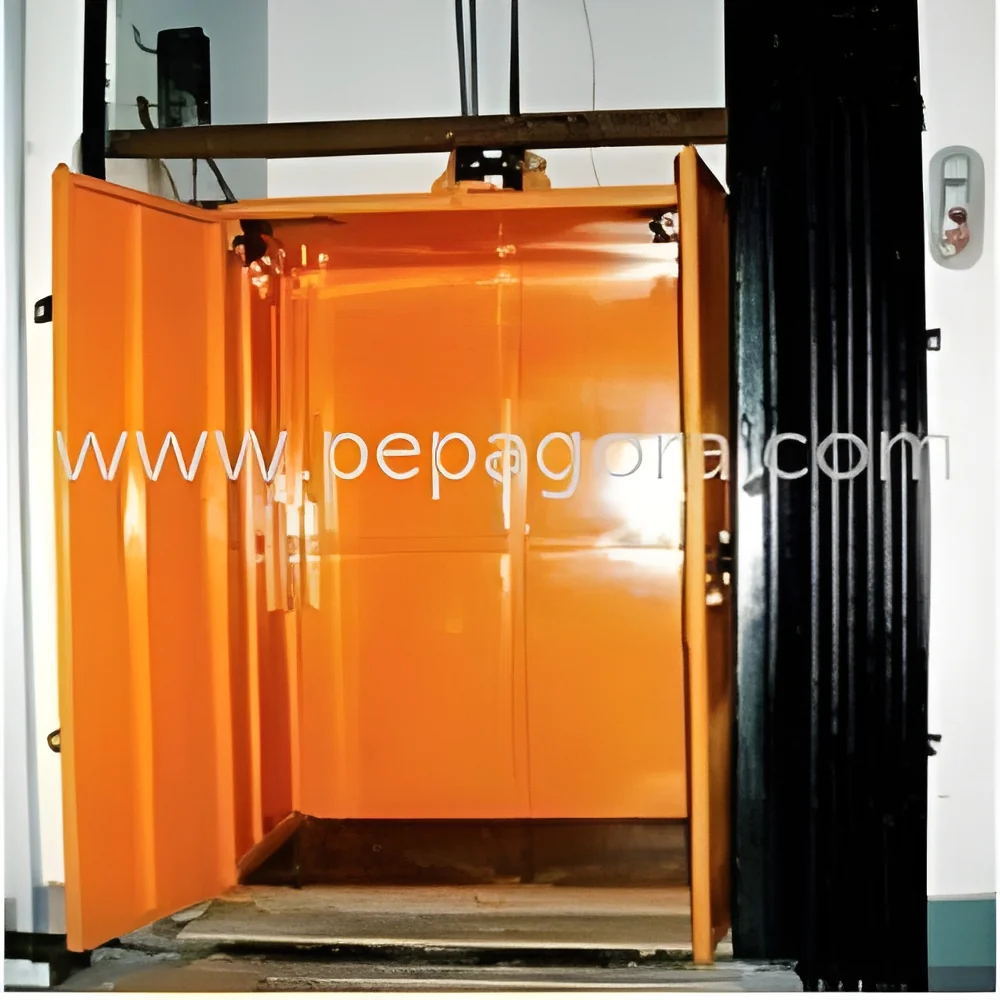
Freight Elevators (Industrial Use)
40 products available
Key Features and Specifications
Freight elevators come with a range of features and specifications that enhance their functionality and suitability for industrial use. Understanding these specifications is crucial for buyers to ensure they meet their operational needs.
Key specifications include:
1. Load Capacity
- Freight elevators typically have a load capacity ranging from 1,000 to 10,000 pounds.
- This capacity allows for the safe transport of heavy goods.
2. Platform Size
- The platform dimensions can vary, often starting at 4 feet by 4 feet and going up to larger sizes.
- Custom sizes may be available to fit specific operational requirements.
3. Lift Height
- Standard lift heights can reach up to 30 feet, with options for custom heights based on building design.
- Higher lift capabilities ensure access to multiple stories.
4. Speed
- Typical speeds range from 50 to 150 feet per minute.
- Faster speeds improve efficiency in loading and unloading processes.
5. Power Supply
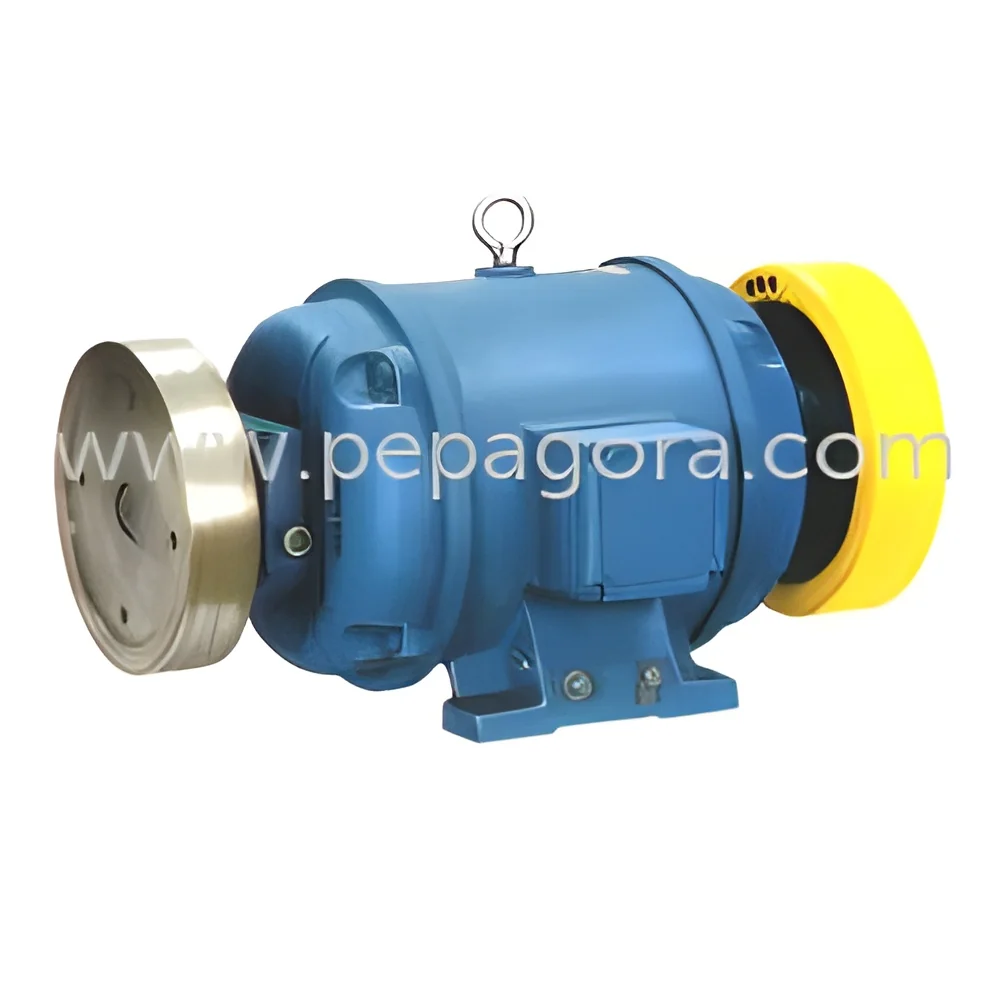
- Freight elevators are powered by electric motors, with options for hydraulic or traction systems.
- The choice of system can affect energy consumption and operational costs.
6. Safety Features
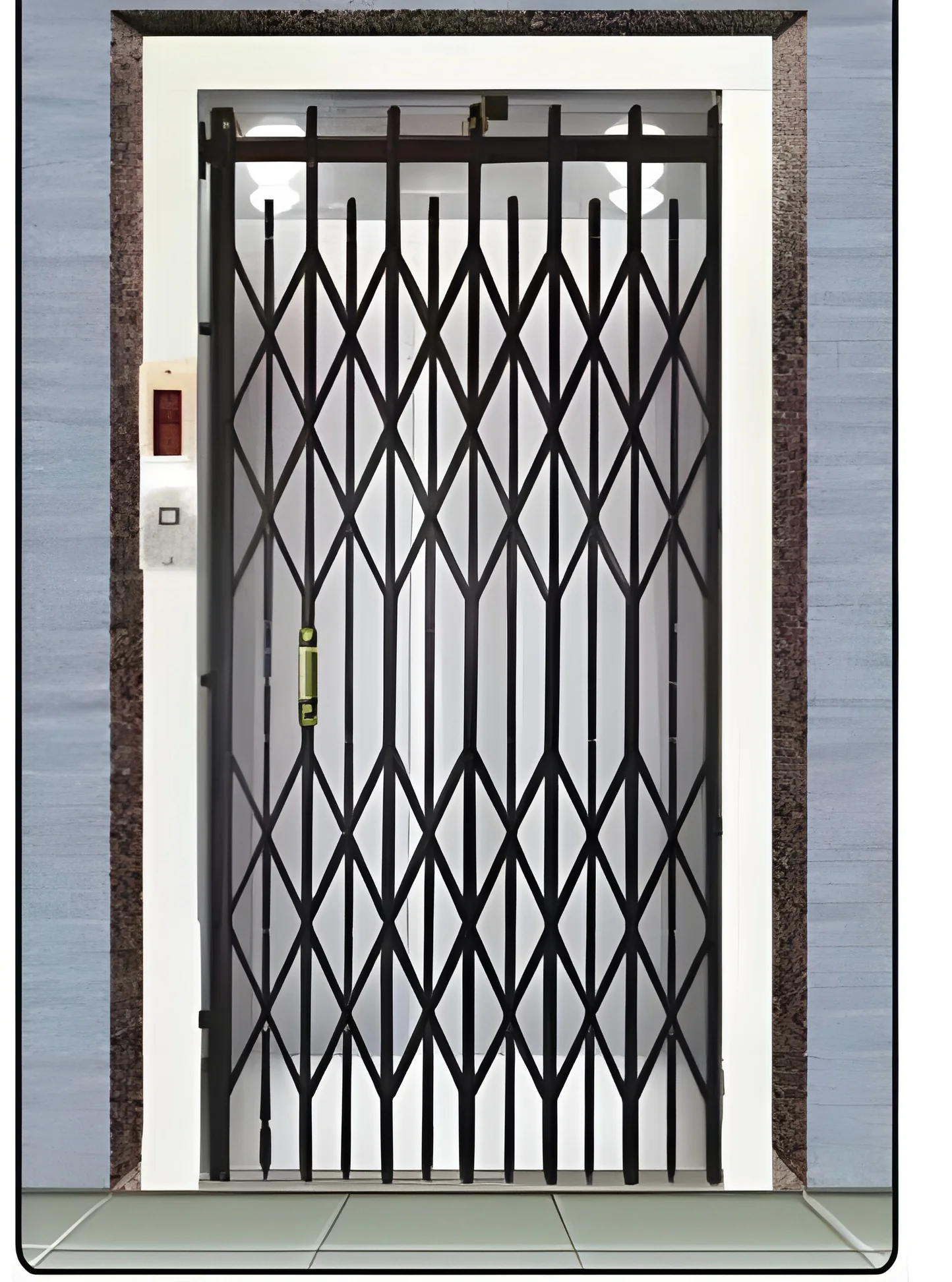
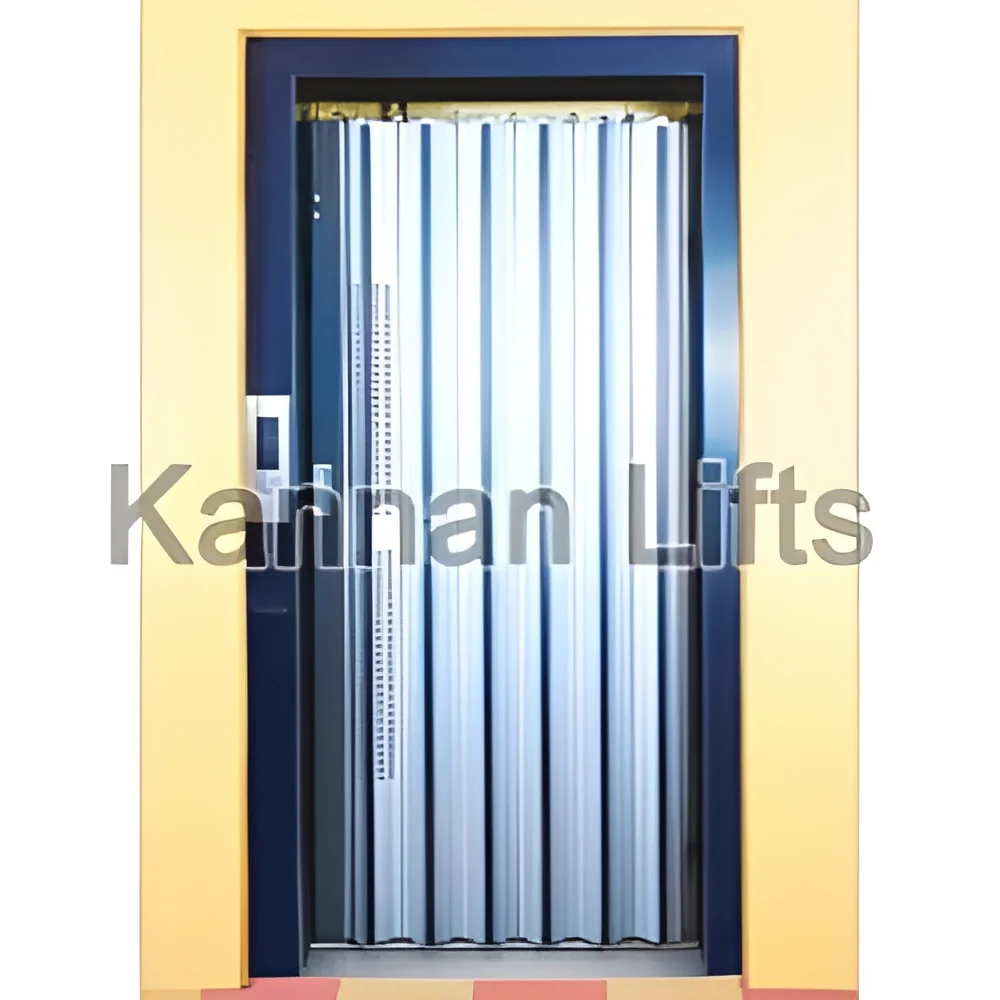
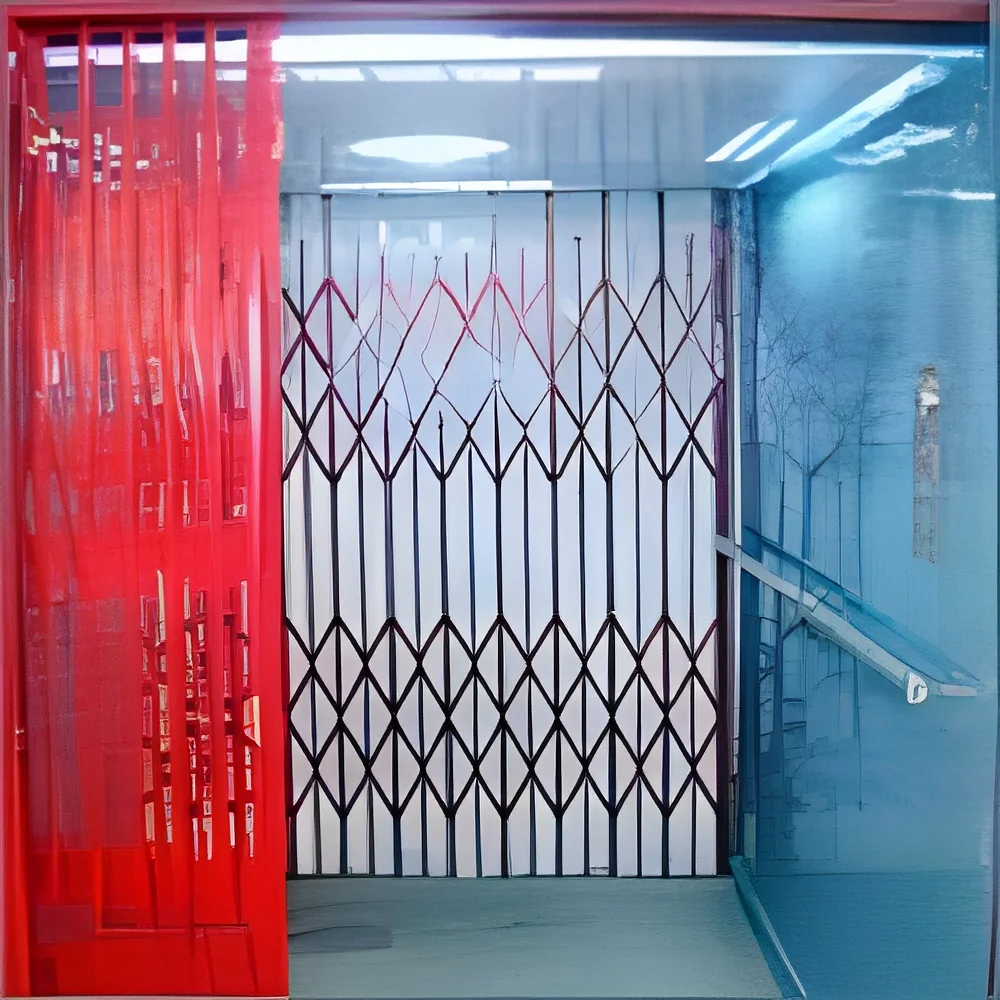
- Common safety features include emergency stop buttons, overload protection, and automatic door closures.
- These features ensure safe operation for personnel and goods.
7. Control Systems
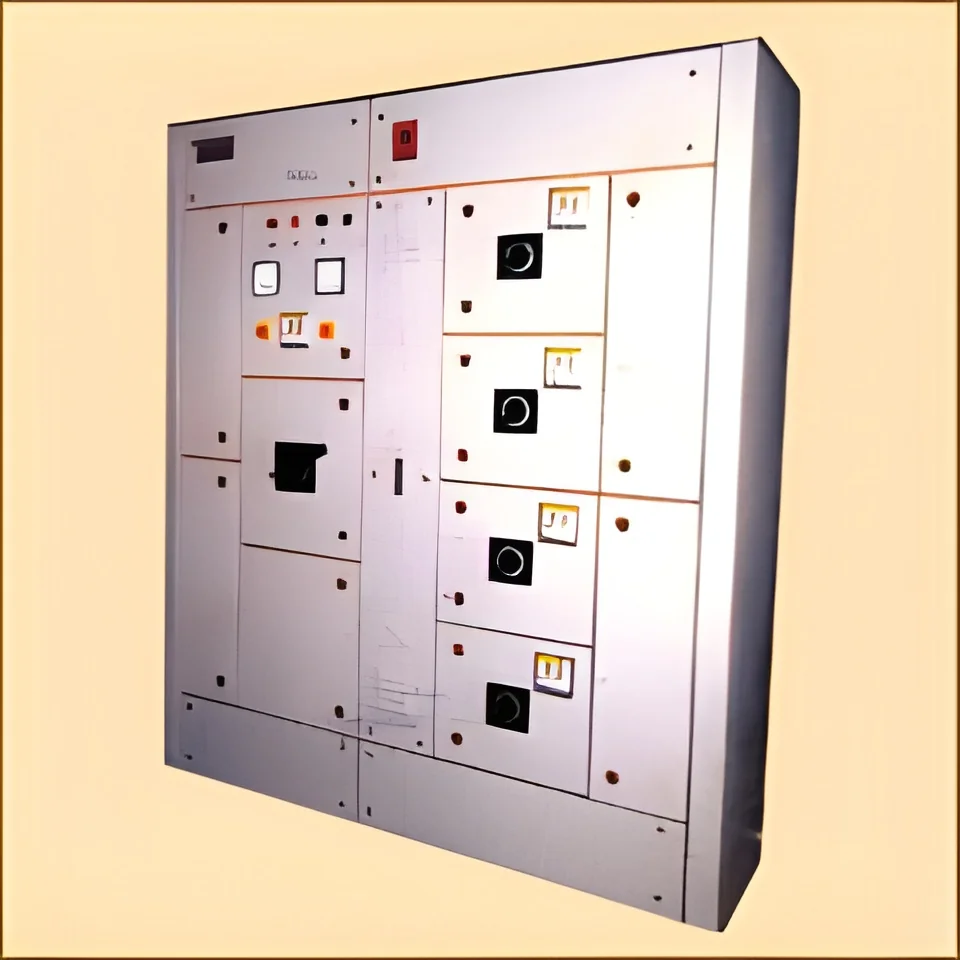
- Advanced control systems offer features like programmable settings and remote operation.
- Enhanced controls improve user experience and operational efficiency.
8. Construction Materials
- Freight elevators are constructed from durable materials, often using steel and reinforced components.
- This construction ensures longevity and resistance to heavy use.
Freight elevators are crucial for enhancing logistics and operational efficiency in industrial settings.
Common Applications and Use Cases
Freight elevators find applications across various industries, facilitating the movement of goods and materials.
1. Manufacturing: In manufacturing facilities, freight elevators transport raw materials and finished products between different production levels.
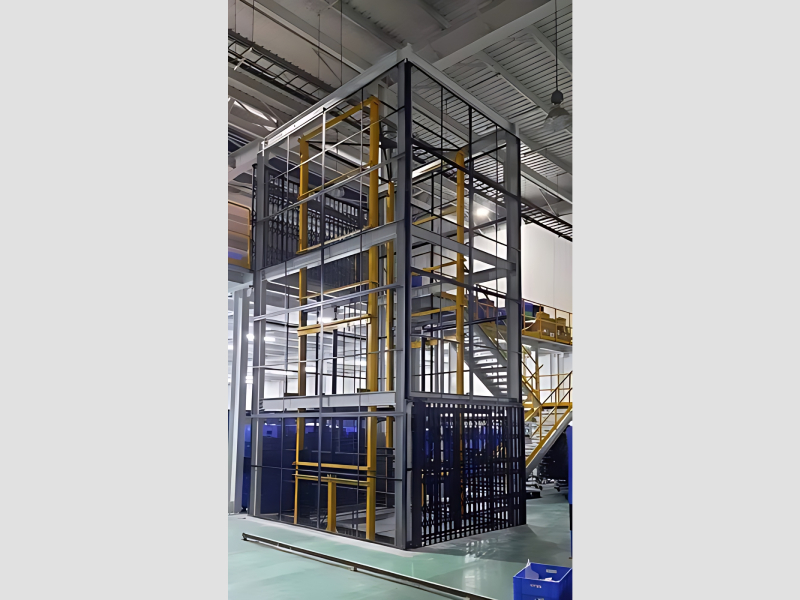
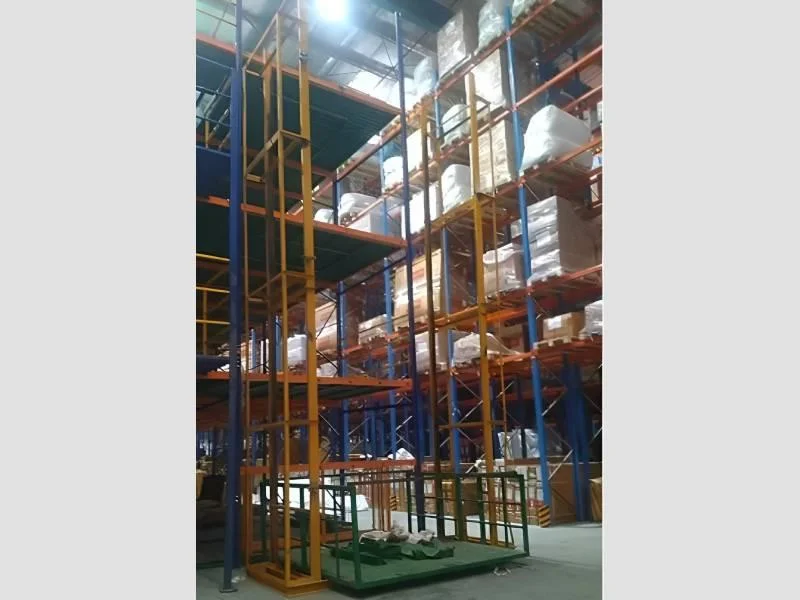
2. Warehousing: Warehouses utilize freight elevators to move large quantities of inventory to and from storage areas, optimizing space and efficiency.
3. Retail: Retail establishments employ freight elevators to transfer stock to sales floors or storage, aiding in inventory management.
4. Food and Beverage: In food processing plants, these elevators transport bulk ingredients and packaged goods, ensuring compliance with hygiene standards.
5. Construction: Construction sites use freight elevators to lift heavy equipment and building materials, enhancing workflow and safety.
6. Pharmaceuticals: Pharmaceutical companies rely on freight elevators to move sensitive products between storage and production areas, maintaining strict regulatory compliance.
7. Logistics: Logistics companies use freight elevators in distribution centers to streamline the movement of goods, improving delivery timelines.
Product Variants and Subcategories
Freight elevators are available in various configurations to meet specific operational needs.
Hydraulic Freight Elevators
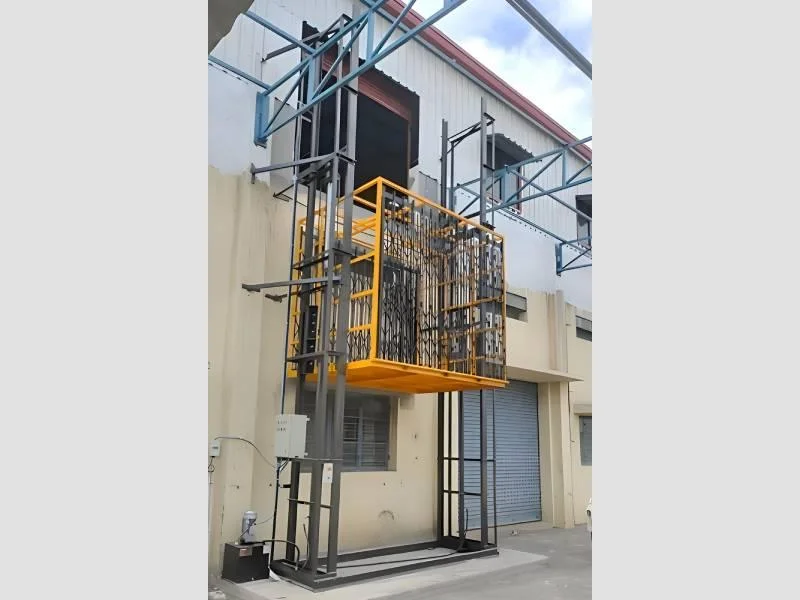
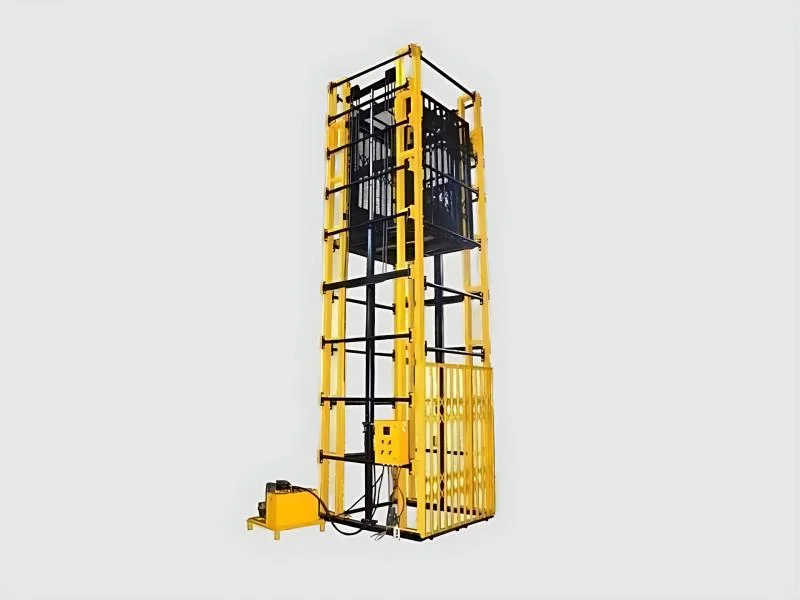
These elevators use hydraulic systems to lift loads. They are ideal for low to mid-rise applications and provide smooth operation for heavy loads.
Traction Freight Elevators
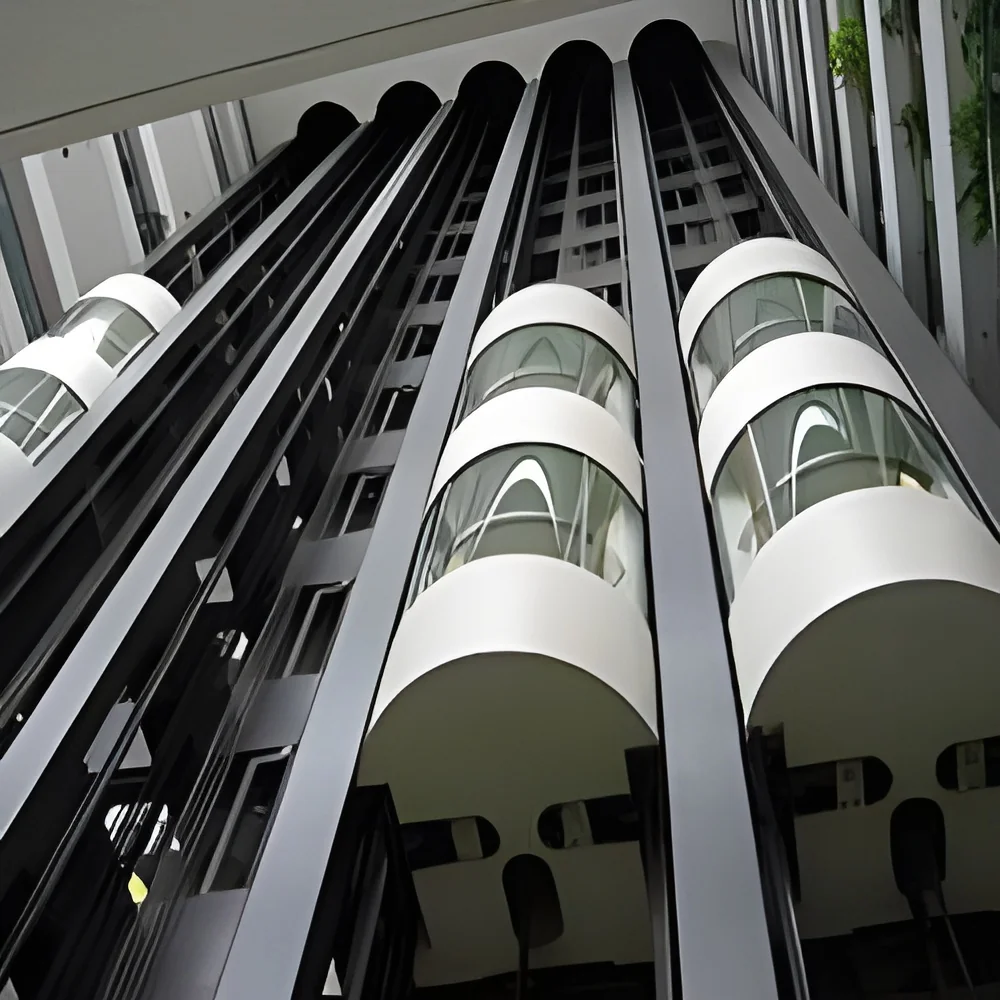
Utilizing a traction system, these elevators are suited for higher buildings and offer increased speed and efficiency, making them ideal for busy industrial environments.
Custom Freight Elevators
Some suppliers offer custom solutions tailored to unique space constraints or specific load requirements, ensuring that the elevator fits perfectly within the operational workflow.
Benefits and Advantages
Investing in freight elevators offers numerous benefits for industrial operations.
1. Increased Efficiency: Freight elevators streamline the movement of goods, reducing the time and labor associated with manual transportation.
2. Improved Safety: Designed with safety features, these elevators minimize the risk of accidents related to heavy lifting and transporting.
3. Space Optimization: By utilizing vertical space, freight elevators maximize the utility of floor layouts in warehouses and factories.
4. Versatility: Freight elevators can handle various types of cargo, making them suitable for diverse industrial applications.
5. Enhanced Workflow: With faster and safer transportation of goods, overall workflow and productivity in industrial operations improve significantly.
6. Cost Savings: By reducing labor costs and increasing efficiency, freight elevators can lead to substantial long-term savings for businesses.
Buying Guide for B2B Buyers
When sourcing freight elevators for industrial use, several key factors should be considered to ensure a suitable purchase.
1. Quality Assessment: Evaluate the quality of the elevator based on its construction materials, safety features, and manufacturer reputation. High-quality elevators are essential for reliability and longevity.
2. Supplier Verification: Vet potential suppliers thoroughly, checking for industry experience and customer reviews. A verified supplier can provide assurance of product quality and service.
3. Pricing and MOQ: Understand the pricing structure and minimum order quantities. Consider the budget and how it aligns with operational needs when making a purchasing decision.
4. Delivery and Lead Times: Discuss delivery logistics and lead times with suppliers to ensure that the elevator can be integrated into the operational timeline without delays.
5. Compliance Requirements: Ensure that the chosen freight elevator meets all relevant industry standards and regulations, including safety and operational compliance.
Compliance and Certifications
Compliance with industry standards and certifications is critical for freight elevators.
Freight elevators must adhere to relevant quality standards such as ISO 9001, which ensures a consistent level of quality in manufacturing processes. Certification demonstrates that a product meets international quality management standards.
Additionally, elevators may require CE certification, which indicates compliance with European safety standards. This certification covers essential safety and operational requirements.
Safety and testing requirements must also be in place to ensure that the elevators operate safely under various conditions. Regular inspections and maintenance are necessary to uphold safety standards.
It is important to consider regional compliance guidelines, as different regions may have specific regulations governing the installation and operation of freight elevators.
Why Source Freight Elevators (Industrial Use) from Pepagora?
Pepagora offers a trusted platform for sourcing freight elevators designed for industrial use, providing several key advantages for buyers.
Verified Supplier Network: Pepagora connects buyers with a network of verified suppliers, ensuring access to quality products and reputable manufacturers. This verification process helps mitigate risks associated with sourcing.
Streamlined RFQ Process: The platform simplifies the request for quotation (RFQ) process, allowing buyers to efficiently gather and compare quotes from multiple suppliers. This streamlined approach saves time and aids in making informed decisions.
Trade Assurance and Support: Pepagora provides trade assurance, offering buyers protection throughout the purchasing process. This support ensures that any issues encountered can be addressed effectively.
Regional Coverage: With a broad geographic reach across India, the GCC, and Southeast Asia, Pepagora connects buyers with local suppliers, facilitating easier logistics and better service. This regional focus enhances the overall sourcing experience for industrial buyers.







Frequently Asked Questions
What are Freight Elevators (Industrial Use)?
Freight Elevators (Industrial Use) are specialized elevators designed to transport heavy goods and materials within industrial facilities. They are engineered to handle larger loads compared to standard passenger elevators and are commonly used in warehouses, factories, and distribution centers.
What are the different types of Freight Elevators (Industrial Use)?
There are several types of Freight Elevators (Industrial Use), including hydraulic, traction, and pneumatic elevators. Hydraulic elevators use fluid pressure for movement, traction elevators rely on cables and pulleys, while pneumatic elevators utilize air pressure to lift loads. Each type has its own advantages based on load capacity and operational needs.
How do I choose the right Freight Elevators (Industrial Use)?
Selecting the right Freight Elevator (Industrial Use) involves considering factors such as load capacity, dimensions, and the specific environment in which it will operate. Additionally, assess your facility's height requirements and whether you need customization options for specific applications.
What are the standard specifications for Freight Elevators (Industrial Use)?
Standard specifications for Freight Elevators (Industrial Use) typically include load capacity (ranging from 1,000 to over 10,000 pounds), platform size, lifting speed, and safety features. Additionally, compliance with local building codes and regulations is essential to ensure safe operation.
What is the price range for Freight Elevators (Industrial Use)?
The price range for Freight Elevators (Industrial Use) can vary significantly based on specifications and features. Generally, prices can start from around INR 5 lakhs and can go up to INR 50 lakhs or more, depending on the complexity and customization required.
What quality standards apply to Freight Elevators (Industrial Use)?
Freight Elevators (Industrial Use) must adhere to various quality standards, such as ISO 9001 for quality management systems and specific safety standards set by local authorities. Compliance with the Bureau of Indian Standards (BIS) is also crucial for ensuring safety and reliability.
Where can I find Freight Elevators (Industrial Use) suppliers in India?
You can find Freight Elevators (Industrial Use) suppliers in India through online B2B marketplaces like Pepagora.com, industry trade shows, and directories. Researching manufacturers and distributors that specialize in industrial equipment can also provide valuable leads.
Can Freight Elevators (Industrial Use) be customized?
Yes, Freight Elevators (Industrial Use) can often be customized to meet specific operational needs, including size, load capacity, and additional features such as safety mechanisms. Many manufacturers offer customization options to cater to unique industrial requirements.
What is the typical minimum order quantity for Freight Elevators (Industrial Use)?
The typical minimum order quantity (MOQ) for Freight Elevators (Industrial Use) can vary by supplier but often starts at one unit. However, larger orders may be required for specific models or customizations, so it's advisable to check with individual suppliers.
What is the typical lead time for Freight Elevators (Industrial Use)?
The typical lead time for Freight Elevators (Industrial Use) can range from a few weeks to several months, depending on the complexity of the order and the manufacturer's production schedule. It is recommended to discuss lead times with suppliers during the ordering process.
Why Businesses Trust Pepagora
Thousands of companies trust Pepagora to source smarter and sell faster
Expand Your Sales Globally

Source Smarter,Grow Faster
