What are Elevator Manufacturing OEMs?
Elevator Manufacturing OEMs, or Original Equipment Manufacturers, are companies that produce components and systems for elevators. These manufacturers design, engineer, and assemble various parts that make up the complete elevator system. Their role is crucial in ensuring that elevators operate efficiently, safely, and reliably in a wide range of applications. OEMs are responsible for the entire lifecycle of the elevator system, from conception to production and even after-sales service.
The primary uses of elevator manufacturing OEMs include providing the essential components for residential, commercial, and industrial elevators. They cater to the needs of property developers, construction companies, and facility managers who require reliable and high-performance vertical transportation solutions. In a market that is increasingly focused on efficiency and safety, OEMs play a vital role in delivering innovative technologies and meeting regulatory standards, thus ensuring the relevance of their products in various sectors.
In the current industry landscape, elevator manufacturing OEMs face both challenges and opportunities. The rise of smart buildings and the integration of IoT technologies into elevator systems create new market demands. At the same time, the need for sustainable and energy-efficient solutions is reshaping the competitive environment. As urbanization continues to grow, the elevator market is expected to expand, making OEMs critical players in the vertical transportation industry.
Key Features and Specifications
Elevator manufacturing OEMs focus on a range of features and specifications that ensure the performance, safety, and efficiency of their products. Understanding these specifications is essential for businesses looking to invest in elevator systems.
Key specifications include:
1. Load Capacity
- This specification indicates the maximum weight the elevator can safely carry.
- Typical ranges vary from 450 kg to over 5000 kg, depending on the application.
2. Speed
- The speed of the elevator refers to how quickly it can travel between floors.
- Standard speeds can range from 0.5 meters per second for residential elevators to 10 meters per second for high-rise systems.
3. Safety Features
- Safety features may include emergency braking systems, door sensors, and overload protection.
- Compliance with international safety standards is crucial.
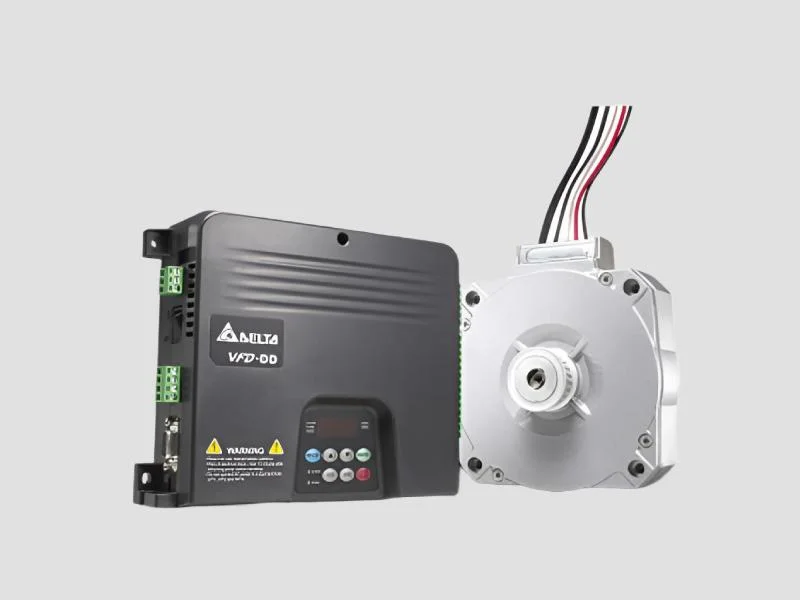
4. Drive Systems
- Elevators may use various drive systems such as gearless, geared, or hydraulic.
- Each system offers different advantages in terms of energy efficiency and maintenance.
5. Control Systems
- Modern elevators utilize advanced control systems for efficient operation.
- Features can include destination dispatch, group control, and predictive maintenance.
6. Cabin Design
- The design of the elevator cabin can vary significantly, focusing on aesthetics and functionality.
- Options include various materials, finishes, and dimensions to suit different environments.
7. Power Supply
- Elevators typically require a three-phase power supply but can also be configured for single-phase in certain applications.
- Energy-efficient models may incorporate regenerative drives.
8. Installation Requirements
- Installation specifications can differ based on the type and design of the elevator.
- Factors include pit depth, shaft dimensions, and headroom.
In summary, understanding these key features and specifications helps businesses make informed decisions when selecting elevator manufacturing OEMs that meet their operational and safety needs.
Common Applications and Use Cases
Elevator manufacturing OEMs serve a diverse range of industries, each with unique requirements for vertical transportation solutions.
1. Residential Buildings: In apartment complexes or high-rise condominiums, elevators provide essential access to various floors, enhancing convenience for residents.
2. Commercial Offices: Elevators in office buildings are crucial for facilitating the movement of employees and visitors between floors, especially in high-traffic environments.
3. Hospitals: Elevators in healthcare settings are designed to accommodate patients, staff, and medical equipment, requiring specialized safety features and load capacities.
4. Retail Spaces: In shopping malls and retail stores, elevators help move customers and goods efficiently, often needing to handle high volumes of traffic.
5. Industrial Facilities: Elevators in factories and warehouses transport materials between different levels, often requiring robust designs for heavy loads.
6. Educational Institutions: Schools and universities utilize elevators to ensure accessibility for all students and staff, particularly in multi-story buildings.
7. Hotels: In hospitality settings, elevators enhance guest experiences by providing quick and convenient access to rooms and amenities.
Product Variants and Subcategories
The elevator manufacturing sector offers various product variants to cater to different market needs and applications. Each variant is designed with specific features and functionalities.
Machine Room-less Elevators: These elevators are designed to operate without a dedicated machine room, saving valuable building space. They are ideal for low to mid-rise buildings.
Hydraulic Elevators: Utilizing hydraulic systems, these elevators are well-suited for low-rise applications where energy efficiency and smooth operation are priorities. They are often used in residential and small commercial buildings.
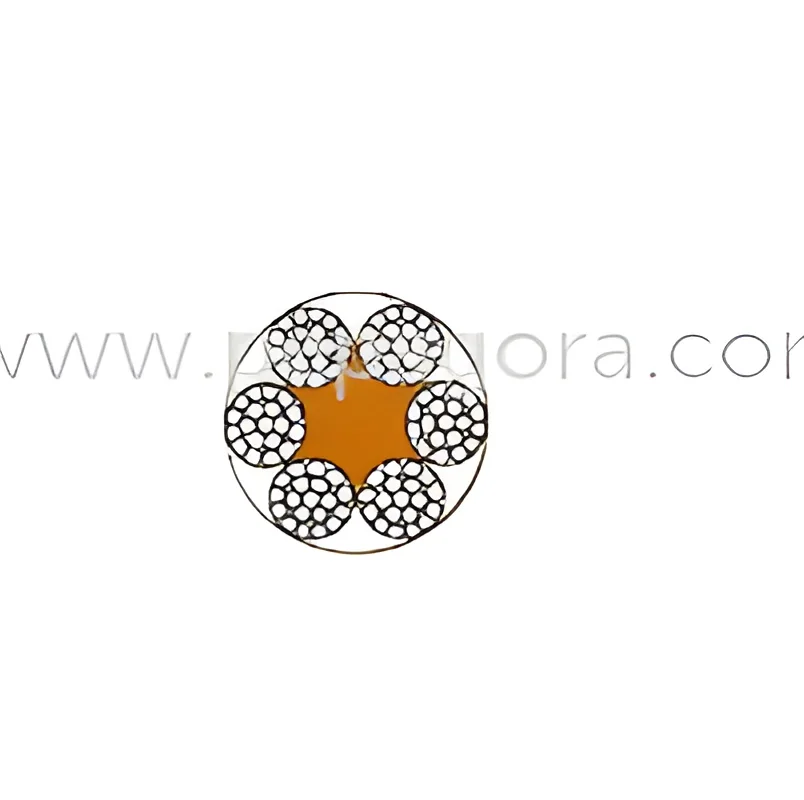
Traction Elevators: These elevators use a system of pulleys and cables, providing high-speed service for mid to high-rise buildings. They are known for their energy efficiency and reliability.
Freight Elevators: Designed for transporting goods rather than passengers, freight elevators are built to handle heavy loads and are commonly used in warehouses and industrial settings.
Benefits and Advantages
Investing in elevator manufacturing OEMs brings numerous advantages to businesses and property owners.
Key benefits include:
1. Enhanced Safety: OEMs adhere to strict safety standards, ensuring that elevator systems provide a secure environment for users.
2. Improved Efficiency: Advanced technologies integrated into elevators enhance operational efficiency, reducing wait times and energy consumption.
3. Customization Options: Many OEMs offer customizable solutions to meet specific operational needs, allowing for tailored designs that fit unique building requirements.
4. Reliable Performance: Elevators from reputable OEMs are built to last, minimizing downtime and maintenance costs in the long run.
5. Regulatory Compliance: OEMs ensure that their products meet all necessary regulations, providing peace of mind for end-users and building operators.
6. Strong Support Services: Many manufacturers offer comprehensive after-sales support, including maintenance, training, and technical assistance.
Buying Guide for B2B Buyers
When sourcing elevator manufacturing OEMs, it is vital for businesses to consider several key factors to ensure a successful partnership.
1. Quality Assessment: Evaluate the quality of products by reviewing certifications and standards compliance, such as ISO 9001 and CE. This assessment helps ensure reliability and safety.
2. Supplier Verification: Conduct thorough research on potential suppliers, including their reputation, track record, and customer testimonials. This step is critical for establishing a trustworthy relationship.
3. Pricing and MOQ: Understand the pricing structure and minimum order quantities (MOQ) required by the OEM. This information will aid in budgeting and planning your procurement strategy.
4. Delivery and Lead Times: Inquire about the supplier's ability to meet delivery schedules and lead times. Timely delivery is essential for project planning and execution.
5. Compliance Requirements: Ensure that the OEM’s products meet regional compliance standards, as this can vary significantly by location and impact installation and operation.
Compliance and Certifications
Elevator manufacturing OEMs must adhere to various compliance standards and certifications to ensure the safety and reliability of their products. Key quality standards include ISO 9001, which outlines requirements for quality management systems, ensuring consistent delivery of quality products.
Additionally, many OEMs hold industry certifications such as CE marking, which indicates conformity with health, safety, and environmental protection standards within the European Economic Area. Compliance with these standards is not only crucial for legal operation but also enhances the credibility of the manufacturer in the marketplace.
Safety and testing requirements are also paramount in the elevator industry. Manufacturers must conduct rigorous testing to ensure that their products can withstand operational stresses and meet safety regulations. This includes testing for load capacity, emergency systems, and overall reliability.
Regional compliance considerations can vary significantly. OEMs must be aware of local regulations that govern elevator installation and operation, ensuring that their systems comply with all applicable laws and standards in the regions they serve.
Why Source Elevator Manufacturing OEMs from Pepagora?
Pepagora offers a reliable platform for sourcing elevator manufacturing OEMs, providing several key advantages for businesses looking to procure these essential components.
Verified Supplier Network: Pepagora maintains a robust network of verified suppliers, ensuring that buyers can trust the quality and reliability of the products they purchase. This verification process helps streamline the sourcing process and minimizes risks.
Streamlined RFQ Process: The platform features a user-friendly Request for Quotation (RFQ) system, allowing buyers to easily request quotes from multiple suppliers. This efficiency helps businesses make informed decisions quickly.
Trade Assurance and Support: Pepagora provides trade assurance, offering buyers protection throughout the purchasing process. With dedicated support, buyers can feel confident in their transactions and resolve any issues that may arise.
Regional Coverage: With a strong presence in India, the GCC, and Southeast Asia, Pepagora connects businesses with local suppliers, facilitating easier logistics and communication. This wide geographic reach enhances the ability to source quality elevator manufacturing OEMs tailored to specific market needs.

 IN
IN