
 IN
Residential Passenger Elevators
15 products available
What are Residential Passenger Elevators?
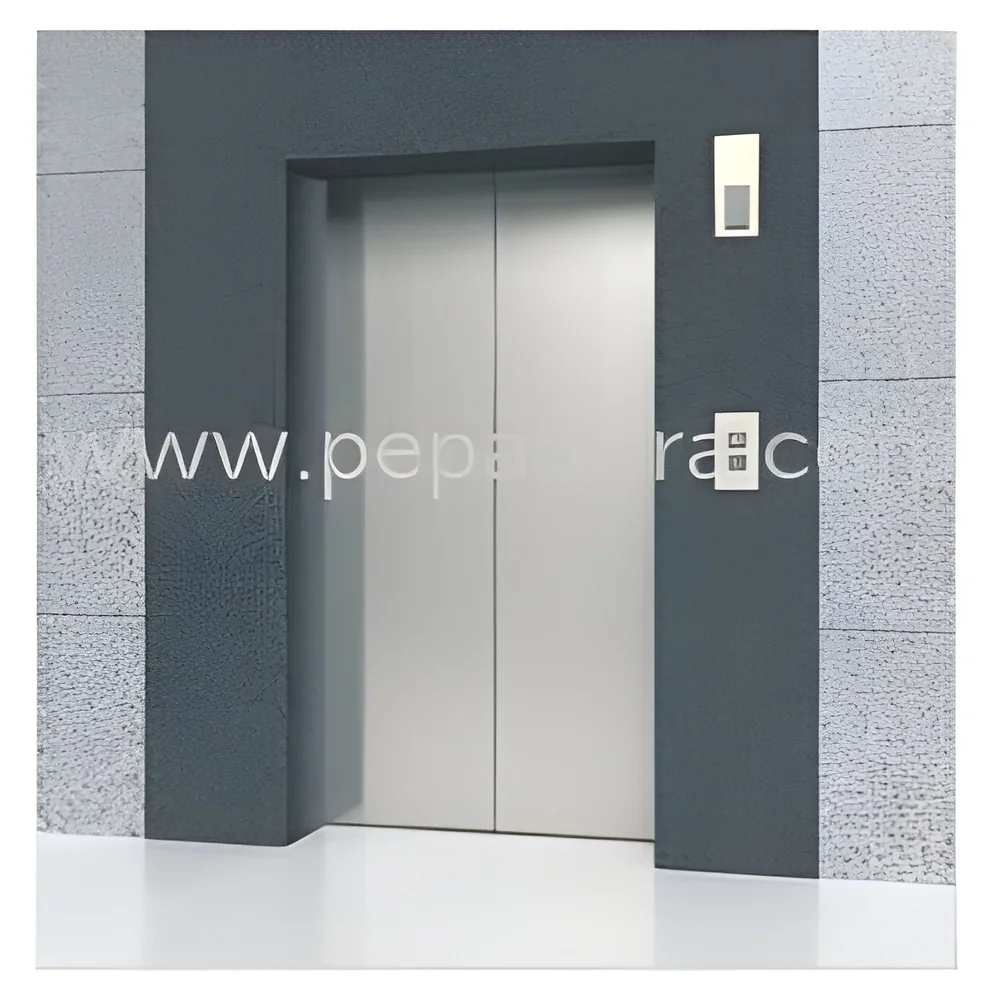
Residential passenger elevators are specialized vertical transportation systems designed for use in homes or residential buildings. These elevators facilitate movement between different floors, providing convenience and accessibility for individuals, particularly those with mobility challenges. They are engineered to meet specific residential needs while ensuring safety, efficiency, and aesthetic appeal.
These elevators are commonly used in multi-story homes, luxury apartments, and assisted living facilities. They enhance the overall living experience by allowing easy access to upper levels without the need for stairs. Additionally, they can significantly increase property value and appeal, making them a desirable feature in modern residential architecture. With the growing trend toward accessibility and convenience in home design, residential passenger elevators remain relevant in the housing market.
Key Features and Specifications
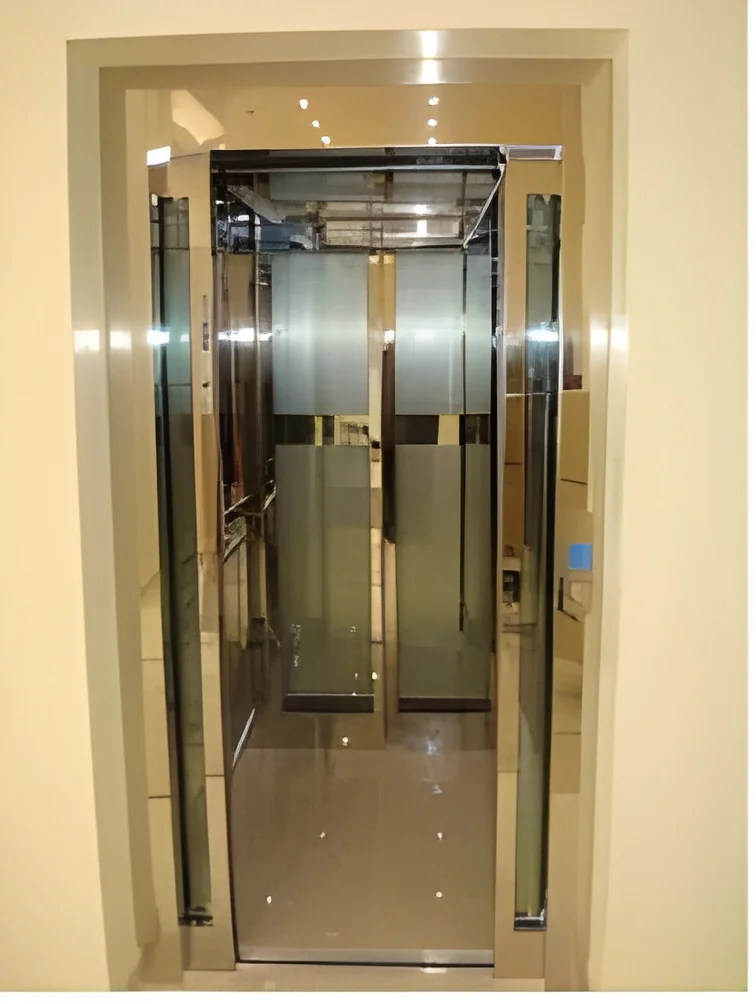
Residential passenger elevators come with a variety of features that cater to both aesthetic and functional requirements. They are designed to blend seamlessly with home interiors while ensuring safety and reliability.
Key specifications include:
1. Capacity
- Typically ranges from 450 to 2,500 pounds.
- Accommodates various numbers of passengers depending on the size.
2. Speed
- Standard speeds range from 30 to 150 feet per minute.
- Provides efficient travel between floors.
3. Drive System
- Options include hydraulic, traction, and machine-room-less systems.
- Each system offers different benefits in terms of space and energy efficiency.
4. Control System
- Can include manual or automatic controls.
- Smart control options are available for added convenience.
5. Safety Features
- Includes emergency stop buttons, safety brakes, and door sensors.
- Complies with safety regulations to ensure user protection.
6. Dimensions
- Customizable cabin sizes to fit various residential spaces.
- Standard dimensions typically range from 36 inches wide to 54 inches deep.
7. Power Supply
- Operates on standard residential electrical supply.
- Energy-efficient options available to reduce electricity use.
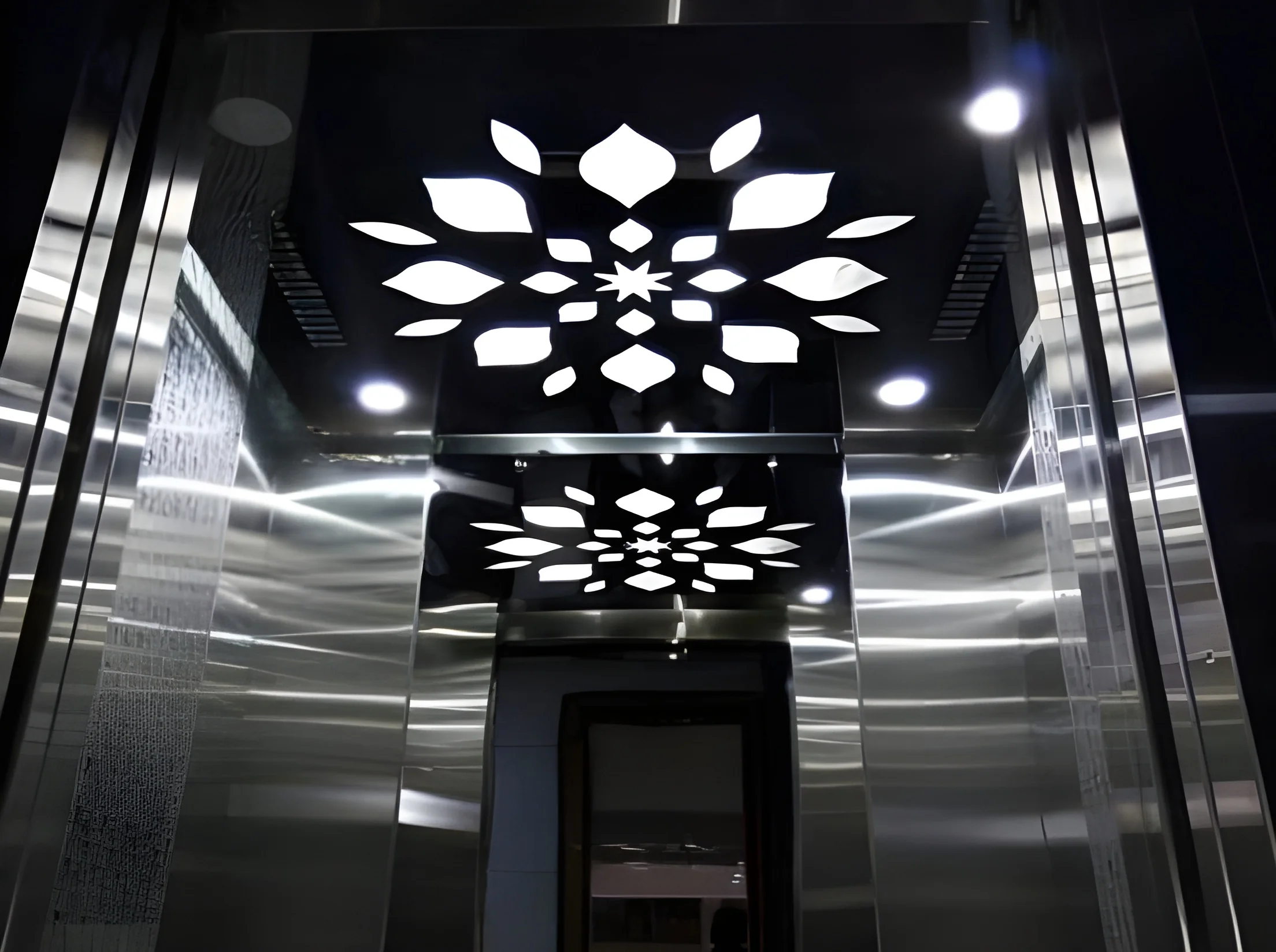
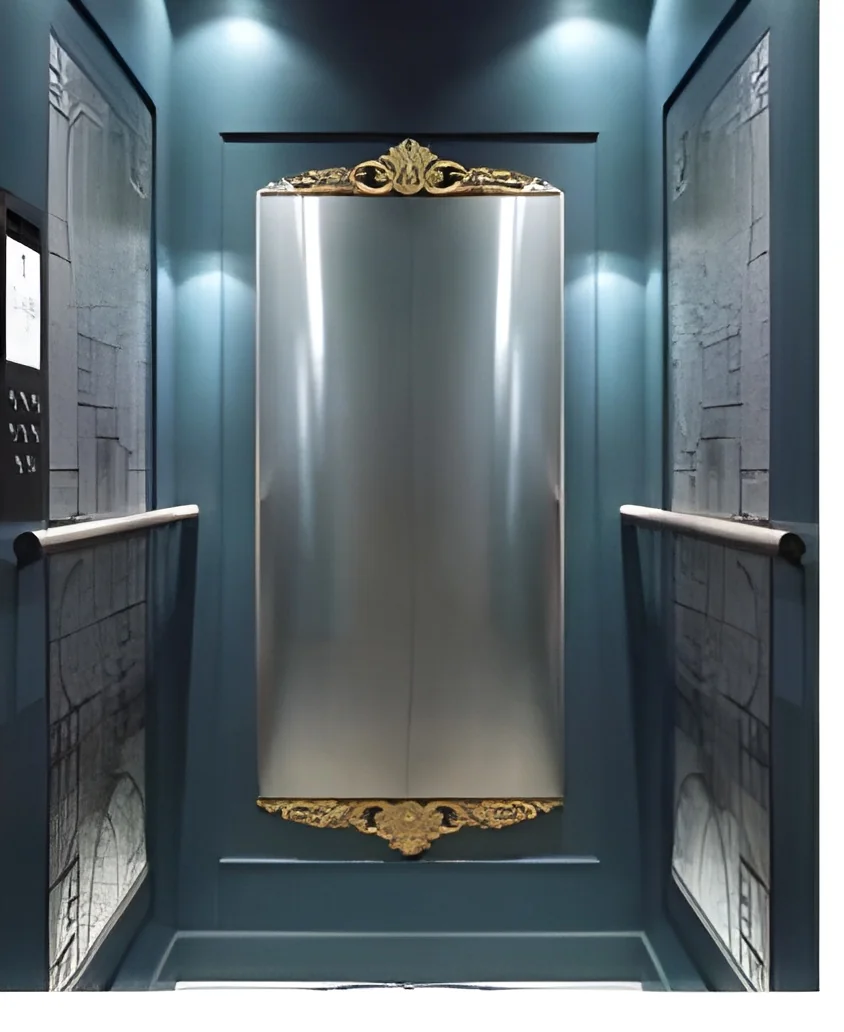
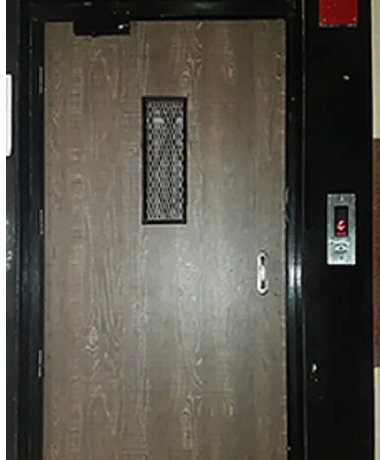
8. Design Options
- Various finishes and materials available to match home décor.
- Customization options for cabin interiors and exteriors.
These features ensure that residential passenger elevators meet the specific needs of homeowners while maintaining high standards of safety and performance.
Common Applications and Use Cases
Residential passenger elevators are versatile and serve various industries beyond just individual homes.
1. Luxury Homes: These elevators add a touch of elegance and convenience, allowing homeowners to transport goods and guests effortlessly between floors.
2. Assisted Living Facilities: Elevators are essential in facilities catering to seniors, providing easy access for individuals with mobility issues.
3. Multi-Unit Residential Buildings: In apartment complexes, elevators are vital for ensuring all residents have equal access to their living spaces.
4. Hotels and Resorts: Elevators enhance guest experience by providing quick access to different levels and amenities.
5. Home Offices: Many homeowners are integrating elevators to allow easy access to upper-level office spaces.
6. Medical Facilities: Elevators are crucial in clinics and small hospitals for transporting patients and equipment safely.
7. Retail Spaces: Some businesses utilize elevators to facilitate the movement of merchandise between floors in retail environments.
Product Variants and Subcategories
Residential passenger elevators come in various configurations to meet diverse needs.
Hydraulic Elevators
These elevators use a hydraulic system for smooth and quiet operation. They are ideal for low-rise residential buildings and can be installed in smaller spaces without extensive modifications.
Traction Elevators
Traction elevators use a pulley system and are known for their energy efficiency and faster travel speeds. They are suitable for taller residential buildings and provide a more spacious cabin.
Machine-Room-Less Elevators
These elevators eliminate the need for a separate machine room, saving space in residential designs. They are energy-efficient and are an excellent choice for modern homes.
Pneumatic Elevators
Using air pressure to move the cabin, pneumatic elevators are compact and can be installed in almost any home. They are often chosen for their unique design and ease of installation.
Benefits and Advantages
Investing in residential passenger elevators offers numerous advantages for homeowners.
Key benefits include:
1. Enhanced Accessibility: Elevators allow individuals of all ages and mobility levels to navigate multi-story homes with ease.
2. Increased Property Value: Homes equipped with elevators often see a significant increase in market value, attracting potential buyers.
3. Convenience: Elevators provide quick and effortless transport of people and goods, reducing strain on occupants.
4. Safety Features: Modern elevators are designed with advanced safety measures, providing peace of mind for users.
5. Customization Options: Homeowners can personalize elevator designs to match their interior décor, enhancing overall aesthetics.
6. Energy Efficiency: Many modern elevators are designed to be energy-efficient, contributing to lower utility costs over time.
Buying Guide for B2B Buyers
When sourcing residential passenger elevators for projects, it is essential to consider several factors to ensure a successful purchase.
1. Quality Assessment: Evaluate the materials and craftsmanship of the elevators. Look for certifications and ensure that the products meet industry standards.
2. Supplier Verification: Research potential suppliers to confirm their reliability and reputation in the market. Check for reviews and testimonials from previous clients.
3. Pricing and MOQ: Understand the pricing structure and minimum order quantities required by suppliers. This helps in budgeting and ensures you are getting competitive rates.
4. Delivery and Lead Times: Discuss logistics and expected delivery timelines with suppliers to ensure that your project schedule aligns with their capabilities.
5. Compliance Requirements: Ensure that the elevators meet local regulations and safety standards. Familiarize yourself with any necessary certifications required in your region.
Compliance and Certifications
Residential passenger elevators must adhere to various quality standards and certifications to ensure safety and performance.
ISO 9001 is a vital standard that focuses on quality management systems, ensuring that manufacturers maintain consistent quality in their products. Compliance with this standard indicates that the elevators are produced following strict quality assurance protocols.
CE certification is essential for elevators sold within the European market, ensuring that they meet necessary health, safety, and environmental protection requirements.
Safety and testing requirements vary by region, but they generally include rigorous testing of load capacity, emergency systems, and operational safety features.
It is crucial for buyers to understand regional compliance considerations, as regulations can differ significantly between countries or states. Awareness of these requirements helps prevent legal issues and ensures the elevators installed are safe for public use.
Why Source Residential Passenger Elevators from Pepagora?
Pepagora provides a trusted platform for sourcing residential passenger elevators, offering several key advantages to B2B buyers.
Verified Supplier Network: Pepagora connects buyers with a network of verified suppliers, ensuring that all products meet high-quality standards and regulatory requirements. This network allows buyers to source with confidence.
Streamlined RFQ Process: The request for quotation (RFQ) process on Pepagora is designed to be efficient and user-friendly. This system enables buyers to receive multiple quotes quickly, allowing for informed decision-making.
Trade Assurance and Support: Pepagora offers trade assurance, which protects buyers from potential risks associated with purchasing. This support includes assistance in case of disputes or issues with suppliers.
Regional Coverage: With a strong presence in India, the GCC, and Southeast Asia, Pepagora provides extensive regional coverage, allowing buyers to find local suppliers that understand their specific market needs. This geographic reach simplifies the sourcing process and enhances accessibility.



Frequently Asked Questions
What are Residential Passenger Elevators?
Residential Passenger Elevators are vertical transportation systems designed specifically for use in residential buildings. They facilitate the movement of people between different floors, enhancing accessibility and convenience in multi-story homes.
What are the different types of Residential Passenger Elevators?
There are several types of Residential Passenger Elevators, including hydraulic, traction, and machine room-less (MRL) elevators. Each type has distinct features and advantages, such as energy efficiency, space requirements, and installation costs.
How do I choose the right Residential Passenger Elevators?
Choosing the right Residential Passenger Elevator involves considering factors such as the building's height, available space, and user needs. It's also important to evaluate the elevator's capacity, speed, and safety features to ensure it meets your specific requirements.
What are the standard specifications for Residential Passenger Elevators?
Standard specifications for Residential Passenger Elevators typically include a weight capacity ranging from 300 to 2,500 pounds, a speed of 30 to 150 feet per minute, and various cab sizes. Compliance with local building codes and safety regulations is also essential.
What is the price range for Residential Passenger Elevators?
The price range for Residential Passenger Elevators can vary significantly based on type, features, and installation complexity, typically ranging from INR 5 lakhs to INR 20 lakhs. Additional costs may include maintenance, customization, and any necessary structural modifications.
What quality standards apply to Residential Passenger Elevators?
Residential Passenger Elevators must comply with various quality standards, including those set by the Bureau of Indian Standards (BIS) and international norms such as ISO 9001. These standards ensure safety, performance, and reliability in elevator design and operation.
Where can I find Residential Passenger Elevators suppliers in India?
You can find Residential Passenger Elevators suppliers in India through B2B marketplaces like Pepagora, industry directories, and trade shows. It's recommended to verify the suppliers' credentials and product offerings to ensure quality and reliability.
Can Residential Passenger Elevators be customized?
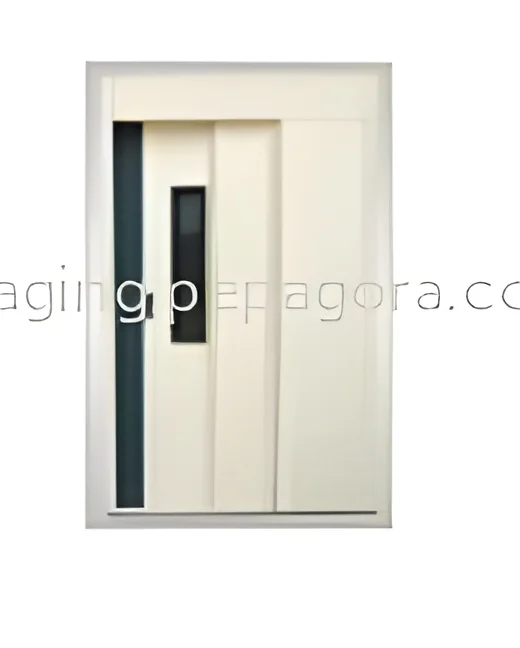
Yes, Residential Passenger Elevators can be customized to fit specific design preferences, dimensions, and functionality requirements. Options may include cab finishes, door types, and control systems to align with the homeowner's aesthetic and practical needs.
What is the typical minimum order quantity for Residential Passenger Elevators?
The typical minimum order quantity (MOQ) for Residential Passenger Elevators can vary by manufacturer, but it often starts at one unit. Suppliers may have different policies, so it's advisable to inquire directly for specific MOQs.
What is the typical lead time for Residential Passenger Elevators?
The typical lead time for Residential Passenger Elevators ranges from 8 to 12 weeks after placing an order, depending on the manufacturer and customization requirements. Factors such as production capacity and shipping logistics can also affect delivery times.
Why Businesses Trust Pepagora
Thousands of companies trust Pepagora to source smarter and sell faster
Expand Your Sales Globally

Source Smarter,Grow Faster
