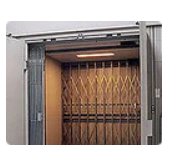
Key Features and Specifications
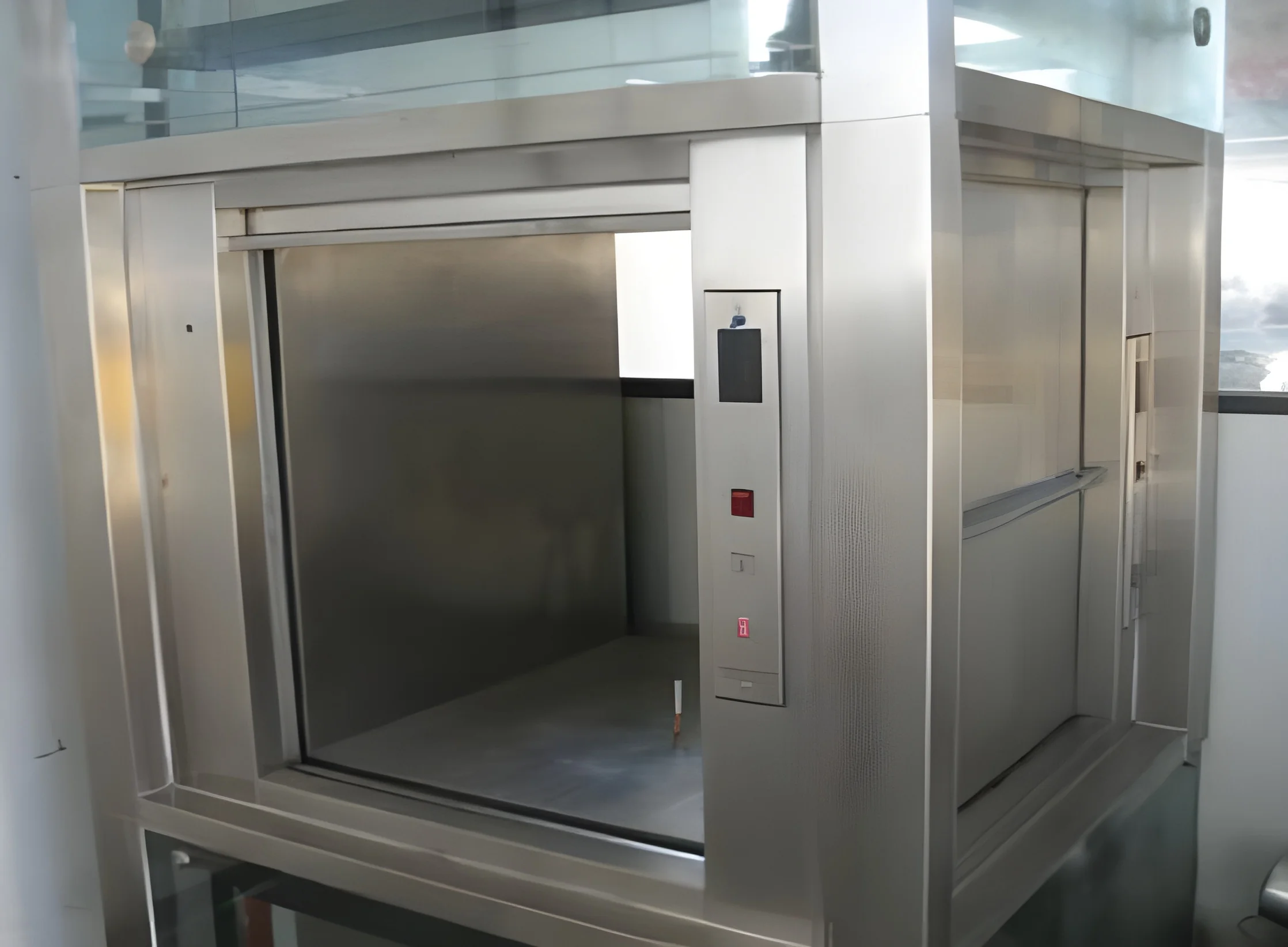
Service lifts are equipped with several key features that enhance their functionality and safety. Understanding these specifications is crucial for businesses looking to invest in this equipment.
Key specifications include:
1. Load Capacity
- Typically ranges from 50 kg to 500 kg depending on the model.
- Essential for determining the types of goods that can be transported.
2. Speed
- Average operating speed is between 0.3 m/s to 1.0 m/s.
- Impacts the efficiency of goods movement within a facility.
3. Lift Height
- Can vary from 2 meters to 10 meters or more.
- Important for businesses with multiple floors or extensive vertical transport needs.
4. Drive System
- Options include electric and hydraulic systems.
- Each system has its own advantages in terms of efficiency and maintenance.
5. Door Type
- Can feature automatic or manual doors.
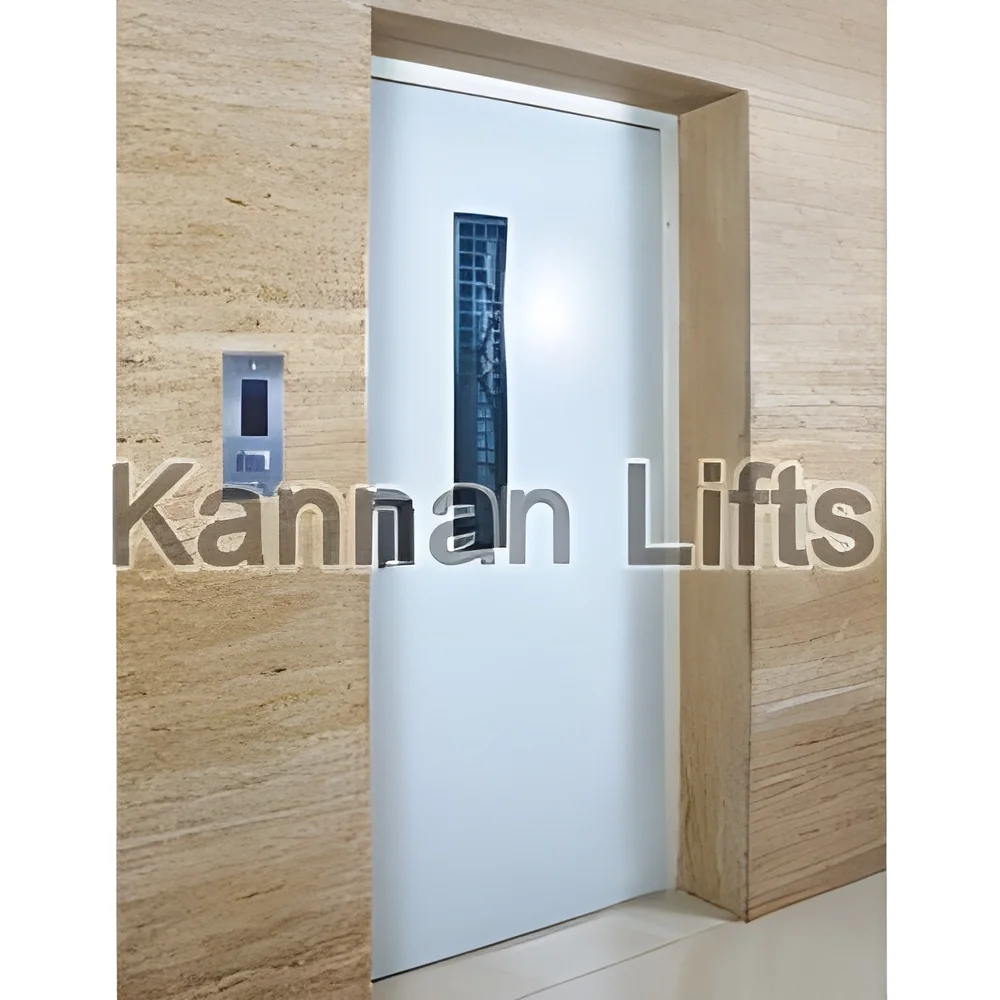
- Selection affects ease of access and loading/unloading processes.
6. Control System
- May include basic push-button controls or advanced touch screens.
- Affects user-friendliness and operational efficiency.
7. Safety Features
- Many models come with emergency stop buttons, overload sensors, and safety brakes.
- Crucial for compliance with industry safety standards.
8. Customization Options
- Some manufacturers offer bespoke designs based on specific business needs.
- Allows for tailored solutions that fit unique operational requirements.
In summary, understanding these key features and specifications is essential for businesses considering the purchase of service lifts. They contribute to operational efficiency, safety, and overall productivity in various applications.
Common Applications and Use Cases
Service lifts are versatile and serve numerous industries effectively. Their ability to transport goods safely and efficiently makes them invaluable in various settings.
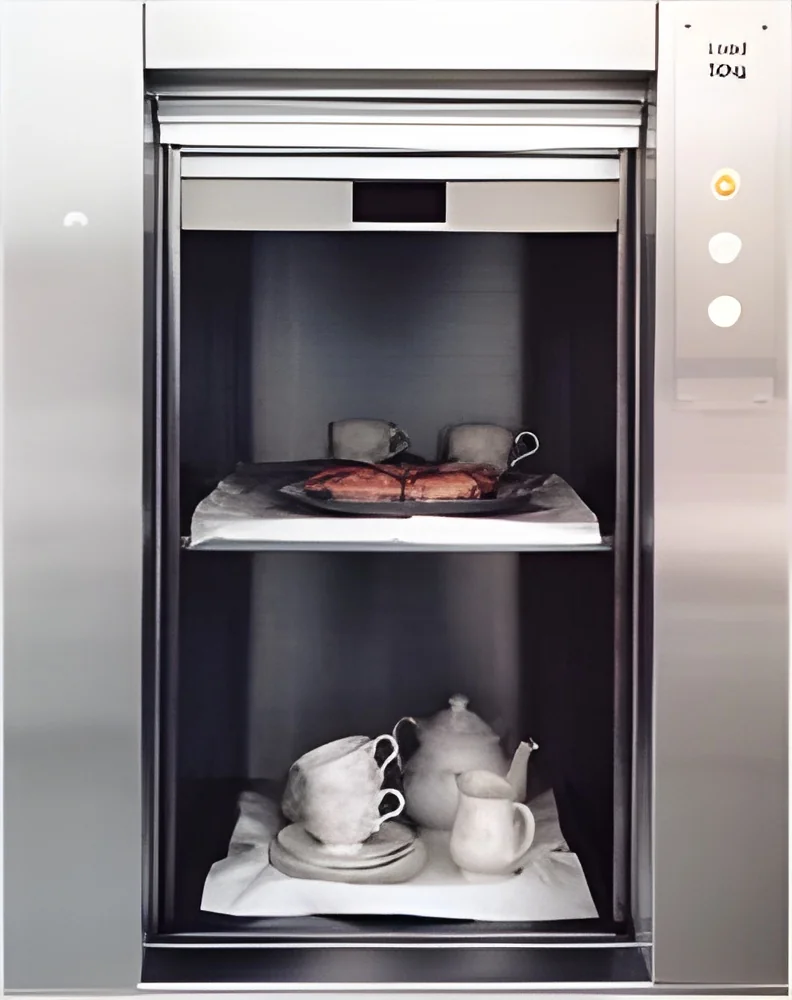
1. Restaurants: Service lifts are used to transfer food from kitchens to dining areas seamlessly, allowing staff to focus on customer service without the physical strain of carrying heavy trays.
2. Hotels: In hotels, these lifts facilitate the movement of linens, room service items, and equipment, ensuring a smooth operation across multiple floors.
3. Hospitals: Service lifts are critical in hospitals for transporting medical supplies, equipment, and even laundry, streamlining processes while maintaining hygiene standards.
4. Warehouses: In warehouses, these lifts help in moving products between different levels, improving workflow and reducing the risk of workplace injuries.
5. Retail Stores: Retail environments use service lifts for inventory management, allowing staff to easily move stock between storage areas and sales floors.
6. Libraries: Libraries benefit from service lifts by transporting books and materials between floors, enhancing accessibility for staff and patrons alike.
7. Manufacturing: In manufacturing settings, service lifts can move components and finished products between different areas of production, improving efficiency.
Product Variants and Subcategories
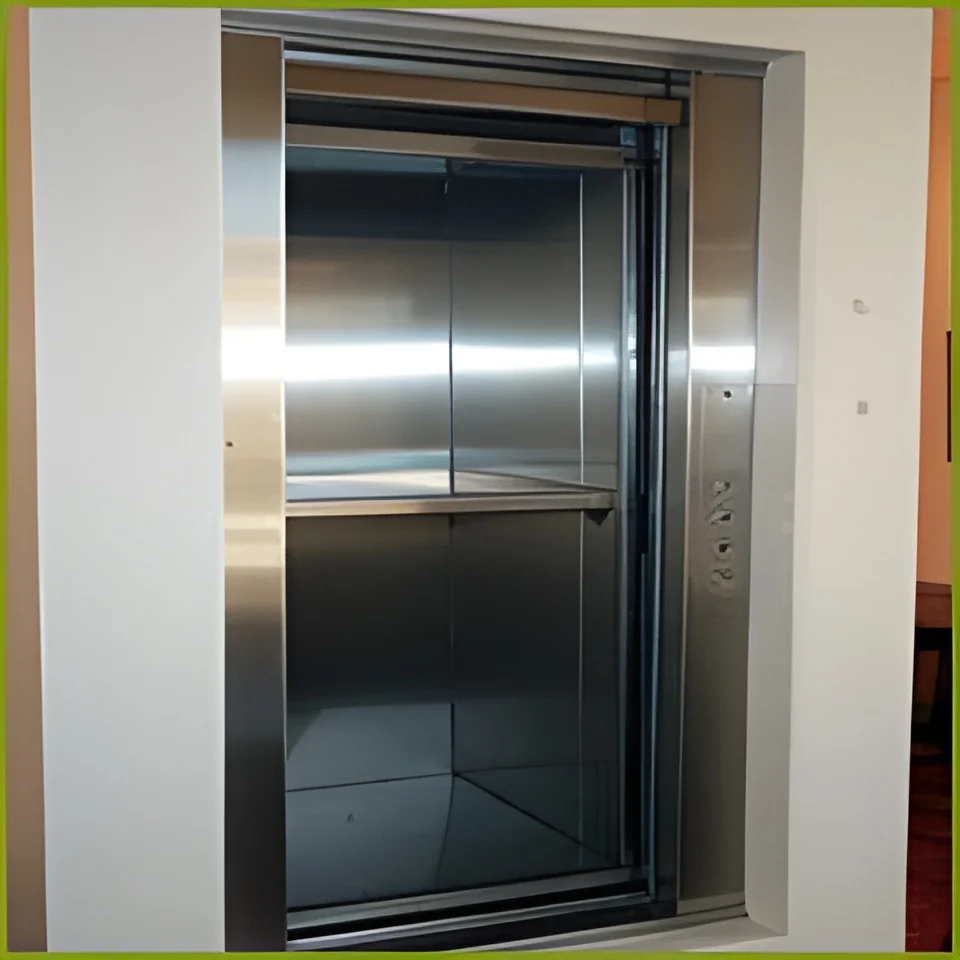
Service lifts come in various configurations to meet different operational needs, making them adaptable for various applications.
Standard Service Lift
This variant is designed for general-purpose use, suitable for transporting a variety of goods in commercial settings. It typically features a moderate load capacity and straightforward operation.
Heavy-Duty Service Lift
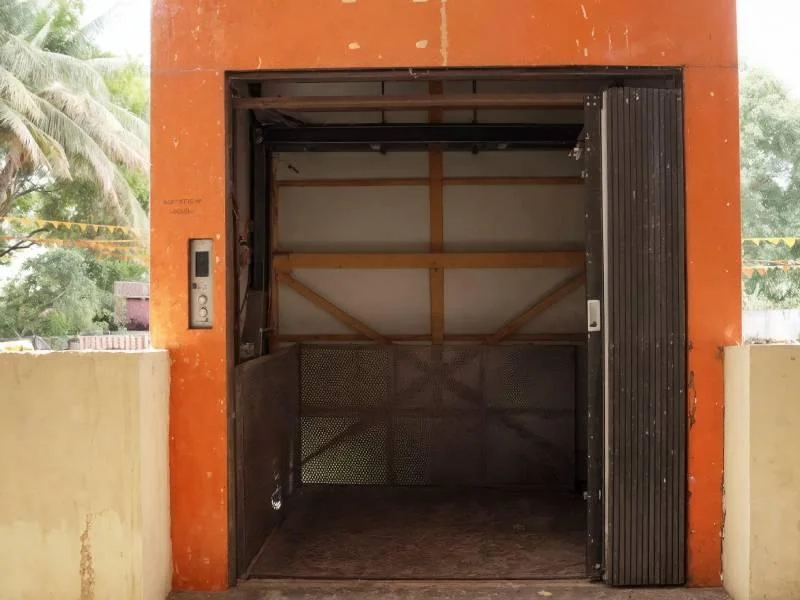
Engineered for demanding environments, heavy-duty service lifts can handle larger loads and are ideal for warehouses and industrial applications. They often include enhanced safety features and robust construction.
Compact Service Lift
Ideal for spaces with limited room, compact service lifts are designed for smaller loads and shorter distances. They are often used in residential buildings or small restaurants.
Benefits and Advantages
Investing in service lifts offers numerous benefits to businesses across different industries.
Key benefits include:
1. Increased Efficiency: Service lifts streamline the movement of goods, allowing staff to focus on more critical tasks and improving overall productivity.
2. Space Optimization: By utilizing vertical transport, service lifts help maximize limited floor space, making facilities more functional.
3. Enhanced Safety: Reducing the need for manual lifting decreases the risk of workplace injuries, promoting a safer environment for employees.
4. Cost-Effective: Over time, service lifts can reduce labor costs associated with transporting goods, providing a good return on investment.
5. Improved Workflow: Service lifts facilitate smooth operations by ensuring timely delivery of goods to various locations within a facility.
6. Versatility: With various models available, service lifts can be tailored to meet the specific needs of different businesses, enhancing their utility.
Buying Guide for B2B Buyers
When sourcing service lifts, businesses should consider several critical factors to ensure they make an informed decision.
1. Quality Assessment: Look for manufacturers that adhere to quality standards and offer products that have been rigorously tested for durability and reliability. Reviews and testimonials can provide insights into product performance.
2. Supplier Verification: Conduct thorough background checks on potential suppliers to ensure they are reputable. Verify their industry experience, certifications, and customer service record.
3. Pricing and MOQ: Understand the pricing structures and minimum order quantities (MOQ) from suppliers. This will help in budgeting and making cost-effective purchasing decisions.
4. Delivery and Lead Times: Inquire about delivery timelines and lead times to ensure that the service lifts can be installed and operational within your project schedule.
5. Compliance Requirements: Confirm that the service lifts meet all necessary regulatory and safety compliance standards relevant to your industry and region.
Compliance and Certifications
Service lifts must adhere to various quality standards and certifications to ensure safety and reliability.
Relevant quality standards, such as ISO 9001, guarantee that manufacturing processes meet international quality management criteria. This standard emphasizes consistency and quality in production, which is critical for equipment like service lifts.
Additionally, certifications like CE mark indicate compliance with European safety standards, assuring users that the lifts meet essential safety, health, and environmental protection requirements.
Safety and testing requirements are crucial as they ensure that service lifts operate safely under various conditions. This includes thorough assessments of load capacity, emergency protocols, and operational functionality.
Regional compliance considerations may vary, so it is vital for businesses to be aware of local regulations governing elevator and lift installations to avoid legal complications and ensure safety.
Why Source Service Lifts (Dumbwaiters) from Pepagora?
Pepagora offers a trusted platform for sourcing service lifts with several key advantages that benefit B2B buyers.
Verified Supplier Network: Pepagora takes pride in its comprehensive supplier verification process. This ensures that all listed suppliers are reputable and provide high-quality products, reducing the risk associated with purchasing decisions.
Streamlined RFQ Process: The request for quotation (RFQ) process on Pepagora is designed to be user-friendly, enabling businesses to obtain competitive quotes quickly. This efficiency allows buyers to make faster decisions in their purchasing process.
Trade Assurance and Support: Pepagora provides trade assurance, protecting buyers from potential risks associated with transactions. This includes support services that help navigate any issues that may arise during the procurement process.
Regional Coverage: With a strong presence in India, the GCC, and Southeast Asia, Pepagora offers extensive regional coverage, making it easier for businesses in these areas to access reliable service lift options tailored to their specific needs.

 IN
IN