What are Elevator Guide Rails & Shoes?
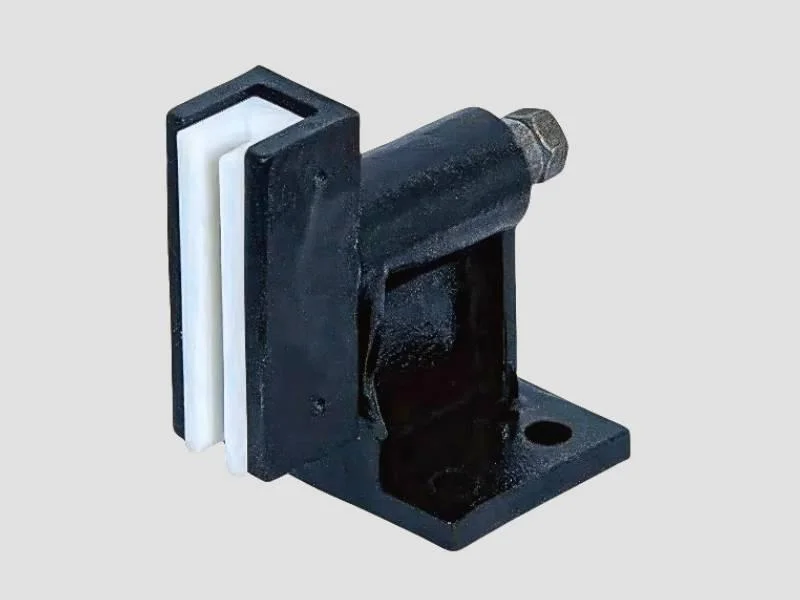
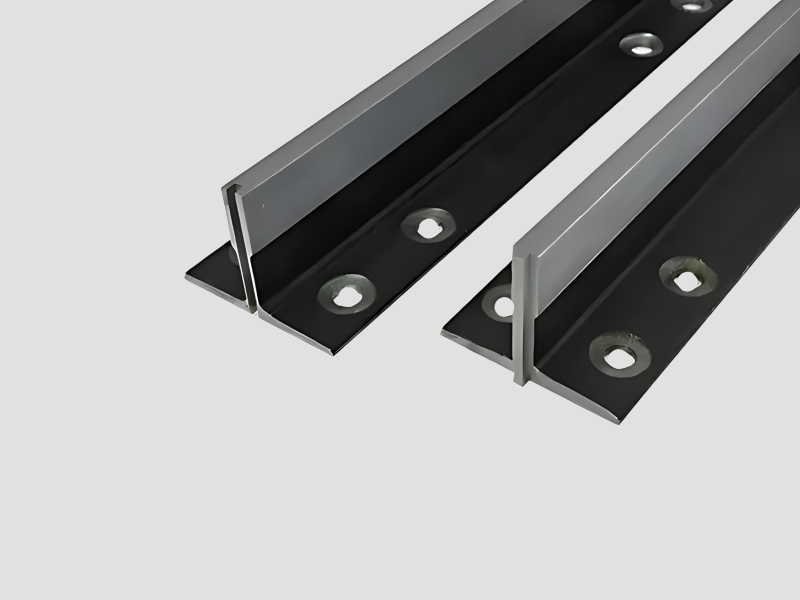
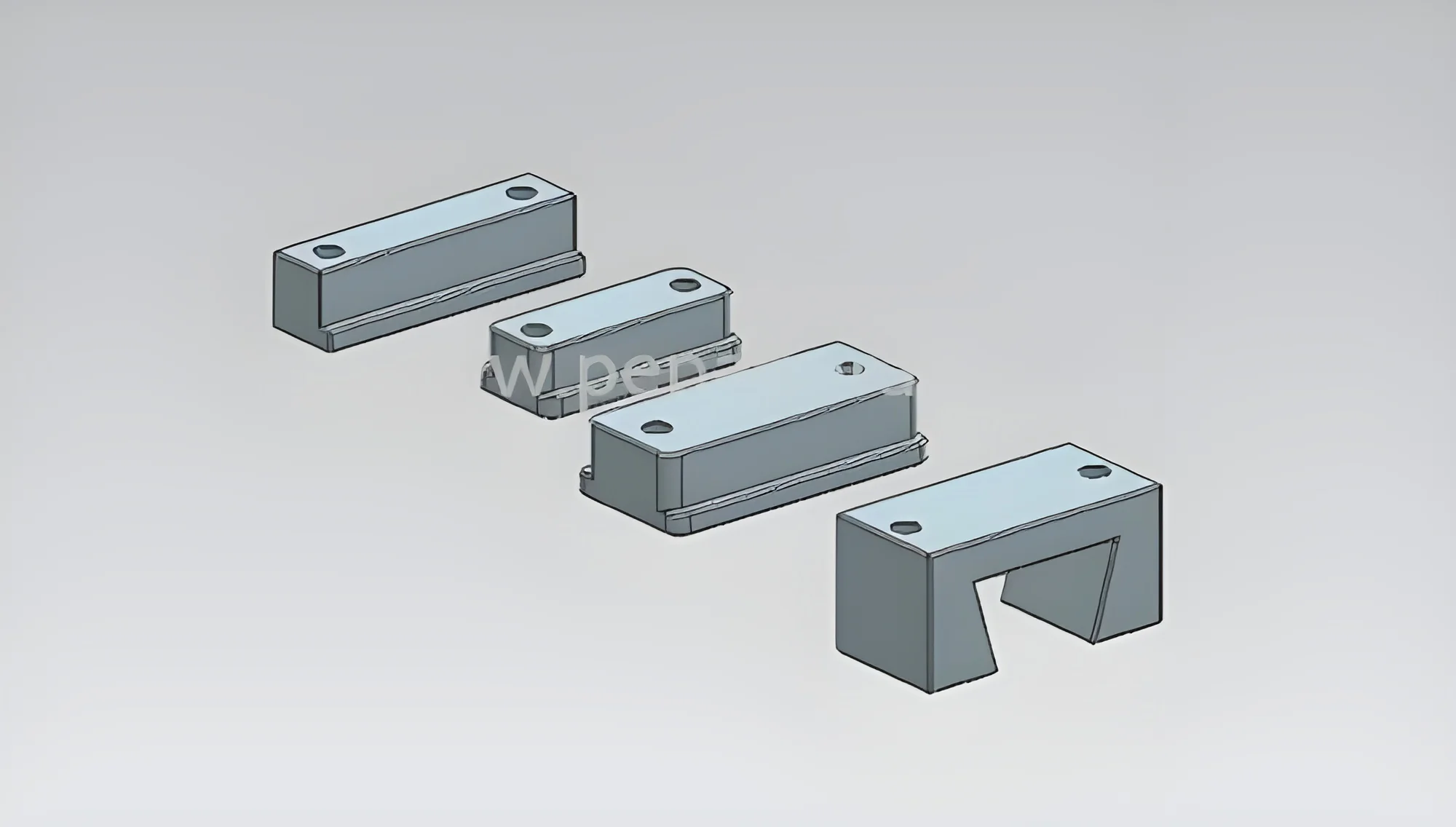
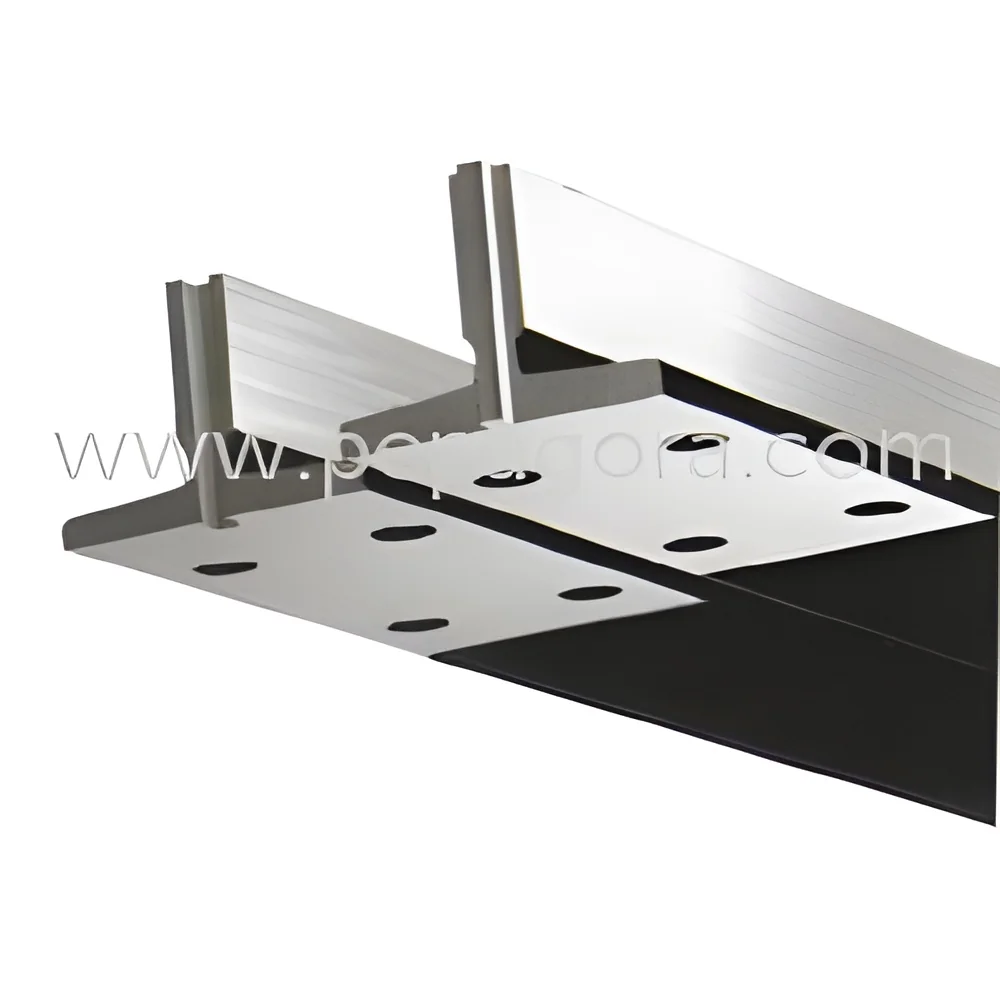
Elevator guide rails and shoes are essential components in the operation of elevators, ensuring smooth and efficient vertical movement. The guide rails, typically made of steel, serve as the tracks along which the elevator car moves. The shoes, fitted to the elevator car, help maintain stable contact with these rails, allowing the car to travel vertically with precision and minimal friction. This combination is critical for the safety and reliability of elevator systems.
Elevator guide rails and shoes are commonly used in various types of buildings, including residential, commercial, and industrial structures. They are crucial for both passenger and freight elevators, providing stability and support during operation. The demand for these components is driven by the ongoing need for vertical transportation solutions in urban environments and the growing emphasis on building safety and efficiency.
In the industrial context, the market for elevator guide rails and shoes is expanding, with advancements in technology leading to enhanced designs and materials. Companies are increasingly looking for high-quality, durable components that comply with safety standards. As urbanization continues, the relevance of these products in the construction and maintenance of elevators remains significant.
Key Features and Specifications
Elevator guide rails and shoes come with various features that enhance their performance and safety. Understanding these specifications is vital for selecting the right components for specific applications.
Key specifications include:
1. Material Composition
- Typically made from high-strength steel
- Designed to withstand significant wear and tear
2. Length Options
- Available in standard lengths to fit various elevator designs
- Custom lengths may be available based on project requirements
3. Weight Capacity
- Engineered to support specific load capacities
- Varies depending on the elevator's design and intended use
4. Surface Finish
- Coated for corrosion resistance
- Options include galvanized or painted finishes
5. Alignment Features
- Designed for precise alignment to ensure smooth operation
- May include adjustment mechanisms for installation accuracy
6. Installation Compatibility
- Compatible with different types of elevator systems
- Specific shoe designs for various rail profiles
7. Safety Features
- Designed to meet safety standards
- Incorporates features to prevent derailment
8. Testing Standards
- Manufactured to comply with industry testing standards
- Subjected to rigorous quality assurance processes
These specifications ensure that elevator guide rails and shoes perform reliably over time, contributing to the overall safety of elevator operations.
Common Applications and Use Cases
Elevator guide rails and shoes are utilized across various industries, reflecting their versatility and importance in different environments.
1. Commercial Buildings: In office towers and retail spaces, elevators rely on guide rails and shoes to provide efficient vertical transportation for employees and customers.
2. Residential Developments: High-rise apartments and condominiums utilize these components to ensure safe and smooth access to different floors for residents.
3. Industrial Facilities: In factories and warehouses, freight elevators depend on robust guide rails and shoes to transport goods efficiently.
4. Hospitals: Elevators in healthcare settings require reliable guide systems to move patients and medical equipment safely.
5. Hotels: In hospitality environments, elevator systems enhance guest experience by providing quick and reliable access to various floors.
6. Educational Institutions: Schools and universities utilize elevators for accessibility, ensuring safe transit for all students and staff.
7. Airports: Elevators in terminals rely on high-quality guide rails and shoes for reliable movement of passengers and luggage.
Product Variants and Subcategories
Elevator guide rails and shoes come in various configurations to meet specific application needs. This diversity ensures compatibility with different elevator systems.
Standard Guide Rails: These are the most commonly used rails, designed for general elevator applications. They offer a balance of strength and performance, suitable for most buildings.
Heavy-Duty Guide Rails: Engineered for high-capacity elevators, these rails are constructed from thicker materials to support greater loads. They are ideal for industrial applications where heavy freight is transported.
Custom Guide Rails: Tailored to meet unique project requirements, these rails can be manufactured to specific lengths and profiles, ensuring a perfect fit for specialized elevator designs.
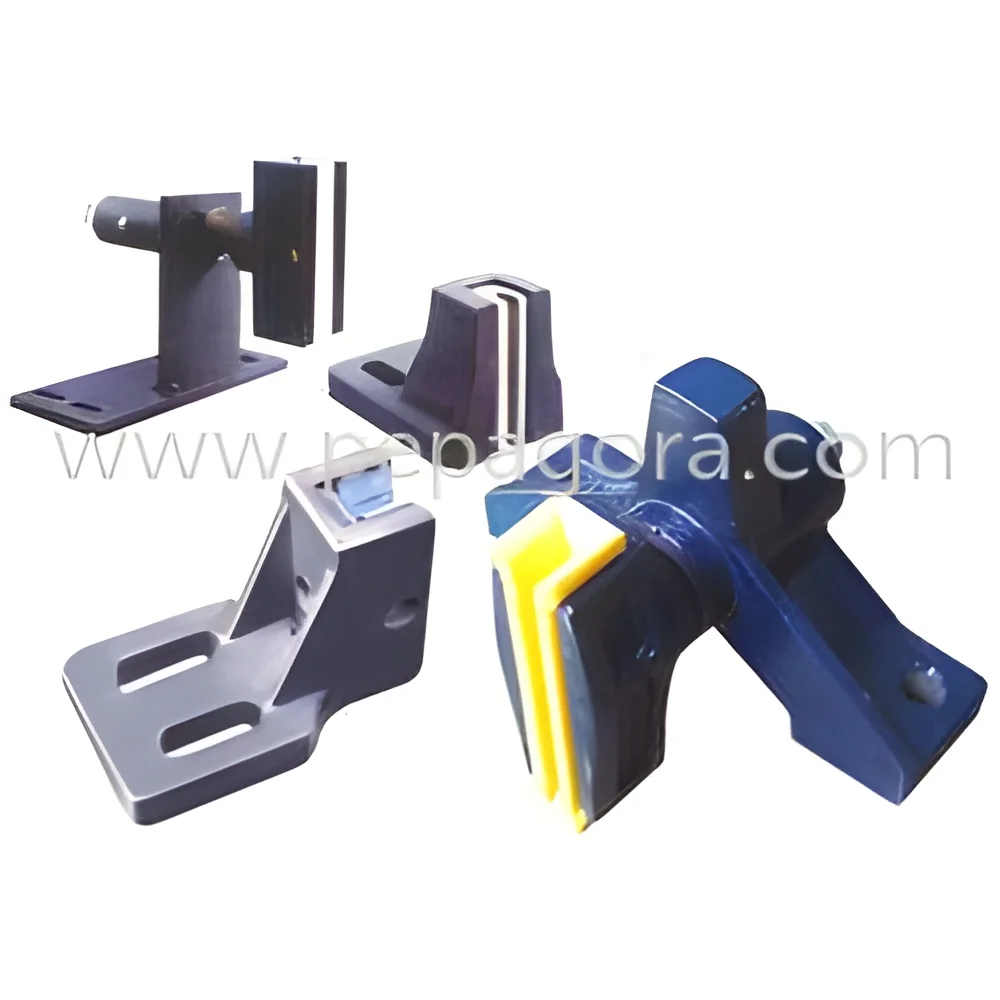
Standard Shoes: These shoes are designed for compatibility with standard guide rails, providing essential support and stability for elevator cars.
Heavy-Duty Shoes: Designed to work with heavy-duty guide rails, these shoes offer enhanced durability and support for high-capacity elevators.
Benefits and Advantages
Choosing the right elevator guide rails and shoes offers numerous benefits, enhancing the overall performance and safety of elevator systems.
1. Enhanced Safety: Reliable guide rails and shoes reduce the risk of elevator derailment, ensuring passenger safety.
2. Improved Efficiency: High-quality components facilitate smoother elevator operation, leading to shorter wait times and increased user satisfaction.
3. Durability: Made from robust materials, these components withstand wear and tear, minimizing maintenance needs and extending service life.
4. Customization Options: The ability to customize guide rails and shoes ensures that they meet specific project requirements, enhancing compatibility.
5. Compliance with Standards: Sourcing from reputable manufacturers ensures that products meet necessary safety and quality standards, providing peace of mind for buyers.
6. Cost-Effectiveness: Investing in durable components reduces long-term costs associated with repairs and replacements, providing better value over time.
Buying Guide for B2B Buyers
When considering the purchase of elevator guide rails and shoes, B2B buyers should focus on several key factors to ensure they make informed decisions.
1. Quality Assessment: Evaluate products based on material quality and manufacturing standards. Look for suppliers who adhere to recognized industry certifications.
2. Supplier Verification: Vet potential suppliers by reviewing their track record and customer feedback. Ensure they have a history of delivering reliable products.
3. Pricing and MOQ: Understand the pricing structure and minimum order quantities from different suppliers. This information helps in budgeting and making bulk purchases.
4. Delivery and Lead Times: Inquire about lead times and delivery logistics to align with project timelines. Reliable suppliers should provide clear information on expected delivery schedules.
5. Compliance Requirements: Ensure that the products comply with relevant industry regulations and standards. This consideration is crucial for safety and legal compliance.
Compliance and Certifications
Elevator guide rails and shoes must adhere to various quality standards and certifications to ensure safety and performance. ISO 9001 is a widely recognized standard that signifies quality management systems in manufacturing. Compliance with such standards assures buyers of consistent quality in production processes.
Additionally, industry certifications such as CE mark indicate that products meet European safety, health, and environmental protection standards. These certifications are vital for products used in construction and transportation, as they assure compliance with regulatory requirements.
Safety and testing requirements are critical for ensuring that elevator components perform reliably under expected loads and conditions. Rigorous testing processes help identify any potential weaknesses, ensuring that products can withstand the demands of daily operation.
Regional compliance considerations may vary based on local regulations, making it essential for buyers to be aware of specific requirements in their geographic area.
Why Source Elevator Guide Rails & Shoes from Pepagora?
Pepagora provides a trusted platform for sourcing elevator guide rails and shoes, offering several key advantages to B2B buyers.
Verified Supplier Network: Pepagora collaborates with a network of verified suppliers, ensuring that buyers receive high-quality products from reputable manufacturers. This verification process helps build trust and confidence in sourcing decisions.
Streamlined RFQ Process: The platform features an efficient request for quotation (RFQ) system, allowing buyers to easily compare prices and specifications from multiple suppliers. This streamlined approach saves time and enables informed purchasing decisions.
Trade Assurance and Support: Pepagora offers trade assurance to protect buyers in their transactions. This support includes dispute resolution and other buyer protection measures, ensuring a secure purchasing experience.
Regional Coverage: With a strong presence in India, the GCC, and Southeast Asia, Pepagora provides access to a wide range of suppliers and products across these regions. This geographic reach facilitates sourcing for buyers looking for local or international options.
By choosing Pepagora, buyers can confidently source elevator guide rails and shoes that meet their specific needs while enjoying the benefits of a reliable and efficient platform.

 IN
IN