What are Glass Elevators?
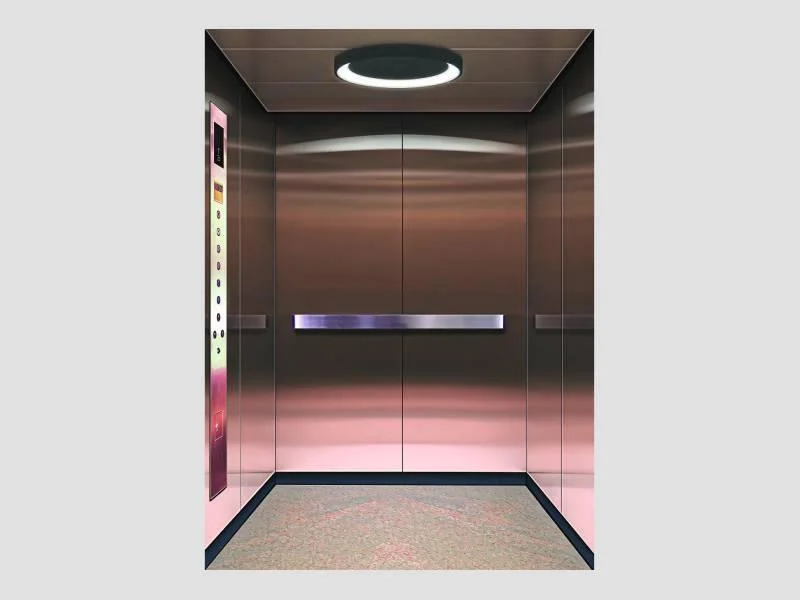
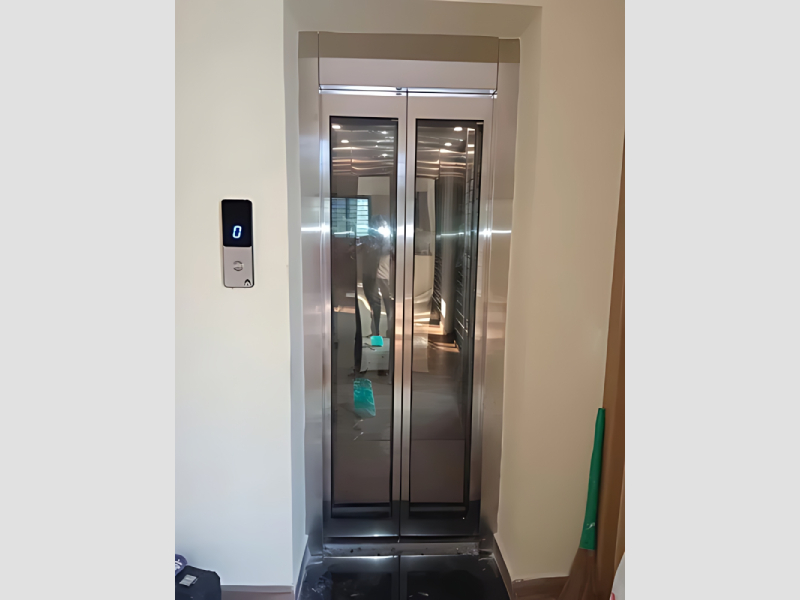
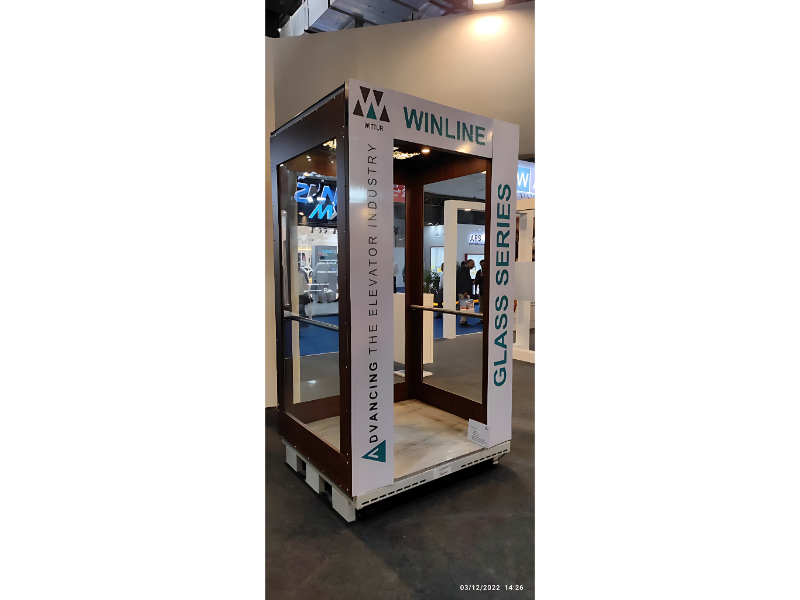
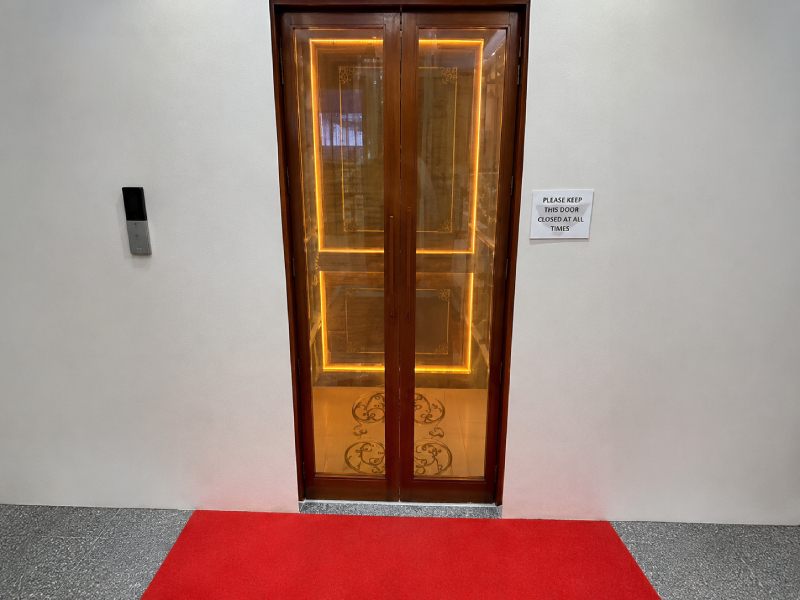
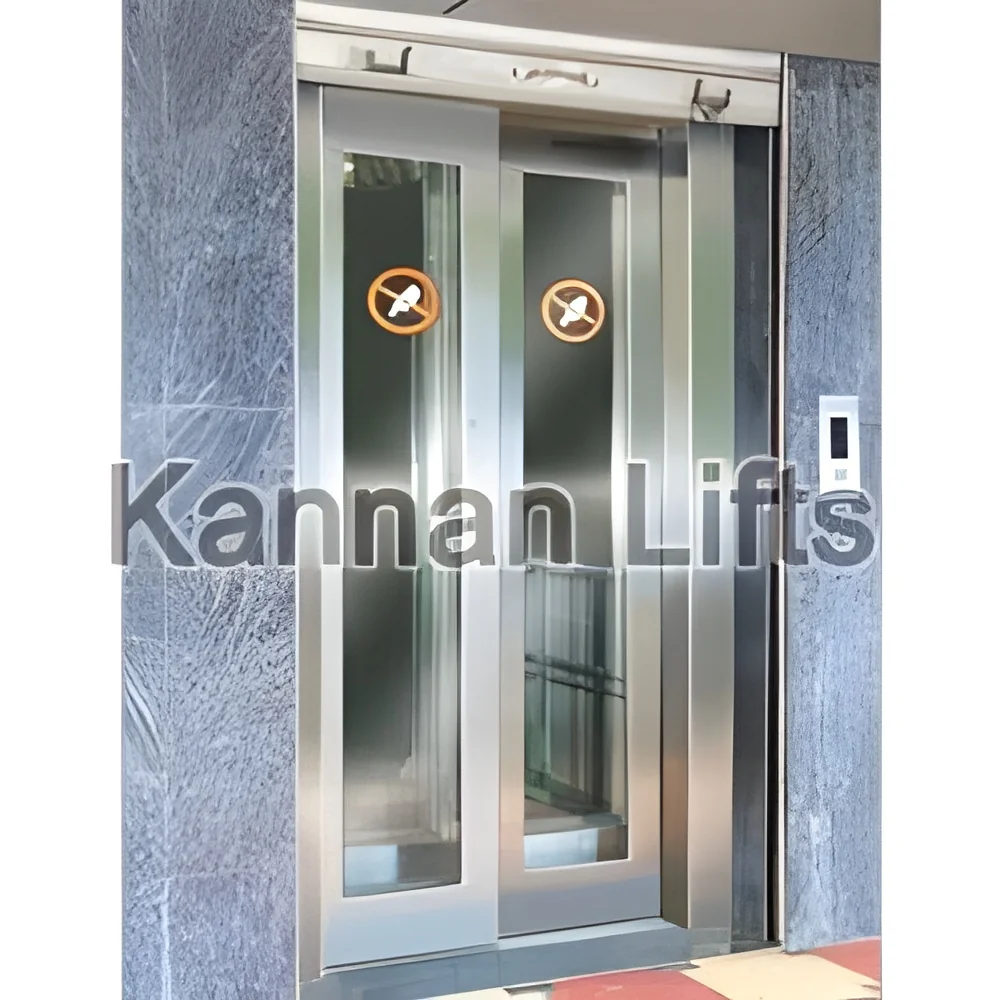
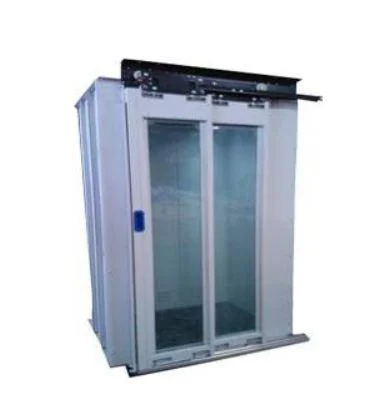
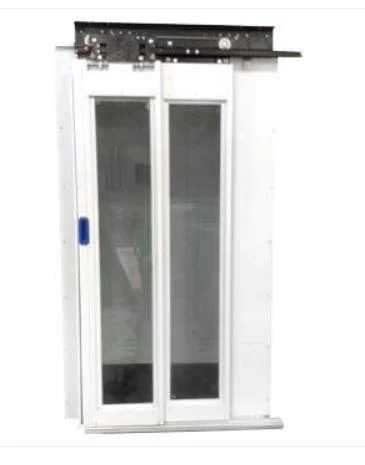
Glass elevators are modern vertical transportation systems that utilize glass for their construction, providing an open and transparent experience for passengers. These elevators are designed to enhance the aesthetic appeal of buildings while offering functionality and ease of access. Their unique design allows users to enjoy panoramic views as they travel between different levels, making them a popular choice in high-rise buildings, shopping malls, and luxury hotels.
The primary applications of glass elevators include commercial spaces, residential buildings, and public venues where both functionality and design are critical. They are frequently used in environments that prioritize customer experience, such as showrooms, museums, and transit stations. As a result, the demand for glass elevators has grown significantly in recent years, reflecting broader trends toward openness and transparency in architecture and urban design.
In the current market, glass elevators are relevant not only for their aesthetic contributions but also for their integration into smart building technologies. Their ability to improve accessibility and enhance the overall user experience makes them a valuable addition to any modern structure, aligning with the industry's move towards creating more inviting and accessible spaces.
Key Features and Specifications
Glass elevators are known for their distinct features and advanced specifications that cater to various needs. Their design is not only visually appealing but also engineered for safety and efficiency.
Key specifications include:
1. Structural Design
- Made from high-strength tempered glass for safety and durability
- Offers a seamless and unobstructed view
2. Load Capacity
- Typically ranges from 450 to 2,500 kilograms
- Designed to accommodate varying passenger loads depending on the application
3. Speed
- Common operational speeds range from 1 to 3 meters per second
- Designed for efficient vertical transport without compromising passenger comfort
4. Control Systems
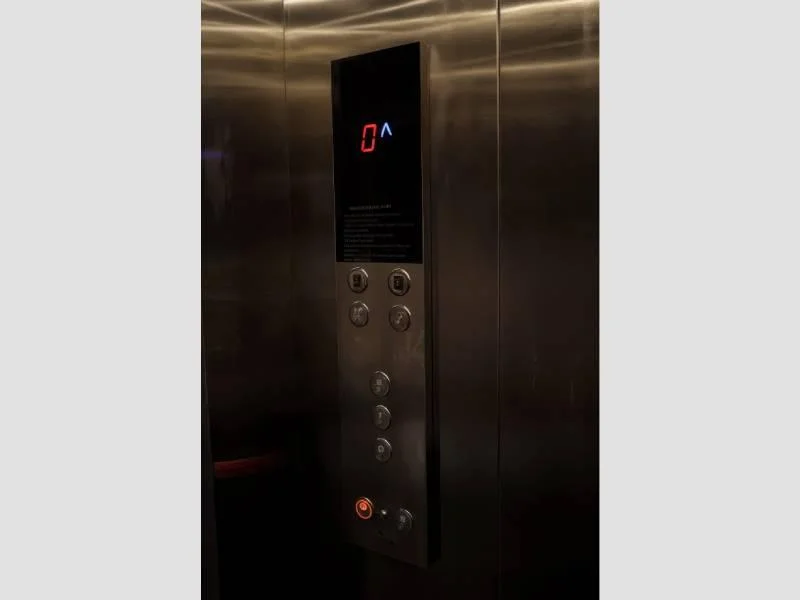
- Equipped with advanced control systems for smooth operation
- Features include touchless controls and smart building integration
5. Safety Features
- Includes emergency braking systems and alarm systems
- Designed to comply with international safety standards
6. Energy Efficiency
- Many models are designed to consume less energy compared to traditional elevators
- Integration of regenerative drive systems for energy savings
7. Customization Options
- Available in various designs and finishes to match building aesthetics
- Can be tailored for specific applications and environments
8. Maintenance Requirements
- Designed for low maintenance with easy access for servicing
- Regular inspections recommended to ensure optimal performance
Glass elevators combine cutting-edge technology with elegant design, making them a compelling choice for modern buildings.
Common Applications and Use Cases
Glass elevators are utilized across a variety of industries, showcasing their versatility and functionality.
1. Commercial Buildings: Glass elevators are commonly used in office complexes and retail spaces, allowing for efficient movement between floors while enhancing the overall ambiance.
2. Hospitality Industry: Hotels and resorts often feature glass elevators to provide guests with scenic views and an impressive arrival experience.
3. Museums and Exhibition Halls: Glass elevators allow visitors to enjoy art and exhibits from different perspectives while ensuring easy access to all levels.
4. Residential Properties: High-end apartments and condominiums use glass elevators to add a touch of luxury and facilitate smooth transportation for residents.
5. Healthcare Facilities: Hospitals and clinics utilize glass elevators to ensure accessibility for patients and visitors, promoting a welcoming atmosphere.
6. Educational Institutions: Universities and schools incorporate glass elevators to improve accessibility and create an open learning environment.
7. Transportation Hubs: Airports and train stations often feature glass elevators to enhance passenger experience and provide easy navigation throughout the facility.
These applications underline the importance of glass elevators in creating functional, aesthetically pleasing environments.
Product Variants and Subcategories
Glass elevators come in various configurations to meet specific needs in different environments.
Passenger Glass Elevators
These are designed primarily for transporting people within commercial and residential buildings. They offer spacious cabins and are engineered for comfort and efficiency, catering to high passenger volumes.
Freight Glass Elevators
These elevators are built to transport goods and heavy items, often found in retail and industrial settings. They feature larger cabins and robust weight capacities to accommodate diverse cargo.
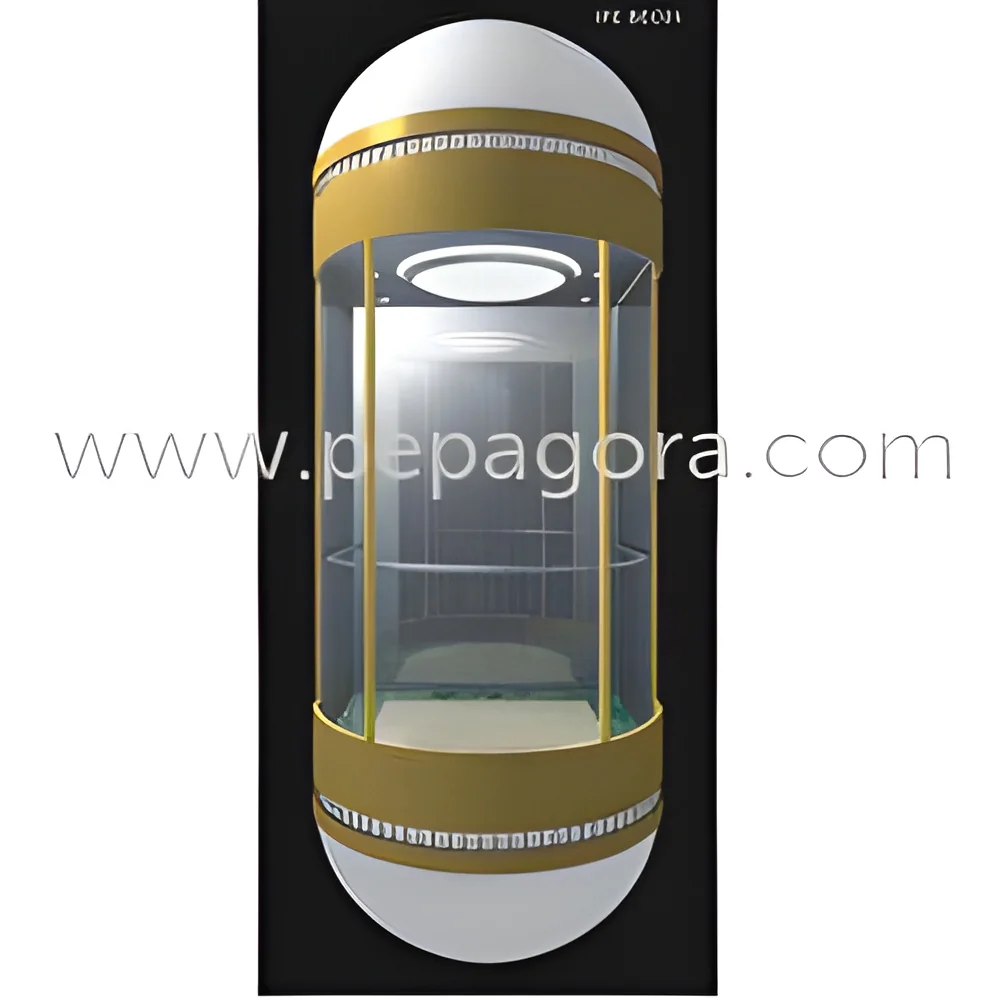
Panoramic Glass Elevators
Panoramic models are designed for visibility and aesthetic appeal, often installed in hotels, malls, and scenic locations. They provide sweeping views during travel, enhancing the user experience.
Benefits and Advantages
The use of glass elevators offers numerous benefits that enhance both user experience and operational efficiency.
1. Aesthetic Appeal: Glass elevators contribute to a modern and elegant design in buildings, enhancing their visual attractiveness.
2. Enhanced Visibility: Passengers enjoy panoramic views during transit, making the experience more enjoyable and engaging.
3. Space Efficiency: Glass elevators can be designed to occupy minimal space while providing maximum functionality, ideal for buildings with limited room.
4. Accessibility: They improve access for individuals with mobility challenges, complying with modern accessibility standards.
5. Energy Efficiency: Many glass elevators are designed to be energy-efficient, helping reduce operational costs over time.
6. Customization: Glass elevators can be tailored to fit the specific design and functional needs of any building, allowing for unique implementations.
Buying Guide for B2B Buyers
When sourcing glass elevators, it is essential for B2B buyers to consider several critical factors to ensure the best investment.
1. Quality Assessment: Evaluate the materials and construction quality of the elevators. Look for certifications and standards that guarantee safety and performance.
2. Supplier Verification: Vet suppliers by checking their reputation, customer reviews, and previous projects to ensure reliability and expertise.
3. Pricing and MOQ: Understand the pricing structure and minimum order quantities to align with your budget and project needs.
4. Delivery and Lead Times: Discuss logistics with suppliers to ensure timely delivery and installation, which is crucial for project planning.
5. Compliance Requirements: Ensure that the elevators meet local and international compliance standards, including safety and accessibility regulations.
Compliance and Certifications
Compliance and certification are critical factors in the glass elevator industry. Glass elevators should adhere to relevant quality standards such as ISO 9001, which ensures that the manufacturing process meets internationally recognized quality management principles.
Additionally, CE certification is essential for products sold in European markets, indicating compliance with safety, health, and environmental protection standards.
Safety and testing requirements are paramount for glass elevators, ensuring that they function reliably and securely under various conditions. Regular testing and maintenance help uphold these standards and ensure continued compliance.
Furthermore, regional compliance considerations may vary, so it is important for manufacturers and buyers to be aware of specific regulations in their area.
Why Source Glass Elevators from Pepagora?
Pepagora provides a trusted platform for sourcing glass elevators, offering several key advantages to B2B buyers.
Verified Supplier Network: Pepagora connects buyers with a network of verified suppliers, ensuring that all partners meet high standards of quality and reliability. This reduces the risk associated with sourcing and enhances buyer confidence.
Streamlined RFQ Process: The Request for Quotation system on Pepagora simplifies the bidding process, allowing buyers to receive competitive quotes from multiple suppliers quickly. This efficiency helps in making informed purchasing decisions.
Trade Assurance and Support: Pepagora offers trade assurance to protect buyers, ensuring that transactions are secure and that suppliers fulfill their commitments. This support adds an extra layer of security in the sourcing process.
Regional Coverage: With a focus on markets in India, the GCC, and Southeast Asia, Pepagora provides extensive geographic reach, enabling buyers to find suitable suppliers that meet their specific regional needs.
By choosing Pepagora for sourcing glass elevators, buyers can ensure a smooth and secure purchasing experience.

 IN
IN