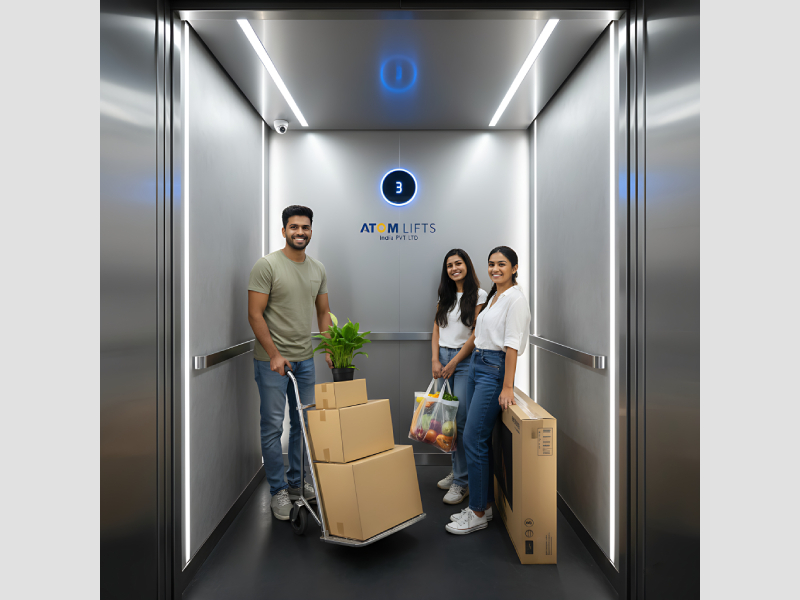
𝗪𝗵𝗮𝘁 𝗮𝗿𝗲 𝗟𝗶𝗳𝘁𝘀 & 𝗘𝗹𝗲𝘃𝗮𝘁𝗼𝗿𝘀?
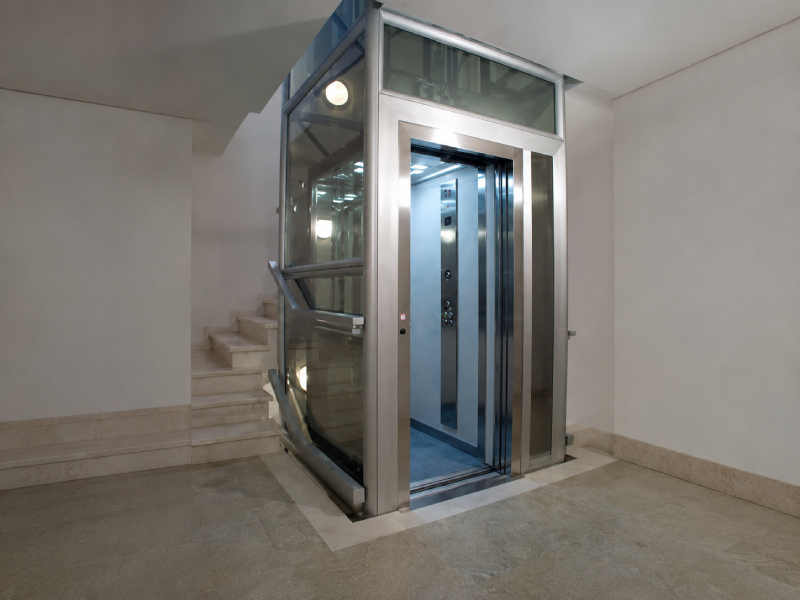
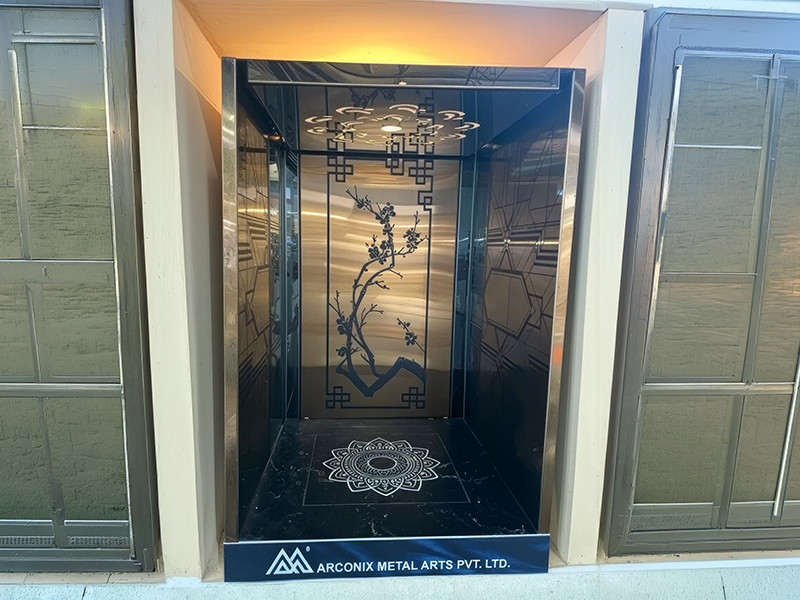
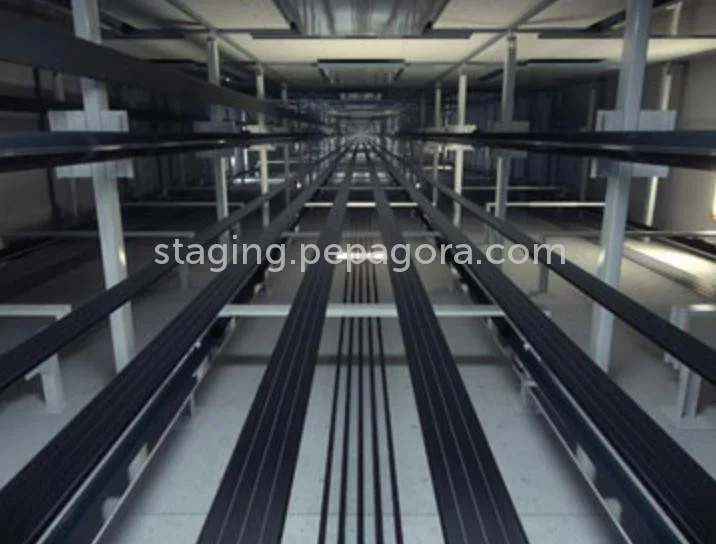
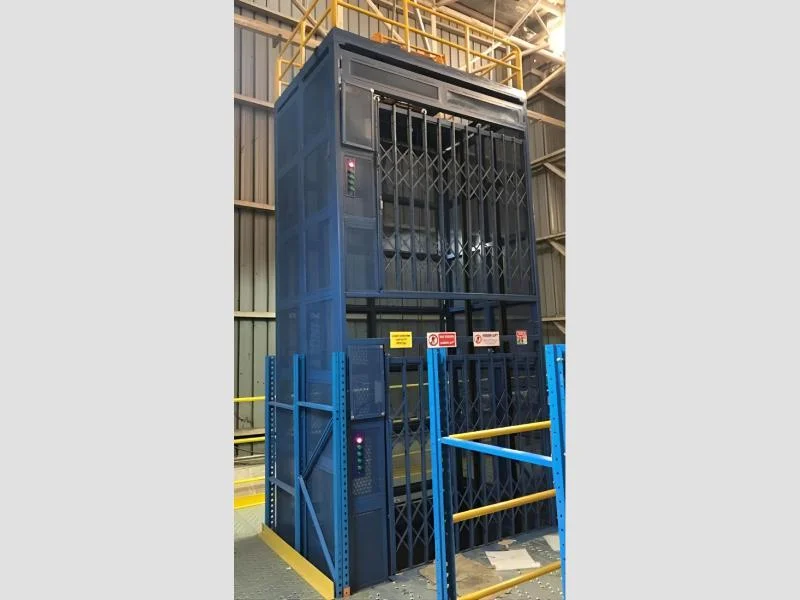
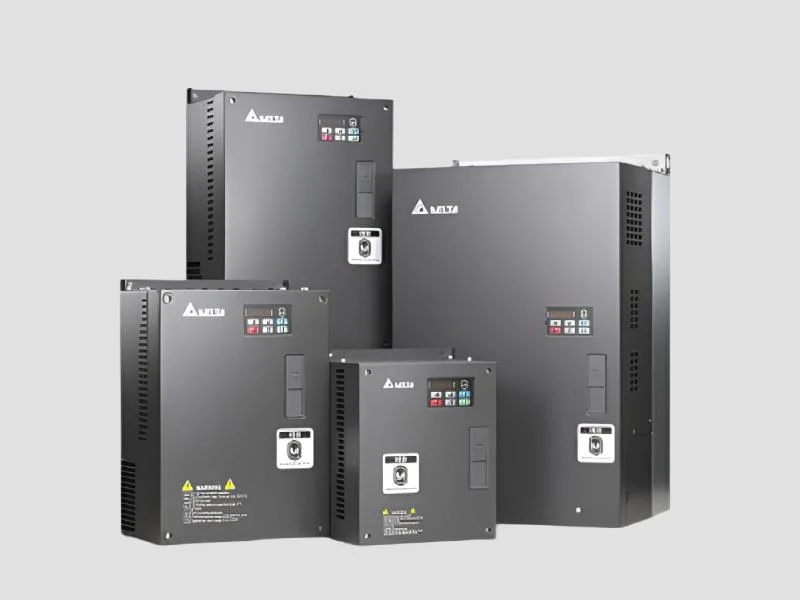
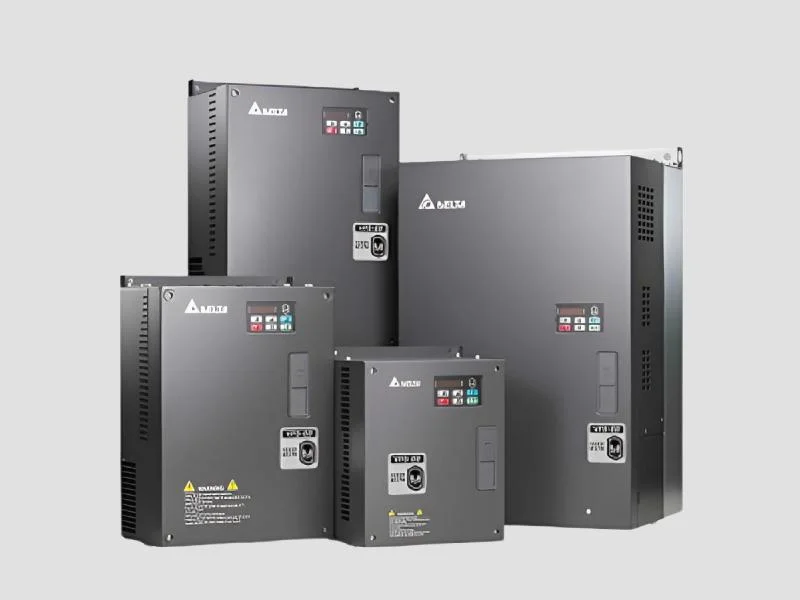
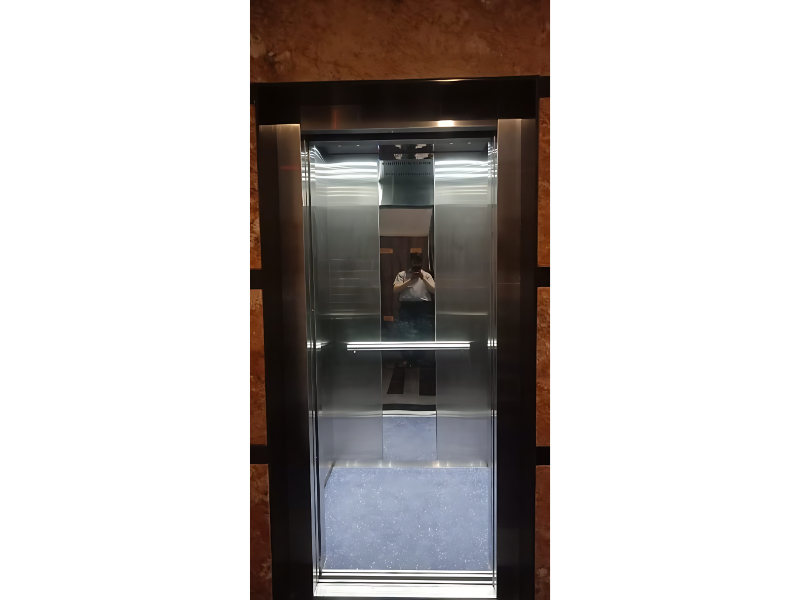
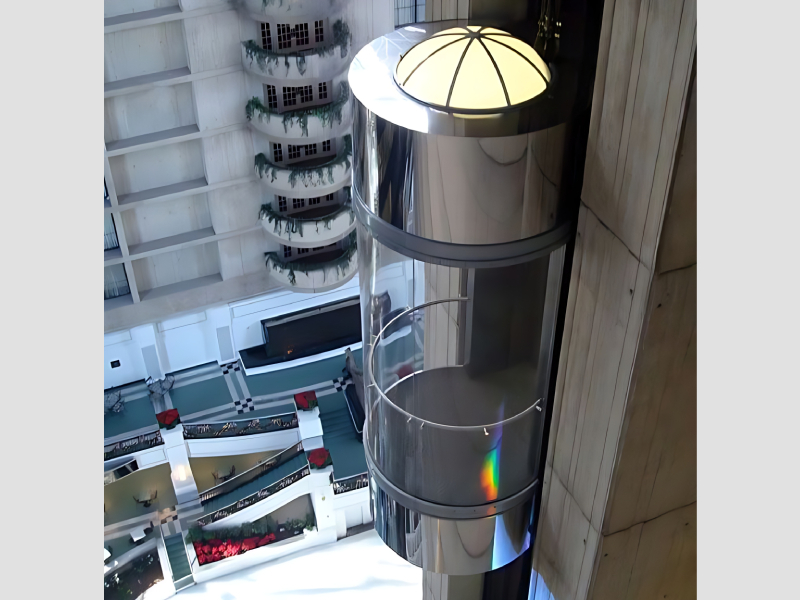
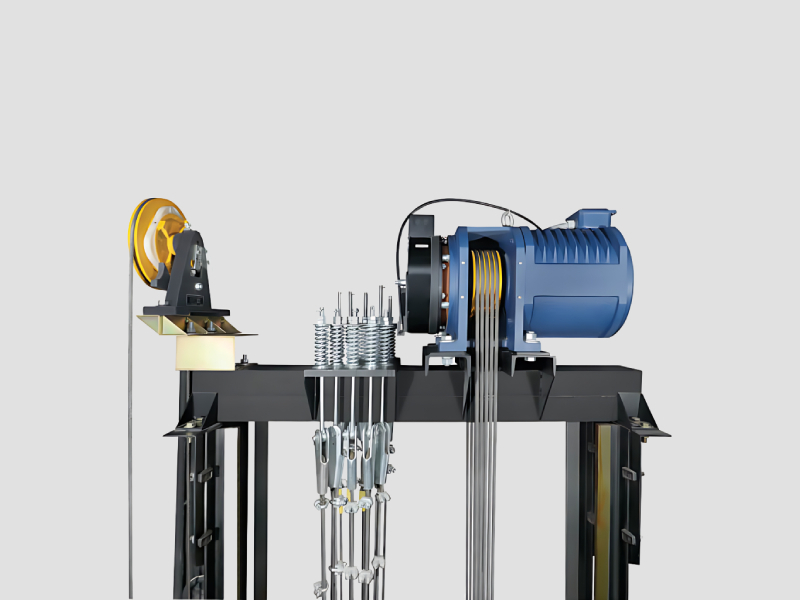
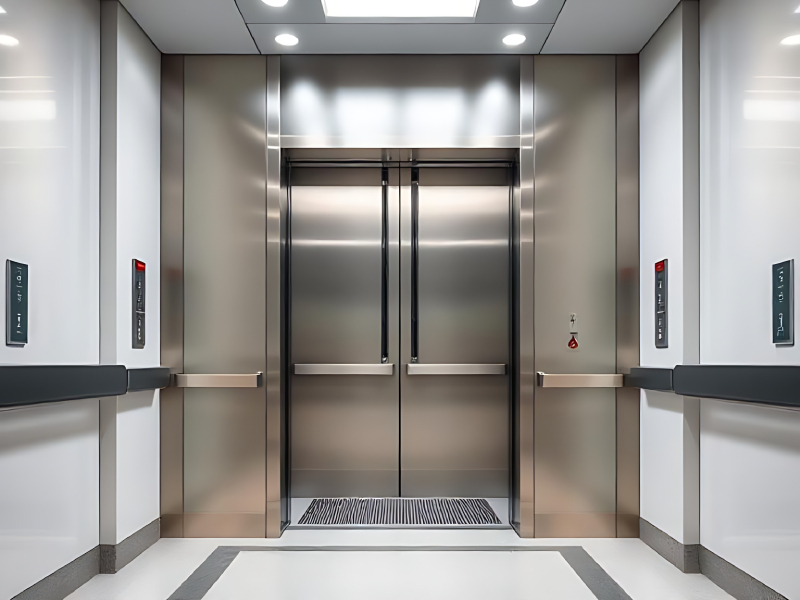
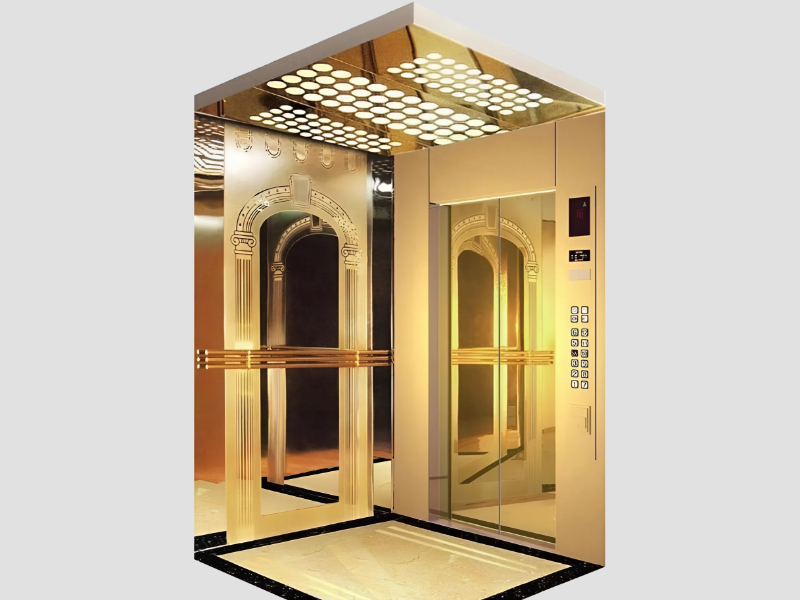
Lifts and elevators are vertical transportation systems designed to move people and goods between different levels of a building. They consist of a car, a hoisting mechanism, and a control system that ensures safe and efficient operation. Lifts can be powered by various technologies, including hydraulic, traction, and pneumatic systems. They are an essential feature in modern architecture, enhancing accessibility and convenience within multi-story structures.
These systems are primarily used in commercial, residential, and industrial settings. In commercial spaces, they facilitate the movement of employees and customers, while in industrial environments, they are used to transport heavy loads between floors. The increasing urbanization and the rise in high-rise buildings have driven the demand for efficient lift and elevator systems. As a result, the global market for these systems is expanding, with innovations focusing on energy efficiency and safety.
𝗞𝗲𝘆 𝗙𝗲𝗮𝘁𝘂𝗿𝗲𝘀 𝗮𝗻𝗱 𝗦𝗽𝗲𝗰𝗶𝗳𝗶𝗰𝗮𝘁𝗶𝗼𝗻𝘀
Lifts and elevators come equipped with a range of features designed to enhance usability, safety, and performance. Understanding the specifications is crucial for businesses looking to invest in these systems.
Key specifications include:
1. Load Capacity
- This specification defines the maximum weight the lift can transport.
- Typical ranges vary from 300 kg for smaller residential lifts to over 5,000 kg for industrial elevators.
2. Speed
- The speed of the lift is a critical factor in its efficiency.
- Speeds can range from 0.5 m/s for residential applications to 10 m/s for high-rise buildings.
3. Travel Height
- This indicates the maximum vertical distance the lift can cover.
- Standard travel heights can range from a few meters in low-rise buildings to over 200 meters for skyscrapers.
4. Door Type
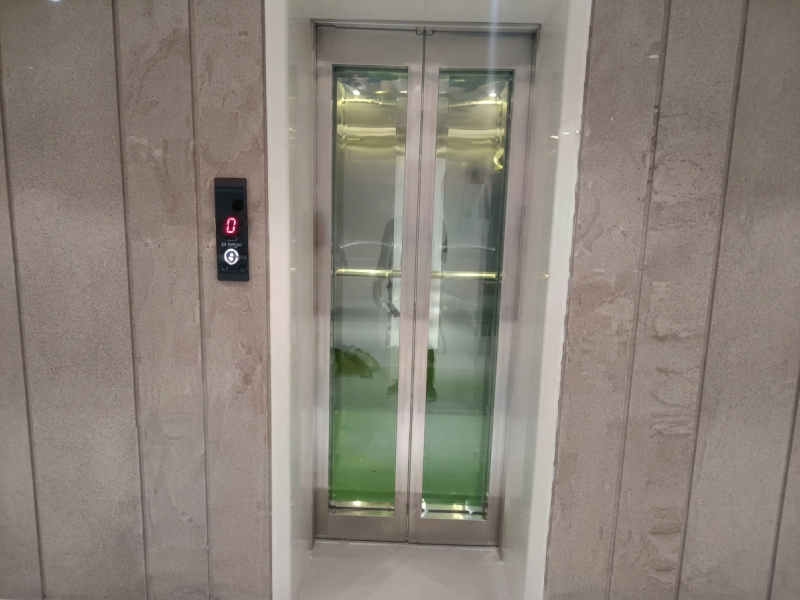
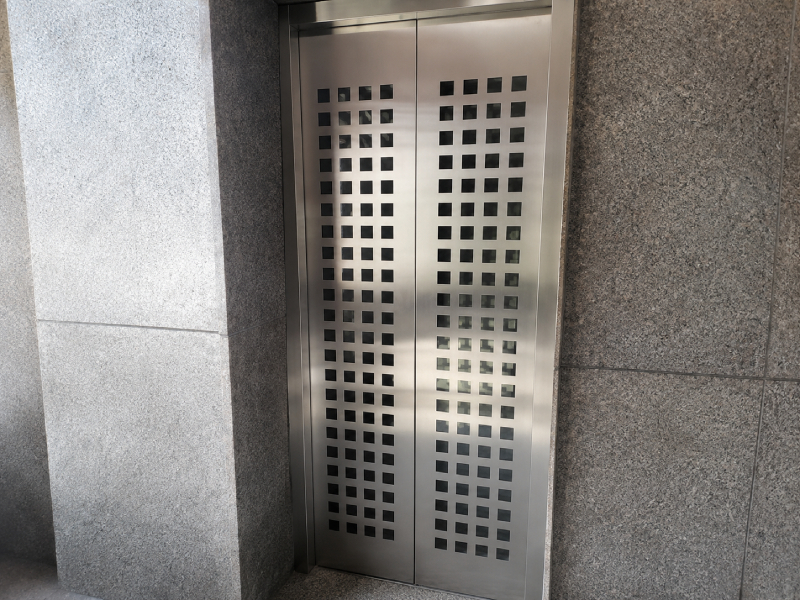
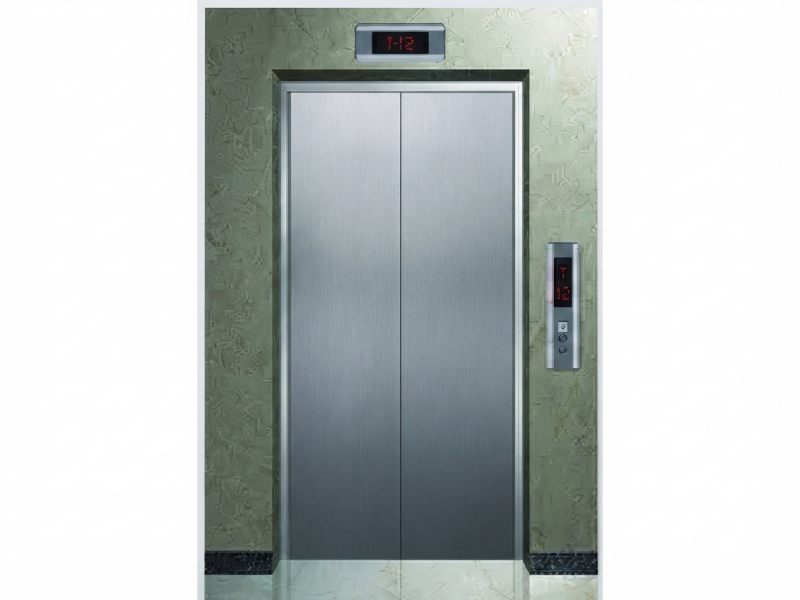
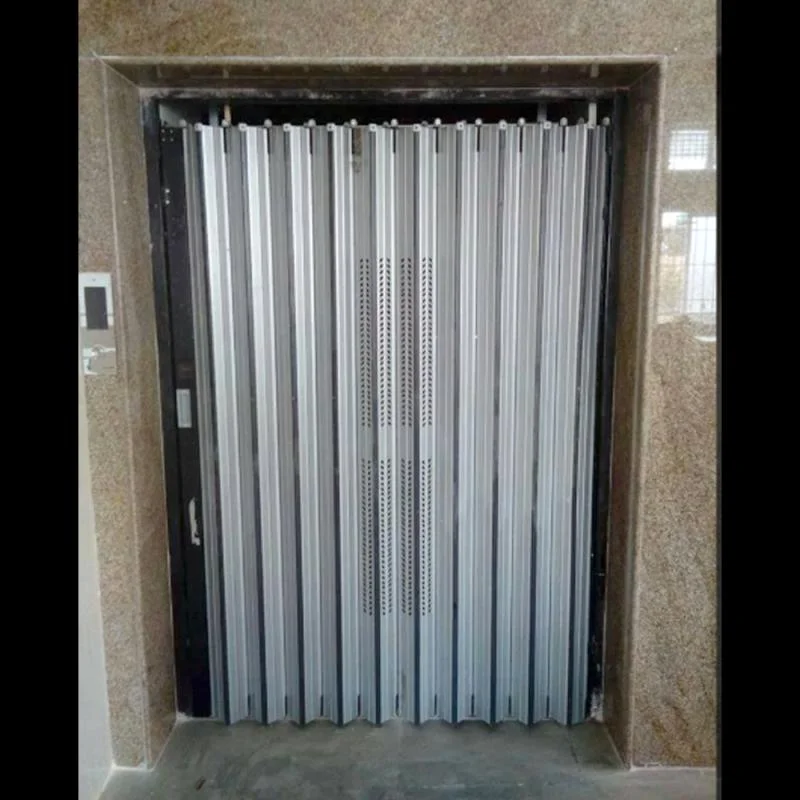
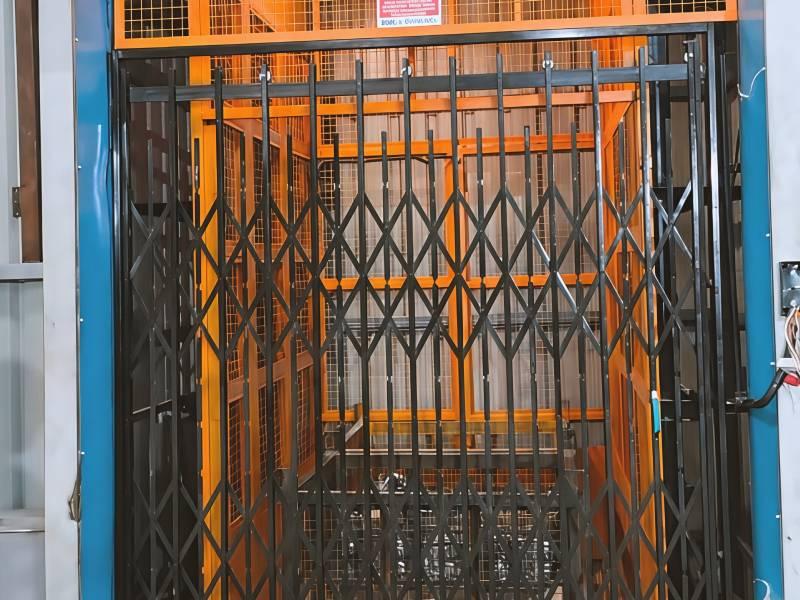
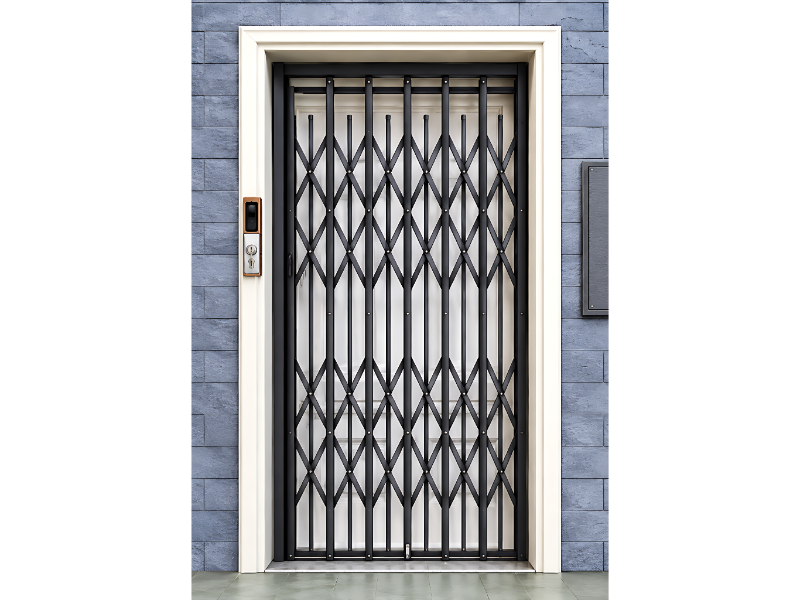
- Various door types are available, including automatic sliding and hinged doors.
- Each type serves different applications based on space and user needs.
5. Control System
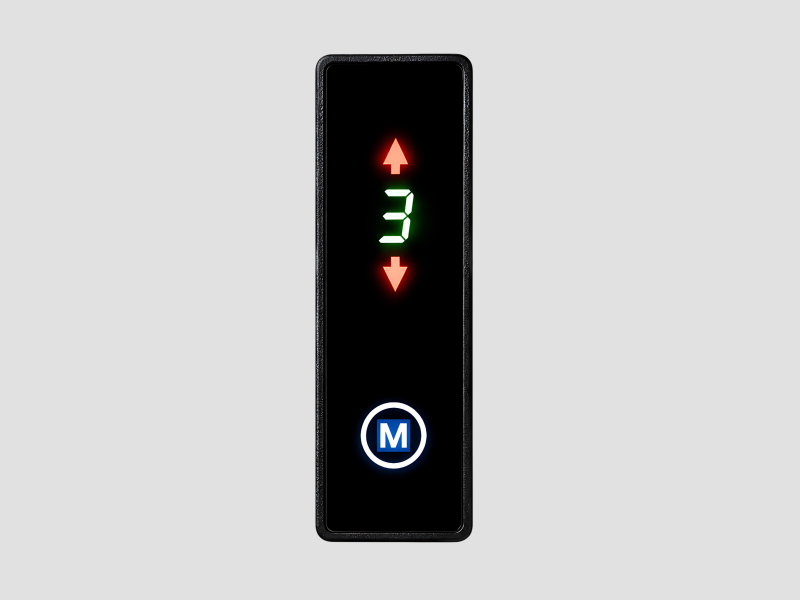
- Modern lifts utilize advanced control systems for improved performance.
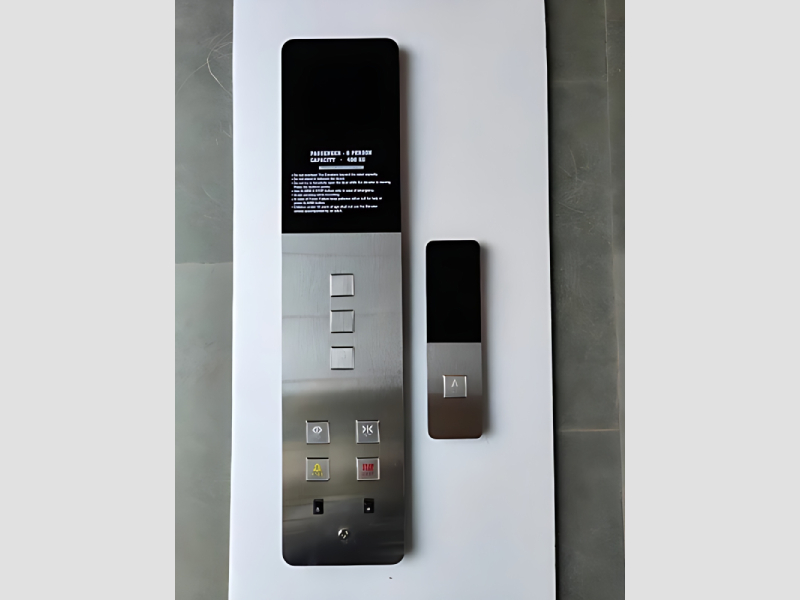
- Options include traditional relay systems and contemporary microprocessor controls.
6. Safety Features
- Safety is paramount in lift design.
- Features may include emergency brakes, overload sensors, and safety interlocks.
7. Energy Efficiency
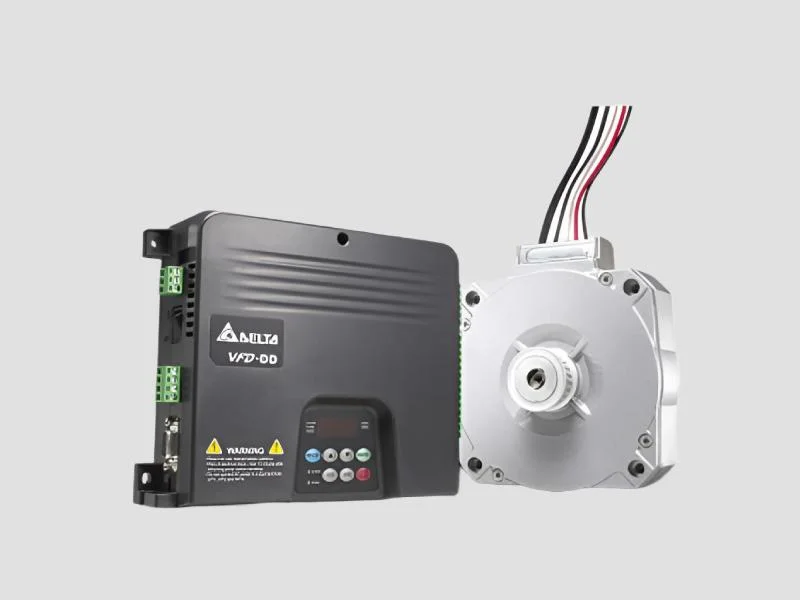
- Many modern lifts are designed to be energy-efficient, using regenerative drives.
- This can significantly reduce energy consumption during operation.
8. Customization Options
- Lifts can often be customized to fit specific architectural designs and user requirements.
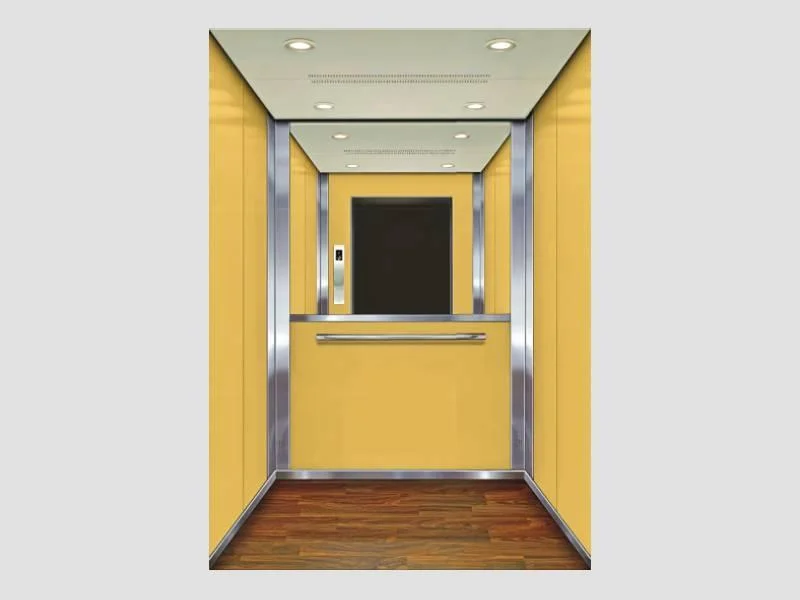
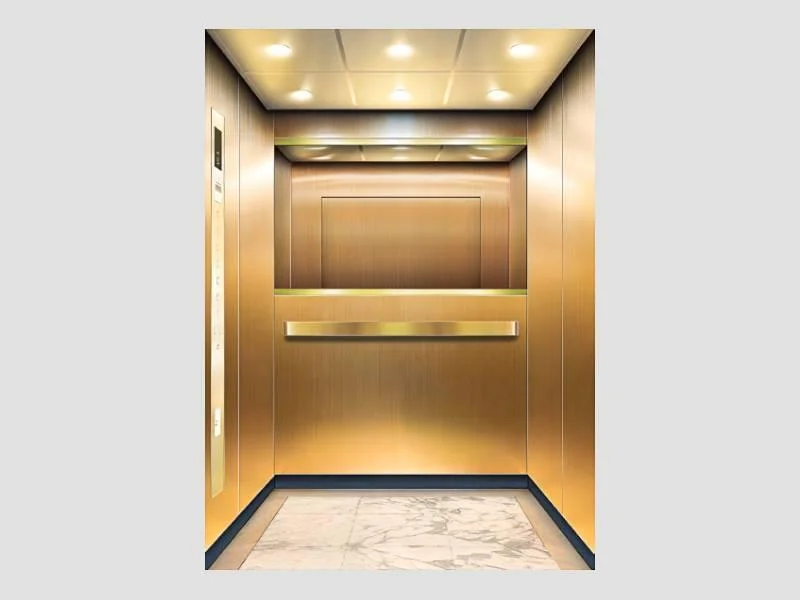
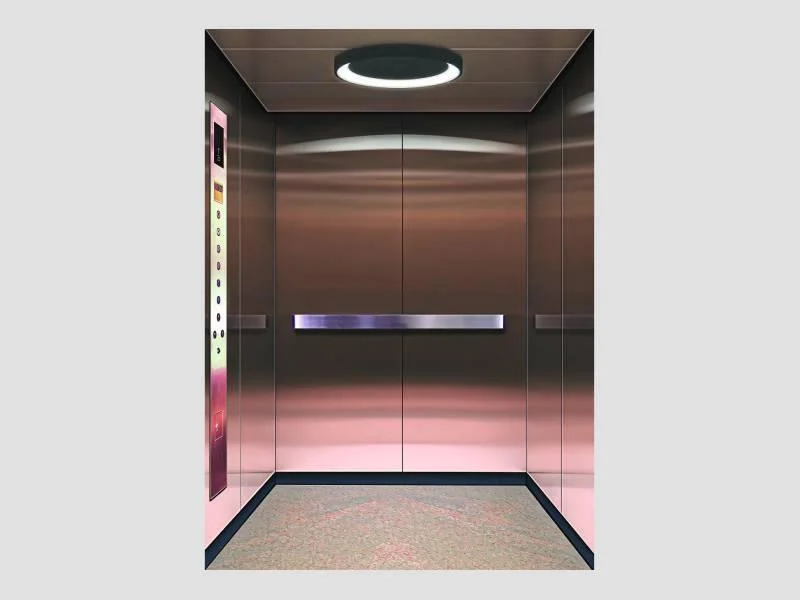
- Options may include cabin size, finishes, and control interfaces.
In summary, understanding these specifications enables businesses to choose the right lift or elevator that meets their operational needs while ensuring safety and efficiency.
𝗖𝗼𝗺𝗺𝗼𝗻 𝗔𝗽𝗽𝗹𝗶𝗰𝗮𝘁𝗶𝗼𝗻𝘀 𝗮𝗻𝗱 𝗨𝘀𝗲 𝗖𝗮𝘀𝗲𝘀
Lifts and elevators are versatile systems found in diverse industries, each with specific applications.
1. Commercial Buildings: In offices and shopping centers, lifts facilitate the movement of employees and customers between floors, enhancing accessibility.
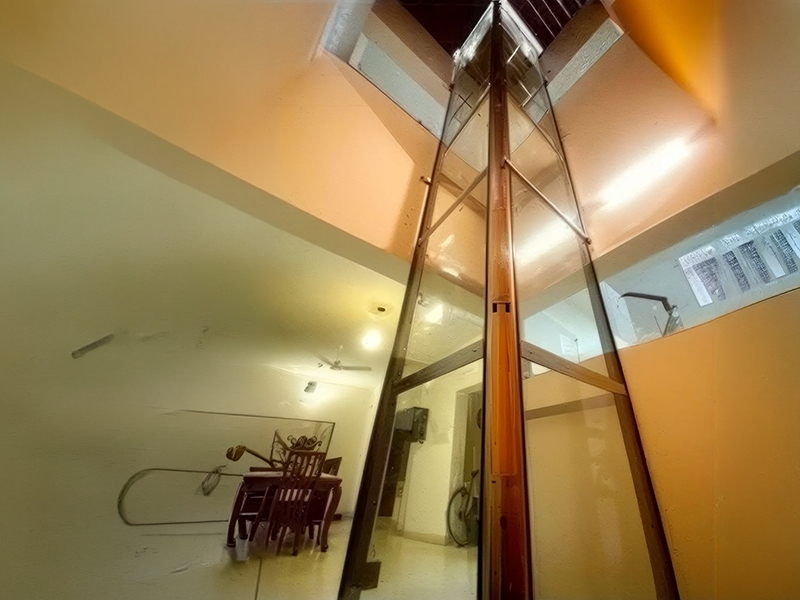
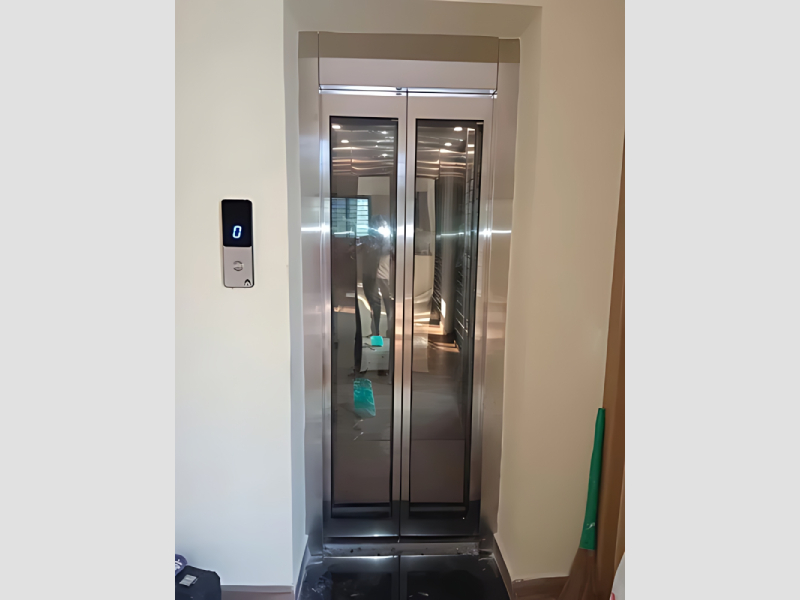
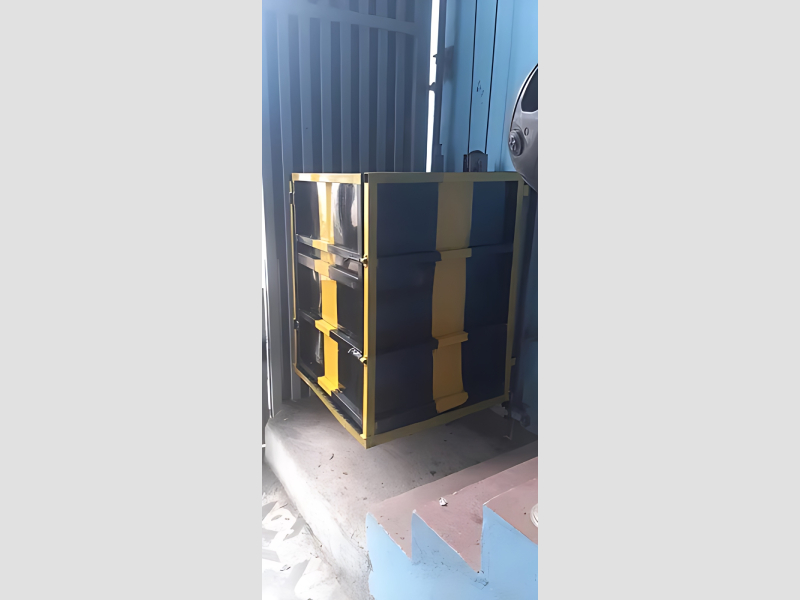
2. Residential Spaces: Home elevators cater to individuals with mobility challenges, as well as providing convenience for transporting goods between floors.
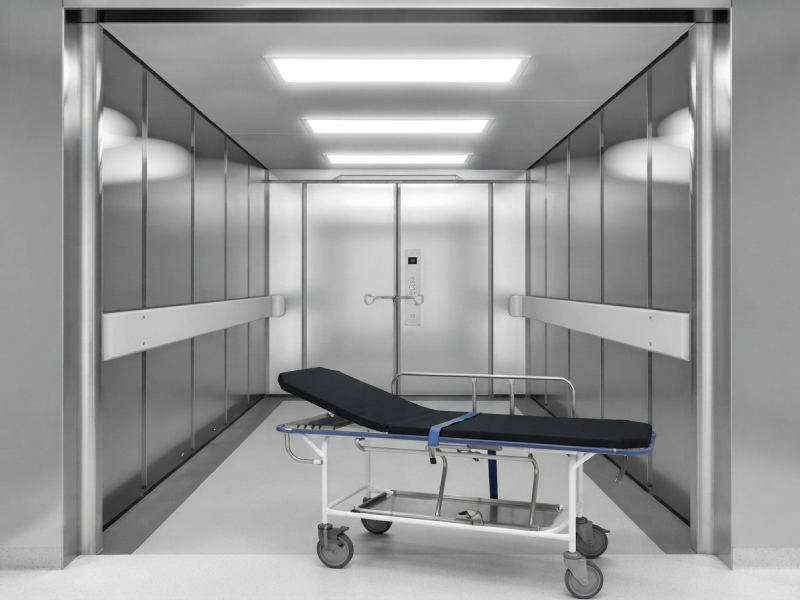
3. Healthcare Facilities: Hospitals use specialized elevators for transporting patients, medical equipment, and supplies, ensuring efficient and safe movement.
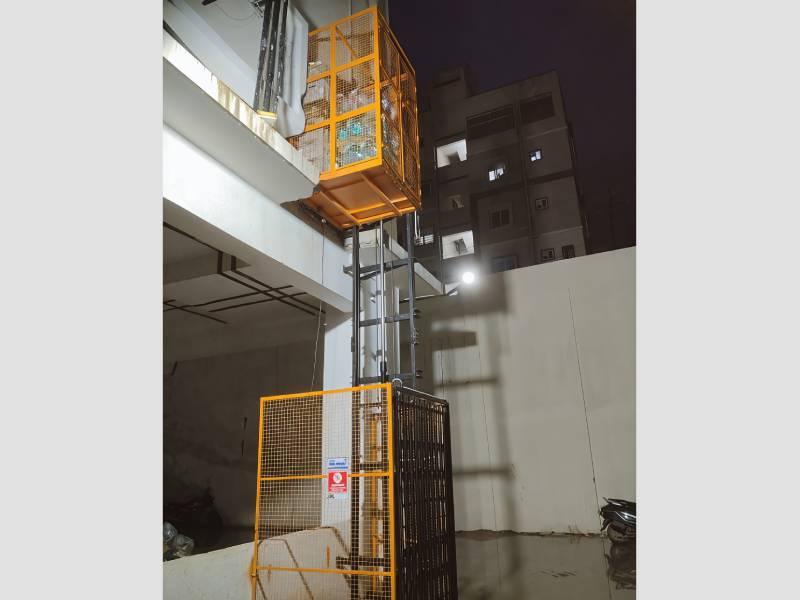
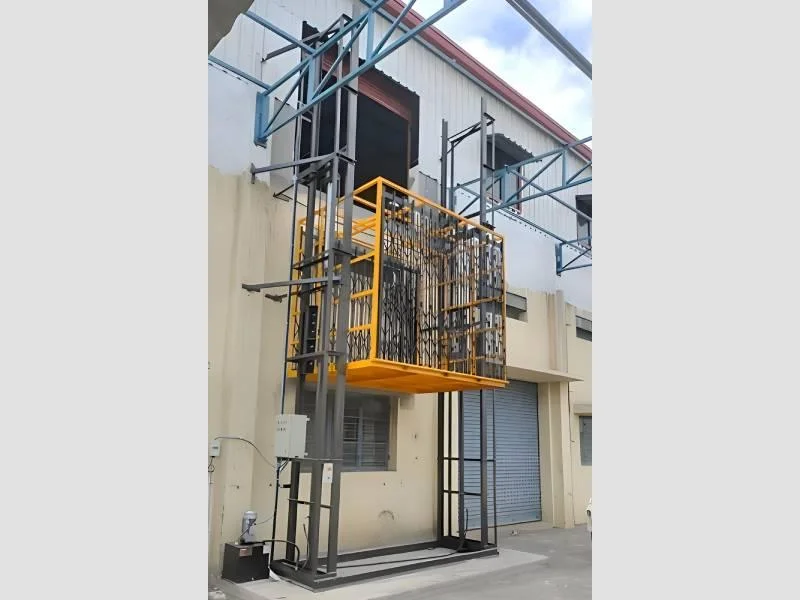
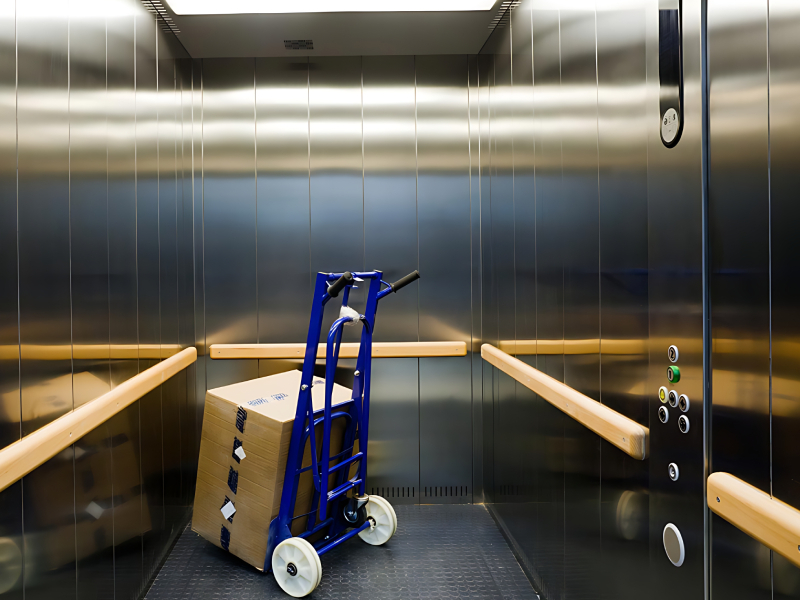
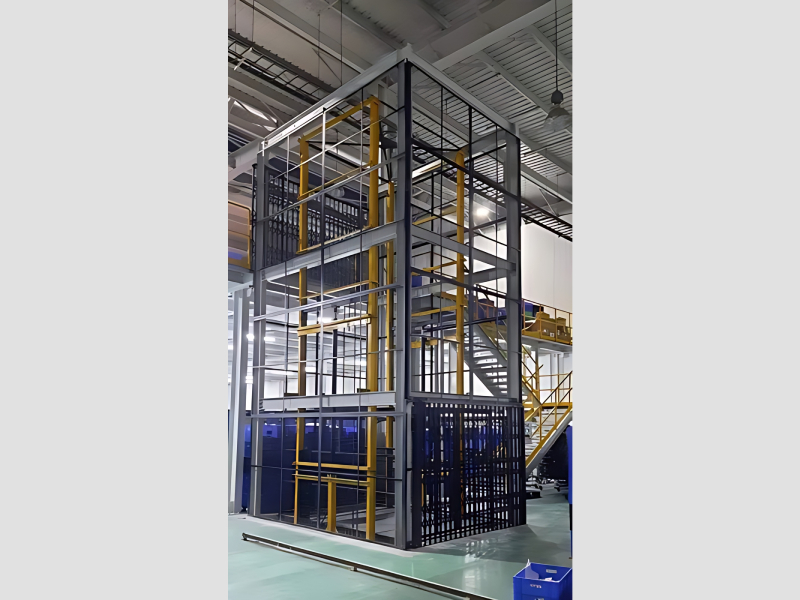
4. Industrial Environments: Factories and warehouses utilize heavy-duty lifts to move large quantities of materials and products between different levels.
5. Hospitality Sector: Hotels employ elevators to improve guest experience, providing easy access to rooms and amenities.
6. Educational Institutions: Schools and universities incorporate lifts to ensure accessibility for all students and staff, promoting inclusivity.
7. Transportation Hubs: Airports and train stations use lifts to assist passengers with luggage and ensure smooth transitions between platforms.
𝗣𝗿𝗼𝗱𝘂𝗰𝘁 𝗩𝗮𝗿𝗶𝗮𝗻𝘁𝘀 𝗮𝗻𝗱 𝗦𝘂𝗯𝗰𝗮𝘁𝗲𝗴𝗼𝗿𝗶𝗲𝘀
Lifts and elevators come in various forms to cater to different needs and applications.
Hydraulic Lifts
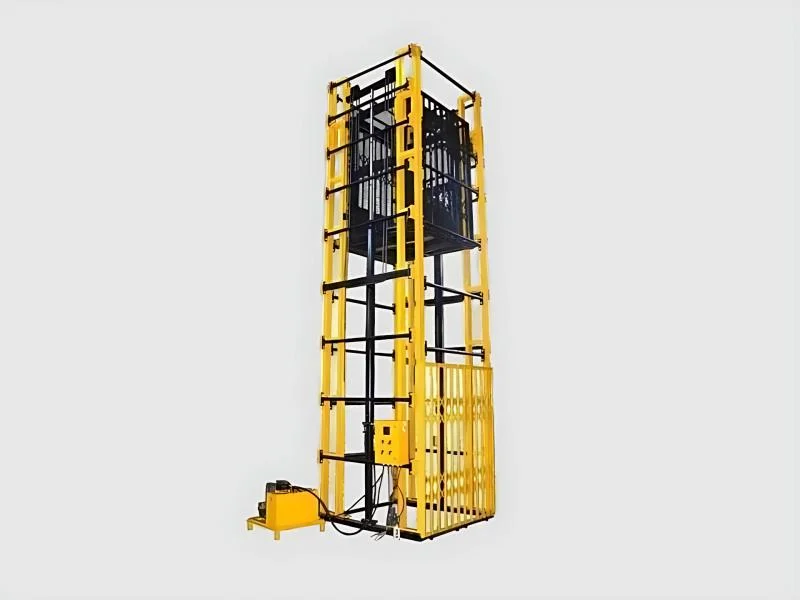
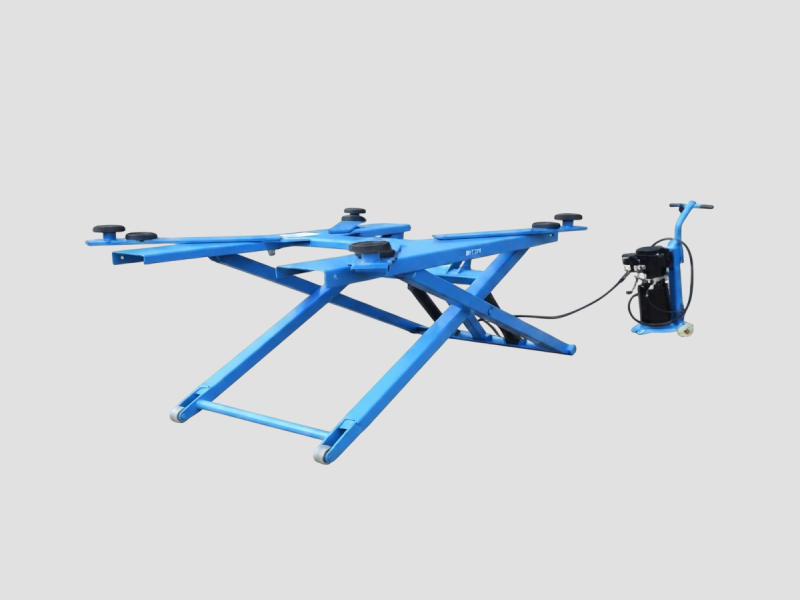
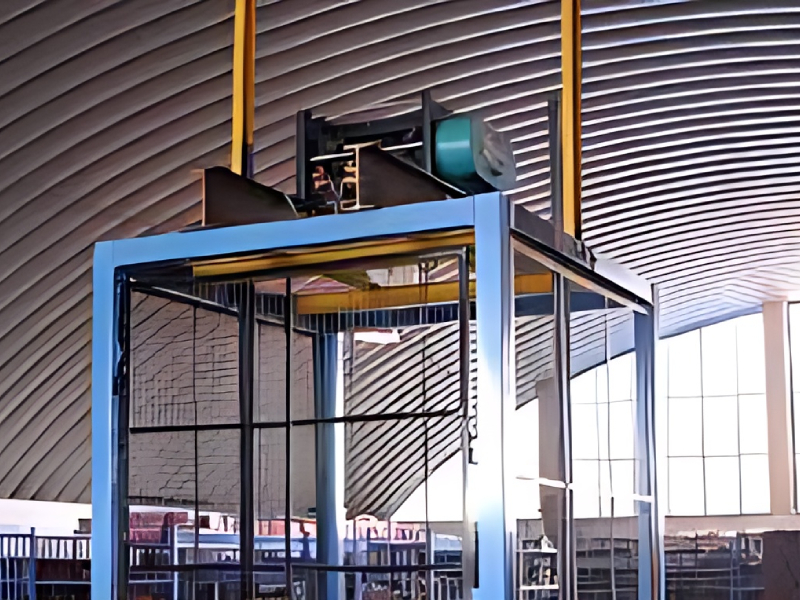
Hydraulic lifts operate using a fluid-driven mechanism, making them ideal for low to mid-rise buildings. They offer smooth operation and are suitable for freight transport.
Traction Elevators
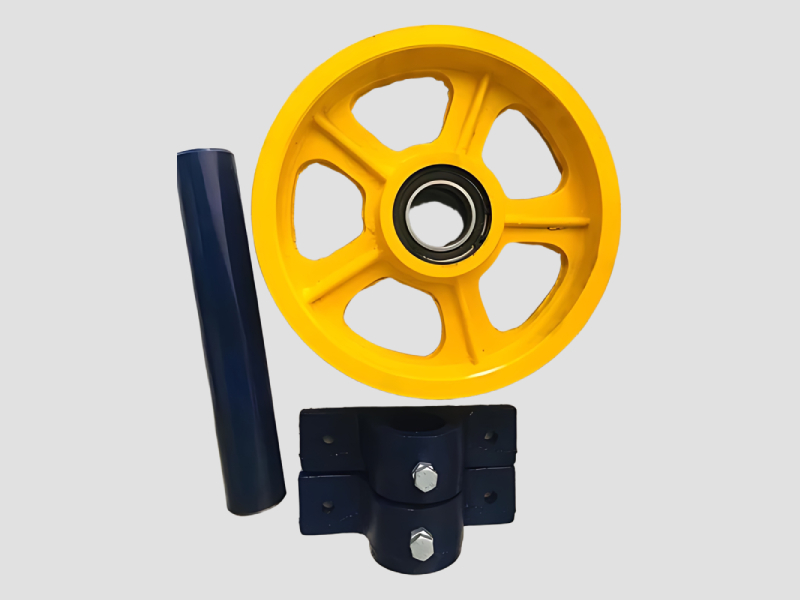
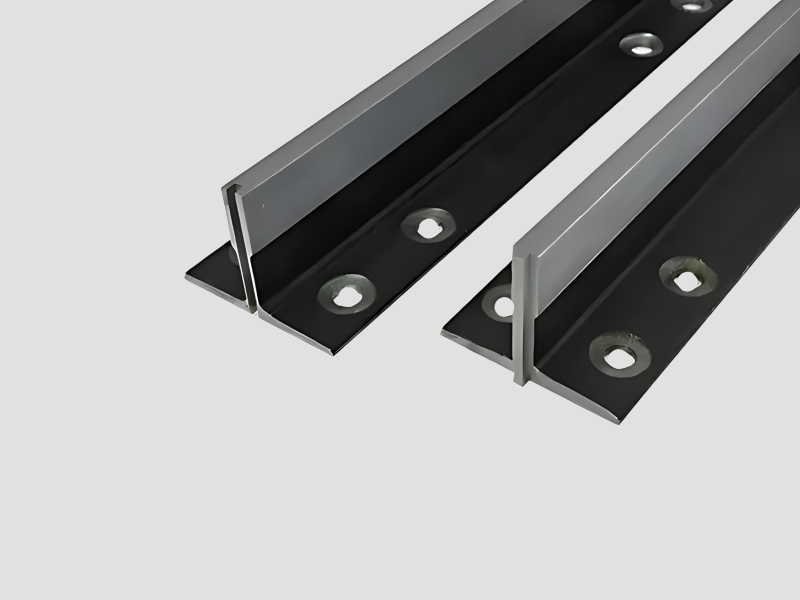
These elevators use cables and pulleys for movement. They are preferred for high-rise buildings due to their efficiency and speed, providing quick access to numerous floors.
Pneumatic Elevators
Pneumatic elevators rely on air pressure to move the cab, making them a modern and space-efficient option for residential applications. They are easy to install and require minimal maintenance.
Inclined Lifts
Inclined lifts are designed for transporting individuals and goods along an incline. They are commonly used in settings where traditional elevators cannot be installed due to space constraints.
𝗕𝗲𝗻𝗲𝗳𝗶𝘁𝘀 𝗮𝗻𝗱 𝗔𝗱𝘃𝗮𝗻𝘁𝗮𝗴𝗲𝘀
Investing in lifts and elevators offers numerous advantages for businesses and property owners.
1. Improved Accessibility: Lifts enhance accessibility for individuals with mobility challenges, ensuring compliance with regulations.
2. Increased Efficiency: Elevators reduce the time taken to move between floors, improving operational efficiency in commercial settings.
3. Space Optimization: By utilizing vertical space, lifts allow for better use of building layouts, maximizing the usable area.
4. Safety Assurance: Modern lifts are equipped with advanced safety features, minimizing the risk of accidents during operation.
5. Enhanced Property Value: Installing high-quality lifts can increase the overall value of a property, making it more attractive to potential buyers or tenants.
6. Customization Options: Businesses can tailor lifts to their specific needs, ensuring they fit seamlessly into existing structures and workflows.
𝗕𝘂𝘆𝗶𝗻𝗴 𝗚𝘂𝗶𝗱𝗲 𝗳𝗼𝗿 𝗕𝟮𝗕 𝗕𝘂𝘆𝗲𝗿𝘀
When sourcing lifts and elevators, it is essential for businesses to consider several critical factors to ensure they make informed decisions.
1. Quality Assessment: Evaluate the quality of the lifts by checking the manufacturer's reputation, customer reviews, and compliance with industry standards.
2. Supplier Verification: Vetting suppliers is crucial. Ensure they have a proven track record and are certified to provide reliable and safe products.
3. Pricing and MOQ: Understand the pricing structure and minimum order quantity (MOQ) requirements. Compare offers from multiple suppliers to find the best value.
4. Delivery and Lead Times: Assess the logistics involved in delivery. Ensure suppliers can meet your project's timeline and provide clear lead times for installation.
5. Compliance Requirements: Familiarize yourself with regional regulations and standards that the lifts must meet to ensure safety and legal compliance.
𝗖𝗼𝗺𝗽𝗹𝗶𝗮𝗻𝗰𝗲 𝗮𝗻𝗱 𝗖𝗲𝗿𝘁𝗶𝗳𝗶𝗰𝗮𝘁𝗶𝗼𝗻𝘀
Compliance with industry standards is vital for lifts and elevators to ensure safety and efficiency. Key quality standards such as ISO 9001 help guarantee that products meet international quality management requirements.
Additionally, many elevators carry CE certification, indicating they comply with European health, safety, and environmental protection standards.
Safety and testing requirements play a crucial role in the manufacturing process, ensuring that lifts are rigorously tested for performance and reliability.
Regional compliance considerations may vary depending on local regulations, making it essential for businesses to understand specific requirements in their areas.
𝗪𝗵𝘆 𝗦𝗼𝘂𝗿𝗰𝗲 𝗟𝗶𝗳𝘁𝘀 & 𝗘𝗹𝗲𝘃𝗮𝘁𝗼𝗿𝘀 𝗳𝗿𝗼𝗺 𝗣𝗲𝗽𝗮𝗴𝗼𝗿𝗮?
Pepagora offers a comprehensive platform for sourcing lifts and elevators, providing several key advantages that support B2B buyers.
Verified Supplier Network: Our network comprises carefully vetted suppliers who meet stringent quality standards. This ensures that buyers can access reliable products from reputable manufacturers.
Streamlined RFQ Process: The Request for Quotation (RFQ) system simplifies the procurement process, allowing businesses to easily compare quotes from multiple suppliers and make informed purchasing decisions.
Trade Assurance and Support: Pepagora provides trade assurance to protect buyers during transactions. Our support team is available to assist with any issues that may arise, ensuring a smooth purchasing experience.
Regional Coverage: With a strong presence in India, the GCC, and Southeast Asia, Pepagora offers extensive regional coverage. This makes it easier for businesses in these areas to find suitable suppliers and navigate local market conditions.

 IN
IN